
Overview & Introduction
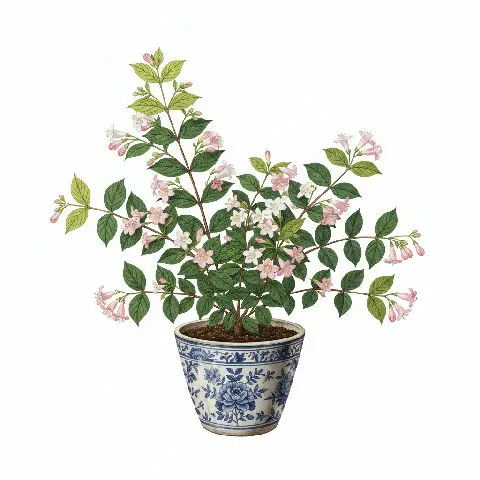
Abelia × grandiflora, commonly known as Glossy Abelia, is an elegant semi-evergreen to evergreen hybrid ornamental shrub belonging to the Caprifoliaceae family, a result of the intentional cross between Abelia chinensis and Abelia uniflora.
The interesting part about Abelia Grandiflora is that the plant can be discussed from several angles at once: visible form, environmental behavior, traditional context, and modern quality control.
Use this guide as a practical reference, then compare it with the detailed plant profile at https://www.floramedicalglobal.com/garden-plants/abelia-grandiflora whenever you want to confirm the source page itself.
- Ornamental Hybrid — Abelia × grandiflora is a popular, low-maintenance ornamental shrub known for its glossy foliage and prolonged white.
- Pollinator Attractor — Valued for attracting bees, butterflies, and hummingbirds, enhancing garden biodiversity.
- Resilient and Adaptable — Tolerates various soil types and drought once established, hardy in zones 6-11.
- Limited Medicinal Use — The hybrid itself has no established medicinal uses
- Potential benefits are extrapolated from its parent species (Abelia chinensis, Abelia uniflora).
- Phytochemical Potential — Contains compounds like flavonoids and phenolic acids, suggesting antioxidant and anti-inflammatory properties.
- Safety Precaution — Primarily for external landscaping
- Internal consumption is not advised due to unknown toxicity and lack of research.
Botanical Profile & Taxonomy
Abelia Grandiflora should be anchored to the correct taxonomic identity before any discussion of care, use, or safety begins.
| Common name | Abelia Grandiflora |
|---|---|
| Scientific name | Abelia × grandiflora |
| Family | Caprifoliaceae |
| Order | Dipsacales |
| Genus | Abelia |
| Species epithet | × grandiflora |
| Author citation | (Sweet) F. Schmidt |
| Synonyms | Abelia schumannii, Abelia floribunda |
| Common names | গ্লসি অ্যাবেলিয়া, Glossy Abelia |
| Origin | East Asia (Southern China, Japan) |
| Life cycle | Perennial |
| Growth habit | Shrub |
Using the accepted scientific name Abelia × grandiflora helps readers avoid confusion caused by old synonyms, loose common names, or inconsistent plant labels.
Family and order placement also matter because they explain recurring structural traits, likely relatives, and the kinds of mistakes readers often make when they rely on appearance alone.
Correct naming is not a small detail. A plant can collect multiple common names, outdated synonyms, and marketing labels over time, so using Abelia × grandiflora consistently reduces the risk of confusion, bad care advice, and even safety mistakes.
Physical Description & Morphology
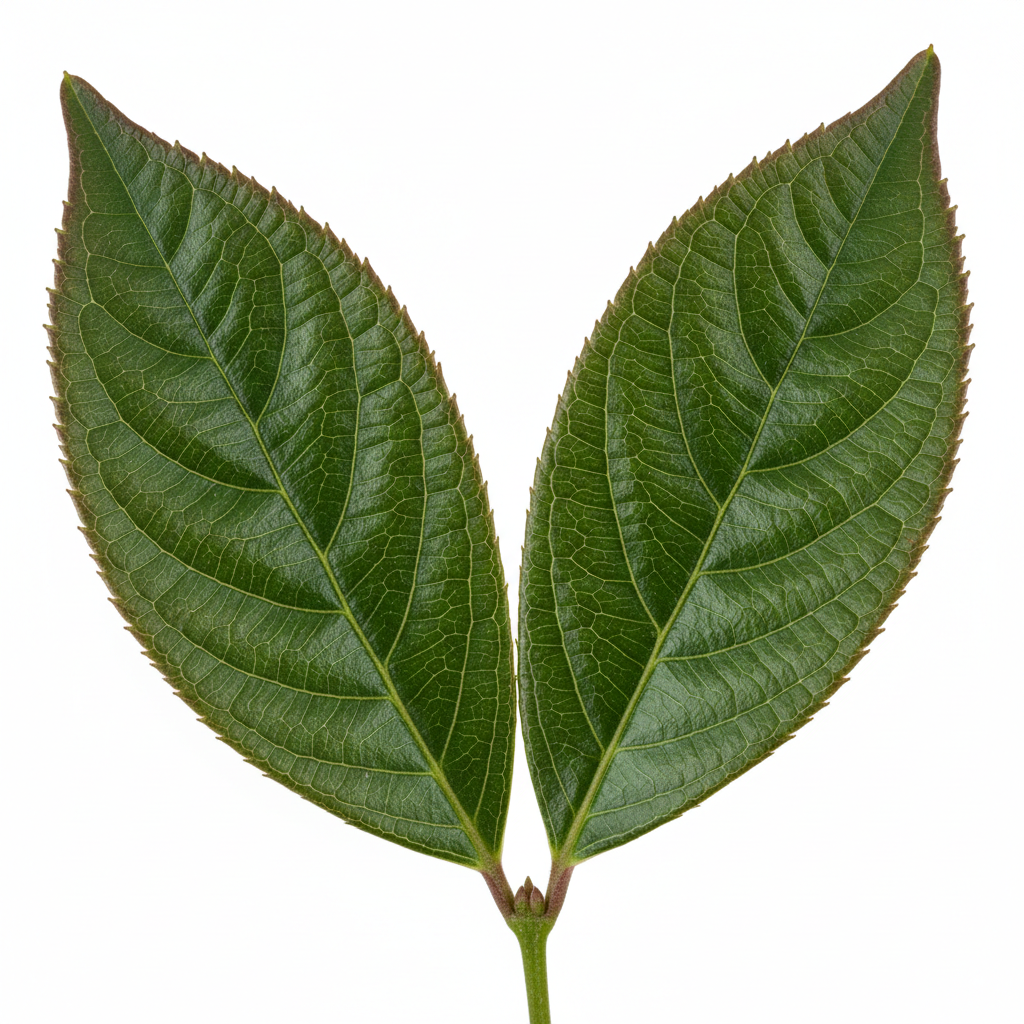
A practical reading of the plant starts with visible structure: Leaf: Opposite or in whorls of three, ovate to oblong-ovate, 2-6 cm long, glossy dark green, sometimes bronze-purple in cooler temperatures, finely. Stem: Young stems are reddish-brown, aging to grayish-brown, often arching and somewhat woody. Root: Fibrous root system, moderately deep, providing good anchorage and drought tolerance. Flower: Small, bell-shaped to funnel-shaped, 1-2.5 cm long, white to pale pink, often with a slight fragrance, borne in terminal or axillary clusters. Fruit: Small, inconspicuous, leathery achene, typically 3-5 mm long, enclosed by persistent reddish sepals, maturing in fall. Seed: Minute, typically one seed per fruit, ovoid, brown, dispersed by wind or incidental contact.
Microscopic or internal identification notes deepen the picture, especially for processed material: Non-glandular, unicellular or multicellular, uniseriate trichomes may be present on both leaf surfaces, particularly along veins, providing a slight. Anomocytic stomata are commonly observed on the abaxial leaf surface, characterized by subsidiary cells indistinguishable from other epidermal cells. Powdered material reveals fragments of epidermal cells with stomata, numerous uniseriate trichomes, spiral and pitted vessels from vascular tissue.
In overall habit, the plant is described as Shrub with a mature height around 3-6 ft and spread of variable width depending on site.
Natural Habitat & Distribution
The native or historically recorded center of distribution for Abelia Grandiflora is East Asia (Southern China, Japan). That origin is more than background trivia; it explains how the plant responds to heat, moisture, shade, and seasonal change.
The plant is associated with the following countries or range markers: Hybrid species, not native to any specific country.
Environmental notes in the live record add more context: Abelia × grandiflora is a hybrid, not native to a specific wild habitat, but cultivated globally. It thrives in temperate to subtropical climates. It tolerates USDA hardiness zones 6 through 9. It is adaptable to a wide range of altitudes for cultivated settings. It prefers average annual rainfall of 750-1250 mm but is quite drought tolerant once.
In cultivation terms, the main ecological clues are: Full Sun or Partial Shade; Weekly; Well-drained loam to sandy loam with good organic content, pH 6.0-7.0; 6-9; Perennial; Shrub.
Physiology data reinforce the habitat story: Demonstrates resilience to drought and moderate cold stress, with leaf anthocyanin production in cooler temperatures acting as a photoprotective. C3 photosynthesis, typical for most temperate woody shrubs, optimizing carbon fixation under moderate temperature and light conditions. Exhibits moderate transpiration rates, with stomatal regulation allowing for drought tolerance once established, minimizing water loss under stress.
Traditional & Cultural Significance
Abelia × grandiflora has no significant historical use or cultural significance within Ayurveda, TCM, or Unani, nor is it mentioned in ancient religious texts or traditional ceremonies. Its cultural value is almost exclusively tied to its role as a beautiful and resilient ornamental landscape plant in Western horticulture starting in the late 19th century.
Traditional context matters, but it should always be separated from modern certainty. Historical use can guide questions, yet it does not automatically prove present-day clinical effectiveness.
Cultural context gives the article depth that pure care instructions cannot provide. Plants like Abelia Grandiflora are often remembered through naming traditions, household practice, healing systems, foodways, ornamental use, ritual value, or local ecological knowledge.
At the same time, cultural value should be handled responsibly. Traditional respect for a plant does not automatically prove every modern claim, and a modern study does not erase the meaning the plant has held in communities over time. Both sides belong in a careful guide.
Medicinal Properties & Health Benefits
The main benefit themes associated with the plant include: Abelia × grandiflora, commonly known as glossy abelia, is a popular ornamental shrub in gardens, but its traditional medicinal uses are less extensively.
The evidence matrix gives a more careful picture of those claims: Anti-inflammatory properties. In vitro (related species). Limited/Extrapolated. Evidence primarily stems from studies on parent species or other Abelia members, not directly on the hybrid. Antioxidant activity. Phytochemical analysis (related species). Limited/Extrapolated. Presence of known antioxidant compounds like flavonoids and phenolic acids in the genus suggests similar activity in the hybrid. Antimicrobial potential. Microbiological assays. In vitro (related species). Some Abelia species have shown mild antimicrobial effects against certain pathogens in laboratory settings. Astringent effects. Phytochemical analysis. Inferred. If tannins are present, astringent properties are expected, useful for toning and minor wound care.
The stored evidence confidence for this profile is traditional. That should shape how strongly any benefit statement is interpreted.
For non-medicinal or mostly ornamental contexts, the safest approach is to keep the claims modest. A plant may still be valuable ecologically, visually, or culturally without being promoted as a treatment.
- Abelia × grandiflora, commonly known as glossy abelia, is a popular ornamental shrub in gardens, but its traditional medicinal uses are less extensively.
Chemical Constituents & Phytochemistry
The broader constituent profile includes Abelia × grandiflora, like other species in the Abelia genus, is known to contain a variety of phytochemicals. Key.
The detailed phytochemistry file adds these markers: Quercetin-3-O-rutinoside, Flavonoid glycoside, Leaves, 0.5-1.2% dry weight; Chlorogenic acid, Phenolic acid, Leaves, flowers, 0.2-0.8% dry weight; Loganin, Iridoid glycoside, Bark, roots, 0.1-0.4% dry weight; Ellagic acid, Tannin, Leaves, 0.3-1.0% dry weight; Kaempferol, Flavonoid aglycone, Flowers, 0.05-0.2% dry weight; Beta-sitosterol, Phytosterol, All parts, 0.01-0.05% dry weight.
Compound profiles also shift with plant part, age, season, processing, and storage. The chemistry of a fresh leaf, dried root, or concentrated extract should never be treated as automatically identical.
Phytochemistry matters because the plant's practical effects are shaped by real compounds, not by reputation alone. Even so, a compound list should be understood as part of a larger picture that includes concentration, plant part, harvest timing, processing, and storage conditions.
How to Use — Preparations & Dosage
Recorded preparation and use methods include Ornamental Landscaping — Primarily utilized as an attractive, low-maintenance shrub for hedges, borders, mass plantings, or as a specimen plant, providing long-lasting blooms. Pollinator Garden Enhancement — Planted to attract bees, butterflies, and hummingbirds, contributing to biodiversity and ecological health. Aromatic Infusions (External) — For traditional applications derived from parent species, dried leaves or flowers might be steeped in hot water for topical compresses to soothe. Decoctions for Topical Use — Bark or root material from related Abelia species, if traditional use is indicated, could be simmered to create a stronger decoction for external. Herbal Teas (Caution) — Though not recommended for the hybrid, parent species might have been used in mild herbal teas for general well-being; strict caution is advised due to lack of safety data for Abelia × grandiflora. Tinctures (Research Focus) — For research purposes, extracts (tinctures) could be prepared from leaves or flowers to study their phytochemical profile and potential bioactivities. Essential Oil Distillation (Exploratory) — While not a primary use, exploration into essential oil distillation from floral parts could reveal aromatic compounds, though in very.
Edibility and processing notes matter here as well: Not edible.
For garden-focused readers, this section often overlaps with practical garden use: cut flowers, pollinator support, habitat value, decorative placement, culinary handling, or any carefully documented traditional application.
- Identify the exact species and plant part first.
- Match the preparation to the intended use.
- Check safety, interactions, and processing details before routine use or large-scale handling.
Safety Profile, Side Effects & Contraindications
The first safety note is direct: Abelia × grandiflora is generally considered non-toxic to humans and pets. There are no known reports of adverse effects from ingestion or contact. It is not listed as a poisonous plant by major horticultural or veterinary associations.
Specific warnings recorded for this plant include Abelia × grandiflora is primarily cultivated as an ornamental garden plant and is generally regarded as safe for landscaping purposes. It is not known to be. Abelia × grandiflora is generally considered to have a low toxicity profile, especially when used in the context of ornamental gardening. There are no widely.
Quality-control notes add another warning: Low risk of adulteration as it is not widely traded for medicinal purposes; however, misidentification with other ornamental Abelia cultivars is possible.
No plant should be described as universally safe. Identity, dose, plant part, preparation style, age, pregnancy status, medication use, allergies, and contamination risk all change the answer.
Safety sections exist to slow the reader down in a good way. Even a plant with a long history of use can become problematic when identity is wrong, preparation is inconsistent, contamination is present, or personal factors like age, pregnancy, allergies, or medication use are ignored.
Growing & Cultivation Guide
The cultivation record emphasizes these practical steps: Site Selection — Plant Abelia × grandiflora in full sun to partial shade; full sun promotes the best flowering. Soil Requirements — Prefers moist, well-drained soils, but is adaptable to loam, clay, or sand, avoiding excessively salty conditions. Watering — Requires regular watering until established, then becomes drought-tolerant; avoid waterlogging. Pruning — Prune in late winter or early spring as it blooms on new wood, primarily for shaping or removing dead/damaged branches. Fertilization — Generally low-maintenance; a balanced slow-release fertilizer in spring can encourage vigorous growth, but often not necessary.
The broader growth environment is described like this: Abelia × grandiflora is a hybrid, not native to a specific wild habitat, but cultivated globally. It thrives in temperate to subtropical climates. It tolerates USDA hardiness zones 6 through 9. It is adaptable to a wide range of altitudes for cultivated settings. It prefers average annual rainfall of 750-1250 mm but is quite drought tolerant once.
Planning becomes easier when these traits are kept in view: Shrub; 3-6 ft; Moderate; Beginner.
In practice, healthy cultivation comes from systems thinking rather than one-off tricks. Site choice, drainage, timing, spacing, pruning, feeding, and observation all reinforce one another.
Light, Water & Soil Requirements
The most useful care snapshot is this: Light: Full Sun or Partial Shade; Water: Weekly; Soil: Well-drained loam to sandy loam with good organic content, pH 6.0-7.0; Humidity: Medium; Temperature: -15-38°C; USDA zone: 6-9.
Outdoors, light, water, and soil must be read together. The same watering schedule can be too much in dense clay and too little in a porous sandy bed.
| Light | Full Sun or Partial Shade |
|---|---|
| Water | Weekly |
| Soil | Well-drained loam to sandy loam with good organic content, pH 6.0-7.0 |
| Humidity | Medium |
| Temperature | -15-38°C |
| USDA zone | 6-9 |
Light, water, and soil should never be treated as separate checkboxes. A plant in stronger light often dries faster, soil texture changes how quickly water moves, and temperature plus humidity influence how stress appears in leaves and roots.
For Abelia Grandiflora, the safest care approach is to treat Full Sun or Partial Shade, Weekly, and Well-drained loam to sandy loam with good organic content, pH 6.0-7.0 as linked decisions rather than isolated tips. If one condition shifts, the other two usually need to be reconsidered as well.
Propagation Methods
Documented propagation routes include Cuttings: Softwood or semi-hardwood cuttings are the most common and effective method. Take 10-15 cm cuttings in late spring or early summer (softwood) or.
Propagation works best when the parent stock is healthy, correctly identified, and handled in the right season. That sounds obvious, but it is exactly where many failures begin.
- Cuttings: Softwood or semi-hardwood cuttings are the most common and effective method. Take 10-15 cm cuttings in late spring or early summer (softwood) or.
Propagation works best when the reader matches method to biology. Some plants respond readily to cuttings, some to division, some to seed, and others require more patience or more exact seasonal timing.
A successful propagation guide therefore starts with healthy parent material and realistic expectations. Weak stock, rushed handling, and poor aftercare can make even a technically correct method fail.
Pest & Disease Management
The recorded problem list includes Common pests: Aphids, whiteflies, and scale insects can occasionally infest Abelia × grandiflora. Treat with. improve air circulation. Nutrient deficiencies: Yellowing leaves can indicate iron deficiency in alkaline soils; apply chelated iron. Organic solutions: Introduce beneficial insects like ladybugs for aphids. Use compost to improve.
Garden problems are often ecological rather than mysterious. Crowding, poor airflow, overwatering, wrong siting, and delayed observation create the conditions that pests and disease exploit.
The smartest response sequence is observation first, environmental correction second, and treatment only after the real pattern is clear.
- Common pests: Aphids, whiteflies, and scale insects can occasionally infest Abelia × grandiflora. Treat with.
- Improve air circulation. Nutrient deficiencies: Yellowing leaves can indicate iron deficiency in alkaline soils
- Apply chelated iron. Organic solutions: Introduce beneficial insects like ladybugs for aphids. Use compost to improve.
Harvesting, Storage & Processing
Storage guidance from the quality-control record reads as follows: Dried plant material, if prepared, should be stored in airtight containers away from light and moisture to preserve phytochemical integrity, though shelf life for medicinal.
For a garden-focused plant, harvesting may mean seed collection, cut stems, flowers, foliage, or propagation material rather than edible or medicinal processing.
Whatever the purpose, the rule is the same: harvest clean material, label it clearly, and store it in a way that preserves identity and condition.
Harvest and storage determine whether a plant's quality is preserved after it leaves the bed, pot, field, or wild source. Clean timing, correct plant part selection, and careful drying or handling all matter more than many readers expect.
For Abelia Grandiflora, this means the reader should think beyond collection. Material that is poorly labeled, overheated, damp in storage, or mixed with the wrong part of the plant can quickly lose value or create confusion later.
Companion Planting & Garden Design
Useful companions or placement partners include Spiraea x bumalda 'Goldflame' Hydrangea paniculata 'Limelight' Echinacea purpurea; Salvia nemorosa 'Caradonna'.
In a garden border or planting plan, Abelia Grandiflora is easiest to use well when exposure, soil rhythm, and seasonal sequence are matched rather than improvised.
- Spiraea x bumalda 'Goldflame'
- Hydrangea paniculata 'Limelight'
- Echinacea purpurea
- Salvia nemorosa 'Caradonna'
Companion planting and design are not only aesthetic decisions. They affect airflow, root competition, moisture sharing, harvest access, visibility, and the general logic of the planting scheme.
With Abelia Grandiflora, good placement means thinking about mature size, maintenance rhythm, and how neighboring plants change the feel and function of the space. A plant can be healthy on its own and still be poorly placed within the broader composition.
Scientific Research & Evidence Base
The evidence matrix points to several recurring themes: Anti-inflammatory properties. In vitro (related species). Limited/Extrapolated. Evidence primarily stems from studies on parent species or other Abelia members, not directly on the hybrid. Antioxidant activity. Phytochemical analysis (related species). Limited/Extrapolated. Presence of known antioxidant compounds like flavonoids and phenolic acids in the genus suggests similar activity in the hybrid. Antimicrobial potential. Microbiological assays. In vitro (related species). Some Abelia species have shown mild antimicrobial effects against certain pathogens in laboratory settings. Astringent effects. Phytochemical analysis. Inferred. If tannins are present, astringent properties are expected, useful for toning and minor wound care.
The compiled source count behind the live profile is 8. That does not guarantee certainty, but it does suggest the record has been cross-checked beyond a single note.
Analytical testing notes also strengthen the evidence base: HPLC-UV for flavonoid and phenolic acid quantification, GC-MS for volatile components, and macroscopic/microscopic identification for botanical verification.
A careful evidence section should say what is known, what is plausible, and what remains uncertain. Readers are better served by clear limits than by exaggerated confidence.
Evidence note: this section blends the live plant record, local ethnobotanical activity data, chemistry records, and the linked Flora Medical Global plant profile for Abelia Grandiflora.
Buying Guide & Expert Tips
Quality markers worth checking include Flavonoid glycosides (e.g., rutin, hyperoside) and specific iridoids (e.g., loganin) can serve as chemical markers for identity and quality assessment.
Adulteration and substitution risk should not be ignored: Low risk of adulteration as it is not widely traded for medicinal purposes; however, misidentification with other ornamental Abelia cultivars is possible.
When buying Abelia Grandiflora, start with verified botanical identity. The label, scientific name, and the source page should agree before you judge price, size, or claimed benefits.
For living plants, inspect roots, stem firmness, foliage health, and early pest signs. For dried or processed material, look for batch clarity, clean aroma, absence of mold, and any sign that the product has been over-processed to disguise poor quality.
Buying advice should begin with identity. The label, scientific name, visible condition, and seller credibility should agree before price or convenience becomes the deciding factor.
Frequently Asked Questions
What is Abelia Grandiflora best known for?
Abelia × grandiflora, commonly known as Glossy Abelia, is an elegant semi-evergreen to evergreen hybrid ornamental shrub belonging to the Caprifoliaceae family, a result of the intentional cross between Abelia chinensis and Abelia uniflora.
Is Abelia Grandiflora beginner-friendly?
That depends on the growing environment and the intended use. Some plants are easy to grow but not simple to use medicinally, while others are the opposite.
How much light does Abelia Grandiflora need?
Full Sun or Partial Shade
How often should Abelia Grandiflora be watered?
Weekly
Can Abelia Grandiflora be propagated at home?
Yes, but the best method depends on whether the species responds best to seed, cuttings, division, offsets, or other propagation routes.
Does Abelia Grandiflora have safety concerns?
Abelia × grandiflora is generally considered non-toxic to humans and pets. There are no known reports of adverse effects from ingestion or contact. It is not listed as a poisonous plant by major horticultural or veterinary associations.
What is the biggest mistake people make with Abelia Grandiflora?
The most common mistake is applying generic advice instead of matching the plant to its real environment, identity, and limits.
Where can I verify more information about Abelia Grandiflora?
Start with the Flora Medical Global plant profile: https://www.floramedicalglobal.com/garden-plants/abelia-grandiflora
Why do sources sometimes disagree about Abelia Grandiflora?
Different references may use different synonyms, plant parts, cultivation conditions, or evidence standards. That is why taxonomy and source quality both matter.
Trusted Scientific References & Further Reading
Authoritative sources and related guides:
- Wikipedia — background reference
- PubMed — peer-reviewed studies
- Kew POWO — botanical reference
- NCBI PMC — open-access research
- WHO — global health authority