
Overview & Introduction
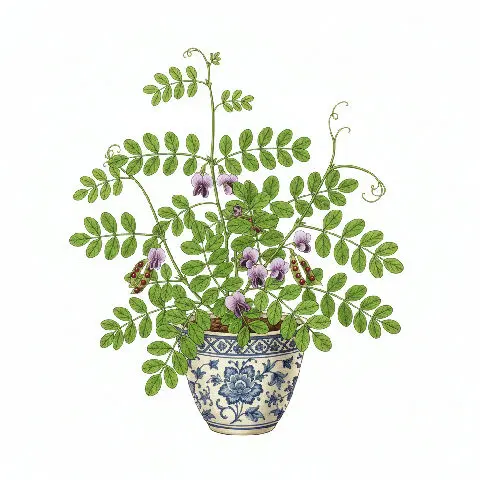
Abrus precatorius, widely recognized as Jequirity bean, Rosary pea, or Crab's eye, is a perennial woody climber belonging to the Fabaceae family, celebrated for its nitrogen-fixing capabilities and diverse legume species.
A good article on Abrus should not stop at one-line claims. Readers need taxonomy, habitat, safety, cultivation, and evidence in the same place so they can make sound decisions.
The aim is simple: make the article detailed enough for serious readers while keeping the structure clear enough for fast scanning and confident decision-making.
- Abrus precatorius is a highly toxic plant, especially its seeds, containing the lethal protein abrin.
- Known for its striking red and black seeds, often used in jewelry despite severe toxicity.
- Traditional medicine systems utilize other plant parts (leaves, roots) or highly detoxified seeds under expert guidance for various.
- Pharmacological studies explore its potential anti-inflammatory, antidiabetic, and immunomodulatory properties.
- Extreme caution is paramount
- Internal consumption is generally contraindicated and can be fatal.
Botanical Profile & Taxonomy
Abrus should be anchored to the correct taxonomic identity before any discussion of care, use, or safety begins.
| Common name | Abrus |
|---|---|
| Scientific name | Abrus precatorius |
| Family | Fabaceae |
| Order | Fabales |
| Genus | Abrus |
| Species epithet | precatorius |
| Author citation | L. |
| Synonyms | Abrus precatorius L. |
| Common names | করবী বিচি, Rosary pea, Lucky bean |
| Local names | Paternosterboontje, coral bead plant, Mbilimbitsi, Makurá, Indian-licorice, Indian licorice, Cascavelle, Liane réglisse, Réglisse marron, Réglisse., Moho, alcaçuz-da-américa, Makura, Maso na ombigara, assacumirim |
| Origin | Tropical Asia (India, Sri |
| Life cycle | Perennial |
| Growth habit | Tree |
Using the accepted scientific name Abrus precatorius helps readers avoid confusion caused by old synonyms, loose common names, or inconsistent plant labels.
Family and order placement also matter because they explain recurring structural traits, likely relatives, and the kinds of mistakes readers often make when they rely on appearance alone.
Physical Description & Morphology
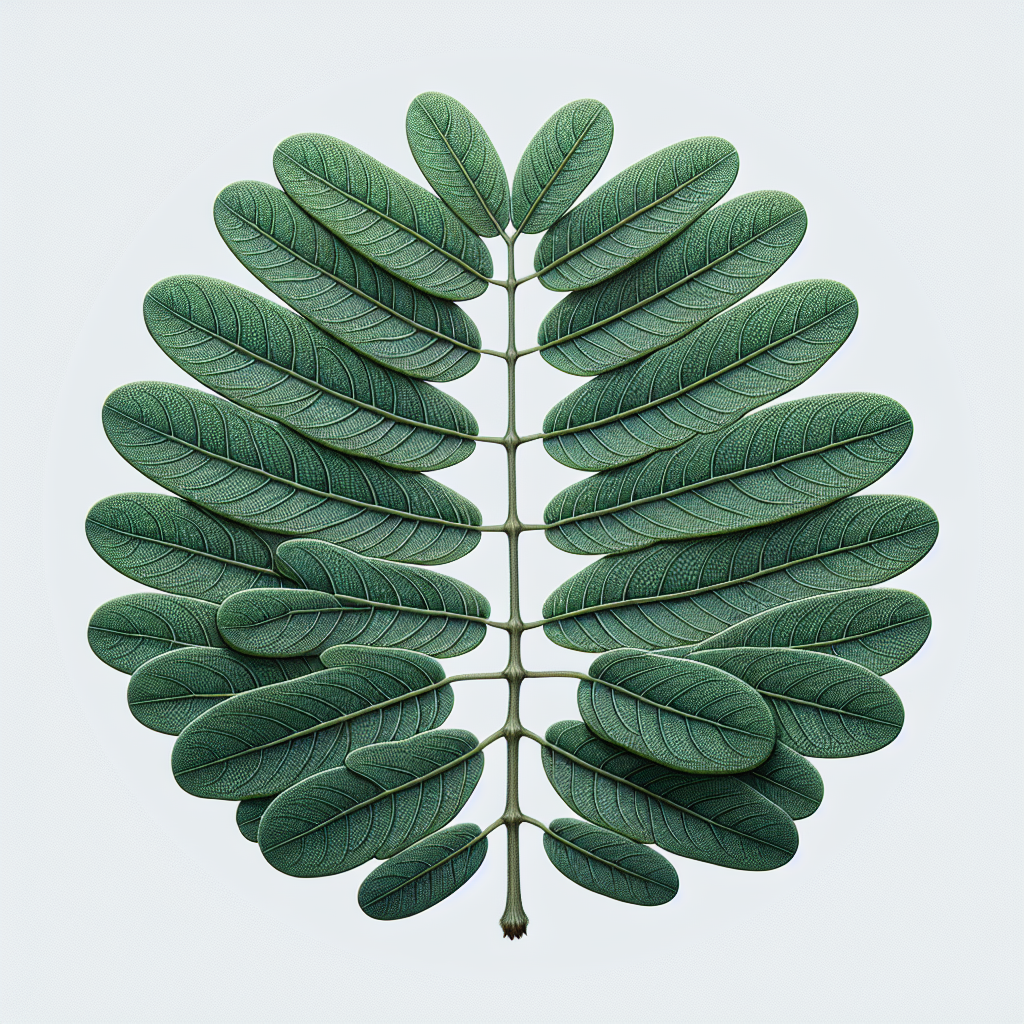
A practical reading of the plant starts with visible structure: Leaf: Paripinnately compound, with 10-20 pairs of small, oval to oblong, opposite leaflets, light green. Stem: Slender, woody, twining perennial climber, often reaching several meters in length. Root: Fibrous root system, sometimes with tubers. Flower: Small, pale purple to pink, pea-like flowers borne in dense axillary racemes. Fruit: Oblong, flattened pods, 2-5 cm long, turning yellow-brown when ripe, splitting open to reveal seeds. Seed: Distinctive, ovoid, bright scarlet red with a black spot at the hilum. Extremely hard and glossy. Highly toxic.
Microscopic or internal identification notes deepen the picture, especially for processed material: Non-glandular, appressed unicellular or multicellular hairs are present on young stems, leaves, and pods, providing a protective covering. Paracytic stomata are commonly found on the abaxial (lower) surface of the leaflets, facilitating gas exchange. Powdered material reveals fragments of epidermal cells with paracytic stomata, unicellular trichomes, prismatic calcium oxalate crystals, and.
In overall habit, the plant is described as Tree with a mature height around 1-3 m and spread of Typically 0.5-3 m.
Natural Habitat & Distribution
The native or historically recorded center of distribution for Abrus is Tropical Asia (India, Sri. That origin is more than background trivia; it explains how the plant responds to heat, moisture, shade, and seasonal change.
The plant is associated with the following countries or range markers: Australia, India, Southeast Asia, tropical Africa.
Environmental notes in the live record add more context: Tropical and subtropical regions, prefers warm, humid climates, and disturbed areas like forest edges, roadsides, and wasteland.
In cultivation terms, the main ecological clues are: Full sun to partial shade (at least 6 hours direct sun); Moderate, keep soil consistently moist but not waterlogged. More frequent during dry spells. Well-drained, loamy or sandy loam with a pH of 6.0-7.5. 10-11; Perennial; Tree.
Physiology data reinforce the habitat story: Exhibits resilience to various environmental stresses, including moderate drought (attributed to its prominent taproot) and nutrient-poor soils. C3 photosynthesis, the most common photosynthetic pathway among plants, utilizing the Calvin cycle for carbon fixation. Exhibits moderate to high transpiration rates, requiring consistent soil moisture, well-adapted to humid tropical environments to manage water.
Traditional & Cultural Significance
In some cultures, the seeds are used in religious rituals, for making rosaries and jewelry (e.g., 'crabs-eye' seeds), and as weights (e.g., 'ratti' in ancient India). Its toxicity is well-known in folklore and cautionary tales.
Ethnobotanical records also show how this plant has been framed across different places: Abortifacient in Elsewhere (Duke, 1992 *); Anodyne in India(Santal) (Duke, 1992 *); Antidote in Elsewhere (ANON. 1978. List of Plants. Kyoto Herbal Garden, Parmacognostic Research Lab., Central Research Division, Takeda Chem. Industries, Ltd., Ichijoji, Sakyoku, Kyoto, Japan.); Aphrodisiac in Elsewhere (Duke, 1992 *); Bilious in Upper Volta (Ayensu, Edward S. 1978. Medicinal plants of West Africa. Reference Publications, Inc.); Bite(Snake) in Ghana (Ayensu, Edward S. 1978. Medicinal plants of West Africa. Reference Publications, Inc.); Bladder in Arabic (Liogier, Alain Henri. 1974. Diccionario Botanico de Nombres Vulgares de la Espanola. Universidad Nacional Pedro Henriquez Urena, Santo Domingo.); Bladder in Arabic (Ayensu, Edward S. 1978. Medicinal plants of West Africa. Reference Publications, Inc.).
Local names help show how different communities notice and classify the plant: Paternosterboontje, coral bead plant, Mbilimbitsi, Makurá, Indian-licorice, Indian licorice, Cascavelle, Liane réglisse, Réglisse marron, Réglisse., Moho, alcaçuz-da-américa, Makura.
Traditional context matters, but it should always be separated from modern certainty. Historical use can guide questions, yet it does not automatically prove present-day clinical effectiveness.
Medicinal Properties & Health Benefits
The main benefit themes associated with the plant include: Abrus precatorius, commonly known as the rosary pea or jequirity bean, possesses a complex pharmacological profile with a long history of traditional.
The evidence matrix gives a more careful picture of those claims: Anti-inflammatory activity. In vitro, animal studies. Preclinical. Leaf and root extracts have demonstrated potential in reducing inflammatory markers and symptoms in various experimental models. Antidiabetic potential. Animal studies. Preclinical. Extracts have shown ability to lower blood glucose levels and improve insulin sensitivity in diabetic animal models. Immunomodulatory effects. In vitro studies. Preclinical. Compounds found in Abrus precatorius have been observed to influence various immune cell functions and cytokine production. Toxicity of seeds (Abrin). Observational, Chemical Analysis. Clinical, Extensive Case Reports. Abrin is a well-documented, potent toxin causing severe systemic damage, multi-organ failure, and death upon ingestion.
The stored evidence confidence for this profile is traditional. That should shape how strongly any benefit statement is interpreted.
For medicinal content, the key discipline is to distinguish traditional use, mechanism-based plausibility, and human clinical support. Those are related ideas, but they are not the same thing.
- Abrus precatorius, commonly known as the rosary pea or jequirity bean, possesses a complex pharmacological profile with a long history of traditional.
Chemical Constituents & Phytochemistry
The broader constituent profile includes Abrus precatorius is rich in a variety of bioactive compounds. The most significant and notorious is abrin, a highly.
The detailed phytochemistry file adds these markers: Abrin I, II, III, IV, Toxalbumin (Ribosome-inactivating protein), Seeds, Up to 0.1%% (w/w); Abrine, Alkaloid, Seeds, leaves, roots, Variablemg/g; Precatorine, Alkaloid, Seeds, leaves, roots, Variablemg/g; Abrusoside A, B, C, D, Triterpene Glycosides, Leaves, roots, Not precisely quantified for all partsN/A; Abrusin, Flavonoid, Leaves, roots, Variablemg/g; Gallic acid, Phenolic acid, Leaves, Detectable levelsmg/g; Methyl gallate, Phenolic compound, Leaves, Detectable levelsmg/g.
Local chemistry records also support the profile: GALLIC-ACID in Seed (not available-not available ppm); GLYCYRRHIZIN in Leaf (not available-100000.0 ppm); GLYCYRRHIZIN in Root (not available-12500.0 ppm); BETA-SITOSTEROL in Seed (not available-not available ppm); ANTHOCYANINS in Seed (not available-not available ppm); CALCIUM in Leaf (1266.0-2660.0 ppm); LINOLEIC-ACID in Seed (not available-3325.0 ppm); PECTIN in Seed (not available-not available ppm).
Compound profiles also shift with plant part, age, season, processing, and storage. The chemistry of a fresh leaf, dried root, or concentrated extract should never be treated as automatically identical.
How to Use — Preparations & Dosage
Recorded preparation and use methods include Topical Poultices — Traditionally, crushed leaves or roots were prepared into poultices for external application on skin lesions, boils, or localized pain, strictly avoiding. Decoctions (External Use Only) — Root and leaf materials might be boiled to create decoctions, historically used as washes for certain skin conditions or as gargles, strictly for. Seed Detoxification (Traditional) — In some traditional systems, seeds undergo elaborate detoxification processes (e.g., boiling in milk, specific herbal decoctions) to reduce. Ayurvedic Preparations — Within Ayurveda, detoxified Gunja seeds are ingredients in specific formulations, but only administered by highly trained practitioners and in minuscule. Herbal Oils — Infused oils made from leaves or roots have been used topically for hair care or massage, though always with awareness of potential skin sensitivity and general. Fumigation — Dried leaves or roots have been used in some folk practices for fumigation, believed to repel insects or cleanse spaces, but direct inhalation should be avoided. Microdosing (Extreme Caution) — In highly specialized traditional contexts, minuscule, detoxified quantities of seed powder might be used internally, but this practice is.
The plant part most closely linked to use is recorded as Leaves, bark, roots, seeds, or berries cited in related taxa.
Edibility and processing notes matter here as well: Not edible.
Preparation defines the outcome. Tea, decoction, tincture, powder, fresh plant material, cooked food use, and concentrated extract cannot be discussed as if they were interchangeable.
- Identify the exact species and plant part first.
- Match the preparation to the intended use.
- Check safety, interactions, and processing details before routine use or large-scale handling.
Safety Profile, Side Effects & Contraindications
The first safety note is direct: Category 1 poison. LETHAL. Contains abrin, one of the most potent toxins known. Ingestion of even small amounts of raw seeds is fatal. Medical emergency for any exposure.
Specific warnings recorded for this plant include Abrus precatorius has a very poor safety profile for general use due to the extreme toxicity of abrin, particularly in the seeds. The seeds are considered one. Abrus precatorius is highly toxic, primarily due to the presence of abrin in its seeds. Ingestion of even a small amount of a seed can be fatal. Symptoms of.
Quality-control notes add another warning: High potential for adulteration or substitution with other red seeds, or improper processing that fails to adequately reduce the inherent toxicity.
No plant should be described as universally safe. Identity, dose, plant part, preparation style, age, pregnancy status, medication use, allergies, and contamination risk all change the answer.
Safety sections exist to slow the reader down in a good way. Even a plant with a long history of use can become problematic when identity is wrong, preparation is inconsistent, contamination is present, or personal factors like age, pregnancy, allergies, or medication use are ignored.
Growing & Cultivation Guide
The cultivation record emphasizes these practical steps: Climate — Thrives in tropical and subtropical climates with warm temperatures and high humidity. Soil Requirements — Prefers well-drained, fertile, loamy soil, but can tolerate a range of soil types. Propagation — Primarily propagated by seeds, which often require scarification due to their hard seed coat, or by stem cuttings. Light Exposure — Grows best in full sun to partial shade, adapting to various light conditions typical of its native habitats. Watering — Requires regular watering, especially during dry periods, to maintain consistent soil moisture. Support Structure — As a climbing vine, it necessitates a strong trellis, fence, or other plants for support to grow optimally. Pest and Disease Management — Generally robust, but monitor for common vine pests and fungal diseases, especially in humid conditions. Invasive Species Caution — Due to its aggressive growth, cultivation in non-native regions should be managed carefully to prevent its spread into local ecosystems.
The broader growth environment is described like this: Tropical and subtropical regions, prefers warm, humid climates, and disturbed areas like forest edges, roadsides, and wasteland.
Planning becomes easier when these traits are kept in view: Tree; 1-3 m; Typically 0.5-3 m; Fast; Advanced.
In practice, healthy cultivation comes from systems thinking rather than one-off tricks. Site choice, drainage, timing, spacing, pruning, feeding, and observation all reinforce one another.
Light, Water & Soil Requirements
The most useful care snapshot is this: Light: Full sun to partial shade (at least 6 hours direct sun); Water: Moderate, keep soil consistently moist but not waterlogged. More frequent during dry spells. Soil: Well-drained, loamy or sandy loam with a pH of 6.0-7.5. Humidity: High; Temperature: 20-35°C (68-95°F); USDA zone: 10-11.
Container details matter too: Large, sturdy pot with good drainage and a strong trellis or support structure for climbing, if grown in a container. Every 1-2 years for young plants, into a larger pot with fresh soil, or root prune and refresh soil for mature plants.
Outdoors, light, water, and soil must be read together. The same watering schedule can be too much in dense clay and too little in a porous sandy bed.
| Light | Full sun to partial shade (at least 6 hours direct sun) |
|---|---|
| Water | Moderate, keep soil consistently moist but not waterlogged. More frequent during dry spells. |
| Soil | Well-drained, loamy or sandy loam with a pH of 6.0-7.5. |
| Humidity | High |
| Temperature | 20-35°C (68-95°F) |
| USDA zone | 10-11 |
Propagation Methods
Documented propagation routes include Seeds (require scarification), stem cuttings.
Propagation works best when the parent stock is healthy, correctly identified, and handled in the right season. That sounds obvious, but it is exactly where many failures begin.
- Seeds (require scarification), stem cuttings.
Propagation works best when the reader matches method to biology. Some plants respond readily to cuttings, some to division, some to seed, and others require more patience or more exact seasonal timing.
A successful propagation guide therefore starts with healthy parent material and realistic expectations. Weak stock, rushed handling, and poor aftercare can make even a technically correct method fail.
For Abrus, the real goal is not simply to produce another plant, but to produce a correctly identified, vigorous, well-established plant that continues growing without hidden stress from the first stage.
Pest & Disease Management
The recorded problem list includes Extreme toxicity, invasive growth habit. Susceptible to some pests in natural environments but generally quite hardy.
For medicinal species, pest pressure is not only a horticultural issue. It also affects harvest cleanliness, storage stability, and confidence in the final material.
The smartest response sequence is observation first, environmental correction second, and treatment only after the real pattern is clear.
- Extreme toxicity, invasive growth habit. Susceptible to some pests in natural environments but generally quite hardy.
Pest and disease management is strongest when it begins before visible damage becomes severe. Routine observation, clean handling, sensible spacing, air movement, and balanced watering reduce many problems before treatment is even needed.
When symptoms do appear on Abrus, the most reliable response is diagnostic rather than reactive. Yellowing, spots, wilt, chewing, and stunting can all have multiple causes, so a rushed treatment can waste time or worsen the problem.
Harvesting, Storage & Processing
The plant part most often associated with harvest or processing is Leaves, bark, roots, seeds, or berries cited in related taxa.
Storage guidance from the quality-control record reads as follows: Dried plant material should be stored in airtight, dark containers away from moisture and direct light to prevent degradation of active compounds and maintain material integrity.
For medicinal plants, harvesting cannot be separated from processing. The right plant part, the right timing, and the right drying conditions all shape quality and safety.
Whatever the purpose, the rule is the same: harvest clean material, label it clearly, and store it in a way that preserves identity and condition.
Harvest and storage determine whether a plant's quality is preserved after it leaves the bed, pot, field, or wild source. Clean timing, correct plant part selection, and careful drying or handling all matter more than many readers expect.
Companion Planting & Garden Design
Useful companions or placement partners include Not typically grown with companion plants due to its invasive and toxic nature.
In a home herb garden or medicinal bed, Abrus should be placed where harvesting is easy, labeling remains clear, and neighboring plants do not create confusion at collection time.
- Not typically grown with companion plants due to its invasive and toxic nature.
Companion planting and design are not only aesthetic decisions. They affect airflow, root competition, moisture sharing, harvest access, visibility, and the general logic of the planting scheme.
With Abrus, good placement means thinking about mature size, maintenance rhythm, and how neighboring plants change the feel and function of the space. A plant can be healthy on its own and still be poorly placed within the broader composition.
That is why the best design advice combines biology with usability. The planting should look coherent, but it should also make watering, pruning, harvest, and pest observation easier rather than harder.
Scientific Research & Evidence Base
The evidence matrix points to several recurring themes: Anti-inflammatory activity. In vitro, animal studies. Preclinical. Leaf and root extracts have demonstrated potential in reducing inflammatory markers and symptoms in various experimental models. Antidiabetic potential. Animal studies. Preclinical. Extracts have shown ability to lower blood glucose levels and improve insulin sensitivity in diabetic animal models. Immunomodulatory effects. In vitro studies. Preclinical. Compounds found in Abrus precatorius have been observed to influence various immune cell functions and cytokine production. Toxicity of seeds (Abrin). Observational, Chemical Analysis. Clinical, Extensive Case Reports. Abrin is a well-documented, potent toxin causing severe systemic damage, multi-organ failure, and death upon ingestion.
Ethnobotanical activity records add historical reference trails: Abortifacient — Elsewhere [Duke, 1992 *]; Anodyne — India(Santal) [Duke, 1992 *]; Antidote — Elsewhere [ANON. 1978. List of Plants. Kyoto Herbal Garden, Parmacognostic Research Lab., Central Research Division, Takeda Chem. Industries, Ltd., Ichijoji, Sakyoku, Kyoto, Japan.]; Aphrodisiac — Elsewhere [Duke, 1992 *]; Bilious — Upper Volta [Ayensu, Edward S. 1978. Medicinal plants of West Africa. Reference Publications, Inc.]; Bite(Snake) — Ghana [Ayensu, Edward S. 1978. Medicinal plants of West Africa. Reference Publications, Inc.].
The compiled source count behind the live profile is 3. That does not guarantee certainty, but it does suggest the record has been cross-checked beyond a single note.
Analytical testing notes also strengthen the evidence base: High-Performance Liquid Chromatography-Mass Spectrometry (HPLC-MS) for abrin quantification, Thin-Layer Chromatography (TLC) for phytochemical profiling, microscopic examination.
A careful evidence section should say what is known, what is plausible, and what remains uncertain. Readers are better served by clear limits than by exaggerated confidence.
Evidence note: this section blends the live plant record, local ethnobotanical activity data, chemistry records, and the linked Flora Medical Global plant profile for Abrus.
Buying Guide & Expert Tips
Quality markers worth checking include Abrin (for toxicity assessment and identification), specific flavonoids (e.g., abrusin) or triterpenes for quality evaluation of other plant parts.
Adulteration and substitution risk should not be ignored: High potential for adulteration or substitution with other red seeds, or improper processing that fails to adequately reduce the inherent toxicity.
When buying Abrus, start with verified botanical identity. The label, scientific name, and the source page should agree before you judge price, size, or claimed benefits.
For living plants, inspect roots, stem firmness, foliage health, and early pest signs. For dried or processed material, look for batch clarity, clean aroma, absence of mold, and any sign that the product has been over-processed to disguise poor quality.
Buying advice should begin with identity. The label, scientific name, visible condition, and seller credibility should agree before price or convenience becomes the deciding factor.
Frequently Asked Questions
What is Abrus best known for?
Abrus precatorius, widely recognized as Jequirity bean, Rosary pea, or Crab's eye, is a perennial woody climber belonging to the Fabaceae family, celebrated for its nitrogen-fixing capabilities and diverse legume species.
Is Abrus beginner-friendly?
That depends on the growing environment and the intended use. Some plants are easy to grow but not simple to use medicinally, while others are the opposite.
How much light does Abrus need?
Full sun to partial shade (at least 6 hours direct sun)
How often should Abrus be watered?
Moderate, keep soil consistently moist but not waterlogged. More frequent during dry spells.
Can Abrus be propagated at home?
Yes, but the best method depends on whether the species responds best to seed, cuttings, division, offsets, or other propagation routes.
Does Abrus have safety concerns?
Category 1 poison. LETHAL. Contains abrin, one of the most potent toxins known. Ingestion of even small amounts of raw seeds is fatal. Medical emergency for any exposure.
What is the biggest mistake people make with Abrus?
The most common mistake is applying generic advice instead of matching the plant to its real environment, identity, and limits.
Where can I verify more information about Abrus?
Start with the Flora Medical Global plant profile: https://www.floramedicalglobal.com/plant/abrus
Why do sources sometimes disagree about Abrus?
Different references may use different synonyms, plant parts, cultivation conditions, or evidence standards. That is why taxonomy and source quality both matter.