
Overview & Introduction
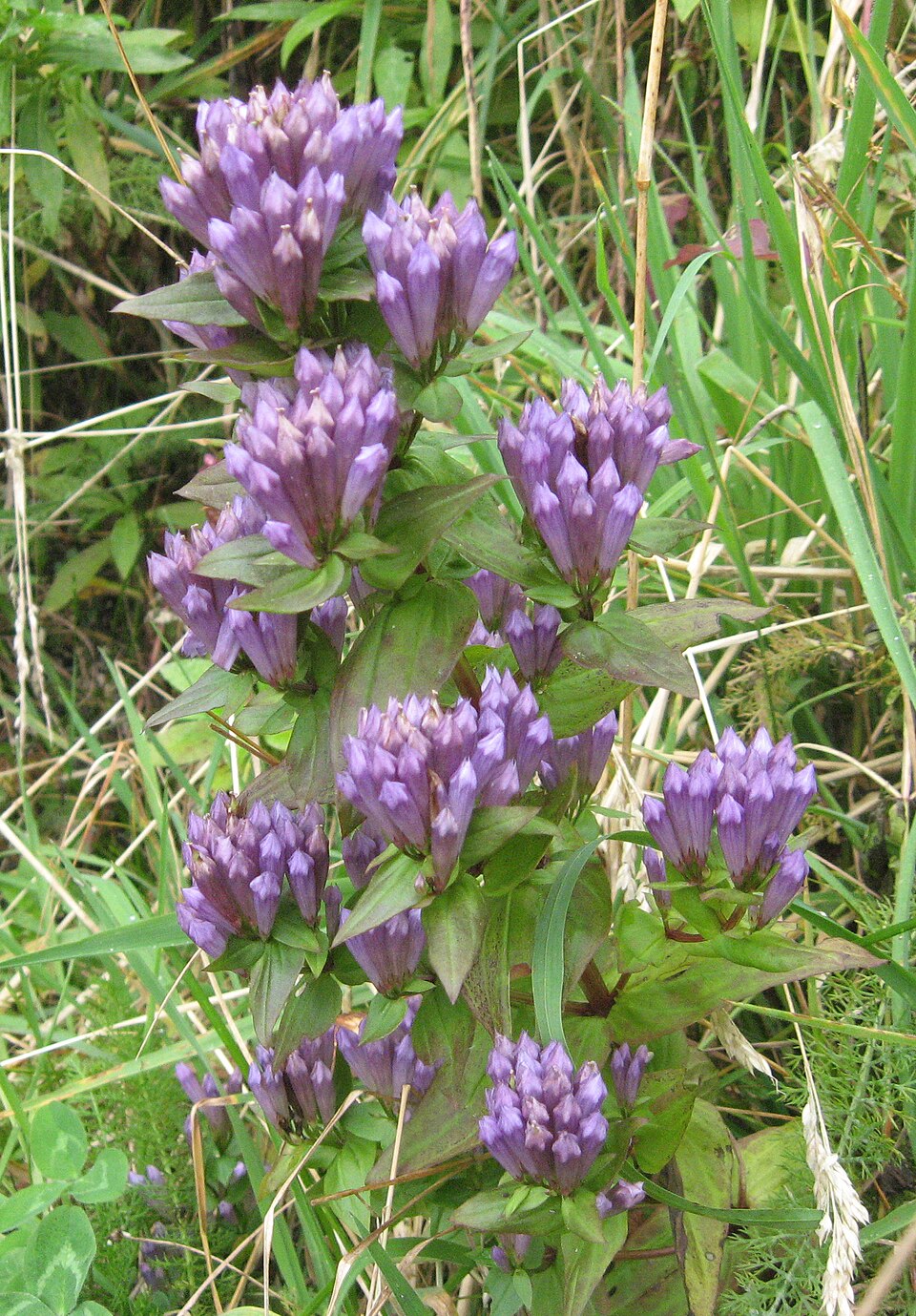
Ague Weed, scientifically known as Gentiana quinquefolia, is a captivating biennial herbaceous plant within the Gentianaceae family, a group well-recognized for its profound bitter principles.
A good article on Ague Weed should not stop at one-line claims. Readers need taxonomy, habitat, safety, cultivation, and evidence in the same place so they can make sound decisions.
The aim is simple: make the article detailed enough for serious readers while keeping the structure clear enough for fast scanning and confident decision-making.
- Ague Weed (Gentiana quinquefolia) is a North American native biennial bitter herb.
- Renowned for its potent digestive stimulant and appetite-enhancing properties.
- Rich in iridoid glycosides like gentiopicroside, responsible for its intense bitterness.
- Historically valued by Indigenous American tribes for medicinal purposes.
- Requires specific habitat conditions: moist, calcareous soils in sun to partial shade.
- Contraindicated in pregnancy, lactation, and certain gastrointestinal conditions.
Botanical Profile & Taxonomy
Ague Weed should be anchored to the correct taxonomic identity before any discussion of care, use, or safety begins.
| Common name | Ague Weed |
|---|---|
| Scientific name | Gentiana quinquefolia |
| Family | Gentianaceae |
| Order | Gentianales |
| Genus | Gentiana |
| Species epithet | quinquefolia |
| Author citation | L. |
| Synonyms | Aloitis quinqueflora Raf.(https://www.gbif.org/species/7270435)Aloitis. |
| Common names | আগু উইড, স্টিফ জেন্টিয়ান, কুইনকুফোলিয়েট জেন্টিয়ান, Ague Weed, Stiff Gentian, Quinquefoliate Gentian |
| Local names | ripsikatkerot, Fransenenzian, dwarfgentian, Gentianelle, gentianellor, Ensian (Gentianella-slægten), bakkesøteslekta |
| Origin | Eastern North America (United States, Canada) |
| Life cycle | Annual or perennial |
| Growth habit | Tree |
Using the accepted scientific name Gentiana quinquefolia helps readers avoid confusion caused by old synonyms, loose common names, or inconsistent plant labels.
Family and order placement also matter because they explain recurring structural traits, likely relatives, and the kinds of mistakes readers often make when they rely on appearance alone.
Physical Description & Morphology
A practical reading of the plant starts with visible structure: Leaf: Basal leaves are spatulate; stem leaves are sessile, opposite, ovate-lanceolate to oblong, 2-5 cm long, 0.5-2 cm wide, with entire margins and. Stem: Erect, slender, often branched stems, 15-60 cm tall, typically green, smooth, and quadrangular. Root: Fibrous root system with a short rhizome; not deeply taprooted. Flower: Small, numerous, funnel-shaped flowers, 1.5-2.5 cm long, typically pale blue, purplish-blue, or occasionally white, with five spreading lobes. Fruit: A dry, oblong capsule, 1-1.5 cm long, containing numerous small seeds, splitting lengthwise when mature. Seed: Small, flattened, elliptical to ovoid seeds, winged, light brown, approximately 1-2 mm long. Dispersed by wind.
Microscopic or internal identification notes deepen the picture, especially for processed material: Trichomes are typically absent or sparse, and when present, they are usually non-glandular and simple. Stomata are generally anisocytic or anomocytic, predominantly found on the abaxial (lower) surface of the leaves. Powdered material reveals fragments of epidermal tissue with stomata, thin-walled parenchyma cells, spiral vessels, and characteristic.
In overall habit, the plant is described as Tree with a mature height around Typically 0.2-1.5 m and spread of Typically 0.2-1 m.
Natural Habitat & Distribution
The native or historically recorded center of distribution for Ague Weed is Eastern North America (United States, Canada). That origin is more than background trivia; it explains how the plant responds to heat, moisture, shade, and seasonal change.
The plant is associated with the following countries or range markers: Canada, United States.
Environmental notes in the live record add more context: Natural habitat in open woodlands, meadows, and along stream banks in eastern and central North America. Thrives in USDA Hardiness Zones 4-8. Prefers elevations from lowlands up to approximately 1,500 meters. Requires an average annual rainfall of 800-1500 mm, with consistent moisture but good drainage.
In cultivation terms, the main ecological clues are: Partial Shade; Weekly; Well-drained, average to moist, slightly alkaline to neutral loam to sandy loam with good organic matter. pH 6.5-7.5. Species-dependent; often grown in warm seasons; Annual or perennial; Tree.
Physiology data reinforce the habitat story: Shows tolerance to cooler summer temperatures and varying soil moisture, but is not considered drought-tolerant and prefers consistent moisture. Utilizes C3 photosynthesis, the most common photosynthetic pathway among temperate plants. Exhibits moderate transpiration rates, adapted to moist but well-drained soil conditions, susceptible to prolonged drought.
Traditional & Cultural Significance
*Gentiana quinquefolia* holds cultural significance primarily within various North American Native American traditions. It was a respected medicinal plant, especially among tribes like the Cherokee, Iroquois, and Delaware. The Cherokee used it specifically for 'agues' (fevers), colds, and as a general tonic. The Iroquois employed it for digestive complaints and fever. Its bitter taste was considered a mark of.
Ethnobotanical records also show how this plant has been framed across different places: Ague in US(Appalachia) (Duke, 1992 *); Malaria in US(Appalachia) (Duke, 1992 *).
Local names help show how different communities notice and classify the plant: ripsikatkerot, Fransenenzian, dwarfgentian, Gentianelle, gentianellor, Ensian (Gentianella-slægten), bakkesøteslekta.
Traditional context matters, but it should always be separated from modern certainty. Historical use can guide questions, yet it does not automatically prove present-day clinical effectiveness.
Medicinal Properties & Health Benefits
The main benefit themes associated with the plant include: Digestive Aid — Traditionally used to stimulate the secretion of digestive juices, particularly gastric acid and bile, thereby improving overall digestion and. Appetite Stimulant — The intense bitterness from its iridoid glycosides effectively stimulates the appetite, making it beneficial for convalescence or loss of. Febrifuge (Traditional) — Historically employed by Indigenous American tribes to help reduce fevers, particularly those associated with 'ague' or intermittent. Cholagogue Action — Promotes the flow and secretion of bile from the liver and gallbladder, aiding in fat digestion and detoxification processes. Anti-inflammatory Support — Contains compounds like flavonoids and xanthones that may contribute to reducing inflammation within the body, though more. Antioxidant Properties — The presence of various phenolic compounds and xanthones suggests an ability to neutralize free radicals, offering cellular protection. Liver Tonic — Supports liver function by stimulating bile production and aiding in the elimination of toxins, contributing to overall hepatic health. General Tonic — Acts as a general strengthening tonic, particularly after illness, due to its bitter principles that invigorate systemic functions.
The evidence matrix gives a more careful picture of those claims: Digestive Stimulant. Ethnobotanical records, in vitro studies on related Gentian species' bitter compounds. Traditional, Pre-clinical. Bitter iridoid glycosides are well-established to stimulate gastric juice and bile secretion, improving digestion. Appetite Enhancement. Historical usage records, observational reports. Traditional, Empirical. The potent bitter taste of Ague Weed is traditionally utilized to stimulate appetite before meals. Anti-inflammatory Potential. In vitro studies on isolated flavonoids and xanthones from Gentianaceae family members. Pre-clinical. Compounds like flavonoids and xanthones, common in Gentianaceae, often demonstrate anti-inflammatory activities.
The stored evidence confidence for this profile is traditional. That should shape how strongly any benefit statement is interpreted.
For medicinal content, the key discipline is to distinguish traditional use, mechanism-based plausibility, and human clinical support. Those are related ideas, but they are not the same thing.
- Digestive Aid — Traditionally used to stimulate the secretion of digestive juices, particularly gastric acid and bile, thereby improving overall digestion and.
- Appetite Stimulant — The intense bitterness from its iridoid glycosides effectively stimulates the appetite, making it beneficial for convalescence or loss of.
- Febrifuge (Traditional) — Historically employed by Indigenous American tribes to help reduce fevers, particularly those associated with 'ague' or intermittent.
- Cholagogue Action — Promotes the flow and secretion of bile from the liver and gallbladder, aiding in fat digestion and detoxification processes.
- Anti-inflammatory Support — Contains compounds like flavonoids and xanthones that may contribute to reducing inflammation within the body, though more.
- Antioxidant Properties — The presence of various phenolic compounds and xanthones suggests an ability to neutralize free radicals, offering cellular protection.
- Liver Tonic — Supports liver function by stimulating bile production and aiding in the elimination of toxins, contributing to overall hepatic health.
- General Tonic — Acts as a general strengthening tonic, particularly after illness, due to its bitter principles that invigorate systemic functions.
- Anthelmintic (Traditional) — Some traditional uses suggest properties against intestinal parasites, though this application requires further scientific.
- Mild Diuretic — May possess mild diuretic effects, assisting the body in expelling excess fluids and supporting kidney function.
Chemical Constituents & Phytochemistry
The broader constituent profile includes Iridoid Glycosides — Key bitter compounds like Gentiopicroside (Gentiopicrin) and Swertiamarin are responsible for the. Xanthones — Compounds such as Gentisin and Gentisein contribute to antioxidant and potentially hepatoprotective. Flavonoids — Derivatives of Quercetin and Kaempferol are present, providing antioxidant and anti-inflammatory. Phenolic Acids — Includes compounds like caffeic acid and ferulic acid, which are known for their antioxidant. Alkaloids — Found in minor quantities, their specific roles in Ague Weed's medicinal profile are less defined but can. Triterpenes — Compounds like ursolic acid and oleanolic acid may be present, often associated with anti-inflammatory. Volatile Oils — Present in trace amounts, these contribute subtly to the plant's aroma and may have minor therapeutic. Polysaccharides — Complex carbohydrates that can offer immune-modulating and prebiotic benefits, though less studied.
The detailed phytochemistry file adds these markers: Gentiopicroside, Iridoid Glycoside, Root, aerial parts, High% dry weight; Swertiamarin, Iridoid Glycoside, Root, aerial parts, Moderate% dry weight; Gentisin, Xanthone, Root, whole plant, Lowmg/g; Quercetin, Flavonoid, Leaves, flowers, Tracemg/g; Caffeic Acid, Phenolic Acid, Whole plant, Tracemg/g.
Compound profiles also shift with plant part, age, season, processing, and storage. The chemistry of a fresh leaf, dried root, or concentrated extract should never be treated as automatically identical.
How to Use — Preparations & Dosage
Recorded preparation and use methods include Herbal Tea/Infusion — Dried roots or aerial parts are steeped in hot water to extract bitter compounds, typically consumed before meals as a digestive tonic. Tincture — An alcohol-based extract prepared from the dried plant material, allowing for a concentrated form that is taken in drops. Decoction — A stronger preparation made by simmering the roots or tougher plant parts in water for a longer period, often for more potent effects. Powdered Herb — Dried and ground plant material can be encapsulated or mixed into food and beverages, though its strong bitterness may be challenging. Bitters Blends — Often incorporated into complex herbal bitters formulations with other digestive herbs to enhance synergistic effects. Glycerite — A non-alcoholic extract using vegetable glycerin, suitable for those avoiding alcohol, offering a gentler taste profile.
The plant part most closely linked to use is recorded as Leaves, flowers, roots, seeds, or whole herb cited in related taxa.
Edibility and processing notes matter here as well: Varies by species and plant part; verify before use.
Preparation defines the outcome. Tea, decoction, tincture, powder, fresh plant material, cooked food use, and concentrated extract cannot be discussed as if they were interchangeable.
- Identify the exact species and plant part first.
- Match the preparation to the intended use.
- Check safety, interactions, and processing details before routine use or large-scale handling.
Safety Profile, Side Effects & Contraindications
The first safety note is direct: Considered non-toxic when consumed in traditional medicinal doses, though the very bitter taste can cause nausea if consumed in large quantities or by sensitive individuals. Overdose symptoms would likely include severe gastrointestinal.
Specific warnings recorded for this plant include Pregnancy and Lactation — Contraindicated due to insufficient safety data; avoid use during these periods. Gastrointestinal Conditions — Avoid in cases of peptic ulcers, gastritis, inflammatory bowel disease, or hyperacidity. Blood Pressure Medication — Use with caution by individuals taking medication for high blood pressure, as it may potentiate hypotensive effects. Diabetes Management — Diabetics should monitor blood glucose levels closely due to potential effects on blood sugar. Gallbladder Issues — Contraindicated in cases of bile duct obstruction or acute gallbladder inflammation. Children — Not recommended for use in young children without explicit professional medical guidance. Dosage Adherence — Strict adherence to recommended dosages is crucial to prevent adverse effects and ensure safety. Gastrointestinal Upset — High doses can induce nausea, vomiting, or diarrhea due to its intense bitterness. Abdominal Discomfort — May cause stomach pain or cramps, particularly in individuals with sensitive digestive systems.
Quality-control notes add another warning: Risk of adulteration with other less potent or different Gentian species, or other bitter herbs with similar appearance or taste.
No plant should be described as universally safe. Identity, dose, plant part, preparation style, age, pregnancy status, medication use, allergies, and contamination risk all change the answer.
Growing & Cultivation Guide

The cultivation record emphasizes these practical steps: Climate Preference — Thrives in regions with cool summers, making it well-suited for mountainous areas or northern climates. Light Requirements — Prefers full sun exposure (6+ hours direct sunlight) to light partial shade (2-6 hours). Soil Conditions — Requires moist, well-drained, calcareous soils; it can tolerate somewhat barren clay or rocky soil. Propagation — Primarily reproduces by seeds, which are naturally dispersed by wind and water; direct sowing is recommended. Life Cycle Management — As a biennial, it typically grows vegetatively in the first year and produces flowers and seeds in the second year before dying. Transplanting Note — Due to its fibrous root system, Gentiana quinquefolia does not transplant well once established.
The broader growth environment is described like this: Natural habitat in open woodlands, meadows, and along stream banks in eastern and central North America. Thrives in USDA Hardiness Zones 4-8. Prefers elevations from lowlands up to approximately 1,500 meters. Requires an average annual rainfall of 800-1500 mm, with consistent moisture but good drainage.
Planning becomes easier when these traits are kept in view: Tree; Typically 0.2-1.5 m; Typically 0.2-1 m; Intermediate.
In practice, healthy cultivation comes from systems thinking rather than one-off tricks. Site choice, drainage, timing, spacing, pruning, feeding, and observation all reinforce one another.
Light, Water & Soil Requirements
The most useful care snapshot is this: Light: Partial Shade; Water: Weekly; Soil: Well-drained, average to moist, slightly alkaline to neutral loam to sandy loam with good organic matter. pH 6.5-7.5. Humidity: Medium; Temperature: -20 - 30°C; USDA zone: Species-dependent; often grown in warm seasons.
Outdoors, light, water, and soil must be read together. The same watering schedule can be too much in dense clay and too little in a porous sandy bed.
| Light | Partial Shade |
|---|---|
| Water | Weekly |
| Soil | Well-drained, average to moist, slightly alkaline to neutral loam to sandy loam with good organic matter. pH 6.5-7.5. |
| Humidity | Medium |
| Temperature | -20 - 30°C |
| USDA zone | Species-dependent; often grown in warm seasons |
Light, water, and soil should never be treated as separate checkboxes. A plant in stronger light often dries faster, soil texture changes how quickly water moves, and temperature plus humidity influence how stress appears in leaves and roots.
For Ague Weed, the safest care approach is to treat Partial Shade, Weekly, and Well-drained, average to moist, slightly alkaline to neutral loam to sandy loam with good organic matter. pH 6.5-7.5. as linked decisions rather than isolated tips. If one condition shifts, the other two usually need to be reconsidered as well.
Propagation Methods
Documented propagation routes include Seeds: Best propagated by seeds which require cold stratification for 60-90 days before sowing. Sow seeds thinly on the surface of a sterile seed-starting mix.
Propagation works best when the parent stock is healthy, correctly identified, and handled in the right season. That sounds obvious, but it is exactly where many failures begin.
- Seeds: Best propagated by seeds which require cold stratification for 60-90 days before sowing. Sow seeds thinly on the surface of a sterile seed-starting mix.
Propagation works best when the reader matches method to biology. Some plants respond readily to cuttings, some to division, some to seed, and others require more patience or more exact seasonal timing.
A successful propagation guide therefore starts with healthy parent material and realistic expectations. Weak stock, rushed handling, and poor aftercare can make even a technically correct method fail.
Pest & Disease Management
The recorded problem list includes Pests: Generally resistant to major pests. Aphids or slugs might occasionally bother young plants; organic solutions include neem oil spray for aphids or manual removal for slugs. Fungal Diseases: Can be susceptible. ensure good spacing and air flow, or use a dilute baking soda spray. Nutrient Deficiencies: Rarely an issue in rich.
For medicinal species, pest pressure is not only a horticultural issue. It also affects harvest cleanliness, storage stability, and confidence in the final material.
The smartest response sequence is observation first, environmental correction second, and treatment only after the real pattern is clear.
- Pests: Generally resistant to major pests. Aphids or slugs might occasionally bother young plants
- Organic solutions include neem oil spray for aphids or manual removal for slugs. Fungal Diseases: Can be susceptible.
- Ensure good spacing and air flow, or use a dilute baking soda spray. Nutrient Deficiencies: Rarely an issue in rich.
Harvesting, Storage & Processing
The plant part most often associated with harvest or processing is Leaves, flowers, roots, seeds, or whole herb cited in related taxa.
Storage guidance from the quality-control record reads as follows: Dried plant material should be stored in airtight, dark containers in a cool, dry place to prevent degradation of bitter principles and maintain potency.
For medicinal plants, harvesting cannot be separated from processing. The right plant part, the right timing, and the right drying conditions all shape quality and safety.
Whatever the purpose, the rule is the same: harvest clean material, label it clearly, and store it in a way that preserves identity and condition.
Harvest and storage determine whether a plant's quality is preserved after it leaves the bed, pot, field, or wild source. Clean timing, correct plant part selection, and careful drying or handling all matter more than many readers expect.
Companion Planting & Garden Design
Useful companions or placement partners include Asters; Goldenrod; Ironweed; Joe Pye Weed; Rudbeckia.
In a home herb garden or medicinal bed, Ague Weed should be placed where harvesting is easy, labeling remains clear, and neighboring plants do not create confusion at collection time.
Companion planting and design are not only aesthetic decisions. They affect airflow, root competition, moisture sharing, harvest access, visibility, and the general logic of the planting scheme.
With Ague Weed, good placement means thinking about mature size, maintenance rhythm, and how neighboring plants change the feel and function of the space. A plant can be healthy on its own and still be poorly placed within the broader composition.
That is why the best design advice combines biology with usability. The planting should look coherent, but it should also make watering, pruning, harvest, and pest observation easier rather than harder.
Scientific Research & Evidence Base
The evidence matrix points to several recurring themes: Digestive Stimulant. Ethnobotanical records, in vitro studies on related Gentian species' bitter compounds. Traditional, Pre-clinical. Bitter iridoid glycosides are well-established to stimulate gastric juice and bile secretion, improving digestion. Appetite Enhancement. Historical usage records, observational reports. Traditional, Empirical. The potent bitter taste of Ague Weed is traditionally utilized to stimulate appetite before meals. Anti-inflammatory Potential. In vitro studies on isolated flavonoids and xanthones from Gentianaceae family members. Pre-clinical. Compounds like flavonoids and xanthones, common in Gentianaceae, often demonstrate anti-inflammatory activities.
Ethnobotanical activity records add historical reference trails: Ague — US(Appalachia) [Duke, 1992 *]; Malaria — US(Appalachia) [Duke, 1992 *].
The compiled source count behind the live profile is 5. That does not guarantee certainty, but it does suggest the record has been cross-checked beyond a single note.
Analytical testing notes also strengthen the evidence base: HPLC (High-Performance Liquid Chromatography) for quantification of iridoid glycosides, TLC (Thin Layer Chromatography) for general phytoconstituent profiling, and organoleptic.
A careful evidence section should say what is known, what is plausible, and what remains uncertain. Readers are better served by clear limits than by exaggerated confidence.
Evidence note: this section blends the live plant record, local ethnobotanical activity data, chemistry records, and the linked Flora Medical Global plant profile for Ague Weed.
Buying Guide & Expert Tips
Quality markers worth checking include Gentiopicroside and Swertiamarin are primary marker compounds for identification and quality assessment.
Adulteration and substitution risk should not be ignored: Risk of adulteration with other less potent or different Gentian species, or other bitter herbs with similar appearance or taste.
When buying Ague Weed, start with verified botanical identity. The label, scientific name, and the source page should agree before you judge price, size, or claimed benefits.
For living plants, inspect roots, stem firmness, foliage health, and early pest signs. For dried or processed material, look for batch clarity, clean aroma, absence of mold, and any sign that the product has been over-processed to disguise poor quality.
Buying advice should begin with identity. The label, scientific name, visible condition, and seller credibility should agree before price or convenience becomes the deciding factor.
Frequently Asked Questions
What is Ague Weed best known for?
Ague Weed, scientifically known as Gentiana quinquefolia, is a captivating biennial herbaceous plant within the Gentianaceae family, a group well-recognized for its profound bitter principles.
Is Ague Weed beginner-friendly?
That depends on the growing environment and the intended use. Some plants are easy to grow but not simple to use medicinally, while others are the opposite.
How much light does Ague Weed need?
Partial Shade
How often should Ague Weed be watered?
Weekly
Can Ague Weed be propagated at home?
Yes, but the best method depends on whether the species responds best to seed, cuttings, division, offsets, or other propagation routes.
Does Ague Weed have safety concerns?
Considered non-toxic when consumed in traditional medicinal doses, though the very bitter taste can cause nausea if consumed in large quantities or by sensitive individuals. Overdose symptoms would likely include severe gastrointestinal.
What is the biggest mistake people make with Ague Weed?
The most common mistake is applying generic advice instead of matching the plant to its real environment, identity, and limits.
Where can I verify more information about Ague Weed?
Start with the Flora Medical Global plant profile: https://www.floramedicalglobal.com/plant/ague-weed
Why do sources sometimes disagree about Ague Weed?
Different references may use different synonyms, plant parts, cultivation conditions, or evidence standards. That is why taxonomy and source quality both matter.