
Overview & Introduction
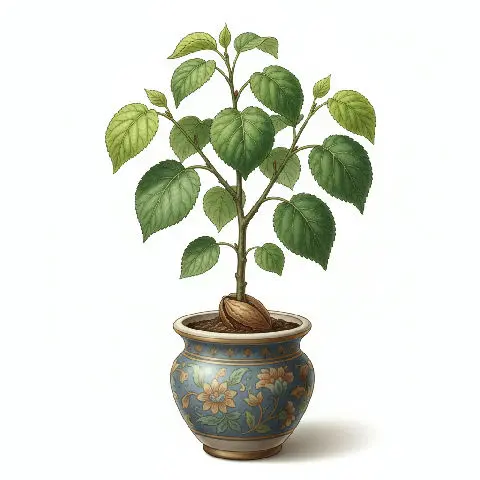
Apricot Seed, derived from the fruit of Prunus armeniaca, a prominent member of the Rosaceae family, is a botanical marvel with a rich history in both culinary and medicinal realms.
Most thin plant articles flatten everything into a summary. This guide does the opposite by following Apricot Seed through identification, care, handling, and the questions that real readers actually ask.
The aim is simple: make the article detailed enough for serious readers while keeping the structure clear enough for fast scanning and confident decision-making.
- Prunus armeniaca kernels are rich in nutrients and the controversial compound amygdalin.
- Traditionally used in TCM and Ayurveda for respiratory, digestive, and anti-inflammatory purposes.
- Apricot kernel oil is valued in cosmetic and food industries for its emollient properties.
- Offers potential antioxidant and cardiovascular benefits, alongside nutritional support.
- CRITICAL SAFETY WARNING: Bitter kernels contain high levels of amygdalin, posing a severe risk of cyanide poisoning.
- Always consume with extreme caution and strict dosage control, or preferably avoid, due to toxicity concerns.
Botanical Profile & Taxonomy
Apricot Seed should be anchored to the correct taxonomic identity before any discussion of care, use, or safety begins.
| Common name | Apricot Seed |
|---|---|
| Scientific name | Prunus armeniaca |
| Family | Rosaceae |
| Order | Rosales |
| Genus | Prunus |
| Species epithet | armeniaca |
| Author citation | L. |
| Synonyms | Amydalus armeniaca (L.) Dumort., Armeniaca communis Besser, Armeniaca anomala (Koehne) Kovalev & Kostina, Armeniaca cordifolia Rouy & E.G.Camus, Armeniaca berricoccia Delarbre, Armeniaca vulgaris Lam., Armeniaca batavica Poit. & Turpin, Armeniaca communis Poit. & Turpin, Armeniaca macrocarpa Poit. & Turpin, Armeniaca mongametia Poit. & Turpin, Armeniaca tardiflora Poit. & Turpin, Armeniaca vulgaris f. variegata (C.K.Schneid.) Kostina |
| Common names | এপ্রিকট বীজ, আর্মেনীয় প্লাম, ওয়াইল্ড এপ্রিকট, Apricot Seed, Armenian Plum, Wild Apricot, खुबानी बीज, अर्मेनियाई प्लम |
| Local names | Abricotier, Abricotier commun, Prunier abricotier, Prunier., Abrikoos, abricotier commun, Abricotier, Aprikose, Albicocco, Aprikosenbaum, Marille, Kayisi, Prunier abricotier, Abricotier, Paprastasis abrikosas, Berquqa |
| Origin | Northwestern China (Xinjiang, Gansu, Qinghai) |
| Life cycle | Perennial |
| Growth habit | Tree |
Using the accepted scientific name Prunus armeniaca helps readers avoid confusion caused by old synonyms, loose common names, or inconsistent plant labels.
Family and order placement also matter because they explain recurring structural traits, likely relatives, and the kinds of mistakes readers often make when they rely on appearance alone.
Physical Description & Morphology
A practical reading of the plant starts with visible structure: Leaf: Ovate to suborbicular, 5-9 cm long, with a cordate base, serrated margin, and an acuminate apex; glossy green above, paler beneath, with prominent. Stem: Medium-sized, spreading branches; young shoots are reddish-brown, becoming gray-brown with age. Root: Deep, spreading taproot system, tolerates various soil types but prefers well-drained conditions. Flower: Solitary or in pairs, white to pinkish, 2-4.5 cm in diameter, five petals, blooming before leaves emerge in early spring; mildly fragrant. Fruit: Drupe, 3-6 cm in diameter, round to oval, yellow to orange with a reddish blush; smooth to downy skin; sweet, juicy flesh; matures late spring to. Seed: Oval, flattened, 1.5-2.5 cm long, shiny brown, enclosed within a hard, stony, often sculpted endocarp (pit); dispersed by animals consuming the fruit.
Microscopic or internal identification notes deepen the picture, especially for processed material: Trichomes (hairs) are characteristic of the fruit exocarp, but the kernel itself is smooth and lacks trichomes on its surface. Stomata are generally anomocytic (irregular-celled), found on the leaves, but not typically observed on the seed kernel itself. Powdered apricot kernel reveals fragments of cotyledonary parenchyma cells containing abundant oil globules, aleurone grains (protein bodies), and.
In overall habit, the plant is described as Tree with a mature height around Typically 0.5-4 m and spread of Typically 0.5-3 m.
Natural Habitat & Distribution
The native or historically recorded center of distribution for Apricot Seed is Northwestern China (Xinjiang, Gansu, Qinghai). That origin is more than background trivia; it explains how the plant responds to heat, moisture, shade, and seasonal change.
The plant is associated with the following countries or range markers: China, Kazakhstan, Kyrgyzstan, Uzbekistan.
Environmental notes in the live record add more context: Apricot trees (Prunus armeniaca) thrive in temperate climates with cold winters (requiring 300 to 900 chilling hours below 7.2°C) and warm, dry summers. They are adapted to Mediterranean-type climates, often found in semi-arid regions. They prefer altitudes ranging from 500 to 2000 meters above sea level, avoiding frost pockets. Annual rainfall needs are.
In cultivation terms, the main ecological clues are: Full Sun; Weekly; Well-drained loamy or sandy loam with a pH of 6.0-7.0; Often 6-10; species-dependent; Perennial; Tree.
Physiology data reinforce the habitat story: Exhibits good cold hardiness, requiring specific chill hours for bud break; moderately tolerant to drought stress but sensitive to waterlogging and. C3 photosynthesis Moderate to high transpiration rate, particularly during active growth and fruit development; exhibits some drought tolerance once established due.
Traditional & Cultural Significance
In Traditional Chinese Medicine (TCM), apricot kernels (Xìng Rén) have been widely used for millennia, appearing in foundational texts like the Shennong Ben Cao Jing. They are primarily utilized to treat coughs, asthma, and constipation. In Unani medicine, apricot kernels are considered warm and moist, used as an expectorant, laxative, and for enhancing brain function. While less prominent in classical Ayurveda.
Ethnobotanical records also show how this plant has been framed across different places: Anemia in Turkey (Steinmetz, E.F. 1957. codex Vegetabilis. Published by the author, Amsterdam.); Antidote in China (Leung, Albert Y. 1980. Encyclopedia of common natural ingredients. John Wiley and Sons, N.Y.); Antidote(Cyanide) in China (Shih-chen, Li. 1973. Chinese medinal herbs. Georgetown Press, San Francisco.); Antitussive in China (Keys, J.D. 1976. Chinese Herbs. Charles E. Tuttle Co., Tokyo.); Antitussive in Japan* (ANON. 1978. List of Plants. Kyoto Herbal Garden, Parmacognostic Research Lab., Central Research Division, Takeda Chem. Industries, Ltd., Ichijoji, Sakyoku, Kyoto, Japan.); Aperient in Japan* (ANON. 1978. List of Plants. Kyoto Herbal Garden, Parmacognostic Research Lab., Central Research Division, Takeda Chem. Industries, Ltd., Ichijoji, Sakyoku, Kyoto, Japan.); Aphrodisiac in Turkey (Steinmetz, E.F. 1957. codex Vegetabilis. Published by the author, Amsterdam.); Aphrodisiac in Iraq (Al-Rawi, Ali. 1964. Medicinal Plants of Iraq. Tech. Bull. No. 15. Ministry of Agriculture, Directorate General of Agricultural Research Projects.).
Local names help show how different communities notice and classify the plant: Abricotier, Abricotier commun, Prunier abricotier, Prunier., Abrikoos, abricotier commun, Abricotier, Aprikose, Albicocco, Aprikosenbaum, Marille, Kayisi, Prunier abricotier, Abricotier.
Traditional context matters, but it should always be separated from modern certainty. Historical use can guide questions, yet it does not automatically prove present-day clinical effectiveness.
Medicinal Properties & Health Benefits
The main benefit themes associated with the plant include: Anti-inflammatory — Apricot seeds contain compounds, notably amygdalin and various phenolic constituents, that traditionally help mitigate inflammation and. Antioxidant Support — Rich in polyphenols and vitamin E, apricot kernels exhibit potent antioxidant activity, helping to neutralize free radicals and protect. Cardiovascular Health — Traditional uses suggest a role in maintaining heart health, potentially by influencing blood pressure regulation and lipid profiles. Respiratory Aid — In Traditional Chinese Medicine (TCM), apricot kernels are valued for their expectorant and antitussive properties, often used to soothe. Digestive Wellness — The fiber content and traditional applications suggest benefits for digestive health, aiding in bowel regularity and acting as a mild. Skin Nourishment — Apricot kernel oil, extracted from the seeds, is widely used topically for its emollient properties, helping to moisturize, soften, and. Nutritional Boost — Apricot kernels are a good source of protein, healthy fats (oleic and linoleic acids), vitamins (especially Vitamin E and some B. Immune System Support — The array of vitamins, minerals, and bioactive compounds found in apricot seeds may contribute to supporting a healthy immune.
The evidence matrix gives a more careful picture of those claims: Anti-inflammatory properties. Traditional use, preclinical (in vitro, animal studies). Moderate. Attributed to amygdalin and other phenolic compounds, shown to reduce markers of inflammation in some models. Antioxidant activity. Preclinical (in vitro, biochemical assays). Moderate. Rich in vitamin E and polyphenols that scavenge free radicals and protect against oxidative stress. Nutritional value (protein, healthy fats, vitamins, minerals). Nutritional analysis, food composition studies. High. Comprehensive analysis confirms apricot kernels as a source of macro- and micronutrients beneficial for human diet. Potential anti-hypertensive effects. Preclinical, traditional use. Low to Moderate. Some traditional applications and preliminary studies suggest a role in blood pressure regulation, possibly linked to amygdalin, but human clinical data is limited. Respiratory relief (cough, asthma). Traditional use, some preclinical observations. Moderate. Widely used in TCM as an expectorant and antitussive, suggesting efficacy in managing respiratory symptoms, though specific mechanisms require further research.
The stored evidence confidence for this profile is traditional. That should shape how strongly any benefit statement is interpreted.
For medicinal content, the key discipline is to distinguish traditional use, mechanism-based plausibility, and human clinical support. Those are related ideas, but they are not the same thing.
- Anti-inflammatory — Apricot seeds contain compounds, notably amygdalin and various phenolic constituents, that traditionally help mitigate inflammation and.
- Antioxidant Support — Rich in polyphenols and vitamin E, apricot kernels exhibit potent antioxidant activity, helping to neutralize free radicals and protect.
- Cardiovascular Health — Traditional uses suggest a role in maintaining heart health, potentially by influencing blood pressure regulation and lipid profiles.
- Respiratory Aid — In Traditional Chinese Medicine (TCM), apricot kernels are valued for their expectorant and antitussive properties, often used to soothe.
- Digestive Wellness — The fiber content and traditional applications suggest benefits for digestive health, aiding in bowel regularity and acting as a mild.
- Skin Nourishment — Apricot kernel oil, extracted from the seeds, is widely used topically for its emollient properties, helping to moisturize, soften, and.
- Nutritional Boost — Apricot kernels are a good source of protein, healthy fats (oleic and linoleic acids), vitamins (especially Vitamin E and some B).
- Immune System Support — The array of vitamins, minerals, and bioactive compounds found in apricot seeds may contribute to supporting a healthy immune.
- Potential Anti-cancer Properties (Traditional/Preclinical) — Amygdalin (often referred to as Vitamin B17) has been traditionally studied and is a subject of.
- Migraine Relief — Certain traditional practices have utilized apricot kernels for their potential to alleviate migraine headaches, possibly due to their.
Chemical Constituents & Phytochemistry
The broader constituent profile includes Cyanogenic Glycosides — Primarily amygdalin (also known as laetrile or Vitamin B17), along with prunasin. These. Fatty Acids — The kernel oil is rich in monounsaturated fatty acids like oleic acid (omega-9, ~60-70%) and. Proteins — Apricot kernels contain a significant percentage of protein (around 20-30%), providing essential amino. Vitamins — Notably Vitamin E (alpha-tocopherol), a powerful antioxidant, and various B vitamins including niacin (B3). Minerals — A good source of essential minerals such as potassium, magnesium, phosphorus, iron, and zinc, all playing. Phenolic Compounds — Includes various flavonoids (e.g., quercetin, kaempferol derivatives) and phenolic acids. Phytosterols — Compounds like beta-sitosterol are present, which may contribute to cholesterol-lowering effects. Carbohydrates — Provide energy and include dietary fiber, beneficial for digestive health. Triterpenoids — Minor constituents that may possess anti-inflammatory and other bioactive properties.
The detailed phytochemistry file adds these markers: Amygdalin, Cyanogenic Glycoside, Kernel, Highly variable (high in bitter varieties, low in sweet)mg/g; Oleic Acid, Monounsaturated Fatty Acid, Kernel oil, 60-70%% of total fatty acids; Linoleic Acid, Polyunsaturated Fatty Acid (Omega-6), Kernel oil, 20-30%% of total fatty acids; Alpha-Tocopherol, Vitamin E (Tocopherol), Kernel, Presentmg/100g; Beta-Sitosterol, Phytosterol, Kernel, Presentmg/100g; Quercetin, Flavonoid, Kernel (trace), Traceµg/g.
Local chemistry records also support the profile: QUERCETIN in Fruit (not available-not available ppm); QUERCETIN in Plant (not available-not available ppm); ASCORBIC-ACID in Fruit (100.0-745.0 ppm); CAFFEIC-ACID in Plant (not available-not available ppm); RUTIN in Fruit (not available-not available ppm); RUTIN in Leaf (not available-17700.0 ppm); CHLOROGENIC-ACID in Fruit (not available-not available ppm); ZINC in Seed (2.0-38.0 ppm).
Compound profiles also shift with plant part, age, season, processing, and storage. The chemistry of a fresh leaf, dried root, or concentrated extract should never be treated as automatically identical.
How to Use — Preparations & Dosage
Recorded preparation and use methods include Direct Consumption (Sweet Varieties) — Sweet apricot kernels can be eaten raw in small, regulated quantities as a snack, or added to cereals, yogurts, and baked goods for. Apricot Kernel Oil — Expeller-pressed oil is used in culinary applications, similar to almond oil, and extensively in cosmetics as a moisturizing agent for skin and hair. Traditional Decoctions — In TCM and Ayurvedic practices, dried apricot kernels are often crushed and prepared as a decoction or herbal tea, particularly for respiratory. Ground Powder — Kernels can be ground into a fine powder and incorporated into various food products like biscuits, cakes, and confectionery, or used as a thickening agent. Topical Applications — The oil is a popular base for massage oils, facial serums, and lotions due to its emollient and nourishing properties. Herbal Formulations — As part of complex traditional medicinal formulas, often combined with other herbs to address specific ailments, with careful attention to dosage. Extracts and Supplements — Available in extract or supplement form, though extreme caution and professional guidance are necessary due to the potential for amygdalin toxicity.
The plant part most closely linked to use is recorded as Leaves, bark, roots, seeds, or berries cited in related taxa.
Edibility and processing notes matter here as well: Varies by species and plant part; verify before use.
Preparation defines the outcome. Tea, decoction, tincture, powder, fresh plant material, cooked food use, and concentrated extract cannot be discussed as if they were interchangeable.
- Identify the exact species and plant part first.
- Match the preparation to the intended use.
- Check safety, interactions, and processing details before routine use or large-scale handling.
Safety Profile, Side Effects & Contraindications
The first safety note is direct: Apricot seeds contain amygdalin, a cyanogenic glycoside, which upon enzymatic hydrolysis (e.g., by gut bacteria) releases hydrogen cyanide (HCN). HCN is highly toxic. The toxicity classification is generally high, especially in.
Specific warnings recorded for this plant include High Toxicity Risk — Bitter apricot kernels contain significant amounts of amygdalin, which can release toxic hydrogen cyanide; consumption should be approached with extreme caution and professional guidance. Dosage Sensitivity — The safe dosage of apricot kernels, even sweet varieties, is very low and highly individual; exceeding recommended amounts can lead to severe poisoning. Not for Vulnerable Populations — Pregnant or breastfeeding women, infants, and young children should strictly avoid apricot kernel consumption due to the high. Consult Healthcare Professional — Always seek advice from a qualified medical herbalist or physician before consuming apricot kernels, especially if you have. Reputable Sourcing — Purchase apricot kernels only from trusted suppliers who can verify the variety (sweet vs. bitter) and provide safety guidelines. Monitor for Symptoms — Be vigilant for any signs of cyanide poisoning, such as headache, nausea, shortness of breath, or confusion, and seek immediate medical. Restricted in Some Regions — Due to toxicity concerns, the sale of apricot kernels as a food or supplement is restricted or banned in several countries. Cyanide Poisoning — The most significant risk, especially from bitter kernels, due to the release of hydrogen cyanide from amygdalin. Symptoms include nausea.
Quality-control notes add another warning: Substitution with other Prunus species kernels (e.g., peach or plum kernels), mislabeling of bitter varieties as sweet, or mixing with lower-quality kernels.
No plant should be described as universally safe. Identity, dose, plant part, preparation style, age, pregnancy status, medication use, allergies, and contamination risk all change the answer.
Growing & Cultivation Guide
The cultivation record emphasizes these practical steps: Climate — Prunus armeniaca thrives in temperate climates, requiring a period of winter chill for proper fruit development, but is susceptible to late spring frosts. Soil Requirements — Prefers well-drained, deep, sandy loam soils with a slightly acidic to neutral pH (6.0-7.0) for optimal growth and fruit production. Sunlight — Requires full sun exposure, ideally 6-8 hours daily, to ensure robust growth, abundant flowering, and high-quality fruit. Propagation — Commonly propagated by grafting desired cultivars onto rootstocks to ensure genetic consistency and disease resistance; can also be grown from seed, but progeny may not be true to type. Watering — Needs consistent moisture, especially during flowering, fruit set, and development, but is sensitive to waterlogging. Pruning — Regular pruning is essential for shaping the tree, promoting air circulation, removing dead or diseased branches, and encouraging fruit production. Pest and Disease Management — Susceptible to common stone fruit pests (e.g., aphids, borers) and diseases (e.g., brown rot, bacterial canker), requiring integrated pest.
The broader growth environment is described like this: Apricot trees (Prunus armeniaca) thrive in temperate climates with cold winters (requiring 300 to 900 chilling hours below 7.2°C) and warm, dry summers. They are adapted to Mediterranean-type climates, often found in semi-arid regions. They prefer altitudes ranging from 500 to 2000 meters above sea level, avoiding frost pockets. Annual rainfall needs are.
Planning becomes easier when these traits are kept in view: Tree; Typically 0.5-4 m; Typically 0.5-3 m; Moderate; Intermediate.
In practice, healthy cultivation comes from systems thinking rather than one-off tricks. Site choice, drainage, timing, spacing, pruning, feeding, and observation all reinforce one another.
Light, Water & Soil Requirements
The most useful care snapshot is this: Light: Full Sun; Water: Weekly; Soil: Well-drained loamy or sandy loam with a pH of 6.0-7.0; Temperature: -20-35°C; USDA zone: Often 6-10; species-dependent.
Outdoors, light, water, and soil must be read together. The same watering schedule can be too much in dense clay and too little in a porous sandy bed.
| Light | Full Sun |
|---|---|
| Water | Weekly |
| Soil | Well-drained loamy or sandy loam with a pH of 6.0-7.0 |
| Temperature | -20-35°C |
| USDA zone | Often 6-10; species-dependent |
Light, water, and soil should never be treated as separate checkboxes. A plant in stronger light often dries faster, soil texture changes how quickly water moves, and temperature plus humidity influence how stress appears in leaves and roots.
For Apricot Seed, the safest care approach is to treat Full Sun, Weekly, and Well-drained loamy or sandy loam with a pH of 6.0-7.0 as linked decisions rather than isolated tips. If one condition shifts, the other two usually need to be reconsidered as well.
Propagation Methods
Documented propagation routes include Apricot seeds are primarily propagated through seeds, as well as grafting for desired varietal traits. For seeds: 1. Extract seeds from ripe fruit, clean.
Propagation works best when the parent stock is healthy, correctly identified, and handled in the right season. That sounds obvious, but it is exactly where many failures begin.
- Apricot seeds are primarily propagated through seeds, as well as grafting for desired varietal traits. For seeds: 1. Extract seeds from ripe fruit, clean.
Propagation works best when the reader matches method to biology. Some plants respond readily to cuttings, some to division, some to seed, and others require more patience or more exact seasonal timing.
A successful propagation guide therefore starts with healthy parent material and realistic expectations. Weak stock, rushed handling, and poor aftercare can make even a technically correct method fail.
Pest & Disease Management
The recorded problem list includes Common problems for apricot trees include fungal diseases such as Brown Rot (Monilinia fructicola), identified by. for borers, parasitic nematodes or trunk wraps; for aphids, insecticidal soap or neem oil spray; for iron chlorosis, foliar sprays of chelated iron or soil amendment with acidic compost.
For medicinal species, pest pressure is not only a horticultural issue. It also affects harvest cleanliness, storage stability, and confidence in the final material.
The smartest response sequence is observation first, environmental correction second, and treatment only after the real pattern is clear.
- Common problems for apricot trees include fungal diseases such as Brown Rot (Monilinia fructicola), identified by.
- For borers, parasitic nematodes or trunk wraps
- For aphids, insecticidal soap or neem oil spray
- For iron chlorosis, foliar sprays of chelated iron or soil amendment with acidic compost.
Harvesting, Storage & Processing
The plant part most often associated with harvest or processing is Leaves, bark, roots, seeds, or berries cited in related taxa.
Storage guidance from the quality-control record reads as follows: Store in airtight containers in a cool, dry, and dark place to prevent oxidation of fatty acids (rancidity), degradation of vitamins, and to maintain the integrity of bioactive.
For medicinal plants, harvesting cannot be separated from processing. The right plant part, the right timing, and the right drying conditions all shape quality and safety.
Whatever the purpose, the rule is the same: harvest clean material, label it clearly, and store it in a way that preserves identity and condition.
Companion Planting & Garden Design
Useful companions or placement partners include Calendula; Nasturtium; Marigolds; Daffodils; Garlic.
In a home herb garden or medicinal bed, Apricot Seed should be placed where harvesting is easy, labeling remains clear, and neighboring plants do not create confusion at collection time.
Companion planting and design are not only aesthetic decisions. They affect airflow, root competition, moisture sharing, harvest access, visibility, and the general logic of the planting scheme.
With Apricot Seed, good placement means thinking about mature size, maintenance rhythm, and how neighboring plants change the feel and function of the space. A plant can be healthy on its own and still be poorly placed within the broader composition.
That is why the best design advice combines biology with usability. The planting should look coherent, but it should also make watering, pruning, harvest, and pest observation easier rather than harder.
Scientific Research & Evidence Base
The evidence matrix points to several recurring themes: Anti-inflammatory properties. Traditional use, preclinical (in vitro, animal studies). Moderate. Attributed to amygdalin and other phenolic compounds, shown to reduce markers of inflammation in some models. Antioxidant activity. Preclinical (in vitro, biochemical assays). Moderate. Rich in vitamin E and polyphenols that scavenge free radicals and protect against oxidative stress. Nutritional value (protein, healthy fats, vitamins, minerals). Nutritional analysis, food composition studies. High. Comprehensive analysis confirms apricot kernels as a source of macro- and micronutrients beneficial for human diet. Potential anti-hypertensive effects. Preclinical, traditional use. Low to Moderate. Some traditional applications and preliminary studies suggest a role in blood pressure regulation, possibly linked to amygdalin, but human clinical data is limited. Respiratory relief (cough, asthma). Traditional use, some preclinical observations. Moderate. Widely used in TCM as an expectorant and antitussive, suggesting efficacy in managing respiratory symptoms, though specific mechanisms require further research.
Ethnobotanical activity records add historical reference trails: Anemia — Turkey [Steinmetz, E.F. 1957. codex Vegetabilis. Published by the author, Amsterdam.]; Antidote — China [Leung, Albert Y. 1980. Encyclopedia of common natural ingredients. John Wiley and Sons, N.Y.]; Antidote(Cyanide) — China [Shih-chen, Li. 1973. Chinese medinal herbs. Georgetown Press, San Francisco.]; Antitussive — China [Keys, J.D. 1976. Chinese Herbs. Charles E. Tuttle Co., Tokyo.]; Antitussive — Japan* [ANON. 1978. List of Plants. Kyoto Herbal Garden, Parmacognostic Research Lab., Central Research Division, Takeda Chem. Industries, Ltd., Ichijoji, Sakyoku, Kyoto, Japan.]; Aperient — Japan* [ANON. 1978. List of Plants. Kyoto Herbal Garden, Parmacognostic Research Lab., Central Research Division, Takeda Chem. Industries, Ltd., Ichijoji, Sakyoku, Kyoto, Japan.].
The compiled source count behind the live profile is 8. That does not guarantee certainty, but it does suggest the record has been cross-checked beyond a single note.
Analytical testing notes also strengthen the evidence base: High-Performance Liquid Chromatography (HPLC) for amygdalin quantification, Gas Chromatography-Mass Spectrometry (GC-MS) for fatty acid profiling, microscopy for botanical.
A careful evidence section should say what is known, what is plausible, and what remains uncertain. Readers are better served by clear limits than by exaggerated confidence.
Buying Guide & Expert Tips
Quality markers worth checking include Amygdalin (for cyanogenic glycoside content and toxicity assessment), fatty acid profile (for quality and purity of kernel oil), and alpha-tocopherol (Vitamin E).
Adulteration and substitution risk should not be ignored: Substitution with other Prunus species kernels (e.g., peach or plum kernels), mislabeling of bitter varieties as sweet, or mixing with lower-quality kernels.
When buying Apricot Seed, start with verified botanical identity. The label, scientific name, and the source page should agree before you judge price, size, or claimed benefits.
For living plants, inspect roots, stem firmness, foliage health, and early pest signs. For dried or processed material, look for batch clarity, clean aroma, absence of mold, and any sign that the product has been over-processed to disguise poor quality.
Frequently Asked Questions
What is Apricot Seed best known for?
Apricot Seed, derived from the fruit of Prunus armeniaca, a prominent member of the Rosaceae family, is a botanical marvel with a rich history in both culinary and medicinal realms.
Is Apricot Seed beginner-friendly?
That depends on the growing environment and the intended use. Some plants are easy to grow but not simple to use medicinally, while others are the opposite.
How much light does Apricot Seed need?
Full Sun
How often should Apricot Seed be watered?
Weekly
Can Apricot Seed be propagated at home?
Yes, but the best method depends on whether the species responds best to seed, cuttings, division, offsets, or other propagation routes.
Does Apricot Seed have safety concerns?
Apricot seeds contain amygdalin, a cyanogenic glycoside, which upon enzymatic hydrolysis (e.g., by gut bacteria) releases hydrogen cyanide (HCN). HCN is highly toxic. The toxicity classification is generally high, especially in.
What is the biggest mistake people make with Apricot Seed?
The most common mistake is applying generic advice instead of matching the plant to its real environment, identity, and limits.
Where can I verify more information about Apricot Seed?
Start with the Flora Medical Global plant profile: https://www.floramedicalglobal.com/plant/apricot-seed-med
Trusted Scientific References & Further Reading
Authoritative sources and related guides:
- Wikipedia — background reference
- PubMed — peer-reviewed studies
- Kew POWO — botanical reference
- NCBI PMC — open-access research
- WHO — global health authority