Arandi Oil Complete Guide: Care, Benefits & Practical Tips
 Flora Medical GlobalPublished: 4/10/2026Updated: 6/20/202621 min read
Editorial Disclaimer: This article is for informational and educational purposes only. It is not a substitute for professional medical advice, diagnosis, or treatment. Always consult a qualified healthcare provider or certified herbalist before using any plant for medicinal purposes, especially if you are pregnant, nursing, taking medication, or have a medical condition.
01What is Arandi Oil?
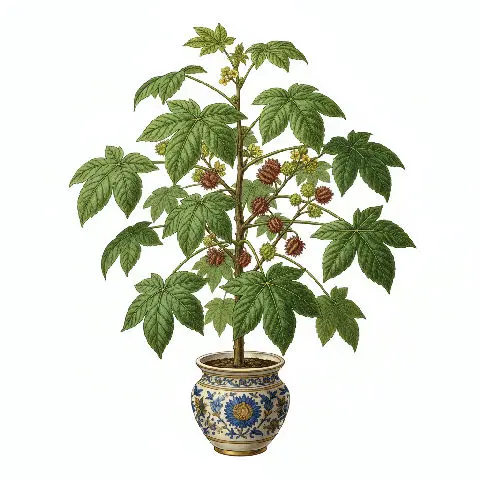
Arandi Oil, scientifically known as Ricinus communis, is derived from the seeds of the castor bean plant, a prominent member of the Euphorbiaceae family.
The interesting part about Arandi Oil is that the plant can be discussed from several angles at once: visible form, environmental behavior, traditional context, and modern quality control.
The linked plant page remains the main internal reference point for this article, but the goal here is to turn that raw data into a readable, structured, and genuinely useful guide.
- Arandi Oil, or Ricinus communis oil, is a powerful stimulant laxative.
- Its primary active compound is ricinoleic acid.
- Traditionally used in Ayurvedic and Unani medicine for diverse ailments.
- The oil is ricin-free, unlike the toxic raw seeds.
- Also valued for topical use in skin care and anti-inflammatory applications.
- FDA-approved for temporary constipation relief but contraindicated in pregnancy.
This guide is designed to help the reader move from scattered facts to practical understanding. Instead of relying on a thin summary, it pulls together the identity, uses, care profile, safety notes, and evidence context around Arandi Oil so the article works as a real reference rather than a keyword page.
02Arandi Oil: Taxonomy & Classification
Arandi Oil should be anchored to the correct taxonomic identity before any discussion of care, use, or safety begins.
| Common name | Arandi Oil |
|---|---|
| Scientific name | Ricinus communisW |
| Family | Euphorbiaceae |
| Order | Malpighiales |
| Genus | Ricinus |
| Species epithet | communis |
| Author citation | Guinea Is. |
| Synonyms | ? aegyptiaceus Popova, Ricinus communis f. argentatus T.Carvalho, Ricinus armatus Andrews, Ricinus communis f. americanus Müll.Arg., ? armatus Andr., Ricinus borboniensis Pax & K.Hoffm., Ricinus communis f. atratus T.Carvalho, Ricinus africanus Mill., Croton spinosus L., Ricinus angulatus Thunb., Ricinus communis f. atrofulvatus T.Carvalho, Cataputia major Ludw. |
| Common names | রেন্ডি, রেড়ির তেল গাছ, রিকিনাস, Castor Oil Plant, Palma Christi, Castor Bean, Ricinus, अंडर, रेंड़ी का पौधा |
| Local names | Carpata, Ricin commun, Karpata, Kinanga, Ricin commun, Ricin, Ricin commun, Tantan, Ricin tantan, Higuerilla, Mriwakatoto, Ricin, Paprastasis ricinmedis, Palma Christi, Cicayon matzuy |
| Origin | Mediterranean Basin, East Africa, India |
| Life cycle | Perennial |
| Growth habit | Tree |
Using the accepted scientific name Ricinus communis helps readers avoid confusion caused by old synonyms, loose common names, or inconsistent plant labels.
Family and order placement also matter because they explain recurring structural traits, likely relatives, and the kinds of mistakes readers often make when they rely on appearance alone.
03Identifying Arandi Oil
A practical reading of the plant starts with visible structure:
- Leaf: Large, palmate leaves, 15-60 cm across, typically with 5-11 deeply incised, toothed lobes radiating from a central point, often glabrous and.
- Stem: Stout, hollow, and often woody at the base, typically purplish or reddish, exhibiting branching, can be herbaceous in annuals and woody in perennials.
- Root: Taproot system with extensive lateral roots, allowing for good anchorage and nutrient uptake, can reach depths of 1-2 meters.
- Flower: Small, apetalous, monoecious flowers borne on terminal racemes, with male flowers (yellow anthers) typically below female flowers (red stigmas) on.
- Fruit: Globular, 1.5-2.5 cm diameter, spiny capsule (schizocarp) that splits into three sections when mature, green when immature, turning brown at maturity.
- Seed: Oval, somewhat flattened, 0.5-1.5 cm long, with a distinct hilum and caruncle; typically mottled with various shades of brown, black, white, or.
Microscopic or internal identification notes deepen the picture, especially for processed material: Both glandular and non-glandular trichomes are present; non-glandular hairs can be simple or branched, while glandular hairs are often capitate with. Ricinus communis commonly exhibits anomocytic stomata, characterized by subsidiary cells that are indistinguishable from other epidermal cells in. Powdered material from Ricinus communis seeds reveals abundant oil globules, fragments of thick-walled epidermal cells, parenchyma cells, and.
In overall habit, the plant is described as Tree with a mature height around 2–3 m and spread of Typically 0.2-1 m.
04Arandi Oil: Habitat & Distribution
The native or historically recorded center of distribution for Arandi Oil is Mediterranean Basin, East Africa, India. That origin is more than background trivia; it explains how the plant responds to heat, moisture, shade, and seasonal change.
The plant is associated with the following countries or range markers: Egypt, Ethiopia, India, Oman, Somalia, Sudan, Yemen.
Environmental notes in the live record add more context: Natural habitat: Indigenous to northeastern Africa and the Middle East, particularly the horn of Africa and India. Climate zones: Thrives in tropical, subtropical, and warm temperate regions (USDA zones 9-11). Altitude range: From sea level up to 2000 meters. Annual rainfall needs: Prefers 600-800 mm of annual rainfall, but can tolerate drier conditions.
In cultivation terms, the main ecological clues are: Full Sun; Weekly; Well-drained sandy loam or loamy soil, pH 6.0-7.0; Species-dependent; often grown in warm seasons; Perennial; Tree.
Physiology data reinforce the habitat story: The plant demonstrates some tolerance to drought stress through mechanisms like leaf curling and stomatal closure, but it is highly susceptible to. Ricinus communis utilizes the C3 photosynthetic pathway, typical of most temperate and many tropical plant species, where carbon fixation occurs via. Ricinus communis exhibits moderate to high transpiration rates, particularly in warm, humid conditions, necessitating consistent water availability.
05Arandi Oil: Traditional Importance
Ayurveda: Known as 'Eranda' or 'Gandharvahasta', it is revered for its potent cleansing properties and balancing Vata and Kapha doshas. Used in panchakarma therapies like virechana (purgation). Mentioned in ancient texts like Charaka Samhita. TCM: Seeds ('Ma Ren' or 'Bi Ma Zi') are used cautiously for purgation, edema, carbuncles, and scrofula, applied topically. Unani: Classified as a hot and dry substance, used.
Explore Our Platforms
 InfiniCore DataWorks
 Nex-Automata
Ethnobotanical records also show how this plant has been framed across different places: Abscess in China (Keys, J.D. 1976. Chinese Herbs. Charles E. Tuttle Co., Tokyo.); Ache(Head) in Ghana (Ayensu, Edward S. 1978. Medicinal plants of West Africa. Reference Publications, Inc.); Ache(Head) in Guatemala (Standley, P.C., and J.A. Steyermark. 1952. Flora of Guatemala. Fieldiana Botany, vol, 24, pt. 3. Museum of Natl. History, Chicago.); Ache(Head) in Mexico (Standley, Paul C. Trees and shrubs of Mexico. Contributions U.S. National Herbarium, vol. 23. Govt. Printing Office, Washington, D.C.); Ache(Head) in Philippines (Duke, 1992 ); Ache(Stomach) in S Africa (Ayensu, Edward S. 1978. Medicinal plants of West Africa. Reference Publications, Inc.); Ache(Stomach) in Trinidad (Duke, 1992 ); Ache(Stomach) in Trinidad (Wong, W. 1976. Some folk medicinal plants from Trinidad. Economic Botany 30(2): 103-142.).
Local names help show how different communities notice and classify the plant: Carpata, Ricin commun, Karpata, Kinanga, Ricin commun, Ricin, Ricin commun, Tantan, Ricin tantan, Higuerilla, Mriwakatoto, Ricin, Paprastasis ricinmedis.
Traditional context matters, but it should always be separated from modern certainty. Historical use can guide questions, yet it does not automatically prove present-day clinical effectiveness.
06Medicinal Properties of Arandi Oil
The main benefit themes associated with the plant include:
- Stimulant Laxative — Ricinoleic acid, the primary component, is metabolized in the intestine to activate EP3 and EP4 prostanoid receptors, stimulating smooth.
- Bowel Preparation Aid — Used to facilitate thorough bowel cleansing prior to diagnostic procedures like colonoscopies, where it can improve preparation scores.
- Anti-inflammatory Action — Ricinoleic acid possesses anti-inflammatory properties, potentially reducing swelling and pain when applied topically, a benefit.
- Antimicrobial Properties — Studies suggest Arandi Oil exhibits activity against various microbes, including bacteria and fungi, contributing to its.
- Emollient and Moisturizer — Its rich fatty acid profile makes it an excellent emollient, deeply hydrating and softening the skin, useful for conditions.
- Analgesic Effects — Traditionally applied topically to alleviate localized pain, such as muscle aches and headaches, likely due to its anti-inflammatory.
- Wound Healing Support — In traditional practices, Arandi Oil has been used to dress minor wounds, potentially aiding the healing process through its.
- Hair and Scalp Health — Often incorporated into hair care routines to moisturize the scalp, strengthen hair strands, and promote a healthy environment for.
The evidence matrix gives a more careful picture of those claims: Arandi Oil acts as a stimulant laxative for temporary constipation relief. Clinical trials, meta-analyses, FDA approval. High. The mechanism involving ricinoleic acid activating intestinal prostanoid receptors is well-established and supports its use for constipation. Arandi Oil is effective as a bowel preparation agent for diagnostic procedures like colonoscopy. Retrospective studies, meta-analysis for capsule colonoscopy. Moderate. Studies indicate its utility, sometimes showing comparable or superior outcomes to other preparations, especially in specific regimens. Arandi Oil possesses anti-inflammatory and analgesic properties when applied topically. Traditional use, anecdotal reports, in vitro and animal studies. Low to Moderate. Its ricinoleic acid content is believed to contribute to these effects, but robust human clinical trials are needed for definitive evidence. Arandi Oil can induce labor in pregnant women. Observational studies, traditional midwifery practices, some small clinical studies. Low. Despite traditional use, modern medicine lacks sufficient evidence for its safety and efficacy for labor induction, noting risks like meconium staining and maternal electrolyte imbalance.
The stored evidence confidence for this profile is traditional. That should shape how strongly any benefit statement is interpreted.
For medicinal content, the key discipline is to distinguish traditional use, mechanism-based plausibility, and human clinical support. Those are related ideas, but they are not the same thing.
- Stimulant Laxative — Ricinoleic acid, the primary component, is metabolized in the intestine to activate EP3 and EP4 prostanoid receptors, stimulating smooth.
- Bowel Preparation Aid — Used to facilitate thorough bowel cleansing prior to diagnostic procedures like colonoscopies, where it can improve preparation scores.
- Anti-inflammatory Action — Ricinoleic acid possesses anti-inflammatory properties, potentially reducing swelling and pain when applied topically, a benefit.
- Antimicrobial Properties — Studies suggest Arandi Oil exhibits activity against various microbes, including bacteria and fungi, contributing to its.
- Emollient and Moisturizer — Its rich fatty acid profile makes it an excellent emollient, deeply hydrating and softening the skin, useful for conditions.
- Analgesic Effects — Traditionally applied topically to alleviate localized pain, such as muscle aches and headaches, likely due to its anti-inflammatory.
- Wound Healing Support — In traditional practices, Arandi Oil has been used to dress minor wounds, potentially aiding the healing process through its.
- Hair and Scalp Health — Often incorporated into hair care routines to moisturize the scalp, strengthen hair strands, and promote a healthy environment for.
- Labor Induction (Traditional) — Historically used to induce labor, though this application is not FDA-approved and requires extreme caution due to potential.
- Ocular Health Support (Traditional) — Explored in traditional medicine for conditions like blepharitis, dry eye disease, and meibomian gland dysfunction.
07Arandi Oil: Chemical Constituents
The broader constituent profile includes:
- Ricinoleic Acid — The predominant monounsaturated fatty acid (85-95%), responsible for most of Arandi Oil's.
- Oleic Acid — A monounsaturated omega-9 fatty acid (2-6%) contributing to the oil's emollient properties and skin.
- Linoleic Acid — An essential polyunsaturated omega-6 fatty acid (1-5%) important for maintaining skin barrier function.
- Stearic Acid — A saturated fatty acid (less than 1%) that acts as an emulsifier and provides emollient qualities to.
- Palmitic Acid — Another saturated fatty acid (less than 1%) that contributes to the oil's texture and moisturizing.
- Tocopherols — Trace amounts of Vitamin E compounds, which act as natural antioxidants, helping to stabilize the oil.
- Phytosterols — Minor components that can contribute to the oil's anti-inflammatory and skin-soothing effects.
- Ricin — A highly toxic protein found in the raw seeds of Ricinus communis, but notably absent from properly processed.
The detailed phytochemistry file adds these markers: Ricinoleic Acid, Monounsaturated Fatty Acid, Seed oil, 85-95%; Oleic Acid, Monounsaturated Fatty Acid, Seed oil, 2-6%; Linoleic Acid, Polyunsaturated Fatty Acid (Omega-6), Seed oil, 1-5%; Stearic Acid, Saturated Fatty Acid, Seed oil, <1%; Palmitic Acid, Saturated Fatty Acid, Seed oil, <1%; Tocopherols (Vitamin E), Antioxidants, Seed oil, Tracemg/kg; Ricin, Lectin (Protein), Seeds (NOT oil), Variable% (of seed weight).
Local chemistry records also support the profile: QUERCETIN in Plant (not available-not available ppm); RUTIN in Leaf (not available-2000.0 ppm); CHLOROGENIC-ACID in Plant (not available-not available ppm); KAEMPFEROL in Plant (not available-not available ppm); GALLIC-ACID in Leaf (not available-not available ppm); FERULIC-ACID in Leaf (not available-not available ppm); ELLAGIC-ACID in Leaf (not available-not available ppm); BETA-SITOSTEROL in Root (not available-not available ppm).
Compound profiles also shift with plant part, age, season, processing, and storage. The chemistry of a fresh leaf, dried root, or concentrated extract should never be treated as automatically identical.
08Using Arandi Oil: Methods & Dosage
Recorded preparation and use methods include:
- Oral Laxative — Adult dosage typically ranges from 15 to 60 mL for temporary relief of occasional constipation, often mixed with juice to mask its distinct taste.
- Topical Application for Skin — Applied directly to the skin to moisturize, soothe inflammation, or address conditions like dryness, eczema, and psoriasis.
- Hair and Scalp Treatment — Massaged into the scalp and hair as an overnight treatment or pre-shampoo mask to nourish follicles and enhance hair strength.
- Castor Oil Packs — Used externally as a compress applied over affected areas to alleviate muscle pain, joint discomfort, or abdominal issues, often with heat.
- Bowel Preparation — Administered orally under medical supervision as part of a regimen to cleanse the colon before diagnostic procedures like colonoscopies.
- Traditional Ayurvedic Use — Utilized in Ayurveda as a potent purgative (Virechana), for joint pain (external application), and to balance Vata dosha. Traditional Chinese Medicine (TCM) — Employed externally for skin conditions and internally for detoxification, though less common than in Ayurvedic practices. Eyelid and Lash Care (Off-label) — Applied sparingly to eyelids and eyelashes to moisturize and potentially support lash health, though caution is advised to avoid eye irritation.
The plant part most closely linked to use is recorded as Leaves, flowers, roots, seeds, or whole herb cited in related taxa.
Edibility and processing notes matter here as well: Varies by species and plant part; verify before use.
Preparation defines the outcome. Tea, decoction, tincture, powder, fresh plant material, cooked food use, and concentrated extract cannot be discussed as if they were interchangeable.
- Identify the exact species and plant part first.
- Match the preparation to the intended use.
- Check safety, interactions, and processing details before routine use or large-scale handling.
09Arandi Oil Side Effects & Safety
The first safety note is direct: Toxicity classification: The castor bean plant is highly toxic. Toxic parts: Raw seeds are extremely poisonous due to the presence of ricin, a potent glycoprotein toxin. Ricin is concentrated in the endosperm of the seeds. Symptoms of.
Specific warnings recorded for this plant include:
- FDA-Approved — Recognized by the US FDA as a safe and effective stimulant laxative for temporary relief of occasional constipation.
- Ricin-Free Oil — Properly processed Arandi Oil is virtually free of ricin, the toxic protein present in raw seeds, making the oil safe for ingestion and.
- Pregnancy Contraindication — Strongly contraindicated during pregnancy due to its potential to induce labor and cause uterine contractions, which can be.
- Breastfeeding Caution — Not recommended for use during breastfeeding due to a lack of data on its excretion into breast milk and potential risks to the infant.
- Pediatric Use Avoidance — Should be avoided in infants and young children, especially without medical guidance, due to risks of dehydration and electrolyte.
- Short-Term Use Only — Intended for short-term use for constipation; prolonged use can lead to dependency and electrolyte disturbances.
- Medical Consultation — Always consult a healthcare professional before use, especially if pregnant, breastfeeding, or managing chronic health conditions.
- Abdominal Cramping — Common due to its stimulant laxative action, causing intestinal contractions.
- Diarrhea — A primary effect, especially with higher doses, leading to frequent, loose stools.
Quality-control notes add another warning: There is a risk of adulteration with cheaper vegetable oils (e.g., soybean, sunflower oil), which can be detected by analyzing the fatty acid profile via gas chromatography.
No plant should be described as universally safe. Identity, dose, plant part, preparation style, age, pregnancy status, medication use, allergies, and contamination risk all change the answer.
10Growing Arandi Oil Successfully
The cultivation record emphasizes these practical steps:
- Climate Preference — Thrives in tropical and subtropical regions, requiring warm temperatures and a long growing season; can be grown as an annual in temperate zones.
- Soil Requirements — Prefers well-drained, fertile loamy soils with a neutral to slightly acidic pH for optimal growth.
- Propagation — Primarily propagated from seeds, which should be planted after the last frost in well-prepared seedbeds.
- Watering Needs — Requires consistent moisture during germination and early growth stages, but established plants are relatively drought-tolerant.
- Sunlight Exposure — Needs full sun exposure (at least 6-8 hours daily) to produce abundant seeds.
- Pest and Disease Management — Generally robust, but can be susceptible to certain fungal diseases and pests like spider mites, requiring vigilant monitoring.
- Harvesting — Seed capsules are typically harvested when they begin to dry and split, usually 4-6 months after planting, before they fully dehisce.
The broader growth environment is described like this: Natural habitat: Indigenous to northeastern Africa and the Middle East, particularly the horn of Africa and India. Climate zones: Thrives in tropical, subtropical, and warm temperate regions (USDA zones 9-11). Altitude range: From sea level up to 2000 meters. Annual rainfall needs: Prefers 600-800 mm of annual rainfall, but can tolerate drier conditions.
Planning becomes easier when these traits are kept in view: Tree; 2–3 m; Typically 0.2-1 m; Intermediate.
In practice, healthy cultivation comes from systems thinking rather than one-off tricks. Site choice, drainage, timing, spacing, pruning, feeding, and observation all reinforce one another.
11Arandi Oil: Light, Water & Soil Needs
The most useful care snapshot is this: Light: Full Sun; Water: Weekly; Soil: Well-drained sandy loam or loamy soil, pH 6.0-7.0; Humidity: Medium; Temperature: 18-35°C; USDA zone: Species-dependent; often grown in warm seasons.
Outdoors, light, water, and soil must be read together. The same watering schedule can be too much in dense clay and too little in a porous sandy bed.
| Light | Full Sun |
|---|---|
| Water | Weekly |
| Soil | Well-drained sandy loam or loamy soil, pH 6.0-7.0 |
| Humidity | Medium |
| Temperature | 18-35°C |
| USDA zone | Species-dependent; often grown in warm seasons |
Light, water, and soil should never be treated as separate checkboxes. A plant in stronger light often dries faster, soil texture changes how quickly water moves, and temperature plus humidity influence how stress appears in leaves and roots.
For Arandi Oil, the safest care approach is to treat Full Sun, Weekly, and Well-drained sandy loam or loamy soil, pH 6.0-7.0 as linked decisions rather than isolated tips. If one condition shifts, the other two usually need to be reconsidered as well.
12How to Propagate Arandi Oil
Documented propagation routes include Seeds: The primary method. Sow fresh, viable seeds directly outdoors after the last frost or indoors 4-6 weeks before transplanting. Pre-soaking seeds for.
Propagation works best when the parent stock is healthy, correctly identified, and handled in the right season. That sounds obvious, but it is exactly where many failures begin.
- Seeds: The primary method. Sow fresh, viable seeds directly outdoors after the last frost or indoors 4-6 weeks before transplanting. Pre-soaking seeds for.
Propagation works best when the reader matches method to biology. Some plants respond readily to cuttings, some to division, some to seed, and others require more patience or more exact seasonal timing.
A successful propagation guide therefore starts with healthy parent material and realistic expectations. Weak stock, rushed handling, and poor aftercare can make even a technically correct method fail.
13Managing Arandi Oil Problems
The recorded problem list includes Pests: Red spider mites (Tetranychus urticae) cause stippling on leaves; treat with neem oil or insecticidal soap. Mealybugs (Planococcus citri) can infest stems and leaves; treat with rubbing alcohol or horticultural oil. Castor hairy caterpillar (Euproctis fraterna) defoliates plants; handpick caterpillars or use Bacillus thuringiensis. Fungal diseases: Alternaria blight (Alternaria ricini) causes. improve air circulation and use fungicides if severe. Root rot (Phytophthora spp.) from waterlogging; ensure good drainage. Nutrient deficiencies: Yellowing leaves indicate nitrogen deficiency; apply a balanced organic fertilizer. Poor growth and small leaves suggest phosphorus deficiency; use bone meal. Organic solutions: Introduce beneficial insects (ladybugs for aphids), apply neem oil as a.
For medicinal species, pest pressure is not only a horticultural issue. It also affects harvest cleanliness, storage stability, and confidence in the final material.
The smartest response sequence is observation first, environmental correction second, and treatment only after the real pattern is clear.
14How to Harvest Arandi Oil
The plant part most often associated with harvest or processing is Leaves, flowers, roots, seeds, or whole herb cited in related taxa.
Storage guidance from the quality-control record reads as follows: Arandi Oil should be stored in cool, dark conditions, in tightly sealed containers, to prevent oxidation and rancidity, which can degrade its therapeutic properties and shelf life.
For medicinal plants, harvesting cannot be separated from processing. The right plant part, the right timing, and the right drying conditions all shape quality and safety.
Whatever the purpose, the rule is the same: harvest clean material, label it clearly, and store it in a way that preserves identity and condition.
15Designing a Garden with Arandi Oil
Useful companions or placement partners include Marigolds; Rosemary; Coriander; Garlic; Nasturtiums.
In a home herb garden or medicinal bed, Arandi Oil should be placed where harvesting is easy, labeling remains clear, and neighboring plants do not create confusion at collection time.
Companion planting and design are not only aesthetic decisions. They affect airflow, root competition, moisture sharing, harvest access, visibility, and the general logic of the planting scheme.
With Arandi Oil, good placement means thinking about mature size, maintenance rhythm, and how neighboring plants change the feel and function of the space. A plant can be healthy on its own and still be poorly placed within the broader composition.
That is why the best design advice combines biology with usability. The planting should look coherent, but it should also make watering, pruning, harvest, and pest observation easier rather than harder.
16Research on Arandi Oil
The evidence matrix points to several recurring themes: Arandi Oil acts as a stimulant laxative for temporary constipation relief. Clinical trials, meta-analyses, FDA approval. High. The mechanism involving ricinoleic acid activating intestinal prostanoid receptors is well-established and supports its use for constipation. Arandi Oil is effective as a bowel preparation agent for diagnostic procedures like colonoscopy. Retrospective studies, meta-analysis for capsule colonoscopy. Moderate. Studies indicate its utility, sometimes showing comparable or superior outcomes to other preparations, especially in specific regimens. Arandi Oil possesses anti-inflammatory and analgesic properties when applied topically. Traditional use, anecdotal reports, in vitro and animal studies. Low to Moderate. Its ricinoleic acid content is believed to contribute to these effects, but robust human clinical trials are needed for definitive evidence. Arandi Oil can induce labor in pregnant women. Observational studies, traditional midwifery practices, some small clinical studies. Low. Despite traditional use, modern medicine lacks sufficient evidence for its safety and efficacy for labor induction, noting risks like meconium staining and maternal electrolyte imbalance.
Ethnobotanical activity records add historical reference trails: Abscess — China [Keys, J.D. 1976. Chinese Herbs. Charles E. Tuttle Co., Tokyo.]; Ache(Head) — Ghana [Ayensu, Edward S. 1978. Medicinal plants of West Africa. Reference Publications, Inc.]; Ache(Head) — Guatemala [Standley, P.C., and J.A. Steyermark. 1952. Flora of Guatemala. Fieldiana Botany, vol, 24, pt. 3. Museum of Natl. History, Chicago.]; Ache(Head) — Mexico [Standley, Paul C. Trees and shrubs of Mexico. Contributions U.S. National Herbarium, vol. 23. Govt. Printing Office, Washington, D.C.]; Ache(Head) — Philippines [Duke, 1992 *]; Ache(Stomach) — S Africa [Ayensu, Edward S. 1978. Medicinal plants of West Africa. Reference Publications, Inc.].
The compiled source count behind the live profile is 7. That does not guarantee certainty, but it does suggest the record has been cross-checked beyond a single note.
Analytical testing notes also strengthen the evidence base: Quality control involves gas chromatography-mass spectrometry (GC-MS) for fatty acid composition, physicochemical tests (e.g., specific gravity, refractive index), and tests for.
A careful evidence section should say what is known, what is plausible, and what remains uncertain. Readers are better served by clear limits than by exaggerated confidence.
17Choosing Quality Arandi Oil
Quality markers worth checking include Ricinoleic acid is the primary marker compound, typically quantified to ensure the oil's identity and purity, often comprising 85-95% of total fatty acids.
Adulteration and substitution risk should not be ignored: There is a risk of adulteration with cheaper vegetable oils (e.g., soybean, sunflower oil), which can be detected by analyzing the fatty acid profile via gas chromatography.
When buying Arandi Oil, start with verified botanical identity. The label, scientific name, and the source page should agree before you judge price, size, or claimed benefits.
For living plants, inspect roots, stem firmness, foliage health, and early pest signs. For dried or processed material, look for batch clarity, clean aroma, absence of mold, and any sign that the product has been over-processed to disguise poor quality.
18Frequently Asked Questions
What is Arandi Oil best known for?
Arandi Oil, scientifically known as Ricinus communis, is derived from the seeds of the castor bean plant, a prominent member of the Euphorbiaceae family.
Is Arandi Oil beginner-friendly?
That depends on the growing environment and the intended use. Some plants are easy to grow but not simple to use medicinally, while others are the opposite.
How much light does Arandi Oil need?
Full Sun
How often should Arandi Oil be watered?
Weekly
Can Arandi Oil be propagated at home?
Yes, but the best method depends on whether the species responds best to seed, cuttings, division, offsets, or other propagation routes.
Does Arandi Oil have safety concerns?
Toxicity classification: The castor bean plant is highly toxic. Toxic parts: Raw seeds are extremely poisonous due to the presence of ricin, a potent glycoprotein toxin. Ricin is concentrated in the endosperm of the seeds. Symptoms of.
What is the biggest mistake people make with Arandi Oil?
The most common mistake is applying generic advice instead of matching the plant to its real environment, identity, and limits.
Where can I verify more information about Arandi Oil?
Start with the Flora Medical Global plant profile: https://www.floramedicalglobal.com/medicinal-plants/arandi-oil
19Sources & Further Reading on Arandi Oil
Authoritative sources and related guides:
- Wikipedia — background reference
- PubMed — peer-reviewed studies
- Kew POWO — botanical reference
- NCBI PMC — open-access research
- WHO — global health authority
Related on Flora Medical Global
Reviewed by the Flora Medical Global Botanical Review Panel
Multi-disciplinary editorial group · Botany · Ethnobotany · Herbal-medicine literature
Who reviewed this: This page was checked by the Flora Medical Global Botanical Review Panel — an in-house editorial group of botany graduates, ethnobotany researchers, and horticulture practitioners who collectively maintain our 7,000+ plant encyclopedia. Meet the team.
Our 4-step verification process
1. Taxonomic verification
Scientific names and synonyms cross-checked against Kew POWO, World Flora Online, and The Plant List.
2. Phytochemical & medicinal cross-reference
Active compounds, traditional uses, and reported activities are cross-referenced with PubMed, USDA Dr. Duke's database, and peer-reviewed ethnobotanical literature.
3. Conservation & distribution check
Distribution, ecology, and conservation status confirmed against GBIF occurrence records and the IUCN Red List.
4. Editorial & safety review
Every entry passes an editorial pass for clarity, originality, and safety notices (toxicity, contraindications, dosage caveats) before publication.
Last reviewed:
Important medical disclaimer: This content is for educational and research purposes only. It is not medical advice and is not a substitute for consultation with a licensed healthcare provider. Do not use any herb to self-treat a medical condition without professional guidance.
Explore Our Platforms
Comments (0)
No comments yet. Be the first!