
Overview & Introduction
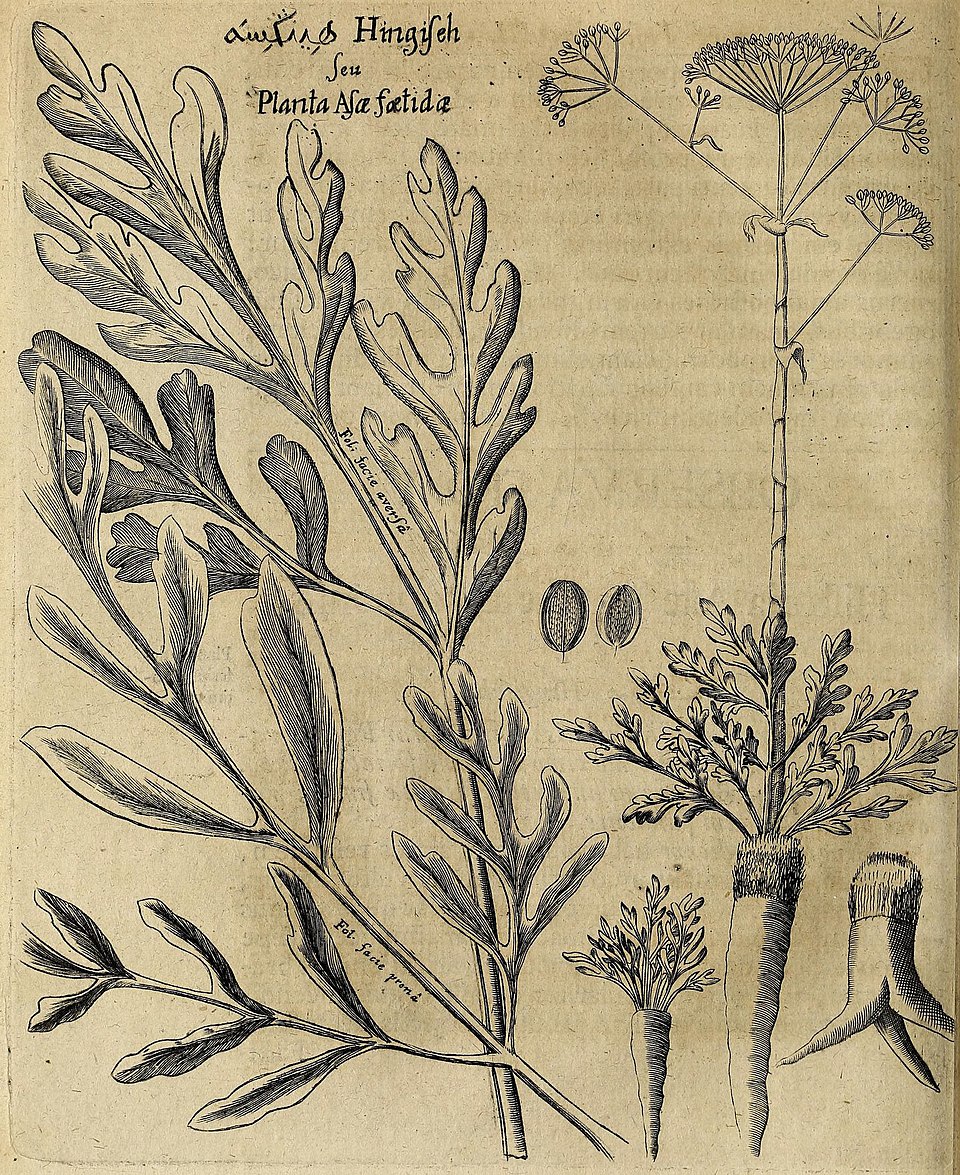
Asafoetida, scientifically known as Ferula assa-foetida L., is a distinctive perennial herbaceous plant belonging to the Apiaceae family, renowned globally for its potent, sulfurous aroma and multifaceted applications as both a culinary spice and a therapeutic agent.
A good article on Asafoetida Plant should not stop at one-line claims. Readers need taxonomy, habitat, safety, cultivation, and evidence in the same place so they can make sound decisions.
The aim is simple: make the article detailed enough for serious readers while keeping the structure clear enough for fast scanning and confident decision-making.
- Potent oleo-gum-resin from Ferula assa-foetida L., Apiaceae family.
- Known for its strong sulfurous aroma and versatile medicinal applications.
- Traditionally used as a digestive aid, antispasmodic, and respiratory support.
- Rich in organosulfur compounds, coumarins, and volatile oils.
- Requires arid, high-altitude conditions for cultivation
- Resin harvested from taproot.
- Contraindicated for pregnancy, lactation, infants, and those with bleeding disorders.
Botanical Profile & Taxonomy
Asafoetida Plant should be anchored to the correct taxonomic identity before any discussion of care, use, or safety begins.
| Common name | Asafoetida Plant |
|---|---|
| Scientific name | Ferula assa-foetida L. |
| Family | Apiaceae |
| Order | Apiales |
| Genus | Ferula |
| Species epithet | assa-foetida L. |
| Author citation | L. |
| Synonyms | Ferula foetida St.-Lag.(https://www.gbif.org/species/3034686)Ferula hooshee. |
| Common names | হিং, আসাফেটিডা, শয়তানের গন্ধ, Asafoetida, Devil's Dung, Stinking Gum, Hing, हींग, हिंग |
| Local names | férule persique, dyvelsträck, Stinkasant, asafétida |
| Origin | Eastern Mediterranean and Central Asia (Iran, Afghanistan, Pakistan, India) |
| Life cycle | Annual or perennial |
| Growth habit | s | | |
Using the accepted scientific name Ferula assa-foetida L. helps readers avoid confusion caused by old synonyms, loose common names, or inconsistent plant labels.
Family and order placement also matter because they explain recurring structural traits, likely relatives, and the kinds of mistakes readers often make when they rely on appearance alone.
Physical Description & Morphology
Microscopic or internal identification notes deepen the picture, especially for processed material: Trichomes are generally absent or scarce on the mature leaves and stem, though young plant parts or specific varieties might exhibit glandular hairs. Stomata are predominantly anomocytic, scattered across the leaf surface, particularly on the abaxial side, consistent with many species in the. Microscopic examination of Asafoetida powder reveals abundant yellowish-brown oleo-gum-resin fragments, starch grains, occasional sclereids, and.
In overall habit, the plant is described as s | | with a mature height around Typically 0.2-1.5 m and spread of Typically 0.2-1 m.
In real-world identification, the most helpful approach is to read the plant as a whole. Habit, size, stem texture, leaf arrangement, flower form, and any distinctive surface detail all matter. For Asafoetida Plant, morphology is not only a descriptive topic; it is the foundation of correct recognition.
Natural Habitat & Distribution
The native or historically recorded center of distribution for Asafoetida Plant is Eastern Mediterranean and Central Asia (Iran, Afghanistan, Pakistan, India). That origin is more than background trivia; it explains how the plant responds to heat, moisture, shade, and seasonal change.
The plant is associated with the following countries or range markers: Afghanistan, India, Iran, Pakistan, Tajikistan, Uzbekistan.
Environmental notes in the live record add more context: Natural habitat spans arid to semi-arid regions of Central Asia, specifically Afghanistan, Iran, and parts of India (Kashmir, Ladakh). Climate zones are typically cold deserts, characterized by extreme temperature fluctuations – very hot summers and very cold winters. Altitude range is generally between 3,000 to 4,000 meters above sea level. Annual.
In cultivation terms, the main ecological clues are: Full Sun; Weekly; Well-draining, sandy-loam to silty-clay soil with a pH of 6.0-8.0; Species-dependent; often grown in warm seasons; Annual or perennial; s | |.
Physiology data reinforce the habitat story: Highly adapted to abiotic stresses including drought, extreme temperatures (both cold and heat), and nutrient-poor soils, demonstrating resilience. Ferula assa-foetida utilizes the C3 photosynthetic pathway, typical for most plants in temperate and arid regions. Exhibits efficient water use and low transpiration rates, a key adaptation to its arid environment, aided by deep roots and a thick cuticle.
Traditional & Cultural Significance
Asafoetida holds profound cultural significance across Asia. In **Ayurveda**, it is revered as 'Hingu,' a powerful digestive and nervine tonic, balancing Vata and Kapha doshas. It's often prescribed for flatulence, indigestion, and nervous conditions, and is a key ingredient in many Ayurvedic formulations. Its pungent aroma was believed to drive away negative energies and it was often used in rituals. In.
Ethnobotanical records also show how this plant has been framed across different places: Ethnobotanical, nutritional, or phytochemical activity reported in related taxa in Iran (https://api.gbif.org/v1/species/8113074; https://api.gbif.org/v1/species/8113074/vernacularNames?limit=100; https://api.gbif.org/v1/species/8113074/synonyms?limit=100; https://api.gbif.org/v1/species/8113074/distributions?limit=200; AI heuristic estimate from taxonomy/common-name patterns; verify manually.).
Local names help show how different communities notice and classify the plant: férule persique, dyvelsträck, Stinkasant, asafétida.
Traditional context matters, but it should always be separated from modern certainty. Historical use can guide questions, yet it does not automatically prove present-day clinical effectiveness.
Medicinal Properties & Health Benefits
The main benefit themes associated with the plant include: Digestive Aid — Asafoetida is widely recognized for its carminative properties, helping to reduce flatulence, bloating, and indigestion by relaxing abdominal. Antispasmodic Action — The plant's compounds exert antispasmodic effects, which can alleviate abdominal cramps, menstrual pain, and muscle spasms, making it. Respiratory Support — As an expectorant and bronchodilator, Asafoetida can help clear congestion from the respiratory tract, ease breathing in asthma. Antimicrobial Properties — Research suggests that Ferula assa-foetida possesses antibacterial, antiviral, and antifungal activities, potentially inhibiting. Anti-inflammatory Effects — The presence of specific coumarins and other phytochemicals contributes to its anti-inflammatory capacity, which can help reduce. Antioxidant Activity — Asafoetida contains compounds that act as antioxidants, protecting cells from oxidative stress caused by free radicals, thus. Neuroprotective Potential — Some studies indicate that certain constituents of Asafoetida may offer neuroprotective benefits, supporting brain health and. Blood Sugar Regulation — Traditional medicine systems and preliminary research suggest that Ferula assa-foetida may help in modulating blood glucose levels.
The evidence matrix gives a more careful picture of those claims: Asafoetida acts as a potent carminative and antispasmodic agent. Ethnobotanical reports, pharmacological assays on smooth muscle tissues, animal models of gastrointestinal motility. Traditional and in vitro/animal studies. Its organosulfur compounds are believed to relax smooth muscles and reduce gas formation in the gut. Asafoetida exhibits antimicrobial properties against various pathogens. Microbiological assays demonstrating zones of inhibition against bacterial and fungal strains. In vitro studies. Sulfur compounds and coumarins contribute to its broad-spectrum antimicrobial activity. Asafoetida may possess anti-inflammatory and antioxidant effects. Cell culture experiments measuring inflammatory markers, animal models of induced inflammation, free radical scavenging assays. In vitro and animal studies. Coumarins and phenolic compounds are key contributors to these protective actions. Asafoetida supports respiratory health by acting as an expectorant and bronchodilator. Historical texts, animal models of respiratory distress. Traditional use and some animal studies. Volatile oils help to loosen phlegm and relax bronchial muscles, easing breathing.
The stored evidence confidence for this profile is traditional. That should shape how strongly any benefit statement is interpreted.
For medicinal content, the key discipline is to distinguish traditional use, mechanism-based plausibility, and human clinical support. Those are related ideas, but they are not the same thing.
- Digestive Aid — Asafoetida is widely recognized for its carminative properties, helping to reduce flatulence, bloating, and indigestion by relaxing abdominal.
- Antispasmodic Action — The plant's compounds exert antispasmodic effects, which can alleviate abdominal cramps, menstrual pain, and muscle spasms, making it.
- Respiratory Support — As an expectorant and bronchodilator, Asafoetida can help clear congestion from the respiratory tract, ease breathing in asthma.
- Antimicrobial Properties — Research suggests that Ferula assa-foetida possesses antibacterial, antiviral, and antifungal activities, potentially inhibiting.
- Anti-inflammatory Effects — The presence of specific coumarins and other phytochemicals contributes to its anti-inflammatory capacity, which can help reduce.
- Antioxidant Activity — Asafoetida contains compounds that act as antioxidants, protecting cells from oxidative stress caused by free radicals, thus.
- Neuroprotective Potential — Some studies indicate that certain constituents of Asafoetida may offer neuroprotective benefits, supporting brain health and.
- Blood Sugar Regulation — Traditional medicine systems and preliminary research suggest that Ferula assa-foetida may help in modulating blood glucose levels.
- Anticarcinogenic Properties — Early in vitro and animal studies have explored Asafoetida's potential to inhibit the proliferation of cancer cells and induce.
- Menstrual Health Support — In traditional practices, it is used to alleviate dysmenorrhea (painful menstruation) and regulate menstrual cycles due to its.
Chemical Constituents & Phytochemistry
The broader constituent profile includes Organosulfur Compounds — These include disulfides like (E)-1-propenyl sec-butyl disulfide and polysulfides, which are. Coumarins — Ferulic acid, umbelliferone, asaresinotannols, and other complex coumarins are present, contributing to. Volatile Oils — A complex mixture of monoterpenes and sesquiterpenes, such as alpha-pinene, limonene, and various. Resins — Composed of ferulic acid esters, asaresinotannols, and other high molecular weight compounds, the resinous. Gum — Polysaccharides make up the gum component, providing emulsifying properties and contributing to the physical. Flavonoids — Although in smaller quantities, flavonoids like quercetin derivatives may be present, contributing to the. Terpenoids — Beyond volatile oils, other non-volatile terpenoids may be found, playing roles in the plant's defense. Carbohydrates — Sugars and other complex carbohydrates are part of the gum fraction, important for the plant's. Phenolic Acids — Besides ferulic acid, other phenolic acids might be present, contributing to the antioxidant and.
The detailed phytochemistry file adds these markers: Ferulic acid, Phenolic acid/Coumarin derivative, Oleo-gum-resin, Variable%; (E)-1-propenyl sec-butyl disulfide, Organosulfur compound, Volatile oil of oleo-gum-resin, High% of volatile oil; Umbelliferone, Coumarin, Oleo-gum-resin, Moderate%; Asaresinotannols, Resin glycosides, Oleo-gum-resin, Major component%; Alpha-pinene, Monoterpene, Volatile oil of oleo-gum-resin, Moderate% of volatile oil; Limonene, Monoterpene, Volatile oil of oleo-gum-resin, Low% of volatile oil.
Compound profiles also shift with plant part, age, season, processing, and storage. The chemistry of a fresh leaf, dried root, or concentrated extract should never be treated as automatically identical.
How to Use — Preparations & Dosage
Recorded preparation and use methods include Culinary Spice — Used as a pungent flavor enhancer in Indian, Middle Eastern, and Central Asian cuisines, often tempered in hot oil or ghee to mellow its strong aroma. Digestive Tincture — A small amount of Asafoetida resin can be dissolved in warm water or alcohol to create a tincture used to aid digestion and relieve gas. External Application — Traditionally, a paste made from Asafoetida and water is applied topically to relieve pain, swelling, or as a counter-irritant for respiratory issues. Infusion for Respiratory Ailments — A small piece of the resin steeped in hot water can be consumed to help alleviate coughs, asthma, and bronchitis symptoms. Medicinal Powder — Ground Asafoetida powder is incorporated into Ayurvedic and Unani formulations for various conditions, including digestive disorders and nervous complaints. Supplement Capsules — Standardized extracts of Ferula assa-foetida are available in capsule form for convenient intake, particularly for digestive and anti-inflammatory benefits. Aroma Therapy — The pungent aroma is sometimes used in traditional practices for its calming or insect-repellent properties, though its strong smell limits widespread use.
The plant part most closely linked to use is recorded as Leaves, flowers, roots, seeds, or whole herb cited in related taxa.
Edibility and processing notes matter here as well: Varies by species and plant part; verify before use.
Preparation defines the outcome. Tea, decoction, tincture, powder, fresh plant material, cooked food use, and concentrated extract cannot be discussed as if they were interchangeable.
- Identify the exact species and plant part first.
- Match the preparation to the intended use.
- Check safety, interactions, and processing details before routine use or large-scale handling.
Safety Profile, Side Effects & Contraindications
The first safety note is direct: Generally considered safe for culinary and medicinal use in recommended doses. However, high doses can cause gastrointestinal distress, including nausea, vomiting, and diarrhea. In pregnant women, it historically has been avoided due to.
Specific warnings recorded for this plant include Pregnancy and Lactation — Contraindicated during pregnancy due to potential emmenagogue and abortifacient effects, and generally advised against during. Infants and Young Children — Absolutely contraindicated for infants and young children due to the risk of methemoglobinemia. Bleeding Disorders — Individuals with bleeding disorders or those on anticoagulant medications should avoid Asafoetida due to its potential antiplatelet. Surgery — Discontinue use at least two weeks before any scheduled surgery to prevent increased bleeding risk. Blood Pressure Issues — Use with caution in individuals with hypotension or hypertension, as it may affect blood pressure. Gastrointestinal Sensitivity — Start with very small doses to assess tolerance, especially for those with sensitive digestive systems. Allergic Reactions — Individuals with known allergies to plants in the Apiaceae family (e.g., carrot, celery, fennel) should use with caution. Digestive Upset — Can cause nausea, vomiting, or diarrhea in sensitive individuals or at high doses. Skin Rashes — Topical application may lead to skin irritation or allergic contact dermatitis in some people. Headaches and Dizziness — Some individuals may experience headaches or a sensation of dizziness, particularly with excessive consumption.
Quality-control notes add another warning: High risk of adulteration with other Ferula resins, gum arabic, wheat flour, or even synthetic compounds; often mixed with gypsum or sand to increase weight.
No plant should be described as universally safe. Identity, dose, plant part, preparation style, age, pregnancy status, medication use, allergies, and contamination risk all change the answer.
Growing & Cultivation Guide

The cultivation record emphasizes these practical steps: Climate Requirement — Ferula assa-foetida thrives in arid, cold desert climates with dry, well-draining, sandy-loam soils, typically found at high altitudes. Propagation — Primarily propagated by seeds, which require stratification for optimal germination; direct sowing in autumn or early spring is common. Soil Preparation — Requires deep plowing to accommodate its extensive taproot, with minimal organic matter as it prefers nutrient-poor conditions. Water Management — Highly drought-tolerant once established, requiring very little irrigation; overwatering can lead to root rot. Harvesting — The oleo-gum-resin is harvested from 4-5 year old plants by making incisions into the exposed taproot, typically during late winter to early spring. Post-Harvest Processing — The milky exudate is collected over several weeks, allowed to dry and solidify, then cleaned and graded for quality.
The broader growth environment is described like this: Natural habitat spans arid to semi-arid regions of Central Asia, specifically Afghanistan, Iran, and parts of India (Kashmir, Ladakh). Climate zones are typically cold deserts, characterized by extreme temperature fluctuations – very hot summers and very cold winters. Altitude range is generally between 3,000 to 4,000 meters above sea level. Annual.
Planning becomes easier when these traits are kept in view: s | |; Typically 0.2-1.5 m; Typically 0.2-1 m; Intermediate.
In practice, healthy cultivation comes from systems thinking rather than one-off tricks. Site choice, drainage, timing, spacing, pruning, feeding, and observation all reinforce one another.
Light, Water & Soil Requirements
The most useful care snapshot is this: Light: Full Sun; Water: Weekly; Soil: Well-draining, sandy-loam to silty-clay soil with a pH of 6.0-8.0; Temperature: -15 to 40°C; USDA zone: Species-dependent; often grown in warm seasons.
Outdoors, light, water, and soil must be read together. The same watering schedule can be too much in dense clay and too little in a porous sandy bed.
| Light | Full Sun |
|---|---|
| Water | Weekly |
| Soil | Well-draining, sandy-loam to silty-clay soil with a pH of 6.0-8.0 |
| Temperature | -15 to 40°C |
| USDA zone | Species-dependent; often grown in warm seasons |
Light, water, and soil should never be treated as separate checkboxes. A plant in stronger light often dries faster, soil texture changes how quickly water moves, and temperature plus humidity influence how stress appears in leaves and roots.
For Asafoetida Plant, the safest care approach is to treat Full Sun, Weekly, and Well-draining, sandy-loam to silty-clay soil with a pH of 6.0-8.0 as linked decisions rather than isolated tips. If one condition shifts, the other two usually need to be reconsidered as well.
Propagation Methods
Documented propagation routes include Seeds:** Sow fresh seeds directly in well-drained soil in late autumn or early spring. Seeds have a hard coat and often require stratification for improved.
Propagation works best when the parent stock is healthy, correctly identified, and handled in the right season. That sounds obvious, but it is exactly where many failures begin.
- Seeds:** Sow fresh seeds directly in well-drained soil in late autumn or early spring. Seeds have a hard coat and often require stratification for improved.
Propagation works best when the reader matches method to biology. Some plants respond readily to cuttings, some to division, some to seed, and others require more patience or more exact seasonal timing.
A successful propagation guide therefore starts with healthy parent material and realistic expectations. Weak stock, rushed handling, and poor aftercare can make even a technically correct method fail.
Pest & Disease Management
The recorded problem list includes Pests:** Generally resistant due to its strong odor, but occasionally susceptible to aphids or root-knot nematodes in. powdery mildew might occur in humid environments. **Nutrient Deficiencies:** Unlikely in its native poor soil.
For medicinal species, pest pressure is not only a horticultural issue. It also affects harvest cleanliness, storage stability, and confidence in the final material.
The smartest response sequence is observation first, environmental correction second, and treatment only after the real pattern is clear.
- Pests:** Generally resistant due to its strong odor, but occasionally susceptible to aphids or root-knot nematodes in.
- Powdery mildew might occur in humid environments. **Nutrient Deficiencies:** Unlikely in its native poor soil.
Pest and disease management is strongest when it begins before visible damage becomes severe. Routine observation, clean handling, sensible spacing, air movement, and balanced watering reduce many problems before treatment is even needed.
Harvesting, Storage & Processing
The plant part most often associated with harvest or processing is Leaves, flowers, roots, seeds, or whole herb cited in related taxa.
Storage guidance from the quality-control record reads as follows: Stable when stored in airtight containers, away from light and moisture, in a cool, dry place; exposure to air can lead to loss of volatile compounds and reduced potency.
For medicinal plants, harvesting cannot be separated from processing. The right plant part, the right timing, and the right drying conditions all shape quality and safety.
Whatever the purpose, the rule is the same: harvest clean material, label it clearly, and store it in a way that preserves identity and condition.
Harvest and storage determine whether a plant's quality is preserved after it leaves the bed, pot, field, or wild source. Clean timing, correct plant part selection, and careful drying or handling all matter more than many readers expect.
Companion Planting & Garden Design
Useful companions or placement partners include Carrots; Dill; Parsley; Coriander.
In a home herb garden or medicinal bed, Asafoetida Plant should be placed where harvesting is easy, labeling remains clear, and neighboring plants do not create confusion at collection time.
Companion planting and design are not only aesthetic decisions. They affect airflow, root competition, moisture sharing, harvest access, visibility, and the general logic of the planting scheme.
With Asafoetida Plant, good placement means thinking about mature size, maintenance rhythm, and how neighboring plants change the feel and function of the space. A plant can be healthy on its own and still be poorly placed within the broader composition.
That is why the best design advice combines biology with usability. The planting should look coherent, but it should also make watering, pruning, harvest, and pest observation easier rather than harder.
Scientific Research & Evidence Base
The evidence matrix points to several recurring themes: Asafoetida acts as a potent carminative and antispasmodic agent. Ethnobotanical reports, pharmacological assays on smooth muscle tissues, animal models of gastrointestinal motility. Traditional and in vitro/animal studies. Its organosulfur compounds are believed to relax smooth muscles and reduce gas formation in the gut. Asafoetida exhibits antimicrobial properties against various pathogens. Microbiological assays demonstrating zones of inhibition against bacterial and fungal strains. In vitro studies. Sulfur compounds and coumarins contribute to its broad-spectrum antimicrobial activity. Asafoetida may possess anti-inflammatory and antioxidant effects. Cell culture experiments measuring inflammatory markers, animal models of induced inflammation, free radical scavenging assays. In vitro and animal studies. Coumarins and phenolic compounds are key contributors to these protective actions. Asafoetida supports respiratory health by acting as an expectorant and bronchodilator. Historical texts, animal models of respiratory distress. Traditional use and some animal studies. Volatile oils help to loosen phlegm and relax bronchial muscles, easing breathing.
Ethnobotanical activity records add historical reference trails: Ethnobotanical, nutritional, or phytochemical activity reported in related taxa — Iran [https://api.gbif.org/v1/species/8113074; https://api.gbif.org/v1/species/8113074/vernacularNames?limit=100; https://api.gbif.org/v1/species/8113074/synonyms?limit=100; https://api.gbif.org/v1/species/8113074/distributions?limit=200; AI heuristic estimate from taxonomy/common-name patterns; verify manually.].
The compiled source count behind the live profile is 8. That does not guarantee certainty, but it does suggest the record has been cross-checked beyond a single note.
Analytical testing notes also strengthen the evidence base: Chromatographic techniques (HPLC, GC-MS) for marker compound analysis, spectroscopic methods (FTIR) for identification, and physical tests for solubility, ash content, and.
A careful evidence section should say what is known, what is plausible, and what remains uncertain. Readers are better served by clear limits than by exaggerated confidence.
Evidence note: this section blends the live plant record, local ethnobotanical activity data, chemistry records, and the linked Flora Medical Global plant profile for Asafoetida Plant.
Buying Guide & Expert Tips
Quality markers worth checking include Key marker compounds include asaresinotannols, ferulic acid, and specific organosulfur compounds like (E)-1-propenyl sec-butyl disulfide for identification and quantification.
Adulteration and substitution risk should not be ignored: High risk of adulteration with other Ferula resins, gum arabic, wheat flour, or even synthetic compounds; often mixed with gypsum or sand to increase weight.
When buying Asafoetida Plant, start with verified botanical identity. The label, scientific name, and the source page should agree before you judge price, size, or claimed benefits.
For living plants, inspect roots, stem firmness, foliage health, and early pest signs. For dried or processed material, look for batch clarity, clean aroma, absence of mold, and any sign that the product has been over-processed to disguise poor quality.
Buying advice should begin with identity. The label, scientific name, visible condition, and seller credibility should agree before price or convenience becomes the deciding factor.
Frequently Asked Questions
What is Asafoetida Plant best known for?
Asafoetida, scientifically known as Ferula assa-foetida L., is a distinctive perennial herbaceous plant belonging to the Apiaceae family, renowned globally for its potent, sulfurous aroma and multifaceted applications as both a culinary spice and a therapeutic agent.
Is Asafoetida Plant beginner-friendly?
That depends on the growing environment and the intended use. Some plants are easy to grow but not simple to use medicinally, while others are the opposite.
How much light does Asafoetida Plant need?
Full Sun
How often should Asafoetida Plant be watered?
Weekly
Can Asafoetida Plant be propagated at home?
Yes, but the best method depends on whether the species responds best to seed, cuttings, division, offsets, or other propagation routes.
Does Asafoetida Plant have safety concerns?
Generally considered safe for culinary and medicinal use in recommended doses. However, high doses can cause gastrointestinal distress, including nausea, vomiting, and diarrhea. In pregnant women, it historically has been avoided due to.
What is the biggest mistake people make with Asafoetida Plant?
The most common mistake is applying generic advice instead of matching the plant to its real environment, identity, and limits.
Where can I verify more information about Asafoetida Plant?
Start with the Flora Medical Global plant profile: https://www.floramedicalglobal.com/plant/asafoetida-plant
Why do sources sometimes disagree about Asafoetida Plant?
Different references may use different synonyms, plant parts, cultivation conditions, or evidence standards. That is why taxonomy and source quality both matter.