Ayurvedic Herbs for Daily Wellness – Ancient Healing Plants You Should Use Every Day in 2026
 Flora Medical GlobalPublished: 2/25/2026Updated: 6/16/202626 min read
Editorial Disclaimer: This article is for informational and educational purposes only. It is not a substitute for professional medical advice, diagnosis, or treatment. Always consult a qualified healthcare provider or certified herbalist before using any plant for medicinal purposes, especially if you are pregnant, nursing, taking medication, or have a medical condition.
In a world increasingly seeking natural solutions for health and vitality, the time-honored wisdom of Ayurveda offers a profound pathway to daily wellness. For thousands of years, Ayurvedic herbs have been revered for their potent medicinal properties and their ability to restore balance within the body, mind, and spirit.
As we step into 2026, the resurgence of interest in these ancient healing plants is more significant than ever, driven by a growing desire for sustainable, holistic health practices. This comprehensive guide from Flora Medical Global will delve deep into the world of Ayurveda plants, exploring how you can incorporate these powerful daily wellness herbs into your routine to thrive.
01What is the Enduring Power of Ayurvedic Herbs for Daily Wellness?
Ayurvedic herbs hold enduring power for daily wellness because they are integral to a holistic system that addresses the root causes of imbalance, rather than just symptoms, promoting long-term health and vitality. Ayurveda, often called the “Science of Life,” originated in India over 5,000 years ago, presenting not merely a system of medicine but a holistic philosophy that emphasizes preventing disease and promoting longevity through diet, lifestyle, and Ayurvedic medicine plants.
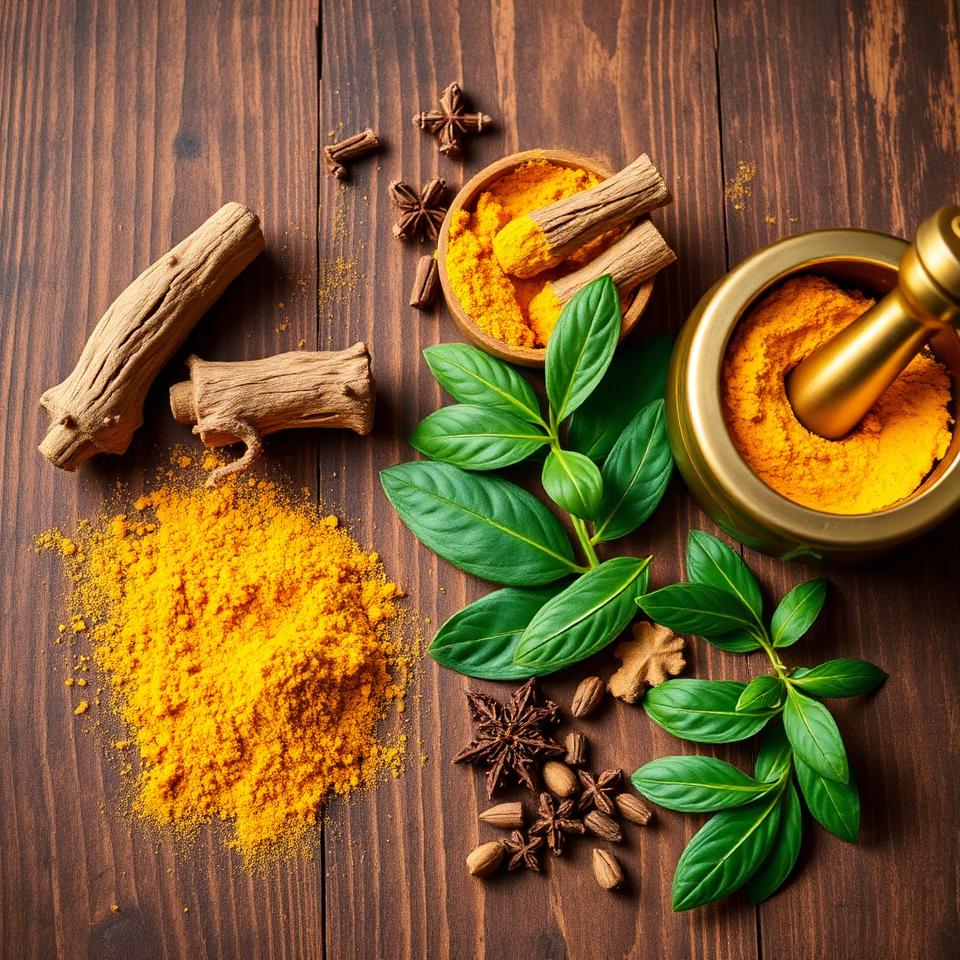
The cornerstone of this ancient practice lies in understanding an individual’s unique constitution, or Dosha (Vata, Pitta, Kapha), and using natural remedies to maintain harmony. The beauty of Ayurvedic herbs lies in their adaptogenic qualities, their ability to support the body’s natural resilience against stress, and their profound impact on various physiological systems.
Unlike many conventional remedies, Ayurveda plants often work synergistically, addressing the root causes of imbalance rather than just symptoms. This comprehensive approach differentiates Ayurvedic phytotherapy, aiming for a sustained state of equilibrium rather than temporary relief.
Why Incorporate Ayurvedic Herbs into Your Daily Routine?
Incorporating Ayurvedic herbs into your daily routine offers a pathway to holistic well-being, providing preventative care, and nurturing the body's innate intelligence. Here's why integrating these ancient botanicals can be transformative:
- Holistic Health: Ayurvedic herbs support overall well-being, fostering balance across physical, mental, and emotional dimensions. They recognize the interconnectedness of all bodily systems.
- Preventative Care: Many Ayurvedic plants are traditionally used to build immunity, strengthen organs, and prevent the onset of disease by maintaining physiological balance. This proactive approach is a cornerstone of Ayurvedic philosophy.
- Adaptogenic Qualities: A significant number of Ayurvedic herbs are adaptogens, meaning they help the body adapt to various stressors—physical, chemical, or biological—thereby promoting homeostasis. This resilience is crucial in our fast-paced modern world.
- Root Cause Resolution: Instead of merely suppressing symptoms, Ayurvedic herbal remedies are designed to address the underlying imbalances that lead to health issues. This deeper healing promotes lasting wellness.
- Synergistic Action: Ayurvedic formulations often combine multiple herbs, leveraging their synergistic properties to enhance efficacy and reduce potential side effects. This complex interplay is a hallmark of traditional Ayurvedic pharmacology.
- Enhanced Vitality and Longevity: By supporting optimal bodily functions and bolstering natural defenses, these herbs contribute to increased energy levels, improved cognitive function, and a greater sense of vitality.
02How Do Ayurvedic Principles Guide Herb Selection?
Ayurvedic principles guide herb selection by aligning specific plant properties with an individual's unique Dosha (Vata, Pitta, Kapha) and the nature of their imbalance. This personalized approach ensures remedies are tailored to support an individual's constitution and restore equilibrium. At the heart of Ayurveda is the concept of the three Doshas—Vata, Pitta, and Kapha—which are derived from the five great elements (ether, air, fire, water, and earth). Each Dosha governs specific physiological and psychological functions, and an individual’s dominant Dosha determines their innate constitution, or Prakriti. When these Doshas become imbalanced (Vikriti), various health issues can arise. Ayurvedic practitioners meticulously assess an individual's Prakriti and Vikriti to recommend specific herbs, diets, and lifestyle adjustments that will bring the Doshas back into harmony.What is Ayurveda, and how does it relate to daily wellness?
Ayurveda, meaning "Science of Life," is an ancient Indian holistic healing system dating back over 5,000 years. It views health as a balance of mind, body, and spirit, and it relates to daily wellness by providing principles and practices (including diet, lifestyle, and herbal remedies) to maintain this balance, prevent disease, and promote longevity on a day-to-day basis.
What are Doshas, and why are they important in Ayurveda?
Doshas are the three fundamental energies or biological humors (Vata, Pitta, Kapha) that govern all physiological and psychological functions in the body. They are derived from the five elements (ether, air, fire, water, earth). Understanding your unique Dosha constitution (Prakriti) helps in personalizing dietary, lifestyle, and herbal recommendations to maintain balance and prevent imbalances (Vikriti) that lead to illness.
Can anyone use Ayurvedic herbs for daily wellness?
While many Ayurvedic herbs are generally safe for most people, it's crucial to approach their use with awareness and ideally, professional guidance. Herbs work differently for various Dosha types and individual health conditions. It's always recommended to consult with a qualified Ayurvedic practitioner or healthcare provider before starting any new herbal regimen, especially if you have pre-existing health conditions, are pregnant or breastfeeding, or are taking medications.
How long does it take to see results from Ayurvedic herbs?
The time it takes to see results from Ayurvedic herbs varies greatly depending on the individual, the herb, the condition being addressed, and consistency of use. Ayurveda emphasizes gradual, holistic healing rather than quick fixes. Some individuals may notice subtle improvements within a few days or weeks, while deeper, more chronic imbalances may require several months of consistent use and lifestyle adjustments.
Are Ayurvedic herbs safe to take with prescription medications?
Not always. Many Ayurvedic herbs can interact with prescription medications, potentially altering their efficacy or causing adverse effects. For example, some herbs can affect blood clotting, blood sugar levels, or liver enzyme activity. It is absolutely essential to inform your doctor and pharmacist about all herbs and supplements you are taking to avoid potential drug-herb interactions.
What is an adaptogen, and why are they important in Ayurveda?
An adaptogen is a natural substance (often an herb) that helps the body adapt to various stressors—physical, chemical, or biological—and restore normal physiological function (homeostasis). Adaptogens are crucial in Ayurveda because they align with the system's goal of balance and resilience, helping the body to cope with modern-day stress without over-stimulating or depleting energy reserves.
How should I choose a reputable source for Ayurvedic herbs?
When choosing a source, prioritize companies that offer certified organic products, provide transparent information about their sourcing and manufacturing processes, and conduct third-party testing for purity (e.g., heavy metals, pesticides, microbial contaminants) and potency. Look for certifications like USDA Organic or reputable industry standards. Customer reviews and a commitment to sustainable practices are also good indicators.
What are the common forms of Ayurvedic herbs, and how are they used?
Ayurvedic herbs come in various forms: powders (churna) mixed with water, milk, or honey; capsules/tablets for convenience; teas (kashayam) for gentle action; tinctures for concentrated dosing; medicated ghee (ghrita) for enhanced absorption; and topical oils (taila) for external application (e.g., massage). The form chosen depends on the herb, the desired effect, and individual preference.
Can Ayurvedic herbs be used during pregnancy or breastfeeding?
The use of Ayurvedic herbs during pregnancy and breastfeeding requires extreme caution and should only be done under the direct supervision of a qualified healthcare professional or Ayurvedic practitioner. Many herbs are contraindicated during these periods, as they can potentially affect the mother or baby. Always seek expert advice.
What is the concept of Agni, and how do herbs support it?
Agni, meaning "fire," refers to the digestive and metabolic fire in Ayurveda. It's responsible for digestion, absorption, assimilation, and transformation of food, thoughts, and emotions. Herbs support Agni by stimulating digestive enzymes (e.g., ginger, black pepper), improving nutrient absorption, and helping to eliminate toxins (Ama) that can dampen Agni, thus promoting healthy metabolism and overall vitality.
Are there any side effects to watch out for with Ayurvedic herbs?
While generally considered safe when used appropriately, some individuals may experience mild side effects such as digestive upset, skin rashes, or headaches, especially if the herb is not suited to their Dosha or if the dosage is too high. Severe side effects are rare but possible, particularly with contaminated products or interactions with medications. Always start with a low dose and discontinue use if adverse reactions occur, consulting a professional.
How does Ayurveda approach detoxification with herbs?
Ayurveda views detoxification (Panchakarma being the most comprehensive) as a crucial process for removing accumulated toxins (Ama) and restoring balance. Herbs play a vital role by supporting the body's natural elimination pathways, such as the liver, kidneys, and colon. Herbs like Triphala, Neem, and Manjistha are often used for their cleansing, purifying, and blood-detoxifying properties, always alongside dietary and lifestyle recommendations.
09Ayurvedic Herbs for Daily Wellness – Ancient Healing Plants You Should Use Every Day in 2026: Conclusion
The journey into Ayurvedic herbs for daily wellness is an invitation to embrace an ancient, yet ever-relevant, path to holistic health. As we navigate the complexities of modern life in 2026 and beyond, the profound wisdom of Ayurveda offers a sustainable and personalized approach to achieving balance, resilience, and vibrant well-being.
We've explored how the foundational principles of Doshas guide the selection of herbs, and how modern science is increasingly validating the efficacy of these botanicals. From adaptogens like Ashwagandha and Tulsi that bolster our stress response, to digestive aids like Triphala and Ginger, and cognitive enhancers such as Brahmi, the plant kingdom, as interpreted by Ayurveda, provides a rich pharmacopoeia for daily support.
However, the power of these herbs lies not just in their individual properties, but in their synergistic application within a holistic framework. Integrating them effectively demands an understanding of your unique constitution, meticulous attention to sourcing and quality, and, most importantly, the guidance of qualified Ayurvedic professionals.
Key Takeaways for Your Daily Wellness Journey:
- Personalization is Paramount: Understand your Dosha and consult a practitioner for tailored herbal recommendations.
- Prioritize Quality: Always choose certified organic, ethically sourced herbs from reputable suppliers who provide transparent testing.
- Integrate Holistically: Herbs are most effective when complemented by an Ayurvedic diet, mindful practices like yoga and meditation, and consistent daily rituals.
- Respect Potency: Start with low doses, be aware of potential drug interactions, and heed contraindications. Safety first.
- Embrace Preventative Care: Ayurvedic herbs are powerful tools for maintaining balance and preventing illness, fostering long-term vitality.
By consciously weaving these ancient healing plants into the fabric of your daily life, you're not just taking a supplement; you're engaging in a profound tradition that honors the interconnectedness of nature, body, and mind. Here's to a future where ancient wisdom empowers modern wellness, one herb at a time.
10Ayurvedic Herbs for Daily Wellness – Ancient Healing Plants You Should Use Every Day in 2026: References & Further Reading
Authoritative sources and related guides:
- Wikipedia — background reference
- PubMed — peer-reviewed studies
- Kew POWO — botanical reference
- NCBI PMC — open-access research
- WHO — global health authority
Related on Flora Medical Global
Reviewed by the Flora Medical Global Botanical Review Panel
Multi-disciplinary editorial group · Botany · Ethnobotany · Herbal-medicine literature
Who reviewed this: This page was checked by the Flora Medical Global Botanical Review Panel — an in-house editorial group of botany graduates, ethnobotany researchers, and horticulture practitioners who collectively maintain our 7,000+ plant encyclopedia. Meet the team.
Our 4-step verification process
1. Taxonomic verification
Scientific names and synonyms cross-checked against Kew POWO, World Flora Online, and The Plant List.
2. Phytochemical & medicinal cross-reference
Active compounds, traditional uses, and reported activities are cross-referenced with PubMed, USDA Dr. Duke's database, and peer-reviewed ethnobotanical literature.
3. Conservation & distribution check
Distribution, ecology, and conservation status confirmed against GBIF occurrence records and the IUCN Red List.
4. Editorial & safety review
Every entry passes an editorial pass for clarity, originality, and safety notices (toxicity, contraindications, dosage caveats) before publication.
Last reviewed:
Important medical disclaimer: This content is for educational and research purposes only. It is not medical advice and is not a substitute for consultation with a licensed healthcare provider. Do not use any herb to self-treat a medical condition without professional guidance.
Explore Our Platforms
 InfiniCore DataWorks
 Nex-Automata
Comments (0)
No comments yet. Be the first!