
Overview & Introduction
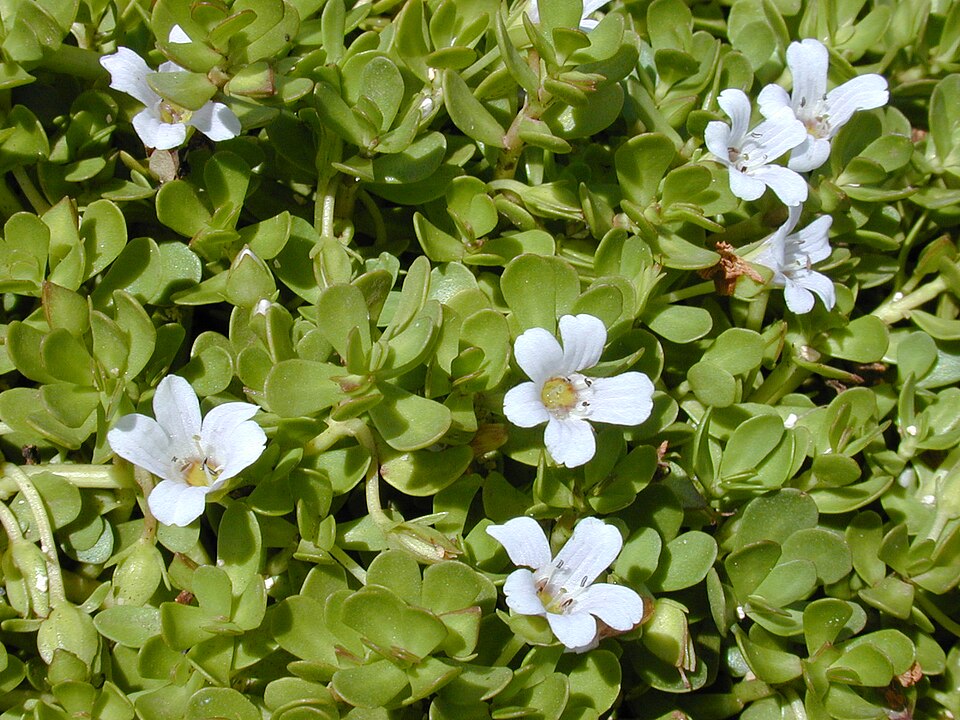
Bacopa monnieri, widely revered as Brahmi and also known as water hyssop, is a fascinating perennial creeping herb belonging to the Plantaginaceae family.
Most thin plant articles flatten everything into a summary. This guide does the opposite by following Brahmi through identification, care, handling, and the questions that real readers actually ask.
The aim is simple: make the article detailed enough for serious readers while keeping the structure clear enough for fast scanning and confident decision-making.
- Ancient Ayurvedic 'Medhya Rasayana' revered for cognitive enhancement.
- Key active compounds, bacosides, are responsible for its neuroprotective and nootropic effects.
- Supports memory, learning, focus, and reduces stress and anxiety.
- Thrives in wet, marshy environments across tropical and subtropical regions.
- Available in various forms including powder, capsules, tinctures, and oils for diverse applications.
- Generally well-tolerated, but caution is advised for specific medical conditions and medications.
Botanical Profile & Taxonomy
Brahmi should be anchored to the correct taxonomic identity before any discussion of care, use, or safety begins.
| Common name | Brahmi |
|---|---|
| Scientific name | Bacopa monnieri |
| Family | Plantaginaceae |
| Order | Lamiales |
| Genus | Bacopa |
| Species epithet | monnieri |
| Author citation | L. |
| Basionym | Lysimachia monnieri L. |
| Synonyms | Bacopa monnieria (L.) Wettst., Capraria monnieria (L.) Roxb., Alonsoa hirsuta (Spreng.) Steud., Bramia monnieri (L.) Pennell, Bramia monniera (L.) Drake, Calytriplex obovata Ruiz & Pav., Bramia monnieri (L.) Drake, Bramia monnieria (L.) Drake, 1893, Bacopa monnieri var. cuneifolia Michx., Allocalyx microphylla Cordem., ? monniera L., Bacopa monnieri (L.) Wettst. |
| Common names | ব্রাহ্মী, ওয়াটার হিসপ, টাইম-লেফড গ্রাটিওলা, হার্ব অফ গ্রেস, ইন্ডিয়ান পেনিওয়ার্ট, Brahmi, Water Hyssop, Thyme-leafed Gratiola, Herb of Grace, Indian Pennywort, ब्राह्मी, जल ब्राह्मी |
| Local names | indravalli, farfakh, gundala, bacopa, heiotona, pua iviivi, pökea vai, ùmu heiotona, coastal water hyssop, herb of grace, Indian pennywort, litet tjockblad, brahmi, adha-birni, heiotona, heiotoka, pökea vai |
| Origin | Indian subcontinent and wetlands of Southeast Asia (India, Nepal, Sri Lanka, China, Vietnam) |
| Life cycle | Perennial |
| Growth habit | Tree |
Using the accepted scientific name Bacopa monnieri helps readers avoid confusion caused by old synonyms, loose common names, or inconsistent plant labels.
Family and order placement also matter because they explain recurring structural traits, likely relatives, and the kinds of mistakes readers often make when they rely on appearance alone.
Physical Description & Morphology
Microscopic or internal identification notes deepen the picture, especially for processed material: Trichomes are generally absent or very sparse, if present, they are usually unicellular and non-glandular. Stomata are predominantly anomocytic (irregular-celled) or diacytic (cross-celled), scattered on both leaf surfaces (amphistomatic). Powdered Brahmi reveals fragments of epidermis with anomocytic or diacytic stomata, occasional unicellular trichomes, parenchymatous cells, and.
In overall habit, the plant is described as Tree with a mature height around Typically 0.1-2 m depending on water depth and spread of Variable; can form mats or colonies.
In real-world identification, the most helpful approach is to read the plant as a whole. Habit, size, stem texture, leaf arrangement, flower form, and any distinctive surface detail all matter. For Brahmi, morphology is not only a descriptive topic; it is the foundation of correct recognition.
That is especially important when the plant is sold, dried, trimmed, or processed. Once a specimen is no longer growing naturally in front of the reader, small structural clues become more valuable. Leaf shape, venation, root form, bark character, and reproductive features all help confirm identity.
Natural Habitat & Distribution
The native or historically recorded center of distribution for Brahmi is Indian subcontinent and wetlands of Southeast Asia (India, Nepal, Sri Lanka, China, Vietnam). That origin is more than background trivia; it explains how the plant responds to heat, moisture, shade, and seasonal change.
The plant is associated with the following countries or range markers: Australia, China, India, Nepal, parts of Africa, Sri Lanka, Thailand, United States (Florida), Vietnam.
Environmental notes in the live record add more context: Natural habitat: Wetlands, marshy areas, muddy shores of rivers and lakes, and shallow standing water. Climate zones: Tropical and subtropical regions (USDA zones 9-11). Altitude range: Up to 2,000 meters (6,500 feet). Annual rainfall needs: Thrives in areas with high rainfall, typically 1000-2500 mm annually, or requires consistent supplemental irrigation.
In cultivation terms, the main ecological clues are: Full Sun; High; Loamy, rich, well-draining, consistently moist to wet soil with pH 6.0-7.5; Species-dependent; Perennial; Tree.
Physiology data reinforce the habitat story: Bacopa monnieri is highly tolerant to waterlogging and can withstand some level of salinity, employing antioxidant enzyme systems to manage. Bacopa monnieri utilizes C3 photosynthesis, the most common photosynthetic pathway among plants. Due to its aquatic to semi-aquatic habitat, Brahmi exhibits a relatively high transpiration rate and requires constant water availability to thrive.
Traditional & Cultural Significance
Historical use in Ayurveda: Referred to as 'Brahmi,' one of the most revered 'Medhya Rasayana' (rejuvenators for intellect and memory). Mentioned in ancient texts like Charaka Samhita and Sushruta Samhita for improving mental clarity, reducing anxiety, and enhancing learning. Folklore: Believed to open the 'crown chakra' and improve meditation practices due to its perceived influence on the mind and consciousness.
Ethnobotanical records also show how this plant has been framed across different places: Aphrodisiac in India (Duke, 1992 *); Epilepsy in India (Duke, 1992 *); Fever in Srilanka (Duke, 1992 *); Hysteria in India (Duke, 1992 *); Insanity in India (Duke, 1992 *); Nerves in India (Duke, 1992 *); Rheumatism in India(Gujarat) (Duke, 1992 *); Tonic in India (Duke, 1992 *).
Local names help show how different communities notice and classify the plant: indravalli, farfakh, gundala, bacopa, heiotona, pua iviivi, pökea vai, ùmu heiotona, coastal water hyssop, herb of grace, Indian pennywort, litet tjockblad, brahmi.
Traditional context matters, but it should always be separated from modern certainty. Historical use can guide questions, yet it does not automatically prove present-day clinical effectiveness.
Medicinal Properties & Health Benefits
The main benefit themes associated with the plant include: Cognitive Enhancement — Brahmi is renowned for improving memory, learning capabilities, and information retention by enhancing synaptic communication and. Neuroprotection — Its potent antioxidant properties help protect brain cells from oxidative damage caused by free radicals, which is crucial in preventing. Stress and Anxiety Reduction — As an adaptogen, Bacopa monnieri helps the body adapt to stress, reducing symptoms of anxiety and promoting a sense of calm. Mood Elevation — Regular intake may support balanced mood states and alleviate symptoms of mild depression by influencing neurotransmitter levels like. Attention and Focus Improvement — Studies suggest Brahmi can enhance attention span, concentration, and processing speed, particularly beneficial for. Anti-inflammatory Effects — Bacopa monnieri exhibits anti-inflammatory actions that can reduce systemic inflammation, potentially benefiting overall brain and. Antioxidant Activity — Beyond neuroprotection, its rich profile of antioxidants, including bacosides and flavonoids, combats oxidative stress throughout the. Supports ADHD Symptoms — Clinical research indicates that Brahmi can help mitigate symptoms of Attention-Deficit/Hyperactivity Disorder in children and.
The evidence matrix gives a more careful picture of those claims: Cognitive Enhancement. Multiple human clinical trials, meta-analyses. High. Consistently shown to improve memory recall, learning rate, and attention in both healthy adults and individuals with cognitive decline. Anxiolytic Properties. Human clinical trials, animal studies. Medium. Reduces perceived stress and anxiety symptoms, promoting a sense of calm without significant sedative effects in many users. Neuroprotection. In vitro and in vivo animal studies. Medium. Protects neurons from oxidative damage, reduces inflammation, and mitigates amyloid beta toxicity, supporting brain health. ADHD Symptom Reduction. Human clinical trials (children and adolescents). Medium. Demonstrated improvements in attention, impulse control, and learning abilities in children and adolescents diagnosed with ADHD.
The stored evidence confidence for this profile is traditional. That should shape how strongly any benefit statement is interpreted.
For medicinal content, the key discipline is to distinguish traditional use, mechanism-based plausibility, and human clinical support. Those are related ideas, but they are not the same thing.
- Cognitive Enhancement — Brahmi is renowned for improving memory, learning capabilities, and information retention by enhancing synaptic communication and.
- Neuroprotection — Its potent antioxidant properties help protect brain cells from oxidative damage caused by free radicals, which is crucial in preventing.
- Stress and Anxiety Reduction — As an adaptogen, Bacopa monnieri helps the body adapt to stress, reducing symptoms of anxiety and promoting a sense of calm.
- Mood Elevation — Regular intake may support balanced mood states and alleviate symptoms of mild depression by influencing neurotransmitter levels like.
- Attention and Focus Improvement — Studies suggest Brahmi can enhance attention span, concentration, and processing speed, particularly beneficial for.
- Anti-inflammatory Effects — Bacopa monnieri exhibits anti-inflammatory actions that can reduce systemic inflammation, potentially benefiting overall brain and.
- Antioxidant Activity — Beyond neuroprotection, its rich profile of antioxidants, including bacosides and flavonoids, combats oxidative stress throughout the.
- Supports ADHD Symptoms — Clinical research indicates that Brahmi can help mitigate symptoms of Attention-Deficit/Hyperactivity Disorder in children and.
- Epilepsy Management — Traditionally used as an anti-epileptic, Bacopa monnieri may help stabilize neuronal activity, though further modern research is needed.
- Digestive Health Support — In Ayurvedic medicine, it's also used to soothe the digestive tract and support healthy gut function due to its calming properties.
Chemical Constituents & Phytochemistry
The broader constituent profile includes Bacosides — These are the primary active triterpenoid saponins (e.g., Bacoside A, B, C, Bacopaside I, II) responsible. Alkaloids — Compounds like Brahmine and Herpestin are present, contributing to some of Bacopa monnieri's traditional. Flavonoids — Such as Luteolin and Apigenin, these compounds provide significant antioxidant and anti-inflammatory. Triterpenes — Including Betulinic acid, which exhibits anti-inflammatory and potential anti-cancer activities, adding. Cucurbitacins — These bitter compounds contribute to the plant's overall pharmacological effects, including. Phytosterols — Compounds like Beta-sitosterol and Stigmasterol are found, known for their anti-inflammatory and. Saponins — Beyond the specific bacosides, other general saponins are present, contributing to the plant's adaptogenic. Glycosides — Such as Monnierin, which may contribute to the plant's overall medicinal actions, though less studied. Phenolic Acids — Including Gallic acid and Chlorogenic acid, which bolster the plant's antioxidant capacity and.
The detailed phytochemistry file adds these markers: Bacoside A, Triterpenoid Saponin, Whole plant (leaves and stems), 20-55%%; Luteolin, Flavonoid, Whole plant, Variablemg/g; Brahmi (Alkaloid), Alkaloid, Whole plant, Trace%; Betulinic Acid, Triterpene, Whole plant, Variablemg/g; Apigenin, Flavonoid, Whole plant, Variablemg/g; Hersaponin, Saponin, Whole plant, Variable%; Bacopaside I, Triterpenoid Saponin, Whole plant (leaves and stems), Part of total bacosides%.
Local chemistry records also support the profile: ASCORBIC-ACID in Shoot (not available-630.0 ppm); BETA-SITOSTEROL in Plant (not available-not available ppm); CALCIUM in Shoot (not available-2020.0 ppm); NICOTINE in Plant (not available-not available ppm); FIBER in Shoot (not available-10500.0 ppm); STIGMASTEROL in Plant (not available-not available ppm); NICOTINIC-ACID in Shoot (not available-3.0 ppm); GLUTAMIC-ACID in Plant (not available-not available ppm).
Compound profiles also shift with plant part, age, season, processing, and storage. The chemistry of a fresh leaf, dried root, or concentrated extract should never be treated as automatically identical.
How to Use — Preparations & Dosage
Recorded preparation and use methods include Powdered Herb — Dried Bacopa monnieri leaves and stems are ground into a fine powder, which can be mixed with water, milk, ghee, or honey for daily consumption. Capsules and Tablets — Standardized extracts, typically containing 20-55% bacosides, are widely available in capsule or tablet form for convenient and precise dosing. Tinctures — An alcohol-based extract of Brahmi provides a concentrated liquid form that can be easily added to water or juice. Herbal Tea — A mild infusion can be prepared by steeping dried Brahmi leaves in hot water, offering a gentler way to consume the herb, though less potent than extracts. Medicated Ghee (Ghrita) — In Ayurveda, Brahmi is processed with clarified butter to create Brahmi Ghrita, believed to enhance its delivery to the brain and nervous system. Infused Oil — Brahmi-infused oil is used topically for head massage, traditionally believed to calm the mind, improve sleep, and nourish the scalp. Fresh Juice — Fresh leaves can be crushed and juiced, often mixed with other herbs or honey, for a potent traditional preparation. Syrups — Formulations in syrup form are sometimes available, especially for children, to mask the herb's slightly bitter taste.
The plant part most closely linked to use is recorded as Leaves, rhizomes, seeds, or whole plant cited in related taxa.
Edibility and processing notes matter here as well: Some species are edible; verify species and water quality.
Preparation defines the outcome. Tea, decoction, tincture, powder, fresh plant material, cooked food use, and concentrated extract cannot be discussed as if they were interchangeable.
- Identify the exact species and plant part first.
- Match the preparation to the intended use.
- Check safety, interactions, and processing details before routine use or large-scale handling.
Safety Profile, Side Effects & Contraindications
The first safety note is direct: Generally considered safe for most adults when taken in recommended doses. No known severe toxicity. Toxic parts: No known toxic parts. Symptoms of overdose: May exacerbate common side effects like nausea, stomach upset, dry mouth, and.
Specific warnings recorded for this plant include Pregnancy and Lactation — Due to insufficient research on its effects, Brahmi is generally not recommended for use during pregnancy or breastfeeding. Thyroid Medications — Bacopa monnieri may interact with thyroid hormones, so individuals on thyroid medication should consult a healthcare provider before use. Anticholinergic Drugs — Potential interactions exist with anticholinergic medications, which affect acetylcholine levels, warranting medical supervision. Bradycardia Risk — Individuals with pre-existing slow heart rates (bradycardia) should use Brahmi with caution and under medical advice due to its potential. Gastrointestinal Conditions — Those with active stomach ulcers or severe gastrointestinal issues should consult a doctor, as it may exacerbate symptoms in. Sedative Interactions — Brahmi may potentiate the effects of sedative medications or alcohol, leading to increased drowsiness. Pre-Surgical Discontinuation — It is advisable to discontinue Brahmi at least two weeks before any scheduled surgery due to its potential effects on the. Nausea and Stomach Upset — Some individuals may experience mild nausea, abdominal cramps, or discomfort, especially when taken on an empty stomach. Diarrhea or Increased Bowel Movements — Brahmi can sometimes cause loose stools or an increase in the frequency of bowel movements. Dry Mouth — A less common side effect, but some users report experiencing a dry sensation in the mouth.
Quality-control notes add another warning: Risk of adulteration with other Bacopa species (e.g., Bacopa floribunda) or similar-looking wetland plants, as well as use of low-quality, non-standardized extracts.
No plant should be described as universally safe. Identity, dose, plant part, preparation style, age, pregnancy status, medication use, allergies, and contamination risk all change the answer.
Growing & Cultivation Guide
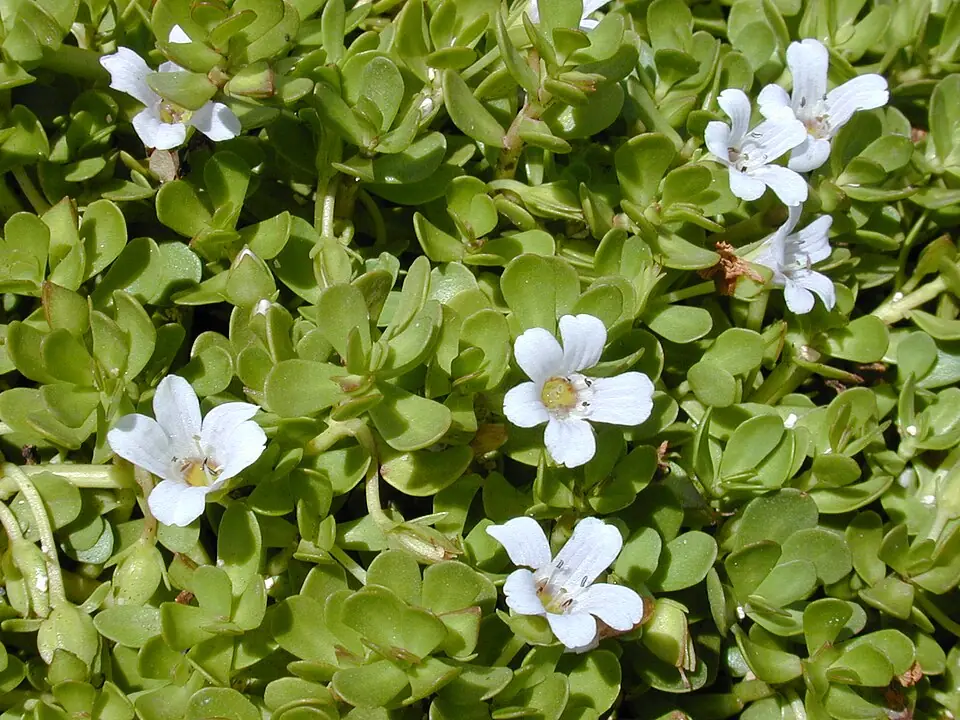
The cultivation record emphasizes these practical steps: Climate Requirements — Brahmi thrives in tropical and subtropical climates, preferring warm temperatures and high humidity. Soil Preference — It requires wet, marshy, or muddy soil conditions, rich in organic matter, with a slightly acidic to neutral pH range of 6.0 to 7.0. Water Availability — Consistent moisture is crucial; the plant can grow submerged in water or in perpetually damp soil, making it suitable for aquatic gardens. Propagation Techniques — Bacopa monnieri is primarily propagated through stem cuttings, which root easily in moist conditions, or less commonly by seeds. Light Exposure — It performs best in full sun to partial shade, with adequate sunlight promoting denser growth and higher concentrations of active compounds. Pest and Disease Management — Generally robust, but susceptible to fungal infections in stagnant water or overly dense plantings; good air circulation helps.
The broader growth environment is described like this: Natural habitat: Wetlands, marshy areas, muddy shores of rivers and lakes, and shallow standing water. Climate zones: Tropical and subtropical regions (USDA zones 9-11). Altitude range: Up to 2,000 meters (6,500 feet). Annual rainfall needs: Thrives in areas with high rainfall, typically 1000-2500 mm annually, or requires consistent supplemental irrigation.
Planning becomes easier when these traits are kept in view: Tree; Typically 0.1-2 m depending on water depth; Variable; can form mats or colonies; Beginner.
In practice, healthy cultivation comes from systems thinking rather than one-off tricks. Site choice, drainage, timing, spacing, pruning, feeding, and observation all reinforce one another.
Light, Water & Soil Requirements
The most useful care snapshot is this: Light: Full Sun; Water: High; Soil: Loamy, rich, well-draining, consistently moist to wet soil with pH 6.0-7.5; Temperature: 20-35°C; USDA zone: Species-dependent.
Outdoors, light, water, and soil must be read together. The same watering schedule can be too much in dense clay and too little in a porous sandy bed.
| Light | Full Sun |
|---|---|
| Water | High |
| Soil | Loamy, rich, well-draining, consistently moist to wet soil with pH 6.0-7.5 |
| Temperature | 20-35°C |
| USDA zone | Species-dependent |
Light, water, and soil should never be treated as separate checkboxes. A plant in stronger light often dries faster, soil texture changes how quickly water moves, and temperature plus humidity influence how stress appears in leaves and roots.
For Brahmi, the safest care approach is to treat Full Sun, High, and Loamy, rich, well-draining, consistently moist to wet soil with pH 6.0-7.5 as linked decisions rather than isolated tips. If one condition shifts, the other two usually need to be reconsidered as well.
Propagation Methods
Documented propagation routes include Seeds: Sow seeds on moist soil surface, keep warm and humid, germination can be erratic. Cuttings: The most common and effective method. Take 4-6 inch stem. rooted sections can be separated and replanted.
Propagation works best when the parent stock is healthy, correctly identified, and handled in the right season. That sounds obvious, but it is exactly where many failures begin.
- Seeds: Sow seeds on moist soil surface, keep warm and humid, germination can be erratic. Cuttings: The most common and effective method. Take 4-6 inch stem.
- Rooted sections can be separated and replanted.
Propagation works best when the reader matches method to biology. Some plants respond readily to cuttings, some to division, some to seed, and others require more patience or more exact seasonal timing.
A successful propagation guide therefore starts with healthy parent material and realistic expectations. Weak stock, rushed handling, and poor aftercare can make even a technically correct method fail.
Pest & Disease Management
The recorded problem list includes Common pests: Aphids and spider mites occasionally in dry conditions, resolved with insecticidal soap or neem oil. improve circulation and ensure clean water. Nutrient deficiencies: Yellowing leaves (nitrogen deficiency), supplement.
For medicinal species, pest pressure is not only a horticultural issue. It also affects harvest cleanliness, storage stability, and confidence in the final material.
The smartest response sequence is observation first, environmental correction second, and treatment only after the real pattern is clear.
- Common pests: Aphids and spider mites occasionally in dry conditions, resolved with insecticidal soap or neem oil.
- Improve circulation and ensure clean water. Nutrient deficiencies: Yellowing leaves (nitrogen deficiency), supplement.
Pest and disease management is strongest when it begins before visible damage becomes severe. Routine observation, clean handling, sensible spacing, air movement, and balanced watering reduce many problems before treatment is even needed.
Harvesting, Storage & Processing
The plant part most often associated with harvest or processing is Leaves, rhizomes, seeds, or whole plant cited in related taxa.
Storage guidance from the quality-control record reads as follows: Dried Brahmi material and standardized extracts are generally stable for 2-3 years when stored in a cool, dry, dark place, protected from moisture and direct light.
For medicinal plants, harvesting cannot be separated from processing. The right plant part, the right timing, and the right drying conditions all shape quality and safety.
Whatever the purpose, the rule is the same: harvest clean material, label it clearly, and store it in a way that preserves identity and condition.
Harvest and storage determine whether a plant's quality is preserved after it leaves the bed, pot, field, or wild source. Clean timing, correct plant part selection, and careful drying or handling all matter more than many readers expect.
Companion Planting & Garden Design
Useful companions or placement partners include Water lilies; Pennywort; Dwarf Sagittaria; Ludwigia repens.
In a home herb garden or medicinal bed, Brahmi should be placed where harvesting is easy, labeling remains clear, and neighboring plants do not create confusion at collection time.
- Water lilies
- Pennywort
- Dwarf Sagittaria
- Ludwigia repens
Companion planting and design are not only aesthetic decisions. They affect airflow, root competition, moisture sharing, harvest access, visibility, and the general logic of the planting scheme.
With Brahmi, good placement means thinking about mature size, maintenance rhythm, and how neighboring plants change the feel and function of the space. A plant can be healthy on its own and still be poorly placed within the broader composition.
That is why the best design advice combines biology with usability. The planting should look coherent, but it should also make watering, pruning, harvest, and pest observation easier rather than harder.
Scientific Research & Evidence Base
The evidence matrix points to several recurring themes: Cognitive Enhancement. Multiple human clinical trials, meta-analyses. High. Consistently shown to improve memory recall, learning rate, and attention in both healthy adults and individuals with cognitive decline. Anxiolytic Properties. Human clinical trials, animal studies. Medium. Reduces perceived stress and anxiety symptoms, promoting a sense of calm without significant sedative effects in many users. Neuroprotection. In vitro and in vivo animal studies. Medium. Protects neurons from oxidative damage, reduces inflammation, and mitigates amyloid beta toxicity, supporting brain health. ADHD Symptom Reduction. Human clinical trials (children and adolescents). Medium. Demonstrated improvements in attention, impulse control, and learning abilities in children and adolescents diagnosed with ADHD.
Ethnobotanical activity records add historical reference trails: Aphrodisiac — India [Duke, 1992 *]; Epilepsy — India [Duke, 1992 *]; Fever — Srilanka [Duke, 1992 *]; Hysteria — India [Duke, 1992 *]; Insanity — India [Duke, 1992 *]; Nerves — India [Duke, 1992 *].
The compiled source count behind the live profile is 8. That does not guarantee certainty, but it does suggest the record has been cross-checked beyond a single note.
Analytical testing notes also strengthen the evidence base: High-Performance Liquid Chromatography (HPLC) is crucial for accurate quantification of bacosides, complemented by High-Performance Thin-Layer Chromatography (HPTLC) for.
A careful evidence section should say what is known, what is plausible, and what remains uncertain. Readers are better served by clear limits than by exaggerated confidence.
Evidence note: this section blends the live plant record, local ethnobotanical activity data, chemistry records, and the linked Flora Medical Global plant profile for Brahmi.
Buying Guide & Expert Tips
Quality markers worth checking include Bacoside A (specifically Bacopa Saponin A, B, C) and Bacopaside I and II are the primary marker compounds for standardization.
Adulteration and substitution risk should not be ignored: Risk of adulteration with other Bacopa species (e.g., Bacopa floribunda) or similar-looking wetland plants, as well as use of low-quality, non-standardized extracts.
When buying Brahmi, start with verified botanical identity. The label, scientific name, and the source page should agree before you judge price, size, or claimed benefits.
For living plants, inspect roots, stem firmness, foliage health, and early pest signs. For dried or processed material, look for batch clarity, clean aroma, absence of mold, and any sign that the product has been over-processed to disguise poor quality.
Buying advice should begin with identity. The label, scientific name, visible condition, and seller credibility should agree before price or convenience becomes the deciding factor.
Frequently Asked Questions
What is Brahmi best known for?
Bacopa monnieri, widely revered as Brahmi and also known as water hyssop, is a fascinating perennial creeping herb belonging to the Plantaginaceae family.
Is Brahmi beginner-friendly?
That depends on the growing environment and the intended use. Some plants are easy to grow but not simple to use medicinally, while others are the opposite.
How much light does Brahmi need?
Full Sun
How often should Brahmi be watered?
High
Can Brahmi be propagated at home?
Yes, but the best method depends on whether the species responds best to seed, cuttings, division, offsets, or other propagation routes.
Does Brahmi have safety concerns?
Generally considered safe for most adults when taken in recommended doses. No known severe toxicity. Toxic parts: No known toxic parts. Symptoms of overdose: May exacerbate common side effects like nausea, stomach upset, dry mouth, and.
What is the biggest mistake people make with Brahmi?
The most common mistake is applying generic advice instead of matching the plant to its real environment, identity, and limits.
Where can I verify more information about Brahmi?
Start with the Flora Medical Global plant profile: https://www.floramedicalglobal.com/plant/bacopa-monnieri-2
Why do sources sometimes disagree about Brahmi?
Different references may use different synonyms, plant parts, cultivation conditions, or evidence standards. That is why taxonomy and source quality both matter.
Trusted Scientific References & Further Reading
Authoritative sources and related guides:
- Wikipedia — background reference
- PubMed — peer-reviewed studies
- Kew POWO — botanical reference
- NCBI PMC — open-access research
- WHO — global health authority