
Overview & Introduction
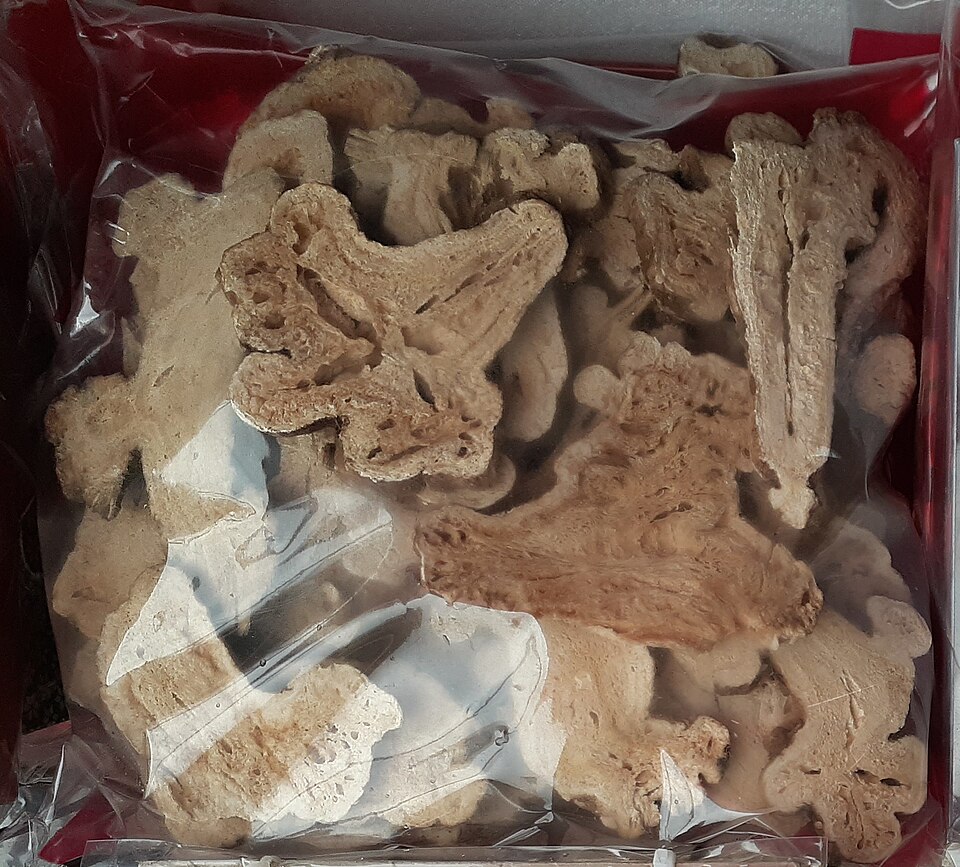
Bai Zhu, scientifically known as Atractylodes macrocephala Koidz., is a revered perennial herb belonging to the vast Asteraceae family, often referred to as the daisy or sunflower family.
A good article on Bai Zhu should not stop at one-line claims. Readers need taxonomy, habitat, safety, cultivation, and evidence in the same place so they can make sound decisions.
The linked plant page remains the main internal reference point for this article, but the goal here is to turn that raw data into a readable, structured, and genuinely useful guide.
- Bai Zhu (Atractylodes macrocephala) is a cornerstone herb in Traditional Chinese Medicine (TCM).
- Primarily known for invigorating Spleen Qi, resolving dampness, and improving digestion.
- Rich in sesquiterpenoids and polysaccharides, contributing to its diverse pharmacological actions.
- Used for centuries to address fatigue, digestive issues, fluid retention, and immune support.
- Available in various forms, including decoctions, powders, and processed preparations.
- Requires careful consideration for individuals with specific heat conditions or during pregnancy.
Botanical Profile & Taxonomy
Bai Zhu should be anchored to the correct taxonomic identity before any discussion of care, use, or safety begins.
| Common name | Bai Zhu |
|---|---|
| Scientific name | Atractylodes macrocephala |
| Family | Asteraceae |
| Order | Asterales |
| Genus | Atractylodes |
| Species epithet | macrocephala |
| Author citation | (Siebold & Zucc.) Koidz. |
| Synonyms | Atractylis macrocephala (Koidz.) Hand.-Mazz., Atractylis macrocephala var. macrocephala, Atractylis macrocephala var. hunanensis Y.Ling, Atractylis macrocephala (Koidz.) Nemoto |
| Common names | বাই ঝু, এট্রাকটিলোডস মাক্রোসেফালা, Bai Zhu, Largehead Atractylodes Rhizome, बाई झू |
| Local names | bai shu |
| Origin | East Asia, primarily China (China) |
| Life cycle | Perennial |
| Growth habit | Tree |
Using the accepted scientific name Atractylodes macrocephala helps readers avoid confusion caused by old synonyms, loose common names, or inconsistent plant labels.
Family and order placement also matter because they explain recurring structural traits, likely relatives, and the kinds of mistakes readers often make when they rely on appearance alone.
Physical Description & Morphology
Microscopic or internal identification notes deepen the picture, especially for processed material: Trichomes are generally absent on the mature rhizome surface, which is typically rough and fibrous. Stomata are absent on the subterranean rhizome, as it is not involved in gas exchange in the same manner as aerial parts. Powdered Bai Zhu reveals abundant starch grains (often large, oval to round), fragments of thick-walled parenchymatous cells, vessel elements with.
In overall habit, the plant is described as Tree with a mature height around 20-60 cm and spread of Typically 0.5-3 m.
In real-world identification, the most helpful approach is to read the plant as a whole. Habit, size, stem texture, leaf arrangement, flower form, and any distinctive surface detail all matter. For Bai Zhu, morphology is not only a descriptive topic; it is the foundation of correct recognition.
That is especially important when the plant is sold, dried, trimmed, or processed. Once a specimen is no longer growing naturally in front of the reader, small structural clues become more valuable. Leaf shape, venation, root form, bark character, and reproductive features all help confirm identity.
Natural Habitat & Distribution
The native or historically recorded center of distribution for Bai Zhu is East Asia, primarily China (China). That origin is more than background trivia; it explains how the plant responds to heat, moisture, shade, and seasonal change.
The plant is associated with the following countries or range markers: China.
Environmental notes in the live record add more context: Natural habitat includes mountainous and hilly areas, forest margins, and scrublands. Thrives in sub-tropical and temperate climates. Altitude range typically from 500 to 1800 meters. Requires annual rainfall of 1000-1500 mm.
In cultivation terms, the main ecological clues are: Partial Shade; Weekly; Well-drained sandy loam to loamy clay with a pH of 6.0-7.0; Often 6-10; species-dependent; Perennial; Tree.
Physiology data reinforce the habitat story: Demonstrates adaptability to various soil types and moderate drought tolerance, enabling survival in its native, often challenging, environments. Atractylodes macrocephala utilizes C3 photosynthesis, common among temperate plant species. Exhibits moderate water use efficiency, adapted to the variable moisture conditions of mountainous and hilly terrains.
Traditional & Cultural Significance
Bai Zhu has been a cornerstone of Traditional Chinese Medicine (TCM) for over 2000 years, first documented in the Shennong Ben Cao Jing, where it was categorized as a 'superior' herb, indicating its broad safety and efficacy. It is a fundamental herb in numerous classic TCM formulas, such as Si Jun Zi Tang (Four Gentlemen Decoction) and Bu Zhong Yi Qi Tang (Tonify the Middle and Augment the Qi Decoction), which are.
Ethnobotanical records also show how this plant has been framed across different places: Anemia in China (Lost Crops of the Incas.); Aperient in China (Lost Crops of the Incas.); Cough in China (Lost Crops of the Incas.); Pregnancy in China (Lost Crops of the Incas.); Viricide in Elsewhere (Lost Crops of the Incas.); Anorexia in China (Lost Crops of the Incas.); Bronchitis in China (Lost Crops of the Incas.); Dyspepsia in China (Lost Crops of the Incas.).
Local names help show how different communities notice and classify the plant: bai shu.
Traditional context matters, but it should always be separated from modern certainty. Historical use can guide questions, yet it does not automatically prove present-day clinical effectiveness.
Medicinal Properties & Health Benefits
The main benefit themes associated with the plant include: Spleen Qi Invigoration — Bai Zhu is a primary herb in TCM for strengthening Spleen Qi, which is vital for digestion, nutrient absorption, and energy production. Dampness Resolution — It effectively dries dampness, addressing conditions like edema, fluid retention, and heavy sensations often associated with a weak. Digestive Enhancement — Improves overall gastrointestinal function, alleviating symptoms such as abdominal distension, poor appetite, and chronic diarrhea. Diuretic Action — Bai Zhu promotes urination to help eliminate excess fluid from the body, useful in managing various forms of edema. Anti-inflammatory Effects — Research indicates its compounds possess significant anti-inflammatory properties, potentially reducing systemic inflammation. Immune System Modulation — It has been shown to influence the immune system, potentially enhancing immune responses and overall resilience. Antidiuretic for Sweating — Uniquely, it can also help to reduce excessive sweating by consolidating the exterior, preventing abnormal fluid loss. Fetal Safety Support — Traditionally used to calm a restless fetus and prevent miscarriage, particularly in cases of Spleen Qi deficiency leading to spotting.
The evidence matrix gives a more careful picture of those claims: Invigorates Spleen Qi and resolves dampness. Historical texts, clinical observation in TCM. Traditional/Ethnopharmacological. A cornerstone action in TCM, supported by millennia of empirical use and documented in ancient classics. Exhibits anti-inflammatory effects. In vitro and in vivo animal studies. Pre-clinical. Sesquiterpenoids like atractylon and atractylenolides are implicated in modulating inflammatory pathways and reducing inflammatory markers. Regulates gastrointestinal function and aids digestion. Animal models, in vitro studies. Pre-clinical. Helps improve gut motility, reduce abdominal distension, and alleviate diarrhea, corroborating traditional uses. Possesses diuretic and antidiuretic dual effects. Animal studies, pharmacological investigations. Pre-clinical. Demonstrates a unique regulatory effect on fluid balance, acting as a diuretic in edema and an antidiuretic for excessive sweating. Modulates the immune system. In vitro and animal studies. Pre-clinical. Polysaccharides and other compounds have been shown to enhance immune cell activity and cytokine production.
The stored evidence confidence for this profile is traditional. That should shape how strongly any benefit statement is interpreted.
For medicinal content, the key discipline is to distinguish traditional use, mechanism-based plausibility, and human clinical support. Those are related ideas, but they are not the same thing.
- Spleen Qi Invigoration — Bai Zhu is a primary herb in TCM for strengthening Spleen Qi, which is vital for digestion, nutrient absorption, and energy production.
- Dampness Resolution — It effectively dries dampness, addressing conditions like edema, fluid retention, and heavy sensations often associated with a weak.
- Digestive Enhancement — Improves overall gastrointestinal function, alleviating symptoms such as abdominal distension, poor appetite, and chronic diarrhea.
- Diuretic Action — Bai Zhu promotes urination to help eliminate excess fluid from the body, useful in managing various forms of edema.
- Anti-inflammatory Effects — Research indicates its compounds possess significant anti-inflammatory properties, potentially reducing systemic inflammation.
- Immune System Modulation — It has been shown to influence the immune system, potentially enhancing immune responses and overall resilience.
- Antidiuretic for Sweating — Uniquely, it can also help to reduce excessive sweating by consolidating the exterior, preventing abnormal fluid loss.
- Fetal Safety Support — Traditionally used to calm a restless fetus and prevent miscarriage, particularly in cases of Spleen Qi deficiency leading to spotting.
- Hypoglycemic Effects — Studies suggest that certain constituents in Bai Zhu may help in regulating blood sugar levels.
- Analgesic Properties — It can offer mild pain relief, particularly in conditions related to dampness obstruction or general weakness.
Chemical Constituents & Phytochemistry
The broader constituent profile includes Sesquiterpenoids — Key active compounds like atractylon, atractylenolide I, II, and III, responsible for. Polysaccharides — Contribute to immunomodulatory, anti-tumor, and hypoglycemic activities, enhancing the body's. Polyacetylenes — A group of compounds with potential anti-cancer and anti-inflammatory properties, though less studied. Triterpenoids — Including compounds like atractylone, which contribute to the herb's overall pharmacological profile. Phenylpropanoids — These compounds often possess antioxidant and anti-inflammatory activities, supporting cellular. Coumarins — Known for various biological activities, including anti-inflammatory and anticoagulant effects, present in. Flavonoids and Flavonoid Glycosides — Powerful antioxidants that protect against oxidative damage and support. Steroids — Present in trace amounts, contributing to the plant's complex phytochemical interactions. Benzoquinones — A class of organic compounds that can exhibit antimicrobial and other biological activities. Essential Oils — Provide the characteristic earthy aroma and contribute to some therapeutic effects, including.
The detailed phytochemistry file adds these markers: Atractylon, Sesquiterpenoid, Rhizome, Variablemg/g; Atractylenolide I, Sesquiterpenoid, Rhizome, Variablemg/g; Atractylenolide III, Sesquiterpenoid, Rhizome, Variablemg/g; Atractylone, Triterpenoid, Rhizome, Variablemg/g; Atractylodes Polysaccharides, Polysaccharide, Rhizome, Significant%; Hinesol, Sesquiterpenoid, Rhizome, Variablemg/g.
Compound profiles also shift with plant part, age, season, processing, and storage. The chemistry of a fresh leaf, dried root, or concentrated extract should never be treated as automatically identical.
How to Use — Preparations & Dosage
Recorded preparation and use methods include Decoction — The most common method; dried Bai Zhu rhizomes are simmered in water to extract active compounds for internal consumption. Powdered Form — Dried and ground Bai Zhu can be consumed as a powder, often mixed with water or other liquids, for convenience. Pills and Capsules — Incorporated into various proprietary herbal formulas in pill or capsule form for standardized dosing. Stir-fried with Bran (Chao Bai Zhu) — This processing method is traditionally used to enhance its Spleen-strengthening and drying dampness properties. Stir-fried with Soil (Tu Chao Bai Zhu) — Another traditional preparation, often used to further enhance its Spleen-tonifying and anti-diarrheal actions. Topical Applications — In some traditional practices, preparations of Bai Zhu may be used externally for certain skin conditions, though less common. Herbal Formulas — Frequently combined with other herbs, such as Huang Qi or Fu Ling, to create synergistic effects in complex TCM prescriptions.
The plant part most closely linked to use is recorded as Leaves, bark, roots, seeds, or berries cited in related taxa.
Edibility and processing notes matter here as well: Varies by species and plant part; verify before use.
Preparation defines the outcome. Tea, decoction, tincture, powder, fresh plant material, cooked food use, and concentrated extract cannot be discussed as if they were interchangeable.
- Identify the exact species and plant part first.
- Match the preparation to the intended use.
- Check safety, interactions, and processing details before routine use or large-scale handling.
Safety Profile, Side Effects & Contraindications
The first safety note is direct: Generally considered low toxicity when used in traditional dosages. No specific toxic parts. Overdose can lead to symptoms like dry mouth, thirst, gastrointestinal discomfort (bloating, constipation due to its drying properties in high.
Specific warnings recorded for this plant include Pregnancy & Lactation — Use during pregnancy should be under strict medical supervision, especially for managing conditions like threatened miscarriage. Yin Deficiency — Contraindicated in cases of Yin deficiency with heat signs, as its drying nature can exacerbate these conditions. Drug Interactions — Potential interactions with diuretics, hypoglycemic agents, and anticoagulants due to its pharmacological effects; consult a healthcare provider. Children & Elderly — Generally considered safe in appropriate dosages, but always consult a practitioner for children and the elderly. Long-Term Use — Historically considered safe for long-term use in TCM for Spleen Qi deficiency, but monitoring is advised. Quality Control — Ensure sourced from reputable suppliers to avoid adulteration and ensure product purity and potency. Professional Guidance — Always consult a qualified medical herbalist or TCM practitioner for personalized advice on dosage and suitability. Dryness — May cause dryness or thirst in individuals with Yin deficiency or excessive internal heat, due to its drying nature. Constipation — High doses or prolonged use, especially in individuals prone to dryness, might lead to constipation.
Quality-control notes add another warning: High risk of adulteration with other Atractylodes species, especially Cangzhu (Atractylodes lancea or A. chinensis), requiring careful identification.
No plant should be described as universally safe. Identity, dose, plant part, preparation style, age, pregnancy status, medication use, allergies, and contamination risk all change the answer.
Growing & Cultivation Guide
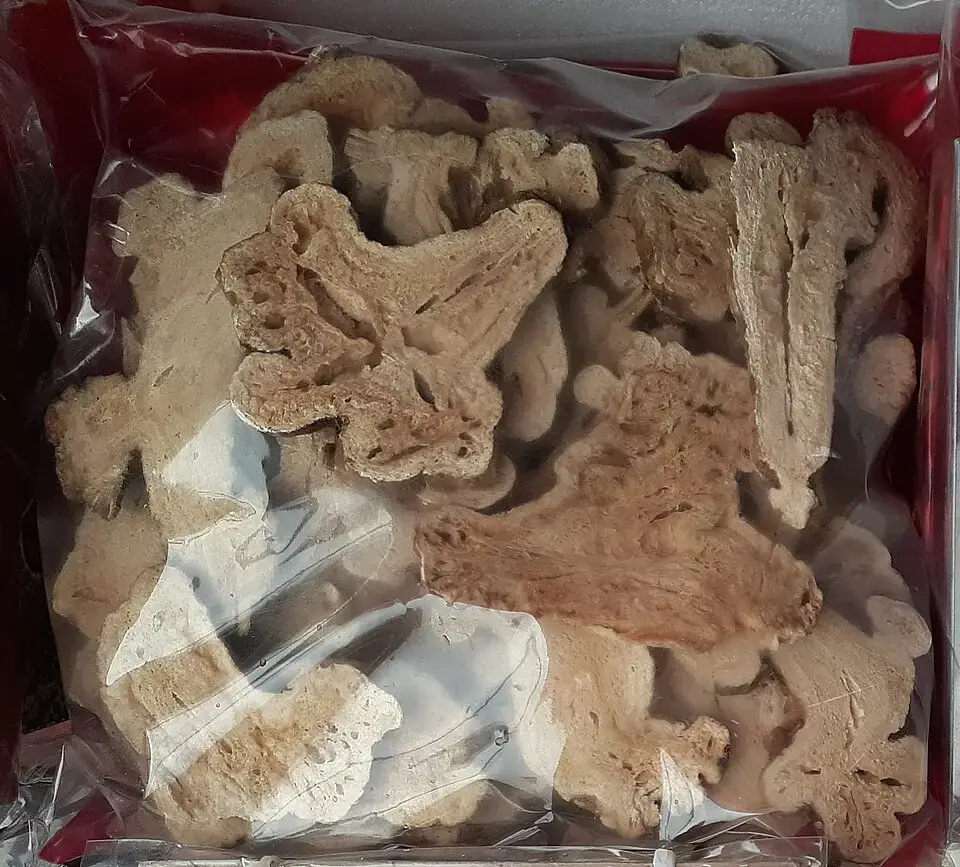
The cultivation record emphasizes these practical steps: Soil Preference — Thrives in well-drained, fertile sandy loam or clay loam soils with good organic content. Climate Requirements — Prefers temperate climates with distinct seasons, often cultivated in mountainous or hilly regions. Propagation — Primarily propagated by rhizome division in spring or by seeds sown in autumn or early spring. Planting Depth — Rhizome sections should be planted shallowly, typically 5-10 cm deep, with buds facing upwards. Harvesting Time — Rhizomes are typically harvested in autumn, after the aerial parts have withered, signaling peak maturity. Post-Harvest Processing — Involves cleaning, slicing, drying, and often specialized stir-frying (e.g., with bran or soil) to enhance therapeutic properties. Water & Light — Requires moderate watering, especially during dry periods, and prefers full sun to partial shade for optimal growth. Pest & Disease Management — Generally robust, but requires attention to common root diseases and pests that can affect rhizomes.
The broader growth environment is described like this: Natural habitat includes mountainous and hilly areas, forest margins, and scrublands. Thrives in sub-tropical and temperate climates. Altitude range typically from 500 to 1800 meters. Requires annual rainfall of 1000-1500 mm.
Planning becomes easier when these traits are kept in view: Tree; 20-60 cm; Typically 0.5-3 m; Moderate; Intermediate.
In practice, healthy cultivation comes from systems thinking rather than one-off tricks. Site choice, drainage, timing, spacing, pruning, feeding, and observation all reinforce one another.
Light, Water & Soil Requirements
The most useful care snapshot is this: Light: Partial Shade; Water: Weekly; Soil: Well-drained sandy loam to loamy clay with a pH of 6.0-7.0; Humidity: Medium; Temperature: 5-28°C; USDA zone: Often 6-10; species-dependent.
Outdoors, light, water, and soil must be read together. The same watering schedule can be too much in dense clay and too little in a porous sandy bed.
| Light | Partial Shade |
|---|---|
| Water | Weekly |
| Soil | Well-drained sandy loam to loamy clay with a pH of 6.0-7.0 |
| Humidity | Medium |
| Temperature | 5-28°C |
| USDA zone | Often 6-10; species-dependent |
Light, water, and soil should never be treated as separate checkboxes. A plant in stronger light often dries faster, soil texture changes how quickly water moves, and temperature plus humidity influence how stress appears in leaves and roots.
For Bai Zhu, the safest care approach is to treat Partial Shade, Weekly, and Well-drained sandy loam to loamy clay with a pH of 6.0-7.0 as linked decisions rather than isolated tips. If one condition shifts, the other two usually need to be reconsidered as well.
Propagation Methods
Documented propagation routes include Primarily propagated by rhizome division or seeds. For rhizome division: In early spring, carefully dig up mature rhizomes, ensuring each section has at least.
Propagation works best when the parent stock is healthy, correctly identified, and handled in the right season. That sounds obvious, but it is exactly where many failures begin.
- Primarily propagated by rhizome division or seeds. For rhizome division: In early spring, carefully dig up mature rhizomes, ensuring each section has at least.
Propagation works best when the reader matches method to biology. Some plants respond readily to cuttings, some to division, some to seed, and others require more patience or more exact seasonal timing.
A successful propagation guide therefore starts with healthy parent material and realistic expectations. Weak stock, rushed handling, and poor aftercare can make even a technically correct method fail.
Pest & Disease Management
The recorded problem list includes Pests: Aphids, spider mites (organic solution: neem oil spray, insecticidal soap). Fungal diseases: Rhizome rot (due.).
For medicinal species, pest pressure is not only a horticultural issue. It also affects harvest cleanliness, storage stability, and confidence in the final material.
The smartest response sequence is observation first, environmental correction second, and treatment only after the real pattern is clear.
- Pests: Aphids, spider mites (organic solution: neem oil spray, insecticidal soap). Fungal diseases: Rhizome rot (due).
Pest and disease management is strongest when it begins before visible damage becomes severe. Routine observation, clean handling, sensible spacing, air movement, and balanced watering reduce many problems before treatment is even needed.
When symptoms do appear on Bai Zhu, the most reliable response is diagnostic rather than reactive. Yellowing, spots, wilt, chewing, and stunting can all have multiple causes, so a rushed treatment can waste time or worsen the problem.
Harvesting, Storage & Processing
The plant part most often associated with harvest or processing is Leaves, bark, roots, seeds, or berries cited in related taxa.
Storage guidance from the quality-control record reads as follows: Best stored in a cool, dry, and dark place, protected from moisture and insect infestation to maintain potency and prevent degradation.
For medicinal plants, harvesting cannot be separated from processing. The right plant part, the right timing, and the right drying conditions all shape quality and safety.
Whatever the purpose, the rule is the same: harvest clean material, label it clearly, and store it in a way that preserves identity and condition.
Harvest and storage determine whether a plant's quality is preserved after it leaves the bed, pot, field, or wild source. Clean timing, correct plant part selection, and careful drying or handling all matter more than many readers expect.
For Bai Zhu, this means the reader should think beyond collection. Material that is poorly labeled, overheated, damp in storage, or mixed with the wrong part of the plant can quickly lose value or create confusion later.
Companion Planting & Garden Design
Useful companions or placement partners include Ginseng (Panax ginseng); Astragalus (Astragalus membranaceus); Liquorice (Glycyrrhiza uralensis); Codonopsis (Codonopsis pilosula).
In a home herb garden or medicinal bed, Bai Zhu should be placed where harvesting is easy, labeling remains clear, and neighboring plants do not create confusion at collection time.
- Ginseng (Panax ginseng)
- Astragalus (Astragalus membranaceus)
- Liquorice (Glycyrrhiza uralensis)
- Codonopsis (Codonopsis pilosula)
Companion planting and design are not only aesthetic decisions. They affect airflow, root competition, moisture sharing, harvest access, visibility, and the general logic of the planting scheme.
With Bai Zhu, good placement means thinking about mature size, maintenance rhythm, and how neighboring plants change the feel and function of the space. A plant can be healthy on its own and still be poorly placed within the broader composition.
Scientific Research & Evidence Base
The evidence matrix points to several recurring themes: Invigorates Spleen Qi and resolves dampness. Historical texts, clinical observation in TCM. Traditional/Ethnopharmacological. A cornerstone action in TCM, supported by millennia of empirical use and documented in ancient classics. Exhibits anti-inflammatory effects. In vitro and in vivo animal studies. Pre-clinical. Sesquiterpenoids like atractylon and atractylenolides are implicated in modulating inflammatory pathways and reducing inflammatory markers. Regulates gastrointestinal function and aids digestion. Animal models, in vitro studies. Pre-clinical. Helps improve gut motility, reduce abdominal distension, and alleviate diarrhea, corroborating traditional uses. Possesses diuretic and antidiuretic dual effects. Animal studies, pharmacological investigations. Pre-clinical. Demonstrates a unique regulatory effect on fluid balance, acting as a diuretic in edema and an antidiuretic for excessive sweating. Modulates the immune system. In vitro and animal studies. Pre-clinical. Polysaccharides and other compounds have been shown to enhance immune cell activity and cytokine production.
Ethnobotanical activity records add historical reference trails: Anemia — China [Lost Crops of the Incas.]; Aperient — China [Lost Crops of the Incas.]; Cough — China [Lost Crops of the Incas.]; Pregnancy — China [Lost Crops of the Incas.]; Viricide — Elsewhere [Lost Crops of the Incas.]; Anorexia — China [Lost Crops of the Incas.].
The compiled source count behind the live profile is 6. That does not guarantee certainty, but it does suggest the record has been cross-checked beyond a single note.
Analytical testing notes also strengthen the evidence base: HPLC and GC-MS for quantifying active marker compounds; macroscopic and microscopic examination for botanical identity; DNA barcoding for species verification.
A careful evidence section should say what is known, what is plausible, and what remains uncertain. Readers are better served by clear limits than by exaggerated confidence.
Evidence note: this section blends the live plant record, local ethnobotanical activity data, chemistry records, and the linked Flora Medical Global plant profile for Bai Zhu.
Buying Guide & Expert Tips
Quality markers worth checking include Atractylon, atractylenolide I, atractylenolide II, and atractylenolide III are key sesquiterpenoid markers.
Adulteration and substitution risk should not be ignored: High risk of adulteration with other Atractylodes species, especially Cangzhu (Atractylodes lancea or A. chinensis), requiring careful identification.
When buying Bai Zhu, start with verified botanical identity. The label, scientific name, and the source page should agree before you judge price, size, or claimed benefits.
For living plants, inspect roots, stem firmness, foliage health, and early pest signs. For dried or processed material, look for batch clarity, clean aroma, absence of mold, and any sign that the product has been over-processed to disguise poor quality.
Buying advice should begin with identity. The label, scientific name, visible condition, and seller credibility should agree before price or convenience becomes the deciding factor.
Frequently Asked Questions
What is Bai Zhu best known for?
Bai Zhu, scientifically known as Atractylodes macrocephala Koidz., is a revered perennial herb belonging to the vast Asteraceae family, often referred to as the daisy or sunflower family.
Is Bai Zhu beginner-friendly?
That depends on the growing environment and the intended use. Some plants are easy to grow but not simple to use medicinally, while others are the opposite.
How much light does Bai Zhu need?
Partial Shade
How often should Bai Zhu be watered?
Weekly
Can Bai Zhu be propagated at home?
Yes, but the best method depends on whether the species responds best to seed, cuttings, division, offsets, or other propagation routes.
Does Bai Zhu have safety concerns?
Generally considered low toxicity when used in traditional dosages. No specific toxic parts. Overdose can lead to symptoms like dry mouth, thirst, gastrointestinal discomfort (bloating, constipation due to its drying properties in high.
What is the biggest mistake people make with Bai Zhu?
The most common mistake is applying generic advice instead of matching the plant to its real environment, identity, and limits.
Where can I verify more information about Bai Zhu?
Start with the Flora Medical Global plant profile: https://www.floramedicalglobal.com/plant/bai-zhu
Why do sources sometimes disagree about Bai Zhu?
Different references may use different synonyms, plant parts, cultivation conditions, or evidence standards. That is why taxonomy and source quality both matter.
Trusted Scientific References & Further Reading
Authoritative sources and related guides:
- Wikipedia — background reference
- PubMed — peer-reviewed studies
- Kew POWO — botanical reference
- NCBI PMC — open-access research
- WHO — global health authority