Balloon Vine: Benefits, Uses & Safety
 Flora Medical GlobalPublished: 4/10/2026Updated: 6/16/202620 min read
Editorial Disclaimer: This article is for informational and educational purposes only. It is not a substitute for professional medical advice, diagnosis, or treatment. Always consult a qualified healthcare provider or certified herbalist before using any plant for medicinal purposes, especially if you are pregnant, nursing, taking medication, or have a medical condition.
01Balloon Vine: An Overview
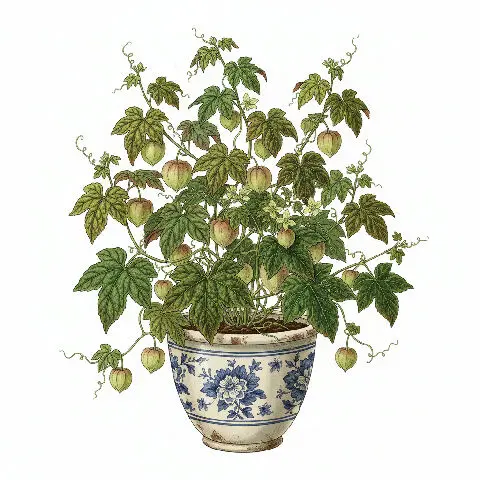
The Balloon Vine, known scientifically as Cardiospermum halicacabum, is an intriguing herbaceous climbing plant that belongs to the Sapindaceae family, a diverse group that also includes familiar fruits like lychee and rambutan.
Most thin plant articles flatten everything into a summary. This guide does the opposite by following Balloon Vine through identification, care, handling, and the questions that real readers actually ask.
The linked plant page remains the main internal reference point for this article, but the goal here is to turn that raw data into a readable, structured, and genuinely useful guide.
- Cardiospermum halicacabum is a versatile tropical vine with distinctive balloon-like fruits.
- Historically valued in traditional Indian medicine for its anti-inflammatory and anxiolytic properties.
- Rich in phenolic acids, flavonoids, and unique cyanoglucosides like Cardiospermin.
- Offers a broad spectrum of pharmacological activities including anti-arthritic, anti-diabetic, and antioxidant effects.
- Used topically for skin ailments and internally for various inflammatory and nervous conditions.
- While promising, further human clinical trials are needed to confirm efficacy and safe dosages.
02Balloon Vine: Taxonomy & Classification
Balloon Vine should be anchored to the correct taxonomic identity before any discussion of care, use, or safety begins.
| Common name | Balloon Vine |
|---|---|
| Scientific name | Cardiospermum halicacabumW |
| Family | Sapindaceae |
| Order | Sapindales |
| Genus | Cardiospermum |
| Species epithet | halicacabum |
| Author citation | Guinea Is. |
| Synonyms | Cardiospermum moniliferum Sw. ex Steud., Cardiospermum moniliferum Sw., Cardiospermum luridum Blume, Cardiospermum monliferum Schwagr. ex Steud., Cardiospermum truncatum A.Rich., Cardiospermum inflatum Salisb., Physalis halicacabum Noronha, Cardiospermum corycodes Kunze, Cardiospermum glabrum Schumach. & Thonn., Corindum halicacabum (L.) Medik., Rhodiola rosea">Rhodiola biternata Lour., Cardiospermum halicacabum var. grandiflorum A.Chev. |
| Common names | ফুলের লতা, বেলুন লতিকা, Balloon Vine, Heart Seed, Love in a Puff, लटकारंज, फुग्गा बेल |
| Local names | Ballonrebe, Kanusa, amor en bolsita, Kömoka, Shampiak, Liane poc-poc, Poc-poc, Poc-poc liane, Pois de merveille, balaozinho, Cardiosperme des Indes, Pois-de-coeur des Indes, Soga, amoteremi, Chichi wampiak, Blaaserwt |
| Origin | Tropical and Southern Africa, and Madagascar |
| Life cycle | Perennial |
| Growth habit | Tree |
Using the accepted scientific name Cardiospermum halicacabum helps readers avoid confusion caused by old synonyms, loose common names, or inconsistent plant labels.
Family and order placement also matter because they explain recurring structural traits, likely relatives, and the kinds of mistakes readers often make when they rely on appearance alone.
03Balloon Vine: Physical Characteristics
A practical reading of the plant starts with visible structure:
- Leaf: Alternate, biternate or triternate dark green leaves, with ovate to lanceolate, deeply lobed or toothed leaflets measuring 2-4 cm long. The terminal.
- Stem: Slender, herbaceous, angular, much-branched climbing stem, often grooved or striate, typically annual but can be perennial in tropical regions. It.
- Root: Fibrous root system, relatively shallow but extensive, allowing it to rapidly colonize disturbed areas.
- Flower: Small, white to yellowish-white, irregular (zygomorphic) flowers borne in axillary cymes. These cymes often have two tendrils arising below the.
- Fruit: Distinctive roughly spherical to pear-shaped, inflated, membranous capsule, 3-5 cm in diameter, light green when immature, turning papery brown when.
- Seed: Globose to ovate, approximately 4-6 mm in diameter, black or dark brown, with a prominent white, heart-shaped hilum (spot). Each capsule typically.
Microscopic or internal identification notes deepen the picture, especially for processed material: Both unicellular and multicellular, non-glandular trichomes are commonly observed on the aerial parts, particularly on stems and leaves, potentially. Stomata are predominantly anomocytic or ranunculaceous, irregularly arranged with subsidiary cells indistinguishable from other epidermal cells. Powdered plant material reveals fragments of epidermal cells with anomocytic stomata, numerous simple and glandular trichomes, spiral and pitted.
In overall habit, the plant is described as Tree with a mature height around Typically 2-10 m and spread of Typically 1-5 m or more with support.
04Where Balloon Vine Grows
The native or historically recorded center of distribution for Balloon Vine is Tropical and Southern Africa, and Madagascar. That origin is more than background trivia; it explains how the plant responds to heat, moisture, shade, and seasonal change.
Explore Our Platforms
 InfiniCore DataWorks
 Nex-Automata
The plant is associated with the following countries or range markers: Africa, Central America, India, South America, Southeast Asia.
Environmental notes in the live record add more context: Cardiospermum halicacabum is a pantropical and subtropical species, thriving in warm, humid climates. It is commonly found in disturbed areas, thickets, forest margins, and along roadsides. It grows well from sea level up to elevations of approximately 1,500 meters. This vine prefers areas with annual rainfall ranging from 1,000 mm to 3,000 mm, but can.
In cultivation terms, the main ecological clues are: Full Sun; Weekly; Well-draining loamy or sandy loam soil with a pH of 6.0-7.5. Species-dependent; Perennial; Tree.
Physiology data reinforce the habitat story: It shows a degree of tolerance to drought and heat stress, common in its native tropical habitats, achieved through adaptive mechanisms like leaf. Cardiospermum halicacabum primarily utilizes C3 photosynthesis, the most common photosynthetic pathway, adapted to moderate light and temperature. The plant exhibits moderate transpiration rates, regulated by stomatal opening and closing, to balance water uptake and carbon dioxide assimilation.
05Balloon Vine in Tradition & Culture
In Ayurveda, Cardiospermum halicacabum (often referred to as 'Indravalli') is a significant plant known for its 'ushna virya' (hot potency) and 'laghu' (light) qualities, used extensively for 'vata' disorders, particularly musculoskeletal and neurological conditions. It is described in classical texts like 'Bhavaprakasha Nighantu' for its anti-rheumatic and skin-healing properties. In Unani medicine, it is used for.
Ethnobotanical records also show how this plant has been framed across different places: Abscess in Haiti (Liogier, Alain Henri. 1974. Diccionario Botanico de Nombres Vulgares de la Espanola. Universidad Nacional Pedro Henriquez Urena, Santo Domingo.); Bladder in Java (Duke, 1992 *); Boil in Haiti (Liogier, Alain Henri. 1974. Diccionario Botanico de Nombres Vulgares de la Espanola. Universidad Nacional Pedro Henriquez Urena, Santo Domingo.); Buboes in Java (Duke, 1992 ); Cataplasm in Haiti (Liogier, Alain Henri. 1974. Diccionario Botanico de Nombres Vulgares de la Espanola. Universidad Nacional Pedro Henriquez Urena, Santo Domingo.); Conjunctivitis in Java (Duke, 1992 ); Cyanogenetic in US (Duke, 1992 ); Diaphoretic in Elsewhere (Duke, 1992 ).
Local names help show how different communities notice and classify the plant: Ballonrebe, Kanusa, amor en bolsita, Kömoka, Shampiak, Liane poc-poc, Poc-poc, Poc-poc liane, Pois de merveille, balaozinho, Cardiosperme des Indes, Pois-de-coeur des Indes, Soga, amoteremi.
Traditional context matters, but it should always be separated from modern certainty. Historical use can guide questions, yet it does not automatically prove present-day clinical effectiveness.
06Balloon Vine Health Benefits
The main benefit themes associated with the plant include:
- Anti-inflammatory Action — Cardiospermum halicacabum profoundly reduces inflammation by modulating key inflammatory mediators and pathways, making it.
- Anti-arthritic Properties — Research indicates its efficacy in alleviating symptoms of arthritis by reducing joint swelling, pain, and inflammation.
- Anxiolytic Activity — The plant contains compounds like Cardiospermin that exhibit anxiety-reducing effects, promoting calmness and potentially aiding in.
- Anti-diabetic Potential — Studies suggest Cardiospermum halicacabum may help regulate blood glucose levels, offering a natural adjunct for diabetes management.
- Antiulcer Effects — It demonstrates protective actions against gastric ulcers by strengthening the mucosal barrier and reducing acid secretion, supporting.
- Antioxidant Support — Rich in polyphenolic compounds, the Balloon Vine effectively neutralizes harmful free radicals, protecting cells from oxidative damage.
- Hepatoprotective Action — The plant has shown promise in protecting the liver from damage induced by toxins, supporting its role in maintaining liver health.
- Nephroprotective Properties — Cardiospermum halicacabum may help safeguard kidney function against various insults, contributing to renal well-being.
The evidence matrix gives a more careful picture of those claims: Anti-inflammatory action. In vitro and in vivo animal studies. Preclinical. Modulates inflammatory mediators (e.g., prostaglandins, cytokines) and enzyme pathways, supporting traditional uses for rheumatism and general inflammation. Anxiolytic activity. In vivo animal behavioral models. Preclinical. Compounds like Cardiospermin have shown to reduce anxiety-like behaviors in animal models, validating its traditional use for nervous disorders. Anti-arthritic properties. In vivo animal models of arthritis. Preclinical. Significantly reduces markers of joint inflammation, swelling, and cartilage degradation in experimental arthritis, highlighting its potential for managing rheumatic conditions. Antioxidant effects. In vitro assays and cellular models. Preclinical. Rich in phenolic compounds and flavonoids, it effectively scavenges free radicals and inhibits lipid peroxidation, contributing to cellular protection.
The stored evidence confidence for this profile is traditional. That should shape how strongly any benefit statement is interpreted.
For medicinal content, the key discipline is to distinguish traditional use, mechanism-based plausibility, and human clinical support. Those are related ideas, but they are not the same thing.
- Anti-inflammatory Action — Cardiospermum halicacabum profoundly reduces inflammation by modulating key inflammatory mediators and pathways, making it.
- Anti-arthritic Properties — Research indicates its efficacy in alleviating symptoms of arthritis by reducing joint swelling, pain, and inflammation.
- Anxiolytic Activity — The plant contains compounds like Cardiospermin that exhibit anxiety-reducing effects, promoting calmness and potentially aiding in.
- Anti-diabetic Potential — Studies suggest Cardiospermum halicacabum may help regulate blood glucose levels, offering a natural adjunct for diabetes management.
- Antiulcer Effects — It demonstrates protective actions against gastric ulcers by strengthening the mucosal barrier and reducing acid secretion, supporting.
- Antioxidant Support — Rich in polyphenolic compounds, the Balloon Vine effectively neutralizes harmful free radicals, protecting cells from oxidative damage.
- Hepatoprotective Action — The plant has shown promise in protecting the liver from damage induced by toxins, supporting its role in maintaining liver health.
- Nephroprotective Properties — Cardiospermum halicacabum may help safeguard kidney function against various insults, contributing to renal well-being.
- Antimicrobial Activity — It exhibits antibacterial and antiviral properties, which can help combat various infections and support the body's immune response.
- Anti-diarrheal Efficacy — Traditionally used to manage diarrhea, scientific studies suggest its ability to reduce gut motility and fluid secretion, offering.
07Balloon Vine Phytochemistry
The broader constituent profile includes:
- Phenolic Acids — Key compounds include chlorogenic acid, caffeic acid, and coumaric acid, known for their potent.
- Flavonoids — This category comprises luteolin-7-O-glucuronide, apigenin-7-O-glucuronide, and chrysoeriol, which.
- Flavonoid Glycosides — These are flavonoid compounds bound to sugar molecules, enhancing their bioavailability and.
- Flavonoid Glucuronides — Specific glucuronide forms of flavonoids are present, further diversifying the plant's.
- Cyanoglucosides — Cardiospermin is a notable cyanoglucoside isolated from the root extract, specifically recognized.
- Fatty Acids — The seeds contain a rich profile of fatty acids, including palmitic acid, oleic acid, stearic acid.
- Saponins — These glycosides are known for their detergent-like properties and contribute to the plant's.
- Terpenoids — Various terpenoid compounds may be present, often contributing to the plant's aromatic profile and.
- Phytosterols — Plant sterols like beta-sitosterol are typically found, known for their cholesterol-lowering and.
- Alkaloids — While not dominant, certain alkaloidal compounds might be present in trace amounts, potentially.
The detailed phytochemistry file adds these markers: Chlorogenic acid, Phenolic acid, Leaves, whole plant, Variablemg/g; Luteolin-7-O-glucuronide, Flavonoid glycoside, Leaves, whole plant, Variablemg/g; Apigenin-7-O-glucuronide, Flavonoid glycoside, Leaves, whole plant, Variablemg/g; Cardiospermin, Cyanoglucoside, Root, Tracemg/g; Palmitic acid, Saturated fatty acid, Seeds, High% of total fatty acids; Oleic acid, Monounsaturated fatty acid, Seeds, High% of total fatty acids; Chrysoeriol, Flavonoid, Leaves, Traceµg/g.
Compound profiles also shift with plant part, age, season, processing, and storage. The chemistry of a fresh leaf, dried root, or concentrated extract should never be treated as automatically identical.
08Using Balloon Vine: Methods & Dosage
Recorded preparation and use methods include Decoction for Internal Use — Prepare by simmering 1-2 teaspoons of dried leaves or roots in 2 cups of water for 10-15 minutes, then strain and consume for anti-inflammatory and. Herbal Infusion (Tea) — Steep fresh or dried leaves in hot water for 5-10 minutes to create a soothing tea, often used for digestive comfort or as a general tonic. Topical Poultice — Crush fresh leaves and apply directly to affected skin areas to reduce inflammation, swelling, and irritation, particularly for skin conditions or minor. Medicated Oil Infusion — Infuse fresh leaves and stems in a carrier oil (like sesame or coconut oil) by gentle heating, then strain and apply topically for arthritic pain or skin. Culinary Use — In some regions, the tender leaves and shoots are cooked as a leafy green vegetable, added to curries, soups, or stir-fries to impart flavor and nutritional value. Tincture Preparation — Macerate fresh or dried plant material in alcohol (e.g., vodka or grain alcohol) for several weeks, then strain to create a concentrated liquid extract for. Herbal Paste — Grind fresh leaves with a small amount of water to form a paste, which can be applied externally for local pain relief or skin conditions. Traditional Bath — Add a strong decoction of the plant to bathwater to help alleviate generalized body aches, skin irritations, and promote relaxation.
The plant part most closely linked to use is recorded as Leaves, roots, tubers, stems, or fruit cited in related taxa.
Edibility and processing notes matter here as well: Varies widely; verify species and plant part.
Preparation defines the outcome. Tea, decoction, tincture, powder, fresh plant material, cooked food use, and concentrated extract cannot be discussed as if they were interchangeable.
- Identify the exact species and plant part first.
- Match the preparation to the intended use.
- Check safety, interactions, and processing details before routine use or large-scale handling.
09Balloon Vine Side Effects & Safety
The first safety note is direct: Cardiospermum halicacabum is generally considered non-toxic when used in traditional medicinal doses. However, no specific toxicity classification (e.g., FDA Class) is globally established. Large quantities of seeds may contain cyanogenic.
Specific warnings recorded for this plant include:
- Professional Consultation — Always consult a healthcare professional or qualified medical herbalist before using Cardiospermum halicacabum, especially if.
- Patch Testing — For topical applications, perform a patch test on a small skin area to check for allergic reactions before widespread use.
- Adherence to Dosage — Strictly follow recommended dosages; excessive consumption may increase the risk of side effects.
- Quality Sourcing — Ensure the plant material is sourced from reputable suppliers to guarantee purity and prevent contamination.
- Avoid Raw Consumption — Due to the presence of cyanogenic glycosides, it is generally recommended to cook or process the plant material before consumption to.
- Monitoring for Interactions — Be vigilant for any adverse interactions if combining with pharmaceutical medications, particularly for diabetes, hypertension.
- Long-Term Use Caution — Data on long-term safety is limited; periodic breaks from use are advisable for extended periods of consumption.
- Allergic Reactions — Some individuals may experience skin rashes, itching, or other allergic responses upon topical or internal use.
Quality-control notes add another warning: Risk of adulteration with other similar-looking climbing plants or substitution with less potent species; microscopic and chromatographic profiling are crucial for authentication.
No plant should be described as universally safe. Identity, dose, plant part, preparation style, age, pregnancy status, medication use, allergies, and contamination risk all change the answer.
10How to Grow Balloon Vine
The cultivation record emphasizes these practical steps:
- Seed Propagation — Cardiospermum halicacabum is primarily propagated from its distinctive heart-shaped seeds, which germinate readily under warm conditions.
- Soil Requirements — It thrives in well-drained, fertile loamy soils with a pH ranging from slightly acidic to neutral (6.0-7.5), benefiting from organic matter.
- Light Conditions — The Balloon Vine prefers full sun to partial shade, requiring at least 6 hours of direct sunlight daily for optimal growth and fruit production.
- Watering — Consistent moisture is crucial, especially during dry periods; water regularly to keep the soil evenly moist but avoid waterlogging.
- Support Structure — As a climbing vine, it requires a trellis, fence, or other support structures to climb, aiding in healthy growth and air circulation.
- Temperature and Climate — Being native to tropical and subtropical regions, it flourishes in warm climates and is sensitive to frost, requiring temperatures above 10°C.
- Pest and Disease Management — Generally robust, it can occasionally face issues with aphids or powdery mildew, manageable with organic pest control and good air.
The broader growth environment is described like this: Cardiospermum halicacabum is a pantropical and subtropical species, thriving in warm, humid climates. It is commonly found in disturbed areas, thickets, forest margins, and along roadsides. It grows well from sea level up to elevations of approximately 1,500 meters. This vine prefers areas with annual rainfall ranging from 1,000 mm to 3,000 mm, but can.
Planning becomes easier when these traits are kept in view: Tree; Typically 2-10 m; Typically 1-5 m or more with support; Beginner.
In practice, healthy cultivation comes from systems thinking rather than one-off tricks. Site choice, drainage, timing, spacing, pruning, feeding, and observation all reinforce one another.
11Balloon Vine Growing Conditions
The most useful care snapshot is this: Light: Full Sun; Water: Weekly; Soil: Well-draining loamy or sandy loam soil with a pH of 6.0-7.5. Humidity: Medium to High; Temperature: 18-35°C; USDA zone: Species-dependent.
Outdoors, light, water, and soil must be read together. The same watering schedule can be too much in dense clay and too little in a porous sandy bed.
| Light | Full Sun |
|---|---|
| Water | Weekly |
| Soil | Well-draining loamy or sandy loam soil with a pH of 6.0-7.5. |
| Humidity | Medium to High |
| Temperature | 18-35°C |
| USDA zone | Species-dependent |
Light, water, and soil should never be treated as separate checkboxes. A plant in stronger light often dries faster, soil texture changes how quickly water moves, and temperature plus humidity influence how stress appears in leaves and roots.
For Balloon Vine, the safest care approach is to treat Full Sun, Weekly, and Well-draining loamy or sandy loam soil with a pH of 6.0-7.5. as linked decisions rather than isolated tips. If one condition shifts, the other two usually need to be reconsidered as well.
12Propagating Balloon Vine
Documented propagation routes include Seeds: Sow fresh seeds directly into well-draining soil in spring after the last frost. Nicking or scarifying the hard seed coat can improve germination.
Propagation works best when the parent stock is healthy, correctly identified, and handled in the right season. That sounds obvious, but it is exactly where many failures begin.
- Seeds: Sow fresh seeds directly into well-draining soil in spring after the last frost. Nicking or scarifying the hard seed coat can improve germination.
Propagation works best when the reader matches method to biology. Some plants respond readily to cuttings, some to division, some to seed, and others require more patience or more exact seasonal timing.
A successful propagation guide therefore starts with healthy parent material and realistic expectations. Weak stock, rushed handling, and poor aftercare can make even a technically correct method fail.
For Balloon Vine, the real goal is not simply to produce another plant, but to produce a correctly identified, vigorous, well-established plant that continues growing without hidden stress from the first stage.
13Managing Balloon Vine Problems
The recorded problem list includes Pests: Aphids and spider mites are common, especially on young growth. Organic solutions include neem oil spray or. use chelated iron supplements. Stunted growth may suggest general nutrient deficiency, addressed with balanced organic.
For medicinal species, pest pressure is not only a horticultural issue. It also affects harvest cleanliness, storage stability, and confidence in the final material.
The smartest response sequence is observation first, environmental correction second, and treatment only after the real pattern is clear.
- Pests: Aphids and spider mites are common, especially on young growth. Organic solutions include neem oil spray or.
- Use chelated iron supplements. Stunted growth may suggest general nutrient deficiency, addressed with balanced organic.
Pest and disease management is strongest when it begins before visible damage becomes severe. Routine observation, clean handling, sensible spacing, air movement, and balanced watering reduce many problems before treatment is even needed.
14How to Harvest Balloon Vine
The plant part most often associated with harvest or processing is Leaves, roots, tubers, stems, or fruit cited in related taxa.
Storage guidance from the quality-control record reads as follows: Dried plant material should be stored in airtight containers in a cool, dry, and dark place to prevent degradation of active constituents and maintain potency over time.
For medicinal plants, harvesting cannot be separated from processing. The right plant part, the right timing, and the right drying conditions all shape quality and safety.
Whatever the purpose, the rule is the same: harvest clean material, label it clearly, and store it in a way that preserves identity and condition.
Harvest and storage determine whether a plant's quality is preserved after it leaves the bed, pot, field, or wild source. Clean timing, correct plant part selection, and careful drying or handling all matter more than many readers expect.
15Designing a Garden with Balloon Vine
Useful companions or placement partners include Marigolds; Basil; Tomatoes; Pole Beans; Cucumbers (ensure sufficient support).
In a home herb garden or medicinal bed, Balloon Vine should be placed where harvesting is easy, labeling remains clear, and neighboring plants do not create confusion at collection time.
- Marigolds
- Basil
- Tomatoes
- Pole Beans
- Cucumbers (ensure sufficient support)
Companion planting and design are not only aesthetic decisions. They affect airflow, root competition, moisture sharing, harvest access, visibility, and the general logic of the planting scheme.
With Balloon Vine, good placement means thinking about mature size, maintenance rhythm, and how neighboring plants change the feel and function of the space. A plant can be healthy on its own and still be poorly placed within the broader composition.
That is why the best design advice combines biology with usability. The planting should look coherent, but it should also make watering, pruning, harvest, and pest observation easier rather than harder.
16Research on Balloon Vine
The evidence matrix points to several recurring themes: Anti-inflammatory action. In vitro and in vivo animal studies. Preclinical. Modulates inflammatory mediators (e.g., prostaglandins, cytokines) and enzyme pathways, supporting traditional uses for rheumatism and general inflammation. Anxiolytic activity. In vivo animal behavioral models. Preclinical. Compounds like Cardiospermin have shown to reduce anxiety-like behaviors in animal models, validating its traditional use for nervous disorders. Anti-arthritic properties. In vivo animal models of arthritis. Preclinical. Significantly reduces markers of joint inflammation, swelling, and cartilage degradation in experimental arthritis, highlighting its potential for managing rheumatic conditions. Antioxidant effects. In vitro assays and cellular models. Preclinical. Rich in phenolic compounds and flavonoids, it effectively scavenges free radicals and inhibits lipid peroxidation, contributing to cellular protection.
Ethnobotanical activity records add historical reference trails: Abscess — Haiti [Liogier, Alain Henri. 1974. Diccionario Botanico de Nombres Vulgares de la Espanola. Universidad Nacional Pedro Henriquez Urena, Santo Domingo.]; Bladder — Java [Duke, 1992 ]; Boil — Haiti [Liogier, Alain Henri. 1974. Diccionario Botanico de Nombres Vulgares de la Espanola. Universidad Nacional Pedro Henriquez Urena, Santo Domingo.]; Buboes — Java [Duke, 1992 ]; Cataplasm — Haiti [Liogier, Alain Henri. 1974. Diccionario Botanico de Nombres Vulgares de la Espanola. Universidad Nacional Pedro Henriquez Urena, Santo Domingo.]; Conjunctivitis — Java [Duke, 1992 *].
The compiled source count behind the live profile is 7. That does not guarantee certainty, but it does suggest the record has been cross-checked beyond a single note.
Analytical testing notes also strengthen the evidence base: High-Performance Liquid Chromatography (HPLC) for quantification of marker compounds, Thin-Layer Chromatography (TLC) for fingerprinting, and standard pharmacognostic methods for.
A careful evidence section should say what is known, what is plausible, and what remains uncertain. Readers are better served by clear limits than by exaggerated confidence.
Evidence note: this section blends the live plant record, local ethnobotanical activity data, chemistry records, and the linked Flora Medical Global plant profile for Balloon Vine.
17Buying Balloon Vine: Expert Tips
Quality markers worth checking include Key marker compounds for quality assessment include specific flavonoids (e.g., luteolin-7-O-glucuronide, apigenin-7-O-glucuronide) and phenolic acids (e.g., chlorogenic acid).
Adulteration and substitution risk should not be ignored: Risk of adulteration with other similar-looking climbing plants or substitution with less potent species; microscopic and chromatographic profiling are crucial for authentication.
When buying Balloon Vine, start with verified botanical identity. The label, scientific name, and the source page should agree before you judge price, size, or claimed benefits.
For living plants, inspect roots, stem firmness, foliage health, and early pest signs. For dried or processed material, look for batch clarity, clean aroma, absence of mold, and any sign that the product has been over-processed to disguise poor quality.
18Balloon Vine: Frequently Asked Questions
What is Balloon Vine best known for?
The Balloon Vine, known scientifically as Cardiospermum halicacabum, is an intriguing herbaceous climbing plant that belongs to the Sapindaceae family, a diverse group that also includes familiar fruits like lychee and rambutan.
Is Balloon Vine beginner-friendly?
That depends on the growing environment and the intended use. Some plants are easy to grow but not simple to use medicinally, while others are the opposite.
How much light does Balloon Vine need?
Full Sun
How often should Balloon Vine be watered?
Weekly
Can Balloon Vine be propagated at home?
Yes, but the best method depends on whether the species responds best to seed, cuttings, division, offsets, or other propagation routes.
Does Balloon Vine have safety concerns?
Cardiospermum halicacabum is generally considered non-toxic when used in traditional medicinal doses. However, no specific toxicity classification (e.g., FDA Class) is globally established. Large quantities of seeds may contain cyanogenic.
What is the biggest mistake people make with Balloon Vine?
The most common mistake is applying generic advice instead of matching the plant to its real environment, identity, and limits.
Where can I verify more information about Balloon Vine?
Start with the Flora Medical Global plant profile: https://www.floramedicalglobal.com/plant/balloon-vine
19Sources & Further Reading on Balloon Vine
Authoritative sources and related guides:
- Wikipedia — background reference
- PubMed — peer-reviewed studies
- Kew POWO — botanical reference
- NCBI PMC — open-access research
- WHO — global health authority
Related on Flora Medical Global
Reviewed by the Flora Medical Global Botanical Review Panel
Multi-disciplinary editorial group · Botany · Ethnobotany · Herbal-medicine literature
Who reviewed this: This page was checked by the Flora Medical Global Botanical Review Panel — an in-house editorial group of botany graduates, ethnobotany researchers, and horticulture practitioners who collectively maintain our 7,000+ plant encyclopedia. Meet the team.
Our 4-step verification process
1. Taxonomic verification
Scientific names and synonyms cross-checked against Kew POWO, World Flora Online, and The Plant List.
2. Phytochemical & medicinal cross-reference
Active compounds, traditional uses, and reported activities are cross-referenced with PubMed, USDA Dr. Duke's database, and peer-reviewed ethnobotanical literature.
3. Conservation & distribution check
Distribution, ecology, and conservation status confirmed against GBIF occurrence records and the IUCN Red List.
4. Editorial & safety review
Every entry passes an editorial pass for clarity, originality, and safety notices (toxicity, contraindications, dosage caveats) before publication.
Last reviewed:
Important medical disclaimer: This content is for educational and research purposes only. It is not medical advice and is not a substitute for consultation with a licensed healthcare provider. Do not use any herb to self-treat a medical condition without professional guidance.
Explore Our Platforms
Comments (0)
No comments yet. Be the first!