
Overview & Introduction
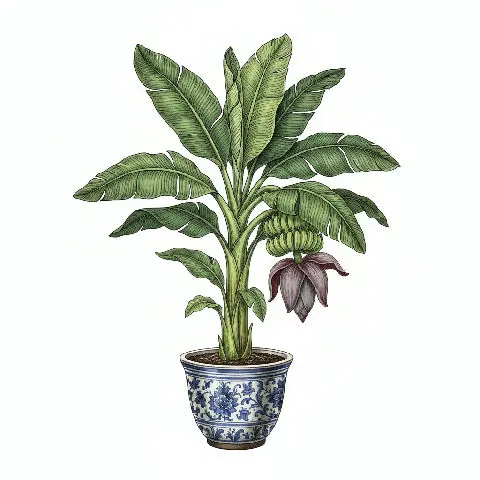
Musa spp., universally known as banana, represents a botanical anomaly – a giant herbaceous plant, often mistaken for a tree, belonging to the Musaceae family.
A good article on Banana should not stop at one-line claims. Readers need taxonomy, habitat, safety, cultivation, and evidence in the same place so they can make sound decisions.
The linked plant page remains the main internal reference point for this article, but the goal here is to turn that raw data into a readable, structured, and genuinely useful guide.
- Global staple fruit and versatile medicinal plant, Musa spp.
- Rich in essential vitamins, minerals, and potent antioxidants.
- Supports digestive health, cardiovascular function, and mood regulation.
- Utilized across traditional medicine systems for various health benefits.
- Every part of the plant – fruit, peel, flower, stem, leaves – holds value.
- Generally safe for consumption, with specific considerations for allergies or underlying health conditions.
This guide is designed to help the reader move from scattered facts to practical understanding. Instead of relying on a thin summary, it pulls together the identity, uses, care profile, safety notes, and evidence context around Banana so the article works as a real reference rather than a keyword page.
Botanical Profile & Taxonomy
Banana should be anchored to the correct taxonomic identity before any discussion of care, use, or safety begins.
| Common name | Banana |
|---|---|
| Scientific name | Musa spp. |
| Family | Musaceae |
| Order | Zingiberales |
| Genus | Musa |
| Species epithet | spp. |
| Author citation | L. |
| Synonyms | Musa acuminata, Musa balbisiana, Musa paradisiaca |
| Common names | কলা, Banana |
| Origin | Southeast Asia and Papua New Guinea |
| Life cycle | Perennial |
| Growth habit | Herb |
Using the accepted scientific name Musa spp. helps readers avoid confusion caused by old synonyms, loose common names, or inconsistent plant labels.
Family and order placement also matter because they explain recurring structural traits, likely relatives, and the kinds of mistakes readers often make when they rely on appearance alone.
Correct naming is not a small detail. A plant can collect multiple common names, outdated synonyms, and marketing labels over time, so using Musa spp. consistently reduces the risk of confusion, bad care advice, and even safety mistakes.
Physical Description & Morphology
A practical reading of the plant starts with visible structure: Leaf: Large, elongated, oblong to elliptic, bright green to dark green, spirally arranged, up to 3 meters long and 60 cm wide, with a prominent midrib and. Stem: Pseudostem, not a true woody stem, formed by the tightly overlapping basal leaf sheaths. Greenish-brown, succulent, 20-50 cm in diameter, reaching. Root: Fibrous and shallow, spreading horizontally to about 5 meters and vertically to 1.5 meters, originating from the underground corm. Flower: Monoecious, with both male and female flowers on the same inflorescence. Flowers are whitish to yellowish, arranged in clusters (hands) covered by. Fruit: An elongated, fleshy berry, typically curved, green when unripe, ripening to yellow (most common) or red. 10-30 cm long, 2-5 cm in diameter. Seed: Cultivated varieties are typically parthenocarpic and seedless. Wild varieties contain small, hard, black, pebble-like seeds (0.3-0.8 cm diameter).
Microscopic or internal identification notes deepen the picture, especially for processed material: Trichomes are generally absent or occur very sparsely, usually as simple, unicellular hairs on specific parts of the plant. Stomata are predominantly paracytic, characterized by two subsidiary cells arranged parallel to the guard cells, and are found on both leaf surfaces. Powdered banana materials reveal abundant starch grains, often oval or kidney-shaped with a distinct hilum, alongside spiral and annular vessels.
In overall habit, the plant is described as Herb with a mature height around 1.5-9 m and spread of variable width depending on site.
Natural Habitat & Distribution
The native or historically recorded center of distribution for Banana is Southeast Asia and Papua New Guinea. That origin is more than background trivia; it explains how the plant responds to heat, moisture, shade, and seasonal change.
The plant is associated with the following countries or range markers: India, Indonesia, Malaysia, Papua New Guinea, Philippines.
Environmental notes in the live record add more context: Natural habitat: Tropical rainforests and humid subtropical regions. Climate zones: USDA Hardiness Zones 9-11 for outdoor cultivation, requires frost-free conditions. Altitude range: Thrives from sea level up to 1,800 meters, though optimal yields are typically below 1,000 meters. Annual rainfall needs: 1200-2000 mm evenly distributed throughout the year.
In cultivation terms, the main ecological clues are: Full Sun; Every 2-3 days; Well-drained loamy soil with high organic matter, pH 6.0-7.0; 9-11; Perennial; Herb.
Physiology data reinforce the habitat story: Highly susceptible to various environmental stresses such as drought, cold temperatures, and strong winds, often leading to reduced growth, leaf. Banana plants utilize the C3 photosynthetic pathway, typical for tropical and subtropical species, efficiently converting sunlight into energy. Exhibits a high transpiration rate due to its large leaf surface area, necessitating abundant and consistent water availability for optimal growth.
Traditional & Cultural Significance
Ayurveda: Considered 'Sheet Virya' (cooling) and 'Guru' (heavy to digest), balancing Vata and Pitta. Unripe bananas are 'Grahi' (absorbent), useful for diarrhea. Ripe bananas are 'Vrishya' (aphrodisiac) and 'Brumhana' (nourishing). TCM: Cool in nature, sweet in taste, enters the lung and large intestine meridians. Used to clear heat, moisten the intestines, cool blood, and detoxify. Also considered beneficial for.
Traditional context matters, but it should always be separated from modern certainty. Historical use can guide questions, yet it does not automatically prove present-day clinical effectiveness.
Cultural context gives the article depth that pure care instructions cannot provide. Plants like Banana are often remembered through naming traditions, household practice, healing systems, foodways, ornamental use, ritual value, or local ecological knowledge.
At the same time, cultural value should be handled responsibly. Traditional respect for a plant does not automatically prove every modern claim, and a modern study does not erase the meaning the plant has held in communities over time. Both sides belong in a careful guide.
Medicinal Properties & Health Benefits
The main benefit themes associated with the plant include: Digestive Health — Rich in dietary fiber and resistant starch, bananas act as a prebiotic, nourishing beneficial gut bacteria and promoting regular bowel. Cardiovascular Support — High potassium content helps to balance electrolytes and counteract sodium, contributing to the regulation of blood pressure and. Antioxidant Power — Laden with phenolic compounds, flavonoids, and carotenoids, bananas exhibit significant antioxidant activity, neutralizing free radicals. Mood Regulation — Containing tryptophan, an amino acid precursor to serotonin, and Vitamin B6, which aids in serotonin synthesis, bananas can contribute to. Energy Boost — The natural sugars (glucose, fructose, sucrose) combined with fiber provide a sustained energy release, making bananas an excellent natural. Ulcer Protection — Certain flavonoids and protease inhibitors found in bananas may help thicken the protective mucus layer in the stomach, offering a degree. Kidney Stone Prevention — The ample potassium in bananas helps to reduce calcium excretion in urine, potentially lowering the risk of kidney stone formation. Anemia Management — Bananas provide iron and Vitamin B6, both crucial for hemoglobin production and red blood cell formation, which can be beneficial in.
The evidence matrix gives a more careful picture of those claims: Supports Digestive Health. Observational, in vitro, some clinical trials. Moderate. High fiber and resistant starch content contribute to a healthy gut microbiome and promote regular bowel movements. Contributes to Cardiovascular Health. Epidemiological, nutritional studies. Strong. Rich potassium content helps regulate blood pressure and supports heart function by balancing electrolytes. Exhibits Antioxidant Activity. In vitro biochemical assays, phytochemical analysis. Strong. Presence of polyphenols, flavonoids, and carotenoids effectively scavenges free radicals, reducing oxidative stress. Aids in Mood Regulation. Biochemical, correlational studies. Moderate. Contains tryptophan and Vitamin B6, precursors for serotonin, a neurotransmitter linked to mood and well-being.
The stored evidence confidence for this profile is traditional. That should shape how strongly any benefit statement is interpreted.
For non-medicinal or mostly ornamental contexts, the safest approach is to keep the claims modest. A plant may still be valuable ecologically, visually, or culturally without being promoted as a treatment.
- Digestive Health — Rich in dietary fiber and resistant starch, bananas act as a prebiotic, nourishing beneficial gut bacteria and promoting regular bowel.
- Cardiovascular Support — High potassium content helps to balance electrolytes and counteract sodium, contributing to the regulation of blood pressure and.
- Antioxidant Power — Laden with phenolic compounds, flavonoids, and carotenoids, bananas exhibit significant antioxidant activity, neutralizing free radicals.
- Mood Regulation — Containing tryptophan, an amino acid precursor to serotonin, and Vitamin B6, which aids in serotonin synthesis, bananas can contribute to.
- Energy Boost — The natural sugars (glucose, fructose, sucrose) combined with fiber provide a sustained energy release, making bananas an excellent natural.
- Ulcer Protection — Certain flavonoids and protease inhibitors found in bananas may help thicken the protective mucus layer in the stomach, offering a degree.
- Kidney Stone Prevention — The ample potassium in bananas helps to reduce calcium excretion in urine, potentially lowering the risk of kidney stone formation.
- Anemia Management — Bananas provide iron and Vitamin B6, both crucial for hemoglobin production and red blood cell formation, which can be beneficial in.
- Skin Health — Extracts from banana peel have been traditionally applied topically for their anti-inflammatory and antiseptic properties, aiding in the.
- Muscle Function Support — The electrolyte balance provided by potassium and magnesium in bananas is vital for proper muscle contraction and nerve signal.
Chemical Constituents & Phytochemistry
The broader constituent profile includes Carbohydrates — Primarily composed of digestible sugars like glucose, fructose, and sucrose, alongside significant. Vitamins — Abundant in Vitamin B6 (pyridoxine), essential for neurotransmitter synthesis and metabolism, and a good. Minerals — Exceptionally rich in potassium, vital for electrolyte balance and blood pressure regulation, and also. Phenolic Compounds — Includes catechins, gallocatechins, and proanthocyanidins, especially concentrated in the peel. Flavonoids — Contains quercetin and cyanidin derivatives, which are powerful antioxidants known for their. Biogenic Amines — Features dopamine and serotonin (5-hydroxytryptamine), acting as neurotransmitter precursors that. Carotenoids — Beta-carotene and alpha-carotene are present, particularly in ripe bananas, serving as provitamin A. Phytosterols — Compounds like beta-sitosterol are found, which are known for their potential to lower cholesterol. Organic Acids — Malic acid and citric acid contribute to the fruit's flavor profile and participate in metabolic. Tannins — Present in higher concentrations in unripe bananas, contributing to their astringent taste and traditional.
The detailed phytochemistry file adds these markers: Dopamine, Biogenic Amine, Fruit (especially peel), Varies significantly with ripeness and partmg/100g; Serotonin (5-HT), Biogenic Amine, Fruit, Up to 10 µg/g in pulpµg/g; Catechin, Flavonoid/Polyphenol, Fruit (pulp, peel), flower, High in unripe fruit and peelmg/100g; Potassium (K), Mineral, Fruit, ~358 mg/100gmg/100g; Resistant Starch, Carbohydrate, Unripe Fruit, Up to 20g/100g in green bananag/100g; Vitamin B6 (Pyridoxine), Vitamin, Fruit, ~0.367 mg/100gmg/100g; Beta-carotene, Carotenoid, Fruit (especially ripe, certain varieties), Varies by cultivarµg/100g.
Compound profiles also shift with plant part, age, season, processing, and storage. The chemistry of a fresh leaf, dried root, or concentrated extract should never be treated as automatically identical.
How to Use — Preparations & Dosage
Recorded preparation and use methods include Raw Consumption — Ripe dessert bananas are widely eaten fresh as a fruit, snack, or incorporated into smoothies, desserts, and breakfast cereals. Cooked Applications — Unripe bananas and plantains are cooked, fried, boiled, or baked, serving as a starchy vegetable in savory dishes across many cuisines. Banana Flour — Dried and ground unripe bananas create a gluten-free flour, used in baking and as a thickener, retaining resistant starch benefits. Peel Extracts — The peel can be steeped to make teas or processed into extracts for topical applications, owing to its antioxidant and anti-inflammatory compounds. Banana Flower (Blossom) — The edible flower is cooked as a vegetable in various Asian and Southeast Asian dishes, often in curries or salads. Stem and Sap — The inner core of the pseudostem is consumed as a vegetable in some cultures, while the sap has traditional uses for wound healing and as an astringent. Leaf Wraps — Banana leaves are used as natural plates or to wrap and steam food, imparting a subtle flavor and preserving moisture. Traditional Preparations — Various parts are used in poultices, decoctions, and infusions in Ayurvedic, Unani, and other traditional medicine systems for specific ailments.
Edibility and processing notes matter here as well: Edible.
For garden-focused readers, this section often overlaps with practical garden use: cut flowers, pollinator support, habitat value, decorative placement, culinary handling, or any carefully documented traditional application.
- Identify the exact species and plant part first.
- Match the preparation to the intended use.
- Check safety, interactions, and processing details before routine use or large-scale handling.
Safety Profile, Side Effects & Contraindications
The first safety note is direct: Generally considered non-toxic. All parts of the banana plant are widely consumed or used traditionally without significant toxicity reported. No known toxic parts. Symptoms of overdose are not applicable as the fruit is a food item;.
Specific warnings recorded for this plant include Generally Safe — Banana (Musa spp.) is widely considered safe for consumption by most healthy individuals as a food item. Moderation is Key — While nutritious, consuming bananas in very large quantities, especially concentrated extracts, should be approached with caution. Kidney Impairment — Individuals with kidney disease should consult a healthcare professional due to the high potassium content, which could lead to. Diabetes Management — Though bananas contain natural sugars, their glycemic index varies with ripeness; individuals with diabetes should monitor intake and consider unripe or moderately ripe options. Pregnancy and Lactation — Bananas are generally safe and beneficial during pregnancy and lactation as part of a balanced diet; however, medicinal doses of extracts should be avoided without medical advice. Allergy Awareness — Those with known allergies to latex or other fruits in the latex-fruit syndrome family should exercise caution. Pesticide Residues — Opt for organic bananas when possible, and always wash the fruit thoroughly before consumption to minimize exposure to residues. Allergic Reactions — Individuals with latex allergy may experience cross-reactivity (latex-fruit syndrome) due to similar proteins, leading to oral allergy.
Quality-control notes add another warning: Low for whole fruit. For extracts or processed products, potential adulteration risks include dilution, substitution with other plant materials, or addition of synthetic compounds.
No plant should be described as universally safe. Identity, dose, plant part, preparation style, age, pregnancy status, medication use, allergies, and contamination risk all change the answer.
Growing & Cultivation Guide
The cultivation record emphasizes these practical steps: Climate Preference — Thrives in tropical and subtropical regions with consistent warmth, high humidity, and ample rainfall, ideally between 20-30°C. Soil Requirements — Prefers deep, fertile, well-drained loamy soils with a pH ranging from 6.0-7.0, rich in organic matter. Propagation — Primarily propagated vegetatively using 'suckers' (offshoots) or tissue-cultured plantlets, as most commercial varieties are sterile triploids. Water Management — Requires consistent and abundant moisture, often necessitating irrigation in drier periods, but susceptible to waterlogging. Nutrient Needs — High demand for potassium, nitrogen, and phosphorus, requiring regular fertilization to support rapid growth and fruit production. Pest and Disease Control — Vigilant management is crucial against common threats like Panama disease (Fusarium wilt), Sigatoka leaf spot, and various insect pests. Wind Protection — Due to their large, fragile leaves and shallow root systems, banana plants benefit from windbreaks to prevent damage and toppling. Harvesting — Fruits are typically harvested when mature but still green, allowing for controlled ripening during transport and storage.
The broader growth environment is described like this: Natural habitat: Tropical rainforests and humid subtropical regions. Climate zones: USDA Hardiness Zones 9-11 for outdoor cultivation, requires frost-free conditions. Altitude range: Thrives from sea level up to 1,800 meters, though optimal yields are typically below 1,000 meters. Annual rainfall needs: 1200-2000 mm evenly distributed throughout the year.
Planning becomes easier when these traits are kept in view: Herb; 1.5-9 m; Intermediate.
In practice, healthy cultivation comes from systems thinking rather than one-off tricks. Site choice, drainage, timing, spacing, pruning, feeding, and observation all reinforce one another.
Light, Water & Soil Requirements
The most useful care snapshot is this: Light: Full Sun; Water: Every 2-3 days; Soil: Well-drained loamy soil with high organic matter, pH 6.0-7.0; Temperature: 20-30°C; USDA zone: 9-11.
Outdoors, light, water, and soil must be read together. The same watering schedule can be too much in dense clay and too little in a porous sandy bed.
| Light | Full Sun |
|---|---|
| Water | Every 2-3 days |
| Soil | Well-drained loamy soil with high organic matter, pH 6.0-7.0 |
| Temperature | 20-30°C |
| USDA zone | 9-11 |
Light, water, and soil should never be treated as separate checkboxes. A plant in stronger light often dries faster, soil texture changes how quickly water moves, and temperature plus humidity influence how stress appears in leaves and roots.
For Banana, the safest care approach is to treat Full Sun, Every 2-3 days, and Well-drained loamy soil with high organic matter, pH 6.0-7.0 as linked decisions rather than isolated tips. If one condition shifts, the other two usually need to be reconsidered as well.
Propagation Methods
Documented propagation routes include Mainly by suckers (offshoots) or tissue culture (micropropagation). Seeds: Only viable in wild, seeded varieties, commercial varieties are sterile. Cuttings:.
Propagation works best when the parent stock is healthy, correctly identified, and handled in the right season. That sounds obvious, but it is exactly where many failures begin.
- Mainly by suckers (offshoots) or tissue culture (micropropagation). Seeds: Only viable in wild, seeded varieties, commercial varieties are sterile. Cuttings:.
Propagation works best when the reader matches method to biology. Some plants respond readily to cuttings, some to division, some to seed, and others require more patience or more exact seasonal timing.
A successful propagation guide therefore starts with healthy parent material and realistic expectations. Weak stock, rushed handling, and poor aftercare can make even a technically correct method fail.
Pest & Disease Management
The recorded problem list includes Pests: Banana weevils, nematodes (e.g., burrowing nematode), thrips, aphids. Fungal diseases: Fusarium wilt (Panama.).
Garden problems are often ecological rather than mysterious. Crowding, poor airflow, overwatering, wrong siting, and delayed observation create the conditions that pests and disease exploit.
The smartest response sequence is observation first, environmental correction second, and treatment only after the real pattern is clear.
- Pests: Banana weevils, nematodes (e.g., burrowing nematode), thrips, aphids. Fungal diseases: Fusarium wilt (Panama).
Pest and disease management is strongest when it begins before visible damage becomes severe. Routine observation, clean handling, sensible spacing, air movement, and balanced watering reduce many problems before treatment is even needed.
When symptoms do appear on Banana, the most reliable response is diagnostic rather than reactive. Yellowing, spots, wilt, chewing, and stunting can all have multiple causes, so a rushed treatment can waste time or worsen the problem.
Harvesting, Storage & Processing
Storage guidance from the quality-control record reads as follows: Whole fruit has limited shelf life, ripening quickly. Processed products like banana flour or dried extracts require cool, dry, and dark storage to prevent degradation of.
For a garden-focused plant, harvesting may mean seed collection, cut stems, flowers, foliage, or propagation material rather than edible or medicinal processing.
Whatever the purpose, the rule is the same: harvest clean material, label it clearly, and store it in a way that preserves identity and condition.
Harvest and storage determine whether a plant's quality is preserved after it leaves the bed, pot, field, or wild source. Clean timing, correct plant part selection, and careful drying or handling all matter more than many readers expect.
For Banana, this means the reader should think beyond collection. Material that is poorly labeled, overheated, damp in storage, or mixed with the wrong part of the plant can quickly lose value or create confusion later.
Companion Planting & Garden Design
Useful companions or placement partners include Legumes (for nitrogen fixation); Marigolds (nematode control); Ginger; Sweet Potato; Papaya.
In a garden border or planting plan, Banana is easiest to use well when exposure, soil rhythm, and seasonal sequence are matched rather than improvised.
- Legumes (for nitrogen fixation)
- Marigolds (nematode control)
- Ginger
- Sweet Potato
- Papaya
Companion planting and design are not only aesthetic decisions. They affect airflow, root competition, moisture sharing, harvest access, visibility, and the general logic of the planting scheme.
With Banana, good placement means thinking about mature size, maintenance rhythm, and how neighboring plants change the feel and function of the space. A plant can be healthy on its own and still be poorly placed within the broader composition.
That is why the best design advice combines biology with usability. The planting should look coherent, but it should also make watering, pruning, harvest, and pest observation easier rather than harder.
Scientific Research & Evidence Base
The evidence matrix points to several recurring themes: Supports Digestive Health. Observational, in vitro, some clinical trials. Moderate. High fiber and resistant starch content contribute to a healthy gut microbiome and promote regular bowel movements. Contributes to Cardiovascular Health. Epidemiological, nutritional studies. Strong. Rich potassium content helps regulate blood pressure and supports heart function by balancing electrolytes. Exhibits Antioxidant Activity. In vitro biochemical assays, phytochemical analysis. Strong. Presence of polyphenols, flavonoids, and carotenoids effectively scavenges free radicals, reducing oxidative stress. Aids in Mood Regulation. Biochemical, correlational studies. Moderate. Contains tryptophan and Vitamin B6, precursors for serotonin, a neurotransmitter linked to mood and well-being.
The compiled source count behind the live profile is 8. That does not guarantee certainty, but it does suggest the record has been cross-checked beyond a single note.
Analytical testing notes also strengthen the evidence base: Analytical methods include High-Performance Liquid Chromatography (HPLC) for bioactive compounds, Atomic Absorption Spectroscopy for minerals, and Gas Chromatography-Mass.
A careful evidence section should say what is known, what is plausible, and what remains uncertain. Readers are better served by clear limits than by exaggerated confidence.
Evidence note: this section blends the live plant record, local ethnobotanical activity data, chemistry records, and the linked Flora Medical Global plant profile for Banana.
Buying Guide & Expert Tips
Quality markers worth checking include Key marker compounds include dopamine, serotonin, specific phenolic acids (e.g., gallic acid, catechin), and quantifiable levels of potassium and Vitamin B6.
Adulteration and substitution risk should not be ignored: Low for whole fruit. For extracts or processed products, potential adulteration risks include dilution, substitution with other plant materials, or addition of synthetic compounds.
When buying Banana, start with verified botanical identity. The label, scientific name, and the source page should agree before you judge price, size, or claimed benefits.
For living plants, inspect roots, stem firmness, foliage health, and early pest signs. For dried or processed material, look for batch clarity, clean aroma, absence of mold, and any sign that the product has been over-processed to disguise poor quality.
Buying advice should begin with identity. The label, scientific name, visible condition, and seller credibility should agree before price or convenience becomes the deciding factor.
Frequently Asked Questions
What is Banana best known for?
Musa spp., universally known as banana, represents a botanical anomaly – a giant herbaceous plant, often mistaken for a tree, belonging to the Musaceae family.
Is Banana beginner-friendly?
That depends on the growing environment and the intended use. Some plants are easy to grow but not simple to use medicinally, while others are the opposite.
How much light does Banana need?
Full Sun
How often should Banana be watered?
Every 2-3 days
Can Banana be propagated at home?
Yes, but the best method depends on whether the species responds best to seed, cuttings, division, offsets, or other propagation routes.
Does Banana have safety concerns?
Generally considered non-toxic. All parts of the banana plant are widely consumed or used traditionally without significant toxicity reported. No known toxic parts. Symptoms of overdose are not applicable as the fruit is a food item;.
What is the biggest mistake people make with Banana?
The most common mistake is applying generic advice instead of matching the plant to its real environment, identity, and limits.
Where can I verify more information about Banana?
Start with the Flora Medical Global plant profile: https://www.floramedicalglobal.com/garden-plants/banana-musa
Why do sources sometimes disagree about Banana?
Different references may use different synonyms, plant parts, cultivation conditions, or evidence standards. That is why taxonomy and source quality both matter.
Trusted Scientific References & Further Reading
Authoritative sources and related guides:
- Wikipedia — background reference
- PubMed — peer-reviewed studies
- Kew POWO — botanical reference
- NCBI PMC — open-access research
- WHO — global health authority