12 Best Medicinal Plants for Stress Relief — Natural Herbs That…
 Flora Medical GlobalPublished: 2/25/2026Updated: 6/20/202626 min read
Editorial Disclaimer: This article is for informational and educational purposes only. It is not a substitute for professional medical advice, diagnosis, or treatment. Always consult a qualified healthcare provider or certified herbalist before using any plant for medicinal purposes, especially if you are pregnant, nursing, taking medication, or have a medical condition.
01Understanding Stress and the Power of Medicinal Plants
Stress is your body's reaction to demand, and it can manifest in various ways, from work pressures to relationship issues or even positive changes like a new job. When you're stressed, your body releases hormones like cortisol and adrenaline, triggering the 'fight or flight' response, which, while vital for survival, can lead to a host of health problems if chronic, including anxiety, depression, insomnia, digestive issues, and weakened immunity.
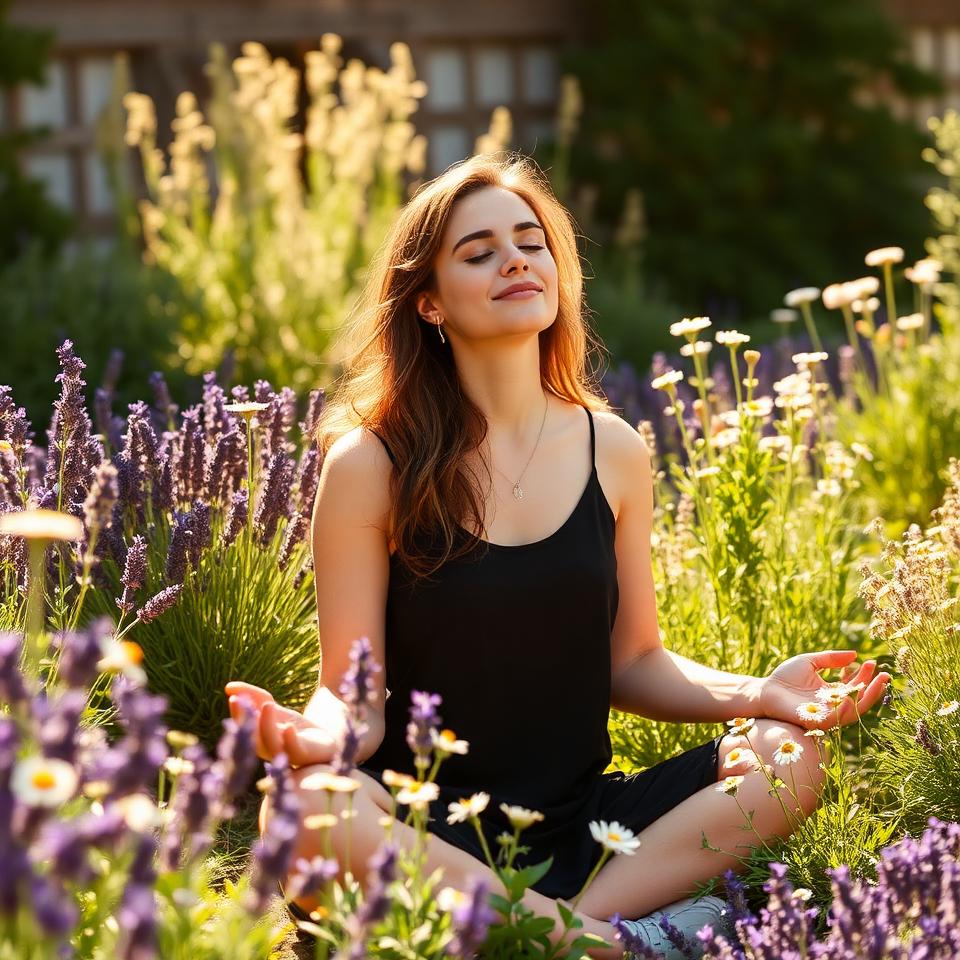
This is precisely where calming plants and herbs for anxiety come into play. Many medicinal plants possess adaptogenic, anxiolytic, or sedative properties that help the body manage stress more effectively. Adaptogens assist your body in adapting to stress, normalizing physiological functions, while anxiolytics specifically reduce anxiety, and sedatives promote relaxation and sleep. By working with your body's natural systems, these plants offer a holistic path to managing stress, contributing to overall mental and physical resilience.
The Physiology of Stress: A Brief Overview
Stress isn't just a feeling; it's a complex physiological process involving multiple systems in your body. When faced with a perceived threat, the amygdala, a primal part of your brain, signals the hypothalamus, which then activates the sympathetic nervous system. This cascade triggers the adrenal glands to release adrenaline and noradrenaline, preparing your body for immediate action. Your heart rate increases, muscles tense, and senses sharpen.
For more prolonged stress, the hypothalamus also activates the hypothalamic-pituitary-adrenal (HPA) axis. This leads to the release of cortisol, a steroid hormone that helps maintain energy levels and suppress non-essential functions during stress. While beneficial in short bursts, chronic elevation of cortisol can disrupt sleep, impair immune function, contribute to weight gain, and even impact cognitive function and mood regulation. Understanding these pathways is crucial to appreciating how botanicals can intervene.
How Medicinal Plants Offer Relief
Medicinal plants interact with these complex physiological pathways through their unique biochemical compounds. Here's the deal: these compounds, known as phytochemicals, can modulate neurotransmitter activity, influence hormonal balance, and reduce inflammation.
For instance, some plants contain compounds that mimic or enhance the activity of gamma-aminobutyric acid (GABA), an inhibitory neurotransmitter that calms nerve activity. Others may support the production of serotonin, a neurotransmitter associated with mood and well-being. Still others, known as adaptogens, help the body maintain homeostasis by influencing the HPA axis, thereby improving resilience to various stressors. The truth is: these natural remedies often work synergistically, offering a multi-faceted approach to stress management that synthetic drugs may not replicate.
02The Science Behind Calming Botanicals
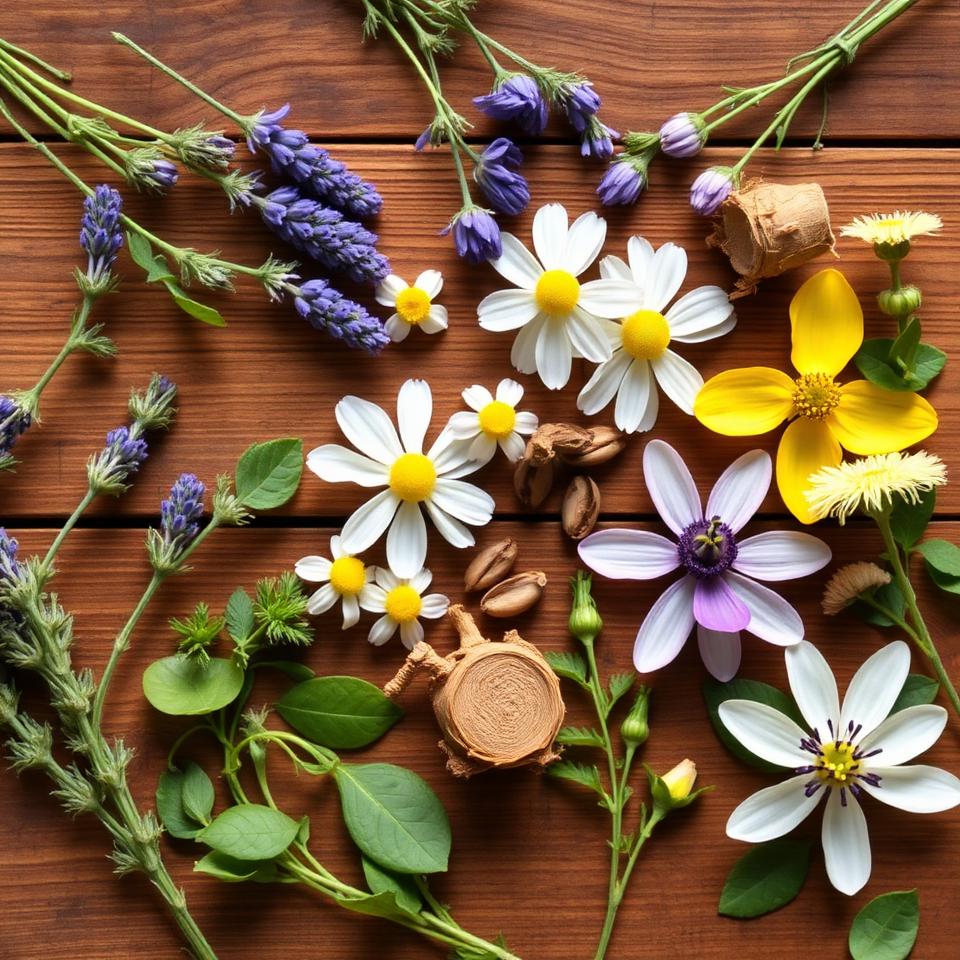
The efficacy of medicinal plants for stress relief is rooted in their rich phytochemistry, where a diverse array of bioactive compounds interact with our body's intricate systems. These compounds, including alkaloids, flavonoids, terpenes, and saponins, are responsible for the therapeutic effects observed across various cultures and increasingly validated by modern scientific research. Understanding these mechanisms helps us appreciate the depth of nature's pharmacy.
Key Phytochemicals and Their Actions
Many of the calming effects of medicinal plants can be attributed to specific classes of phytochemicals. Flavonoids, for example, found in plants like chamomile and passionflower, are known for their antioxidant and anti-inflammatory properties, and some have been shown to bind to GABA receptors, promoting relaxation. Terpenes, which give many plants their distinctive aromas (like lavender's linalool), also exhibit anxiolytic and sedative effects. Alkaloids, such as those found in kava, directly influence neurotransmitter systems.
Furthermore, compounds like rosmarinic acid in lemon balm or the triterpenoid saponins in adaptogens like ashwagandha contribute to their stress-reducing capabilities. These diverse compounds often work in concert, creating an entourage effect that may be more potent than isolated compounds. A study published in the Journal of Ethnopharmacology highlighted the synergistic actions of various plant compounds in modulating stress responses.
Modulating Neurotransmitters and Hormones
Many stress-relieving botanicals exert their effects by modulating neurotransmitter systems in the brain. For example, some plants enhance the activity of GABA, the primary inhibitory neurotransmitter, leading to reduced neuronal excitability and a calming effect. Think of GABA as your brain's "brake pedal."
But wait—it's not just GABA. Other plants can influence serotonin and dopamine pathways, which are crucial for mood, pleasure, and motivation. Adaptogens, in particular, are known to help regulate the HPA axis, balancing the release of stress hormones like cortisol. This systemic regulation helps the body achieve a state of equilibrium, reducing the physiological burden of chronic stress and fostering resilience. This intricate interplay underscores the sophisticated ways plants support our well-being.
03Top 12 Medicinal Plants for Stress Relief
Here, we delve into a carefully curated list of 12 medicinal plants, each offering unique properties to soothe the mind and body. These botanicals have centuries of traditional use and are increasingly supported by contemporary research for their stress-reducing potential. Each plant offers a distinct pathway to tranquility, making them valuable additions to any natural stress management regimen.
1. Lemon Balm (Melissa officinalis)
Lemon Balm is a gentle yet effective herb renowned for its calming properties, particularly for mild anxiety and sleep disturbances. Its historical use dates back to ancient Greece and Rome, where it was valued for its uplifting and soothing qualities.
- Key Properties: Anxiolytic, mild sedative, mood enhancer.
- Mechanism of Action: Research suggests that compounds like rosmarinic acid and other terpenes in Lemon Balm inhibit GABA transaminase, an enzyme that breaks down GABA, thereby increasing GABA availability in the brain. This leads to a calming effect on the nervous system.
- Modern Research: Clinical studies have shown that Lemon Balm can reduce anxiety levels, improve mood, and enhance cognitive performance. A dose of 600 mg of Lemon Balm extract, for example, has been observed to improve calmness and alertness in healthy adults.
- Traditional Use: Commonly used in teas, tinctures, and essential oils to alleviate nervousness, insomnia, and digestive upset related to stress. Its pleasant lemony scent also contributes to its therapeutic appeal.
- Suggested Use: Often consumed as a tea (1-2 tsp dried herb steeped in hot water for 5-10 minutes) or as a standardized extract.
2. Chamomile (Matricaria chamomilla)
Chamomile is perhaps one of the most well-known and widely used herbs for relaxation, cherished for its delicate flavor and profound calming effects. It has been a staple in traditional medicine across cultures for centuries, particularly for promoting sleep and easing digestive complaints.
- Key Properties: Anxiolytic, mild sedative, anti-inflammatory.
- Mechanism of Action: Its primary active compound, apigenin, is a flavonoid that binds to benzodiazepine receptors in the brain, similar to prescription anti-anxiety medications, though much more gently. This interaction helps to reduce anxiety and induce sleep.
- Modern Research: Numerous studies support Chamomile's efficacy in reducing generalized anxiety disorder (GAD) symptoms and improving sleep quality. A placebo-controlled study indicated significant reductions in GAD symptoms after 8 weeks of Chamomile extract use.
- Traditional Use: Most commonly enjoyed as an herbal tea, often before bedtime, to soothe frayed nerves and induce a restful state. It's also used topically for skin inflammation.
- Suggested Use: Steep 1-2 teaspoons of dried Chamomile flowers in hot water for 5-10 minutes for a calming tea.
3. Lavender (Lavandula angustifolia)
Lavender is celebrated globally for its distinctive fragrance and remarkable ability to promote relaxation and alleviate anxiety. Its uses span from aromatherapy to internal consumption, offering versatile pathways to calm. Its name comes from the Latin 'lavare,' meaning "to wash," reflecting its ancient use in baths for purification and relaxation.
- Key Properties: Anxiolytic, sedative, antidepressant, mood stabilizer.
- Mechanism of Action: The primary active compounds, linalool and linalyl acetate, are terpenes that are absorbed into the bloodstream and interact with neurotransmitters. They are believed to inhibit the release of excitatory neurotransmitters and enhance GABAergic activity, resulting in a calming effect.
- Modern Research: Oral Lavender preparations have shown efficacy in treating generalized anxiety and restlessness, comparable to some low-dose anxiolytic drugs, but without the sedative side effects. Inhalation of Lavender essential oil is also widely studied for its immediate calming effects.
- Traditional Use: Used in aromatherapy, as a sleep aid in sachets, and traditionally in teas and tinctures for nervous tension.
- Suggested Use: Diffuse 5-10 drops of essential oil, add a few drops to a bath, or use a standardized oral capsule (e.g., 80-160 mg daily for anxiety).
4. Valerian Root (Valeriana officinalis)
Valerian Root is one of the most potent natural sedatives, primarily recognized for its effectiveness in treating insomnia and nervous tension. Its strong, distinctive odor is often noted, but its calming properties outweigh this characteristic for many.
- Key Properties: Strong sedative, anxiolytic, hypnotic.
- Mechanism of Action: Valerian contains several compounds, including valerenic acid and valepotriates, which are thought to increase GABA levels in the brain, similar to benzodiazepines, but with a different binding site. This leads to reduced nerve excitability and promotes sleep.
- Modern Research: Numerous clinical trials support Valerian's use for improving sleep quality and reducing the time it takes to fall asleep. It is particularly effective for individuals with mild to moderate insomnia. Dosage of 400-900 mg of extract, taken 30 minutes to 2 hours before bed, is common.
- Traditional Use: Historically used for insomnia, anxiety, and nervousness. Its use as a sleep aid dates back to ancient Greece and Rome.
- Suggested Use: Typically taken as a tincture, capsule, or tea before bedtime. Due to its strong taste, capsules are often preferred.
5. Passionflower (Passiflora incarnata)
Passionflower is a beautiful climbing vine known for its intricate flowers and its traditional use as a calming herb for anxiety and sleeplessness. It offers a gentle yet effective approach to quieting an overactive mind.
- Key Properties: Anxiolytic, mild sedative, hypnotic.
- Mechanism of Action: Like many other calming herbs, Passionflower is believed to increase levels of GABA in the brain. Specific flavonoids, such as chrysin, are thought to be responsible for binding to GABA-A receptors, leading to a tranquilizing effect.
- Modern Research: Studies have shown Passionflower to be effective in reducing anxiety symptoms, sometimes comparable to prescription benzodiazepines for generalized anxiety disorder, but with fewer side effects. A typical dose of 45 drops of liquid extract daily has been shown to be effective.
- Traditional Use: Used by Native Americans and in traditional European medicine for anxiety, insomnia, and nervous restlessness.
- Suggested Use: Commonly used in teas, tinctures, or capsules. It can be taken during the day for anxiety or before bed for sleep.
6. Ashwagandha (Withania somnifera)
Ashwagandha, an ancient adaptogenic herb from Ayurvedic medicine, is celebrated for its ability to help the body adapt to stress, promote vitality, and improve overall well-being. Its name literally means "smell of the horse," alluding to its unique aroma and its traditional belief to impart the strength and vigor of a horse.
- Key Properties: Adaptogenic, anxiolytic, anti-inflammatory, neuroprotective.
- Mechanism of Action: The primary active compounds, called withanolides, modulate the HPA axis, reducing cortisol levels and improving stress resilience. They also influence neurotransmitters like GABA and serotonin, contributing to its calming and mood-stabilizing effects.
- Modern Research: Numerous clinical trials support Ashwagandha's significant role in reducing stress and anxiety, improving sleep quality, and enhancing cognitive function. Doses ranging from 300-600 mg of standardized extract daily are commonly used to show reductions in perceived stress scores and serum cortisol levels.
- Traditional Use: Used for thousands of years in India for rejuvenation, stress reduction, and improving stamina and sleep.
- Suggested Use: Most often taken as a standardized extract in capsule form or as a powder mixed into beverages. Consistent daily use is key for adaptogenic effects.
7. Rhodiola (Rhodiola rosea)
Rhodiola, also known as "golden root" or "arctic root," is a potent adaptogen native to cold, mountainous regions. It is highly valued for its ability to enhance mental and physical stamina, reduce fatigue, and improve the body's response to stress. It helps to manage stress without causing drowsiness or overstimulation.
- Key Properties: Adaptogenic, anti-fatigue, antidepressant, cognitive enhancer.
- Mechanism of Action: Its active compounds, particularly rosavins and salidrosides, help modulate the HPA axis and influence neurotransmitter levels (serotonin, dopamine, norepinephrine). This helps the body to maintain homeostasis during stressful periods, improving energy metabolism and stress resistance.
- Modern Research: Clinical studies have demonstrated Rhodiola's efficacy in reducing symptoms of stress, burnout, and fatigue, as well as improving mental performance under stress. A typical dosage ranges from 200-600 mg of standardized extract (containing 2-3% rosavins and 0.8-1% salidrosides) daily.
- Traditional Use: Used for centuries in traditional European and Asian medicine to increase physical endurance, longevity, and resistance to high-altitude sickness and stress.
- Suggested Use: Usually taken as a standardized extract in capsule form, often in the morning or early afternoon to avoid potential mild stimulation before bed.
8. Holy Basil (Ocimum sanctum or Ocimum tenuiflorum)
Holy Basil, or Tulsi, is a revered adaptogenic herb in Ayurvedic medicine, often called the "Queen of Herbs" or "Elixir of Life" due to its wide range of therapeutic benefits. It is renowned for its ability to foster resilience, reduce stress, and promote mental clarity.
- Key Properties: Adaptogenic, anxiolytic, anti-inflammatory, antioxidant, immunomodulatory.
- Mechanism of Action: Holy Basil's active compounds, including eugenol, rosmarinic acid, and various flavonoids, help normalize cortisol levels, modulate neurotransmitter systems (like serotonin and dopamine), and reduce oxidative stress. This comprehensive action supports the body's ability to cope with both physical and psychological stressors.
- Modern Research: Clinical studies indicate that Holy Basil can significantly reduce symptoms of stress, anxiety, and depression. It has been shown to improve mood and cognitive function, and even enhance sleep quality in stressed individuals. A common dose is 500 mg of leaf extract taken twice daily.
- Traditional Use: Deeply ingrained in Indian culture, used daily as a tonic, for religious rituals, and in herbal medicine for stress, coughs, colds, and overall well-being.
- Suggested Use: Often consumed as a tea (infusion of fresh or dried leaves), tincture, or standardized capsule. Regular, consistent use is recommended for adaptogenic benefits.
9. Ginseng (Panax ginseng - Asian/Korean, or Panax quinquefolius - American)
Ginseng, particularly Asian Ginseng (Panax ginseng) and American Ginseng (Panax quinquefolius), are highly valued adaptogens that help the body respond to physical and mental stress. While both are stress-relieving, they have slightly different profiles, with Asian Ginseng often considered more stimulating and American Ginseng more calming.
- Key Properties: Adaptogenic, energizing (Asian), calming (American), neuroprotective, immunomodulatory.
- Mechanism of Action: The primary active compounds, ginsenosides, interact with the HPA axis, neurotransmitter systems, and inflammatory pathways. They help to regulate the release of stress hormones, protect brain cells from damage, and improve energy metabolism.
- Modern Research: Ginseng has been shown to improve cognitive performance, reduce mental fatigue, and enhance resilience to stress. Studies on American Ginseng, for example, have demonstrated its anxiolytic effects and ability to improve working memory. Dosages vary, but 200-400 mg of standardized extract (typically 4-7% ginsenosides) daily is common.
- Traditional Use: Asian Ginseng has been a cornerstone of Traditional Chinese Medicine for millennia, used to boost vitality and longevity. American Ginseng was traditionally used by Native Americans for its more cooling and calming properties.
- Suggested Use: Taken as standardized extracts in capsules, teas, or tinctures. It's important to differentiate between species and consult a practitioner, especially with Asian Ginseng, which can be stimulating.
10. Kava (Piper methysticum)
Kava, derived from the root of a pepper plant native to the South Pacific islands, is well-known for its potent anxiolytic and muscle-relaxant properties. It has been traditionally used in ceremonial drinks to promote social bonding and relaxation.
- Key Properties: Strong anxiolytic, mild sedative, muscle relaxant.
- Mechanism of Action: The active compounds, kavalactones, interact with several neurotransmitter systems, including GABA receptors, dopamine, and norepinephrine pathways. They are believed to modulate voltage-gated ion channels, leading to a calming effect on the central nervous system without significant cognitive impairment.
- Modern Research: Clinical trials have shown Kava to be highly effective in treating generalized anxiety disorder, often comparable to prescription anxiolytics, with good tolerability for short-term use. A typical dosage of kavalactones is 60-120 mg daily, divided into multiple doses.
- Traditional Use: Consumed as a ceremonial drink for relaxation and social engagement in Pacific Island cultures for thousands of years.
- Suggested Use: Available as standardized extracts (capsules), tinctures, or traditionally prepared as a root beverage. Due to potential liver toxicity concerns with improper use or high doses, it is crucial to use only reputable, water-extracted products and consult a healthcare professional, especially for long-term use.
11. St. John's Wort (Hypericum perforatum)
St. John's Wort is a well-researched herb primarily known for its antidepressant properties, particularly for mild to moderate depression. Its use in stress relief often comes from its ability to improve mood and reduce associated anxiety.
- Key Properties: Antidepressant, anxiolytic, antiviral.
- Mechanism of Action: Its primary active compounds, hypericin and hyperforin, are thought to inhibit the reuptake of neurotransmitters like serotonin, norepinephrine, and dopamine, increasing their availability in the brain, similar to prescription antidepressants.
- Modern Research: Numerous meta-analyses confirm St. John's Wort's efficacy for mild to moderate depression, often comparable to selective serotonin reuptake inhibitors (SSRIs), with fewer side effects. It can also reduce anxiety often co-occurring with depression. A common dose is 300 mg of standardized extract (0.3% hypericin) three times daily.
- Traditional Use: Used since ancient times for nervous disorders, wound healing, and pain relief.
- Suggested Use: Most commonly taken as a standardized extract in capsule form. Important caution: St. John's Wort has significant interactions with many medications, including antidepressants, birth control, blood thinners, and immunosuppressants. Always consult a healthcare professional before use.
12. California Poppy (Eschscholzia californica)
California Poppy, the state flower of California, is a beautiful plant that is not just ornamental but also a gentle yet effective botanical for relaxation and sleep. It is milder than its opiate poppy relatives but still provides noticeable calming effects.
- Key Properties: Mild sedative, anxiolytic, analgesic.
- Mechanism of Action: Contains various alkaloids (e.g., californidine, protopine) that are believed to interact with GABA receptors, promoting relaxation and reducing anxiety. It acts as a gentle nervine, calming an overactive nervous system without significant sedation.
- Modern Research: While less extensively studied in human trials than some other herbs on this list, preclinical studies support its sedative and anxiolytic properties. It is often used in herbal formulas for sleep and anxiety.
- Traditional Use: Used by Native Americans for its mild sedative and analgesic properties, particularly for pain and sleep.
- Suggested Use: Commonly used as a tincture, tea (from dried aerial parts), or capsule. It's often combined with other calming herbs for enhanced effect.
| Plant Name | Primary Action Type | Key Active Compounds | Common Uses for Stress | Considerations/Cautions |
|---|---|---|---|---|
| Lemon Balm | Anxiolytic, Mild Sedative | Rosmarinic acid, Terpenes | Mild anxiety, nervousness, sleep support | Generally safe, few interactions. |
| Chamomile | Anxiolytic, Mild Sedative | Apigenin | General anxiety, insomnia, digestive upset | Possible allergic reaction (ragweed family). |
| Lavender | Anxiolytic, Sedative | Linalool, Linalyl acetate | Anxiety, restlessness, sleep disturbances | Oral forms effective; essential oil for aromatherapy. |
| Valerian Root | Strong Sedative, Hypnotic | Valerenic acid, Valepotriates | Insomnia, severe nervousness | Strong odor; potential morning grogginess. |
| Passionflower | Anxiolytic, Mild Sedative | Chrysin, Flavonoids | Anxiety, nervous restlessness, sleep. | Generally well-tolerated. |
| Ashwagandha | Adaptogenic | Withanolides | Chronic stress, anxiety, fatigue, cognitive support. | Consistent use needed; avoid in pregnancy/thyroid conditions without advice. |
| Rhodiola | Adaptogenic | Rosavins, Salidrosides | Fatigue, burnout, mental stamina under stress. | May be stimulating for some; take earlier in the day. |
| Holy Basil | Adaptogenic, Anxiolytic | Eugenol, Rosmarinic acid | General stress, anxiety, immune support. | Generally safe; potential blood-thinning effect. |
| Ginseng | Adaptogenic (Energizing/Calming) | Ginsenosides | Stress resistance, energy, cognitive function. | Can be stimulating (Asian Ginseng); interactions possible. |
| Kava | Strong Anxiolytic | Kavalactones | Acute anxiety, muscle relaxation. | Caution: Potential liver toxicity with improper use; consult a doctor. |
| St. John's Wort | Antidepressant, Anxiolytic | Hypericin, Hyperforin | Mild to moderate depression, associated anxiety. | Caution: Significant drug interactions (e.g., contraceptives, SSRIs). |
| California Poppy | Mild Sedative, Anxiolytic | Alkaloids (e.g., protopine) | Mild anxiety, restlessness, gentle sleep aid. | Generally safe; often combined with other herbs. |
04Choosing and Using Medicinal Plants Safely
While medicinal plants offer powerful natural solutions for stress relief, responsible use is paramount. It's crucial to approach herbal remedies with the same respect and caution one would accord to any other therapeutic agent. Ensuring safety involves informed choices about sourcing, preparation, and understanding potential interactions.
Explore Our Platforms
 InfiniCore DataWorks
 Nex-Automata
Consulting Healthcare Professionals
Before incorporating any new herbal remedy into your routine, especially if you have pre-existing health conditions, are pregnant or breastfeeding, or are taking prescription medications, consulting with a healthcare professional (doctor, naturopath, or qualified herbalist) is non-negotiable. Many herbs can interact with medications, altering their efficacy or increasing the risk of side effects. For example, St. John's Wort is notorious for its interactions with a wide array of drugs, including antidepressants and oral contraceptives.
Sourcing and Quality
The efficacy and safety of herbal products largely depend on their quality. Here's the deal: opt for reputable suppliers who provide organic, sustainably harvested, and third-party tested products. This ensures the herbs are free from pesticides, heavy metals, and adulterants, and that they contain the active compounds in advertised concentrations. Look for certifications that guarantee purity and potency. Flora Medical Global prioritizes research-grade quality to ensure optimal outcomes.
Dosage and Preparation Methods
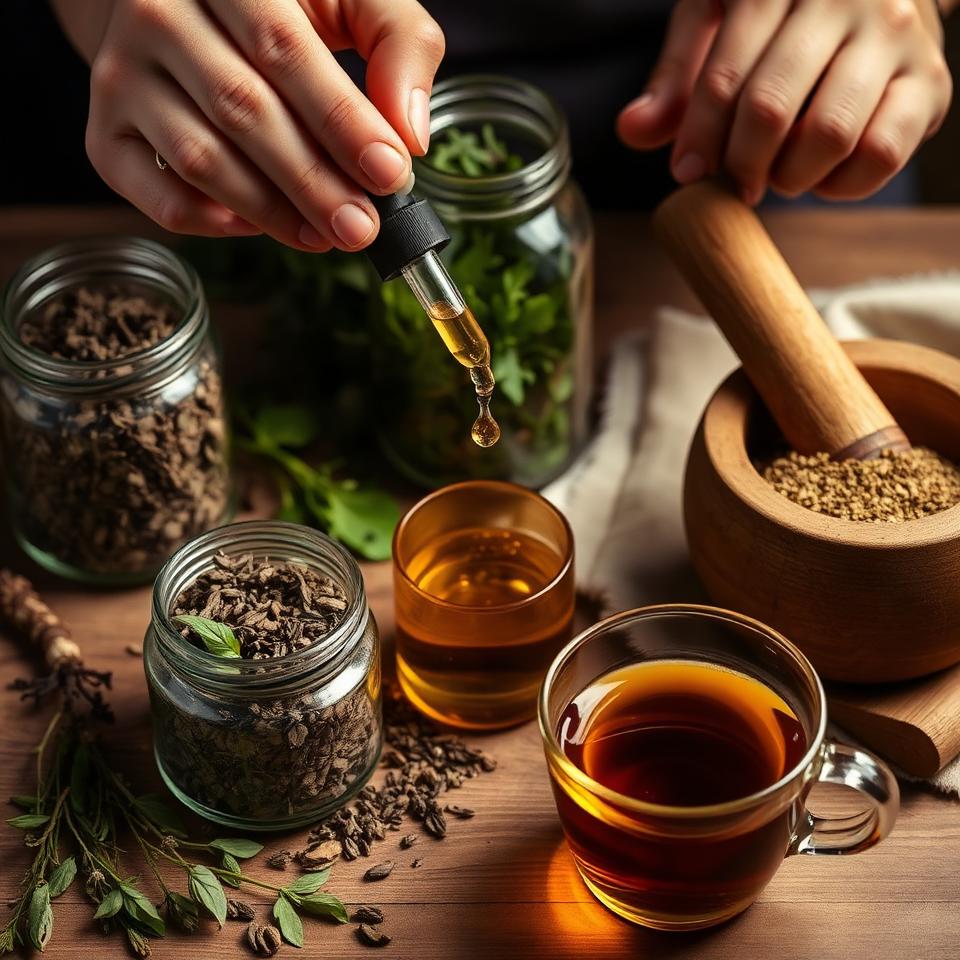
Dosage is critical and can vary significantly depending on the plant, the form of preparation (tea, tincture, capsule, essential oil), and individual factors like age and weight. Always follow the recommended dosages on product labels or as advised by your healthcare practitioner. Common preparation methods include:
- Teas/Infusions: Steeping dried herbs in hot water. Often suitable for milder herbs like chamomile and lemon balm.
- Tinctures: Alcohol-based extracts that are potent and quickly absorbed. Doses are typically measured in drops.
- Capsules/Tablets: Standardized extracts offering consistent dosing of active compounds, common for adaptogens like Ashwagandha and Rhodiola.
- Essential Oils: Used aromatically (diffused or inhaled) or topically (diluted in carrier oil). Not for internal consumption unless specifically labeled and advised by an expert.
Potential Side Effects and Interactions
Even natural remedies can have side effects or interact with other substances. Some common side effects might include digestive upset, allergic reactions, or mild drowsiness. It's important to start with a low dose and monitor your body's response. Always be aware of potential interactions with prescription drugs, over-the-counter medications, and other supplements. For instance, combining multiple sedating herbs with prescription sedatives can lead to excessive drowsiness.
05Integrating Herbal Remedies into Your Daily Routine
Incorporating stress-relieving botanicals into your daily life can be a simple yet profound step towards greater well-being. The key is consistency and creating rituals that support your intention for calm. This holistic approach extends beyond just consumption, embracing the sensory and mindful aspects of herbal use.
Creating Calming Rituals
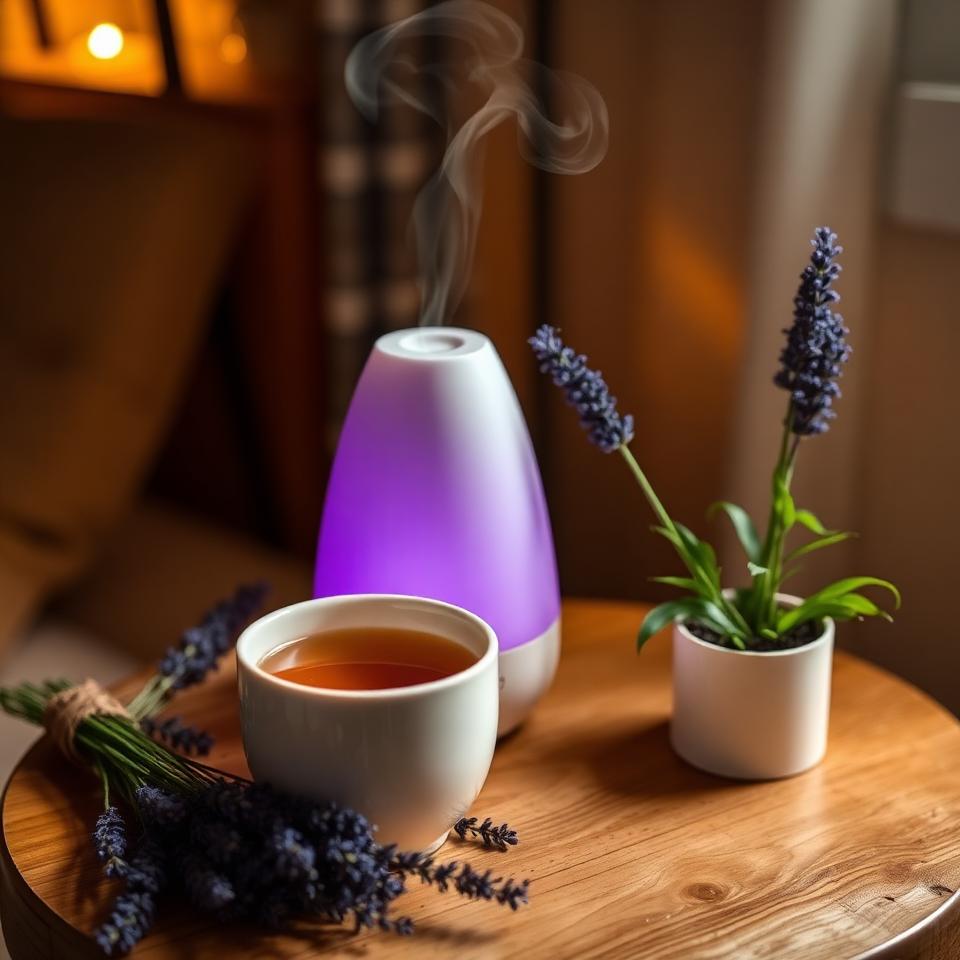
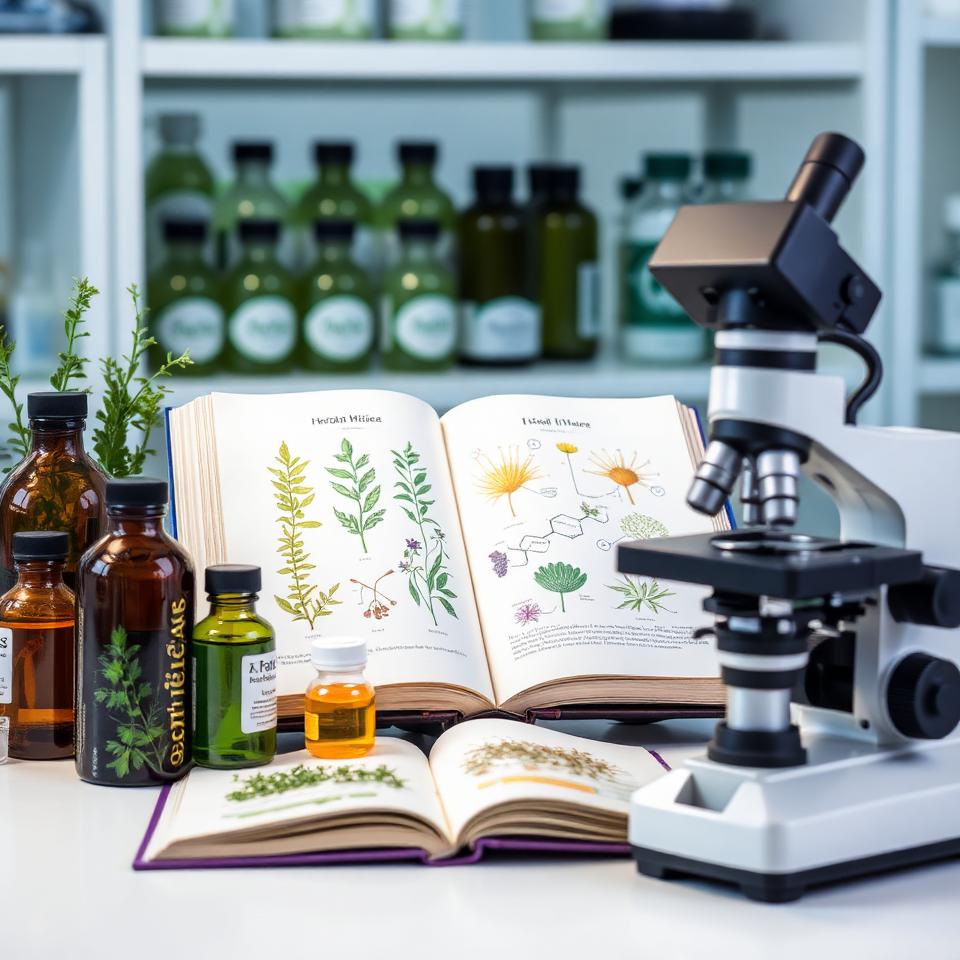
Beyond simply taking a supplement, consider how you can integrate these plants into a calming ritual. A cup of warm herbal tea, for example, offers more than just the botanical compounds; the act of preparing it, savoring its aroma, and taking a quiet moment provides a powerful psychological anchor for relaxation. Diffusing lavender essential oil while meditating or before sleep can signal to your body that it's time to unwind. These small, consistent actions reinforce the stress-relief benefits.
Holistic Approach to Stress Management
Medicinal plants are most effective when part of a broader, holistic approach to stress management. They are complementary tools, not standalone cures. The truth is: optimal stress relief often involves a combination of strategies:
- Balanced Diet: Nutrient-rich foods support overall brain health and reduce inflammation.
- Regular Exercise: Physical activity is a proven stress reducer and mood booster.
- Adequate Sleep: Prioritizing 7-9 hours of quality sleep is fundamental for mental and physical restoration.
- Mindfulness and Meditation: Practices like meditation, deep breathing, and yoga can significantly improve stress resilience.
- Social Connection: Strong social ties provide emotional support and reduce feelings of isolation.
By combining the wisdom of medicinal plants with these lifestyle practices, you can create a robust and sustainable framework for managing stress and cultivating a more balanced, tranquil life.
06Common Questions About 12 Best Medicinal Plants for Stress Relief — Natural Herbs That Calm Your Mind & Body
Can medicinal plants cure anxiety or depression?
Medicinal plants can be highly effective in managing symptoms of mild to moderate anxiety and depression, and in supporting the body's stress response. However, they are generally not considered a "cure," especially for severe conditions. They work best as part of a holistic treatment plan, often alongside conventional therapies and lifestyle changes. Always consult a healthcare professional for diagnosis and treatment of mental health conditions.
Are herbal remedies safe for long-term use?
The long-term safety of herbal remedies varies greatly by plant and individual. Some adaptogens like Ashwagandha and Holy Basil are often used long-term with good safety profiles, while others like Valerian are typically recommended for shorter periods or intermittent use. It's crucial to research each herb individually and consult with a healthcare professional to determine appropriate long-term use, especially if you have underlying health conditions.
How quickly do medicinal plants work for stress relief?
The onset of effects varies. Some herbs, like Chamomile or Lavender essential oil, can provide almost immediate calming effects for acute stress. Adaptogenic herbs like Ashwagandha and Rhodiola, however, typically require consistent daily use over several weeks (e.g., 2-4 weeks) to build up their effects and improve overall stress resilience. Patience and consistency are key.
Can children or pregnant women use these herbs for stress?
Generally, many herbs on this list are NOT recommended for children or pregnant/breastfeeding women without explicit guidance from a qualified healthcare professional. Their bodies are more sensitive, and certain compounds can pose risks. Mild herbs like Chamomile may be acceptable in small doses for children, but medical advice is essential before any use.
Are there any side effects to watch out for with stress-relief herbs?
Yes, even natural herbs can have side effects. Common ones can include drowsiness, digestive upset, or allergic reactions (e.g., to Chamomile if you're sensitive to ragweed). More potent herbs like Valerian can cause morning grogginess, and Kava has potential liver toxicity concerns with improper use. Always start with a low dose and discontinue use if adverse reactions occur, consulting a doctor if necessary.
Can I combine different stress-relieving herbs?
Combining herbs is common in traditional herbalism and can often enhance effects due to synergy. However, it's vital to do so cautiously and ideally under the guidance of a qualified herbalist or healthcare practitioner. Combining too many sedating herbs, for example, could lead to excessive drowsiness. Understanding the properties of each herb is crucial to avoid unintended interactions or amplified effects.
What's the difference between an anxiolytic and an adaptogenic herb?
Anxiolytic herbs directly reduce anxiety symptoms by influencing neurotransmitters, often leading to a calming or sedating effect (e.g., Passionflower, Chamomile). Adaptogenic herbs, on the other hand, help the body adapt to various stressors by modulating the HPA axis and improving overall resilience, without necessarily causing direct sedation (e.g., Ashwagandha, Rhodiola). They help normalize physiological functions rather than just suppressing symptoms.
How should I store dried herbs and tinctures to maintain potency?
To maintain potency, dried herbs should be stored in airtight containers, away from direct sunlight, heat, and moisture. A cool, dark pantry is ideal. Tinctures should also be stored in a cool, dark place, away from direct light, often in amber glass bottles. Proper storage helps prevent degradation of active compounds and extends their shelf life, which can range from 6 months to several years depending on the herb and preparation.
Are herbal supplements regulated by the FDA (or similar bodies globally)?
In many countries, including the U.S., herbal supplements are regulated differently than pharmaceutical drugs. In the U.S., they are regulated as food, not drugs, meaning they do not undergo the same rigorous pre-market testing for safety and efficacy. Manufacturers are responsible for ensuring safety, but the FDA does not approve them before they are sold. This makes choosing reputable, third-party tested brands even more important. Other countries may have different regulatory frameworks.
Can I grow my own stress-relief herbs at home?
Absolutely! Many stress-relieving herbs like Lemon Balm, Chamomile, Lavender, and Holy Basil are relatively easy to grow in a home garden or even in pots. Growing your own herbs ensures freshness, organic quality, and provides a therapeutic activity in itself. Always research the specific growing conditions for each plant to ensure success.
What form of herbal remedy is most effective for stress?
The most effective form depends on the herb and the desired effect. Teas are excellent for a gentle, calming ritual and for herbs like Chamomile. Tinctures offer quick absorption and potency. Standardized capsules provide consistent dosing, which is often preferred for adaptogens like Ashwagandha where precise active compound levels are important. Essential oils are primarily for aromatherapy. The "best" form is often the one you can use consistently and safely.
Do I need to take a break from stress-relief herbs?
For some herbs, especially stronger sedatives like Valerian or adaptogens, periodic breaks (e.g., a week off every few months) are sometimes recommended to prevent tolerance build-up or to reassess your body's natural state. However, many gentle nervines and adaptogens can be used consistently. Always consult with a qualified herbalist or healthcare provider for personalized advice on cycling herbs.
0712 Best Medicinal Plants for Stress Relief — Natural Herbs That Calm Your Mind & Body: Key Takeaways
The journey to managing stress can be profoundly supported by the ancient wisdom and modern science behind medicinal plants. From the gentle anxiolytic touch of Lemon Balm to the powerful adaptogenic resilience offered by Ashwagandha, nature provides a rich pharmacy of botanicals capable of calming the mind and soothing the body.
The key takeaways are clear: stress is a complex physiological response that can be effectively modulated by specific phytochemicals found in these plants. Understanding the mechanisms, whether it's enhancing GABA, balancing cortisol, or influencing neurotransmitters, empowers us to make informed choices. However, informed choice also means prioritizing safety, consulting experts, and sourcing high-quality products.
Ultimately, integrating these potent botanicals into a holistic lifestyle—one that includes mindful practices, healthy diet, and adequate rest—offers the most comprehensive and sustainable path to tranquility. As you explore this fascinating world, remember that nature's remedies are powerful allies, guiding us toward a more balanced and resilient existence.
08Sources & Further Reading on 12 Best Medicinal Plants for Stress Relief — Natural Herbs That Calm Your Mind & Body
Authoritative sources and related guides:
- Wikipedia — background reference
- PubMed — peer-reviewed studies
- Kew POWO — botanical reference
- NCBI PMC — open-access research
- WHO — global health authority
Related on Flora Medical Global
- View the full plant profile
- Explore all medicinal plants
- Browse the disease index
Reviewed by the Flora Medical Global Botanical Review Panel
Multi-disciplinary editorial group · Botany · Ethnobotany · Herbal-medicine literature
Who reviewed this: This page was checked by the Flora Medical Global Botanical Review Panel — an in-house editorial group of botany graduates, ethnobotany researchers, and horticulture practitioners who collectively maintain our 7,000+ plant encyclopedia. Meet the team.
Our 4-step verification process
1. Taxonomic verification
Scientific names and synonyms cross-checked against Kew POWO, World Flora Online, and The Plant List.
2. Phytochemical & medicinal cross-reference
Active compounds, traditional uses, and reported activities are cross-referenced with PubMed, USDA Dr. Duke's database, and peer-reviewed ethnobotanical literature.
3. Conservation & distribution check
Distribution, ecology, and conservation status confirmed against GBIF occurrence records and the IUCN Red List.
4. Editorial & safety review
Every entry passes an editorial pass for clarity, originality, and safety notices (toxicity, contraindications, dosage caveats) before publication.
Last reviewed:
Important medical disclaimer: This content is for educational and research purposes only. It is not medical advice and is not a substitute for consultation with a licensed healthcare provider. Do not use any herb to self-treat a medical condition without professional guidance.
Explore Our Platforms
Comments (0)
No comments yet. Be the first!