Black Alder: Benefits, Uses & Safety
 Flora Medical GlobalPublished: 4/10/2026Updated: 6/16/202621 min read
Editorial Disclaimer: This article is for informational and educational purposes only. It is not a substitute for professional medical advice, diagnosis, or treatment. Always consult a qualified healthcare provider or certified herbalist before using any plant for medicinal purposes, especially if you are pregnant, nursing, taking medication, or have a medical condition.
01What is Black Alder?
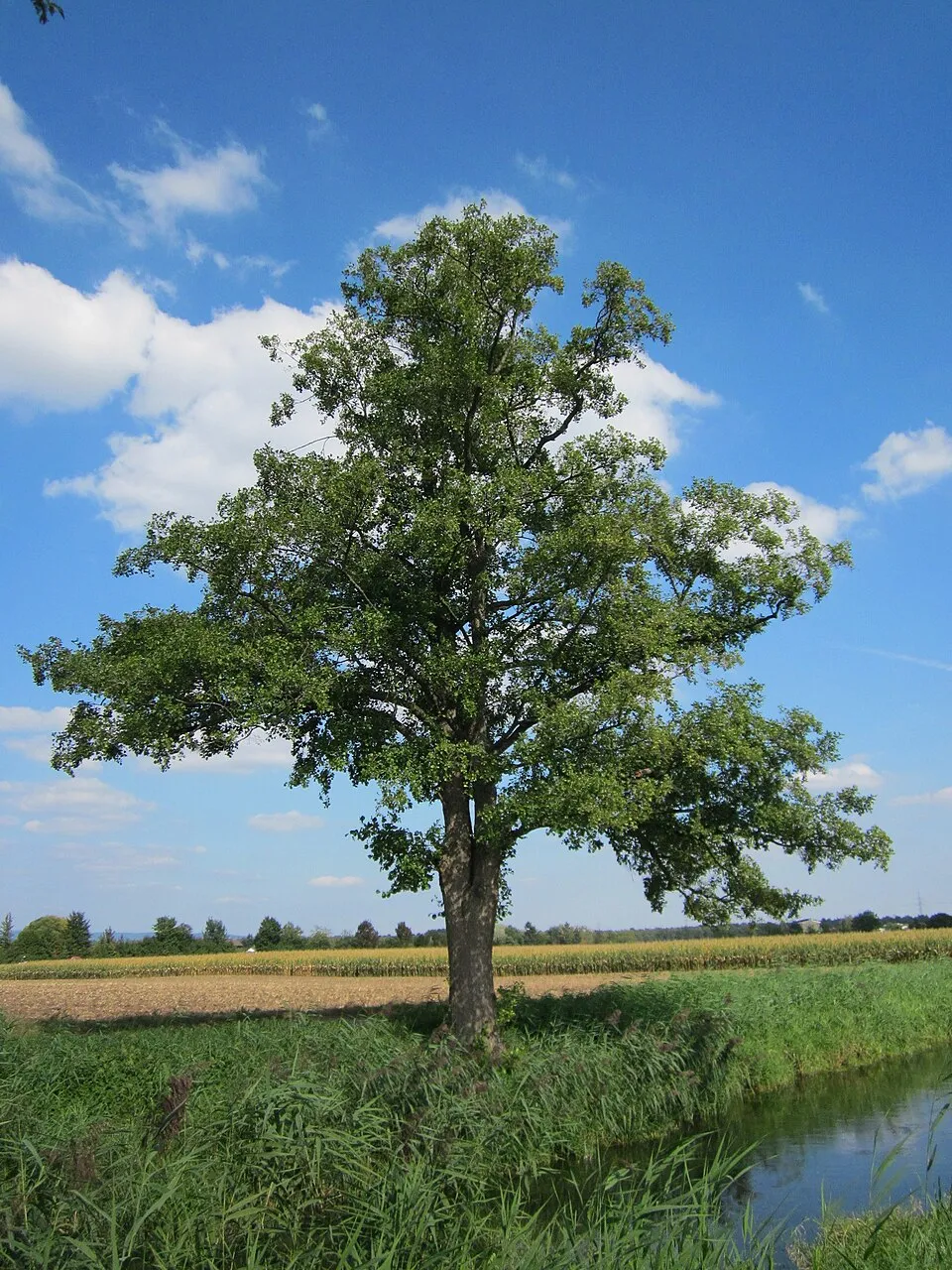
Black Alder, scientifically known as Alnus glutinosa, is a resilient deciduous tree native to most of Europe, southwest Asia, and northern Africa, belonging to the Betulaceae family, which notably includes birches and hazels.
Most thin plant articles flatten everything into a summary. This guide does the opposite by following Black Alder through identification, care, handling, and the questions that real readers actually ask.
The linked plant page remains the main internal reference point for this article, but the goal here is to turn that raw data into a readable, structured, and genuinely useful guide.
- Black Alder (Alnus glutinosa) is a European riparian tree known for its ecological resilience and traditional medicinal uses.
- Rich in tannins, diarylheptanoids, and flavonoids, it exhibits astringent, anti-inflammatory, and antioxidant properties.
- Historically used for bleeding, sore throats, fevers, swelling, and digestive issues.
- Preliminary research suggests potential anticancer activity from specific compounds.
- Important contraindications include pregnancy, breastfeeding, and concurrent use with certain chemotherapy drugs.
- Always consult a healthcare professional before using Black Alder due to limited scientific evidence on human efficacy and safety.
02Black Alder: Taxonomy & Classification
Black Alder should be anchored to the correct taxonomic identity before any discussion of care, use, or safety begins.
| Common name | Black Alder |
|---|---|
| Scientific name | Alnus glutinosaW |
| Family | Betulaceae |
| Order | Fagales |
| Genus | Alnus |
| Species epithet | glutinosa |
| Author citation | L. |
| Basionym | Betula alnus var. glutinosa L. |
| Synonyms | Alnus glutinosa f. corticiformis Molskii, Alnus aurea K.Koch, Alnus glutinosa f. pyramidalis Dippel, Alnus glutinosa f. imperialis Dippel, Alnus glutinosa f. macrocarpa Req., Alnus glutinosa f. incisa Willd., Alnus glutinosa f. quercifolia Willd., Alnus glutinosa var. incisa (Willd.) Regel, Alnus glutinosa f. longipediculata A.Br., Alnus glutinosa f. corticiformis Molskii ex Sicinski & Filipiak, Alnus communis Desf., 1804, Alnus glutinosa f. parvifolia Kuntze |
| Common names | ব্ল্যাক অ্যাল্ডার, আলনাস গ্লুটিনোসা, Black Alder, European Alder, काला एल्डर |
| Local names | European black alder, Zwarte els, Aulne glutineux, Verne, Schwarzerle, Gwernen, Ontano comune, Schwarz-Erle, Rød-el, Aulne glutineux, Verne, Vergne, Gwern, European alder |
| Origin | Europe, North Africa, and temperate Asia |
| Life cycle | Annual |
| Growth habit | Tree |
Using the accepted scientific name Alnus glutinosa helps readers avoid confusion caused by old synonyms, loose common names, or inconsistent plant labels.
Family and order placement also matter because they explain recurring structural traits, likely relatives, and the kinds of mistakes readers often make when they rely on appearance alone.
03Identifying Black Alder
A practical reading of the plant starts with visible structure:
- Leaf: Simple, alternate, obovate to rounded, 4-10 cm long, margin irregularly serrated, usually sticky when young, dark green above, paler and sometimes.
- Stem: Slender, often reddish-brown, lenticelled when mature.
- Root: Fibrous, shallow root system, adapted to waterlogged soils; forms symbiotic nodules with Frankia bacteria for nitrogen fixation.
- Flower: Monoecious; male catkins cylindrical, pendulous, 5-10 cm long, yellowish-brown; female catkins ovoid, erect, 1-2 cm long, reddish-green.
- Fruit: Small, woody, cone-like strobiles (aments), 1-2 cm long, persistent on the tree, containing many small, winged seeds.
- Seed: Small, ovate, winged.
Field identification becomes easier when these traits are kept in view: Less common in herbal commerce due to its specific uses. Potential adulteration could occur with other Alnus species or unrelated barks/leaves if. High-resolution images of: 1. Mature tree habit; 2. Close-up of leaves (adaxial and abaxial surfaces, showing venation and apex/base); 3. Close-up. Alnus incana (Grey Alder) has distinctly pointed leaves with sharper teeth and often glaucous undersides, and non-stalked buds. Alnus viridis (Green).
Microscopic or internal identification notes deepen the picture, especially for processed material: Unicellular and multicellular non-glandular trichomes are present, along with occasional glandular trichomes, varying in density depending on the. Anomocytic stomata are predominantly observed on the abaxial (lower) surface of the leaves, characterized by irregular subsidiary cells. Powdered bark reveals fragments of lignified vessels, parenchymatous cells, numerous tannin-containing cells, and calcium oxalate crystals.
In overall habit, the plant is described as Tree with a mature height around Typically 5-25 m and spread of Typically 3-15 m.
04Native Range of Black Alder
The native or historically recorded center of distribution for Black Alder is Europe, North Africa, and temperate Asia. That origin is more than background trivia; it explains how the plant responds to heat, moisture, shade, and seasonal change.
The plant is associated with the following countries or range markers: Albania, Algeria, Belarus, Belgium, Bosnia and Herzegovina, Bulgaria, Croatia, Czech Republic, Denmark, Estonia, Finland, France.
Environmental notes in the live record add more context: Alnus glutinosa thrives in temperate and boreal zones. It is commonly found in riparian areas, along the edges of lakes, ponds, and marshes, and in wet woodlands and floodplains. It prefers humid climates and can tolerate a wide range of soil types, from sandy to heavy clay, as long as they are consistently moist or waterlogged. It is particularly.
In cultivation terms, the main ecological clues are: Full Sun; Daily; Tolerates a wide range, including clay, loam, and sand, but prefers damp, fertile, acidic to neutral soils. Excellent in waterlogged conditions. Usually 5-10; Annual; Tree.
Physiology data reinforce the habitat story: Highly tolerant to waterlogging and can thrive in nutrient-poor soils due to its symbiotic relationship with nitrogen-fixing Frankia alni bacteria. Alnus glutinosa employs the C3 photosynthetic pathway, common in temperate deciduous trees. Exhibits a relatively high transpiration rate, reflecting its adaptation to consistently moist or waterlogged environments.
05Black Alder: Traditional Importance
In Celtic mythology, alder was considered sacred and associated with the sea and water deities. It was believed to offer protection and was used in amulets. Historically, alder wood was used for making shields and spears due to its strength and lightness. In some traditions, alder was connected to the underworld and cycles of death and rebirth. The practice of planting alder trees around sacred wells and springs.
Ethnobotanical records also show how this plant has been framed across different places: Alterative (Uphof, J.C. Th. 1968. Dictionary of economic plants. 2nd ed. Verlag von J. Cramer.); Astringent in Turkey (Steinmetz, E.F. 1957. codex Vegetabilis. Published by the author, Amsterdam.); Astringent (Uphof, J.C. Th. 1968. Dictionary of economic plants. 2nd ed. Verlag von J. Cramer.); Detersive in Turkey (Steinmetz, E.F. 1957. codex Vegetabilis. Published by the author, Amsterdam.); Diuretic in Turkey (Steinmetz, E.F. 1957. codex Vegetabilis. Published by the author, Amsterdam.); Fever in Turkey (Steinmetz, E.F. 1957. codex Vegetabilis. Published by the author, Amsterdam.); Sudorific in Turkey (Steinmetz, E.F. 1957. codex Vegetabilis. Published by the author, Amsterdam.); Tonic in Turkey (Steinmetz, E.F. 1957. codex Vegetabilis. Published by the author, Amsterdam.).
Local names help show how different communities notice and classify the plant: European black alder, Zwarte els, Aulne glutineux, Verne, Schwarzerle, Gwernen, Ontano comune, Schwarz-Erle, Rød-el, Aulne glutineux, Verne, Vergne.
Traditional context matters, but it should always be separated from modern certainty. Historical use can guide questions, yet it does not automatically prove present-day clinical effectiveness.
06Black Alder Health Benefits
The main benefit themes associated with the plant include:
- Astringent Properties — The bark and leaves are rich in tannins, which confer astringent qualities, making them useful for reducing minor bleeding, tightening.
- Anti-inflammatory Action — Compounds like diarylheptanoids and flavonoids present in Black Alder may help mitigate inflammation, offering potential relief for.
- Antimicrobial Effects — Traditional applications for sore throat suggest the presence of compounds with antimicrobial activity, which may help combat.
- Antipyretic Support — Historically, Black Alder has been employed as a febrifuge, assisting in the reduction of fever through its systemic effects.
- Laxative Qualities — Certain traditional uses indicate a mild laxative effect, which could aid in relieving constipation and promoting bowel regularity.
- Wound Healing — Applied topically, the astringent and antiseptic properties of Black Alder can support the healing of minor wounds, cuts, and skin irritations.
- Antioxidant Activity — The plant contains phenolic compounds, including diarylheptanoids and flavonoids, which act as powerful antioxidants, protecting cells.
- Oral Health Support — Due to its astringent and potential antimicrobial properties, Black Alder decoctions are traditionally used as a gargle to soothe sore.
The evidence matrix gives a more careful picture of those claims: Astringent for bleeding and diarrhea. Ethnobotanical. Traditional/Historical. Bark decoctions have been historically used to staunch minor bleeding and manage diarrheal conditions, attributed to high tannin content. Anti-inflammatory for rheumatoid arthritis and swelling. In vitro/Animal Studies. Limited Preclinical. Research indicates diarylheptanoids from Alnus glutinosa exhibit anti-inflammatory activity in laboratory settings, supporting traditional uses for inflammatory conditions. Sore throat relief when used as a gargle. Anecdotal/Traditional Use. Traditional/Empirical. Gargles prepared from Black Alder bark or leaf extracts are a long-standing traditional remedy for soothing sore throats and oral inflammations. Potential anticancer activity. In vitro. Early Preclinical. Specific diarylheptanoids, like hirsutanone, isolated from Alnus glutinosa, have demonstrated cytotoxic effects against various cancer cell lines in laboratory studies.
The stored evidence confidence for this profile is traditional. That should shape how strongly any benefit statement is interpreted.
For medicinal content, the key discipline is to distinguish traditional use, mechanism-based plausibility, and human clinical support. Those are related ideas, but they are not the same thing.
- Astringent Properties — The bark and leaves are rich in tannins, which confer astringent qualities, making them useful for reducing minor bleeding, tightening.
- Anti-inflammatory Action — Compounds like diarylheptanoids and flavonoids present in Black Alder may help mitigate inflammation, offering potential relief for.
- Antimicrobial Effects — Traditional applications for sore throat suggest the presence of compounds with antimicrobial activity, which may help combat.
- Antipyretic Support — Historically, Black Alder has been employed as a febrifuge, assisting in the reduction of fever through its systemic effects.
- Laxative Qualities — Certain traditional uses indicate a mild laxative effect, which could aid in relieving constipation and promoting bowel regularity.
- Wound Healing — Applied topically, the astringent and antiseptic properties of Black Alder can support the healing of minor wounds, cuts, and skin irritations.
- Antioxidant Activity — The plant contains phenolic compounds, including diarylheptanoids and flavonoids, which act as powerful antioxidants, protecting cells.
- Oral Health Support — Due to its astringent and potential antimicrobial properties, Black Alder decoctions are traditionally used as a gargle to soothe sore.
- Potential Anticancer Properties — Early preclinical research has identified specific diarylheptanoids, such as hirsutanone, exhibiting cytotoxic activity.
- Venotonic Effects — The presence of flavonoids may contribute to strengthening blood vessel walls, potentially offering benefits for conditions related to.
07Black Alder Phytochemistry
The broader constituent profile includes:
- Diarylheptanoids — Key compounds include hirsutanone, oregonin, and platyphyllone, which are extensively studied for.
- Tannins — Predominantly gallotannins and ellagitannins, responsible for the plant's potent astringent and antiseptic.
- Flavonoids — Such as quercetin, kaempferol, and their glycosides, contributing to the plant's antioxidant.
- Phenolic Acids — Including caffeic acid, p-coumaric acid, and ferulic acid, which provide additional antioxidant and.
- Triterpenoids — Compounds like betulin, lupeol, and oleanolic acid derivatives, known for their anti-inflammatory.
- Lignans — Syringaresinol and other related compounds, which exhibit antioxidant and potential anticarcinogenic.
- Steroids — Beta-sitosterol and campesterol, contributing to anti-inflammatory and cholesterol-lowering properties.
- Salicin Derivatives — While less prominent than in Salix species, some salicin-like compounds may contribute to mild.
- Proanthocyanidins — Oligomeric and polymeric forms of flavan-3-ols, enhancing antioxidant capacity and vascular health.
The detailed phytochemistry file adds these markers: Hirsutanone, Diarylheptanoid, Leaves, bark, Variable% dry weight; Oregonin, Diarylheptanoid, Bark, leaves, Variable% dry weight; Quercetin-3-O-glucoside, Flavonoid, Leaves, Variablemg/g; Gallic acid, Phenolic Acid, Bark, Variablemg/g; Betulin, Triterpenoid, Bark, Variable% dry weight; Ellagic acid, Tannin, Bark, Variablemg/g.
Local chemistry records also support the profile: EMODIN in Bark (not available-not available ppm); BETA-SITOSTEROL in Bark (not available-not available ppm); TANNIN in Bark (not available-200000.0 ppm); HYPEROSIDE in Bark (not available-not available ppm); LUPEOL in Bark (not available-not available ppm); SUCROSE in Leaf (not available-not available ppm); BRASSINOLIDE in Plant (not available-not available ppm); TARAXEROL in Bark (not available-not available ppm).
Compound profiles also shift with plant part, age, season, processing, and storage. The chemistry of a fresh leaf, dried root, or concentrated extract should never be treated as automatically identical.
08How to Use Black Alder
- Recorded preparation and use methods include Decoction (Bark) — Prepare by simmering 10-15g of dried bark in 500ml of water for 15-20 minutes. Used internally for bleeding, fever, or as a strong gargle for sore throats. Infusion (Leaves) — Steep 5-10g of dried leaves in 250ml of hot water for 10-15 minutes. Used as a milder internal tonic or for topical applications like compresses.
- Tincture — An alcohol extract of the bark or leaves, typically 1:5 ratio in 40-60% alcohol. Dosages vary, usually 2-5ml taken 2-3 times daily, under professional guidance.
- Poultice — Crush fresh leaves or bark and apply directly to affected skin areas to reduce swelling, inflammation, or aid in wound healing. Gargle/Mouthwash — A cooled bark decoction can be used frequently to soothe sore throats, alleviate gum inflammation, and improve oral hygiene.
- Topical Compress — Soak a cloth in a strong bark decoction and apply to sprains, bruises, or rheumatic joints for anti-inflammatory relief.
- Herbal Bath Additive — Add a large infusion or decoction of leaves and bark to bathwater to help soothe widespread skin irritations or muscle aches.
The plant part most closely linked to use is recorded as Leaves, bark, fruit, or seeds commonly cited in related taxa.
Edibility and processing notes matter here as well: Varies by species and plant part; verify before use.
Preparation defines the outcome. Tea, decoction, tincture, powder, fresh plant material, cooked food use, and concentrated extract cannot be discussed as if they were interchangeable.
- Identify the exact species and plant part first.
- Match the preparation to the intended use.
- Check safety, interactions, and processing details before routine use or large-scale handling.
09Black Alder Side Effects & Safety
The first safety note is direct: Alnus glutinosa is generally considered non-toxic to humans and animals. The bark and leaves have been used medicinally for centuries without significant reports of acute toxicity. However, as with any plant, excessive ingestion should be.
Specific warnings recorded for this plant include Consult Healthcare Professional — Always seek advice from a qualified healthcare practitioner before using Black Alder, especially if pregnant, breastfeeding. Pregnancy and Lactation Contraindication — Avoid use during pregnancy and breastfeeding due to a lack of sufficient safety data. Chemotherapy Interaction — Strictly contraindicated if taking anti-cancer drugs such as cisplatin or doxorubicin, as Black Alder may interfere with their. Allergic Sensitivity — Individuals with known allergies to birch pollen or other Betulaceae family members should exercise caution due to potential. Dosage Adherence — Adhere strictly to recommended dosages and avoid self-medication, as appropriate dosing information is limited for Black Alder. Children and Elderly — Use in children and the elderly should be approached with caution and under strict medical supervision due to insufficient specific. Quality Assurance — Ensure that any Black Alder products are sourced from reputable suppliers to guarantee purity, potency, and absence of contaminants. Allergic Reactions — Individuals sensitive to plants in the Betulaceae family may experience allergic reactions such as skin rashes, itching, or respiratory. Gastrointestinal Upset — High doses or prolonged internal use may lead to mild gastrointestinal discomfort, including nausea, stomach ache, or diarrhea. Drug Interactions — Black Alder may interact with certain chemotherapy drugs, specifically cisplatin and doxorubicin, potentially reducing their effectiveness.
Quality-control notes add another warning: There is a risk of adulteration with other Alnus species or unrelated barks; microscopic and chromatographic analysis are crucial for identification.
No plant should be described as universally safe. Identity, dose, plant part, preparation style, age, pregnancy status, medication use, allergies, and contamination risk all change the answer.
10Black Alder Cultivation Guide
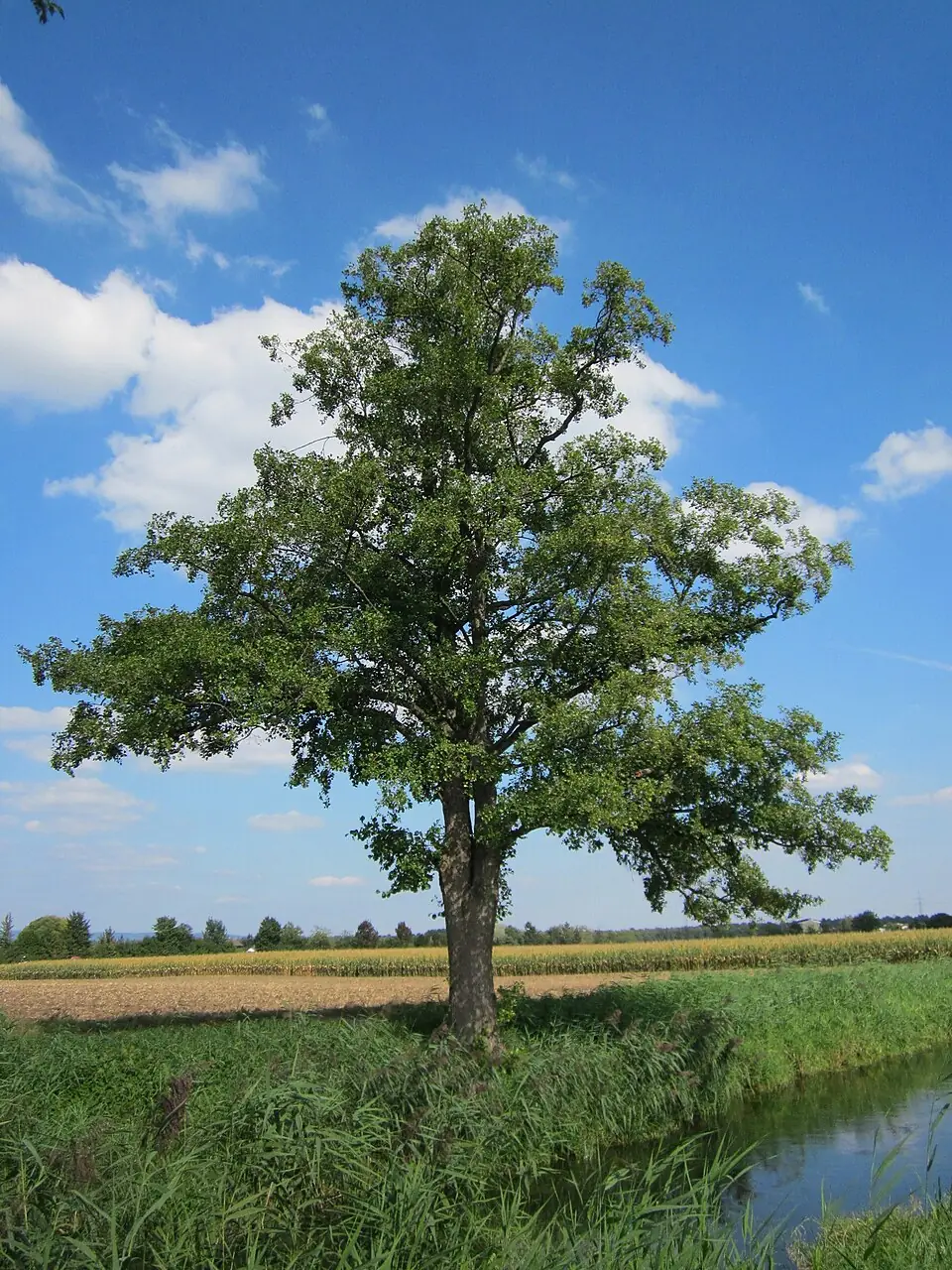
The cultivation record emphasizes these practical steps:
- Site Selection — Black Alder thrives in moist to wet soils, making it ideal for riparian zones, pond edges, and areas with high water tables; it tolerates full sun to partial shade.
- Soil Requirements — Highly adaptable to various soil types, including heavy clay, poor, and waterlogged soils, but prefers slightly acidic to neutral pH.
- Propagation — Primarily propagated by seeds, which require a period of cold stratification for optimal germination, or vegetatively through root suckers or stem cuttings.
- Planting — Best planted in early spring or autumn. Ensure adequate spacing (typically 3-5 meters apart) to accommodate its mature size and root spread. Water & Nutrients — Requires consistent moisture, especially during establishment. Benefits from its nitrogen-fixing capabilities, reducing the need for external.
- Maintenance — Generally low maintenance. Pruning can be done to shape the tree or remove dead/diseased branches. It is relatively resistant to pests and diseases.
- Harvesting — Bark is typically harvested from branches in spring or early summer, while leaves can be collected throughout the growing season, ensuring sustainable.
The broader growth environment is described like this: Alnus glutinosa thrives in temperate and boreal zones. It is commonly found in riparian areas, along the edges of lakes, ponds, and marshes, and in wet woodlands and floodplains. It prefers humid climates and can tolerate a wide range of soil types, from sandy to heavy clay, as long as they are consistently moist or waterlogged. It is particularly.
Planning becomes easier when these traits are kept in view: Tree; Typically 5-25 m; Typically 3-15 m; Fast; Beginner.
In practice, healthy cultivation comes from systems thinking rather than one-off tricks. Site choice, drainage, timing, spacing, pruning, feeding, and observation all reinforce one another.
11Black Alder: Light, Water & Soil Needs
The most useful care snapshot is this: Light: Full Sun; Water: Daily; Soil: Tolerates a wide range, including clay, loam, and sand, but prefers damp, fertile, acidic to neutral soils. Excellent in waterlogged conditions. Humidity: High; Temperature: -35-30°C; USDA zone: Usually 5-10.
Outdoors, light, water, and soil must be read together. The same watering schedule can be too much in dense clay and too little in a porous sandy bed.
| Light | Full Sun |
|---|---|
| Water | Daily |
| Soil | Tolerates a wide range, including clay, loam, and sand, but prefers damp, fertile, acidic to neutral soils. Excellent in waterlogged conditions. |
| Humidity | High |
| Temperature | -35-30°C |
| USDA zone | Usually 5-10 |
Light, water, and soil should never be treated as separate checkboxes. A plant in stronger light often dries faster, soil texture changes how quickly water moves, and temperature plus humidity influence how stress appears in leaves and roots.
For Black Alder, the safest care approach is to treat Full Sun, Daily, and Tolerates a wide range, including clay, loam, and sand, but prefers damp, fertile, acidic to neutral soils. Excellent in waterlogged conditions. as linked decisions rather than isolated tips. If one condition shifts, the other two usually need to be reconsidered as well.
12Propagating Black Alder
Documented propagation routes include Seeds can be collected from mature cones in late autumn or winter and sown in spring after stratification (a period of cold, moist treatment). Young trees can.
Reproductive notes also help clarify propagation timing: High seed set is common, as evidenced by the numerous small nutlets produced in each strobile. Seed production is usually abundant. Exhibits physiological dormancy, often requiring a period of cold stratification (e.g., 60-90 days at 5°C) to break dormancy and promote. Relatively good viability for several years under suitable storage conditions (cool, dry). Viability can be enhanced by cold stratification.
Propagation works best when the parent stock is healthy, correctly identified, and handled in the right season. That sounds obvious, but it is exactly where many failures begin.
13Managing Black Alder Problems
The recorded problem list includes Common pests include aphids, alder leaf miner, and gall midges. Diseases can include rust fungi (e.g., Melampsoridium.).
For medicinal species, pest pressure is not only a horticultural issue. It also affects harvest cleanliness, storage stability, and confidence in the final material.
The smartest response sequence is observation first, environmental correction second, and treatment only after the real pattern is clear.
Pest and disease management is strongest when it begins before visible damage becomes severe. Routine observation, clean handling, sensible spacing, air movement, and balanced watering reduce many problems before treatment is even needed.
When symptoms do appear on Black Alder, the most reliable response is diagnostic rather than reactive. Yellowing, spots, wilt, chewing, and stunting can all have multiple causes, so a rushed treatment can waste time or worsen the problem.
14How to Harvest Black Alder
The plant part most often associated with harvest or processing is Leaves, bark, fruit, or seeds commonly cited in related taxa.
Storage guidance from the quality-control record reads as follows: Dried bark and leaves should be stored in airtight containers, protected from light, moisture, and heat to preserve the integrity and stability of active chemical constituents.
For medicinal plants, harvesting cannot be separated from processing. The right plant part, the right timing, and the right drying conditions all shape quality and safety.
Whatever the purpose, the rule is the same: harvest clean material, label it clearly, and store it in a way that preserves identity and condition.
15Black Alder in Garden Design
Useful companions or placement partners include Willow (Salix spp.); Iris (Iris spp.); Marsh Marigold (Caltha palustris); Cattail (Typha spp.); Ferns (various species).
In a home herb garden or medicinal bed, Black Alder should be placed where harvesting is easy, labeling remains clear, and neighboring plants do not create confusion at collection time.
Companion planting and design are not only aesthetic decisions. They affect airflow, root competition, moisture sharing, harvest access, visibility, and the general logic of the planting scheme.
With Black Alder, good placement means thinking about mature size, maintenance rhythm, and how neighboring plants change the feel and function of the space. A plant can be healthy on its own and still be poorly placed within the broader composition.
16Research on Black Alder
The evidence matrix points to several recurring themes: Astringent for bleeding and diarrhea. Ethnobotanical. Traditional/Historical. Bark decoctions have been historically used to staunch minor bleeding and manage diarrheal conditions, attributed to high tannin content. Anti-inflammatory for rheumatoid arthritis and swelling. In vitro/Animal Studies. Limited Preclinical. Research indicates diarylheptanoids from Alnus glutinosa exhibit anti-inflammatory activity in laboratory settings, supporting traditional uses for inflammatory conditions. Sore throat relief when used as a gargle. Anecdotal/Traditional Use. Traditional/Empirical. Gargles prepared from Black Alder bark or leaf extracts are a long-standing traditional remedy for soothing sore throats and oral inflammations. Potential anticancer activity. In vitro. Early Preclinical. Specific diarylheptanoids, like hirsutanone, isolated from Alnus glutinosa, have demonstrated cytotoxic effects against various cancer cell lines in laboratory studies.
Ethnobotanical activity records add historical reference trails: Alterative [Uphof, J.C. Th. 1968. Dictionary of economic plants. 2nd ed. Verlag von J. Cramer.]; Astringent — Turkey [Steinmetz, E.F. 1957. codex Vegetabilis. Published by the author, Amsterdam.]; Astringent [Uphof, J.C. Th. 1968. Dictionary of economic plants. 2nd ed. Verlag von J. Cramer.]; Detersive — Turkey [Steinmetz, E.F. 1957. codex Vegetabilis. Published by the author, Amsterdam.]; Diuretic — Turkey [Steinmetz, E.F. 1957. codex Vegetabilis. Published by the author, Amsterdam.]; Fever — Turkey [Steinmetz, E.F. 1957. codex Vegetabilis. Published by the author, Amsterdam.].
The compiled source count behind the live profile is 8. That does not guarantee certainty, but it does suggest the record has been cross-checked beyond a single note.
Analytical testing notes also strengthen the evidence base: Botanical identification via macroscopic and microscopic examination, HPLC for quantification of diarylheptanoids and flavonoids, and spectrophotometric assays for total.
A careful evidence section should say what is known, what is plausible, and what remains uncertain. Readers are better served by clear limits than by exaggerated confidence.
17Buying Black Alder: Expert Tips
Quality markers worth checking include Key marker compounds for standardization include specific diarylheptanoids (e.g., hirsutanone, oregonin) and total tannin content, quantifiable by spectrophotometry.
Adulteration and substitution risk should not be ignored: There is a risk of adulteration with other Alnus species or unrelated barks; microscopic and chromatographic analysis are crucial for identification.
When buying Black Alder, start with verified botanical identity. The label, scientific name, and the source page should agree before you judge price, size, or claimed benefits.
For living plants, inspect roots, stem firmness, foliage health, and early pest signs. For dried or processed material, look for batch clarity, clean aroma, absence of mold, and any sign that the product has been over-processed to disguise poor quality.
18Common Questions About Black Alder
What is Black Alder best known for?
Black Alder, scientifically known as Alnus glutinosa, is a resilient deciduous tree native to most of Europe, southwest Asia, and northern Africa, belonging to the Betulaceae family, which notably includes birches and hazels.
Is Black Alder beginner-friendly?
That depends on the growing environment and the intended use. Some plants are easy to grow but not simple to use medicinally, while others are the opposite.
How much light does Black Alder need?
Full Sun
How often should Black Alder be watered?
Daily
Can Black Alder be propagated at home?
Yes, but the best method depends on whether the species responds best to seed, cuttings, division, offsets, or other propagation routes.
Does Black Alder have safety concerns?
Alnus glutinosa is generally considered non-toxic to humans and animals. The bark and leaves have been used medicinally for centuries without significant reports of acute toxicity. However, as with any plant, excessive ingestion should be.
What is the biggest mistake people make with Black Alder?
The most common mistake is applying generic advice instead of matching the plant to its real environment, identity, and limits.
Where can I verify more information about Black Alder?
Start with the Flora Medical Global plant profile: https://www.floramedicalglobal.com/plant/black-alder
19Black Alder: Scientific References
Authoritative sources and related guides:
- Wikipedia — background reference
- PubMed — peer-reviewed studies
- Kew POWO — botanical reference
- NCBI PMC — open-access research
- WHO — global health authority
Related on Flora Medical Global
Reviewed by the Flora Medical Global Botanical Review Panel
Multi-disciplinary editorial group · Botany · Ethnobotany · Herbal-medicine literature
Who reviewed this: This page was checked by the Flora Medical Global Botanical Review Panel — an in-house editorial group of botany graduates, ethnobotany researchers, and horticulture practitioners who collectively maintain our 7,000+ plant encyclopedia. Meet the team.
Our 4-step verification process
1. Taxonomic verification
Scientific names and synonyms cross-checked against Kew POWO, World Flora Online, and The Plant List.
2. Phytochemical & medicinal cross-reference
Active compounds, traditional uses, and reported activities are cross-referenced with PubMed, USDA Dr. Duke's database, and peer-reviewed ethnobotanical literature.
3. Conservation & distribution check
Distribution, ecology, and conservation status confirmed against GBIF occurrence records and the IUCN Red List.
4. Editorial & safety review
Every entry passes an editorial pass for clarity, originality, and safety notices (toxicity, contraindications, dosage caveats) before publication.
Last reviewed:
Important medical disclaimer: This content is for educational and research purposes only. It is not medical advice and is not a substitute for consultation with a licensed healthcare provider. Do not use any herb to self-treat a medical condition without professional guidance.
Explore Our Platforms
 InfiniCore DataWorks
 Nex-Automata
Comments (0)
No comments yet. Be the first!