
Overview & Introduction
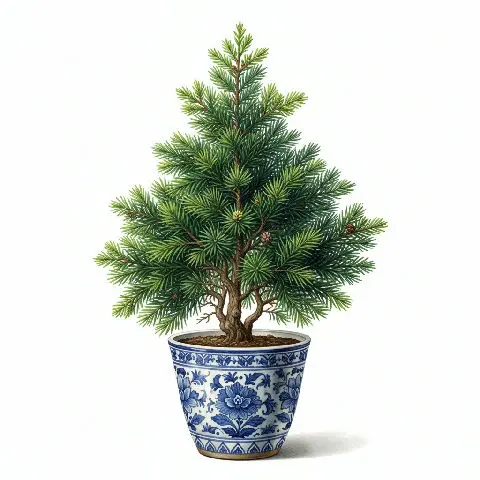
Cedrus atlantica, commonly known as Atlas cedar or Atlas cedarwood, is an imposing evergreen coniferous tree within the Pinaceae family, native to the rugged, high-altitude landscapes of the Atlas Mountains in Morocco and Algeria.
The interesting part about Cedrus Atlantica is that the plant can be discussed from several angles at once: visible form, environmental behavior, traditional context, and modern quality control.
The linked plant page remains the main internal reference point for this article, but the goal here is to turn that raw data into a readable, structured, and genuinely useful guide.
- Atlas cedar (Cedrus atlantica) is a majestic conifer native to the Atlas Mountains.
- Its essential oil is prized for its woody aroma and therapeutic properties.
- Key uses include promoting hair growth for alopecia areata and acting as an insect repellent.
- Chemically rich in sesquiterpenes like himachalenes and cedrol, contributing to its benefits.
- Valued in aromatherapy for its calming and grounding effects.
- Generally safe for topical use when properly diluted, but internal use is not recommended.
Botanical Profile & Taxonomy
Cedrus Atlantica should be anchored to the correct taxonomic identity before any discussion of care, use, or safety begins.
| Common name | Cedrus Atlantica |
|---|---|
| Scientific name | Cedrus atlantica |
| Family | Pinaceae |
| Order | Pinales |
| Genus | Cedrus |
| Species epithet | atlantica |
| Author citation | Mann ex Carrière |
| Synonyms | Cedrus libani var. atlantica, Cedrus atlantica var. glauca |
| Common names | অ্যাটলাস সিডার, Atlas Cedar |
| Origin | North Africa (Morocco, Algeria, Tunisia) |
| Life cycle | Perennial |
| Growth habit | Tree |
Using the accepted scientific name Cedrus atlantica helps readers avoid confusion caused by old synonyms, loose common names, or inconsistent plant labels.
Family and order placement also matter because they explain recurring structural traits, likely relatives, and the kinds of mistakes readers often make when they rely on appearance alone.
Correct naming is not a small detail. A plant can collect multiple common names, outdated synonyms, and marketing labels over time, so using Cedrus atlantica consistently reduces the risk of confusion, bad care advice, and even safety mistakes.
Physical Description & Morphology
A practical reading of the plant starts with visible structure: Stem: The stem is woody, forming a large tree with a conical to broad, flat-topped crown. Bark: Bark is dark gray to blackish, deeply furrowed, and ridged on mature trees.
Microscopic or internal identification notes deepen the picture, especially for processed material: Trichomes are generally absent on the needles of Cedrus atlantica, contributing to their smooth, stiff texture. Stomata are sunken below the epidermal surface, often arranged in distinct rows, a characteristic adaptation to reduce water loss in dry. Powdered material from Cedrus atlantica wood or needles reveals fragments of lignified tracheids, parenchyma cells, characteristic resin canals, and.
In overall habit, the plant is described as Tree with a mature height around 20-35 m and spread of variable width depending on site.
In real-world identification, the most helpful approach is to read the plant as a whole. Habit, size, stem texture, leaf arrangement, flower form, and any distinctive surface detail all matter. For Cedrus Atlantica, morphology is not only a descriptive topic; it is the foundation of correct recognition.
Natural Habitat & Distribution
The native or historically recorded center of distribution for Cedrus Atlantica is North Africa (Morocco, Algeria, Tunisia). That origin is more than background trivia; it explains how the plant responds to heat, moisture, shade, and seasonal change.
The plant is associated with the following countries or range markers: Algeria, Morocco.
Environmental notes in the live record add more context: Atlas cedar thrives in well-drained, sandy or loamy soils with a pH range of 6.0 to 7.5. It prefers a sunny location with full sun for most of the day, making it ideal for open spaces. The tree demonstrates excellent adaptability to various soil types, as long as there is good drainage. While it can tolerate drought conditions, consistent moisture during.
In cultivation terms, the main ecological clues are: 6-9; Perennial; Tree.
Physiology data reinforce the habitat story: Demonstrates significant tolerance to environmental stresses including drought, cold temperatures, and poor soil conditions, reflecting its. Cedrus atlantica utilizes C3 photosynthesis, the most common photosynthetic pathway among plants, converting light energy into chemical energy. Exhibits moderate transpiration rates, with adaptations like sunken stomata and thick cuticles to conserve water, allowing it to withstand periods.
Traditional & Cultural Significance
The majestic Atlas cedar, *Cedrus atlantica*, has long held a significant place in the cultural tapestry of North Africa, particularly among the indigenous Berber peoples of the Atlas Mountains. While not as extensively documented in ancient Ayurvedic or Traditional Chinese Medicine as some other conifers, its aromatic wood and oil have been valued in folk medicine for centuries. Historically, the oil extracted.
Traditional context matters, but it should always be separated from modern certainty. Historical use can guide questions, yet it does not automatically prove present-day clinical effectiveness.
Cultural context gives the article depth that pure care instructions cannot provide. Plants like Cedrus Atlantica are often remembered through naming traditions, household practice, healing systems, foodways, ornamental use, ritual value, or local ecological knowledge.
At the same time, cultural value should be handled responsibly. Traditional respect for a plant does not automatically prove every modern claim, and a modern study does not erase the meaning the plant has held in communities over time. Both sides belong in a careful guide.
Medicinal Properties & Health Benefits
The main benefit themes associated with the plant include: Hair Loss Treatment — Atlas cedarwood essential oil, particularly when blended with other essential oils like lavender, rosemary, and thyme, has shown. Insect Repellent — The distinct aroma of Cedrus atlantica essential oil serves as a natural deterrent against various insects, making it useful in. Anti-inflammatory Properties — Constituents within Atlas cedarwood oil possess compounds that may help reduce inflammation when applied topically, soothing. Antiseptic Action — The essential oil exhibits mild antiseptic qualities, which can assist in cleansing minor wounds and preventing infections on the skin. Calming and Anxiolytic Effects — In aromatherapy, the grounding and woody scent of Atlas cedar is often diffused to promote relaxation, reduce stress, and. Respiratory Support — When inhaled, the oil’s expectorant properties can help clear congestion and support respiratory health, making it beneficial for. Astringent Qualities — Applied to the skin, Atlas cedar oil can act as an astringent, helping to tighten pores, tone the skin, and manage excess oil production. Antifungal Activity — Certain components of Cedrus atlantica essential oil have demonstrated antifungal properties in laboratory settings, suggesting.
The evidence matrix gives a more careful picture of those claims: Stimulates hair growth in alopecia areata. Randomized Controlled Trial (Human). Possibly Effective. A study showed significant hair growth improvement when Atlas cedarwood oil was combined with lavender, rosemary, and thyme essential oils. Acts as an insect repellent. In vitro / Traditional Use. Insufficient Evidence. Historically used as an insect deterrent, with some anecdotal and in-vitro evidence supporting its repellent properties against various pests. Possesses anti-inflammatory properties. In vitro / Animal Studies. Preclinical / In Vitro. Chemical constituents like himachalenes have demonstrated anti-inflammatory activity in laboratory and animal models, suggesting topical benefits. Exhibits calming and anxiolytic effects. Aromatherapy / Sensory Studies. Preclinical / Aromatherapy Practice. The woody aroma is widely utilized in aromatherapy for its grounding and sedative qualities, promoting relaxation and stress reduction.
The stored evidence confidence for this profile is traditional. That should shape how strongly any benefit statement is interpreted.
For non-medicinal or mostly ornamental contexts, the safest approach is to keep the claims modest. A plant may still be valuable ecologically, visually, or culturally without being promoted as a treatment.
- Hair Loss Treatment — Atlas cedarwood essential oil, particularly when blended with other essential oils like lavender, rosemary, and thyme, has shown.
- Insect Repellent — The distinct aroma of Cedrus atlantica essential oil serves as a natural deterrent against various insects, making it useful in.
- Anti-inflammatory Properties — Constituents within Atlas cedarwood oil possess compounds that may help reduce inflammation when applied topically, soothing.
- Antiseptic Action — The essential oil exhibits mild antiseptic qualities, which can assist in cleansing minor wounds and preventing infections on the skin.
- Calming and Anxiolytic Effects — In aromatherapy, the grounding and woody scent of Atlas cedar is often diffused to promote relaxation, reduce stress, and.
- Respiratory Support — When inhaled, the oil’s expectorant properties can help clear congestion and support respiratory health, making it beneficial for.
- Astringent Qualities — Applied to the skin, Atlas cedar oil can act as an astringent, helping to tighten pores, tone the skin, and manage excess oil production.
- Antifungal Activity — Certain components of Cedrus atlantica essential oil have demonstrated antifungal properties in laboratory settings, suggesting.
- Skin Health Promotion — Its balancing and soothing properties make it a valuable addition to skincare routines, particularly for oily or blemish-prone skin.
- Lymphatic Decongestant — Traditionally, cedarwood oil is sometimes used in massage blends to support lymphatic drainage and reduce fluid retention, aiding in.
Chemical Constituents & Phytochemistry
The broader constituent profile includes Sesquiterpenes — The primary active components of Cedrus atlantica essential oil, including alpha-himachalene. Sesquiterpene Alcohols — Cedrol is a significant sesquiterpene alcohol found in Atlas cedarwood oil (often 3-8%). Other Sesquiterpenes — Compounds like caryophyllene and delta-cadinene are also present in varying amounts. Aromatic Compounds — While less dominant than the sesquiterpenes, other aromatic hydrocarbons contribute to the. Ketones — Minor amounts of certain ketones may be present, influencing the oil's aroma. Esters — Trace amounts of esters can contribute to the oil's fragrance and potentially offer soothing properties. Terpenes — While sesquiterpenes are dominant, smaller quantities of monoterpenes like limonene or alpha-pinene may. Resin Acids — The wood itself contains various resin acids, which contribute to the tree's natural defense mechanisms. Fatty Acids — While not a primary component of the essential oil, the wood and bark contain various fatty acids that.
The detailed phytochemistry file adds these markers: alpha-Himachalene, Sesquiterpene, Wood (essential oil), 30-50%; beta-Himachalene, Sesquiterpene, Wood (essential oil), 15-25%; gamma-Himachalene, Sesquiterpene, Wood (essential oil), 10-20%; Cedrol, Sesquiterpene Alcohol, Wood (essential oil), 3-8%; Caryophyllene, Sesquiterpene, Wood (essential oil), 1-3%; delta-Cadinene, Sesquiterpene, Wood (essential oil), 1-2%.
Compound profiles also shift with plant part, age, season, processing, and storage. The chemistry of a fresh leaf, dried root, or concentrated extract should never be treated as automatically identical.
How to Use — Preparations & Dosage
Recorded preparation and use methods include Topical Application for Hair Growth — For alopecia areata, blend 2 drops of Atlas cedarwood oil with lavender, rosemary, and thyme essential oils in a carrier oil (e.g., jojoba. Aromatherapy Diffusion — Add 3-5 drops of Atlas cedarwood essential oil to an ultrasonic diffuser to create a calming and grounding atmosphere, promoting relaxation and. Direct Inhalation — For respiratory support, place 1-2 drops on a tissue or inhale directly from the bottle to help clear congestion. Massage Oil — Dilute 5-10 drops of Atlas cedarwood oil per ounce of carrier oil (e.g., sweet almond, fractionated coconut oil) for a soothing massage, particularly for muscle. Skincare Formulations — Incorporate 1-2 drops per 10ml of a facial oil or cream to help balance oily skin, reduce blemishes, and promote a healthy complexion. Insect Repellent Spray — Mix 10-15 drops of Atlas cedarwood oil with witch hazel and distilled water in a spray bottle to create a natural insect repellent for skin or. Bath Soak — Add 5-8 drops of essential oil, pre-mixed with a dispersant like Epsom salts or a carrier oil, to a warm bath for a relaxing and skin-soothing experience. Household Cleaner — Use a few drops in homemade cleaning solutions for its antiseptic properties and fresh, woody scent.
Edibility and processing notes matter here as well: Not edible.
For garden-focused readers, this section often overlaps with practical garden use: cut flowers, pollinator support, habitat value, decorative placement, culinary handling, or any carefully documented traditional application.
- Identify the exact species and plant part first.
- Match the preparation to the intended use.
- Check safety, interactions, and processing details before routine use or large-scale handling.
Safety Profile, Side Effects & Contraindications
The first safety note is direct: Non-toxic
Specific warnings recorded for this plant include External Use Only — Atlas cedarwood essential oil is generally considered safe for topical application when properly diluted with a carrier oil. Patch Test Recommended — Always perform a patch test on a small area of skin before widespread use to check for sensitivity or allergic reactions. Pregnancy and Breastfeeding — Insufficient reliable information exists regarding its safety during pregnancy and breastfeeding; therefore, avoidance is recommended. Children and Infants — Exercise caution when using on children; always dilute heavily and consult a healthcare professional. Avoid Eye and Mucous Membrane Contact — Direct contact with eyes, inner ears, and sensitive areas should be avoided. Store Properly — Keep essential oil in a cool, dark place, away from direct sunlight and out of reach of children and pets, in an airtight glass container. Consult Healthcare Professional — Individuals with pre-existing medical conditions or those taking medications should consult a healthcare provider before use. Skin Irritation — May cause skin irritation or allergic reactions in sensitive individuals, especially when applied undiluted or in high concentrations.
Quality-control notes add another warning: High risk of adulteration with cheaper cedarwood oils (e.g., Texas cedarwood) or synthetic compounds; GC-MS analysis is crucial for authenticity.
No plant should be described as universally safe. Identity, dose, plant part, preparation style, age, pregnancy status, medication use, allergies, and contamination risk all change the answer.
Growing & Cultivation Guide
The cultivation record emphasizes these practical steps: Climate Preference — Atlas cedar thrives in temperate climates with distinct seasons, tolerating both cold winters and dry summers, ideally in USDA hardiness zones 6-9. Soil Requirements — Prefers well-drained, slightly acidic to neutral soils (pH 6.0-7.5), and can tolerate rocky or sandy conditions, but dislikes waterlogged soil. Sunlight Exposure — Requires full sun exposure for optimal growth, needing at least 6 hours of direct sunlight daily. Propagation — Primarily propagated from seeds, which require a period of stratification to break dormancy, or sometimes from cuttings for specific cultivars. Watering — Young trees need regular watering to establish a strong root system, while mature trees are highly drought-tolerant and require minimal supplemental. Pruning — Generally requires minimal pruning, focusing on removing dead, damaged, or crossing branches to maintain tree health and shape. Pest and Disease Management — Relatively resistant to most pests and diseases, but can occasionally be affected by cedar blight or scale insects, requiring organic or. Harvesting — The wood, from which the essential oil is distilled, is typically harvested from mature trees in a sustainable manner, often from fallen branches or.
The broader growth environment is described like this: Atlas cedar thrives in well-drained, sandy or loamy soils with a pH range of 6.0 to 7.5. It prefers a sunny location with full sun for most of the day, making it ideal for open spaces. The tree demonstrates excellent adaptability to various soil types, as long as there is good drainage. While it can tolerate drought conditions, consistent moisture during.
Planning becomes easier when these traits are kept in view: Tree; 20-35 m.
In practice, healthy cultivation comes from systems thinking rather than one-off tricks. Site choice, drainage, timing, spacing, pruning, feeding, and observation all reinforce one another.
Light, Water & Soil Requirements
The most useful care snapshot is this: USDA zone: 6-9.
Outdoors, light, water, and soil must be read together. The same watering schedule can be too much in dense clay and too little in a porous sandy bed.
| USDA zone | 6-9 |
|---|
Light, water, and soil should never be treated as separate checkboxes. A plant in stronger light often dries faster, soil texture changes how quickly water moves, and temperature plus humidity influence how stress appears in leaves and roots.
For Cedrus Atlantica, the safest care approach is to treat the light pattern described in the plant profile, watering that responds to season and drainage, and well-matched soil structure and drainage as linked decisions rather than isolated tips. If one condition shifts, the other two usually need to be reconsidered as well.
Microclimate matters too. Indoors, room placement and airflow can matter as much as window exposure. Outdoors, reflected heat, slope, mulch, and nearby plants can change how the temperature rhythm described for the species and humidity that matches the plant type are actually experienced at plant level.
Propagation Methods
Propagation works best when the parent stock is healthy, correctly identified, and handled in the right season. That sounds obvious, but it is exactly where many failures begin.
Propagation works best when the reader matches method to biology. Some plants respond readily to cuttings, some to division, some to seed, and others require more patience or more exact seasonal timing.
A successful propagation guide therefore starts with healthy parent material and realistic expectations. Weak stock, rushed handling, and poor aftercare can make even a technically correct method fail.
For Cedrus Atlantica, the real goal is not simply to produce another plant, but to produce a correctly identified, vigorous, well-established plant that continues growing without hidden stress from the first stage.
Pest & Disease Management
Garden problems are often ecological rather than mysterious. Crowding, poor airflow, overwatering, wrong siting, and delayed observation create the conditions that pests and disease exploit.
The smartest response sequence is observation first, environmental correction second, and treatment only after the real pattern is clear.
Pest and disease management is strongest when it begins before visible damage becomes severe. Routine observation, clean handling, sensible spacing, air movement, and balanced watering reduce many problems before treatment is even needed.
When symptoms do appear on Cedrus Atlantica, the most reliable response is diagnostic rather than reactive. Yellowing, spots, wilt, chewing, and stunting can all have multiple causes, so a rushed treatment can waste time or worsen the problem.
Good troubleshooting also includes environmental correction. Pests and disease often reveal a deeper issue such as root stress, poor airflow, inconsistent watering, weak light, or exhausted soil structure.
Harvesting, Storage & Processing
Storage guidance from the quality-control record reads as follows: Store in a cool, dark, airtight glass container away from heat and light to maintain chemical integrity and extend shelf life, typically 3-5 years.
For a garden-focused plant, harvesting may mean seed collection, cut stems, flowers, foliage, or propagation material rather than edible or medicinal processing.
Whatever the purpose, the rule is the same: harvest clean material, label it clearly, and store it in a way that preserves identity and condition.
Harvest and storage determine whether a plant's quality is preserved after it leaves the bed, pot, field, or wild source. Clean timing, correct plant part selection, and careful drying or handling all matter more than many readers expect.
For Cedrus Atlantica, this means the reader should think beyond collection. Material that is poorly labeled, overheated, damp in storage, or mixed with the wrong part of the plant can quickly lose value or create confusion later.
Companion Planting & Garden Design
In a garden border or planting plan, Cedrus Atlantica is easiest to use well when exposure, soil rhythm, and seasonal sequence are matched rather than improvised.
Companion planting and design are not only aesthetic decisions. They affect airflow, root competition, moisture sharing, harvest access, visibility, and the general logic of the planting scheme.
With Cedrus Atlantica, good placement means thinking about mature size, maintenance rhythm, and how neighboring plants change the feel and function of the space. A plant can be healthy on its own and still be poorly placed within the broader composition.
That is why the best design advice combines biology with usability. The planting should look coherent, but it should also make watering, pruning, harvest, and pest observation easier rather than harder.
Scientific Research & Evidence Base
The evidence matrix points to several recurring themes: Stimulates hair growth in alopecia areata. Randomized Controlled Trial (Human). Possibly Effective. A study showed significant hair growth improvement when Atlas cedarwood oil was combined with lavender, rosemary, and thyme essential oils. Acts as an insect repellent. In vitro / Traditional Use. Insufficient Evidence. Historically used as an insect deterrent, with some anecdotal and in-vitro evidence supporting its repellent properties against various pests. Possesses anti-inflammatory properties. In vitro / Animal Studies. Preclinical / In Vitro. Chemical constituents like himachalenes have demonstrated anti-inflammatory activity in laboratory and animal models, suggesting topical benefits. Exhibits calming and anxiolytic effects. Aromatherapy / Sensory Studies. Preclinical / Aromatherapy Practice. The woody aroma is widely utilized in aromatherapy for its grounding and sedative qualities, promoting relaxation and stress reduction.
The compiled source count behind the live profile is 6. That does not guarantee certainty, but it does suggest the record has been cross-checked beyond a single note.
Analytical testing notes also strengthen the evidence base: Gas Chromatography-Mass Spectrometry (GC-MS) is the primary method for analyzing the chemical profile and purity of the essential oil.
A careful evidence section should say what is known, what is plausible, and what remains uncertain. Readers are better served by clear limits than by exaggerated confidence.
Evidence note: this section blends the live plant record, local ethnobotanical activity data, chemistry records, and the linked Flora Medical Global plant profile for Cedrus Atlantica.
Buying Guide & Expert Tips
Quality markers worth checking include Alpha-himachalene, beta-himachalene, gamma-himachalene, and cedrol are key marker compounds for identifying and standardizing Cedrus atlantica essential oil.
Adulteration and substitution risk should not be ignored: High risk of adulteration with cheaper cedarwood oils (e.g., Texas cedarwood) or synthetic compounds; GC-MS analysis is crucial for authenticity.
When buying Cedrus Atlantica, start with verified botanical identity. The label, scientific name, and the source page should agree before you judge price, size, or claimed benefits.
For living plants, inspect roots, stem firmness, foliage health, and early pest signs. For dried or processed material, look for batch clarity, clean aroma, absence of mold, and any sign that the product has been over-processed to disguise poor quality.
Buying advice should begin with identity. The label, scientific name, visible condition, and seller credibility should agree before price or convenience becomes the deciding factor.
Frequently Asked Questions
What is Cedrus Atlantica best known for?
Cedrus atlantica, commonly known as Atlas cedar or Atlas cedarwood, is an imposing evergreen coniferous tree within the Pinaceae family, native to the rugged, high-altitude landscapes of the Atlas Mountains in Morocco and Algeria.
Is Cedrus Atlantica beginner-friendly?
That depends on the growing environment and the intended use. Some plants are easy to grow but not simple to use medicinally, while others are the opposite.
How much light does Cedrus Atlantica need?
Match the species to the exposure described in the guide rather than using a generic light rule.
How often should Cedrus Atlantica be watered?
Water according to soil, drainage, season, and plant response rather than a fixed schedule.
Can Cedrus Atlantica be propagated at home?
Yes, but the best method depends on whether the species responds best to seed, cuttings, division, offsets, or other propagation routes.
Does Cedrus Atlantica have safety concerns?
Non-toxic
What is the biggest mistake people make with Cedrus Atlantica?
The most common mistake is applying generic advice instead of matching the plant to its real environment, identity, and limits.
Where can I verify more information about Cedrus Atlantica?
Start with the Flora Medical Global plant profile: https://www.floramedicalglobal.com/garden-plants/cedrus-atlantica
Why do sources sometimes disagree about Cedrus Atlantica?
Different references may use different synonyms, plant parts, cultivation conditions, or evidence standards. That is why taxonomy and source quality both matter.
Trusted Scientific References & Further Reading
Authoritative sources and related guides:
- Wikipedia — background reference
- PubMed — peer-reviewed studies
- Kew POWO — botanical reference
- NCBI PMC — open-access research
- WHO — global health authority