
Overview & Introduction
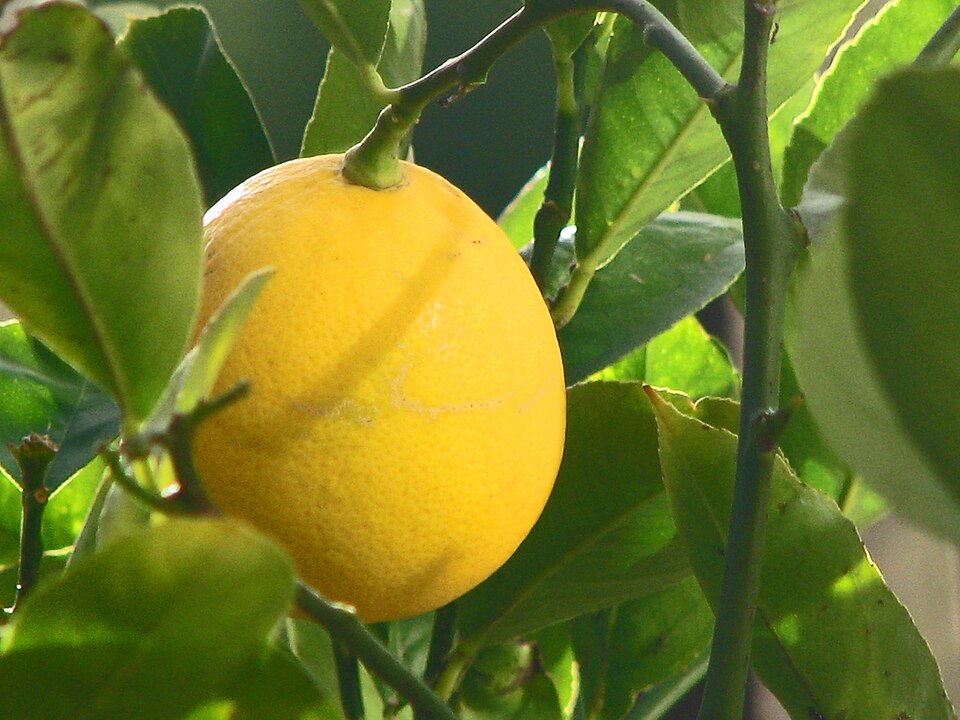
The Meyer Lemon, scientifically known as Citrus meyeri, is a captivating natural citrus hybrid believed to be a cross between a true lemon (Citrus medica x Citrus limon) and either a mandarin orange (Citrus reticulata) or a common orange.
The interesting part about Citrus Meyer Lemon is that the plant can be discussed from several angles at once: visible form, environmental behavior, traditional context, and modern quality control.
The aim is simple: make the article detailed enough for serious readers while keeping the structure clear enough for fast scanning and confident decision-making.
- Unique Citrus Hybrid — A distinctive cross between a lemon and a mandarin, known for its sweeter, less acidic, and floral-noted fruit.
- Rich in Bioactives — Packed with beneficial compounds including Vitamin C, flavonoids, and limonoids, contributing to its health benefits.
- Antioxidant & Anti-inflammatory — Offers significant antioxidant protection and may help reduce inflammation throughout the body.
- Culinary Versatility — Highly prized for its aromatic juice and zest, making it a gourmet ingredient for a wide range of dishes and.
- Ornamental Appeal — A compact, evergreen tree with fragrant blossoms and colorful fruit, ideal for both indoor and outdoor container.
- Traditional Wellness — Aligns with traditional citrus uses in Chinese medicine for regulating Qi, harmonizing digestion, and dispelling.
Botanical Profile & Taxonomy
Citrus Meyer Lemon should be anchored to the correct taxonomic identity before any discussion of care, use, or safety begins.
| Common name | Citrus Meyer Lemon |
|---|---|
| Scientific name | Citrus meyeri |
| Family | Rutaceae |
| Order | Sapindales |
| Genus | Citrus |
| Species epithet | meyeri |
| Author citation | Seed Plants 3(1 |
| Common names | সিত্রাস মেয়ের লেবু, Meyer Lemon, Citrus Meyer Lemon, मीयेर नींबू |
| Origin | East Asia (China) |
| Growth habit | Tree |
Using the accepted scientific name Citrus meyeri helps readers avoid confusion caused by old synonyms, loose common names, or inconsistent plant labels.
Family and order placement also matter because they explain recurring structural traits, likely relatives, and the kinds of mistakes readers often make when they rely on appearance alone.
Correct naming is not a small detail. A plant can collect multiple common names, outdated synonyms, and marketing labels over time, so using Citrus meyeri consistently reduces the risk of confusion, bad care advice, and even safety mistakes.
Physical Description & Morphology
A practical reading of the plant starts with visible structure: Leaf: Glossy, dark green, ovate to elliptical leaves (7-10 cm long) with finely serrated margins and distinct oil glands, often with a slight winged. Stem: Thornless or with very few, small, soft thorns; light gray-brown bark on mature stems, greenish on new growth. Root: Fibrous root system, relatively shallow for a tree, adaptable to container growing. Flower: Small (2-3 cm diameter), highly fragrant, waxy white blossoms often with purple bases, appearing in clusters in leaf axils, blooming primarily in. Fruit: Medium-sized (6-10 cm diameter), round to oblate, smooth, thin-skinned fruit, turning deep yellow to orange-yellow when ripe, with a prominent. Seed: Small (typically 0.5-1 cm), plump, oval-shaped seeds, light creamy-tan, usually 4-10 per fruit, but often fewer. Dispersal primarily by animals.
Microscopic or internal identification notes deepen the picture, especially for processed material: Trichomes are generally absent on the mature leaves and fruit peel, contributing to their smooth texture, though very young shoots may exhibit. Stomata are predominantly anomocytic or paracytic, typically found on the abaxial (lower) surface of the leaves, facilitating gas exchange. Microscopic examination of Meyer Lemon powder reveals fragments of epicarp with underlying large oil glands, abundant parenchymatous cells, various.
In overall habit, the plant is described as Tree with a mature height around local conditions and spread of variable width depending on site.
Natural Habitat & Distribution
The native or historically recorded center of distribution for Citrus Meyer Lemon is East Asia (China). That origin is more than background trivia; it explains how the plant responds to heat, moisture, shade, and seasonal change.
The plant is associated with the following countries or range markers: China.
Environmental notes in the live record add more context: Native to a region of China encompassing Fujian, Guangxi, and Sichuan provinces, characterized by a subtropical to warm temperate climate. It thrives in USDA hardiness zones 8-11. Tolerates light frosts but prefers temperatures above 4°C (40°F). Requires a minimum of 6-8 hours of direct sunlight daily for optimal fruit production. Prefers annual rainfall.
In cultivation terms, the main ecological clues are: Full Sun; Weekly; Well-draining, slightly acidic loamy soil (pH 6.0-7.0) with good organic matter. Tree.
Physiology data reinforce the habitat story: Demonstrates some degree of drought tolerance but is sensitive to prolonged frost; exhibits physiological adaptations to enhance cold hardiness in. C3 photosynthesis pathway. Exhibits moderate to high transpiration rates, necessitating consistent water availability, particularly during periods of active growth and fruit.
Traditional & Cultural Significance
Originating in China, Meyer Lemons were historically cultivated more for their ornamental value than intense culinary use as we know it today. While not specifically mentioned in ancient Ayurvedic, TCM, or Unani texts as a named botanical, its properties would align with broader citrus classifications. In TCM, citrus peels (like 'Chen Pi' from Citrus reticulata) are highly valued for regulating Qi, drying dampness.
Traditional context matters, but it should always be separated from modern certainty. Historical use can guide questions, yet it does not automatically prove present-day clinical effectiveness.
Cultural context gives the article depth that pure care instructions cannot provide. Plants like Citrus Meyer Lemon are often remembered through naming traditions, household practice, healing systems, foodways, ornamental use, ritual value, or local ecological knowledge.
At the same time, cultural value should be handled responsibly. Traditional respect for a plant does not automatically prove every modern claim, and a modern study does not erase the meaning the plant has held in communities over time. Both sides belong in a careful guide.
Medicinal Properties & Health Benefits
The main benefit themes associated with the plant include: Antioxidant Properties — Rich in Vitamin C and a diverse array of flavonoids, Meyer Lemon actively neutralizes free radicals, thereby reducing oxidative. Anti-inflammatory Effects — Specific limonoids and various phenolic compounds found in Citrus meyeri may help modulate inflammatory pathways, contributing to. Immune System Support — Its high content of Vitamin C is crucial for bolstering the immune system, enhancing the function of immune cells and supporting the. Digestive Aid — The aromatic compounds present in the peel and juice can stimulate digestive enzymes and promote healthy gastrointestinal motility, assisting. Cardiovascular Health — Flavonoids like hesperidin may contribute to arterial health, improve circulation, and help regulate blood pressure, thereby. Skin Health — Vitamin C is essential for collagen synthesis, which is vital for maintaining skin elasticity, promoting wound healing, and offering protection. Detoxification Support — Certain limonoids and other phytochemicals in Meyer Lemon can support liver enzyme activity, aiding the body's natural detoxification. Mood Enhancement & Aromatherapy — The essential oils derived from the Meyer Lemon peel are known for their uplifting and calming properties, often used in.
The evidence matrix gives a more careful picture of those claims: Antioxidant activity due to high Vitamin C and flavonoid content. In vitro, chemical analysis. Moderate. Phytochemical profiling consistently confirms the presence of potent antioxidants, supporting cellular protection against oxidative damage. Potential anti-inflammatory effects from limonoids and certain flavonoids. In vitro, animal studies (for general citrus limonoids). Low to Moderate. While specific studies on Meyer Lemon are limited, the identified compounds are known for their anti-inflammatory properties in broader citrus research. Supports digestive health and Qi regulation in Traditional Chinese Medicine (TCM). Empirical observation, historical texts. Traditional. Similar to other aromatic citrus peels, it is traditionally believed to harmonize the middle burner, regulate Qi flow, and dispel phlegm. Uplifting and calming effects from essential oil aromatherapy. Sensory evaluation, user reports. Empirical, anecdotal. The unique, sweet, and floral aroma of Meyer Lemon is widely utilized in aromatherapy for its mood-enhancing and stress-reducing qualities.
The stored evidence confidence for this profile is traditional. That should shape how strongly any benefit statement is interpreted.
For non-medicinal or mostly ornamental contexts, the safest approach is to keep the claims modest. A plant may still be valuable ecologically, visually, or culturally without being promoted as a treatment.
- Antioxidant Properties — Rich in Vitamin C and a diverse array of flavonoids, Meyer Lemon actively neutralizes free radicals, thereby reducing oxidative.
- Anti-inflammatory Effects — Specific limonoids and various phenolic compounds found in Citrus meyeri may help modulate inflammatory pathways, contributing to.
- Immune System Support — Its high content of Vitamin C is crucial for bolstering the immune system, enhancing the function of immune cells and supporting the.
- Digestive Aid — The aromatic compounds present in the peel and juice can stimulate digestive enzymes and promote healthy gastrointestinal motility, assisting.
- Cardiovascular Health — Flavonoids like hesperidin may contribute to arterial health, improve circulation, and help regulate blood pressure, thereby.
- Skin Health — Vitamin C is essential for collagen synthesis, which is vital for maintaining skin elasticity, promoting wound healing, and offering protection.
- Detoxification Support — Certain limonoids and other phytochemicals in Meyer Lemon can support liver enzyme activity, aiding the body's natural detoxification.
- Mood Enhancement & Aromatherapy — The essential oils derived from the Meyer Lemon peel are known for their uplifting and calming properties, often used in.
- Blood Sugar Regulation — While more research is needed specifically on Meyer Lemon, citrus bioflavonoids generally show promise in improving insulin.
- Antimicrobial Activity — Essential oils from the peel have demonstrated mild antimicrobial and antifungal properties against various pathogens in in vitro.
Chemical Constituents & Phytochemistry
The broader constituent profile includes Flavonoids — Prominent flavonoids include hesperidin, naringin, eriocitrin, and neohesperidin, contributing. Limonoids — Key limonoids such as limonin, nomilin, and obacunone are found in the seeds and peel, recognized for. Ascorbic Acid (Vitamin C) — A potent water-soluble antioxidant, Vitamin C is abundant in Meyer Lemon, vital for immune. Essential Oils — The peel is rich in essential oils, primarily d-limonene, along with gamma-terpinene, alpha-pinene. Carotenoids — Beta-cryptoxanthin and beta-carotene are present, contributing to the fruit's vibrant color and acting. Pectin — A soluble dietary fiber found in the pulp and albedo, pectin is beneficial for digestive health, aiding in. Organic Acids — Citric acid, malic acid, and tartaric acid are present, providing the fruit's characteristic tartness. Phenolic Acids — Caffeic acid, ferulic acid, and p-coumaric acid contribute to the overall antioxidant capacity and. Sugars — Natural sugars including fructose, glucose, and sucrose are present, giving the Meyer Lemon its.
The detailed phytochemistry file adds these markers: Hesperidin, Flavonoid, Peel, pulp, Variablemg/100g; d-Limonene, Monoterpene, Peel (essential oil), High% of essential oil; Ascorbic Acid, Vitamin, Pulp, juice, 40-53mg/100g; Limonin, Limonoid, Seeds, peel, Trace to moderatemg/100g; Beta-Cryptoxanthin, Carotenoid, Pulp, peel, Lowµg/100g; Pectin, Polysaccharide (Fiber), Pulp, albedo, 2.5-3g/100g.
Compound profiles also shift with plant part, age, season, processing, and storage. The chemistry of a fresh leaf, dried root, or concentrated extract should never be treated as automatically identical.
How to Use — Preparations & Dosage
Recorded preparation and use methods include Culinary Juice — Squeeze fresh Meyer Lemon juice to enhance beverages, craft delicate salad dressings, tenderize meats in marinades, and flavor various sauces. Zest & Peel — Grate the fragrant zest into baked goods, desserts, and savory dishes to impart its unique aromatic and floral notes. Infused Oils/Vinegars — Steep Meyer Lemon peel in quality olive oil or white vinegar to create flavorful, aromatic culinary condiments. Teas & Infusions — Add fresh slices of Meyer Lemon or a small amount of dried peel to hot water for a soothing and fragrant herbal tea or infusion. Preserves & Jams — Utilize the distinct flavor of Meyer Lemon in the preparation of gourmet marmalades, jellies, and candied peels. Aromatherapy — Diffuse essential oil extracted from the Meyer Lemon peel or incorporate fresh slices into potpourri for an uplifting and calming atmospheric aroma. Topical Application — Diluted essential oil (never neat) can be incorporated into massage oils or lotions for its mood-enhancing properties, with strict caution regarding. Traditional Preparations — In Traditional Chinese Medicine, akin to other citrus, the dried peel might be decocted or added to herbal formulas to regulate Qi circulation and.
For indoor readers, “how to use” usually means how the plant is placed, styled, handled, propagated, and maintained within the living space rather than how it is taken internally.
- Identify the exact species and plant part first.
- Match the preparation to the intended use.
- Check safety, interactions, and processing details before routine use or large-scale handling.
Safety Profile, Side Effects & Contraindications
The first safety note is direct: The Meyer Lemon plant, including fruit, leaves, and essential oils, is generally considered non-toxic to humans in typical culinary or ornamental use. The essential oils from the peel, if ingested in very large, concentrated quantities.
Specific warnings recorded for this plant include Pregnancy & Lactation — Meyer Lemons are generally considered safe for culinary consumption during pregnancy and lactation; however, medicinal or concentrated uses should be discussed with a healthcare provider. Children — Safe for consumption in food quantities; avoid topical application of essential oils on young children due to their sensitive skin. Photosensitivity Warning — Advise against direct sun exposure for at least 12-24 hours after topical application of Meyer Lemon essential oil due to increased. Oral Health Precaution — To minimize dental enamel erosion, consider using a straw when drinking Meyer Lemon juice and rinse your mouth with water afterward. Pet Safety — The leaves, peels, and essential oils of Meyer Lemons may be toxic to pets, including cats and dogs; keep plants and fruit out of their reach. Moderate Consumption — Enjoy Meyer Lemons as part of a balanced diet; avoid excessive intake of highly concentrated juice or internal use of essential oils without professional guidance.
Quality-control notes add another warning: Adulteration is low for whole fruit; however, Meyer Lemon essential oil may be adulterated with cheaper synthetic limonene or other citrus oils.
No plant should be described as universally safe. Identity, dose, plant part, preparation style, age, pregnancy status, medication use, allergies, and contamination risk all change the answer.
Growing & Cultivation Guide
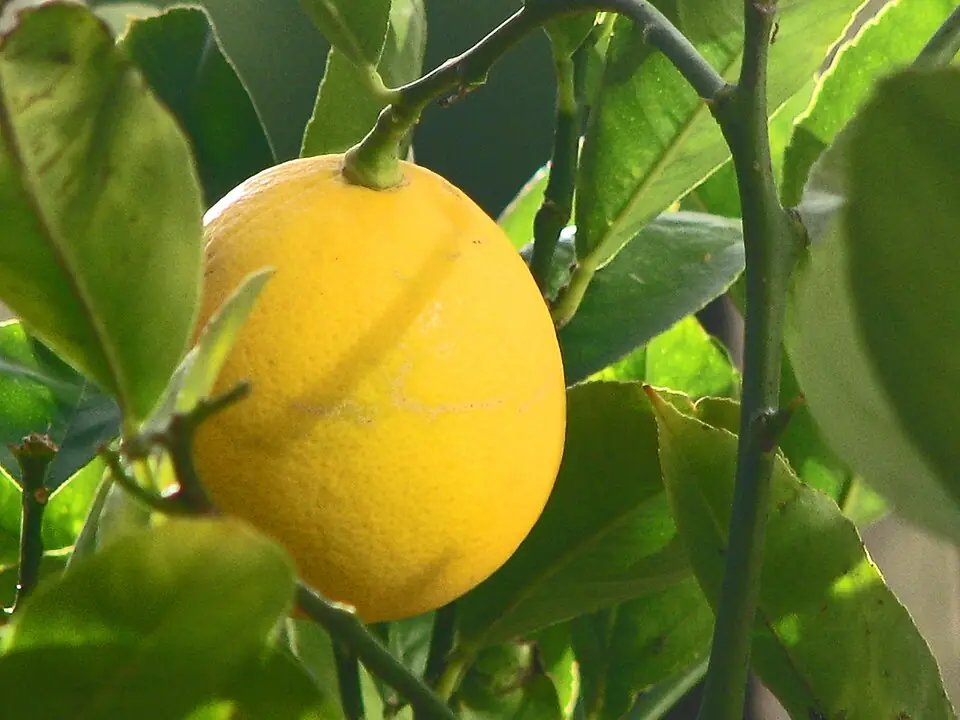
The cultivation record emphasizes these practical steps: Light — Meyer Lemon trees thrive in full sun, requiring at least 6-8 hours of direct sunlight daily for optimal growth and fruit production. Soil — Plant in well-draining, slightly acidic soil (pH 6.0-7.0) that is rich in organic matter to support healthy root development. Watering — Maintain consistent soil moisture, watering deeply when the top few inches of soil feel dry, but ensure excellent drainage to prevent root rot. Temperature — Best suited for USDA hardiness zones 9-11; protect from frost by moving container-grown plants indoors during cooler temperatures. Fertilization — Apply a balanced citrus-specific fertilizer 3-4 times per year, particularly during active growth periods in spring and summer. Pruning — Prune annually to maintain a desirable shape, remove any dead or crossing branches, and encourage good air circulation within the canopy. Pests & Diseases — Regularly inspect for common citrus pests such as aphids, scale insects, and spider mites, and address any fungal issues promptly.
The broader growth environment is described like this: Native to a region of China encompassing Fujian, Guangxi, and Sichuan provinces, characterized by a subtropical to warm temperate climate. It thrives in USDA hardiness zones 8-11. Tolerates light frosts but prefers temperatures above 4°C (40°F). Requires a minimum of 6-8 hours of direct sunlight daily for optimal fruit production. Prefers annual rainfall.
Planning becomes easier when these traits are kept in view: Tree; Moderate; Intermediate.
In practice, healthy cultivation comes from systems thinking rather than one-off tricks. Site choice, drainage, timing, spacing, pruning, feeding, and observation all reinforce one another.
Light, Water & Soil Requirements
The most useful care snapshot is this: Light: Full Sun; Water: Weekly; Soil: Well-draining, slightly acidic loamy soil (pH 6.0-7.0) with good organic matter. Humidity: Medium; Temperature: 10-30°C.
Indoors, the plant responds to microclimate more than many people expect. Window direction, airflow, heating, and room humidity can change the care rhythm quickly.
| Light | Full Sun |
|---|---|
| Water | Weekly |
| Soil | Well-draining, slightly acidic loamy soil (pH 6.0-7.0) with good organic matter. |
| Humidity | Medium |
| Temperature | 10-30°C |
Light, water, and soil should never be treated as separate checkboxes. A plant in stronger light often dries faster, soil texture changes how quickly water moves, and temperature plus humidity influence how stress appears in leaves and roots.
For Citrus Meyer Lemon, the safest care approach is to treat Full Sun, Weekly, and Well-draining, slightly acidic loamy soil (pH 6.0-7.0) with good organic matter. as linked decisions rather than isolated tips. If one condition shifts, the other two usually need to be reconsidered as well.
Propagation Methods
Documented propagation routes include Meyer Lemon is most commonly propagated by semi-hardwood cuttings. Take 15-20 cm long cuttings from healthy, non-fruiting branches. Remove lower leaves, dip.
Propagation works best when the parent stock is healthy, correctly identified, and handled in the right season. That sounds obvious, but it is exactly where many failures begin.
- Meyer Lemon is most commonly propagated by semi-hardwood cuttings. Take 15-20 cm long cuttings from healthy, non-fruiting branches. Remove lower leaves, dip.
Propagation works best when the reader matches method to biology. Some plants respond readily to cuttings, some to division, some to seed, and others require more patience or more exact seasonal timing.
A successful propagation guide therefore starts with healthy parent material and realistic expectations. Weak stock, rushed handling, and poor aftercare can make even a technically correct method fail.
Pest & Disease Management
The recorded problem list includes Common pests include spider mites (especially indoors in dry conditions), scale insects, and mealybugs. Organic.
Indoor problems usually start quietly: mites, mealybugs, scale, root stress, weak light, or stale soil structure. Routine inspection is what keeps small issues from becoming full infestations.
The smartest response sequence is observation first, environmental correction second, and treatment only after the real pattern is clear.
- Common pests include spider mites (especially indoors in dry conditions), scale insects, and mealybugs. Organic.
Pest and disease management is strongest when it begins before visible damage becomes severe. Routine observation, clean handling, sensible spacing, air movement, and balanced watering reduce many problems before treatment is even needed.
When symptoms do appear on Citrus Meyer Lemon, the most reliable response is diagnostic rather than reactive. Yellowing, spots, wilt, chewing, and stunting can all have multiple causes, so a rushed treatment can waste time or worsen the problem.
Harvesting, Storage & Processing
Storage guidance from the quality-control record reads as follows: Fresh fruit maintains quality for 2-3 weeks when refrigerated; dried peel should be stored in airtight containers away from light and heat to preserve volatile compounds.
For indoor plants, this section often translates into trimming, leaf cleanup, offset collection, occasional flower removal, and safe handling of spent growth.
Whatever the purpose, the rule is the same: harvest clean material, label it clearly, and store it in a way that preserves identity and condition.
Harvest and storage determine whether a plant's quality is preserved after it leaves the bed, pot, field, or wild source. Clean timing, correct plant part selection, and careful drying or handling all matter more than many readers expect.
For Citrus Meyer Lemon, this means the reader should think beyond collection. Material that is poorly labeled, overheated, damp in storage, or mixed with the wrong part of the plant can quickly lose value or create confusion later.
Companion Planting & Garden Design
Useful companions or placement partners include Marigolds; Nasturtiums; Lavender; Rosemary; Garlic.
In indoor styling, Citrus Meyer Lemon usually works best beside plants that share similar moisture expectations but offer contrast in texture, height, or silhouette.
Companion planting and design are not only aesthetic decisions. They affect airflow, root competition, moisture sharing, harvest access, visibility, and the general logic of the planting scheme.
With Citrus Meyer Lemon, good placement means thinking about mature size, maintenance rhythm, and how neighboring plants change the feel and function of the space. A plant can be healthy on its own and still be poorly placed within the broader composition.
That is why the best design advice combines biology with usability. The planting should look coherent, but it should also make watering, pruning, harvest, and pest observation easier rather than harder.
Scientific Research & Evidence Base
The evidence matrix points to several recurring themes: Antioxidant activity due to high Vitamin C and flavonoid content. In vitro, chemical analysis. Moderate. Phytochemical profiling consistently confirms the presence of potent antioxidants, supporting cellular protection against oxidative damage. Potential anti-inflammatory effects from limonoids and certain flavonoids. In vitro, animal studies (for general citrus limonoids). Low to Moderate. While specific studies on Meyer Lemon are limited, the identified compounds are known for their anti-inflammatory properties in broader citrus research. Supports digestive health and Qi regulation in Traditional Chinese Medicine (TCM). Empirical observation, historical texts. Traditional. Similar to other aromatic citrus peels, it is traditionally believed to harmonize the middle burner, regulate Qi flow, and dispel phlegm. Uplifting and calming effects from essential oil aromatherapy. Sensory evaluation, user reports. Empirical, anecdotal. The unique, sweet, and floral aroma of Meyer Lemon is widely utilized in aromatherapy for its mood-enhancing and stress-reducing qualities.
The compiled source count behind the live profile is 8. That does not guarantee certainty, but it does suggest the record has been cross-checked beyond a single note.
Analytical testing notes also strengthen the evidence base: HPLC for flavonoid and Vitamin C quantification, GC-MS for essential oil composition, titration for acidity, and sensory evaluation for flavor profile authenticity.
A careful evidence section should say what is known, what is plausible, and what remains uncertain. Readers are better served by clear limits than by exaggerated confidence.
Evidence note: this section blends the live plant record, local ethnobotanical activity data, chemistry records, and the linked Flora Medical Global plant profile for Citrus Meyer Lemon.
Buying Guide & Expert Tips
Quality markers worth checking include Hesperidin, d-limonene, and ascorbic acid are used as key marker compounds for identification and quantification.
Adulteration and substitution risk should not be ignored: Adulteration is low for whole fruit; however, Meyer Lemon essential oil may be adulterated with cheaper synthetic limonene or other citrus oils.
When buying Citrus Meyer Lemon, start with verified botanical identity. The label, scientific name, and the source page should agree before you judge price, size, or claimed benefits.
For living plants, inspect roots, stem firmness, foliage health, and early pest signs. For dried or processed material, look for batch clarity, clean aroma, absence of mold, and any sign that the product has been over-processed to disguise poor quality.
Buying advice should begin with identity. The label, scientific name, visible condition, and seller credibility should agree before price or convenience becomes the deciding factor.
Frequently Asked Questions
What is Citrus Meyer Lemon best known for?
The Meyer Lemon, scientifically known as Citrus meyeri, is a captivating natural citrus hybrid believed to be a cross between a true lemon (Citrus medica x Citrus limon) and either a mandarin orange (Citrus reticulata) or a common orange.
Is Citrus Meyer Lemon beginner-friendly?
That depends on the growing environment and the intended use. Some plants are easy to grow but not simple to use medicinally, while others are the opposite.
How much light does Citrus Meyer Lemon need?
Full Sun
How often should Citrus Meyer Lemon be watered?
Weekly
Can Citrus Meyer Lemon be propagated at home?
Yes, but the best method depends on whether the species responds best to seed, cuttings, division, offsets, or other propagation routes.
Does Citrus Meyer Lemon have safety concerns?
The Meyer Lemon plant, including fruit, leaves, and essential oils, is generally considered non-toxic to humans in typical culinary or ornamental use. The essential oils from the peel, if ingested in very large, concentrated quantities.
What is the biggest mistake people make with Citrus Meyer Lemon?
The most common mistake is applying generic advice instead of matching the plant to its real environment, identity, and limits.
Where can I verify more information about Citrus Meyer Lemon?
Start with the Flora Medical Global plant profile: https://www.floramedicalglobal.com/indoor-plants/citrus-meyer-lemon
Why do sources sometimes disagree about Citrus Meyer Lemon?
Different references may use different synonyms, plant parts, cultivation conditions, or evidence standards. That is why taxonomy and source quality both matter.
Trusted Scientific References & Further Reading
Authoritative sources and related guides:
- Wikipedia — background reference
- PubMed — peer-reviewed studies
- Kew POWO — botanical reference
- NCBI PMC — open-access research
- WHO — global health authority