Clove: Benefits, Uses, Dosage & Safety Guide
 Flora Medical GlobalPublished: 4/10/2026Updated: 6/16/202620 min read
Editorial Disclaimer: This article is for informational and educational purposes only. It is not a substitute for professional medical advice, diagnosis, or treatment. Always consult a qualified healthcare provider or certified herbalist before using any plant for medicinal purposes, especially if you are pregnant, nursing, taking medication, or have a medical condition.
01Clove: An Overview
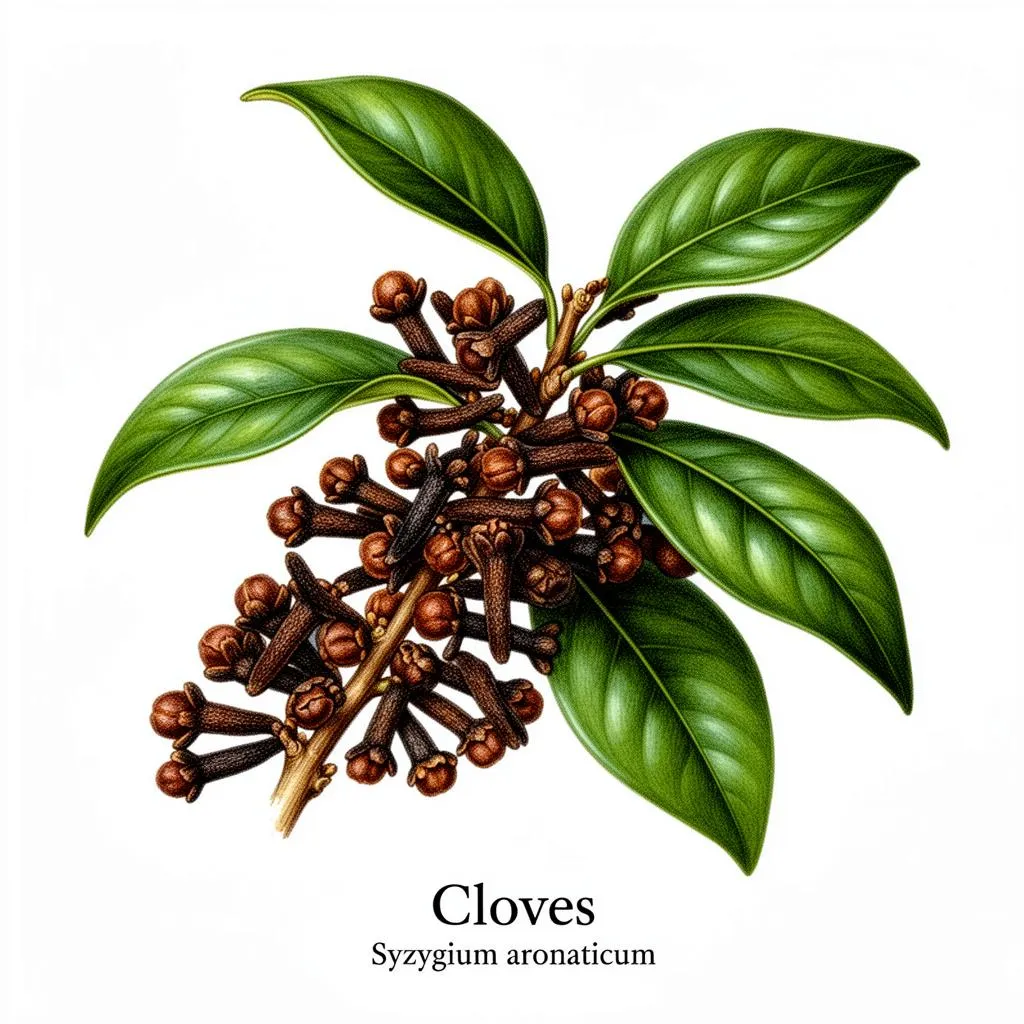
Clove, scientifically known as Syzygium aromaticum (L.) Merr.
A good article on Clove should not stop at one-line claims. Readers need taxonomy, habitat, safety, cultivation, and evidence in the same place so they can make sound decisions.
The linked plant page remains the main internal reference point for this article, but the goal here is to turn that raw data into a readable, structured, and genuinely useful guide.
- Potent antioxidant and anti-inflammatory spice.
- Rich in eugenol, offering antimicrobial and analgesic benefits.
- Traditionally used for oral health, digestion, and pain relief.
- Native to the Moluccas, cultivated globally in tropical regions.
- Harvested as unopened flower buds, carefully dried for use.
- Caution advised with high doses, undiluted oil, and certain medications.
This guide is designed to help the reader move from scattered facts to practical understanding. Instead of relying on a thin summary, it pulls together the identity, uses, care profile, safety notes, and evidence context around Clove so the article works as a real reference rather than a keyword page.
02Botanical Identity of Clove
Clove should be anchored to the correct taxonomic identity before any discussion of care, use, or safety begins.
| Common name | Clove |
|---|---|
| Scientific name | Syzygium aromaticum">Syzygium aromaticum (L.) Merr. & L.M.PerryW |
| Family | Myrtaceae |
| Order | Myrtales |
| Genus | Syzygium |
| Species epithet | aromaticum (L.) Merr. & L.M.Perry |
| Author citation | Guinea Is. |
| Basionym | Caryophyllus aromaticus L. |
| Synonyms | Caryophyllus aromaticus L.(https://www.gbif.org/species/5418973)Caryophyllus. |
| Common names | লবঙ্গ, লোভঞ্জা, Clove, Clove Tree, लौंग |
| Local names | Gewürznelkenbaum, clavo de olor, cravo-da-Índia, Karafou, clavero giroflé, cravo-das-molucas, clove, cavo-aromático, cravo-de-doce, craveiro-da-índia, Giroflier, kryddnejlika |
| Origin | Moluccas (Spice Islands), Indonesia |
| Life cycle | Perennial |
| Growth habit | Woody tree |
Using the accepted scientific name Syzygium aromaticum (L.) Merr. & L.M.Perry helps readers avoid confusion caused by old synonyms, loose common names, or inconsistent plant labels.
Family and order placement also matter because they explain recurring structural traits, likely relatives, and the kinds of mistakes readers often make when they rely on appearance alone.
03Clove: Physical Characteristics
Microscopic or internal identification notes deepen the picture, especially for processed material: Trichomes are generally absent on mature clove leaves and buds; however, very rare, unicellular, non-glandular trichomes may be observed on young or. Anomocytic (irregular-celled) stomata are present on both leaf surfaces (amphistomatic), though often more abundant on the lower epidermis. Powdered clove is characterized by abundant large oil glands (schizolysigenous cavities), fragments of epidermis with anomocytic stomata.
In overall habit, the plant is described as Woody tree with a mature height around Typically 5-25 m and spread of Typically 3-15 m.
In real-world identification, the most helpful approach is to read the plant as a whole. Habit, size, stem texture, leaf arrangement, flower form, and any distinctive surface detail all matter. For Clove, morphology is not only a descriptive topic; it is the foundation of correct recognition.
That is especially important when the plant is sold, dried, trimmed, or processed. Once a specimen is no longer growing naturally in front of the reader, small structural clues become more valuable. Leaf shape, venation, root form, bark character, and reproductive features all help confirm identity.
04Where Clove Grows
The native or historically recorded center of distribution for Clove is Moluccas (Spice Islands), Indonesia. That origin is more than background trivia; it explains how the plant responds to heat, moisture, shade, and seasonal change.
Explore Our Platforms
 InfiniCore DataWorks
 Nex-Automata
The plant is associated with the following countries or range markers: Comoros, Indonesia, Madagascar, Pemba), Tanzania (Zanzibar).
Environmental notes in the live record add more context: Natural habitat: Tropical coastal plains and lower mountain slopes. Climate zones: Thrives in tropical climates, specifically USDA Zones 10-12. Altitude range: Prefers low to moderate altitudes, typically from sea level up to 300 meters (about 1000 feet). Annual rainfall needs: Requires consistent and high rainfall, ideally 1500-2500 mm (60-100 inches).
In cultivation terms, the main ecological clues are: Full Sun; Every 2-3 days; Well-drained sandy loam or loamy soil with high organic matter, pH 6.0-7.0; Usually 5-10; Perennial; Woody tree.
Physiology data reinforce the habitat story: Once established, Syzygium aromaticum exhibits a degree of tolerance to moderate drought and salinity stress, but prolonged adverse conditions can. Clove primarily exhibits C3 photosynthesis, the most common photosynthetic pathway among plants, optimized for growth in moderate light and. Clove trees have moderate to high transpiration rates, necessitating consistent water availability and high atmospheric humidity to maintain turgor.
05Cultural Significance of Clove
Ayurveda: Known as 'Lavanga,' it is considered 'ushna virya' (heating potency) and 'laghu' (light) and 'tikshna' (sharp) in gunas. Used to pacify Vata and Kapha doshas, often used for digestive stimulant, pain relief (especially toothaches), and respiratory congestion. TCM: Called 'Ding Xiang,' it is considered warm and pungent, entering the spleen, stomach, and kidney meridians. Used to warm the middle Jiao.
Ethnobotanical records also show how this plant has been framed across different places: Polyphenol, tannin, flavonoid, or terpene activity often reported in related taxa in Maluku (https://api.gbif.org/v1/species/3183002; https://api.gbif.org/v1/species/3183002/vernacularNames?limit=100; https://api.gbif.org/v1/species/3183002/synonyms?limit=100; https://api.gbif.org/v1/species/3183002/distributions?limit=200; AI heuristic estimate from taxonomy/common-name patterns; verify manually.).
Local names help show how different communities notice and classify the plant: Gewürznelkenbaum, clavo de olor, cravo-da-Índia, Karafou, clavero giroflé, cravo-das-molucas, clove, cavo-aromático, cravo-de-doce, craveiro-da-índia.
Traditional context matters, but it should always be separated from modern certainty. Historical use can guide questions, yet it does not automatically prove present-day clinical effectiveness.
06Clove Health Benefits
The main benefit themes associated with the plant include:
- Potent Antioxidant — Clove is exceptionally rich in phenolic compounds, most notably eugenol, which efficiently scavenge free radicals, thereby reducing.
- Anti-inflammatory Properties — Eugenol actively inhibits pro-inflammatory enzymes such as COX-2, effectively mitigating systemic and localized inflammation.
- Potent Antimicrobial Agent — Its essential oil, especially eugenol, exhibits broad-spectrum activity against a wide array of bacteria, fungi, and viruses.
- Natural Analgesic Effects — Clove has a long-standing traditional use for pain relief, particularly for toothaches, attributed to eugenol's local anesthetic.
- Digestive Aid — It acts as a carminative, effectively easing indigestion, bloating, and gas by stimulating digestive enzyme secretion and promoting healthy.
- Anticarcinogenic Potential — Preliminary research suggests that compounds in clove, particularly eugenol, may possess anticarcinogenic properties, inhibiting.
- Blood Sugar Regulation — Studies indicate that clove may enhance insulin sensitivity and promote glucose uptake by cells, contributing to better management of.
- Bone Health Support — Certain compounds in clove have shown potential in preserving bone density and stimulating bone mineralization, suggesting a role in.
The evidence matrix gives a more careful picture of those claims: Potent antioxidant activity of Clove. In vitro studies, animal models, human dietary studies (ORAC values). High. Eugenol and other phenolic compounds in clove efficiently scavenge free radicals, reducing oxidative stress and cellular damage. Broad-spectrum antimicrobial effects of Clove. In vitro studies, some clinical trials (e.g., oral health applications). Moderate to High. Clove essential oil, primarily eugenol, demonstrates significant inhibitory activity against various pathogenic bacteria, fungi, and viruses. Analgesic and anti-inflammatory properties of Clove. Animal studies, traditional clinical observations, some human topical studies. Moderate. Eugenol acts as a local anesthetic and inhibits pro-inflammatory enzymes, contributing to pain relief and reduction of swelling. Anticarcinogenic potential of Clove. In vitro studies, preclinical animal models. Low to Moderate. Research indicates that clove extracts and eugenol can inhibit cancer cell proliferation, induce apoptosis, and modulate signaling pathways in various laboratory cancer models. Larvicidal activity against mosquito vectors. In vitro studies, laboratory experiments on mosquito larvae. Moderate. Clove oil has shown effective larvicidal activity against _Aedes aegypti_, suggesting its potential as a natural mosquito control agent.
The stored evidence confidence for this profile is traditional. That should shape how strongly any benefit statement is interpreted.
For medicinal content, the key discipline is to distinguish traditional use, mechanism-based plausibility, and human clinical support. Those are related ideas, but they are not the same thing.
- Potent Antioxidant — Clove is exceptionally rich in phenolic compounds, most notably eugenol, which efficiently scavenge free radicals, thereby reducing.
- Anti-inflammatory Properties — Eugenol actively inhibits pro-inflammatory enzymes such as COX-2, effectively mitigating systemic and localized inflammation.
- Potent Antimicrobial Agent — Its essential oil, especially eugenol, exhibits broad-spectrum activity against a wide array of bacteria, fungi, and viruses.
- Natural Analgesic Effects — Clove has a long-standing traditional use for pain relief, particularly for toothaches, attributed to eugenol's local anesthetic.
- Digestive Aid — It acts as a carminative, effectively easing indigestion, bloating, and gas by stimulating digestive enzyme secretion and promoting healthy.
- Anticarcinogenic Potential — Preliminary research suggests that compounds in clove, particularly eugenol, may possess anticarcinogenic properties, inhibiting.
- Blood Sugar Regulation — Studies indicate that clove may enhance insulin sensitivity and promote glucose uptake by cells, contributing to better management of.
- Bone Health Support — Certain compounds in clove have shown potential in preserving bone density and stimulating bone mineralization, suggesting a role in.
- Hepato-protective Action — Clove extracts have demonstrated the ability to protect the liver from toxic damage by enhancing detoxification pathways and.
- Larvicidal Activity — Research highlights clove's effectiveness as a natural larvicidal agent, particularly against _Aedes aegypti_ mosquitoes, offering an.
07Clove: Chemical Constituents
The broader constituent profile includes:
- Volatile Essential Oil — Consists primarily of Eugenol (80-95%), responsible for its characteristic aroma, analgesic. Eugenol acetate (5-15%), contributing to the fragrance and anti-inflammatory effects; and Beta-caryophyllene (5-15%), a sesquiterpene with potent anti-inflammatory properties.
- Phenolic Acids — Includes Gallic acid (783.50 mg/100g fresh weight), Caffeic acid, Ferulic acid, and Ellagic acid, all.
- Flavonoids — Contains Quercetin and Kaempferol, along with their glycosylated derivatives, which are known for their.
- Tannins — Abundant in Hydrolyzable tannins (2375.8 mg/100g), which confer astringent properties, contributing to its.
- Other Terpenes — Alpha-humulene (up to 2.1% of essential oil), a sesquiterpene with anti-inflammatory potential; also contains smaller amounts of Limonene and Beta-pinene.
- Sesquiterpene Alcohols — Farnesol, which possesses antimicrobial and potential anticancer activities.
- Aromatic Aldehydes — Benzaldehyde, contributing to the complex aromatic profile of clove.
The detailed phytochemistry file adds these markers: Eugenol, Phenylpropanoid (Volatile Phenylpropene), Flower buds (essential oil), 80-95% of essential oil, up to 14650 mg/100g fresh plant material% or mg/100g; Eugenol Acetate, Ester (Volatile Phenylpropene Ester), Flower buds (essential oil), 5-15% of essential oil%; Beta-caryophyllene, Sesquiterpene, Flower buds (essential oil), 5-15% of essential oil%; Gallic Acid, Hydroxybenzoic Acid (Phenolic Acid), Flower buds, 783.50 mg/100g fresh plant materialmg/100g; Hydrolyzable Tannins, Polyphenols, Flower buds, 2375.8 mg/100g fresh plant materialmg/100g; Quercetin, Flavonoid, Flower buds, Lower concentrationsN/A; Alpha-humulene, Sesquiterpene, Flower buds (essential oil), Up to 2.1% of essential oil%.
Compound profiles also shift with plant part, age, season, processing, and storage. The chemistry of a fresh leaf, dried root, or concentrated extract should never be treated as automatically identical.
08Using Clove: Methods & Dosage
Recorded preparation and use methods include Culinary Spice — Utilized globally as a whole or ground spice to impart its distinctive pungent, sweet, and aromatic flavor to savory dishes, baked goods, beverages, and desserts. Herbal Infusions — Dried clove buds are steeped in hot water to prepare a warming tea, traditionally consumed for digestive issues, sore throats, or as a general tonic. Essential Oil Application — Diluted clove essential oil is applied topically for localized pain relief, such as for toothaches, muscle soreness, or diffused for its aromatherapy. Tinctures and Extracts — Alcohol-based tinctures or fluid extracts are prepared from the buds for internal consumption to leverage systemic benefits or used externally in. Mouthwashes and Oral Care — Aqueous extracts or highly diluted clove oil are incorporated into mouthwashes to combat bad breath, reduce gingivitis, and provide antiseptic benefits. Poultices and Compresses — Ground clove powder, often mixed with a carrier, can be applied as a poultice or compress to soothe inflammation, reduce swelling, or alleviate. Ayurvedic Medicine — Employed as an aromatic, stimulant, and carminative, particularly for respiratory and digestive ailments, and noted for its warming and detoxifying properties. Traditional Chinese Medicine (TCM) — Used to warm the middle burner, disperse cold, and alleviate pain, especially for symptoms like stomach cold, abdominal pain, and hiccups.
The plant part most closely linked to use is recorded as Leaves, bark, fruit, or seeds commonly cited in related taxa.
Edibility and processing notes matter here as well: Varies by species and plant part; verify before use.
Preparation defines the outcome. Tea, decoction, tincture, powder, fresh plant material, cooked food use, and concentrated extract cannot be discussed as if they were interchangeable.
- Identify the exact species and plant part first.
- Match the preparation to the intended use.
- Check safety, interactions, and processing details before routine use or large-scale handling.
09Is Clove Safe? Precautions & Cautions
The first safety note is direct: Toxicity classification: Clove essential oil is generally classified as moderately to mildly toxic if ingested in large quantities or improperly applied. Toxic parts if any: The essential oil, especially in concentrated form, is the.
Specific warnings recorded for this plant include:
- Pregnancy and Lactation — Therapeutic doses of clove or its essential oil should be avoided during pregnancy and breastfeeding due to insufficient safety data; culinary use is generally considered safe.
- Children — Clove essential oil should not be given orally to infants or young children due to its potential for toxicity and liver damage.
- Bleeding Disorders — Contraindicated in individuals with bleeding disorders or those undergoing anticoagulant or antiplatelet therapy due to its.
- Surgery — Discontinue use of therapeutic doses at least two weeks before any scheduled surgery to minimize the risk of excessive bleeding.
- Diabetes Management — Individuals with diabetes should monitor their blood glucose levels closely if using clove, as it may potentiate the effects of.
- Liver Disease — Use with extreme caution in individuals with pre-existing liver conditions, and avoid high doses or prolonged use of clove oil.
- Drug Interactions — May interact with anticoagulants (e.g., warfarin), antiplatelet drugs (e.g., aspirin), and potentially medications for diabetes or liver.
- Skin Irritation — Undiluted clove oil can cause significant burning, stinging, or contact dermatitis when applied topically to sensitive skin.
- Allergic Reactions — Individuals sensitive to eugenol or other components of the Myrtaceae family may experience allergic responses, including rash or swelling.
Quality-control notes add another warning: Common adulterants include exhausted cloves (cloves from which essential oil has been extracted), clove stems, mother cloves, or other plant materials; essential oil can be.
No plant should be described as universally safe. Identity, dose, plant part, preparation style, age, pregnancy status, medication use, allergies, and contamination risk all change the answer.
10Growing Clove Successfully
The cultivation record emphasizes these practical steps:
- Climate Requirements — Thrives in tropical, humid environments with average temperatures between 20-30°C and high atmospheric humidity.
- Soil Preferences — Requires deep, fertile, well-drained loamy soils rich in organic matter, ideally with a pH range of 6.0-7.0.
- Propagation — Primarily propagated by fresh, viable seeds, which germinate within 3-6 weeks; cuttings are also occasionally used but are less common.
- Planting and Spacing — Seedlings are typically transplanted to the field when 1-2 years old, requiring ample space (around 6-8 meters apart) to accommodate mature tree.
- Watering and Rainfall — Demands consistent and ample rainfall, ideally 1500-2500 mm annually, and may require irrigation during prolonged dry spells.
- Harvesting — Unopened flower buds are meticulously hand-harvested when they reach maturity and turn from green to a distinct crimson color, typically 4-6 years after.
- Drying Process — Harvested buds are spread out and sun-dried or mechanically dried until they achieve their iconic reddish-brown color and retain less than 10% moisture.
The broader growth environment is described like this: Natural habitat: Tropical coastal plains and lower mountain slopes. Climate zones: Thrives in tropical climates, specifically USDA Zones 10-12. Altitude range: Prefers low to moderate altitudes, typically from sea level up to 300 meters (about 1000 feet). Annual rainfall needs: Requires consistent and high rainfall, ideally 1500-2500 mm (60-100 inches).
Planning becomes easier when these traits are kept in view: Woody tree; Typically 5-25 m; Typically 3-15 m; Intermediate.
In practice, healthy cultivation comes from systems thinking rather than one-off tricks. Site choice, drainage, timing, spacing, pruning, feeding, and observation all reinforce one another.
11Clove Growing Conditions
The most useful care snapshot is this: Light: Full Sun; Water: Every 2-3 days; Soil: Well-drained sandy loam or loamy soil with high organic matter, pH 6.0-7.0; Temperature: 20-30°C; USDA zone: Usually 5-10.
Outdoors, light, water, and soil must be read together. The same watering schedule can be too much in dense clay and too little in a porous sandy bed.
| Light | Full Sun |
|---|---|
| Water | Every 2-3 days |
| Soil | Well-drained sandy loam or loamy soil with high organic matter, pH 6.0-7.0 |
| Temperature | 20-30°C |
| USDA zone | Usually 5-10 |
Light, water, and soil should never be treated as separate checkboxes. A plant in stronger light often dries faster, soil texture changes how quickly water moves, and temperature plus humidity influence how stress appears in leaves and roots.
For Clove, the safest care approach is to treat Full Sun, Every 2-3 days, and Well-drained sandy loam or loamy soil with high organic matter, pH 6.0-7.0 as linked decisions rather than isolated tips. If one condition shifts, the other two usually need to be reconsidered as well.
12Clove Propagation Methods
Documented propagation routes include Seeds: Collect fresh seeds from ripe fruits. Sow immediately in well-draining soil mix; germination can be slow (3-6 weeks). Cuttings: Take semi-hardwood cuttings (15-20 cm long) from healthy parent plants. Dip in rooting hormone and plant in a.
Propagation works best when the parent stock is healthy, correctly identified, and handled in the right season. That sounds obvious, but it is exactly where many failures begin.
- Seeds: Collect fresh seeds from ripe fruits. Sow immediately in well-draining soil mix
- Germination can be slow (3-6 weeks). Cuttings: Take semi-hardwood cuttings (15-20 cm long) from healthy parent plants. Dip in rooting hormone and plant in a.
Propagation works best when the reader matches method to biology. Some plants respond readily to cuttings, some to division, some to seed, and others require more patience or more exact seasonal timing.
A successful propagation guide therefore starts with healthy parent material and realistic expectations. Weak stock, rushed handling, and poor aftercare can make even a technically correct method fail.
13Protecting Clove from Pests & Disease
The recorded problem list includes Common pests: Clove stem borer (Plocaederus ferrugineus), Scale insects (e.g., Saissetia spp.), Mealybugs. Fungal.
For medicinal species, pest pressure is not only a horticultural issue. It also affects harvest cleanliness, storage stability, and confidence in the final material.
The smartest response sequence is observation first, environmental correction second, and treatment only after the real pattern is clear.
- Common pests: Clove stem borer (Plocaederus ferrugineus), Scale insects (e.g., Saissetia spp.), Mealybugs. Fungal.
Pest and disease management is strongest when it begins before visible damage becomes severe. Routine observation, clean handling, sensible spacing, air movement, and balanced watering reduce many problems before treatment is even needed.
When symptoms do appear on Clove, the most reliable response is diagnostic rather than reactive. Yellowing, spots, wilt, chewing, and stunting can all have multiple causes, so a rushed treatment can waste time or worsen the problem.
14How to Harvest Clove
The plant part most often associated with harvest or processing is Leaves, bark, fruit, or seeds commonly cited in related taxa.
Storage guidance from the quality-control record reads as follows: Dried clove buds and essential oil should be stored in airtight, dark containers, away from direct light, heat, and moisture to prevent oxidation and loss of volatile compounds.
For medicinal plants, harvesting cannot be separated from processing. The right plant part, the right timing, and the right drying conditions all shape quality and safety.
Whatever the purpose, the rule is the same: harvest clean material, label it clearly, and store it in a way that preserves identity and condition.
Harvest and storage determine whether a plant's quality is preserved after it leaves the bed, pot, field, or wild source. Clean timing, correct plant part selection, and careful drying or handling all matter more than many readers expect.
15Companion Plants for Clove
Useful companions or placement partners include Coffee; Pepper; Areca Nut; Coconut; Mango.
In a home herb garden or medicinal bed, Clove should be placed where harvesting is easy, labeling remains clear, and neighboring plants do not create confusion at collection time.
- Coffee
- Pepper
- Areca Nut
- Coconut
- Mango
Companion planting and design are not only aesthetic decisions. They affect airflow, root competition, moisture sharing, harvest access, visibility, and the general logic of the planting scheme.
With Clove, good placement means thinking about mature size, maintenance rhythm, and how neighboring plants change the feel and function of the space. A plant can be healthy on its own and still be poorly placed within the broader composition.
That is why the best design advice combines biology with usability. The planting should look coherent, but it should also make watering, pruning, harvest, and pest observation easier rather than harder.
16Research on Clove
The evidence matrix points to several recurring themes: Potent antioxidant activity of Clove. In vitro studies, animal models, human dietary studies (ORAC values). High. Eugenol and other phenolic compounds in clove efficiently scavenge free radicals, reducing oxidative stress and cellular damage. Broad-spectrum antimicrobial effects of Clove. In vitro studies, some clinical trials (e.g., oral health applications). Moderate to High. Clove essential oil, primarily eugenol, demonstrates significant inhibitory activity against various pathogenic bacteria, fungi, and viruses. Analgesic and anti-inflammatory properties of Clove. Animal studies, traditional clinical observations, some human topical studies. Moderate. Eugenol acts as a local anesthetic and inhibits pro-inflammatory enzymes, contributing to pain relief and reduction of swelling. Anticarcinogenic potential of Clove. In vitro studies, preclinical animal models. Low to Moderate. Research indicates that clove extracts and eugenol can inhibit cancer cell proliferation, induce apoptosis, and modulate signaling pathways in various laboratory cancer models. Larvicidal activity against mosquito vectors. In vitro studies, laboratory experiments on mosquito larvae. Moderate. Clove oil has shown effective larvicidal activity against _Aedes aegypti_, suggesting its potential as a natural mosquito control agent.
Ethnobotanical activity records add historical reference trails: Polyphenol, tannin, flavonoid, or terpene activity often reported in related taxa — Maluku [https://api.gbif.org/v1/species/3183002; https://api.gbif.org/v1/species/3183002/vernacularNames?limit=100; https://api.gbif.org/v1/species/3183002/synonyms?limit=100; https://api.gbif.org/v1/species/3183002/distributions?limit=200; AI heuristic estimate from taxonomy/common-name patterns; verify manually.].
The compiled source count behind the live profile is 8. That does not guarantee certainty, but it does suggest the record has been cross-checked beyond a single note.
Analytical testing notes also strengthen the evidence base: Quality control involves macroscopic and microscopic examination for identity, chemical analysis via HPLC for phenolic content, GC-MS for essential oil composition, determination.
A careful evidence section should say what is known, what is plausible, and what remains uncertain. Readers are better served by clear limits than by exaggerated confidence.
Evidence note: this section blends the live plant record, local ethnobotanical activity data, chemistry records, and the linked Flora Medical Global plant profile for Clove.
17Buying Clove: Expert Tips
Quality markers worth checking include Key marker compounds for quality assessment include Eugenol (typically 80-95% in essential oil), Eugenol acetate, and Beta-caryophyllene, which define its characteristic chemical.
Adulteration and substitution risk should not be ignored: Common adulterants include exhausted cloves (cloves from which essential oil has been extracted), clove stems, mother cloves, or other plant materials; essential oil can be.
When buying Clove, start with verified botanical identity. The label, scientific name, and the source page should agree before you judge price, size, or claimed benefits.
For living plants, inspect roots, stem firmness, foliage health, and early pest signs. For dried or processed material, look for batch clarity, clean aroma, absence of mold, and any sign that the product has been over-processed to disguise poor quality.
18Common Questions About Clove
What is Clove best known for?
Clove, scientifically known as Syzygium aromaticum (L.) Merr.
Is Clove beginner-friendly?
That depends on the growing environment and the intended use. Some plants are easy to grow but not simple to use medicinally, while others are the opposite.
How much light does Clove need?
Full Sun
How often should Clove be watered?
Every 2-3 days
Can Clove be propagated at home?
Yes, but the best method depends on whether the species responds best to seed, cuttings, division, offsets, or other propagation routes.
Does Clove have safety concerns?
Toxicity classification: Clove essential oil is generally classified as moderately to mildly toxic if ingested in large quantities or improperly applied. Toxic parts if any: The essential oil, especially in concentrated form, is the.
What is the biggest mistake people make with Clove?
The most common mistake is applying generic advice instead of matching the plant to its real environment, identity, and limits.
Where can I verify more information about Clove?
Start with the Flora Medical Global plant profile: https://www.floramedicalglobal.com/plant/clove
Why do sources sometimes disagree about Clove?
Different references may use different synonyms, plant parts, cultivation conditions, or evidence standards. That is why taxonomy and source quality both matter.
How should I read a long guide about Clove without getting overwhelmed?
Start with identity, habitat, and safety first. Once those are clear, the care, use, and research sections become much easier to interpret correctly.
19Clove: Scientific References
Authoritative sources and related guides:
- Wikipedia — background reference
- PubMed — peer-reviewed studies
- Kew POWO — botanical reference
- NCBI PMC — open-access research
- WHO — global health authority
Related on Flora Medical Global
Reviewed by the Flora Medical Global Botanical Review Panel
Multi-disciplinary editorial group · Botany · Ethnobotany · Herbal-medicine literature
Who reviewed this: This page was checked by the Flora Medical Global Botanical Review Panel — an in-house editorial group of botany graduates, ethnobotany researchers, and horticulture practitioners who collectively maintain our 7,000+ plant encyclopedia. Meet the team.
Our 4-step verification process
1. Taxonomic verification
Scientific names and synonyms cross-checked against Kew POWO, World Flora Online, and The Plant List.
2. Phytochemical & medicinal cross-reference
Active compounds, traditional uses, and reported activities are cross-referenced with PubMed, USDA Dr. Duke's database, and peer-reviewed ethnobotanical literature.
3. Conservation & distribution check
Distribution, ecology, and conservation status confirmed against GBIF occurrence records and the IUCN Red List.
4. Editorial & safety review
Every entry passes an editorial pass for clarity, originality, and safety notices (toxicity, contraindications, dosage caveats) before publication.
Last reviewed:
Important medical disclaimer: This content is for educational and research purposes only. It is not medical advice and is not a substitute for consultation with a licensed healthcare provider. Do not use any herb to self-treat a medical condition without professional guidance.
Explore Our Platforms
Comments (0)
No comments yet. Be the first!