
Overview & Introduction
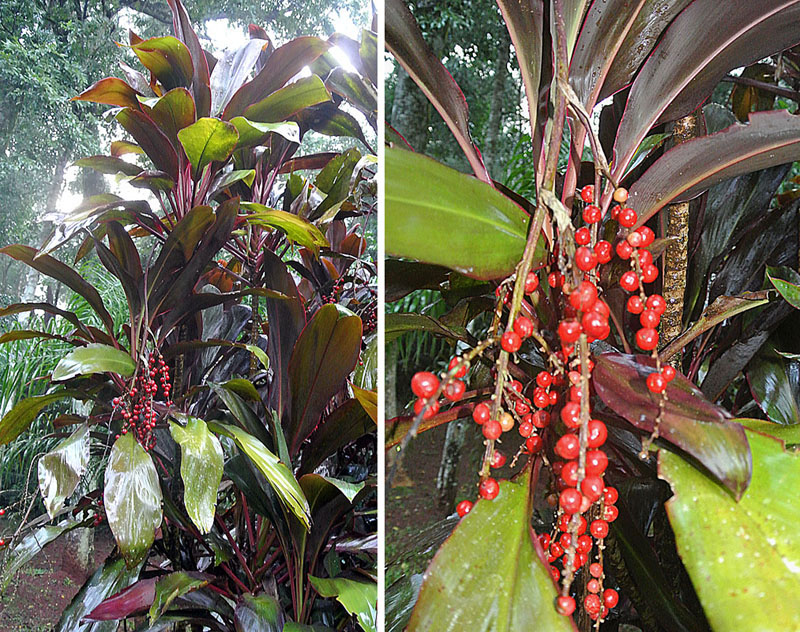
Cordyline fruticosa, widely recognized as the Ti plant, Cabbage palm, or Good Luck plant, is a visually striking perennial evergreen shrub belonging to the Asparagaceae family.
The interesting part about Cordyline Fruticosa is that the plant can be discussed from several angles at once: visible form, environmental behavior, traditional context, and modern quality control.
The aim is simple: make the article detailed enough for serious readers while keeping the structure clear enough for fast scanning and confident decision-making.
- Cordyline fruticosa is a culturally significant tropical plant known as Ti plant.
- Traditionally used in Polynesian medicine for fever, pain, and digestion.
- Modern research highlights its antimicrobial activity against oral pathogens.
- Rich in phenolic compounds, flavonoids, saponins, triterpenoids, and alkaloids.
- Requires warm, humid conditions and indirect light for cultivation.
- Safety data for internal medicinal use is limited
- Consult a professional.
This guide is designed to help the reader move from scattered facts to practical understanding. Instead of relying on a thin summary, it pulls together the identity, uses, care profile, safety notes, and evidence context around Cordyline Fruticosa so the article works as a real reference rather than a keyword page.
Botanical Profile & Taxonomy
Cordyline Fruticosa should be anchored to the correct taxonomic identity before any discussion of care, use, or safety begins.
| Common name | Cordyline Fruticosa |
|---|---|
| Scientific name | Cordyline fruticosa |
| Family | Asparagaceae |
| Order | Asparagales |
| Genus | Cordyline |
| Species epithet | fruticosa |
| Author citation | (L.) A.Chev. |
| Basionym | Convallaria fruticosa L. |
| Synonyms | Aletris chinensis Lam.(https://www.gbif.org/species/2766283)Asparagus. |
| Common names | কর্ডাইলাইন ফ্রুটিকোসা, টি উদ্ভিদ, হাওয়াইয়ান টি উদ্ভিদ, Ti Plant, Hawaiian Ti Plant, Good Luck Plant, तिवारा, हवाईयन तिवारा |
| Local names | Foulard, cordiline, Keulenlilie, caña de indio, good luck plant, papagaio, dracena-vermelha, Cordyline, coqueirinho-de-vênus, coqueiro-de-vênus, croto, bloddracena |
| Origin | Southeast Asia (Malaysia, Indonesia, Philippines) |
| Life cycle | Perennial |
| Growth habit | Tree |
Using the accepted scientific name Cordyline fruticosa helps readers avoid confusion caused by old synonyms, loose common names, or inconsistent plant labels.
Family and order placement also matter because they explain recurring structural traits, likely relatives, and the kinds of mistakes readers often make when they rely on appearance alone.
Physical Description & Morphology
A practical reading of the plant starts with visible structure: Leaf: Leaves are typically sword-shaped, lanceolate, or broadly ovate, often glossy, and grow in a spiral arrangement at the top of stems. They can range. Stem: Stems are woody, cane-like, and typically unbranched when young, developing into multiple stems from the base or after pruning as they mature. The. Root: Fibrous root system, not typically invasive, forming a dense but contained ball within the pot. Some cultivars may develop fleshy, tuberous roots. Flower: Infrequent indoors. When present, flowers are small, white or pale lavender, star-shaped, and borne on a tall, branched spike (panicle) that emerges. Fruit: If fruiting occurs after flowering (rare indoors), small, berry-like fruits develop, usually red or purple. Seed: Small, black seeds are found within the berries, but propagation from seed is not common for indoor cultivation.
Microscopic or internal identification notes deepen the picture, especially for processed material: Trichomes are generally absent in Cordyline fruticosa, or if present, are non-glandular and sparse, indicating a smooth leaf surface. Stomata are commonly paracytic or anomocytic, often found predominantly on the abaxial (lower) surface of the leaf, facilitating gas exchange. Powdered leaf material reveals fragments of epidermal cells, spiral and scalariform vessels from vascular bundles, parenchymatous cells, and.
In overall habit, the plant is described as Tree with a mature height around Typically 2-20 m and spread of Typically 2-8 m.
Natural Habitat & Distribution
The native or historically recorded center of distribution for Cordyline Fruticosa is Southeast Asia (Malaysia, Indonesia, Philippines). That origin is more than background trivia; it explains how the plant responds to heat, moisture, shade, and seasonal change.
The plant is associated with the following countries or range markers: Eastern Australia, Pacific Islands., Southeastern Asia.
Environmental notes in the live record add more context: Requires bright, indirect light for optimal coloration, consistent temperatures within the preferred range, and medium to high humidity. Good air circulation is beneficial but avoid direct drafts. Protect from sudden temperature fluctuations.
In cultivation terms, the main ecological clues are: Bright Indirect Light. Direct sun can scorch leaves, while too little light can reduce leaf coloration and lead to leggy growth. Allow the top 1-2 inches of soil to dry out between waterings. Typically every 7-10 days, but adjust based on environmental conditions. Well-draining, slightly acidic to neutral (pH 6.0-7.0) potting mix. A good blend would be peat moss, perlite/vermiculite, and a small amount of compost or aged bark. Usually 8-11; species-dependent; Perennial; Tree.
Physiology data reinforce the habitat story: Shows resilience to moderate water stress and thrives in warm temperatures; however, prolonged drought or cold can lead to leaf scorching and. Cordyline fruticosa primarily utilizes C3 photosynthesis, typical for tropical plants adapted to moderate light conditions. Exhibits moderate to high transpiration rates, consistent with its preference for humid environments and well-hydrated soil, but can show some.
Traditional & Cultural Significance
In its native Hawaii, Cordyline fruticosa (referred to as Ti or Kī) holds deep cultural significance, used in rituals, medicine, and as clothing or food wrappers. It's considered sacred to the god Lono and the goddess Laka. In some cultures, planting it around homes is believed to bring good luck and ward off evil spirits. As an indoor plant, it's often valued for its vibrant color, contributing to Feng Shui.
Ethnobotanical records also show how this plant has been framed across different places: Ague in Malaya (Duke, 1992 *); Arthritis in Malaya (Duke, 1992 *); Dermatosis in Malaya (Duke, 1992 *); Diarrhea in Malaya (Duke, 1992 *); Diarrhea in Elsewhere (Duke, 1992 *); Dysentery in Malaya (Duke, 1992 *); Dyspepsia in Java (Duke, 1992 *); Gingivitis in Sumatra (Duke, 1992 *).
Local names help show how different communities notice and classify the plant: Foulard, cordiline, Keulenlilie, caña de indio, good luck plant, papagaio, dracena-vermelha, Cordyline, coqueirinho-de-vênus, coqueiro-de-vênus.
Traditional context matters, but it should always be separated from modern certainty. Historical use can guide questions, yet it does not automatically prove present-day clinical effectiveness.
Medicinal Properties & Health Benefits
The main benefit themes associated with the plant include: Antimicrobial Activity — Cordyline fruticosa leaf extract has demonstrated significant antimicrobial properties, particularly against cariogenic bacteria like. Antifungal Efficacy — The plant's methanol leaf extract exhibits potent antifungal activity, showing a stronger inhibitory effect against Candida albicans. Antibacterial Properties — Research indicates that Cordyline fruticosa possesses antibacterial capabilities, making it a candidate for natural remedies. Anti-inflammatory Support — Traditionally used for joint pain and various inflammatory conditions, the presence of flavonoids and phenolic compounds suggests. Antioxidant Protection — Rich in phenolic compounds and flavonoids, Cordyline fruticosa likely offers antioxidant benefits, helping to neutralize free. Digestive Aid — In Polynesian traditional medicine, parts of the plant were used to alleviate digestive issues, possibly due to compounds that soothe the. Fever Reduction — Traditionally employed as a febrifuge, the plant may contain compounds that help regulate body temperature during febrile states, a common. Pain Relief — Historical records indicate its use for joint pain, suggesting analgesic properties derived from its diverse phytochemical profile, potentially.
The evidence matrix gives a more careful picture of those claims: Cordyline fruticosa leaf extract demonstrates significant antimicrobial activity. Laboratory experiment (Phytochemical and GC-MS screening, MIC determination). In vitro study. A study identified bioactive compounds and assessed antimicrobial efficacy against S. mutans and C. albicans. Cordyline fruticosa extract has antibacterial activity against Streptococcus mutans. Laboratory experiment (MIC determination using ELISA spectrophotometry). In vitro study. The extract showed a minimum inhibitory concentration (MIC) of 6.25% against S. mutans, a key cariogenic bacterium. Cordyline fruticosa extract possesses antifungal activity against Candida albicans. Laboratory experiment (MIC determination using ELISA spectrophotometry). In vitro study. The extract exhibited a stronger inhibitory effect against C. albicans, with an MIC of 1.56%, suggesting potent antifungal potential. Traditional Polynesian medicine uses Cordyline fruticosa for fever, joint pain, and digestive issues. Ethnographic survey and historical records. Traditional/Ethnopharmacological. Various plant parts, including leaves and rhizomes, were historically employed for a range of ailments in Pacific Islander traditions.
The stored evidence confidence for this profile is traditional. That should shape how strongly any benefit statement is interpreted.
For non-medicinal or mostly ornamental contexts, the safest approach is to keep the claims modest. A plant may still be valuable ecologically, visually, or culturally without being promoted as a treatment.
- Antimicrobial Activity — Cordyline fruticosa leaf extract has demonstrated significant antimicrobial properties, particularly against cariogenic bacteria like.
- Antifungal Efficacy — The plant's methanol leaf extract exhibits potent antifungal activity, showing a stronger inhibitory effect against Candida albicans.
- Antibacterial Properties — Research indicates that Cordyline fruticosa possesses antibacterial capabilities, making it a candidate for natural remedies.
- Anti-inflammatory Support — Traditionally used for joint pain and various inflammatory conditions, the presence of flavonoids and phenolic compounds suggests.
- Antioxidant Protection — Rich in phenolic compounds and flavonoids, Cordyline fruticosa likely offers antioxidant benefits, helping to neutralize free.
- Digestive Aid — In Polynesian traditional medicine, parts of the plant were used to alleviate digestive issues, possibly due to compounds that soothe the.
- Fever Reduction — Traditionally employed as a febrifuge, the plant may contain compounds that help regulate body temperature during febrile states, a common.
- Pain Relief — Historical records indicate its use for joint pain, suggesting analgesic properties derived from its diverse phytochemical profile, potentially.
- Oral Health Agent — Given its proven efficacy against S. mutans and C. albicans, Cordyline fruticosa extract shows promise as a natural ingredient in oral.
- Wound Healing Support — Traditional applications often involve topical use for skin ailments, implying properties that might aid in wound healing and.
Chemical Constituents & Phytochemistry
The broader constituent profile includes Phenolic Compounds — These are a major class of secondary metabolites, including simple phenols, phenolic acids, and. Flavonoids — A diverse group of polyphenolic compounds, such as quercetin derivatives, known for their potent. Saponins — Triterpenoid glycosides that exhibit surfactant properties, often associated with antifungal. Triterpenoids — A broad class of isoprenoid compounds, including various sterols and acids, which often possess. Alkaloids — Nitrogen-containing organic compounds with diverse and potent physiological effects, often acting on the. Anthocyanins — Pigment molecules belonging to the flavonoid class, responsible for the vibrant red, purple, and pink. Glycosides — Various compounds linked to sugar molecules, which can enhance solubility and bioavailability, and often. Volatile Compounds — Identified through GC-MS, these numerous compounds, though not individually specified, contribute.
The detailed phytochemistry file adds these markers: Phenolic Acids, Phenolic Compound, Leaf, VariableN/A; Flavonoids (e.g., Quercetin derivatives), Flavonoid, Leaf, VariableN/A; Saponins, Triterpenoid Glycoside, Leaf, VariableN/A; Triterpenoids (general), Terpenoid, Leaf, VariableN/A; Alkaloids (general), Nitrogen-containing Compound, Leaf, VariableN/A; Anthocyanins, Flavonoid, Leaf, VariableN/A.
Compound profiles also shift with plant part, age, season, processing, and storage. The chemistry of a fresh leaf, dried root, or concentrated extract should never be treated as automatically identical.
How to Use — Preparations & Dosage
Recorded preparation and use methods include Traditional Decoction — Leaves or rhizomes are boiled in water to create a medicinal decoction for internal consumption for fevers, pain, or digestive issues. Topical Poultice — Crushed or bruised leaves are applied directly to the skin as a poultice for joint pain, minor wounds, or skin irritations. Lei and Adornment — Fresh leaves are woven into traditional Hawaiian leis for ceremonial use, protection, or as decorative adornments. Food Wrapping — Leaves are historically used as biodegradable wrappers for cooking foods, particularly for steaming or baking in underground ovens (imu), imparting subtle flavors. Thatching Material — Larger, mature leaves are layered and woven to create durable, waterproof roofing for traditional dwellings. Oral Rinse Preparation — Experimental extracts could be formulated into mouthwashes or rinses to leverage their antimicrobial properties against cariogenic pathogens. Beverage Infusion — Young, tender leaves or rhizomes might be steeped to create a mild tea, though caution is advised regarding ingestion without proper guidance. Fiber Production — The fibrous nature of the leaves and stems allows for their use in crafting traditional items like hula skirts, rain cloaks, and rudimentary cordage.
The plant part most closely linked to use is recorded as Fruit, roots, leaves, sap, or seeds cited in related taxa.
Edibility and processing notes matter here as well: Some taxa have edible fruits, sap, or hearts; verify species.
For indoor readers, “how to use” usually means how the plant is placed, styled, handled, propagated, and maintained within the living space rather than how it is taken internally.
- Identify the exact species and plant part first.
- Match the preparation to the intended use.
- Check safety, interactions, and processing details before routine use or large-scale handling.
Safety Profile, Side Effects & Contraindications
The first safety note is direct: Toxic to humans, cats, and dogs. Contains saponins which can cause oral irritation, difficulty swallowing, vomiting, and diarrhea if ingested. Symptoms in pets typically include drooling, vomiting, and lethargy. Keep away from children.
Specific warnings recorded for this plant include Research Gaps — The safety profile of Cordyline fruticosa, particularly for internal medicinal use, requires more extensive toxicological and clinical studies. External Use Caution — While traditionally used topically, individuals with sensitive skin should perform a patch test to avoid potential irritation or. Avoid During Pregnancy/Lactation — Due to a lack of robust safety data, pregnant and breastfeeding women should refrain from using Cordyline fruticosa. Consult Healthcare Professional — Always consult a qualified medical herbalist or healthcare provider before using Cordyline fruticosa for therapeutic. Pediatric Use — Not recommended for infants or young children due to insufficient safety information and potential for adverse effects. Dosage Unknown — Standardized safe dosages for medicinal applications are not established, making self-medication risky. Toxicological Studies Needed — The recent antimicrobial study explicitly calls for further toxicological studies to confirm its safety for clinical. Allergic Reactions — Individuals may experience skin irritation, rash, or other allergic responses upon topical contact with the plant sap or internal. Gastrointestinal Upset — Ingesting large quantities, particularly of raw or improperly prepared parts, may lead to nausea, vomiting, or diarrhea due to. Lack of Safety Data — Comprehensive human clinical trials on the safety and efficacy of medicinal preparations are limited, especially for internal use.
Quality-control notes add another warning: Given its ornamental popularity and emerging medicinal interest, there is a moderate risk of adulteration with other Cordyline species or less active plant materials.
No plant should be described as universally safe. Identity, dose, plant part, preparation style, age, pregnancy status, medication use, allergies, and contamination risk all change the answer.
Growing & Cultivation Guide
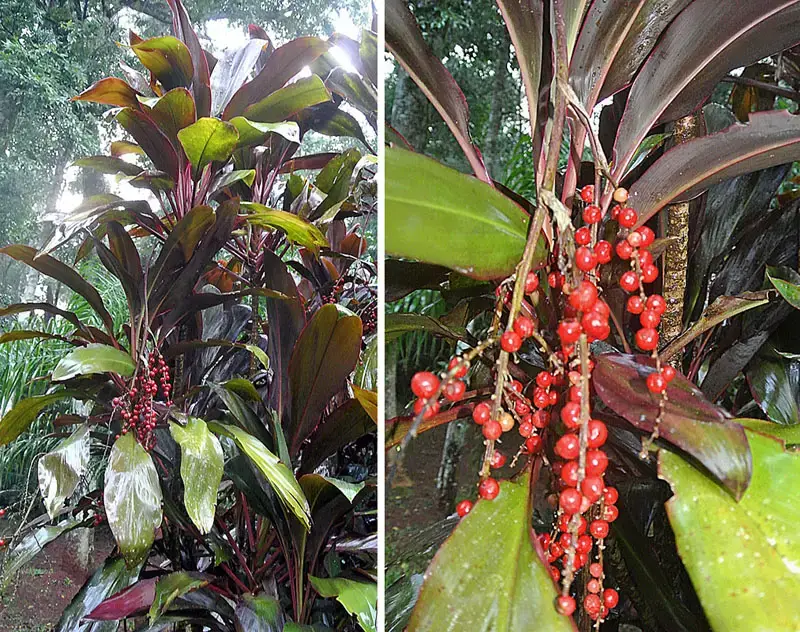
The cultivation record emphasizes these practical steps: Climate Preference — Thrives in warm, humid tropical and subtropical climates, ideally with temperatures between 18-35°C (65-95°F). Light Requirements — Prefers bright, indirect light or partial shade; direct, intense sun can scorch leaves, especially for colorful varieties. Soil Composition — Requires well-drained, fertile soil rich in organic matter, with a slightly acidic to neutral pH (6.0-7.0). Watering Schedule — Keep soil consistently moist but not waterlogged; reduce watering slightly in cooler months. Humidity Needs — Benefits from high humidity, which can be maintained by misting, using a pebble tray, or placing near a humidifier. Fertilization — Feed monthly during the growing season (spring and summer) with a balanced liquid fertilizer diluted to half strength.
The broader growth environment is described like this: Requires bright, indirect light for optimal coloration, consistent temperatures within the preferred range, and medium to high humidity. Good air circulation is beneficial but avoid direct drafts. Protect from sudden temperature fluctuations.
Planning becomes easier when these traits are kept in view: Tree; Typically 2-20 m; Typically 2-8 m; Moderate; Intermediate.
In practice, healthy cultivation comes from systems thinking rather than one-off tricks. Site choice, drainage, timing, spacing, pruning, feeding, and observation all reinforce one another.
Light, Water & Soil Requirements
The most useful care snapshot is this: Light: Bright Indirect Light. Direct sun can scorch leaves, while too little light can reduce leaf coloration and lead to leggy growth. Water: Allow the top 1-2 inches of soil to dry out between waterings. Typically every 7-10 days, but adjust based on environmental conditions. Soil: Well-draining, slightly acidic to neutral (pH 6.0-7.0) potting mix. A good blend would be peat moss, perlite/vermiculite, and a small amount of compost or aged bark. Humidity: Medium to High (50-70%). While tolerant of average household humidity, higher levels prevent leaf tip browning. Temperature: 18-27°C (65-80°F). Avoid temperatures below 10°C (50°F) or sudden drops. USDA zone: Usually 8-11; species-dependent.
Container details matter too: Terra cotta or ceramic pots with excellent drainage holes are ideal for Cordyline fruticosa. Choose a pot size that is appropriate for the plant's root ball. Every 1-2 years, or when the plant becomes root-bound. Signs include roots emerging from drainage holes, stunted growth, or water running straight through the.
Indoors, the plant responds to microclimate more than many people expect. Window direction, airflow, heating, and room humidity can change the care rhythm quickly.
| Light | Bright Indirect Light. Direct sun can scorch leaves, while too little light can reduce leaf coloration and lead to leggy growth. |
|---|---|
| Water | Allow the top 1-2 inches of soil to dry out between waterings. Typically every 7-10 days, but adjust based on environmental conditions. |
| Soil | Well-draining, slightly acidic to neutral (pH 6.0-7.0) potting mix. A good blend would be peat moss, perlite/vermiculite, and a small amount of compost or aged bark. |
| Humidity | Medium to High (50-70%). While tolerant of average household humidity, higher levels prevent leaf tip browning. |
| Temperature | 18-27°C (65-80°F). Avoid temperatures below 10°C (50°F) or sudden drops. |
| USDA zone | Usually 8-11; species-dependent |
Propagation Methods
Documented propagation routes include Stem Cuttings: Take 4-6 inch stem cuttings, ensuring at least one leaf node. Remove lower leaves. Plant in moist potting mix or root in water. Air Layering: For larger plants, create a wound on the stem, apply rooting hormone, wrap with moist sphagnum moss and plastic. Once roots form, cut below the. Division: For multi-stemmed plants, carefully divide the root ball and plant sections into separate pots.
Propagation works best when the parent stock is healthy, correctly identified, and handled in the right season. That sounds obvious, but it is exactly where many failures begin.
- Stem Cuttings: Take 4-6 inch stem cuttings, ensuring at least one leaf node. Remove lower leaves. Plant in moist potting mix or root in water.
- Air Layering: For larger plants, create a wound on the stem, apply rooting hormone, wrap with moist sphagnum moss and plastic. Once roots form, cut below the.
- Division: For multi-stemmed plants, carefully divide the root ball and plant sections into separate pots.
Pest & Disease Management
The recorded problem list includes Spider mites are a common pest, often thriving in dry conditions; treat with neem oil or insecticidal soap, and increase humidity. Mealybugs can also infest leaf axils; remove with rubbing alcohol on a cotton swab. Fungal leaf spots can occur if humidity is too high without adequate air. ensure good air flow and avoid overhead watering. Brown leaf tips are typically caused by low humidity, inconsistent. use filtered water and increase humidity. Yellowing lower leaves can indicate overwatering or nutrient deficiency. adjust watering schedule and fertilize appropriately. Root rot is a serious issue caused by persistent overwatering. repot into fresh, well-draining soil and prune affected roots.
Indoor problems usually start quietly: mites, mealybugs, scale, root stress, weak light, or stale soil structure. Routine inspection is what keeps small issues from becoming full infestations.
The smartest response sequence is observation first, environmental correction second, and treatment only after the real pattern is clear.
Harvesting, Storage & Processing
The plant part most often associated with harvest or processing is Fruit, roots, leaves, sap, or seeds cited in related taxa.
Storage guidance from the quality-control record reads as follows: Dried plant material and extracts should be stored in airtight, dark, and cool conditions to prevent degradation of active compounds, maintaining stability for up to 12-24 months.
For indoor plants, this section often translates into trimming, leaf cleanup, offset collection, occasional flower removal, and safe handling of spent growth.
Whatever the purpose, the rule is the same: harvest clean material, label it clearly, and store it in a way that preserves identity and condition.
Companion Planting & Garden Design
Useful companions or placement partners include Peace Lily (Spathiphyllum); Pothos (Epipremnum aureum); Dracaena; Ferns (e.g. Boston Fern); Ficus elastica (Rubber Plant).
In indoor styling, Cordyline Fruticosa usually works best beside plants that share similar moisture expectations but offer contrast in texture, height, or silhouette.
Companion planting and design are not only aesthetic decisions. They affect airflow, root competition, moisture sharing, harvest access, visibility, and the general logic of the planting scheme.
With Cordyline Fruticosa, good placement means thinking about mature size, maintenance rhythm, and how neighboring plants change the feel and function of the space. A plant can be healthy on its own and still be poorly placed within the broader composition.
That is why the best design advice combines biology with usability. The planting should look coherent, but it should also make watering, pruning, harvest, and pest observation easier rather than harder.
Scientific Research & Evidence Base
The evidence matrix points to several recurring themes: Cordyline fruticosa leaf extract demonstrates significant antimicrobial activity. Laboratory experiment (Phytochemical and GC-MS screening, MIC determination). In vitro study. A study identified bioactive compounds and assessed antimicrobial efficacy against S. mutans and C. albicans. Cordyline fruticosa extract has antibacterial activity against Streptococcus mutans. Laboratory experiment (MIC determination using ELISA spectrophotometry). In vitro study. The extract showed a minimum inhibitory concentration (MIC) of 6.25% against S. mutans, a key cariogenic bacterium. Cordyline fruticosa extract possesses antifungal activity against Candida albicans. Laboratory experiment (MIC determination using ELISA spectrophotometry). In vitro study. The extract exhibited a stronger inhibitory effect against C. albicans, with an MIC of 1.56%, suggesting potent antifungal potential. Traditional Polynesian medicine uses Cordyline fruticosa for fever, joint pain, and digestive issues. Ethnographic survey and historical records. Traditional/Ethnopharmacological. Various plant parts, including leaves and rhizomes, were historically employed for a range of ailments in Pacific Islander traditions.
Ethnobotanical activity records add historical reference trails: Ague — Malaya [Duke, 1992 *]; Arthritis — Malaya [Duke, 1992 *]; Dermatosis — Malaya [Duke, 1992 *]; Diarrhea — Malaya [Duke, 1992 *]; Diarrhea — Elsewhere [Duke, 1992 *]; Dysentery — Malaya [Duke, 1992 *].
The compiled source count behind the live profile is 8. That does not guarantee certainty, but it does suggest the record has been cross-checked beyond a single note.
Analytical testing notes also strengthen the evidence base: Quality assurance relies on techniques like High-Performance Liquid Chromatography (HPLC), Gas Chromatography-Mass Spectrometry (GC-MS), UV-Vis spectrophotometry, and Thin-Layer.
A careful evidence section should say what is known, what is plausible, and what remains uncertain. Readers are better served by clear limits than by exaggerated confidence.
Buying Guide & Expert Tips
Quality markers worth checking include Key marker compounds for quality control include total phenolic content, total flavonoid content, and specific triterpenoid profiles identified via chromatography.
Adulteration and substitution risk should not be ignored: Given its ornamental popularity and emerging medicinal interest, there is a moderate risk of adulteration with other Cordyline species or less active plant materials.
When buying Cordyline Fruticosa, start with verified botanical identity. The label, scientific name, and the source page should agree before you judge price, size, or claimed benefits.
For living plants, inspect roots, stem firmness, foliage health, and early pest signs. For dried or processed material, look for batch clarity, clean aroma, absence of mold, and any sign that the product has been over-processed to disguise poor quality.
Frequently Asked Questions
What is Cordyline Fruticosa best known for?
Cordyline fruticosa, widely recognized as the Ti plant, Cabbage palm, or Good Luck plant, is a visually striking perennial evergreen shrub belonging to the Asparagaceae family.
Is Cordyline Fruticosa beginner-friendly?
That depends on the growing environment and the intended use. Some plants are easy to grow but not simple to use medicinally, while others are the opposite.
How much light does Cordyline Fruticosa need?
Bright Indirect Light. Direct sun can scorch leaves, while too little light can reduce leaf coloration and lead to leggy growth.
How often should Cordyline Fruticosa be watered?
Allow the top 1-2 inches of soil to dry out between waterings. Typically every 7-10 days, but adjust based on environmental conditions.
Can Cordyline Fruticosa be propagated at home?
Yes, but the best method depends on whether the species responds best to seed, cuttings, division, offsets, or other propagation routes.
Does Cordyline Fruticosa have safety concerns?
Toxic to humans, cats, and dogs. Contains saponins which can cause oral irritation, difficulty swallowing, vomiting, and diarrhea if ingested. Symptoms in pets typically include drooling, vomiting, and lethargy. Keep away from children.
What is the biggest mistake people make with Cordyline Fruticosa?
The most common mistake is applying generic advice instead of matching the plant to its real environment, identity, and limits.
Where can I verify more information about Cordyline Fruticosa?
Start with the Flora Medical Global plant profile: https://www.floramedicalglobal.com/indoor-plants/cordyline-fruticosa
Trusted Scientific References & Further Reading
Authoritative sources and related guides:
- Wikipedia — background reference
- PubMed — peer-reviewed studies
- Kew POWO — botanical reference
- NCBI PMC — open-access research
- WHO — global health authority