Dadima: Benefits, Uses & Safety
 Flora Medical GlobalPublished: 4/10/2026Updated: 6/16/202621 min read
Editorial Disclaimer: This article is for informational and educational purposes only. It is not a substitute for professional medical advice, diagnosis, or treatment. Always consult a qualified healthcare provider or certified herbalist before using any plant for medicinal purposes, especially if you are pregnant, nursing, taking medication, or have a medical condition.
01Introduction to Dadima
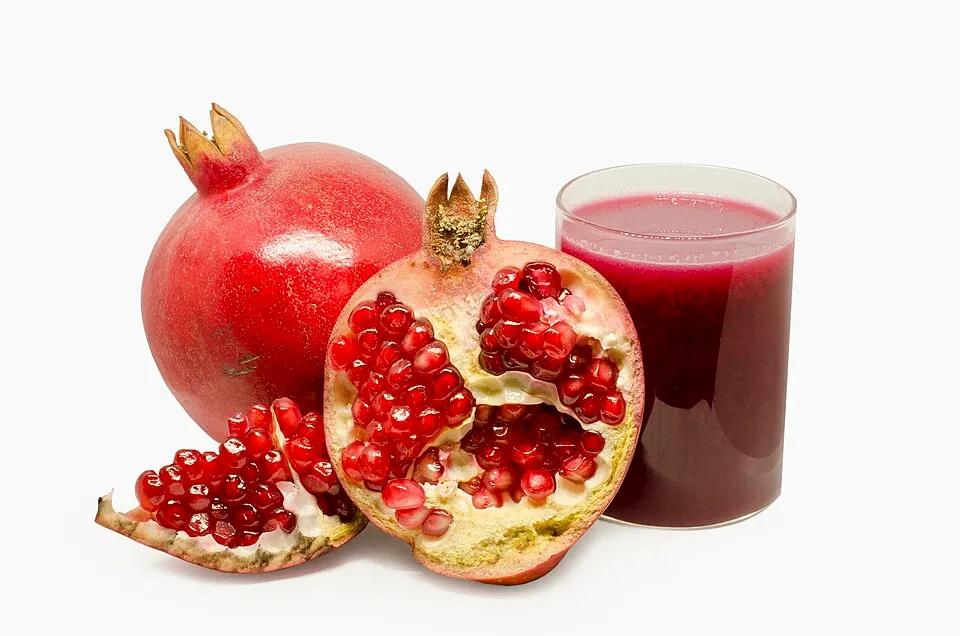
Dadima, scientifically known as Punica granatum, is an ancient and highly esteemed fruit-bearing deciduous shrub or small tree, now classified within the family Lythraceae, though historically placed in its own family, Punicaceae.
A good article on Dadima should not stop at one-line claims. Readers need taxonomy, habitat, safety, cultivation, and evidence in the same place so they can make sound decisions.
Use this guide as a practical reference, then compare it with the detailed plant profile at https://www.floramedicalglobal.com/plant/dadima whenever you want to confirm the source page itself.
- Primary Use — Revered for its potent antioxidant and anti-inflammatory properties, particularly in cardiovascular health and cancer.
- Key Compound — Punicalagins, unique ellagitannins, are the primary active constituents responsible for many of its therapeutic effects.
- Traditional System — Extensively utilized in Ayurveda, Unani, and Traditional Chinese Medicine for digestive, cardiac, and astringent.
- Origin and Habitat — Native to the region spanning Iran to northern India, thriving in semi-arid temperate to tropical climates.
- Botanical Features — Deciduous shrub with glossy leaves, vibrant red-orange flowers, and distinctive multi-seeded fruit (arils).
- Safety Note — Potential interactions with blood thinners and blood pressure medications
- Not recommended in high doses during pregnancy.
- Culinary Versatility — Consumed fresh, as juice, or dried (anardana) in various culinary and medicinal preparations.
02Dadima: Taxonomy & Classification
Dadima should be anchored to the correct taxonomic identity before any discussion of care, use, or safety begins.
| Common name | Dadima |
|---|---|
| Scientific name | Punica granatumW |
| Family | Lythraceae |
| Order | Myrtales |
| Genus | Punica |
| Species epithet | granatum |
| Author citation | Guinea Is. |
| Synonyms | Punica granatum f. plena Voss, Punica granatum f. legrelliae (Lem.) Rehder, Punica granatum var. flava Loudon, Punica granatum var. macrocarpa Risso, Punica granatum var. acidula Risso, Punica granatum f. flavescens (Sweet) Rehder, Punica granatum var. granatum, Punica granatum var. flavescens Sweet, Punica granatum var. lutea Risso, Punica florida Salisb., Punica granatum var. albescens DC., Punica granatum f. multiplex (Sweet) Rehder |
| Common names | ডালিম, অনার, Pomegranate, Granada, Chinese apple, अनार, दाड़िम |
| Local names | Granaatappel, Grenadier, Grenadier commun, Grenadier à graines nombreuses, Tundra peponi, Grenadier commun, Grenadier, Rummien, Granatapfelstrauch, Grenadier, Melograno, granado, Grenadier commun, Grenade, Grenadier commun, Granatapfelbaum |
| Origin | Middle East (Iran, Afghanistan, Pakistan) |
| Life cycle | Perennial |
| Growth habit | Tree |
Using the accepted scientific name Punica granatum helps readers avoid confusion caused by old synonyms, loose common names, or inconsistent plant labels.
Family and order placement also matter because they explain recurring structural traits, likely relatives, and the kinds of mistakes readers often make when they rely on appearance alone.
03What Dadima Looks Like
A practical reading of the plant starts with visible structure:
- Leaf: Oblong to obovate, glabrous, glossy light green, 3-7 cm long, arranged opposite or sub-opposite, often in clusters.
- Stem: Multiple thorny stems, reddish-brown bark when young, turning gray-brown with age, often branching profusely.
- Root: Shallow, fibrous root system, but can have a taproot up to 1-2 meters deep in favorable conditions.
- Flower: Vibrant red-orange, bell-shaped with crinkly petals, 3-4 cm in diameter, solitary or in small clusters, blooming from April to June.
- Fruit: Globose to subglobose berry (balausta), 5-12 cm in diameter, tough leathery rind (exocarp) varying from yellow-orange to deep red, containing.
- Seed: Small, angular, bony seed, 3-5 mm long, encased in a juicy translucent crimson to pink aril. Dispersed by animals and birds.
Microscopic or internal identification notes deepen the picture, especially for processed material: Non-glandular, unicellular or multicellular, uniseriate trichomes are sparsely distributed on the leaf surfaces, particularly along the veins. Mainly anomocytic stomata are observed on both surfaces of the leaf (amphistomatic), though more abundant on the abaxial surface. Stomatal frequency. Calcium oxalate crystals are commonly found, predominantly as druses (cluster crystals) in the parenchymatous cells of the cortex, pith, and.
In overall habit, the plant is described as Tree with a mature height around Typically 5-25 m and spread of Typically 3-15 m.
04Native Range of Dadima
The native or historically recorded center of distribution for Dadima is Middle East (Iran, Afghanistan, Pakistan). That origin is more than background trivia; it explains how the plant responds to heat, moisture, shade, and seasonal change.
The plant is associated with the following countries or range markers: Afghanistan, Canary Islands, India, Iran, Morocco, Pakistan, Palestine, Tunisia, Turkmenistan.
Environmental notes in the live record add more context: Native to the region from Iran to northern India. Thrives in semi-arid, Mediterranean, and temperate climates with hot, dry summers and cool winters. Altitude range typically from sea level up to 1,500 meters. Requires annual rainfall of 500-1200 mm, but can tolerate drier conditions once established, especially with supplemental irrigation.
In cultivation terms, the main ecological clues are: Full Sun; Weekly; Loamy to sandy loam, well-draining, pH 5.5-7.5; Usually 5-10; Perennial; Tree.
Physiology data reinforce the habitat story: Cellular respiration rates are typical for woody perennials, supporting metabolic processes and growth. Respiratory efficiency contributes to its. Net photosynthesis rates are generally high under optimal light and temperature conditions. Stomatal conductance is regulated to balance CO2 uptake. Responds to endogenous auxins, gibberellins, and cytokinins which regulate processes like shoot elongation, fruit development, and cell division.
05Cultural Significance of Dadima
Dadima holds immense cultural significance across various traditions. In Ayurveda, it is considered a 'Rasayana' (rejuvenating tonic) and is highly valued for its 'deepana' (appetizer) and 'grahi' (absorbent) properties, frequently mentioned in ancient texts as a balanced fruit for Pitta and Kapha doshas. In Unani medicine, it is known as 'Anar' and is classified as cold and moist, used for 'Safra' (bilious).
Ethnobotanical records also show how this plant has been framed across different places: Asthma in Haiti (Brutus, T.C., and A.V. Pierce-Noel. 1960. Les Plantes et les Legumes d'Hati qui Guerissent. Imprimerie De L'Etat, Port-Au-Prince, Haiti.); Astringent in Turkey (Steinmetz, E.F. 1957. codex Vegetabilis. Published by the author, Amsterdam.); Bactericide in Elsewhere (Duke, 1992 *); Bilious in Haiti (Liogier, Alain Henri. 1974. Diccionario Botanico de Nombres Vulgares de la Espanola. Universidad Nacional Pedro Henriquez Urena, Santo Domingo.); Bilious in Malaya (Duke, 1992 ); Bronchitis in Elsewhere (Duke, 1992 ); Breast (Caked) in China (Shih-chen, Li. 1973. Chinese medinal herbs. Georgetown Press, San Francisco.); Cancer in Peru (Hartwell, J.L. 1967-71. Plants used against cancer. A survey. Lloydia 30-34.).
Local names help show how different communities notice and classify the plant: Granaatappel, Grenadier, Grenadier commun, Grenadier à graines nombreuses, Tundra peponi, Grenadier commun, Grenadier, Rummien, Granatapfelstrauch, Grenadier, Melograno, granado, Grenadier commun, Grenade.
Traditional context matters, but it should always be separated from modern certainty. Historical use can guide questions, yet it does not automatically prove present-day clinical effectiveness.
06Dadima: Benefits & Healing Properties
The main benefit themes associated with the plant include:
- Antioxidant Support — Dadima is exceptionally rich in polyphenols like punicalagins and anthocyanins, which are potent free radical scavengers. This robust.
- Anti-inflammatory Action — The high concentration of punicalagins in Punica granatum contributes significantly to its anti-inflammatory effects. These.
- Cardiovascular Health — Regular consumption of Dadima has been linked to improved heart health. It can help lower blood pressure, reduce LDL cholesterol.
- Anti-cancer Potential — Research indicates that compounds in Dadima, particularly ellagitannins and punicalagins, exhibit anti-proliferative and pro-apoptotic.
- Digestive Aid — Traditionally, the fruit pulp and seeds of Dadima have been used to alleviate digestive disorders. Its fiber content promotes gut regularity.
- Antimicrobial Properties — Extracts from Dadima, especially the peel, possess significant antibacterial, antiviral, and antifungal activities. These.
- Blood Sugar Regulation — Preliminary studies suggest that Dadima may help in managing blood sugar levels, potentially improving insulin sensitivity and.
- Liver Support — In Unani medicine, Dadima is prescribed for liver ailments and as a blood purifier. Its antioxidant and anti-inflammatory compounds may help.
The evidence matrix gives a more careful picture of those claims: Antioxidant Activity. Clinical trial, In vivo, In vitro. Strong. Numerous studies confirm potent free radical scavenging and reduction of oxidative stress, attributed to punicalagins and anthocyanins. Anti-inflammatory Effects. Clinical trial, In vivo. Strong. Pomegranate extracts significantly reduce inflammatory markers and pathways, particularly due to punicalagins. Cardiovascular Protection. Clinical trial. Strong. Demonstrated ability to lower blood pressure, reduce LDL oxidation, and inhibit arterial plaque formation in human studies. Anti-cancer Potential. In vivo (animal), In vitro. Moderate. Shows promise in inhibiting proliferation and inducing apoptosis in various cancer cell lines (prostate, breast, colon) in preclinical models. Antimicrobial Activity. In vitro, In vivo (animal). Moderate. Extracts from peel and fruit exhibit antibacterial, antiviral, and antifungal properties against various pathogens.
The stored evidence confidence for this profile is traditional. That should shape how strongly any benefit statement is interpreted.
For medicinal content, the key discipline is to distinguish traditional use, mechanism-based plausibility, and human clinical support. Those are related ideas, but they are not the same thing.
- Antioxidant Support — Dadima is exceptionally rich in polyphenols like punicalagins and anthocyanins, which are potent free radical scavengers. This robust.
- Anti-inflammatory Action — The high concentration of punicalagins in Punica granatum contributes significantly to its anti-inflammatory effects. These.
- Cardiovascular Health — Regular consumption of Dadima has been linked to improved heart health. It can help lower blood pressure, reduce LDL cholesterol.
- Anti-cancer Potential — Research indicates that compounds in Dadima, particularly ellagitannins and punicalagins, exhibit anti-proliferative and pro-apoptotic.
- Digestive Aid — Traditionally, the fruit pulp and seeds of Dadima have been used to alleviate digestive disorders. Its fiber content promotes gut regularity.
- Antimicrobial Properties — Extracts from Dadima, especially the peel, possess significant antibacterial, antiviral, and antifungal activities. These.
- Blood Sugar Regulation — Preliminary studies suggest that Dadima may help in managing blood sugar levels, potentially improving insulin sensitivity and.
- Liver Support — In Unani medicine, Dadima is prescribed for liver ailments and as a blood purifier. Its antioxidant and anti-inflammatory compounds may help.
- Reproductive Health — Emerging evidence suggests potential benefits of Dadima in supporting reproductive health, including improving sperm quality and.
- Wound Healing — Traditional applications include the use of Dadima extracts for wound healing. Its antimicrobial and anti-inflammatory properties, coupled.
07Dadima Phytochemistry
The broader constituent profile includes Hydrolyzable Tannins — Punicalagins (A and B isomers, potent antioxidants, anti-inflammatory, and anticancer agents. Flavonoids — Anthocyanins (e.g., delphinidin, cyanidin, malvidin glycosides, responsible for red color, potent. Phenolic Acids — Ellagic acid (a hydrolysis product of ellagitannins, strong antioxidant, anti-cancer properties). Organic Acids — Citric acid, L-Malic acid (major organic acids contributing to the fruit's tartness and flavor). Fatty Acids — Punicic acid (conjugated linolenic acid, omega-5 fatty acid, unique to pomegranate seed oil, potential. Triterpenoids — Ursolic acid, Oleanolic acid (found in fruit peel and bark, known for anti-inflammatory, anticancer. Alkaloids — Minor amounts of alkaloids may be present, contributing to specific pharmacological effects, though not. Steroids — Beta-sitosterol, Campesterol, Stigmasterol (plant sterols found in seeds and oil, known for. Vitamins — Vitamin C (Ascorbic acid, antioxidant, immune support), Vitamin K (essential for blood clotting and bone. Minerals — Potassium (essential for blood pressure regulation), Magnesium, Calcium, Phosphorus, Iron (vital trace.).
The detailed phytochemistry file adds these markers: Punicalagin A/B, Ellagitannin, Fruit peel, Juice, Up to 150mg/g (peel dry weight); Ellagic acid, Phenolic Acid, Fruit, Peel, 5-10mg/g (peel dry weight); Cyanidin-3-glucoside, Anthocyanin (Flavonoid), Fruit arils (pulp), 0.5-2mg/g (fresh arils); Quercetin, Flavonol (Flavonoid), Leaves, Fruit peel, Trace to 0.5mg/g (dry weight); Gallic acid, Phenolic Acid, Fruit peel, Bark, Trace to 1mg/g (dry weight); Punicic acid, Conjugated Linolenic Acid (Fatty Acid), Seed oil, 60-80% (of total fatty acids); Ursolic acid, Triterpenoid, Fruit peel, Bark, Trace to 0.8mg/g (peel dry weight); Vitamin C (Ascorbic Acid), Vitamin, Fruit arils, Juice, 10-20mg/100g (fresh arils).
Local chemistry records also support the profile: QUERCETIN in Fruit (not available-not available ppm); QUERCETIN in Leaf (not available-not available ppm); QUERCETIN in Pericarp (not available-not available ppm); QUERCETIN in Plant (not available-not available ppm); ASCORBIC-ACID in Fruit (40.0-636.0 ppm); ASCORBIC-ACID in Fruit Juice (not available-not available ppm); CAFFEIC-ACID in Fruit Juice (not available-not available ppm); CAFFEIC-ACID in Leaf (not available-not available ppm).
Compound profiles also shift with plant part, age, season, processing, and storage. The chemistry of a fresh leaf, dried root, or concentrated extract should never be treated as automatically identical.
08Using Dadima: Methods & Dosage
Recorded preparation and use methods include:
- Fresh Fruit Consumption — The arils of Dadima can be eaten fresh, providing a juicy, sweet-tart snack. They are a popular addition to salads, yogurts, and desserts, offering both.
- Pomegranate Juice — Freshly pressed juice from the arils is a widely consumed and highly beneficial form. It can be drunk pure, diluted with water, or incorporated into smoothies. Decoction of Rind/Bark — For stronger medicinal effects, particularly for digestive issues like diarrhea or as an astringent, a decoction can be prepared. Boil 10-15g of dried. Powdered Dried Arils (Anardana) — Dried pomegranate seeds, known as Anardana, are pulverized into a powder and used as a souring agent in Indian cuisine, particularly in chutneys. Topical Application (Leaf/Flower Paste) — A paste made from crushed fresh leaves or flowers can be applied topically to soothe skin irritations, promote wound healing, or treat.
- Pomegranate Seed Oil — Extracted from the seeds, this oil is rich in punicic acid and other beneficial compounds. It can be used topically for skin rejuvenation, anti-aging, and. Herbal Infusion (Leaves/Flowers) — An infusion can be made by steeping fresh or dried Dadima leaves or flowers in hot water for 10-15 minutes. This tea can be consumed for its. Mouthwash/Gargle — A diluted decoction of the rind or flower juice can be used as a natural mouthwash or gargle to combat oral bacteria, reduce gingivitis, and alleviate mouth.
The plant part most closely linked to use is recorded as Leaves, bark, fruit, or seeds commonly cited in related taxa.
Edibility and processing notes matter here as well: Varies by species and plant part; verify before use.
Preparation defines the outcome. Tea, decoction, tincture, powder, fresh plant material, cooked food use, and concentrated extract cannot be discussed as if they were interchangeable.
- Identify the exact species and plant part first.
- Match the preparation to the intended use.
- Check safety, interactions, and processing details before routine use or large-scale handling.
09Is Dadima Safe? Precautions & Cautions
The first safety note is direct: The fruit arils and juice are generally considered safe for consumption. The root bark and stem bark contain varying levels of pelletierine alkaloids, which are toxic in overdose. Symptoms of overdose from bark extracts include dizziness.
Specific warnings recorded for this plant include:
- Drug Interactions — Dadima can interact with several medications. It may enhance the effects of blood-thinning medications (anticoagulants like Warfarin). Cytochrome P450 Inhibition — Pomegranate juice may inhibit certain cytochrome P450 enzymes (e.g., CYP3A4) in the liver, potentially affecting the metabolism.
- Pregnancy and Lactation — While moderate consumption of the fruit is generally considered safe, the medicinal use of concentrated extracts or specific plant.
- Diabetes Management — Individuals with diabetes should consume Dadima juice in moderation and monitor their blood sugar levels, as the natural sugars can.
- Hypotension — Persons with naturally low blood pressure or those taking medications for hypertension should exercise caution, as Dadima can further lower.
- Allergies — Individuals with known allergies to other fruits or plants, especially those in the Lythraceae family, should approach Dadima with caution due to.
- Surgical Procedures — Due to its potential effects on blood clotting and blood pressure, it is advisable to discontinue Dadima consumption at least two weeks.
- Children and Infants — Medicinal use of Dadima extracts in infants and young children should be done under strict medical supervision due to their developing.
- Allergic Reactions — Some individuals may experience allergic reactions, including itching, hives, swelling, or difficulty breathing, particularly with.
- Digestive Upset — High intake of Dadima fruit or juice, especially on an empty stomach, can sometimes lead to digestive discomfort such as stomach upset.
Quality-control notes add another warning: Adulteration is less common for whole fruit. However, powdered extracts or juices may be adulterated with cheaper fruit juices, artificial colors, or other plant materials.
10Growing Dadima Successfully
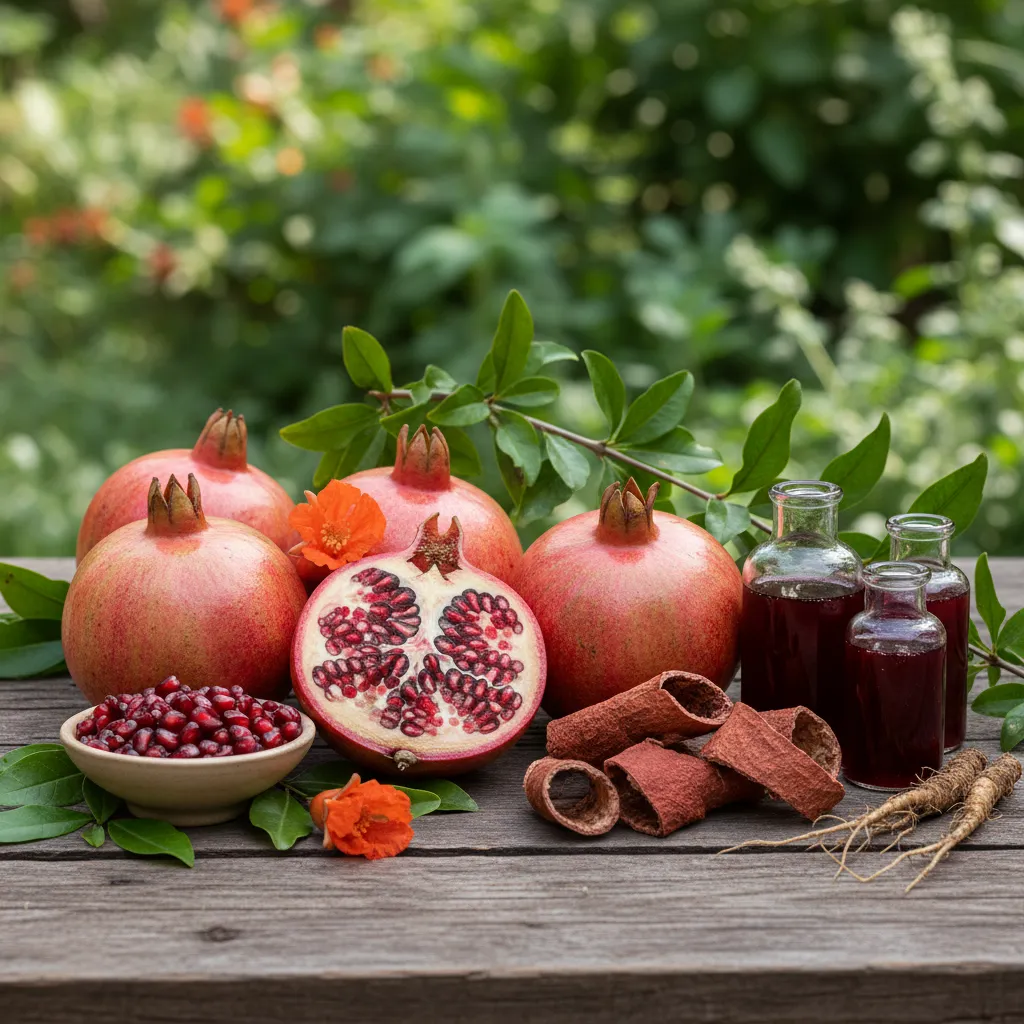
The cultivation record emphasizes these practical steps:
- Climate Requirements — Punica granatum thrives in semi-arid temperate to tropical climates, preferring regions with hot, dry summers and mild winters. It tolerates.
- Soil Requirements — Prefers well-drained, deep loamy soils with a pH range of 6.0-7.0. While adaptable to various soil types, good drainage is crucial to prevent root.
- Sunlight Exposure — Requires full sun exposure, ideally 6-8 hours of direct sunlight daily, for optimal flowering and fruit development. Insufficient light can lead to.
- Watering — Although drought-tolerant once established, consistent watering is essential during flowering and fruiting periods. Deep, infrequent watering is more.
- Propagation — Primarily propagated by hardwood cuttings taken during the dormant season. Seeds can also be used but may not produce true-to-type plants and take longer.
- Fertilization — Benefits from a balanced fertilizer application, especially during the growing season. A nitrogen-rich fertilizer in early spring and a balanced one.
- Pruning — Regular pruning is necessary to maintain shape, improve air circulation, remove dead or diseased branches, and encourage fruit production. Prune in late.
- Pests and Diseases — Relatively resistant to many pests and diseases. Common issues can include aphids, whiteflies, and fruit borers. Fungal diseases like leaf spot or.
The broader growth environment is described like this: Native to the region from Iran to northern India. Thrives in semi-arid, Mediterranean, and temperate climates with hot, dry summers and cool winters. Altitude range typically from sea level up to 1,500 meters. Requires annual rainfall of 500-1200 mm, but can tolerate drier conditions once established, especially with supplemental irrigation.
Planning becomes easier when these traits are kept in view: Tree; Typically 5-25 m; Typically 3-15 m; Moderate; Intermediate.
11Dadima Growing Conditions
The most useful care snapshot is this: Light: Full Sun; Water: Weekly; Soil: Loamy to sandy loam, well-draining, pH 5.5-7.5; Temperature: 10-40°C; USDA zone: Usually 5-10.
Outdoors, light, water, and soil must be read together. The same watering schedule can be too much in dense clay and too little in a porous sandy bed.
Light, water, and soil should never be treated as separate checkboxes. A plant in stronger light often dries faster, soil texture changes how quickly water moves, and temperature plus humidity influence how stress appears in leaves and roots.
For Dadima, the safest care approach is to treat Full Sun, Weekly, and Loamy to sandy loam, well-draining, pH 5.5-7.5 as linked decisions rather than isolated tips. If one condition shifts, the other two usually need to be reconsidered as well.
Microclimate matters too. Indoors, room placement and airflow can matter as much as window exposure. Outdoors, reflected heat, slope, mulch, and nearby plants can change how 10-40°C and humidity that matches the plant type are actually experienced at plant level.
12Propagating Dadima
Documented propagation routes include Seeds: Harvest seeds from ripe fruit, clean thoroughly, and air dry. Stratify by refrigerating for 2-3 months. Sow 1-2 cm deep in well-draining potting mix.
Propagation works best when the parent stock is healthy, correctly identified, and handled in the right season. That sounds obvious, but it is exactly where many failures begin.
Propagation works best when the reader matches method to biology. Some plants respond readily to cuttings, some to division, some to seed, and others require more patience or more exact seasonal timing.
A successful propagation guide therefore starts with healthy parent material and realistic expectations. Weak stock, rushed handling, and poor aftercare can make even a technically correct method fail.
13Managing Dadima Problems
The recorded problem list includes Pests: Aphids (suck sap from new growth, leading to distorted leaves) - organic solution: insecticidal soap or neem.
For medicinal species, pest pressure is not only a horticultural issue. It also affects harvest cleanliness, storage stability, and confidence in the final material.
The smartest response sequence is observation first, environmental correction second, and treatment only after the real pattern is clear.
Pest and disease management is strongest when it begins before visible damage becomes severe. Routine observation, clean handling, sensible spacing, air movement, and balanced watering reduce many problems before treatment is even needed.
When symptoms do appear on Dadima, the most reliable response is diagnostic rather than reactive. Yellowing, spots, wilt, chewing, and stunting can all have multiple causes, so a rushed treatment can waste time or worsen the problem.
14Dadima: Harvest, Storage & Processing
The plant part most often associated with harvest or processing is Leaves, bark, fruit, or seeds commonly cited in related taxa.
Storage guidance from the quality-control record reads as follows: Fresh fruits can be stored for several weeks under cool, dry conditions. Juice and extracts are more prone to degradation of active compounds (especially anthocyanins) and.
For medicinal plants, harvesting cannot be separated from processing. The right plant part, the right timing, and the right drying conditions all shape quality and safety.
Whatever the purpose, the rule is the same: harvest clean material, label it clearly, and store it in a way that preserves identity and condition.
15Companion Plants for Dadima
Useful companions or placement partners include Lavender; Rosemary; Marigold; Alyssum; Thyme.
In a home herb garden or medicinal bed, Dadima should be placed where harvesting is easy, labeling remains clear, and neighboring plants do not create confusion at collection time.
Companion planting and design are not only aesthetic decisions. They affect airflow, root competition, moisture sharing, harvest access, visibility, and the general logic of the planting scheme.
With Dadima, good placement means thinking about mature size, maintenance rhythm, and how neighboring plants change the feel and function of the space. A plant can be healthy on its own and still be poorly placed within the broader composition.
That is why the best design advice combines biology with usability. The planting should look coherent, but it should also make watering, pruning, harvest, and pest observation easier rather than harder.
16Research on Dadima
The evidence matrix points to several recurring themes: Antioxidant Activity. Clinical trial, In vivo, In vitro. Strong. Numerous studies confirm potent free radical scavenging and reduction of oxidative stress, attributed to punicalagins and anthocyanins. Anti-inflammatory Effects. Clinical trial, In vivo. Strong. Pomegranate extracts significantly reduce inflammatory markers and pathways, particularly due to punicalagins. Cardiovascular Protection. Clinical trial. Strong. Demonstrated ability to lower blood pressure, reduce LDL oxidation, and inhibit arterial plaque formation in human studies. Anti-cancer Potential. In vivo (animal), In vitro. Moderate. Shows promise in inhibiting proliferation and inducing apoptosis in various cancer cell lines (prostate, breast, colon) in preclinical models. Antimicrobial Activity. In vitro, In vivo (animal). Moderate. Extracts from peel and fruit exhibit antibacterial, antiviral, and antifungal properties against various pathogens.
Ethnobotanical activity records add historical reference trails: Asthma — Haiti [Brutus, T.C., and A.V. Pierce-Noel. 1960. Les Plantes et les Legumes d'Hati qui Guerissent. Imprimerie De L'Etat, Port-Au-Prince, Haiti.]; Astringent — Turkey [Steinmetz, E.F. 1957. codex Vegetabilis. Published by the author, Amsterdam.]; Bactericide — Elsewhere [Duke, 1992 *]; Bilious — Haiti [Liogier, Alain Henri. 1974. Diccionario Botanico de Nombres Vulgares de la Espanola. Universidad Nacional Pedro Henriquez Urena, Santo Domingo.]; Bilious — Malaya [Duke, 1992 ]; Bronchitis — Elsewhere [Duke, 1992 ].
The compiled source count behind the live profile is 8. That does not guarantee certainty, but it does suggest the record has been cross-checked beyond a single note.
Analytical testing notes also strengthen the evidence base: Authentication and quality assessment typically involve macroscopic and microscopic examination, physicochemical parameters (ash content, extractive values), and chromatographic.
A careful evidence section should say what is known, what is plausible, and what remains uncertain. Readers are better served by clear limits than by exaggerated confidence.
17Dadima Buying Guide
Quality markers worth checking include Punicalagin A, Punicalagin B, Ellagic acid, and Anthocyanins (e.g., delphinidin-3-glucoside) are key marker compounds used for standardization of Punica granatum extracts and.
Adulteration and substitution risk should not be ignored: Adulteration is less common for whole fruit. However, powdered extracts or juices may be adulterated with cheaper fruit juices, artificial colors, or other plant materials.
When buying Dadima, start with verified botanical identity. The label, scientific name, and the source page should agree before you judge price, size, or claimed benefits.
18Common Questions About Dadima
What is Dadima best known for?
Dadima, scientifically known as Punica granatum, is an ancient and highly esteemed fruit-bearing deciduous shrub or small tree, now classified within the family Lythraceae, though historically placed in its own family, Punicaceae.
Is Dadima beginner-friendly?
That depends on the growing environment and the intended use. Some plants are easy to grow but not simple to use medicinally, while others are the opposite.
How much light does Dadima need?
Full Sun
How often should Dadima be watered?
Weekly
Can Dadima be propagated at home?
Yes, but the best method depends on whether the species responds best to seed, cuttings, division, offsets, or other propagation routes.
Does Dadima have safety concerns?
The fruit arils and juice are generally considered safe for consumption. The root bark and stem bark contain varying levels of pelletierine alkaloids, which are toxic in overdose. Symptoms of overdose from bark extracts include dizziness.
What is the biggest mistake people make with Dadima?
The most common mistake is applying generic advice instead of matching the plant to its real environment, identity, and limits.
Where can I verify more information about Dadima?
Start with the Flora Medical Global plant profile: https://www.floramedicalglobal.com/plant/dadima
19Dadima: References & Further Reading
Authoritative sources and related guides:
- Wikipedia — background reference
- PubMed — peer-reviewed studies
- Kew POWO — botanical reference
- NCBI PMC — open-access research
- WHO — global health authority
Related on Flora Medical Global
Reviewed by the Flora Medical Global Botanical Review Panel
Multi-disciplinary editorial group · Botany · Ethnobotany · Herbal-medicine literature
Who reviewed this: This page was checked by the Flora Medical Global Botanical Review Panel — an in-house editorial group of botany graduates, ethnobotany researchers, and horticulture practitioners who collectively maintain our 7,000+ plant encyclopedia. Meet the team.
Our 4-step verification process
1. Taxonomic verification
Scientific names and synonyms cross-checked against Kew POWO, World Flora Online, and The Plant List.
2. Phytochemical & medicinal cross-reference
Active compounds, traditional uses, and reported activities are cross-referenced with PubMed, USDA Dr. Duke's database, and peer-reviewed ethnobotanical literature.
3. Conservation & distribution check
Distribution, ecology, and conservation status confirmed against GBIF occurrence records and the IUCN Red List.
4. Editorial & safety review
Every entry passes an editorial pass for clarity, originality, and safety notices (toxicity, contraindications, dosage caveats) before publication.
Last reviewed:
Important medical disclaimer: This content is for educational and research purposes only. It is not medical advice and is not a substitute for consultation with a licensed healthcare provider. Do not use any herb to self-treat a medical condition without professional guidance.
Explore Our Platforms
 InfiniCore DataWorks
 Nex-Automata
Comments (0)
No comments yet. Be the first!