
Overview & Introduction
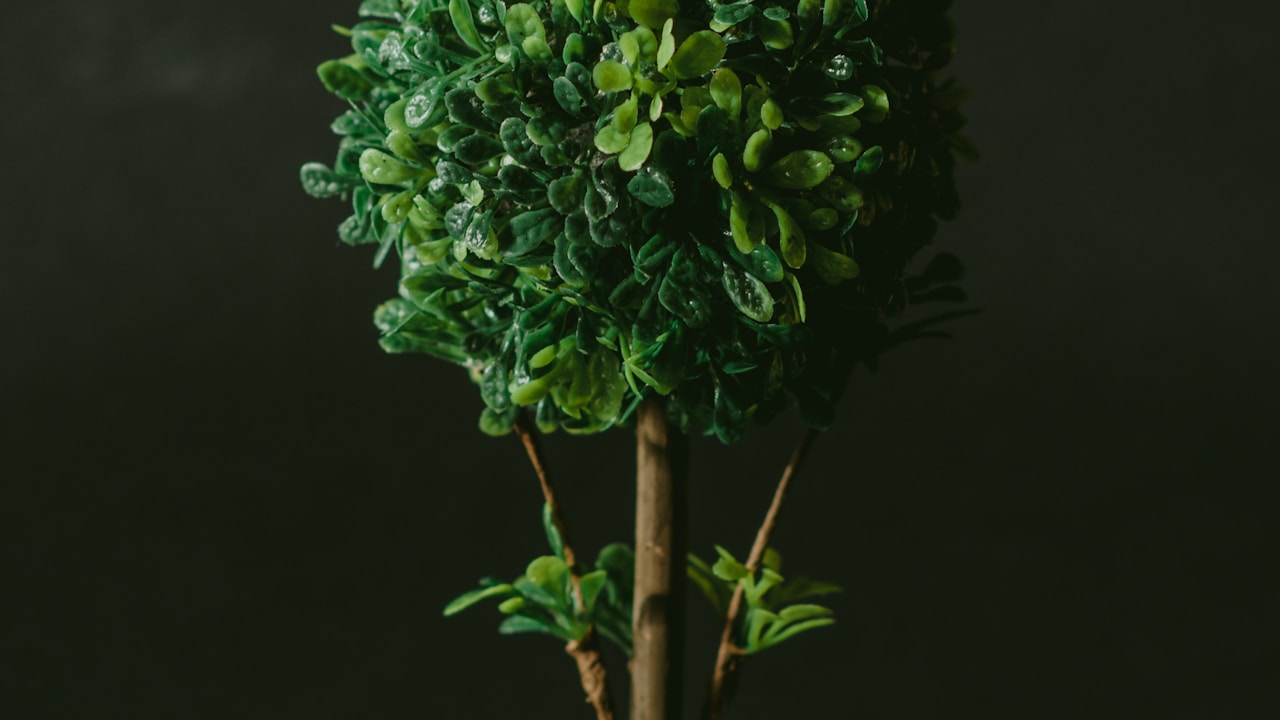
Dracaena cinnabari, popularly known as the Dragon Blood Tree, is an emblematic evergreen species indigenous to the Socotra Archipelago in Yemen.
A good article on Dragon Blood Tree should not stop at one-line claims. Readers need taxonomy, habitat, safety, cultivation, and evidence in the same place so they can make sound decisions.
The aim is simple: make the article detailed enough for serious readers while keeping the structure clear enough for fast scanning and confident decision-making.
- Iconic Tree — Dracaena cinnabari is famous for its unique umbrella-shaped canopy and red sap.
- Dragon's Blood Resin — The deep red resin is the primary medicinal component, known as 'Dragon's Blood'.
- Potent Wound Healer — Traditionally prized for its exceptional ability to heal wounds and regenerate skin.
- Anti-inflammatory & Antioxidant — Rich in flavonoids and phenolics, offering strong anti-inflammatory and free-radical scavenging benefits.
- Traditional Medicine Staple — Used in Ayurvedic, TCM, and local Socotran folk medicine for diverse ailments.
- Socotra Endemic & Vulnerable — Native to Socotra Island, Yemen, and listed as a vulnerable species requiring conservation.
- Diverse Phytochemistry — Contains a complex array of flavonoids, chalcones, triterpenoids, and other bioactive compounds.
- Caution for Internal Use — While topical use is common, internal ingestion requires careful dosing and professional guidance due to.
Botanical Profile & Taxonomy
Dragon Blood Tree should be anchored to the correct taxonomic identity before any discussion of care, use, or safety begins.
| Common name | Dragon Blood Tree |
|---|---|
| Scientific name | Dracaena cinnabari |
| Family | Asparagaceae |
| Order | Asparagales |
| Genus | Dracaena |
| Species epithet | cinnabari |
| Author citation | Balf.f. |
| Synonyms | Draco cinnabari (Balf.f.) Kuntze |
| Common names | ড্রাগন ব্লাড গাছ, Dragon Blood Tree, ड्रैगन खून का पेड़ |
| Local names | socotradracena |
| Origin | Socotra Archipelago (Yemen) |
| Life cycle | Perennial |
| Growth habit | Tree |
Using the accepted scientific name Dracaena cinnabari helps readers avoid confusion caused by old synonyms, loose common names, or inconsistent plant labels.
Family and order placement also matter because they explain recurring structural traits, likely relatives, and the kinds of mistakes readers often make when they rely on appearance alone.
Correct naming is not a small detail. A plant can collect multiple common names, outdated synonyms, and marketing labels over time, so using Dracaena cinnabari consistently reduces the risk of confusion, bad care advice, and even safety mistakes.
Physical Description & Morphology
A practical reading of the plant starts with visible structure: Leaf: Leaves of Dracaena cinnabari are long, narrow, and strap-like, measuring 60-100 cm in length and 2-3 cm in width. They are arranged in a rosette at. Stem: The stem is woody, erect, and can reach heights of 10-20 meters. It has a grayish-brown color, with a rough texture due to the presence of old leaf. Root: Dracaena cinnabari has a fibrous root system that spreads laterally rather than deeply, allowing better nutrient absorption from sandy soils. The. Flower: The flowers are small, tubular, and white to pale green, clustered in panicles, typically blooming in late spring to early summer. Each flower. Fruit: The fruit is a small, reddish-brown drupe, about 1-2 cm in diameter, containing a single seed. While not typically consumed by humans, it serves as. Seed: Seeds are small, round, and glossy, approximately 5-8 mm in diameter. They disperse primarily through avian consumption as birds eat the fruits and.
Microscopic or internal identification notes deepen the picture, especially for processed material: Trichomes are generally absent or very sparse on the mature leaves and stem bark of Dracaena cinnabari, indicating a smooth or glabrous surface. Anomocytic (irregular-celled) stomata are typically observed on both surfaces of the leaves (amphistomatic), though often more abundant on the. Calcium oxalate crystals, predominantly in the form of raphides (needle-shaped crystals), are frequently present in the parenchymatous cells of the.
In overall habit, the plant is described as Tree with a mature height around Typically 5-25 m and spread of Typically 3-15 m.
Natural Habitat & Distribution
The native or historically recorded center of distribution for Dragon Blood Tree is Socotra Archipelago (Yemen). That origin is more than background trivia; it explains how the plant responds to heat, moisture, shade, and seasonal change.
The plant is associated with the following countries or range markers: the [Socotra](https://en).
Environmental notes in the live record add more context: Dracaena cinnabari prefers a subtropical climate with low humidity and minimal rainfall, found primarily on the isolated Socotra archipelago. Ideal conditions include well-drained soils with poor nutrient content, replicating its native rocky habitats. It thrives in full sun but can tolerate partial shade, making it versatile in garden settings. The Dragon.
In cultivation terms, the main ecological clues are: Full sun to partial shade; Moderate; Well-drained; Usually 5-10; Perennial; Tree.
Physiology data reinforce the habitat story: Standard cellular respiration pathways, with metabolic efficiency adapted to nutrient-poor soils and intermittent water availability, allowing for. Stomatal conductance is tightly regulated to conserve water, leading to reduced rates of net photosynthesis during peak drought periods. However. Responds to typical plant growth hormones (auxins, gibberellins, cytokinins) in ways that regulate its slow growth rate, branching pattern (dracoid).
Traditional & Cultural Significance
The Dragon's Blood Tree, *Dracaena cinnabari*, holds a profound and ancient cultural significance, deeply intertwined with the history and traditions of the Socotra Archipelago, its sole native home. For centuries, the striking crimson resin exuded from its bark has been a cornerstone of local folk medicine. This potent substance, known as "dragon's blood," has been employed to treat a wide array of ailments.
Ethnobotanical records also show how this plant has been framed across different places: Astringent in Elsewhere (Uphof, J.C. Th. 1968. Dictionary of economic plants. 2nd ed. Verlag von J. Cramer.); Cicatrizant in Egypt (Tackholm, Vivi and Gunnar. 1973 (reprint). Flora of Egypt. Vol. 1-4. Originally published in Foriad I Univ. Bulletin of the Faculty of Science, vol. 17, Cairo, 1941.); Diarrhea in Egypt (Tackholm, Vivi and Gunnar. 1973 (reprint). Flora of Egypt. Vol. 1-4. Originally published in Foriad I Univ. Bulletin of the Faculty of Science, vol. 17, Cairo, 1941.); Dysentery in Egypt (Tackholm, Vivi and Gunnar. 1973 (reprint). Flora of Egypt. Vol. 1-4. Originally published in Foriad I Univ. Bulletin of the Faculty of Science, vol. 17, Cairo, 1941.); Hemorrhage in Elsewhere (Uphof, J.C. Th. 1968. Dictionary of economic plants. 2nd ed. Verlag von J. Cramer.); Astringent in Egypt (Tackholm, Vivi and Gunnar. 1973 (reprint). Flora of Egypt. Vol. 1-4. Originally published in Foriad I Univ. Bulletin of the Faculty of Science, vol. 17, Cairo, 1941.).
Local names help show how different communities notice and classify the plant: socotradracena.
Traditional context matters, but it should always be separated from modern certainty. Historical use can guide questions, yet it does not automatically prove present-day clinical effectiveness.
Medicinal Properties & Health Benefits
The main benefit themes associated with the plant include: Potent Wound Healing — Dragon's Blood resin has been extensively utilized in traditional medicine for its remarkable ability to accelerate wound closure. Its. Anti-inflammatory Action — The resin exhibits significant anti-inflammatory properties, attributed to its diverse array of flavonoids and triterpenoids. It. Antimicrobial Efficacy — With a broad spectrum of antimicrobial activity, Dragon's Blood is effective against various bacteria, fungi, and potentially some. Antioxidant Protection — High concentrations of polyphenols, including flavonoids and chalcones, provide potent antioxidant effects. These compounds. Antidiarrheal Properties — Traditionally used in TCM and other systems, Dracaena cinnabari resin helps to manage diarrhea. Its astringent properties, combined. Gastrointestinal Health Support — Beyond diarrhea, the resin is employed to improve overall digestive health. It aids in healing gastric ulcers, protecting. Hemostatic Agent — Known to stop bleeding, Dragon's Blood resin has been used to staunch blood flow from minor cuts and abrasions. Its astringent qualities. Analgesic Effects — The resin possesses pain-relieving properties, traditionally applied topically to alleviate localized pain from injuries, sprains, and.
The evidence matrix gives a more careful picture of those claims: Wound Healing Activity. In vivo (animal) & Traditional. Strong. Numerous studies demonstrate accelerated wound closure, collagen synthesis, and anti-scarring effects. Clinical observations in traditional practices support efficacy. Anti-inflammatory Effects. In vitro & In vivo (animal). Moderate. Flavonoids and triterpenoids in the resin show significant reduction in inflammatory markers and swelling in experimental models. Antioxidant Capacity. In vitro & In vivo (animal). Moderate. High phenolic content, especially flavonoids, effectively scavenges free radicals and protects against oxidative stress in various assays. Antimicrobial Properties. In vitro. Moderate. Extracts demonstrate inhibitory activity against a range of bacteria and fungi, supporting its traditional use for preventing infections. Antidiarrheal Activity. In vivo (animal) & Traditional. Moderate. Traditional use for diarrhea is supported by animal studies showing reduced intestinal motility and anti-secretory effects.
The stored evidence confidence for this profile is traditional. That should shape how strongly any benefit statement is interpreted.
For medicinal content, the key discipline is to distinguish traditional use, mechanism-based plausibility, and human clinical support. Those are related ideas, but they are not the same thing.
- Potent Wound Healing — Dragon's Blood resin has been extensively utilized in traditional medicine for its remarkable ability to accelerate wound closure. Its.
- Anti-inflammatory Action — The resin exhibits significant anti-inflammatory properties, attributed to its diverse array of flavonoids and triterpenoids. It.
- Antimicrobial Efficacy — With a broad spectrum of antimicrobial activity, Dragon's Blood is effective against various bacteria, fungi, and potentially some.
- Antioxidant Protection — High concentrations of polyphenols, including flavonoids and chalcones, provide potent antioxidant effects. These compounds.
- Antidiarrheal Properties — Traditionally used in TCM and other systems, Dracaena cinnabari resin helps to manage diarrhea. Its astringent properties, combined.
- Gastrointestinal Health Support — Beyond diarrhea, the resin is employed to improve overall digestive health. It aids in healing gastric ulcers, protecting.
- Hemostatic Agent — Known to stop bleeding, Dragon's Blood resin has been used to staunch blood flow from minor cuts and abrasions. Its astringent qualities.
- Analgesic Effects — The resin possesses pain-relieving properties, traditionally applied topically to alleviate localized pain from injuries, sprains, and.
- Skin Repair and Rejuvenation — Applied topically, Dragon's Blood promotes skin cell turnover and elasticity, aiding in the repair of damaged skin and reducing.
- Antiviral Potential — Preliminary research suggests that certain compounds within Dragon's Blood resin may possess antiviral activity. While more studies are.
Chemical Constituents & Phytochemistry
The broader constituent profile includes Flavonoids — This broad category includes numerous compounds such as 7,4′-dihydroxy-3′-methoxyflavan. Biflavonoids — A significant subgroup of flavonoids, biflavonoids are formed from two flavonoid units. Cinnabarone is. Triflavonoids — These complex compounds consist of three flavonoid units linked together, further enhancing the. Chalcones — Compounds like 4,4′-dihydroxy-2′-methoxychalcone are present, known for their anti-inflammatory. Chalcanes — Structurally related to chalcones but with a saturated carbon backbone, these compounds also exhibit. Dihydrochalcones — Examples include 4-hydroxy-2-methoxydihydrochalcone and 4,4′-dihydroxy-2-methoxydihydrochalcone. Metacyclophanes — These are cyclic aromatic compounds with unique structural features, which may contribute to the. Sterols — Including phytosterols, these compounds are plant-derived steroids that can have cholesterol-lowering. Triterpenoids — A diverse group of compounds with various pharmacological actions, including anti-inflammatory. Saponins — These glycosides are known for their detergent-like properties and can exhibit immunomodulatory.
The detailed phytochemistry file adds these markers: Cinnabarone, Biflavonoid, Resin, Variable% w/w; 7,4′-dihydroxy-3′-methoxyflavan, Flavanoid, Resin, Variable% w/w; 7,3′-dihydroxy-4′-methoxyflavan, Flavanoid, Resin, Variable% w/w; 4,4′-dihydroxy-2′-methoxychalcone, Chalcone, Resin, Variable% w/w; 4-hydroxy-2-methoxydihydrochalcone, Dihydrochalcone, Resin, Variable% w/w; Lupeol, Triterpenoid, Resin, Trace to lowmg/g; Stigmasterol, Phytosterol, Resin, Trace to lowmg/g; Dracoflavonol A, Flavonoid, Resin, Variable% w/w.
Compound profiles also shift with plant part, age, season, processing, and storage. The chemistry of a fresh leaf, dried root, or concentrated extract should never be treated as automatically identical.
How to Use — Preparations & Dosage
Recorded preparation and use methods include Topical Application for Wounds — For minor cuts, abrasions, or skin irritations, mix a small amount of powdered Dragon's Blood resin with a carrier oil (like jojoba or coconut. Tincture for Internal Use — Prepare a tincture by macerating Dragon's Blood resin in high-proof alcohol for several weeks. For digestive issues like diarrhea or ulcers, a typical. Resin Powder for Diarrhea — In traditional contexts, a small pinch (e.g., 200-500 mg) of finely powdered Dragon's Blood resin can be mixed with water or honey and ingested to. Decoction for Oral Health — To create a mouthwash for gum inflammation or minor oral sores, simmer a small piece of resin (approx. 1-2 grams) in 250 ml of water for 10-15. Infused Oil for Skin Conditions — Infuse Dragon's Blood resin into a warm carrier oil (e.g., olive oil, almond oil) over low heat for several hours or days. Strain the oil and. Cosmetic Formulations — Dragon's Blood extract or resin powder can be incorporated into homemade or commercial skincare products like serums, creams, and masks. It is valued for. Incense for Traditional Rituals — While not directly medicinal, in some cultures, the resin is burned as incense for spiritual purification and to create a calming atmosphere. Veterinary Topical Use — Historically, Dragon's Blood resin has been applied topically to aid wound healing in animals. Consult a veterinary professional before using it on pets.
The plant part most closely linked to use is recorded as Leaves, bark, fruit, or seeds commonly cited in related taxa.
Edibility and processing notes matter here as well: Varies by species and plant part; verify before use.
Preparation defines the outcome. Tea, decoction, tincture, powder, fresh plant material, cooked food use, and concentrated extract cannot be discussed as if they were interchangeable.
- Identify the exact species and plant part first.
- Match the preparation to the intended use.
- Check safety, interactions, and processing details before routine use or large-scale handling.
Safety Profile, Side Effects & Contraindications
The first safety note is direct: Varies by species and plant part; verify before use
Specific warnings recorded for this plant include Drug Interactions — Dragon's Blood resin may interact with anticoagulant and antiplatelet medications (e.g., warfarin, aspirin), potentially increasing the. Pregnancy and Lactation Warning — The internal use of Dracaena cinnabari is generally contraindicated during pregnancy and breastfeeding due to insufficient. Children and Elderly — Internal use in children and the elderly should be approached with extreme caution, preferably under the guidance of a qualified. Pre-existing Conditions — Individuals with liver disease, kidney impairment, or bleeding disorders should avoid internal use of Dragon's Blood resin. Its use. Dosage Limitations — Adhere strictly to recommended dosages, particularly for internal consumption. Overdosing can lead to adverse effects, and long-term. Purity and Sourcing — Ensure that any Dragon's Blood product is sourced from reputable suppliers and is free from adulterants, contaminants, or other Dracaena. Topical vs. Internal Use — While topical application is generally considered safer, ingestion should always be approached with greater caution and. Allergic Sensitivity — Conduct a patch test on a small area of skin before extensive topical application to check for any allergic reactions or sensitivities. Gastrointestinal Upset — Oral ingestion, especially in higher doses, can lead to stomach discomfort, nausea, vomiting, or constipation due to its astringent. Allergic Reactions — Some individuals may experience contact dermatitis, skin redness, itching, or swelling when Dragon's Blood resin is applied topically.
Quality-control notes add another warning: High risk of adulteration with resins from other Dragon's Blood-producing species (e.g., Croton, Daemonorops, Pterocarpus) which have different chemical compositions. Synthetic.
No plant should be described as universally safe. Identity, dose, plant part, preparation style, age, pregnancy status, medication use, allergies, and contamination risk all change the answer.
Growing & Cultivation Guide
The cultivation record emphasizes these practical steps: Soil Requirements — Dracaena cinnabari thrives in well-draining, gritty, or sandy soil, mimicking its native volcanic and limestone habitats. A mix of cactus/succulent. Watering — As a drought-tolerant species, it requires infrequent watering. Allow the soil to dry out completely between waterings, especially during cooler months. Light Exposure — Dragon Blood Trees need abundant bright sunlight. Position them in a location that receives full sun for most of the day, ideally with some protection. Temperature and Humidity — They prefer warm temperatures, ideally between 20-30°C (68-86°F), and can tolerate high heat. They are not frost-tolerant and require low. Propagation — Propagation is primarily from seeds, which can be challenging due to low germination rates, or from cuttings of mature branches. Cuttings should be. Fertilization — Fertilize sparingly, if at all. A balanced, slow-release fertilizer at half strength once a year during the growing season (spring/summer) is. Pruning — Minimal pruning is required, mainly to remove dead or diseased branches. Pruning can also be done to shape the canopy, but be aware that cuts will exude the. Pests and Diseases — Generally resistant to most pests and diseases due to its hardy nature. Watch for common houseplant pests like spider mites or mealybugs if grown.
The broader growth environment is described like this: Dracaena cinnabari prefers a subtropical climate with low humidity and minimal rainfall, found primarily on the isolated Socotra archipelago. Ideal conditions include well-drained soils with poor nutrient content, replicating its native rocky habitats. It thrives in full sun but can tolerate partial shade, making it versatile in garden settings. The Dragon.
Planning becomes easier when these traits are kept in view: Tree; Typically 5-25 m; Typically 3-15 m.
In practice, healthy cultivation comes from systems thinking rather than one-off tricks. Site choice, drainage, timing, spacing, pruning, feeding, and observation all reinforce one another.
Light, Water & Soil Requirements
The most useful care snapshot is this: Light: Full sun to partial shade; Water: Moderate; Soil: Well-drained; USDA zone: Usually 5-10.
Outdoors, light, water, and soil must be read together. The same watering schedule can be too much in dense clay and too little in a porous sandy bed.
| Light | Full sun to partial shade |
|---|---|
| Water | Moderate |
| Soil | Well-drained |
| USDA zone | Usually 5-10 |
Light, water, and soil should never be treated as separate checkboxes. A plant in stronger light often dries faster, soil texture changes how quickly water moves, and temperature plus humidity influence how stress appears in leaves and roots.
For Dragon Blood Tree, the safest care approach is to treat Full sun to partial shade, Moderate, and Well-drained as linked decisions rather than isolated tips. If one condition shifts, the other two usually need to be reconsidered as well.
Microclimate matters too. Indoors, room placement and airflow can matter as much as window exposure. Outdoors, reflected heat, slope, mulch, and nearby plants can change how the temperature rhythm described for the species and humidity that matches the plant type are actually experienced at plant level.
Propagation Methods
Documented propagation routes include Dracaena cinnabari can be propagated using seeds or cuttings. **Seed propagation**: 1) Collect ripe seeds from mature fruits. 2) Soak seeds in water for 24.
Propagation works best when the parent stock is healthy, correctly identified, and handled in the right season. That sounds obvious, but it is exactly where many failures begin.
- Dracaena cinnabari can be propagated using seeds or cuttings. **Seed propagation**: 1) Collect ripe seeds from mature fruits. 2) Soak seeds in water for 24.
Propagation works best when the reader matches method to biology. Some plants respond readily to cuttings, some to division, some to seed, and others require more patience or more exact seasonal timing.
A successful propagation guide therefore starts with healthy parent material and realistic expectations. Weak stock, rushed handling, and poor aftercare can make even a technically correct method fail.
Pest & Disease Management
For medicinal species, pest pressure is not only a horticultural issue. It also affects harvest cleanliness, storage stability, and confidence in the final material.
The smartest response sequence is observation first, environmental correction second, and treatment only after the real pattern is clear.
Pest and disease management is strongest when it begins before visible damage becomes severe. Routine observation, clean handling, sensible spacing, air movement, and balanced watering reduce many problems before treatment is even needed.
When symptoms do appear on Dragon Blood Tree, the most reliable response is diagnostic rather than reactive. Yellowing, spots, wilt, chewing, and stunting can all have multiple causes, so a rushed treatment can waste time or worsen the problem.
Good troubleshooting also includes environmental correction. Pests and disease often reveal a deeper issue such as root stress, poor airflow, inconsistent watering, weak light, or exhausted soil structure.
Harvesting, Storage & Processing
The plant part most often associated with harvest or processing is Leaves, bark, fruit, or seeds commonly cited in related taxa.
Storage guidance from the quality-control record reads as follows: Dragon's Blood resin is generally stable. It should be stored in airtight containers, protected from light, moisture, and excessive heat to preserve its bioactive compounds and.
For medicinal plants, harvesting cannot be separated from processing. The right plant part, the right timing, and the right drying conditions all shape quality and safety.
Whatever the purpose, the rule is the same: harvest clean material, label it clearly, and store it in a way that preserves identity and condition.
Harvest and storage determine whether a plant's quality is preserved after it leaves the bed, pot, field, or wild source. Clean timing, correct plant part selection, and careful drying or handling all matter more than many readers expect.
Companion Planting & Garden Design
In a home herb garden or medicinal bed, Dragon Blood Tree should be placed where harvesting is easy, labeling remains clear, and neighboring plants do not create confusion at collection time.
Companion planting and design are not only aesthetic decisions. They affect airflow, root competition, moisture sharing, harvest access, visibility, and the general logic of the planting scheme.
With Dragon Blood Tree, good placement means thinking about mature size, maintenance rhythm, and how neighboring plants change the feel and function of the space. A plant can be healthy on its own and still be poorly placed within the broader composition.
Scientific Research & Evidence Base
The evidence matrix points to several recurring themes: Wound Healing Activity. In vivo (animal) & Traditional. Strong. Numerous studies demonstrate accelerated wound closure, collagen synthesis, and anti-scarring effects. Clinical observations in traditional practices support efficacy. Anti-inflammatory Effects. In vitro & In vivo (animal). Moderate. Flavonoids and triterpenoids in the resin show significant reduction in inflammatory markers and swelling in experimental models. Antioxidant Capacity. In vitro & In vivo (animal). Moderate. High phenolic content, especially flavonoids, effectively scavenges free radicals and protects against oxidative stress in various assays. Antimicrobial Properties. In vitro. Moderate. Extracts demonstrate inhibitory activity against a range of bacteria and fungi, supporting its traditional use for preventing infections. Antidiarrheal Activity. In vivo (animal) & Traditional. Moderate. Traditional use for diarrhea is supported by animal studies showing reduced intestinal motility and anti-secretory effects.
Ethnobotanical activity records add historical reference trails: Astringent — Elsewhere [Uphof, J.C. Th. 1968. Dictionary of economic plants. 2nd ed. Verlag von J. Cramer.]; Cicatrizant — Egypt [Tackholm, Vivi and Gunnar. 1973 (reprint). Flora of Egypt. Vol. 1-4. Originally published in Foriad I Univ. Bulletin of the Faculty of Science, vol. 17, Cairo, 1941.]; Diarrhea — Egypt [Tackholm, Vivi and Gunnar. 1973 (reprint). Flora of Egypt. Vol. 1-4. Originally published in Foriad I Univ. Bulletin of the Faculty of Science, vol. 17, Cairo, 1941.]; Dysentery — Egypt [Tackholm, Vivi and Gunnar. 1973 (reprint). Flora of Egypt. Vol. 1-4. Originally published in Foriad I Univ. Bulletin of the Faculty of Science, vol. 17, Cairo, 1941.]; Hemorrhage — Elsewhere [Uphof, J.C. Th. 1968. Dictionary of economic plants. 2nd ed. Verlag von J. Cramer.]; Astringent — Egypt [Tackholm, Vivi and Gunnar. 1973 (reprint). Flora of Egypt. Vol. 1-4. Originally published in Foriad I Univ. Bulletin of the Faculty of Science, vol. 17, Cairo, 1941.].
The compiled source count behind the live profile is 6. That does not guarantee certainty, but it does suggest the record has been cross-checked beyond a single note.
Analytical testing notes also strengthen the evidence base: Authentication typically involves High-Performance Liquid Chromatography (HPLC) for profiling flavonoids and other phenolic compounds, Thin-Layer Chromatography (TLC) for rapid.
A careful evidence section should say what is known, what is plausible, and what remains uncertain. Readers are better served by clear limits than by exaggerated confidence.
Buying Guide & Expert Tips
Quality markers worth checking include Key marker compounds for standardization include specific flavonoids like cinnabarone, 7,4′-dihydroxy-3′-methoxyflavan, and 4,4′-dihydroxy-2′-methoxychalcone. The overall profile.
Adulteration and substitution risk should not be ignored: High risk of adulteration with resins from other Dragon's Blood-producing species (e.g., Croton, Daemonorops, Pterocarpus) which have different chemical compositions. Synthetic.
When buying Dragon Blood Tree, start with verified botanical identity. The label, scientific name, and the source page should agree before you judge price, size, or claimed benefits.
Frequently Asked Questions
What is Dragon Blood Tree best known for?
Dracaena cinnabari, popularly known as the Dragon Blood Tree, is an emblematic evergreen species indigenous to the Socotra Archipelago in Yemen.
Is Dragon Blood Tree beginner-friendly?
That depends on the growing environment and the intended use. Some plants are easy to grow but not simple to use medicinally, while others are the opposite.
How much light does Dragon Blood Tree need?
Full sun to partial shade
How often should Dragon Blood Tree be watered?
Moderate
Can Dragon Blood Tree be propagated at home?
Yes, but the best method depends on whether the species responds best to seed, cuttings, division, offsets, or other propagation routes.
Does Dragon Blood Tree have safety concerns?
Varies by species and plant part; verify before use
What is the biggest mistake people make with Dragon Blood Tree?
The most common mistake is applying generic advice instead of matching the plant to its real environment, identity, and limits.
Where can I verify more information about Dragon Blood Tree?
Start with the Flora Medical Global plant profile: https://www.floramedicalglobal.com/plant/dragon-blood-tree-med
Trusted Scientific References & Further Reading
Authoritative sources and related guides:
- Wikipedia — background reference
- PubMed — peer-reviewed studies
- Kew POWO — botanical reference
- NCBI PMC — open-access research
- WHO — global health authority