
Overview & Introduction
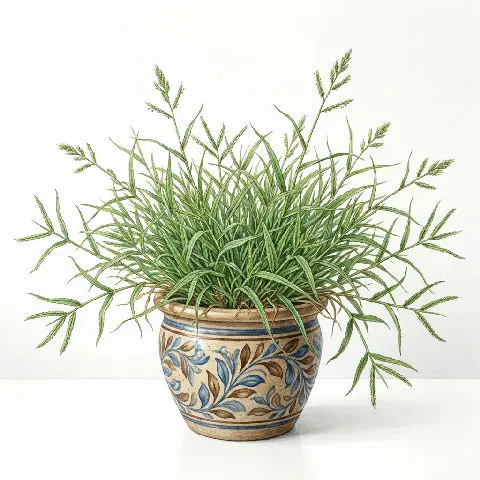
Durva (Cynodon dactylon), universally recognized as Bermuda grass, is a highly adaptive and resilient perennial grass belonging to the Poaceae family, a vast assemblage that includes many economically important cereal crops.
A good article on Durva (Bermuda Grass) should not stop at one-line claims. Readers need taxonomy, habitat, safety, cultivation, and evidence in the same place so they can make sound decisions.
Use this guide as a practical reference, then compare it with the detailed plant profile at https://www.floramedicalglobal.com/plant/durva-bermuda-grass whenever you want to confirm the source page itself.
- Primary Use — Revered in Ayurveda for its anti-inflammatory, wound healing, and hemostatic properties.
- Key Compound — Rich in flavonoids and triterpenoids, contributing to its diverse medicinal actions.
- Traditional System — A cornerstone herb in Ayurvedic medicine, known as Doorva.
- Growth Habit — A resilient, mat-forming perennial grass with both rhizomes and stolons.
- Habitat — Cosmopolitan distribution, thriving in warm, sunny, well-drained environments.
- Key Benefits — Supports urinary health, manages blood sugar, and promotes skin healing.
- Safety Note — Caution advised during pregnancy, lactation, and with certain medications.
Botanical Profile & Taxonomy
Durva (Bermuda Grass) should be anchored to the correct taxonomic identity before any discussion of care, use, or safety begins.
| Common name | Durva (Bermuda Grass) |
|---|---|
| Scientific name | Cynodon dactylon |
| Family | Poaceae |
| Order | Poales |
| Genus | Cynodon |
| Species epithet | dactylon |
| Author citation | L. |
| Basionym | Panicum dactylon L. |
| Synonyms | Agrostis bermudiana Tussac, Capriola dactylon subsp. maritima (Kunth) Hitchc., Agrostis filiformis J.Koenig, Agrostis filiformis J.Koenig ex Kunth, Cynodon barberi f. longifolia Join, Agrostis bermudiana Tussac ex Kunth, ? hirsutissimus Litard. & Maire, Cynodon affinis Caro & E.A.Sánchez, Capriola dactylon (L.) Kuntze, Chloris cynodon Trin., Cynodon aristulatus Caro & E.A.Sánchez, Cynodon aristiglumis Caro & E.A.Sánchez |
| Common names | দুর্বা ঘাস, বাহামা ঘাস, বারমুডা ঘাস, Bermuda Grass, Durva Grass, Bahama Grass, Devil's Grass, Couch Grass, Indian Doab, दूब, दुर्वा, घास |
| Local names | Australian couch, Cynodon dactyle, Capriole, Chiendent pied-de-poule, Chiendent dactyle, Chiendent pied-de-poule, Gros chiendent, Bermuda grass, Bahama grass, Chiendent, Bermudagrass, Bermudagras, Chiendent pied de poule, Brak Gras Salu, Capriola, Brak Gras Saloe |
| Origin | Old World tropics |
| Life cycle | Annual or perennial |
| Growth habit | Tree |
Using the accepted scientific name Cynodon dactylon helps readers avoid confusion caused by old synonyms, loose common names, or inconsistent plant labels.
Family and order placement also matter because they explain recurring structural traits, likely relatives, and the kinds of mistakes readers often make when they rely on appearance alone.
Physical Description & Morphology

A practical reading of the plant starts with visible structure: Leaf: Leaves of Cynodon dactylon are linear, measuring 5-20 cm in length and 0.5-1.5 cm in width, arranged alternately along the stems. The leaf margins. Stem: The stems are creeping and stoloniferous, usually green or purplish in color, with a smooth to slightly hairy texture. They vary in thickness but. Root: The root system is fibrous and can grow up to 30 cm deep, facilitating anchorage and nutrient absorption. The roots are usually light brown in color. Flower: Flowers are produced in racemes on upright spikelets measuring about 2-10 cm long, with a pale green to light purple color. Flowering occurs from. Fruit: The fruit is a dry, one-seeded achene measuring approximately 1-1.5 mm in length, usually beige or brown, and not considered palatable for humans. Seed: Seeds are small, oval-shaped, and typically brown or black when mature. They are dispersed by wind and animal activity, aiding propagation in.
Microscopic or internal identification notes deepen the picture, especially for processed material: Non-glandular trichomes are commonly observed, particularly on the abaxial (underside) surface of the leaves, contributing to the characteristic. Paracytic (graminaceous) stomata are characteristic, where two subsidiary cells parallel the guard cells. Stomatal frequency is typically high on. Calcium oxalate crystals are generally absent or rare. Lignified sclerenchymatous fibers are abundant, particularly in the vascular bundles and.
In overall habit, the plant is described as Tree with a mature height around 1–30 cm and spread of Clumping or spreading; typically 0.3-1.5 m.
Natural Habitat & Distribution
The native or historically recorded center of distribution for Durva (Bermuda Grass) is Old World tropics. That origin is more than background trivia; it explains how the plant responds to heat, moisture, shade, and seasonal change.
The plant is associated with the following countries or range markers: Africa, Asia, Australia, Southern Europe.
Environmental notes in the live record add more context: Durva thrives in warm climates and is best suited for USDA zones 7-10, allowing it to flourish in full sunlight. It prefers well-drained soils and has a high tolerance for heat and drought conditions, making it a popular choice for lawns in arid regions. Bermuda grass is adaptable to various soil types but typically grows best in sandy or loamy soils with.
In cultivation terms, the main ecological clues are: Full sun; Low to moderate; Well-drained to seasonally moist; 10; Annual or perennial; Tree.
Physiology data reinforce the habitat story: Relatively low photorespiration rates due to its C4 pathway, which optimizes carbon fixation. Cellular respiration rates are typical for a. High net photosynthesis rate and stomatal conductance under optimal conditions, enabling rapid biomass accumulation. Stomatal closure is effective. Responds significantly to auxins for root development and cytokinins for shoot proliferation, crucial for its rapid vegetative spread and.
Traditional & Cultural Significance
Durva, scientifically known as *Cynodon dactylon* and more commonly as Bermuda grass, holds a deep and multifaceted cultural significance, particularly within the Indian subcontinent and extending to other regions of the Old World tropics where it originated. In Ayurveda, it is revered as "Doorva" or "Durva" and is considered a potent medicinal herb, recognized for its cooling properties (*sheeta veerya*) and its.
Ethnobotanical records also show how this plant has been framed across different places: Ache(Head) in India(Santal) (Duke, 1992 *); Alterative in Turkey (Steinmetz, E.F. 1957. codex Vegetabilis. Published by the author, Amsterdam.); Anasarca in India (Duke, 1992 *); Anecbolic in Elsewhere (Duke, 1992 *); Antiseptic in Egypt (Tackholm, Vivi and Gunnar. 1973 (reprint). Flora of Egypt. Vol. 1-4. Originally published in Foriad I Univ. Bulletin of the Faculty of Science, vol. 17, Cairo, 1941.); Aperient in Elsewhere (Duke, 1992 *); Astringent in Turkey (Steinmetz, E.F. 1957. codex Vegetabilis. Published by the author, Amsterdam.); Astringent in Elsewhere (Duke, 1992 *).
Local names help show how different communities notice and classify the plant: Australian couch, Cynodon dactyle, Capriole, Chiendent pied-de-poule, Chiendent dactyle, Chiendent pied-de-poule, Gros chiendent, Bermuda grass, Bahama grass, Chiendent, Bermudagrass, Bermudagras, Chiendent pied de poule, Brak Gras Salu.
Traditional context matters, but it should always be separated from modern certainty. Historical use can guide questions, yet it does not automatically prove present-day clinical effectiveness.
Medicinal Properties & Health Benefits
The main benefit themes associated with the plant include: Anti-inflammatory — Durva (Bermuda Grass) possesses potent anti-inflammatory properties, attributed to its flavonoid and triterpenoid content. It is. Wound Healing and Hemostatic — The plant is highly valued for its ability to promote wound healing and stop bleeding. Its astringent qualities, combined with. Antidiabetic Activity — Research suggests that Cynodon dactylon can help manage blood sugar levels. Compounds within the plant may enhance insulin sensitivity. Diuretic and Urinary Health — Durva acts as a natural diuretic, promoting increased urine output. This property is beneficial for flushing out toxins. Antimicrobial and Antifungal — Extracts of Bermuda grass exhibit significant antimicrobial and antifungal activities against a range of pathogens. This makes. Immunomodulatory Support — Durva is known to enhance the body's immune response, strengthening its natural defense mechanisms. It acts as an adaptogen. Skin Conditions and Dermatological Aid — Traditionally, Durva (Bermuda Grass) is applied topically to treat a variety of skin ailments, including eczema. Digestive Health — The plant aids in soothing digestive discomforts. It can help reduce acidity, alleviate symptoms of indigestion, and is used in traditional.
The evidence matrix gives a more careful picture of those claims: Anti-inflammatory activity. In vivo (animal), In vitro. Moderate. Studies in animal models have shown significant reduction in inflammation markers, supporting traditional uses for conditions like arthritis and skin inflammation. Wound healing and hemostatic effects. In vivo (animal), Preliminary clinical observation. Moderate. Animal studies demonstrate accelerated wound contraction and increased tensile strength. Traditional applications directly on wounds are widespread. Antidiabetic potential. In vivo (animal), In vitro. Moderate. Animal studies have shown a reduction in blood glucose levels and improved glucose tolerance. In vitro studies explore mechanisms like alpha-amylase inhibition. Diuretic activity. In vivo (animal). Preliminary. Animal studies indicate increased urine output. This supports its traditional use for urinary tract health and detoxification. Antimicrobial activity. In vitro. Preliminary. Various extracts have shown inhibitory effects against both Gram-positive and Gram-negative bacteria, as well as some fungi, in laboratory settings.
The stored evidence confidence for this profile is traditional. That should shape how strongly any benefit statement is interpreted.
For medicinal content, the key discipline is to distinguish traditional use, mechanism-based plausibility, and human clinical support. Those are related ideas, but they are not the same thing.
- Anti-inflammatory — Durva (Bermuda Grass) possesses potent anti-inflammatory properties, attributed to its flavonoid and triterpenoid content. It is.
- Wound Healing and Hemostatic — The plant is highly valued for its ability to promote wound healing and stop bleeding. Its astringent qualities, combined with.
- Antidiabetic Activity — Research suggests that Cynodon dactylon can help manage blood sugar levels. Compounds within the plant may enhance insulin sensitivity.
- Diuretic and Urinary Health — Durva acts as a natural diuretic, promoting increased urine output. This property is beneficial for flushing out toxins.
- Antimicrobial and Antifungal — Extracts of Bermuda grass exhibit significant antimicrobial and antifungal activities against a range of pathogens. This makes.
- Immunomodulatory Support — Durva is known to enhance the body's immune response, strengthening its natural defense mechanisms. It acts as an adaptogen.
- Skin Conditions and Dermatological Aid — Traditionally, Durva (Bermuda Grass) is applied topically to treat a variety of skin ailments, including eczema.
- Digestive Health — The plant aids in soothing digestive discomforts. It can help reduce acidity, alleviate symptoms of indigestion, and is used in traditional.
- Anticonvulsant Properties — Preliminary studies indicate that Cynodon dactylon may possess anticonvulsant activity, potentially acting on the central nervous.
- Oral Health — Due to its antimicrobial and anti-inflammatory actions, Durva (Bermuda Grass) is traditionally used to maintain oral hygiene, helping to reduce.
Chemical Constituents & Phytochemistry
The broader constituent profile includes Flavonoids — Key compounds include tricin, apigenin, luteolin, and their glycosides. These contribute significantly to. Triterpenoids — Saponins and phytosterols like beta-sitosterol are present. Triterpenoids are known for their. Alkaloids — While not extensively studied, alkaloids contribute to the plant's overall pharmacological profile. Glycosides — Flavone C-glycosides are particularly notable. These compounds are often responsible for various. Phenolic Acids — Ferulic acid, syringic acid, p-coumaric acid, vanillic acid, p-hydroxybenzoic acid, and. Volatile Oils — A complex mixture of compounds that contribute to the plant's aroma and some antimicrobial effects. Carbohydrates — Including polysaccharides and mucilages, which contribute to its demulcent (soothing) properties. Proteins and Amino Acids — Essential for general plant metabolism and, when consumed, contribute to nutritional value. Phytosterols — Such as beta-sitosterol, which are known for their anti-inflammatory and cholesterol-lowering potential. Tannins — Provide astringent properties, contributing to Durva's hemostatic and wound-healing effects, and also acting.
The detailed phytochemistry file adds these markers: Tricin, Flavonoid, Leaf, whole plant, Variablemg/g; Apigenin, Flavonoid, Leaf, whole plant, Variablemg/g; Luteolin, Flavonoid, Leaf, whole plant, Variablemg/g; Beta-sitosterol, Phytosterol (Triterpenoid), Whole plant, Variablemg/g; Ferulic acid, Phenolic Acid, Whole plant, Variablemg/g; Syringic acid, Phenolic Acid, Whole plant, Variablemg/g; p-Coumaric acid, Phenolic Acid, Whole plant, Variablemg/g; Cynodine, Alkaloid, Whole plant, Trace% w/w.
Compound profiles also shift with plant part, age, season, processing, and storage. The chemistry of a fresh leaf, dried root, or concentrated extract should never be treated as automatically identical.
How to Use — Preparations & Dosage
Recorded preparation and use methods include Fresh Juice Extraction — Collect fresh Durva (Bermuda Grass) shoots, wash thoroughly, and blend with a small amount of water. Strain the mixture through a fine cloth to extract. Decoction/Tea — For a decoction, boil 10-15 grams of dried or fresh whole plant material in 200-300 ml of water until reduced by half. Strain and consume warm. Dosage: 40-50 ml. Topical Paste — Grind fresh Durva (Bermuda Grass) leaves and stems into a fine paste, adding a little water if necessary. Apply directly to fresh wounds, cuts, skin rashes, or. Powdered Herb — Dry the whole Durva plant in the shade and grind it into a fine powder. Dosage: 1-3 grams of powder, mixed with water or honey, 1-2 times daily. Used for systemic. Cold Infusion (Hima) — Soak 15-20 grams of fresh or dried Durva (Bermuda Grass) in 150 ml of cold water overnight (8-12 hours). Strain and consume in the morning. Dosage: 50-60. Nasal Drops (Nasya) — Instill 2-3 drops of fresh Durva (Bermuda Grass) juice into each nostril. Traditionally used to control epistaxis (nosebleeds) and manage certain. Eye Drops — A few drops of very dilute, filtered fresh Durva (Bermuda Grass) juice can be carefully used for conjunctivitis or eye irritation. Ensure extreme sterility and. Medicated Oil (Taila) — Prepare an oil by simmering Durva (Bermuda Grass) paste or decoction with a base oil like coconut or sesame oil until all water evaporates. This oil can.
The plant part most closely linked to use is recorded as Seeds, roots, rhizomes, or aerial parts cited in related taxa.
Edibility and processing notes matter here as well: Varies; some species have edible grains or shoots.
Preparation defines the outcome. Tea, decoction, tincture, powder, fresh plant material, cooked food use, and concentrated extract cannot be discussed as if they were interchangeable.
- Identify the exact species and plant part first.
- Match the preparation to the intended use.
- Check safety, interactions, and processing details before routine use or large-scale handling.
Safety Profile, Side Effects & Contraindications
The first safety note is direct: Usually low, but verify species-specific risks
Specific warnings recorded for this plant include Drug Interactions — Durva (Bermuda Grass) may interact with certain medications. Individuals on blood thinners (anticoagulants), antidiabetic drugs, or. Pregnancy and Lactation — Due to insufficient safety data, pregnant and breastfeeding women should avoid the medicinal use of Durva (Bermuda Grass) or use it. Children — While traditionally used in some pediatric remedies, medicinal dosages for children should be significantly reduced and administered under the. Pre-existing Conditions — Individuals with chronic health conditions, especially those related to kidney function, heart disease, or diabetes, should seek. Allergic Sensitivities — People with known allergies to grass pollens or other plants in the Poaceae family should exercise caution, as cross-reactivity or. Surgical Procedures — Due to its potential hemostatic properties, it is advisable to discontinue Durva (Bermuda Grass) use at least two weeks prior to any. Dosage Adherence — Adhering strictly to recommended dosages is crucial. Excessive consumption may lead to potential side effects and diminish therapeutic. Vata Aggravation — Durva (Bermuda Grass) is considered cold (Sheeta Veerya) and astringent, which may aggravate Vata dosha in susceptible individuals. Allergic Reactions — Rare instances of allergic reactions, such as skin rashes or gastrointestinal upset, may occur in individuals sensitive to grasses or. Gastrointestinal Discomfort — High doses of Durva (Bermuda Grass) preparations might lead to mild stomach upset, nausea, or diarrhea in some sensitive.
Quality-control notes add another warning: Common adulterants or substitutes may include other grass species, especially those with similar appearances. Microscopic examination and chromatographic profiling are crucial.
No plant should be described as universally safe. Identity, dose, plant part, preparation style, age, pregnancy status, medication use, allergies, and contamination risk all change the answer.
Growing & Cultivation Guide
The cultivation record emphasizes these practical steps: Soil Requirements — Durva (Bermuda Grass) thrives in a wide range of soil types but prefers well-drained sandy loams with a pH between 6.0 and 7.5. It tolerates poor. Light Requirements — This grass demands full sun exposure for at least 6-8 hours daily to flourish. It performs poorly in shaded areas, leading to sparse growth and. Watering — Once established, Cynodon dactylon is highly drought-tolerant. However, for lush growth and medicinal yield, consistent watering (about 1 inch per week) is. Temperature — Bermuda grass is a warm-season grass, preferring temperatures between 24-35°C (75-95°F). It goes dormant in colder temperatures below 10°C (50°F) and is. Propagation — It can be propagated effectively by seeds, rhizomes, stolons, or sod. Vegetative propagation via stolons or rhizomes is most common for rapid. Fertilization — A balanced fertilizer application (e.g., 4-1-2 NPK ratio) during the active growing season (spring and summer) promotes healthy growth. Soil testing can. Pest and Disease Management — Durva is generally robust but can be susceptible to common lawn pests like grub worms and diseases like dollar spot or rust, especially. Harvesting — For medicinal use, the entire aerial part of the plant (leaves and stems) is typically harvested when the plant is actively growing and appears vibrant.
The broader growth environment is described like this: Durva thrives in warm climates and is best suited for USDA zones 7-10, allowing it to flourish in full sunlight. It prefers well-drained soils and has a high tolerance for heat and drought conditions, making it a popular choice for lawns in arid regions. Bermuda grass is adaptable to various soil types but typically grows best in sandy or loamy soils with.
Planning becomes easier when these traits are kept in view: Tree; 1–30 cm; Clumping or spreading; typically 0.3-1.5 m.
In practice, healthy cultivation comes from systems thinking rather than one-off tricks. Site choice, drainage, timing, spacing, pruning, feeding, and observation all reinforce one another.
Light, Water & Soil Requirements
The most useful care snapshot is this: Light: Full sun; Water: Low to moderate; Soil: Well-drained to seasonally moist; USDA zone: 10.
Outdoors, light, water, and soil must be read together. The same watering schedule can be too much in dense clay and too little in a porous sandy bed.
| Light | Full sun |
|---|---|
| Water | Low to moderate |
| Soil | Well-drained to seasonally moist |
| USDA zone | 10 |
Light, water, and soil should never be treated as separate checkboxes. A plant in stronger light often dries faster, soil texture changes how quickly water moves, and temperature plus humidity influence how stress appears in leaves and roots.
For Durva (Bermuda Grass), the safest care approach is to treat Full sun, Low to moderate, and Well-drained to seasonally moist as linked decisions rather than isolated tips. If one condition shifts, the other two usually need to be reconsidered as well.
Microclimate matters too. Indoors, room placement and airflow can matter as much as window exposure. Outdoors, reflected heat, slope, mulch, and nearby plants can change how the temperature rhythm described for the species and humidity that matches the plant type are actually experienced at plant level.
Propagation Methods
Documented propagation routes include Cynodon dactylon can be propagated through seeds or vegetative means. 1. **Seeds:** - Prepare seedbed by tilling the soil to a fine tilth. - Sow seeds at a.
Propagation works best when the parent stock is healthy, correctly identified, and handled in the right season. That sounds obvious, but it is exactly where many failures begin.
- Cynodon dactylon can be propagated through seeds or vegetative means. 1. **Seeds:** - Prepare seedbed by tilling the soil to a fine tilth. - Sow seeds at a.
Propagation works best when the reader matches method to biology. Some plants respond readily to cuttings, some to division, some to seed, and others require more patience or more exact seasonal timing.
A successful propagation guide therefore starts with healthy parent material and realistic expectations. Weak stock, rushed handling, and poor aftercare can make even a technically correct method fail.
Pest & Disease Management
For medicinal species, pest pressure is not only a horticultural issue. It also affects harvest cleanliness, storage stability, and confidence in the final material.
The smartest response sequence is observation first, environmental correction second, and treatment only after the real pattern is clear.
Pest and disease management is strongest when it begins before visible damage becomes severe. Routine observation, clean handling, sensible spacing, air movement, and balanced watering reduce many problems before treatment is even needed.
When symptoms do appear on Durva (Bermuda Grass), the most reliable response is diagnostic rather than reactive. Yellowing, spots, wilt, chewing, and stunting can all have multiple causes, so a rushed treatment can waste time or worsen the problem.
Good troubleshooting also includes environmental correction. Pests and disease often reveal a deeper issue such as root stress, poor airflow, inconsistent watering, weak light, or exhausted soil structure.
Harvesting, Storage & Processing
The plant part most often associated with harvest or processing is Seeds, roots, rhizomes, or aerial parts cited in related taxa.
Storage guidance from the quality-control record reads as follows: Dried plant material should be stored in airtight containers, away from direct sunlight and moisture, to preserve active compounds. Extracts and powders typically have a shelf.
For medicinal plants, harvesting cannot be separated from processing. The right plant part, the right timing, and the right drying conditions all shape quality and safety.
Whatever the purpose, the rule is the same: harvest clean material, label it clearly, and store it in a way that preserves identity and condition.
Harvest and storage determine whether a plant's quality is preserved after it leaves the bed, pot, field, or wild source. Clean timing, correct plant part selection, and careful drying or handling all matter more than many readers expect.
Companion Planting & Garden Design
In a home herb garden or medicinal bed, Durva (Bermuda Grass) should be placed where harvesting is easy, labeling remains clear, and neighboring plants do not create confusion at collection time.
Companion planting and design are not only aesthetic decisions. They affect airflow, root competition, moisture sharing, harvest access, visibility, and the general logic of the planting scheme.
With Durva (Bermuda Grass), good placement means thinking about mature size, maintenance rhythm, and how neighboring plants change the feel and function of the space. A plant can be healthy on its own and still be poorly placed within the broader composition.
That is why the best design advice combines biology with usability. The planting should look coherent, but it should also make watering, pruning, harvest, and pest observation easier rather than harder.
Scientific Research & Evidence Base
The evidence matrix points to several recurring themes: Anti-inflammatory activity. In vivo (animal), In vitro. Moderate. Studies in animal models have shown significant reduction in inflammation markers, supporting traditional uses for conditions like arthritis and skin inflammation. Wound healing and hemostatic effects. In vivo (animal), Preliminary clinical observation. Moderate. Animal studies demonstrate accelerated wound contraction and increased tensile strength. Traditional applications directly on wounds are widespread. Antidiabetic potential. In vivo (animal), In vitro. Moderate. Animal studies have shown a reduction in blood glucose levels and improved glucose tolerance. In vitro studies explore mechanisms like alpha-amylase inhibition. Diuretic activity. In vivo (animal). Preliminary. Animal studies indicate increased urine output. This supports its traditional use for urinary tract health and detoxification. Antimicrobial activity. In vitro. Preliminary. Various extracts have shown inhibitory effects against both Gram-positive and Gram-negative bacteria, as well as some fungi, in laboratory settings.
Ethnobotanical activity records add historical reference trails: Ache(Head) — India(Santal) [Duke, 1992 *]; Alterative — Turkey [Steinmetz, E.F. 1957. codex Vegetabilis. Published by the author, Amsterdam.]; Anasarca — India [Duke, 1992 *]; Anecbolic — Elsewhere [Duke, 1992 *]; Antiseptic — Egypt [Tackholm, Vivi and Gunnar. 1973 (reprint). Flora of Egypt. Vol. 1-4. Originally published in Foriad I Univ. Bulletin of the Faculty of Science, vol. 17, Cairo, 1941.]; Aperient — Elsewhere [Duke, 1992 *].
The compiled source count behind the live profile is 7. That does not guarantee certainty, but it does suggest the record has been cross-checked beyond a single note.
Analytical testing notes also strengthen the evidence base: Authentication and quality control typically involve macroscopic and microscopic examination, physicochemical parameters (ash value, extractive value), and chromatographic.
A careful evidence section should say what is known, what is plausible, and what remains uncertain. Readers are better served by clear limits than by exaggerated confidence.
Buying Guide & Expert Tips
Quality markers worth checking include Key marker compounds for standardization include total flavonoid content (e.g., tricin equivalents) and total phenolic content. Specific phenolic acids like ferulic acid can also.
Adulteration and substitution risk should not be ignored: Common adulterants or substitutes may include other grass species, especially those with similar appearances. Microscopic examination and chromatographic profiling are crucial.
When buying Durva (Bermuda Grass), start with verified botanical identity. The label, scientific name, and the source page should agree before you judge price, size, or claimed benefits.
Frequently Asked Questions
What is Durva (Bermuda Grass) best known for?
Durva (Cynodon dactylon), universally recognized as Bermuda grass, is a highly adaptive and resilient perennial grass belonging to the Poaceae family, a vast assemblage that includes many economically important cereal crops.
Is Durva (Bermuda Grass) beginner-friendly?
That depends on the growing environment and the intended use. Some plants are easy to grow but not simple to use medicinally, while others are the opposite.
How much light does Durva (Bermuda Grass) need?
Full sun
How often should Durva (Bermuda Grass) be watered?
Low to moderate
Can Durva (Bermuda Grass) be propagated at home?
Yes, but the best method depends on whether the species responds best to seed, cuttings, division, offsets, or other propagation routes.
Does Durva (Bermuda Grass) have safety concerns?
Usually low, but verify species-specific risks
What is the biggest mistake people make with Durva (Bermuda Grass)?
The most common mistake is applying generic advice instead of matching the plant to its real environment, identity, and limits.
Where can I verify more information about Durva (Bermuda Grass)?
Start with the Flora Medical Global plant profile: https://www.floramedicalglobal.com/plant/durva-bermuda-grass
Trusted Scientific References & Further Reading
Authoritative sources and related guides:
- Wikipedia — background reference
- PubMed — peer-reviewed studies
- Kew POWO — botanical reference
- NCBI PMC — open-access research
- WHO — global health authority