
Overview & Introduction
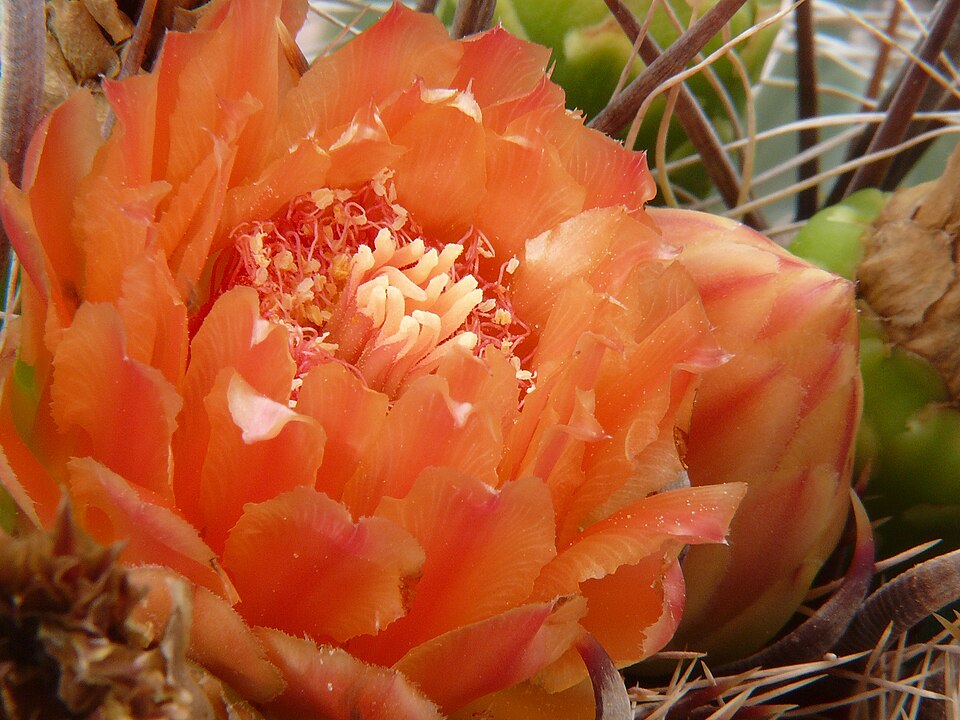
Ferocactus wislizeni, widely recognized as the Arizona barrel cactus, fishhook barrel cactus, or candy barrel cactus, is a quintessential succulent of the Sonoran and Chihuahuan Deserts.
The interesting part about Ferocactus is that the plant can be discussed from several angles at once: visible form, environmental behavior, traditional context, and modern quality control.
Use this guide as a practical reference, then compare it with the detailed plant profile at https://www.floramedicalglobal.com/garden-plants/ferocactus whenever you want to confirm the source page itself.
- Ferocactus wislizeni is an iconic, spiny desert cactus native to the US Southwest and Mexico.
- Historically, it served as a vital food, water, and tool source for indigenous tribes.
- Its fruits and seeds are nutritious, while the pulp offers emergency hydration and can be cooked.
- Thrives in arid, full-sun conditions with well-draining soil but is sensitive to frost.
- Requires careful handling due to formidable spines
- Modern medicinal research is limited.
Botanical Profile & Taxonomy
Ferocactus should be anchored to the correct taxonomic identity before any discussion of care, use, or safety begins.
| Common name | Ferocactus |
|---|---|
| Scientific name | Ferocactus wislizeni |
| Family | Cactaceae |
| Order | Caryophyllales |
| Genus | Ferocactus |
| Species epithet | wislizeni |
| Author citation | Engelm. |
| Synonyms | Ferocactus acanthodes, Echinocactus wislizeni, Ferocactus wislizeni var. wislizeni |
| Common names | ফিশহুক ব্যারেল ক্যাক্টাস, Fishhook Barrel Cactus |
| Origin | North America (Mexico, United States) |
| Life cycle | Perennial |
| Growth habit | Succulent |
Using the accepted scientific name Ferocactus wislizeni helps readers avoid confusion caused by old synonyms, loose common names, or inconsistent plant labels.
Family and order placement also matter because they explain recurring structural traits, likely relatives, and the kinds of mistakes readers often make when they rely on appearance alone.
Correct naming is not a small detail. A plant can collect multiple common names, outdated synonyms, and marketing labels over time, so using Ferocactus wislizeni consistently reduces the risk of confusion, bad care advice, and even safety mistakes.
Physical Description & Morphology
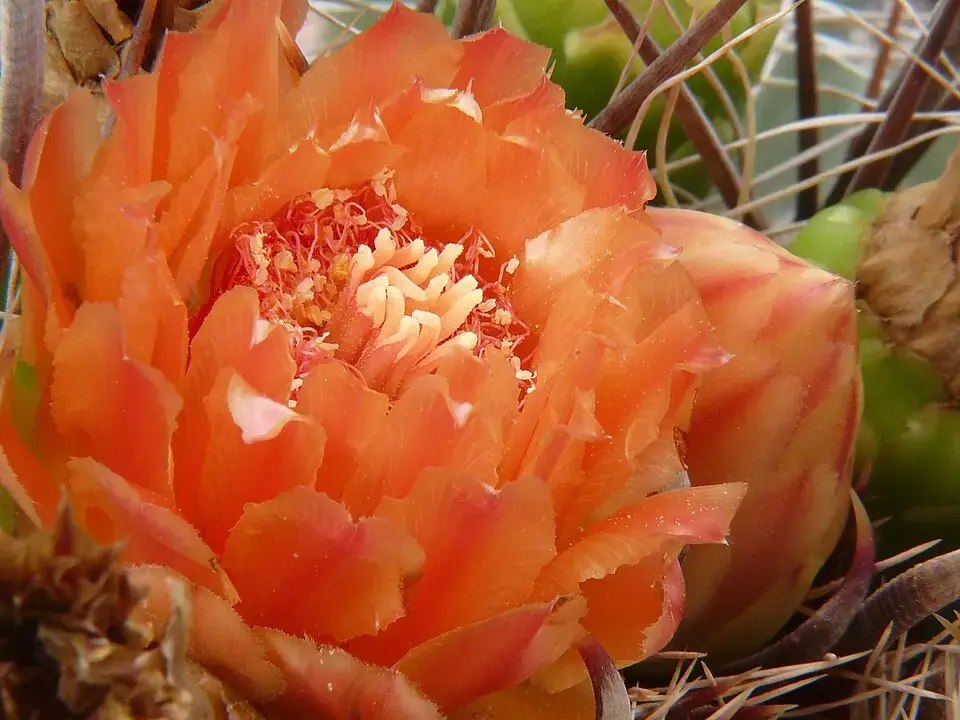
A practical reading of the plant starts with visible structure: Leaf: Leaves are vestigial or absent, modified into spines. Photosynthesis primarily occurs in the stem. Stem: Globose to cylindrical, ribbed, unbranched, typically green, can reach up to 2 meters in height and 60 cm in diameter, with 20-30 prominent ribs. Root: Shallow but widespread fibrous root system, primarily located in the upper 10-15 cm of soil, optimized for rapid water absorption after rainfall. Flower: Yellow to orange or reddish, funnel-shaped, 4-6 cm long, appearing in a ring at the apex of the stem, blooming from July to September. Fruit: Ovoid, yellow, fleshy, approximately 3-5 cm long, persisting on the plant for several months after ripening. Seed: Small, black, glossy, kidney-shaped, typically 1.5-2 mm long. Dispersed by animals (birds, rodents) consuming the fruit.
Microscopic or internal identification notes deepen the picture, especially for processed material: True trichomes are generally absent or highly reduced; however, specialized structures known as areoles produce formidable spines, which are. Stomata are typically sunken into the epidermal surface, commonly paracytic or anomocytic, a key adaptation for Crassulacean Acid Metabolism (CAM). Powdered material reveals fragments of epidermal tissue with sunken stomata, abundant parenchyma cells containing calcium oxalate crystals (druses).
In overall habit, the plant is described as Succulent with a mature height around 0.5-1.5 m and spread of Typically 0.2-2 m.
Natural Habitat & Distribution
The native or historically recorded center of distribution for Ferocactus is North America (Mexico, United States). That origin is more than background trivia; it explains how the plant responds to heat, moisture, shade, and seasonal change.
The plant is associated with the following countries or range markers: Chihuahua), Mexico (Sonora, New Mexico, Texas), United States (Arizona).
Environmental notes in the live record add more context: Natural habitat: Sonoran and Chihuahuan Deserts, typically on rocky slopes, plains, and mesas. Climate zones: USDA hardiness zones 8-11. Altitude range: 300 to 1500 meters (1000-5000 feet). Annual rainfall needs: Adapts to areas with 150-300mm (6-12 inches) of annual rainfall, primarily during summer monsoons, but relies heavily on internal water storage.
In cultivation terms, the main ecological clues are: Full Sun; Bi-weekly; Well-draining, sandy or gravelly loam with a pH of 6.0-7.0 (slightly acidic to neutral). 9-11; Perennial; Succulent.
Physiology data reinforce the habitat story: Highly adapted to severe drought and extreme heat, but is notably frost-sensitive, with tolerance levels increasing with plant size and age. Crassulacean Acid Metabolism (CAM), enabling the plant to open stomata at night for CO2 uptake, significantly reducing water loss during hot desert. Exhibits extremely low transpiration rates due to CAM, a thick cuticle, and sunken stomata, allowing for exceptional water conservation in arid.
Traditional & Cultural Significance
Ferocactus wislizeni holds no known cultural significance in Ayurveda, TCM, or Unani, as these systems developed in different geographical regions. However, it holds significant cultural importance for indigenous peoples of the American Southwest, including the Tohono O'odham, Pima, and Apache. It was a crucial survival plant, providing emergency water and sustenance. The fruits were eaten fresh or dried, and the.
Ethnobotanical records also show how this plant has been framed across different places: Mucilage, latex, or bioactive secondary metabolites reported in related taxa in Arizona; California; Mexico Central; Mexico Gulf; Mexico Northeast; Mexico Northwest; Mexico Southwest; Nevada; New Mexico; Texas; Utah (https://api.gbif.org/v1/species/3084147; https://api.gbif.org/v1/species/3084147/vernacularNames?limit=100; https://api.gbif.org/v1/species/3084147/synonyms?limit=100; https://api.gbif.org/v1/species/3084147/distributions?limit=200; AI heuristic estimate from taxonomy/common-name patterns; verify manually.).
Traditional context matters, but it should always be separated from modern certainty. Historical use can guide questions, yet it does not automatically prove present-day clinical effectiveness.
Medicinal Properties & Health Benefits
The main benefit themes associated with the plant include: Emergency Hydration — The succulent pulp of the Ferocactus wislizeni stem has historically been utilized by indigenous peoples as a crucial source of. Nutritional Supplementation — The seeds of the Arizona barrel cactus are rich in protein and fat, traditionally ground into a nourishing flour, providing. Dietary Fiber Source — Both the fleshy stem pulp and the seeds and fruits contribute significant dietary fiber, aiding in digestive health and promoting. Potential Antioxidant Activity — Like many desert plants, Ferocactus wislizeni likely contains phenolic compounds and carotenoids, offering potential. Mineral Supply — The fruits of the candy barrel cactus provide essential minerals such as phosphorus and calcium, vital for bone health and various metabolic. Traditional Food Source — Historically, various parts of the plant, including fruits, seeds, and cooked pulp, served as a staple food resource for indigenous. Digestive Aid — The natural fiber present in the plant can help regulate bowel movements and support a healthy gut microbiome. Source of Vitamins — The fruits may contain vitamins, including ascorbic acid (Vitamin C), contributing to immune function and overall well-being.
The evidence matrix gives a more careful picture of those claims: The stem pulp serves as an emergency water source. Observational/Traditional Use. Ethnobotanical/Historical. Documented use by native tribes for survival and hydration in arid desert regions for centuries. Seeds and fruits provide significant nutritional benefits. Nutritional Composition Analysis/Traditional Use. Ethnobotanical/Nutritional Analysis. Seeds are rich in protein and fat, while fruits contain essential minerals like phosphorus and calcium, as reported in ecological studies. Plant parts are utilized in traditional food preparation. Traditional Food Science. Ethnobotanical/Historical. The pulp is historically used for making cactus candy and jellies, and fruits are consumed fresh or dried.
The stored evidence confidence for this profile is traditional. That should shape how strongly any benefit statement is interpreted.
For non-medicinal or mostly ornamental contexts, the safest approach is to keep the claims modest. A plant may still be valuable ecologically, visually, or culturally without being promoted as a treatment.
- Emergency Hydration — The succulent pulp of the Ferocactus wislizeni stem has historically been utilized by indigenous peoples as a crucial source of.
- Nutritional Supplementation — The seeds of the Arizona barrel cactus are rich in protein and fat, traditionally ground into a nourishing flour, providing.
- Dietary Fiber Source — Both the fleshy stem pulp and the seeds and fruits contribute significant dietary fiber, aiding in digestive health and promoting.
- Potential Antioxidant Activity — Like many desert plants, Ferocactus wislizeni likely contains phenolic compounds and carotenoids, offering potential.
- Mineral Supply — The fruits of the candy barrel cactus provide essential minerals such as phosphorus and calcium, vital for bone health and various metabolic.
- Traditional Food Source — Historically, various parts of the plant, including fruits, seeds, and cooked pulp, served as a staple food resource for indigenous.
- Digestive Aid — The natural fiber present in the plant can help regulate bowel movements and support a healthy gut microbiome.
- Source of Vitamins — The fruits may contain vitamins, including ascorbic acid (Vitamin C), contributing to immune function and overall well-being.
- Wilderness Survival Resource — Beyond hydration, its edible components offer a valuable source of calories and nutrients, making it a critical survival plant.
- Blood Sugar Regulation (Potential) — While not specifically studied for Ferocactus wislizeni, some cacti mucilages have shown potential in modulating blood.
Chemical Constituents & Phytochemistry
The broader constituent profile includes Mucilage — Composed primarily of polysaccharides, this viscous substance is abundant in the stem pulp, responsible for. Organic Acids — Notably malic acid, which accumulates during nighttime as part of Crassulacean Acid Metabolism (CAM). Flavonoids — A class of phenolic compounds likely present in the fruits and stem, offering potential antioxidant and. Proteins — The seeds are a significant source of protein, essential for growth and repair, with reported values. Fatty Acids — Found abundantly in the seeds, these lipids provide a concentrated energy source and essential fatty. Minerals — The fruits are known to contain vital minerals such as phosphorus (0.18-0.23% dry matter) and calcium. Vitamins — Ascorbic acid (Vitamin C) is likely present in the fruits, contributing to antioxidant defense and immune. Carotenoids — Pigments responsible for the yellow to orange coloration of the flowers and fruits, serving as. Sterols/Triterpenes — Common plant lipids and secondary metabolites that may contribute to the plant's structural. Alkaloids — While not extensively characterized for Ferocactus wislizeni, some members of the Cactaceae family are.
The detailed phytochemistry file adds these markers: Mucilage, Polysaccharide, Stem pulp, Variable% dry weight; Malic Acid, Organic Acid, Stem, fruit, Variable%; Protein, Macronutrient, Seeds, 6.2-10.8% dry matter; Fatty Acids, Lipid, Seeds, Rich%; Phosphorus, Mineral, Fruits, 0.18-0.23% dry matter; Calcium, Mineral, Fruits, Variable% dry matter; Flavonoids, Phenolic, Fruit, stem, Undeterminedmg/g.
Compound profiles also shift with plant part, age, season, processing, and storage. The chemistry of a fresh leaf, dried root, or concentrated extract should never be treated as automatically identical.
How to Use — Preparations & Dosage
Recorded preparation and use methods include Raw Fruit Consumption — The ripe, fleshy yellow fruits can be eaten fresh, offering a tart and refreshing taste, after carefully removing any remnants of spines or glochids. Cooked Stem Pulp — The inner pulp of the Ferocactus wislizeni stem can be cooked, often boiled or roasted, to be consumed as a vegetable, especially in survival situations. Seed Flour Preparation — The small, black seeds are traditionally ground into a high-protein, high-fat flour, which can be incorporated into various baked goods or porridges. Dried Fruits — The fruits can be sun-dried or dehydrated for long-term storage, providing a nutritious and portable snack. Cactus Candy Production — The pulp is famously processed with sugar and spices to create 'biznaga' or cactus candy, a traditional confection. Jelly and Preserves — The tart pulp can be cooked down with sugar to make jellies, jams, or other fruit preserves. Emergency Hydration — In dire situations, the raw, inner stem pulp can be carefully cut and chewed to extract life-sustaining water. Traditional Beverages — While less common for Ferocactus wislizeni specifically, some indigenous cultures might process parts of cacti into fermented or infused beverages.
The plant part most closely linked to use is recorded as Leaves, sap, stems, or flowers cited in related taxa.
Edibility and processing notes matter here as well: Not edible.
For garden-focused readers, this section often overlaps with practical garden use: cut flowers, pollinator support, habitat value, decorative placement, culinary handling, or any carefully documented traditional application.
- Identify the exact species and plant part first.
- Match the preparation to the intended use.
- Check safety, interactions, and processing details before routine use or large-scale handling.
Safety Profile, Side Effects & Contraindications
The first safety note is direct: Toxicity classification: Generally considered non-toxic for human consumption in small, prepared quantities as a survival food, but raw, unprocessed consumption may cause digestive upset. The primary safety concern is physical injury from.
Specific warnings recorded for this plant include Handle with Extreme Caution — Always wear thick gloves and use appropriate tools when handling Ferocactus wislizeni to avoid injury from its sharp, hooked. Proper Identification is Crucial — Ensure accurate identification of Ferocactus wislizeni to avoid consuming potentially toxic look-alikes from other cactus. Consume in Moderation — Start with small quantities to assess individual tolerance, especially if new to consuming cactus products. Not Recommended During Pregnancy/Lactation — Due to a lack of scientific data on its effects, pregnant and lactating individuals should avoid consuming. Consult Healthcare Provider for Medical Conditions — Individuals with kidney issues, digestive disorders, or those on medication should seek medical advice. Spine Removal is Essential — Thoroughly remove all spines, glochids, and any tough outer skin before processing or consuming any part of the plant. Ethical and Legal Harvesting — Adhere to local regulations and conservation guidelines when wild-harvesting to protect native populations and ecosystems. Physical Injury from Spines — The formidable spines can cause painful punctures, skin irritation, and potentially lead to infection if not handled with. Digestive Upset — Overconsumption of the pulp or fruits, particularly if not accustomed, may lead to mild gastrointestinal discomfort, including bloating or. Allergic Reactions — Although rare, individuals may experience allergic reactions to specific compounds within the plant, manifesting as skin rashes or.
Quality-control notes add another warning: Low for whole plant material, but potential risk exists in processed products where less desirable cactus species or non-cactus ingredients might be substituted, especially in.
No plant should be described as universally safe. Identity, dose, plant part, preparation style, age, pregnancy status, medication use, allergies, and contamination risk all change the answer.
Growing & Cultivation Guide
The cultivation record emphasizes these practical steps: Climate — Requires an arid or semi-arid climate with hot summers and mild winters; it is frost-sensitive and should be protected from freezing temperatures. Soil — Thrives in extremely well-draining, rocky, gravelly, or sandy soils with low organic content, mimicking its natural desert habitat. Water — Water sparingly; allow the soil to dry out completely between waterings to prevent root rot, especially during cooler months. Light — Demands full sun exposure for at least 6-8 hours daily to ensure robust growth and flowering. Propagation — Primarily propagated from seeds, which require specific conditions for germination: light exposure and consistent temperatures between 68-86°F (20-30°C). Potting — For container growing, use terracotta pots with ample drainage holes and a specialized cactus potting mix to ensure proper aeration and drainage.
The broader growth environment is described like this: Natural habitat: Sonoran and Chihuahuan Deserts, typically on rocky slopes, plains, and mesas. Climate zones: USDA hardiness zones 8-11. Altitude range: 300 to 1500 meters (1000-5000 feet). Annual rainfall needs: Adapts to areas with 150-300mm (6-12 inches) of annual rainfall, primarily during summer monsoons, but relies heavily on internal water storage.
Planning becomes easier when these traits are kept in view: Succulent; 0.5-1.5 m; Typically 0.2-2 m; Beginner.
In practice, healthy cultivation comes from systems thinking rather than one-off tricks. Site choice, drainage, timing, spacing, pruning, feeding, and observation all reinforce one another.
Light, Water & Soil Requirements
The most useful care snapshot is this: Light: Full Sun; Water: Bi-weekly; Soil: Well-draining, sandy or gravelly loam with a pH of 6.0-7.0 (slightly acidic to neutral). Temperature: -7-40°C; USDA zone: 9-11.
Outdoors, light, water, and soil must be read together. The same watering schedule can be too much in dense clay and too little in a porous sandy bed.
| Light | Full Sun |
|---|---|
| Water | Bi-weekly |
| Soil | Well-draining, sandy or gravelly loam with a pH of 6.0-7.0 (slightly acidic to neutral). |
| Temperature | -7-40°C |
| USDA zone | 9-11 |
Light, water, and soil should never be treated as separate checkboxes. A plant in stronger light often dries faster, soil texture changes how quickly water moves, and temperature plus humidity influence how stress appears in leaves and roots.
For Ferocactus, the safest care approach is to treat Full Sun, Bi-weekly, and Well-draining, sandy or gravelly loam with a pH of 6.0-7.0 (slightly acidic to neutral). as linked decisions rather than isolated tips. If one condition shifts, the other two usually need to be reconsidered as well.
Propagation Methods
Documented propagation routes include Ferocactus wislizeni is primarily propagated by seeds. Cuttings are generally not successful for barrel cacti due to their monolithic stem structure and.
Propagation works best when the parent stock is healthy, correctly identified, and handled in the right season. That sounds obvious, but it is exactly where many failures begin.
- Ferocactus wislizeni is primarily propagated by seeds. Cuttings are generally not successful for barrel cacti due to their monolithic stem structure and.
Propagation works best when the reader matches method to biology. Some plants respond readily to cuttings, some to division, some to seed, and others require more patience or more exact seasonal timing.
A successful propagation guide therefore starts with healthy parent material and realistic expectations. Weak stock, rushed handling, and poor aftercare can make even a technically correct method fail.
For Ferocactus, the real goal is not simply to produce another plant, but to produce a correctly identified, vigorous, well-established plant that continues growing without hidden stress from the first stage.
Pest & Disease Management
The recorded problem list includes Common pests: Mealybugs and scale insects may occasionally infest the plant, particularly in protected or humid. for established rot, repot into fresh, dry soil and trim affected roots. Nutrient deficiencies: Generally rare in.
Garden problems are often ecological rather than mysterious. Crowding, poor airflow, overwatering, wrong siting, and delayed observation create the conditions that pests and disease exploit.
The smartest response sequence is observation first, environmental correction second, and treatment only after the real pattern is clear.
- Common pests: Mealybugs and scale insects may occasionally infest the plant, particularly in protected or humid.
- For established rot, repot into fresh, dry soil and trim affected roots. Nutrient deficiencies: Generally rare in.
Pest and disease management is strongest when it begins before visible damage becomes severe. Routine observation, clean handling, sensible spacing, air movement, and balanced watering reduce many problems before treatment is even needed.
Harvesting, Storage & Processing
The plant part most often associated with harvest or processing is Leaves, sap, stems, or flowers cited in related taxa.
Storage guidance from the quality-control record reads as follows: Dried fruits and seeds exhibit good stability when stored in cool, dry, and dark conditions; fresh pulp is highly perishable and requires immediate processing or refrigeration.
For a garden-focused plant, harvesting may mean seed collection, cut stems, flowers, foliage, or propagation material rather than edible or medicinal processing.
Whatever the purpose, the rule is the same: harvest clean material, label it clearly, and store it in a way that preserves identity and condition.
Harvest and storage determine whether a plant's quality is preserved after it leaves the bed, pot, field, or wild source. Clean timing, correct plant part selection, and careful drying or handling all matter more than many readers expect.
Companion Planting & Garden Design
Useful companions or placement partners include Creosote Bush (Larrea tridentata); brittlebush (Encelia farinosa); Ocotillo (Fouquieria splendens); Cholla varieties (Cylindropuntia spp.); Agave parryi.
In a garden border or planting plan, Ferocactus is easiest to use well when exposure, soil rhythm, and seasonal sequence are matched rather than improvised.
- Creosote Bush (Larrea tridentata)
- Brittlebush (Encelia farinosa)
- Ocotillo (Fouquieria splendens)
- Cholla varieties (Cylindropuntia spp.)
- Agave parryi
Companion planting and design are not only aesthetic decisions. They affect airflow, root competition, moisture sharing, harvest access, visibility, and the general logic of the planting scheme.
With Ferocactus, good placement means thinking about mature size, maintenance rhythm, and how neighboring plants change the feel and function of the space. A plant can be healthy on its own and still be poorly placed within the broader composition.
Scientific Research & Evidence Base
The evidence matrix points to several recurring themes: The stem pulp serves as an emergency water source. Observational/Traditional Use. Ethnobotanical/Historical. Documented use by native tribes for survival and hydration in arid desert regions for centuries. Seeds and fruits provide significant nutritional benefits. Nutritional Composition Analysis/Traditional Use. Ethnobotanical/Nutritional Analysis. Seeds are rich in protein and fat, while fruits contain essential minerals like phosphorus and calcium, as reported in ecological studies. Plant parts are utilized in traditional food preparation. Traditional Food Science. Ethnobotanical/Historical. The pulp is historically used for making cactus candy and jellies, and fruits are consumed fresh or dried.
Ethnobotanical activity records add historical reference trails: Mucilage, latex, or bioactive secondary metabolites reported in related taxa — Arizona; California; Mexico Central; Mexico Gulf; Mexico Northeast; Mexico Northwest; Mexico Southwest; Nevada; New Mexico; Texas; Utah [https://api.gbif.org/v1/species/3084147; https://api.gbif.org/v1/species/3084147/vernacularNames?limit=100; https://api.gbif.org/v1/species/3084147/synonyms?limit=100; https://api.gbif.org/v1/species/3084147/distributions?limit=200; AI heuristic estimate from taxonomy/common-name patterns; verify manually.].
The compiled source count behind the live profile is 8. That does not guarantee certainty, but it does suggest the record has been cross-checked beyond a single note.
Analytical testing notes also strengthen the evidence base: Macroscopic and microscopic identification for raw material; HPTLC for general phytochemical profiling; moisture content, ash value, and heavy metal analysis for safety and.
A careful evidence section should say what is known, what is plausible, and what remains uncertain. Readers are better served by clear limits than by exaggerated confidence.
Evidence note: this section blends the live plant record, local ethnobotanical activity data, chemistry records, and the linked Flora Medical Global plant profile for Ferocactus.
Buying Guide & Expert Tips
Quality markers worth checking include No established pharmacopoeial marker compounds for Ferocactus wislizeni; general Cactaceae compounds like specific alkaloids or polysaccharides could be investigated as potential.
Adulteration and substitution risk should not be ignored: Low for whole plant material, but potential risk exists in processed products where less desirable cactus species or non-cactus ingredients might be substituted, especially in.
When buying Ferocactus, start with verified botanical identity. The label, scientific name, and the source page should agree before you judge price, size, or claimed benefits.
For living plants, inspect roots, stem firmness, foliage health, and early pest signs. For dried or processed material, look for batch clarity, clean aroma, absence of mold, and any sign that the product has been over-processed to disguise poor quality.
Frequently Asked Questions
What is Ferocactus best known for?
Ferocactus wislizeni, widely recognized as the Arizona barrel cactus, fishhook barrel cactus, or candy barrel cactus, is a quintessential succulent of the Sonoran and Chihuahuan Deserts.
Is Ferocactus beginner-friendly?
That depends on the growing environment and the intended use. Some plants are easy to grow but not simple to use medicinally, while others are the opposite.
How much light does Ferocactus need?
Full Sun
How often should Ferocactus be watered?
Bi-weekly
Can Ferocactus be propagated at home?
Yes, but the best method depends on whether the species responds best to seed, cuttings, division, offsets, or other propagation routes.
Does Ferocactus have safety concerns?
Toxicity classification: Generally considered non-toxic for human consumption in small, prepared quantities as a survival food, but raw, unprocessed consumption may cause digestive upset. The primary safety concern is physical injury from.
What is the biggest mistake people make with Ferocactus?
The most common mistake is applying generic advice instead of matching the plant to its real environment, identity, and limits.
Where can I verify more information about Ferocactus?
Start with the Flora Medical Global plant profile: https://www.floramedicalglobal.com/garden-plants/ferocactus
Why do sources sometimes disagree about Ferocactus?
Different references may use different synonyms, plant parts, cultivation conditions, or evidence standards. That is why taxonomy and source quality both matter.
Trusted Scientific References & Further Reading
Authoritative sources and related guides:
- Wikipedia — background reference
- PubMed — peer-reviewed studies
- Kew POWO — botanical reference
- NCBI PMC — open-access research
- WHO — global health authority