
Overview & Introduction
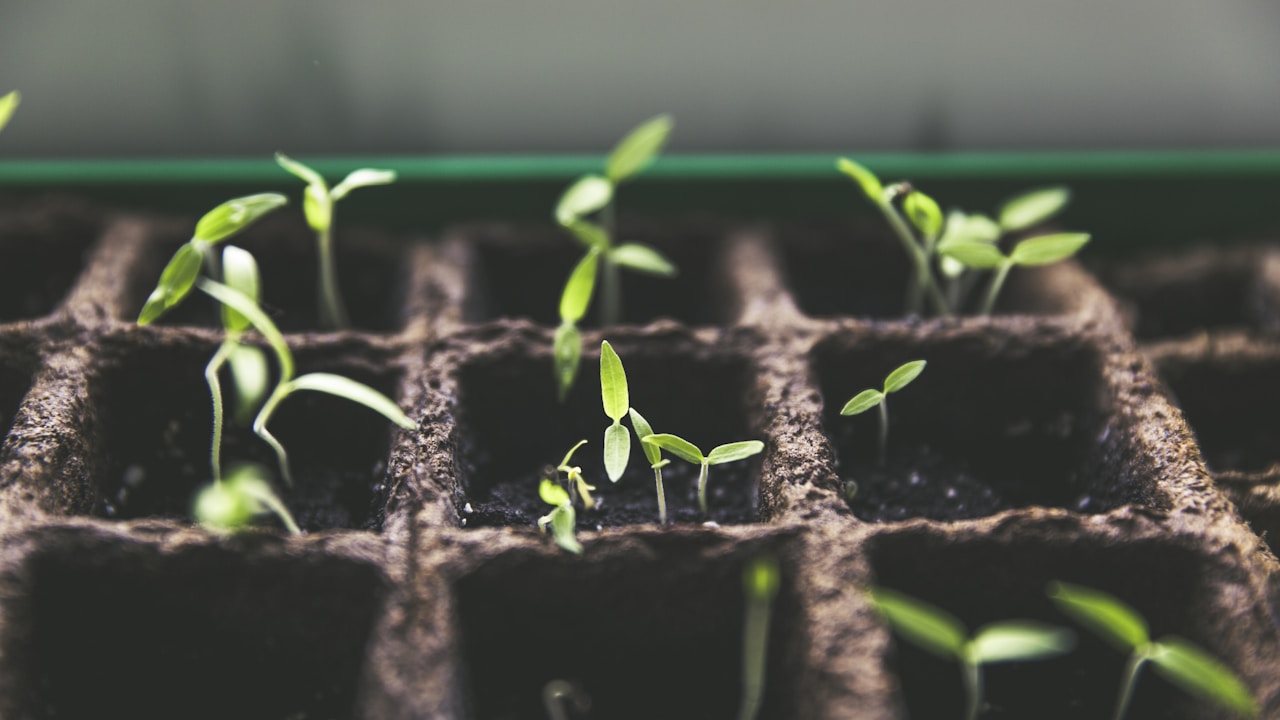
Foeniculum vulgare, commonly known as Fennel, is a resilient, aromatic herb belonging to the Apiaceae family, often grown as a short-lived perennial in USDA zones 4-9 or as an annual in cooler climates.
The interesting part about Foeniculum Vulgare is that the plant can be discussed from several angles at once: visible form, environmental behavior, traditional context, and modern quality control.
The linked plant page remains the main internal reference point for this article, but the goal here is to turn that raw data into a readable, structured, and genuinely useful guide.
- Digestive powerhouse: Relieves bloating, gas, and stomach cramps effectively.
- Anise-like flavor: Versatile in both culinary and medicinal applications worldwide.
- Rich in anethole: Key compound responsible for its distinctive aroma and therapeutic effects.
- Galactagogue: Traditionally used to support and increase breast milk production in nursing mothers.
- Antioxidant & Anti-inflammatory: Contributes to cellular protection and overall wellness.
- Cultivated globally: Thrives in full sun and well-drained soil, easy to grow at home.
Botanical Profile & Taxonomy
Foeniculum Vulgare should be anchored to the correct taxonomic identity before any discussion of care, use, or safety begins.
| Common name | Foeniculum Vulgare |
|---|---|
| Scientific name | Foeniculum Vulgare |
| Family | Various |
| Order | Brassicales |
| Genus | Foeniculum |
| Species epithet | Vulgare |
| Author citation | L. |
| Synonyms | Brassica capitata, Brassica viridis, Brassica oleracea var. gemmifera |
| Common names | বাঁধাকপি, Cabbage |
| Local names | Ffanigl, Fenchel, Llysiau'r Gwewyr, Fenouil commun, Lani, Anis doux, Fenouil, Fenouil commun, Finocchio comune, Gwewyrllys, Ffenigl, Echter Fenchel, Ffunell, Ffenigl Trymsawr, Ffenigl Cyffredin |
| Origin | Mediterranean region |
| Life cycle | Biennial |
| Growth habit | Herb |
Using the accepted scientific name Foeniculum Vulgare helps readers avoid confusion caused by old synonyms, loose common names, or inconsistent plant labels.
Family and order placement also matter because they explain recurring structural traits, likely relatives, and the kinds of mistakes readers often make when they rely on appearance alone.
Physical Description & Morphology
A practical reading of the plant starts with visible structure: Stem: Erect, hollow, and ribbed stems that are smooth and glaucous (waxy coating). Stems are branched and can grow quite tall. Bark: Not applicable, as it is a herbaceous perennial with no woody bark.
Microscopic or internal identification notes deepen the picture, especially for processed material: Foeniculum vulgare is generally characterized by a glabrous surface, meaning it lacks trichomes, although very sparse, non-glandular hairs may. The leaves of Foeniculum vulgare predominantly exhibit anomocytic stomata, where the guard cells are surrounded by a variable number of ordinary. Powdered fennel seeds reveal characteristic fragments of epicarp with polygonal cells, numerous lignified sclereids, large schizogenous oil cells.
In overall habit, the plant is described as Herb with a mature height around 30-90 cm and spread of Typically 0.2-1 m.
In real-world identification, the most helpful approach is to read the plant as a whole. Habit, size, stem texture, leaf arrangement, flower form, and any distinctive surface detail all matter. For Foeniculum Vulgare, morphology is not only a descriptive topic; it is the foundation of correct recognition.
Natural Habitat & Distribution
The native or historically recorded center of distribution for Foeniculum Vulgare is Mediterranean region. That origin is more than background trivia; it explains how the plant responds to heat, moisture, shade, and seasonal change.
The plant is associated with the following countries or range markers: Worldwide.
Environmental notes in the live record add more context: Fennel prefers temperate climates with long, warm growing seasons. It requires full sun exposure, ideally 6-8 hours daily, to flourish. It thrives best in well-drained, slightly alkaline to neutral soil that is rich in organic matter. While it can tolerate some drought once established, it prefers consistent moisture for optimal growth and bulb.
In cultivation terms, the main ecological clues are: Full sun to partial shade; Moderate; Well-drained to evenly moist; 2-10; Biennial; Herb.
Physiology data reinforce the habitat story: Can exhibit bolting (premature flowering) under conditions of drought stress or extreme temperature fluctuations; mature plants show tolerance to. C3 photosynthesis, characteristic of most temperate plants. Moderate to high transpiration rates, requiring consistent moisture, especially during the crucial bulb development stage for Florence fennel, but.
Traditional & Cultural Significance
Fennel, *Foeniculum vulgare*, boasts a rich tapestry of cultural significance woven through millennia of human interaction. Its origins in the Mediterranean region have deeply embedded it in the pharmacopoeias and culinary traditions of numerous cultures. In ancient Greece and Rome, fennel was highly esteemed for its medicinal properties. Dioscorides, the renowned Greek physician, documented its use for digestive.
Ethnobotanical records also show how this plant has been framed across different places: Abdomen in China (ANON. 1974. A barefoot doctor's manual. DHEW Publication No. (NIH): 75-695.); Abdomen in China (Lost Crops of the Incas.); Abdomen in China (Shih-chen, Li. 1973. Chinese medinal herbs. Georgetown Press, San Francisco.); Abortifacient in Elsewhere (Duke, 1992 *); Ache(Back) in China (Leung, Albert Y. 1980. Encyclopedia of common natural ingredients. John Wiley and Sons, N.Y.); Ache(Back) in China (Shih-chen, Li. 1973. Chinese medinal herbs. Georgetown Press, San Francisco.); Ache(Stomach) in China (ANON. 1974. A barefoot doctor's manual. DHEW Publication No. (NIH): 75-695.); Aerophagia in Haiti (Brutus, T.C., and A.V. Pierce-Noel. 1960. Les Plantes et les Legumes d'Hati qui Guerissent. Imprimerie De L'Etat, Port-Au-Prince, Haiti.).
Local names help show how different communities notice and classify the plant: Ffanigl, Fenchel, Llysiau'r Gwewyr, Fenouil commun, Lani, Anis doux, Fenouil, Fenouil commun, Finocchio comune, Gwewyrllys, Ffenigl, Echter Fenchel, Ffunell.
Traditional context matters, but it should always be separated from modern certainty. Historical use can guide questions, yet it does not automatically prove present-day clinical effectiveness.
Medicinal Properties & Health Benefits
The main benefit themes associated with the plant include: Digestive Aid — Fennel is highly regarded for its ability to soothe the digestive tract, effectively alleviating symptoms like indigestion, heartburn, and. Carminative Properties — It acts as a potent carminative, helping to expel gas from the intestines, thereby reducing flatulence, bloating, and abdominal. Antispasmodic Effects — The volatile compounds in fennel exert antispasmodic actions, relaxing the smooth muscles of the gastrointestinal tract and. Expectorant Action — Fennel possesses mild expectorant qualities, assisting in the loosening and expulsion of phlegm from the respiratory passages, beneficial. Galactagogue — Traditionally and anecdotally, fennel is used as a galactagogue to promote and increase breast milk production in nursing mothers, a property. Anti-inflammatory Support — Its rich composition of phenolic compounds and flavonoids contributes to anti-inflammatory effects throughout the body, helping to. Antioxidant Activity — Abundant in antioxidants, including flavonoids and phenolic acids, fennel helps to neutralize harmful free radicals, protecting cells. Antimicrobial Properties — Extracts and essential oil from fennel have demonstrated antimicrobial effects against a range of bacteria and fungi, supporting.
The evidence matrix gives a more careful picture of those claims: Fennel aids digestion and alleviates flatulence and bloating. Clinical trials, in vitro, in vivo studies. High. Numerous studies support its carminative and antispasmodic effects, attributed to the relaxation of gastrointestinal smooth muscles by its volatile oil components, particularly anethole. Fennel acts as a galactagogue, supporting breast milk production. Clinical trials, observational studies, traditional use documentation. Moderate. Widespread traditional use is supported by some human clinical trials suggesting anethole's mild estrogenic activity contributes to increased prolactin levels and milk volume. Fennel possesses significant antimicrobial and antioxidant properties. In vitro and in vivo laboratory studies. High. Extensive laboratory research demonstrates fennel extracts and essential oils effectively inhibit various pathogenic microorganisms and scavenge free radicals, protecting cells from oxidative damage. Fennel exhibits anti-inflammatory effects. In vitro, in vivo animal studies. Moderate. Studies indicate that compounds like anethole and flavonoids in fennel can modulate inflammatory pathways, contributing to its traditional use for various inflammatory conditions.
The stored evidence confidence for this profile is ai_generated. That should shape how strongly any benefit statement is interpreted.
For non-medicinal or mostly ornamental contexts, the safest approach is to keep the claims modest. A plant may still be valuable ecologically, visually, or culturally without being promoted as a treatment.
- Digestive Aid — Fennel is highly regarded for its ability to soothe the digestive tract, effectively alleviating symptoms like indigestion, heartburn, and.
- Carminative Properties — It acts as a potent carminative, helping to expel gas from the intestines, thereby reducing flatulence, bloating, and abdominal.
- Antispasmodic Effects — The volatile compounds in fennel exert antispasmodic actions, relaxing the smooth muscles of the gastrointestinal tract and.
- Expectorant Action — Fennel possesses mild expectorant qualities, assisting in the loosening and expulsion of phlegm from the respiratory passages, beneficial.
- Galactagogue — Traditionally and anecdotally, fennel is used as a galactagogue to promote and increase breast milk production in nursing mothers, a property.
- Anti-inflammatory Support — Its rich composition of phenolic compounds and flavonoids contributes to anti-inflammatory effects throughout the body, helping to.
- Antioxidant Activity — Abundant in antioxidants, including flavonoids and phenolic acids, fennel helps to neutralize harmful free radicals, protecting cells.
- Antimicrobial Properties — Extracts and essential oil from fennel have demonstrated antimicrobial effects against a range of bacteria and fungi, supporting.
- Hormonal Balance — Due to anethole's mild estrogenic activity, fennel has been traditionally employed to support menstrual health, potentially easing symptoms.
- Diuretic Effects — Fennel can act as a mild diuretic, promoting increased urine output which may assist in detoxification and fluid balance within the body.
Chemical Constituents & Phytochemistry
The broader constituent profile includes Phenylpropanoids — Anethole (specifically trans-anethole) is the predominant aromatic compound, imparting the. Monoterpenes — Fenchone, limonene, alpha-pinene, beta-myrcene, and camphene contribute to the essential oil's complex. Sesquiterpenes — Trace amounts of sesquiterpenes like beta-caryophyllene can be found, contributing to the plant's. Flavonoids — Key flavonoids such as quercetin, kaempferol, and rutin are powerful antioxidants that protect against. Coumarins — Various coumarin derivatives are present, which may possess diverse biological activities including. Fatty Acids — The seeds are a source of beneficial fatty acids, including linoleic acid, oleic acid, and petroselinic. Phenolic Acids — Caffeic acid, chlorogenic acid, and rosmarinic acid are additional phenolic compounds that bolster. Fiber — Both the bulb and seeds are rich in dietary fiber, crucial for supporting healthy digestion, promoting. Sterols — Beta-sitosterol, a plant sterol, is present and recognized for its potential role in cholesterol management. Vitamins and Minerals — Fennel is a good source of Vitamin C, folate, potassium, manganese, and iron, essential.
The detailed phytochemistry file adds these markers: trans-Anethole, Phenylpropanoid, Seeds, essential oil, 60-80% in essential oil; Fenchone, Monoterpene ketone, Seeds, essential oil, 10-20% in essential oil; Estragole (Methyl chavicol), Phenylpropanoid, Seeds, essential oil, 0-10% in essential oil; Limonene, Monoterpene, Seeds, essential oil, 1-5% in essential oil; Quercetin, Flavonoid, Leaves, seeds, Variablemg/100g; Caffeic acid, Phenolic acid, Leaves, seeds, Variablemg/100g; Dietary Fiber, Polysaccharide, Bulb, seeds, 3.1 (bulb), 15.7 (seeds)g/100g.
Local chemistry records also support the profile: QUERCETIN in Fruit (not available-not available ppm); QUERCETIN in Leaf (not available-not available ppm); QUERCETIN in Seed (not available-not available ppm); ASCORBIC-ACID in Fruit (not available-not available ppm); ASCORBIC-ACID in Leaf (not available-123600.0 ppm); ASCORBIC-ACID in Plant (340.0-3148.0 ppm); ASCORBIC-ACID in Seed (not available-0.0 ppm); CAFFEIC-ACID in Fruit (not available-not available ppm).
Compound profiles also shift with plant part, age, season, processing, and storage. The chemistry of a fresh leaf, dried root, or concentrated extract should never be treated as automatically identical.
How to Use — Preparations & Dosage
Recorded preparation and use methods include Herbal Tea — Infuse 1-2 teaspoons of crushed fennel seeds or fresh chopped leaves in hot water for 5-10 minutes. This tea is traditionally used to aid digestion, relieve gas, or. Tincture — Prepare an alcohol-based extract from dried fennel seeds or root. Tinctures offer a concentrated form of the herb, typically taken in drops for systemic medicinal. Essential Oil — Steam-distilled from seeds, fennel essential oil is potent. It should always be diluted in a carrier oil (e.g., almond, jojoba) for topical application, such as. Culinary Spice — Whole or ground fennel seeds are widely used in cooking to flavor breads, pastries, sausages, fish dishes, and various spice blends like garam masala and Chinese. Vegetable (Florence Fennel) — The crisp, bulbous base of Florence fennel can be enjoyed raw in salads, or cooked by roasting, grilling, braising, or sautéing, offering a delicate. Fresh Herb — The feathery leaves and tender young shoots are used fresh to garnish and flavor salads, soups, fish, and egg dishes, providing a milder anise note. Note that the. Mouth Freshener — Chewing a small quantity of roasted fennel seeds after meals is a traditional practice to stimulate digestion, cleanse the palate, and naturally freshen breath. Topical Application — Diluted fennel infusions or hydrosols can be used as a compress for tired or irritated eyes (traditionally) or applied to soothe minor skin irritations due.
The plant part most closely linked to use is recorded as Leaves, flowers, roots, seeds, or whole herb cited in related taxa.
Edibility and processing notes matter here as well: Edible.
For garden-focused readers, this section often overlaps with practical garden use: cut flowers, pollinator support, habitat value, decorative placement, culinary handling, or any carefully documented traditional application.
- Identify the exact species and plant part first.
- Match the preparation to the intended use.
- Check safety, interactions, and processing details before routine use or large-scale handling.
Safety Profile, Side Effects & Contraindications
The first safety note is direct: Non-toxic
Specific warnings recorded for this plant include Pregnancy and Lactation — Use during pregnancy should be approached with caution and only under medical supervision due to potential estrogenic effects. While. Children — Fennel preparations, especially teas, are often used for infant colic; however, always consult a pediatrician or qualified herbalist for appropriate dosages and safety for children. Pre-existing Conditions — Individuals with hormone-sensitive cancers (e.g., breast cancer), endometriosis, or seizure disorders should avoid high doses or. Essential Oil Caution — Fennel essential oil is highly concentrated and should never be ingested without professional guidance. Always dilute significantly. Allergy Alert — People with known allergies to plants in the Apiaceae family (e.g., anise, caraway, dill, celery) should exercise caution due to potential. Dosage Adherence — Always adhere to recommended dosages for herbal preparations; excessive intake can lead to adverse effects, particularly with essential oil. Quality Sourcing — Ensure all fennel products, especially supplements and essential oils, are sourced from reputable suppliers to guarantee purity, potency. Allergic Reactions — Individuals sensitive to plants in the Apiaceae family (e.g., celery, carrot, parsley, dill) may experience cross-reactivity, leading to.
Quality-control notes add another warning: Common adulteration risks include substitution with other Apiaceae seeds, contamination with foreign matter, or alteration of essential oil composition through blending with.
No plant should be described as universally safe. Identity, dose, plant part, preparation style, age, pregnancy status, medication use, allergies, and contamination risk all change the answer.
Growing & Cultivation Guide
The cultivation record emphasizes these practical steps: Sunlight — Plant fennel in a location that receives full sun, ideally at least 6-8 hours of direct sunlight daily, for optimal growth and flavor development. Soil Requirements — It thrives in well-drained, fertile soil with a slightly acidic to neutral pH, typically ranging between 6.0 and 7.0. Amend heavy soils with organic. Sowing Seeds — Sow seeds directly into the garden after the last frost in spring, or in mid-summer for a fall crop of Florence fennel. Plant seeds about ¼ inch deep; soaking them for 24-48 hours can enhance germination, which usually occurs within 1-2 weeks. Spacing and Thinning — Space individual plants 6-12 inches apart to allow for proper air circulation and growth. Once seedlings emerge and reach about 2 inches tall. Watering — Maintain consistent soil moisture, particularly for Florence fennel, as dry conditions can trigger premature bolting. Avoid waterlogging, which can lead to. Blanching (Florence Fennel) — For larger, tender Florence fennel bulbs, mound soil around the base of the plant as the bulb begins to swell, a process known as. Pest and Disease Management — Fennel generally exhibits good resistance to pests and diseases, though it can occasionally host swallowtail caterpillars. Root rot may.
The broader growth environment is described like this: Fennel prefers temperate climates with long, warm growing seasons. It requires full sun exposure, ideally 6-8 hours daily, to flourish. It thrives best in well-drained, slightly alkaline to neutral soil that is rich in organic matter. While it can tolerate some drought once established, it prefers consistent moisture for optimal growth and bulb.
Planning becomes easier when these traits are kept in view: Herb; 30-90 cm; Typically 0.2-1 m.
In practice, healthy cultivation comes from systems thinking rather than one-off tricks. Site choice, drainage, timing, spacing, pruning, feeding, and observation all reinforce one another.
Light, Water & Soil Requirements
The most useful care snapshot is this: Light: Full sun to partial shade; Water: Moderate; Soil: Well-drained to evenly moist; USDA zone: 2-10.
Outdoors, light, water, and soil must be read together. The same watering schedule can be too much in dense clay and too little in a porous sandy bed.
| Light | Full sun to partial shade |
|---|---|
| Water | Moderate |
| Soil | Well-drained to evenly moist |
| USDA zone | 2-10 |
Light, water, and soil should never be treated as separate checkboxes. A plant in stronger light often dries faster, soil texture changes how quickly water moves, and temperature plus humidity influence how stress appears in leaves and roots.
For Foeniculum Vulgare, the safest care approach is to treat Full sun to partial shade, Moderate, and Well-drained to evenly moist as linked decisions rather than isolated tips. If one condition shifts, the other two usually need to be reconsidered as well.
Microclimate matters too. Indoors, room placement and airflow can matter as much as window exposure. Outdoors, reflected heat, slope, mulch, and nearby plants can change how the temperature rhythm described for the species and humidity that matches the plant type are actually experienced at plant level.
Propagation Methods
Documented propagation routes include Usually by seed; some species by cuttings or division.
Propagation works best when the parent stock is healthy, correctly identified, and handled in the right season. That sounds obvious, but it is exactly where many failures begin.
- Usually by seed
- Some species by cuttings or division
Propagation works best when the reader matches method to biology. Some plants respond readily to cuttings, some to division, some to seed, and others require more patience or more exact seasonal timing.
A successful propagation guide therefore starts with healthy parent material and realistic expectations. Weak stock, rushed handling, and poor aftercare can make even a technically correct method fail.
For Foeniculum Vulgare, the real goal is not simply to produce another plant, but to produce a correctly identified, vigorous, well-established plant that continues growing without hidden stress from the first stage.
Pest & Disease Management
Garden problems are often ecological rather than mysterious. Crowding, poor airflow, overwatering, wrong siting, and delayed observation create the conditions that pests and disease exploit.
The smartest response sequence is observation first, environmental correction second, and treatment only after the real pattern is clear.
Pest and disease management is strongest when it begins before visible damage becomes severe. Routine observation, clean handling, sensible spacing, air movement, and balanced watering reduce many problems before treatment is even needed.
When symptoms do appear on Foeniculum Vulgare, the most reliable response is diagnostic rather than reactive. Yellowing, spots, wilt, chewing, and stunting can all have multiple causes, so a rushed treatment can waste time or worsen the problem.
Good troubleshooting also includes environmental correction. Pests and disease often reveal a deeper issue such as root stress, poor airflow, inconsistent watering, weak light, or exhausted soil structure.
Harvesting, Storage & Processing
The plant part most often associated with harvest or processing is Leaves, flowers, roots, seeds, or whole herb cited in related taxa.
Storage guidance from the quality-control record reads as follows: Fennel seeds and essential oil should be stored in airtight containers, protected from light, moisture, and heat to preserve their volatile oil content and prevent oxidation.
For a garden-focused plant, harvesting may mean seed collection, cut stems, flowers, foliage, or propagation material rather than edible or medicinal processing.
Whatever the purpose, the rule is the same: harvest clean material, label it clearly, and store it in a way that preserves identity and condition.
Harvest and storage determine whether a plant's quality is preserved after it leaves the bed, pot, field, or wild source. Clean timing, correct plant part selection, and careful drying or handling all matter more than many readers expect.
Companion Planting & Garden Design
In a garden border or planting plan, Foeniculum Vulgare is easiest to use well when exposure, soil rhythm, and seasonal sequence are matched rather than improvised.
Companion planting and design are not only aesthetic decisions. They affect airflow, root competition, moisture sharing, harvest access, visibility, and the general logic of the planting scheme.
With Foeniculum Vulgare, good placement means thinking about mature size, maintenance rhythm, and how neighboring plants change the feel and function of the space. A plant can be healthy on its own and still be poorly placed within the broader composition.
That is why the best design advice combines biology with usability. The planting should look coherent, but it should also make watering, pruning, harvest, and pest observation easier rather than harder.
Scientific Research & Evidence Base
The evidence matrix points to several recurring themes: Fennel aids digestion and alleviates flatulence and bloating. Clinical trials, in vitro, in vivo studies. High. Numerous studies support its carminative and antispasmodic effects, attributed to the relaxation of gastrointestinal smooth muscles by its volatile oil components, particularly anethole. Fennel acts as a galactagogue, supporting breast milk production. Clinical trials, observational studies, traditional use documentation. Moderate. Widespread traditional use is supported by some human clinical trials suggesting anethole's mild estrogenic activity contributes to increased prolactin levels and milk volume. Fennel possesses significant antimicrobial and antioxidant properties. In vitro and in vivo laboratory studies. High. Extensive laboratory research demonstrates fennel extracts and essential oils effectively inhibit various pathogenic microorganisms and scavenge free radicals, protecting cells from oxidative damage. Fennel exhibits anti-inflammatory effects. In vitro, in vivo animal studies. Moderate. Studies indicate that compounds like anethole and flavonoids in fennel can modulate inflammatory pathways, contributing to its traditional use for various inflammatory conditions.
Ethnobotanical activity records add historical reference trails: Abdomen — China [ANON. 1974. A barefoot doctor's manual. DHEW Publication No. (NIH): 75-695.]; Abdomen — China [Lost Crops of the Incas.]; Abdomen — China [Shih-chen, Li. 1973. Chinese medinal herbs. Georgetown Press, San Francisco.]; Abortifacient — Elsewhere [Duke, 1992 *]; Ache(Back) — China [Leung, Albert Y. 1980. Encyclopedia of common natural ingredients. John Wiley and Sons, N.Y.]; Ache(Back) — China [Shih-chen, Li. 1973. Chinese medinal herbs. Georgetown Press, San Francisco.].
Analytical testing notes also strengthen the evidence base: Quality control typically involves Gas Chromatography-Mass Spectrometry (GC-MS) for volatile oil profiling, High-Performance Liquid Chromatography (HPLC) for flavonoid and.
A careful evidence section should say what is known, what is plausible, and what remains uncertain. Readers are better served by clear limits than by exaggerated confidence.
Evidence note: this section blends the live plant record, local ethnobotanical activity data, chemistry records, and the linked Flora Medical Global plant profile for Foeniculum Vulgare.
Buying Guide & Expert Tips
Quality markers worth checking include Trans-anethole and fenchone are the primary marker compounds for assessing the quality and authenticity of fennel essential oil and extracts.
Adulteration and substitution risk should not be ignored: Common adulteration risks include substitution with other Apiaceae seeds, contamination with foreign matter, or alteration of essential oil composition through blending with.
When buying Foeniculum Vulgare, start with verified botanical identity. The label, scientific name, and the source page should agree before you judge price, size, or claimed benefits.
For living plants, inspect roots, stem firmness, foliage health, and early pest signs. For dried or processed material, look for batch clarity, clean aroma, absence of mold, and any sign that the product has been over-processed to disguise poor quality.
Buying advice should begin with identity. The label, scientific name, visible condition, and seller credibility should agree before price or convenience becomes the deciding factor.
Frequently Asked Questions
What is Foeniculum Vulgare best known for?
Foeniculum vulgare, commonly known as Fennel, is a resilient, aromatic herb belonging to the Apiaceae family, often grown as a short-lived perennial in USDA zones 4-9 or as an annual in cooler climates.
Is Foeniculum Vulgare beginner-friendly?
That depends on the growing environment and the intended use. Some plants are easy to grow but not simple to use medicinally, while others are the opposite.
How much light does Foeniculum Vulgare need?
Full sun to partial shade
How often should Foeniculum Vulgare be watered?
Moderate
Can Foeniculum Vulgare be propagated at home?
Yes, but the best method depends on whether the species responds best to seed, cuttings, division, offsets, or other propagation routes.
Does Foeniculum Vulgare have safety concerns?
Non-toxic
What is the biggest mistake people make with Foeniculum Vulgare?
The most common mistake is applying generic advice instead of matching the plant to its real environment, identity, and limits.
Where can I verify more information about Foeniculum Vulgare?
Start with the Flora Medical Global plant profile: https://www.floramedicalglobal.com/garden-plants/foeniculum-vulgare
Why do sources sometimes disagree about Foeniculum Vulgare?
Different references may use different synonyms, plant parts, cultivation conditions, or evidence standards. That is why taxonomy and source quality both matter.