Herbal Tea Benefits — 20 Healing Teas for Better Health, Sleep,…
 Flora Medical GlobalPublished: 2/25/2026Updated: 6/20/202627 min read
Editorial Disclaimer: This article is for informational and educational purposes only. It is not a substitute for professional medical advice, diagnosis, or treatment. Always consult a qualified healthcare provider or certified herbalist before using any plant for medicinal purposes, especially if you are pregnant, nursing, taking medication, or have a medical condition.
In a world increasingly seeking natural remedies and holistic approaches to well-being, herbal tea benefits have emerged as a cornerstone of daily health rituals for millions. Far from being merely comforting beverages, these infusions crafted from the leaves, flowers, seeds, roots, and bark of various plants offer a profound connection to nature's pharmacy. From ancient civilizations to modern-day wellness enthusiasts, the power of these healing teas has been celebrated for centuries. Today, we'll embark on an extensive journey to explore the vast landscape of herbal tea benefits, delving into 20 of the best herbal teas and their specific contributions to your health, sleep, digestion, and immunity.
At Flora Medical Global, we believe in empowering you with knowledge about the incredible therapeutic potential of medicinal plants. This comprehensive guide will not only highlight the scientific backing behind the touted herbal tea benefits but also provide practical tips on how to incorporate these miraculous brews into your daily routine. Get ready to discover your next favorite cup!
01The Enduring Appeal of Herbal Tea Benefits
Herbal teas have maintained unwavering popularity through millennia because their gentle yet potent efficacy offers a holistic approach to wellness. Unlike pharmaceutical drugs that often target specific symptoms with powerful active compounds, herbal teas work synergistically with your body to restore balance and promote natural healing. This enduring appeal is rooted in centuries of traditional knowledge combined with modern scientific validation.
A Symphony of Bioactive Compounds
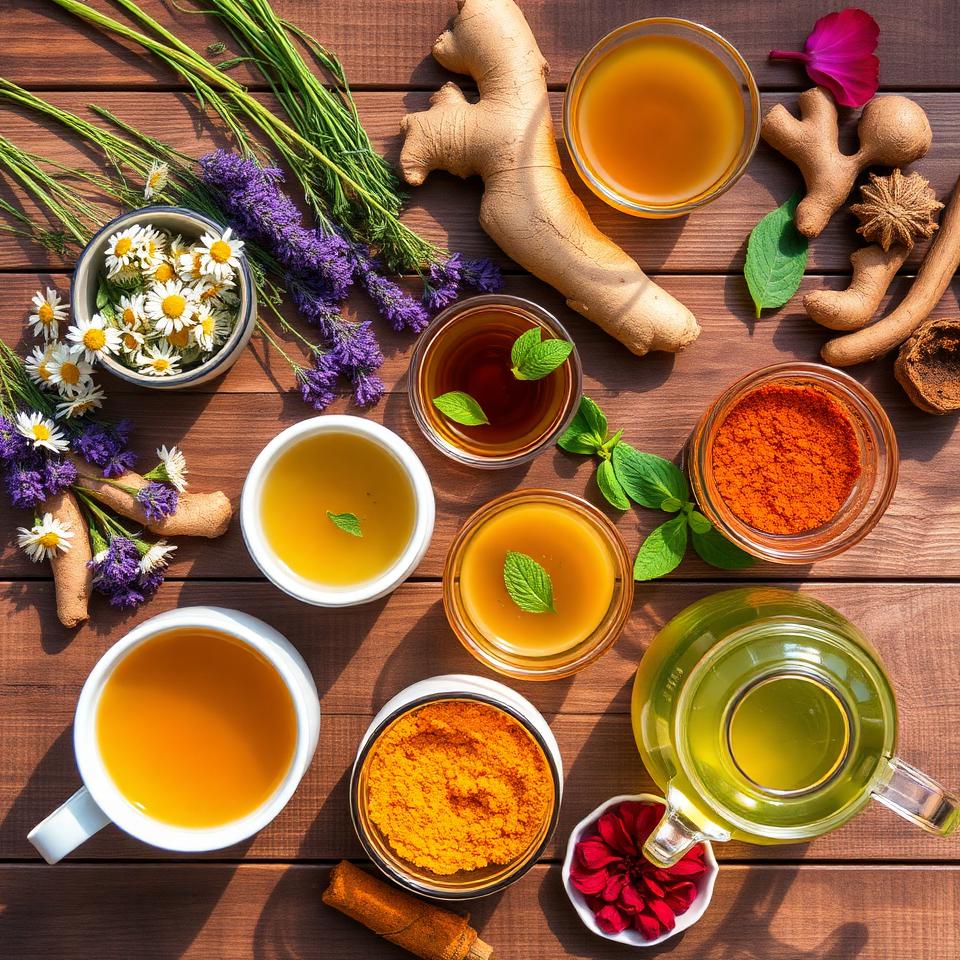
The profound herbal tea benefits stem from the rich array of phytochemicals present in the plants they are derived from. These complex natural compounds interact within the human body to produce a wide spectrum of therapeutic effects. Understanding these components helps us appreciate the intricate alchemy in every cup.
- Antioxidants: These powerful molecules, such as flavonoids and polyphenols, quell oxidative stress and protect cells from damage caused by free radicals. This protection is crucial for long-term health and disease prevention.
- Flavonoids: A subgroup of polyphenols, flavonoids are renowned for their anti-inflammatory, antiviral, and anticarcinogenic properties. They are abundant in many herbal teas, contributing significantly to their health benefits.
- Terpenes: Found in essential oils, terpenes are responsible for the distinctive aromas and flavors of many herbs, but they also possess therapeutic qualities, including anti-inflammatory and antiseptic effects.
- Alkaloids: These nitrogen-containing compounds, like caffeine in true teas (though rare in purely herbal infusions), can have potent physiological effects, often stimulating or calming the nervous system.
- Mucilage: A gelatinous substance found in herbs like marshmallow root and slippery elm, mucilage can soothe irritated mucous membranes in the digestive and respiratory tracts.
- Tannins: These astringent compounds contribute to the often slightly bitter taste of some teas and have properties that can aid digestion and reduce inflammation.
Traditional Wisdom Meets Modern Science
The vast knowledge surrounding herbal teas has been passed down through generations, often forming the foundation of various traditional medicine systems. Ancient Egyptians, Chinese, and Native American cultures, among others, extensively documented the healing properties of countless botanical ingredients. This rich historical context provides a compelling backdrop for their continued use.
"Herbal teas are not just beverages; they are liquid libraries of botanical knowledge, serving as a gentle bridge between nature's pharmacy and human well-being."
In recent decades, modern scientific research has begun to systematically investigate these traditional claims, often validating what our ancestors instinctively knew. Studies published in journals like Phytotherapy Research and the Journal of Ethnopharmacology consistently explore the pharmacological activities of compounds found in herbal infusions. This scientific rigor helps us understand the mechanisms behind the traditional benefits, moving beyond anecdote to evidence-based insights.
02Brewing the Perfect Cup: From Plant to Pot
Achieving the maximum therapeutic benefit and optimal flavor from your herbal tea depends significantly on proper preparation methods. This journey begins long before the hot water hits your mug, starting with the quality of the herbs themselves and extending to the steeping process. A well-prepared cup can truly unlock the full potential of these botanical wonders.
Selecting Quality Herbs
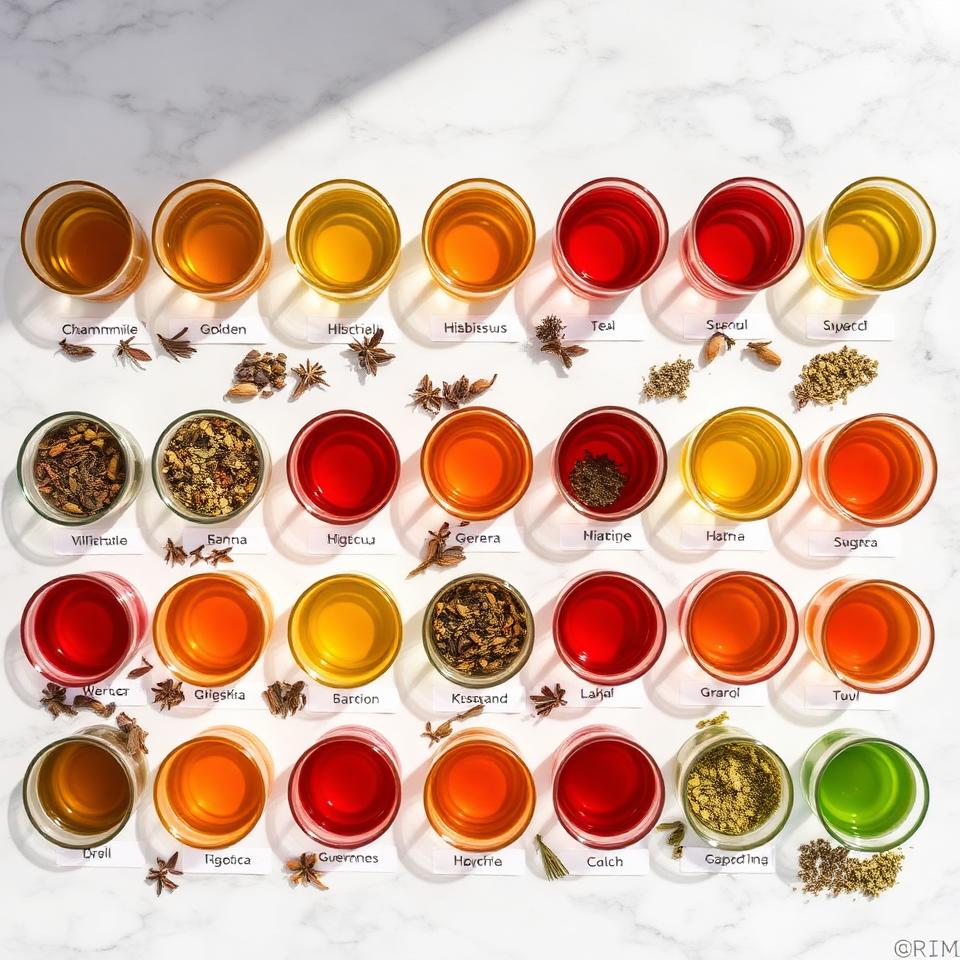
The foundation of a beneficial herbal tea lies in the quality of its ingredients. Always opt for organic whenever possible to avoid pesticides, herbicides, and genetically modified organisms. Look for reputable suppliers who can provide information about the sourcing and freshness of their herbs.
- Whole vs. Cut & Sifted: While whole dried herbs retain more of their essential oils and potency, cut and sifted varieties are often more convenient for brewing.
- Packaging: Herbs should be stored in airtight, opaque containers away from light, heat, and moisture to preserve their volatile compounds and prevent degradation. The shelf life can vary, but generally, dried herbs are best used within 1-2 years.
- Ethical Sourcing: Consider brands that prioritize sustainable harvesting practices and fair trade principles. This not only supports ecological balance but also ensures better quality products.
For example, a study in the Journal of Agricultural and Food Chemistry highlighted that the concentration of active compounds like rosmarinic acid in lemon balm (Melissa officinalis) can significantly vary based on growing conditions and post-harvest handling. This underscores the importance of quality sourcing.
The Art of Steeping
Steeping is the process where hot water extracts the beneficial compounds and flavors from the dried herbs. The duration and temperature of steeping are critical factors that influence the final tea. Here's how to master it:
- Water Quality: Start with fresh, filtered water. Tap water can contain chlorine and other impurities that may affect the taste and efficacy of your tea.
- Temperature: Most herbal teas benefit from water just off the boil (around 200-212°F or 93-100°C). This high temperature is crucial for extracting the fullest spectrum of compounds. Delicate flowers, however, might prefer slightly cooler water (180-190°F or 82-88°C) to prevent bitterness.
- Dosage: A general guideline is 1-2 teaspoons of dried herbs per 8 ounces (240 ml) of water. For roots and bark, you might need slightly more, or a longer steeping time, or even a decoction method.
-
Steeping Time: This is where it gets interesting!
- Leaves and Flowers: Steep for 5-10 minutes. Too short, and you miss benefits; too long, and it can become bitter.
- Roots, Bark, and Seeds: These denser parts require longer steeping, sometimes 10-15 minutes, or even a decoction (simmering herbs in water) for 20-30 minutes to properly extract their constituents.
- Covering Your Brew: Always cover your mug or teapot while steeping. This prevents volatile essential oils, which contribute significantly to both aroma and therapeutic effect, from escaping with the steam.
An example of critical steeping can be seen with peppermint (Mentha piperita). Over-steeping can extract too many bitter compounds, while proper steeping liberates its menthol for digestive relief without harshness.
03Herbal Teas for Specific Health Benefits: A Comprehensive Guide
Herbal teas offer an incredible array of specific health benefits, acting as natural allies to support various bodily systems and address common ailments. Each plant brings its unique profile of phytochemicals to the table, making it possible to select teas tailored to specific wellness goals. Let's explore some key areas where herbal infusions truly shine.
For Enhanced Digestion and Gut Health
Many herbal teas are renowned for their ability to soothe digestive upset, reduce bloating, and promote a healthy gut microbiome. They achieve this through carminative, antispasmodic, and anti-inflammatory actions.
| Herbal Tea | Primary Digestive Benefit | Key Compounds |
|---|---|---|
| Peppermint (Mentha piperita) | Relieves IBS symptoms, reduces bloating, antispasmodic. | Menthol, Menthone |
| Ginger (Zingiber officinale) | Alleviates nausea, indigestion, stimulates digestion. | Gingerols, Shogaols |
| Chamomile (Matricaria recutita) | Calms upset stomach, antispasmodic, anti-inflammatory. | Bisabolol, Chamazulene |
| Fennel (Foeniculum vulgare) | Reduces gas and bloating, aids digestion, mild laxative. | Anethole, Fencone |
| Licorice Root (Glycyrrhiza glabra) | Soothes heartburn, gastric ulcers, supports mucosal lining. | Glycyrrhizin |
The carminative effects of herbs like peppermint and ginger are primarily attributed to their volatile oils, which help relax the muscles of the digestive tract, allowing trapped gas to escape and reducing spasms. A meta-analysis published in the Journal of Clinical Gastroenterology noted that peppermint oil, often consumed as a tea, significantly improved symptoms in patients with Irritable Bowel Syndrome (IBS).
For long-term gut health, the anti-inflammatory properties of chamomile can be particularly beneficial, reducing irritation and promoting a more balanced digestive environment. Licorice root, with its triterpenoid saponin glycyrrhizin, has been shown to support the integrity of the gastric lining, offering protective effects against ulcers and acid reflux.
For Restful Sleep and Stress Reduction
In an increasingly fast-paced world, herbal teas offer a gentle yet effective way to unwind, reduce anxiety, and promote deeper, more restorative sleep. These teas often work by modulating neurotransmitters or directly calming the nervous system.
- Chamomile (Matricaria recutita): A classic sleep aid, chamomile's anxiolytic effects are attributed to apigenin, a flavonoid that binds to benzodiazepine receptors in the brain, inducing a mild sedative effect. Several studies, including one in Phytomedicine, have observed its positive impact on sleep quality and general anxiety disorder symptoms.
- Valerian Root (Valeriana officinalis): Often called "nature's tranquilizer," valerian root is well-researched for its ability to improve sleep quality and reduce the time it takes to fall asleep. Its mechanism involves increasing gamma-aminobutyric acid (GABA) levels in the brain, a neurotransmitter that inhibits nerve activity.
- Lemon Balm (Melissa officinalis): Known for its mild sedative properties, lemon balm has been shown to reduce anxiety and improve mood. Its compounds, particularly rosmarinic acid, are thought to inhibit GABA transaminase, leading to increased GABA availability in the brain.
- Passionflower (Passiflora incarnata): This beautiful vine is traditionally used to treat anxiety and insomnia. Research suggests it may also act on GABA pathways, promoting relaxation without significant sedation. A small study in Phytotherapy Research found that a daily cup of passionflower tea significantly improved sleep quality.
- Lavender (Lavandula angustifolia): While often used aromatically, lavender tea can also promote relaxation. Its main active compounds, linalool and linalyl acetate, exert anxiolytic effects by influencing neurotransmitter systems.
The key here is consistency. Incorporating a calming herbal tea into your evening routine 30-60 minutes before bed can signal to your body that it's time to transition to rest. But wait—ensure you're not using herbs that might have stimulating effects for sleep purposes.
For Robust Immunity and Allergy Support
Boosting your immune system and alleviating allergy symptoms are crucial for overall well-being, and many herbal teas offer potent support. They achieve this through antiviral, antibacterial, anti-inflammatory, and antihistamine properties.
| Herbal Tea | Primary Immune/Allergy Benefit | Key Compounds |
|---|---|---|
| Echinacea (Echinacea purpurea) | Boosts immune response, shortens cold/flu duration. | Alkylamides, Caffeic acid derivatives |
| Elderberry (Sambucus nigra) | Antiviral, reduces cold/flu severity and duration. | Anthocyanins, Flavonoids |
| Ginger (Zingiber officinale) | Anti-inflammatory, clears congestion, antioxidant. | Gingerols |
| Peppermint (Mentha piperita) | Decongestant, anti-inflammatory, clears airways. | Menthol |
| Nettle Leaf (Urtica dioica) | Antihistamine, reduces seasonal allergy symptoms. | Quercetin, Flavonoids |
Echinacea is one of the most widely studied immune-boosting herbs. Its polysaccharides and alkylamides are thought to stimulate cytokine production and enhance phagocytosis, leading to a stronger immune response. A meta-analysis published in The Lancet Infectious Diseases concluded that echinacea could reduce the risk of common colds by more than 50% and shorten their duration by an average of 1.4 days.
Elderberry, particularly its dark purple berries, are rich in anthocyanins, potent antioxidants with antiviral properties. Research has shown that elderberry extract can significantly reduce the severity and duration of influenza symptoms. For allergies, nettle leaf tea has garnered attention for its natural antihistamine effects, largely due to its quercetin content, which can stabilize mast cells and reduce histamine release.
For Pain Relief and Anti-inflammatory Action
Chronic pain and inflammation are pervasive issues, but certain herbal teas offer a gentle, natural alternative or complement to conventional treatments. Their anti-inflammatory compounds can soothe discomfort from headaches, arthritis, and muscle soreness.
- Turmeric (Curcuma longa): The active compound curcumin in turmeric is a powerful anti-inflammatory agent. Research in journals like Arthritis & Rheumatology has shown curcumin to be as effective as some NSAIDs in reducing pain and improving function in osteoarthritis patients.
- Ginger (Zingiber officinale): Beyond digestion, ginger’s gingerols and shogaols exhibit significant anti-inflammatory effects, particularly benefiting individuals with muscle soreness and osteoarthritis. A study in Osteoarthritis and Cartilage demonstrated that ginger extract reduced pain and disability in knee osteoarthritis.
- Willow Bark (Salix alba): Historically known as "nature's aspirin," willow bark contains salicin, which the body converts to salicylic acid, the active ingredient in aspirin. It's effective for headaches, back pain, and joint pain, albeit with a slower onset but potentially fewer side effects than synthetic aspirin.
- Feverfew (Tanacetum parthenium): Primarily used for migraine prevention and treatment, feverfew contains parthenolide, which helps reduce inflammation and inhibit serotonin release, a key factor in migraine pathogenesis.
- Devil's Claw (Harpagophytum procumbens): This South African herb is recognized for its anti-inflammatory and analgesic properties, particularly for lower back pain and osteoarthritis. Its active compounds, harpagosides, are well-documented for their pain-relieving effects.
The truth is: consistency is key when using these teas for chronic pain. Regular consumption allows the active compounds to build up in the system, potentially providing more sustained relief. But proceed with caution, as high doses of willow bark should be avoided by those allergic to aspirin.
For Heart Health and Circulation
Nourishing the heart and promoting healthy circulation are vital for overall longevity. Several herbal teas contain compounds that support cardiovascular function, help manage blood pressure, and protect against oxidative damage.
- Hawthorn (Crataegus monogyna/oxyacantha): Often referred to as the "heart herb," hawthorn is traditionally used to strengthen heart muscle contractions, improve blood flow, and manage blood pressure. Its flavonoids and proanthocyanidins are responsible for these cardiotonic effects. Several clinical trials support its use for mild to moderate heart failure symptoms.
- Hibiscus (Hibiscus sabdariffa): Rich in anthocyanins and other antioxidants, hibiscus tea has been shown to significantly lower blood pressure in individuals with hypertension. A study in the Journal of Nutrition demonstrated that consuming hibiscus tea daily for six weeks reduced systolic blood pressure by an average of 7.2 mmHg. This is a remarkable effect from a simple beverage!
- Green Tea (Camellia sinensis): While technically not an herbal tea (it comes from the Camellia sinensis plant), its widespread consumption for health benefits merits mention. Green tea is rich in catechins, particularly epigallocatechin gallate (EGCG), which have been linked to improved endothelial function, reduced LDL cholesterol, and a lower risk of cardiovascular disease.
- Ginger (Zingiber officinale): Beyond its anti-inflammatory and digestive properties, ginger can also contribute to heart health by helping to lower cholesterol and prevent blood clot formation, thanks to its anticoagulant effects.
These teas serve as excellent additions to a heart-healthy diet and lifestyle. However, it's crucial to consult a healthcare provider, especially if you are on medications for blood pressure or heart conditions, as some herbs can interact.
0420 Healing Teas for Your Daily Ritual
Venturing deeper into the world of herbal infusions reveals a diverse pharmacopeia, each offering unique benefits to support your health. We've hand-picked 20 exceptional teas that cover a broad spectrum of wellness needs. From soothing stress to bolstering immunity, these botanicals are powerful allies in your journey towards optimal health.
Explore Our Platforms
 InfiniCore DataWorks
 Nex-Automata
1. Chamomile (Matricaria recutita)
Chamomile is a beloved daisy-like flower, famous for its gentle calming properties. It's an excellent choice for promoting relaxation, aiding sleep, and soothing digestive upset. Its key constituent, apigenin, binds to GABA receptors in the brain, contributing to its sedative effects.
- Suggested use: 1-2 teaspoons per cup, steeped for 5-10 minutes. Ideal before bedtime.
- Benefit highlight: Reduces anxiety, improves sleep quality, relieves mild indigestion and menstrual cramps.
2. Peppermint (Mentha piperita)
This invigorating herb is a powerhouse for digestive relief. Peppermint tea helps alleviate symptoms of IBS, reduces bloating, and can act as a nasal decongestant. The active compound menthol provides its distinctive aroma and therapeutic effects.
- Suggested use: 1 teaspoon per cup, steeped for 5-7 minutes. Great after meals.
- Benefit highlight: Aids digestion, relieves gas and bloating, freshens breath, soothes headaches.
3. Ginger (Zingiber officinale)
Ginger is a versatile root known for its pungent flavor and potent medicinal properties. It's a go-to for nausea, motion sickness, and digestive issues, besides offering anti-inflammatory and immune-boosting benefits. Gingerols and shogaols are its primary bioactive compounds.
- Suggested use: 1-inch fresh ginger slice or 1 teaspoon dried root per cup, simmered for 10-15 minutes (decoction).
- Benefit highlight: Alleviates nausea, anti-inflammatory, immune support, improves circulation.
4. Lavender (Lavandula angustifolia)
Beyond its beautiful fragrance, lavender tea offers calming and stress-relieving benefits. It can help reduce anxiety, promote relaxation, and even aid in mild sleep disturbances. Linalool and linalyl acetate are key to its therapeutic aroma.
- Suggested use: 1 teaspoon dried flowers per cup, steeped for 5 minutes (don't over-steep, it can become bitter).
- Benefit highlight: Reduces stress and anxiety, promotes relaxation, improves sleep.
5. Lemon Balm (Melissa officinalis)
Part of the mint family, lemon balm has a gentle lemony scent and taste. It's prized for its mood-enhancing and calming effects, often used to reduce anxiety, promote sleep, and even improve cognitive function. Rosmarinic acid is a significant compound.
- Suggested use: 1-2 teaspoons per cup, steeped for 5-10 minutes.
- Benefit highlight: Calms nerves, reduces anxiety, antiviral properties (especially against cold sores), improves sleep.
6. Hibiscus (Hibiscus sabdariffa)
Known for its vibrant red color and tart, cranberry-like flavor, hibiscus tea is a powerhouse for cardiovascular health. It's rich in antioxidants and has been clinically shown to lower blood pressure and cholesterol. Its anthocyanins contribute to its color and benefits.
- Suggested use: 1-2 teaspoons per cup, steeped for 5-10 minutes. Can be enjoyed hot or cold.
- Benefit highlight: Lowers blood pressure, rich in antioxidants, supports liver health.
7. Echinacea (Echinacea purpurea)
Echinacea is a well-known immune-boosting herb, particularly effective at shortening the duration and severity of colds and flu. It stimulates the immune system by enhancing white blood cell activity.
- Suggested use: 1-2 teaspoons of dried root or herb per cup, steeped for 10-15 minutes.
- Benefit highlight: Strengthens immune system, fights colds and flu.
8. Elderberry (Sambucus nigra)
Elderberry is renowned for its antiviral properties, making it an excellent tea for cold and flu season. Its high anthocyanin content helps to reduce inflammation and support overall immune function.
- Suggested use: 1-2 teaspoons dried elderberries per cup, simmered for 10-15 minutes.
- Benefit highlight: Antiviral, reduces cold/flu duration, rich in antioxidants.
9. Nettle Leaf (Urtica dioica)
Nettle leaf tea is a nutrient-rich tonic, excellent for allergies, joint pain, and as a diuretic. It contains histamine-reducing compounds, flavonoids, and vital minerals.
- Suggested use: 1-2 teaspoons per cup, steeped for 10-15 minutes.
- Benefit highlight: Reduces seasonal allergy symptoms, detoxifying, rich in vitamins and minerals, aids joint health.
10. Licorice Root (Glycyrrhiza glabra)
Licorice root is naturally sweet and prized for its ability to soothe digestive issues like heartburn and ulcers. It also supports adrenal function and can be beneficial for respiratory health. Glycyrrhizin is its main active compound.
- Suggested use: ½ - 1 teaspoon dried root per cup, simmered for 10-15 minutes.
- Benefit highlight: Soothes digestive tract, anti-inflammatory, supports adrenal health.
11. Dandelion Root (Taraxacum officinale)
Often roasted and brewed as a coffee alternative, dandelion root tea is a potent liver tonic and natural diuretic. It aids detoxification processes and supports healthy digestion.
- Suggested use: 1 teaspoon roasted dandelion root per cup, steeped for 10-15 minutes or simmered.
- Benefit highlight: Liver detox, diuretic, aids digestion.
12. Fennel (Foeniculum vulgare)
Fennel seeds make a wonderful tea for soothing digestive discomfort, especially gas and bloating. It has a sweet, anise-like flavor and can also stimulate milk production in lactating mothers. Anethole is the primary active compound.
- Suggested use: 1 teaspoon crushed seeds per cup, steeped for 5-10 minutes.
- Benefit highlight: Reduces gas and bloating, aids digestion, supports lactation.
13. Holy Basil (Tulsi) (Ocimum sanctum)
Referred to as an "adaptogen," holy basil helps the body adapt to stress, promoting mental balance and resilience. It's also known for its immune-modulating and anti-inflammatory properties.
- Suggested use: 1-2 teaspoons per cup, steeped for 5-10 minutes.
- Benefit highlight: Stress reduction, immune support, anti-inflammatory.
14. Hawthorn (Crataegus monogyna/oxyacantha)
Hawthorn is a classic heart tonic, traditionally used to support cardiovascular health. It can strengthen heart function, improve circulation, and help manage blood pressure.
- Suggested use: 1 teaspoon dried berries, leaves, or flowers per cup, steeped for 10-15 minutes.
- Benefit highlight: Supports heart health, lowers blood pressure, improves circulation.
15. Rooibos (Aspalathus linearis)
A naturally caffeine-free tea from South Africa, rooibos is rich in antioxidants like aspalathin, which protect against oxidative stress. It’s a great alternative to black or green tea.
- Suggested use: 1 teaspoon per cup, steeped for 5-10 minutes (longer for stronger flavor).
- Benefit highlight: Antioxidant-rich, caffeine-free, supports bone health, may improve cholesterol.
16. Rose Hips (Rosa canina)
These vibrant red fruits are an unparalleled source of Vitamin C, making rose hip tea excellent for immune support. They also contain antioxidants and anti-inflammatory compounds.
- Suggested use: 1-2 teaspoons crushed rose hips per cup, steeped for 10-15 minutes.
- Benefit highlight: High in Vitamin C, immune booster, antioxidant.
17. Passionflower (Passiflora incarnata)
Passionflower is a gentle sedative herb used to relieve anxiety, nervousness, and insomnia. It helps calm the nervous system without causing drowsiness.
- Suggested use: 1 teaspoon per cup, steeped for 10-15 minutes.
- Benefit highlight: Reduces anxiety, promotes relaxation, aids sleep.
18. Turmeric (Curcuma longa)
While commonly used in cooking, turmeric also makes a beneficial tea. Its active compound, curcumin, is a potent anti-inflammatory and antioxidant, great for joint pain and overall well-being.
- Suggested use: ½ teaspoon ground turmeric or 1-inch fresh slice per cup, simmered for 10-15 minutes. Add a pinch of black pepper to enhance absorption.
- Benefit highlight: Powerful anti-inflammatory, antioxidant, supports joint health.
19. Milk Thistle (Silybum marianum)
Milk thistle tea is primarily known for its liver-protective properties. Silymarin, its main active compound, supports liver cell regeneration and protects against toxins.
- Suggested use: 1 teaspoon crushed seeds per cup, steeped for 10-15 minutes.
- Benefit highlight: Liver detox and protection, antioxidant.
20. Valerian Root (Valeriana officinalis)
Valerian root is a strong sedative herb, best used for moderate to severe insomnia. Its compounds, particularly valerenic acid, interact with GABA receptors to induce relaxation and sleep.
- Suggested use: 1 teaspoon dried root per cup, steeped for 10-15 minutes. Note: It has a distinct, earthy aroma.
- Benefit highlight: Potent sleep aid, reduces insomnia, calms anxiety.
05Safety and Considerations: Brewing Responsibly
While herbal teas are largely safe and beneficial, it's crucial to approach their consumption with informed caution. Just like any potent substance, even natural botanicals can have side effects, interact with medications, or be unsuitable for certain individuals. Understanding these considerations ensures you can enjoy your teas responsibly and safely.
Potential Side Effects and Interactions
The notion that "natural" always means "safe" is a common misconception. Herbal teas contain bioactive compounds that can have significant physiological effects. Here's what to look out for:
- Allergic Reactions: Individuals with plant allergies (e.g., to ragweed, daisies) may react to teas from the same plant families, such as chamomile or echinacea. Symptoms can range from mild skin rashes to severe anaphylaxis.
- Gastrointestinal Distress: While many teas aid digestion, some, if consumed in excess, can cause nausea, diarrhea, or constipation. For instance, over-consumption of ginger might lead to heartburn in sensitive individuals.
-
Medication Interactions: This is perhaps the most critical consideration.
- Blood Thinners: Herbs like ginger, ginkgo, and high doses of chamomile can have anticoagulant effects and may interact with prescription blood thinners (e.g., Warfarin, Aspirin), increasing the risk of bleeding.
- Blood Pressure Medication: Hibiscus tea can lower blood pressure, potentially leading to hypotension when combined with antihypertensive drugs. Hawthorn can interact with medications for heart conditions.
- Sedatives/Antidepressants: Calming teas like valerian, chamomile, and passionflower can amplify the effects of sedatives, anxiolytics, or antidepressants, leading to excessive drowsiness or other side effects.
- Liver Medications: Milk thistle, while beneficial for liver support, should be used cautiously with liver-metabolized drugs as it can affect their absorption or metabolism.
- Pregnancy and Breastfeeding: Many herbs are contraindicated during pregnancy and breastfeeding due to potential effects on the fetus or infant. For example, raspberry leaf is traditionally used in late pregnancy but should be avoided earlier. Peppermint in high doses can reduce milk supply. Always consult an OB/GYN or qualified herbalist.
- Chronic Conditions: Individuals with pre-existing medical conditions (e.g., diabetes, kidney disease, autoimmune disorders) should exercise caution and seek professional advice before regularly consuming herbal teas. For example, licorice root can elevate blood pressure and should be avoided by those with hypertension.
Consulting with a Healthcare Professional
The golden rule for incorporating herbal teas into your wellness routine, especially if you have an underlying health condition or are taking medication, is to consult with a qualified healthcare professional. This could be your doctor, a registered dietitian, or a certified herbalist. They can provide personalized advice based on your individual health profile and ensure that your chosen teas are both safe and effective for you.
Here's the deal: While often perceived as gentle, herbal remedies are still medicine. A personalized consultation helps to prevent adverse reactions and ensures you're harnessing the true power of plants without unintended consequences. Don't self-prescribe based solely on online information, no matter how comprehensive.
06Beyond the Brew: Sustainable Sourcing and Ethical Consumption
The mindful enjoyment of herbal teas extends beyond personal health to encompass ecological and ethical considerations. As demand for natural products grows, it's increasingly important to prioritize sustainable sourcing and ethical consumption practices. Your choices can have a far-reaching impact on both the environment and the communities involved in cultivating and wildcrafting these precious botanicals.
Protecting Plant Biodiversity
Many popular medicinal plants are wild-harvested, leading to concerns about over-collection and endangerment. The practice of "wildcrafting" (harvesting plants from their natural habitat) can be sustainable when done responsibly, but unchecked demand can decimate native populations.
- Threatened Species: Some herbs, like wild ginseng (Panax quinquefolius) or certain species of frankincense (Boswellia spp.), are threatened due to over-harvesting and habitat loss. Choosing cultivated varieties or ethically wildcrafted options is crucial.
- Habitat Preservation: Supporting companies that invest in fair trade, organic farming, and sustainable wildcrafting practices helps ensure that natural ecosystems remain intact for future generations. Look for certifications from organizations like FairWild Foundation or Certified Organic.
- Impact of Climate Change: Rising global temperatures and changing weather patterns are already impacting the growth and availability of many medicinal plants. Sourcing from regions with robust agricultural practices that adapt to these changes without further environmental harm is vital.
One study published in the journal Biological Conservation highlighted that over 15,000 medicinal plant species are currently threatened with extinction globally, underscoring the urgency of sustainable practices.
Fair Trade and Socio-Economic Impact
The labor practices involved in herb cultivation and harvesting also deserve attention. Many botanicals come from developing countries where workers may face poor conditions or unfair wages.
- Fair Wages: Opting for fair trade certified teas ensures that farmers and laborers receive a fair price for their products and decent working conditions. This helps alleviate poverty and empowers communities.
- Community Development: Fair trade initiatives often invest in community projects, such as education, healthcare, and infrastructure, leading to broader socio-economic benefits in producing regions.
- Transparency: Look for brands that are transparent about their supply chain, from seed to cup. Companies that openly share information about where and how their herbs are grown and harvested demonstrate a commitment to ethical practices.
By choosing consciously, tea drinkers can contribute to a more equitable and sustainable global herbal trade. This means not only enjoying the healing properties of these plants but also acting as stewards of the environment and advocates for social justice.
07Herbal Tea Benefits — 20 Healing Teas for Better Health, Sleep, Digestion & Immunity: Key Takeaways
Herbal teas are more than just warm beverages; they are a profound connection to nature's pharmacy, offering a wealth of scientifically-backed benefits for health, sleep, digestion, and immunity. From the calming embrace of chamomile to the invigorating zest of ginger, these botanical infusions harness complex phytochemicals to gently yet effectively support the body’s natural healing processes and promote overall well-being.
The journey into herbal tea is one of discovery and mindful consumption. By prioritizing quality sourcing, understanding proper preparation methods, and being aware of potential interactions, you can safely and effectively integrate these ancient remedies into your modern lifestyle. Remember that consistency is often key to experiencing their full therapeutic potential.
Ultimately, embracing herbal teas is an invitation to reconnect with the plant world, fostering a greater appreciation for the intricate balance of nature and our own health. So, go ahead—brew a cup, savor the moment, and let the healing power of herbs enrich your life.
Here are the key takeaways from our extensive exploration:
- Holistic Wellness: Herbal teas offer a gentle, holistic approach to health, utilizing a symphony of bioactive compounds like antioxidants, flavonoids, and terpenes.
- Targeted Benefits: Specific teas can address various concerns, from aiding digestion and promoting sleep to boosting immunity and reducing inflammation.
- Quality Matters: Sourcing high-quality, organic, and ethically produced herbs is paramount for both efficacy and environmental responsibility.
- Preparation is Key: Proper steeping temperature and duration are crucial for extracting the maximum therapeutic compounds from your herbs.
- Safety First: Always be aware of potential side effects, medication interactions, and contraindications (especially during pregnancy or with chronic conditions); consult a healthcare professional as needed.
- Sustainable Choices: Support brands committed to fair trade and sustainable practices to protect plant biodiversity and empower communities.
08Frequently Asked Questions
What is the difference between herbal tea and regular tea?
The main difference is their origin: "Regular" teas (black, green, oolong, white) come from the Camellia sinensis plant and contain caffeine. Herbal teas, often called "tisanes," are infusions made from the leaves, flowers, roots, seeds, or bark of various other plants and are typically caffeine-free.
Are herbal teas safe for daily consumption?
Most common herbal teas like chamomile, peppermint, and ginger are generally safe for daily consumption for most healthy individuals. However, concentrated or medicinal-grade teas, or those used to address specific health conditions, should be consumed under the guidance of a healthcare professional to avoid potential side effects or interactions.
Can herbal teas interact with medications?
Yes, absolutely. Many herbal teas contain potent compounds that can interact with prescription medications, including blood thinners, blood pressure medications, sedatives, and antidepressants. Always consult your doctor or a qualified herbalist if you are taking any medications before regularly consuming new herbal teas.
What is the best herbal tea for sleep?
For sleep, Chamomile (Matricaria recutita), Valerian Root (Valeriana officinalis), and Passionflower (Passiflora incarnata) are among the most effective. Chamomile offers gentle relaxation, while Valerian Root provides a stronger sedative effect.
Which herbal teas are good for digestion?
Excellent choices for digestion include Peppermint (Mentha piperita) for bloating and IBS, Ginger (Zingiber officinale) for nausea and indigestion, and Fennel (Foeniculum vulgare) for gas and bloating. Ginger is particularly versatile for many digestive issues.
Are herbal teas beneficial for cold and flu symptoms?
Many herbal teas offer significant support during cold and flu season. Echinacea (Echinacea purpurea) and Elderberry (Sambucus nigra) are well-known for their immune-boosting and antiviral properties, while Ginger (Zingiber officinale) and Peppermint (Mentha piperita) can help with congestion and inflammation.
Can children drink herbal tea?
Some mild herbal teas, such as chamomile or diluted peppermint, can be safe for children in moderation. However, it's crucial to consult a pediatrician before giving any herbal teas to infants or young children, as their systems are more sensitive. Avoid any teas with strong medicinal properties.
What is the recommended steeping time for herbal teas?
Steeping times vary depending on the plant part: delicate leaves and flowers generally steep for 5-10 minutes, while denser roots, barks, and seeds may require 10-15 minutes or even a decoction (simmering) for a strong extraction. Always ensure to cover your tea while steeping to retain volatile compounds.
Where should I buy quality herbal teas?
Look for reputable organic suppliers who specialize in herbs. Prioritize brands that provide information about their sourcing, adhere to fair trade practices, and store their herbs in airtight, opaque packaging. Health food stores, online herbal apothecaries, and direct-from-farm sources are often good options.
Are there any caffeine-free herbal teas for energy?
Yes, while most herbal teas are caffeine-free, some can provide a natural energy boost without the jitters. Holy Basil (Tulsi) (Ocimum sanctum) can enhance mental clarity and adapt to stress, indirectly boosting energy. Peppermint tea is also invigorating. For a sustained, caffeine-free lift, adaptogenic herbs like Eleuthero (Eleutherococcus senticosus) can be brewed as a tea, though often blended. Authoritative sources and related guides:09Herbal Tea Benefits — 20 Healing Teas for Better Health, Sleep, Digestion & Immunity: References & Further Reading
- Wikipedia — background reference
- PubMed — peer-reviewed studies
- Kew POWO — botanical reference
- NCBI PMC — open-access research
- WHO — global health authority
Related on Flora Medical Global
Reviewed by the Flora Medical Global Botanical Review Panel
Multi-disciplinary editorial group · Botany · Ethnobotany · Herbal-medicine literature
Who reviewed this: This page was checked by the Flora Medical Global Botanical Review Panel — an in-house editorial group of botany graduates, ethnobotany researchers, and horticulture practitioners who collectively maintain our 7,000+ plant encyclopedia. Meet the team.
Our 4-step verification process
1. Taxonomic verification
Scientific names and synonyms cross-checked against Kew POWO, World Flora Online, and The Plant List.
2. Phytochemical & medicinal cross-reference
Active compounds, traditional uses, and reported activities are cross-referenced with PubMed, USDA Dr. Duke's database, and peer-reviewed ethnobotanical literature.
3. Conservation & distribution check
Distribution, ecology, and conservation status confirmed against GBIF occurrence records and the IUCN Red List.
4. Editorial & safety review
Every entry passes an editorial pass for clarity, originality, and safety notices (toxicity, contraindications, dosage caveats) before publication.
Last reviewed:
Important medical disclaimer: This content is for educational and research purposes only. It is not medical advice and is not a substitute for consultation with a licensed healthcare provider. Do not use any herb to self-treat a medical condition without professional guidance.
Explore Our Platforms
Comments (0)
No comments yet. Be the first!