How to Care for Indoor Plants — Essential Tips for Thriving Houseplants (2026)
 Flora Medical GlobalPublished: 2/25/2026Updated: 6/16/202627 min read
Editorial Disclaimer: This article is for informational and educational purposes only. It is not a substitute for professional medical advice, diagnosis, or treatment. Always consult a qualified healthcare provider or certified herbalist before using any plant for medicinal purposes, especially if you are pregnant, nursing, taking medication, or have a medical condition.
Welcome to the ultimate guide on how to care for indoor plants! As the world's largest bilingual medicinal plant encyclopedia, Flora Medical Global (www.floramedicalglobal.com) is dedicated to sharing comprehensive knowledge about the plant kingdom. Indoor plants not only beautify our living spaces but also purify the air and boost our well-being. Whether you're a seasoned plant parent or just starting your green journey, mastering indoor plant care tips is crucial for cultivating a thriving indoor jungle. This extensive houseplant care guide will equip you with everything you need to know, from understanding fundamental needs to tackling common challenges. Prepare to transform your home into a verdant sanctuary!
01Understanding the Basics of Indoor Plant Care
The foundational principles of indoor plant care revolve around replicating a plant's natural habitat indoors, ensuring they receive appropriate light, water, nutrients, and environmental conditions. By understanding these core elements, you can provide an optimal environment for your green companions to thrive.
The Crucial Role of Light: Indoor Plant Light Requirements
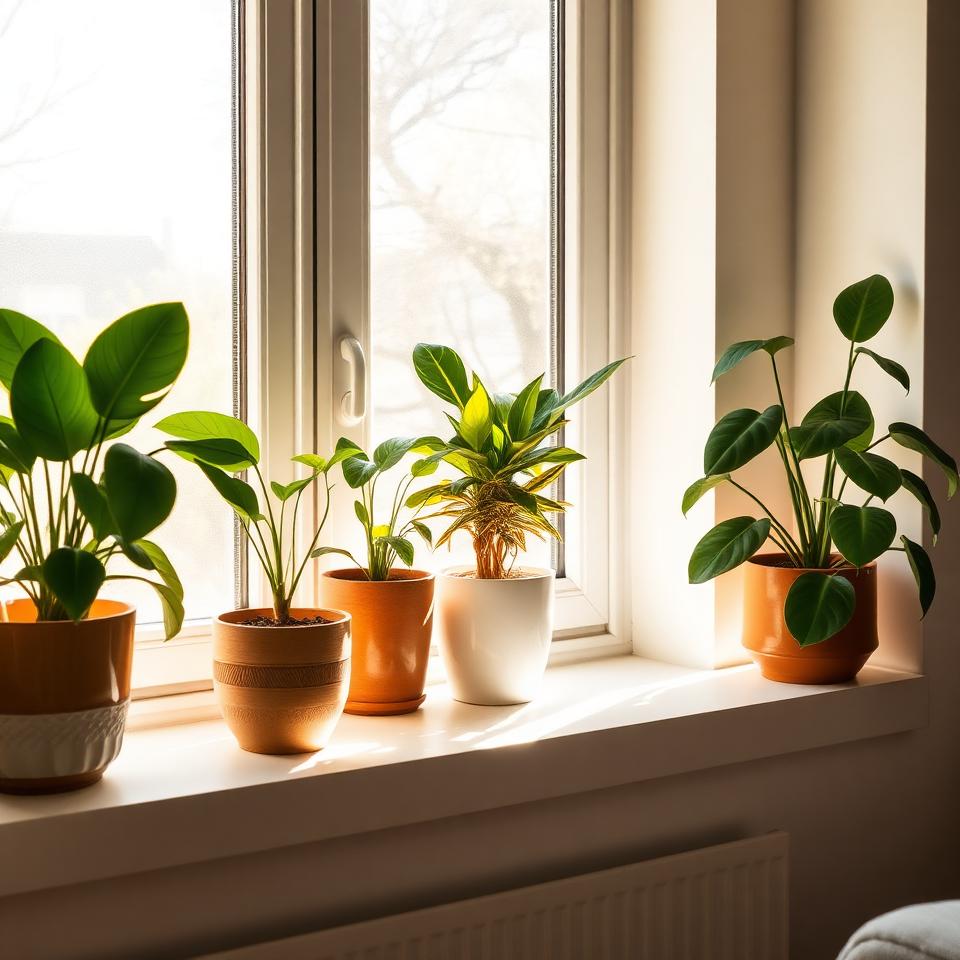
Light is arguably the most critical factor influencing plant growth and overall vitality because it fuels photosynthesis, the process by which plants convert light energy into chemical energy. Understanding specific indoor plant light requirements for different species is paramount, as misjudging light can lead to stunted growth or even plant death.
- Direct Sun (High Light): Plants requiring direct sun need at least 5-6 hours of unfiltered sunlight daily, typically near south-facing windows in the Northern Hemisphere. Examples include cacti (Cactaceae family), many succulents (e.g., Echeveria spp.), and some citrus trees (Citrus spp.). These plants are often adapted to arid, open environments.
- Bright, Indirect Light (Medium Light): Most popular houseplants prefer bright, indirect light, meaning a well-lit spot without direct sun exposure, which can scorch delicate leaves. An east or west-facing window slightly away from the pane, or a south-facing window diffused by a sheer curtain, often provides ideal conditions. This category includes common varieties like the Pothos (Epipremnum aureum), Philodendron (Philodendron spp.), and most Ficus (Ficus elastica, Ficus lyrata).
- Low Light (Partial Shade to Shade): Low-light tolerant plants can survive in less intense light, though they generally grow slower and may not flower as profusely. These plants typically originate from forest floors where canopy coverage limits direct light. Good examples include the ZZ Plant (Zamioculcas zamiifolia), Snake Plant (Sansevieria trifasciata), and Cast Iron Plant (Aspidistra elatior). While they tolerate low light, "no light" is never an option for any living plant.
To accurately assess light levels, consider using a light meter or a smartphone app. Rotating plants regularly also ensures even light exposure on all sides, promoting symmetrical growth.
The Art of Watering: How to Water Indoor Plants Properly
Proper watering is more nuanced than simply pouring water; it involves assessing the plant’s specific needs, the pot and soil type, and environmental conditions. Overwatering is a more common killer of houseplants than underwatering, as it leads to root rot due to lack of oxygen.
Here's how to master the art:
- Check Soil Moisture: Always check the top 1-2 inches of soil with your finger. If it feels dry, it's generally time to water. For larger pots or moisture-sensitive plants, a moisture meter can provide a more accurate reading at root level.
- Water Thoroughly: When you do water, soak the soil until water drains freely from the bottom of the pot. This ensures that the entire root ball receives hydration. Discard any excess water from the saucer within 30 minutes to prevent standing water, which can lead to root rot.
- Consider Plant Type: Succulents and cacti prefer their soil to dry out completely between waterings, sometimes for weeks. Tropical plants often prefer consistently moist (but not soggy) soil. Plants with thinner leaves generally need more frequent watering than those with thick, waxy, or succulent leaves.
- Environmental Factors: Plants in warmer, brighter rooms, or those in terracotta pots (which are porous), will dry out faster than those in cooler, shadier spots or plastic/glazed ceramic pots. Adjust your watering frequency accordingly throughout seasons.
Pro tip: Use lukewarm water when watering, as cold water can shock plant roots.
Selecting the Right Soil and Pots for Houseplants
The correct soil mix and pot provide essential aeration, drainage, and nutrient retention, directly impacting root health and overall plant vigor. Using a general potting mix for all plants can lead to issues because different plants have varying requirements for drainage and moisture retention.
Choosing the Right Soil Mix
- General Potting Mix: Most houseplants thrive in a well-draining, all-purpose potting mix. Look for mixes that contain peat moss, perlite, and/or vermiculite for aeration and moisture retention.
- Specialized Mixes:
- Cactus and Succulent Mix: These require fast-draining soil, often containing more sand, perlite, or pumice to prevent waterlogging.
- Orchid Mix: Orchids (Orchidaceae family) are epiphytes in nature, meaning they grow on other plants, not in soil. Their mixes consist of bark, charcoal, and perlite, providing excellent aeration and drainage.
- African Violet Mix: African Violets (Saintpaulia spp.) prefer a rich, slightly acidic, and well-draining soil that retains some moisture.
- DIY Soil Amendments: You can amend standard potting mix with additional perlite or coarse sand for improved drainage, or coco coir for increased moisture retention.
Selecting the Perfect Pot
- Drainage Holes: This is non-negotiable. Every pot must have at least one drainage hole at the bottom to prevent water accumulation and root rot. Decorative pots without drainage should only be used as cachepots (sleeves) for plants in nursery pots with drainage.
- Material:
- Terracotta/Clay: These are porous, allowing air and moisture to pass through, which helps prevent overwatering. They are ideal for plants that prefer drier conditions, like succulents and cacti. However, they dry out faster.
- Plastic: Non-porous, lightweight, and retain moisture longer. Excellent for moisture-loving plants or if you tend to underwater.
- Glazed Ceramic: Like plastic, they retain moisture. They are heavier and often more aesthetically pleasing.
- Size: Generally, choose a pot that is 1-2 inches larger in diameter than the current root ball. Overpotting can lead to soil staying wet for too long, while underpotting can restrict root growth.
Humidity and Temperature: Creating the Ideal Indoor Climate
Replicating the native environmental conditions, particularly humidity and temperature, is crucial for tropical houseplants which make up a significant portion of indoor collections. These factors directly impact transpiration, photosynthesis, and overall plant health.
Ideal Temperature Ranges
Most houseplants thrive in temperatures similar to what humans find comfortable, typically between 65-75°F (18-24°C). Avoid extreme fluctuations and drafts.
- Cold Drafts: Keep plants away from frequently opened doors and leaky windows, especially in winter, as sudden drops in temperature can cause stress or leaf drop.
- Heat Sources: Similarly, direct exposure to heating vents, radiators, or fireplaces can dry out plants quickly, leading to crispy leaves and pest issues. Maintain a safe distance.
- Nighttime Drop: Many plants benefit from a slight temperature drop at night (5-10°F or 3-6°C lower) to mimic natural conditions, but avoid drastic changes.
Humidity Requirements
Most homes, especially during winter with heating systems running, have humidity levels significantly lower than what tropical plants prefer (50-80%). Low humidity can cause browning leaf tips, slow growth, and make plants more susceptible to spider mites.
- Misting: While it offers temporary relief, misting alone is generally insufficient to significantly raise ambient humidity for an extended period. For plants that visibly benefit (like ferns), misting several times a day with distilled water can be helpful.
- Pebble Trays: Place a shallow tray filled with pebbles and water beneath your plant pot. As the water evaporates, it increases localized humidity around the plant. Ensure the pot sits on the pebbles, not in standing water.
- Humidifiers: This is the most effective way to significantly increase humidity in a room. Consider a cool-mist humidifier for your plant-filled spaces, especially during dry months. Aim for 50-60% humidity for most tropicals.
- Grouping Plants: Plants release moisture through transpiration. Grouping them together can create a small microclimate with higher humidity.
Nourishing Your Green Friends: Fertilizing Indoor Plants
Indoor plants require regular fertilization because the limited soil volume in pots eventually depletes its nutrient supply, restricting growth and vitality. Unlike garden plants, they cannot access a continually renewing supply of minerals from the expansive ground soil.
Here's how to provide essential nutrients:
- Understanding N-P-K: Fertilizers are labeled with three numbers (e.g., 10-20-10) representing the ratio of Nitrogen (N), Phosphorus (P), and Potassium (K).
- Nitrogen (N): Promotes lush, leafy growth.
- Phosphorus (P): Essential for root development, flowering, and fruiting.
- Potassium (K): Supports overall plant health, disease resistance, and water regulation.
- Frequency: Fertilize only during the plant's active growing season (typically spring and summer) when temperatures are warmer and light is abundant. Reduce or cease fertilization during fall and winter when most plants are dormant. A common recommendation is every 2-4 weeks during active growth.
- Dilution is Key: Always dilute liquid fertilizers to half or even quarter strength, especially for indoor plants. Over-fertilization can lead to fertilizer burn, causing root damage and leaf scorching. "Weakly, weekly" is a good mantra for many enthusiastic plant parents.
- Application Method: Apply liquid fertilizer to already moist soil to prevent root burn. Granular fertilizers are less common for indoor plants due to uneven dissolution.
- Signs of Deficiency: Yellowing lower leaves (nitrogen deficiency), stunted growth, or poor flowering can indicate a need for nutrients. However, always rule out other issues like watering or light problems first.
- Repotting vs. Fertilizing: Remember that fresh potting soil contains nutrients. When you repot a plant into new soil, wait 4-6 weeks before resuming your fertilizing schedule.
02Advanced Indoor Plant Care Techniques
Beyond the basics, several advanced techniques can significantly enhance the health, appearance, and longevity of your indoor plant collection. These practices help manage growth, prevent issues, and promote robust development.
The Importance of Pruning and Shaping Houseplants
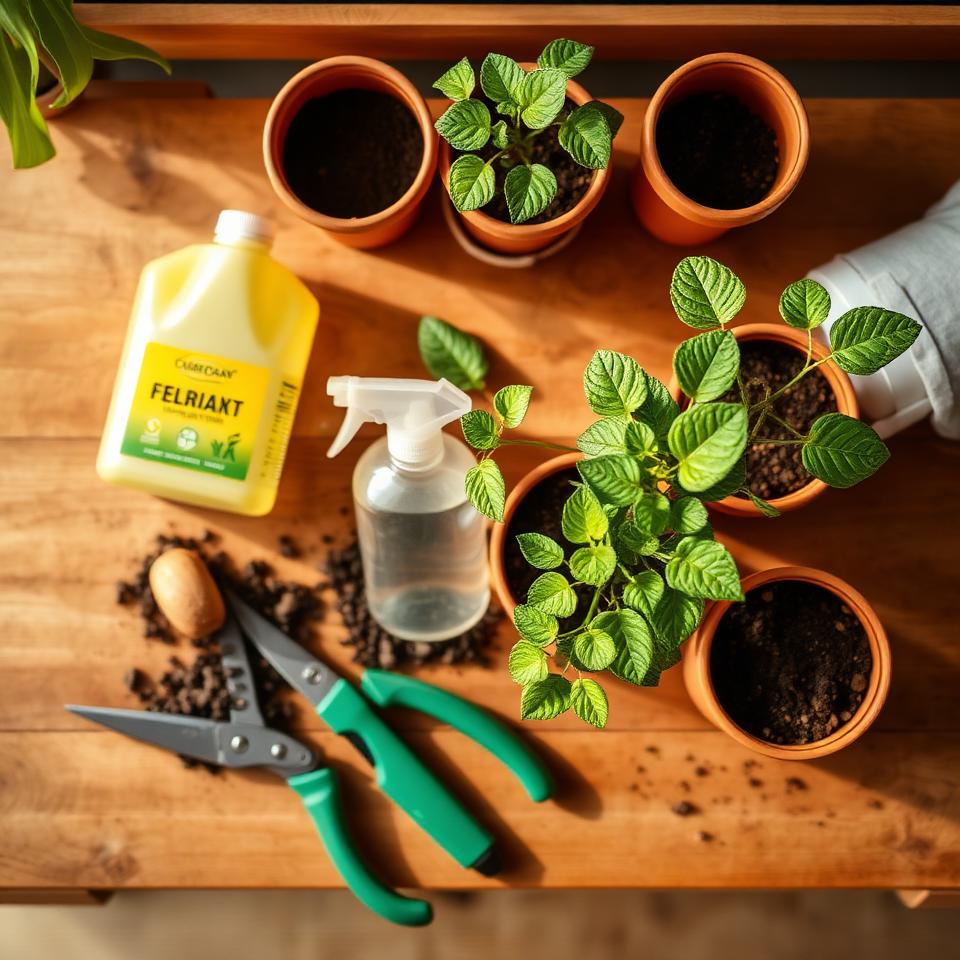
Pruning is essential for maintaining plant health, encouraging bushier growth, and controlling size and shape, ensuring your houseplants remain aesthetically pleasing and vigorous. It also removes dead or diseased material that could otherwise harbor pests or pathogens.
- Remove Dead or Yellowing Leaves: Regularly inspect your plants and snip off any yellow, brown, or mushy leaves. These not only look unsightly but can also drain energy from the plant. Use sharp, clean scissors or pruners to make clean cuts close to the main stem or node.
- Encourage Bushier Growth (Pinching): To prevent leggy growth and promote a fuller plant, pinch back the growing tips of stems. This stimulates the plant to produce new growth from lateral buds below the cut, resulting in a denser appearance. This technique is particularly effective for plants like Pothos, Tradescantia, and Coleus.
- Control Size and Shape: You can prune back overgrown stems to keep your plant within desirable bounds and to shape it aesthetically. For instance, to maintain a specific height or width, selectively cut longer branches back to a node.
- Rejuvenation Pruning: For older, leggy plants, a more aggressive "chop and prop" method can rejuvenate them. Cut stems back severely to just a few inches from the soil line. Many plants, like the Peace Lily (Spathiphyllum spp.) or Dracaena (Dracaena spp.), respond well to this by sending out new, fresh growth.
- Sanitation: Always use clean, sharp pruning shears or scissors to avoid introducing diseases and to make clean cuts that heal quickly. Sterilize your tools with rubbing alcohol between plants.
Repotting Your Indoor Plants: When and How
Repotting provides fresh nutrients, ample space for root growth, and prevents plants from becoming root-bound, which is vital for their continued development. Knowing when and how to repot can make all the difference in a plant's long-term health.
When to Repot:
- Roots Emerging from Drainage Holes: This is a clear sign the plant has outgrown its current pot.
- Stunted Growth: If your plant's growth has slowed significantly despite adequate care, it might be root-bound.
- Quick Drying Soil: If the soil dries out much faster than usual, it indicates a dense root ball has taken over most of the potting mix.
- Visibly Root: Bound: Gently tip the plant out of its pot. If the roots are circling tightly around the soil ball, it's time for an upgrade.
- Soil Degradation: Over time, potting mix breaks down, losing its structure, aeration, and nutrient-holding capacity. Fresh soil every 1-2 years is beneficial even if the plant isn't severely root-bound.
Most houseplants benefit from repotting every 1-3 years, ideally in spring or early summer, which is the start of their active growing period.
How to Repot:
- Gather Supplies: A new pot (1-2 inches larger in diameter), fresh potting mix suitable for your plant type, pruning shears, and gloves.
- Prepare the New Pot: Add a layer of fresh potting mix to the bottom of the new pot.
- Remove the Plant: Gently hold the plant by its base and tip the current pot sideways. Coax the plant out. If it’s stuck, you might need to tap the pot or gently run a knife around the inner edge.
- Inspect and Loosen Roots: Gently tease apart any circling or matted roots at the bottom and sides of the root ball. You can trim away any dead, rotten, or excessively long roots.
- Position the Plant: Place the plant in the new pot, ensuring the top of the root ball is at the same level as it was in the old pot, with about an inch of space from the rim for watering.
- Add Soil: Fill the pot with fresh potting mix, gently tamping it down around the roots to remove large air pockets. Do not over-compact the soil.
- Water Thoroughly: Water the plant immediately after repotting until water drains from the bottom. This helps settle the soil and hydrates the roots.
- Post-Repotting Care: Place the newly repotted plant in a slightly less bright location for a week or two to help it recover from transplant shock. Avoid fertilizing for at least 4-6 weeks as the new soil contains fresh nutrients.
Propagation: Expanding Your Indoor Jungle
Propagating indoor plants is a rewarding way to create new plants from existing ones, allowing you to multiply your collection, share with friends, or restart leggy specimens. It’s also a fascinating insight into plant biology.
Here are common methods:
- Stem Cuttings (Most Common):
- Select a Healthy Stem: Choose a non-flowering stem with several leaves and at least one node (where leaves attach). Generally, a 4-6 inch cutting is ideal.
- Make a Clean Cut: Using sharp, sterile shears, cut just below a node, as this area contains concentrated hormones for root development. Remove any leaves from the bottom inch or two of the cutting.
- Water Propagation: Place the cutting in a clear glass or jar of water, ensuring nodes are submerged. Change the water every few days to prevent bacterial growth. Roots typically appear in a few weeks.
- Soil Propagation: Dip the cut end in rooting hormone (optional, but can speed up the process) and plant it directly into a small pot with moist, well-draining potting mix. Cover with a plastic bag or dome to create a mini-greenhouse effect.
- Transplanting: Once roots are 1-2 inches long (water propagation) or new growth appears (soil propagation), transplant into a larger pot.
This method works well for Pothos (Epipremnum aureum), Philodendron (Philodendron hederaceum), Coleus (Plectranthus scutellarioides), and many others.
- Leaf Cuttings:
Some plants can propagate from just a single leaf. For Sansevieria (Sansevieria trifasciata), cut a healthy leaf into 2-inch sections, let them callus for a day, then plant them upright in soil. For succulents like Echeveria spp., gently twist off a whole leaf (with its base intact) and lay it on top of soil; plantlets will form at the base.
- Division:
For plants that grow in clumps, like Snake Plants (Sansevieria trifasciata), Peace Lilies (Spathiphyllum spp.), or ZZ Plants (Zamioculcas zamiifolia), you can separate the root ball into smaller sections, each with its own roots and foliage. This is often done during repotting.
- Offsets/Pups:
Many plants, like Spider Plants (Chlorophytum comosum) and some succulents, produce "babies" or offsets that can be easily detached and planted.
Pest and Disease Management for Houseplants
Vigilant monitoring and early intervention are crucial for effectively managing common houseplant pests and diseases, preventing small infestations from becoming overwhelming. Healthy plants are also less susceptible, underlining the importance of good general care.
Common Pests:
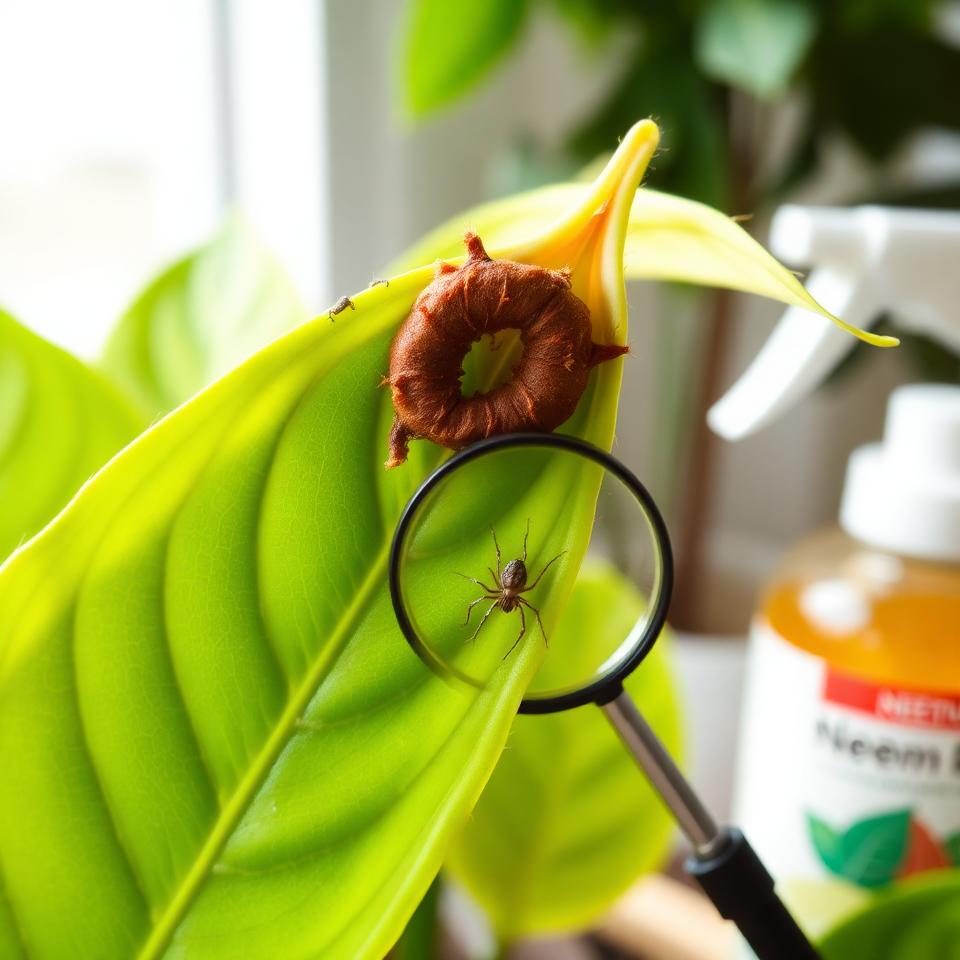
- Spider Mites (Tetranychus urticae): Tiny, red or brown mites that cause fine webbing, speckled leaves, and can lead to plant decline. Thrive in dry conditions.
Solution: Increase humidity, wipe leaves with a damp cloth, use insecticidal soap, or horticultural oil (Neem oil).
- Mealybugs (Planococcus citri): White, cottony masses found in leaf axils and undersides, feeding on sap.
Solution: Dab with alcohol-soaked cotton swabs, use insecticidal soap, or horticultural oil.
- Aphids (Aphidoidea): Small, soft-bodied insects (green, black, or brown) clustering on new growth, causing distorted leaves.
Solution: Rinse with strong stream of water, use insecticidal soap, or Neem oil.
- Fungus Gnats (Sciaridae): Small, dark flies flying around the soil, usually indicating overwatering. Larvae feed on roots.
Solution: Allow soil to dry out between waterings. Use sticky traps for adults. Apply beneficial nematodes or a top layer of sand/diatomaceous earth to soil.
- Scale Insects (Coccoidea): Small, immobile, brown or tan bumps on stems and leaves, often with a waxy coating making them hard to remove.
Solution: Scrape off with fingernail or old toothbrush, dab with alcohol, or use horticultural oil.
Common Diseases:
- Root Rot: Caused by overwatering, leading to soggy soil and lack of oxygen. Symptoms include yellowing leaves, wilting, and mushy stems.
Solution: Improve drainage, repot into fresh, well-draining soil, remove affected roots, and adjust watering habits.
- Powdery Mildew: White, powdery spots on leaves, often due to high humidity and poor air circulation.
Solution: Improve air circulation, reduce humidity, apply fungicidal sprays (Neem oil or baking soda solution).
- Bacterial Leaf Spot: Small, dark, water-soaked spots on leaves.
Solution: Remove affected leaves, improve air circulation, avoid overhead watering.
General Prevention Strategies:
- Quarantine New Plants: Isolate new additions for a few weeks to ensure they are pest-free before introducing them to your collection.
- Regular Inspection: Routinely check the tops and undersides of leaves, and stems, for any signs of trouble.
- Good Air Circulation: Prevents many fungal issues.
- Proper Watering: Avoids both root rot and fungus gnats.
- Cleanliness: Remove fallen leaves and debris from the pot surface.
Seasonal Care Adjustments for Indoor Plants
Adapting your plant care routine to the changing seasons is fundamental for thriving indoor plants, as environmental conditions like light intensity, humidity, and temperature fluctuate significantly throughout the year. Ignoring these shifts can lead to stress, disease, or dormancy issues.
Spring (Growth Revival):
- Increased Light: As days lengthen and light intensifies, move plants closer to windows or increase artificial light exposure.
- More Water: Plants will start active growth, requiring more frequent watering. Check soil moisture more often.
- Begin Fertilizing: Start a regular feeding schedule (e.g., every 2-4 weeks at half strength).
- Repotting: The best time for repotting plants that have outgrown their pots.
- Propagation: Ideal time for taking cuttings as plants are actively growing.
Summer (Peak Growth):
- Consistent Watering: Expect to water more frequently due to higher temperatures and increased plant activity.
- Continued Fertilization: Stick to your feeding schedule.
- Humidity Management: If conditions are hot and dry, continue to focus on humidity (pebble trays, humidifiers) for tropical plants.
- Pest Watch: Higher temperatures can sometimes lead to increased pest activity; regular inspection is key.
- Outdoor Vacation: Some plants may benefit from a summer outdoors in a shaded, protected spot, but acclimatize them slowly.
Autumn (Transition to Dormancy):
- Reduced Light: As days shorten, plants may need to be moved to brighter windows.
- Decreased Watering: Growth slows, so reduce watering frequency. Allow soil to dry out more between waterings.
- Reduced Fertilization: Taper off fertilizing towards the end of fall. Stop completely for many plants by late fall.
- Temperature Drop: Prepare for cooler indoor temperatures. Protect plants from cold drafts near windows.
Winter (Dormancy/Slower Growth):
- Minimal Water: This is the most common time for overwatering. Water sparingly when the top several inches of soil are dry.
- No Fertilizing: Most plants are dormant; fertilization during this period can burn roots.
- Humidity: Indoor heating systems drastically reduce humidity. Counteract this with humidifiers, pebble trays, and grouping plants.
- Light: Provide the brightest possible light, even supplementing with grow lights if natural light is insufficient. Clear dust from leaves to maximize light absorption.
- Pest Alert: Dry indoor air can increase the risk of spider mites and other sap-sucking pests.
03Common Houseplant Problems and Troubleshooting
Identifying and addressing common houseplant problems promptly is crucial for their survival and involves understanding visible symptoms in relation to environmental factors. Most issues stem from basic care imbalances rather than complex diseases.
| Symptom | Potential Cause | Solution |
|---|---|---|
| Yellowing Leaves (Lower) | Overwatering (most common), underwatering, nutrient deficiency (nitrogen), natural shedding. | Check soil moisture. If wet, reduce watering. If dry, water thoroughly. Consider fertilizing during growing season. |
| Yellowing Leaves (Upper/New) | Iron deficiency (chlorosis), too much direct sun, nutrient toxicity. | Move to a shadier spot if sun is too intense. Adjust fertilizer type or frequency. |
| Brown, Crispy Leaf Tips/Edges | Low humidity, underwatering, salt buildup from fertilizer or hard water, drafts. | Increase humidity, water more consistently, flush soil, use distilled water, move away from drafts. |
| Drooping or Wilting Leaves | Underwatering (common, leaves feel dry), overwatering (common, leaves feel soft/mushy), root rot, temperature shock. | Check soil. If dry, water thoroughly. If wet/mushy, check for root rot and repot. Ensure stable temperatures. |
| Stunted Growth | Insufficient light, lack of nutrients, pot too small (root-bound), pest infestation. | Increase light, fertilize, repot, check for pests. |
| Leggy Growth (Stems stretching) | Insufficient light. | Move to a brighter spot or provide supplemental lighting. Prune to encourage bushier growth. |
| Fungus Gnats (Small flies around soil) | Overwatering, constantly wet topsoil. | Allow soil to dry out completely between waterings. Use sticky traps. |
| White Spots on Leaves | Powdery mildew (fungus), mineral deposits from hard water (harmless), mealybugs (pest). | Address humidity/air circulation for mildew. Wipe leaves for mineral spots. Inspect for mealybugs. |
| No Flowers (for flowering plants) | Insufficient light, lack of phosphorus, incorrect temperature, plant not mature enough. | Increase light, use a "bloom-booster" fertilizer, ensure proper temperature range. |
Remember, the first step in troubleshooting is always to reassess your basic care routine. Most problems can be traced back to imbalances in light, water, temperature, or humidity. When in doubt, a little research into your specific plant's needs can often provide clarity.
04Choosing the Right Indoor Plants for Your Lifestyle
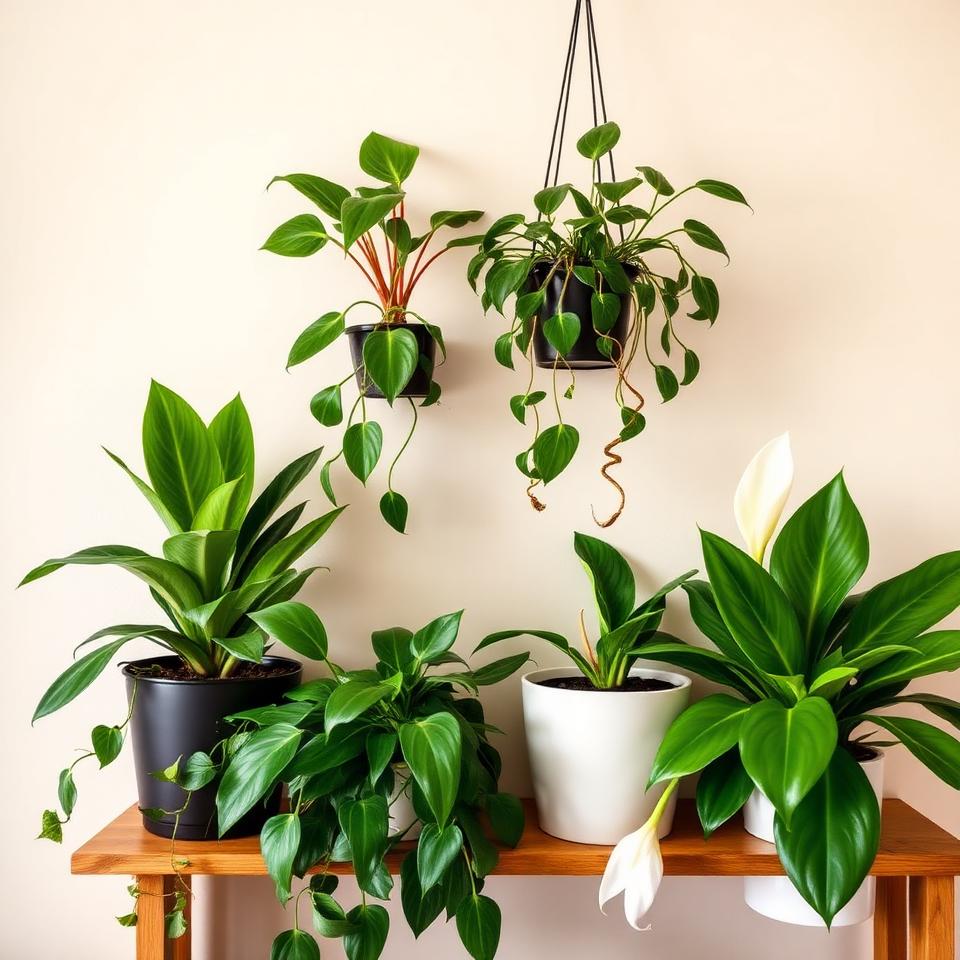
Selecting houseplants that align with your lifestyle, available light, and commitment level ensures a successful and enjoyable plant parenting experience, preventing disappointment and plant loss. Consider factors beyond aesthetics to find plants that thrive in your unique environment.
Explore Our Platforms
 InfiniCore DataWorks
 Nex-Automata
Here’s how to choose wisely:
- Assess Your Light Conditions: This is arguably the most crucial factor.
- Bright, Direct Sun: If you have unobstructed south-facing windows, consider cacti, succulents, or Jade Plants (Crassula ovata).
- Bright, Indirect Light: Most homes have this. Excellent for Pothos, Philodendrons, ZZ Plants, Snake Plants, Ficus varieties, and Peace Lilies.
- Low Light: If you have limited natural light, opt for ZZ Plants, Snake Plants, Cast Iron Plants (Aspidistra elatior), or lucky bamboo (Dracaena sanderiana).
No plant truly thrives in "no light," but some tolerate very low conditions better than others.
- Consider Your Watering Habits: Be honest with yourself!
- Frequent Waterer/Like to Water: Consider moisture-loving plants such as ferns (Nephrolepis exaltata), Peace Lilies, or Prayer Plants (Maranta leuconeura).
- Infrequent Waterer/Forgetful: Drought-tolerant plants are your allies. Think Snake Plants, ZZ Plants, Pothos, and succulents.
- Evaluate Your Humidity Levels:
- High Humidity (Bathroom/Kitchen): Ideal for tropicals like Calatheas (Calathea spp.), Orchids, and Ferns.
- Average Home Humidity: Most common houseplants will do well, but sensitive ones might need a humidifier.
- Pet and Child Safety: Many common houseplants can be toxic if ingested.
- Pet-Friendly: Opt for plants like the Areca Palm (Dypsis lutescens), Boston Fern (Nephrolepis exaltata 'Bostoniensis'), Spider Plant (Chlorophytum comosum), and Prayer Plant.
- Toxic Plants: Be aware that plants like Pothos, Philodendron, Snake Plant, and Dieffenbachia (Dieffenbachia spp.) are toxic to pets and children. Place them out of reach or avoid them.
For more information on plant toxicity, consult the ASPCA plant list or a veterinarian.
- Aesthetic and Size:
- Space Available: Consider how large a plant will grow. A Fiddle Leaf Fig (Ficus lyrata) might be beautiful but could quickly outgrow a small apartment.
- Desired Look: Do you want lush foliage, sculptural forms, or flowering plants?
By conducting a self-assessment before purchasing, you set both yourself and your new green companion up for success. Remember, a plant that thrives in its environment is a joy to behold.
05The Ecological and Well-being Benefits of Indoor Plants
Indoor plants offer a myriad of scientifically-backed benefits beyond pure aesthetics, significantly improving indoor air quality, boosting mood, and enhancing overall human well-being. Incorporating them into living and working spaces is a simple yet powerful step towards a healthier environment.
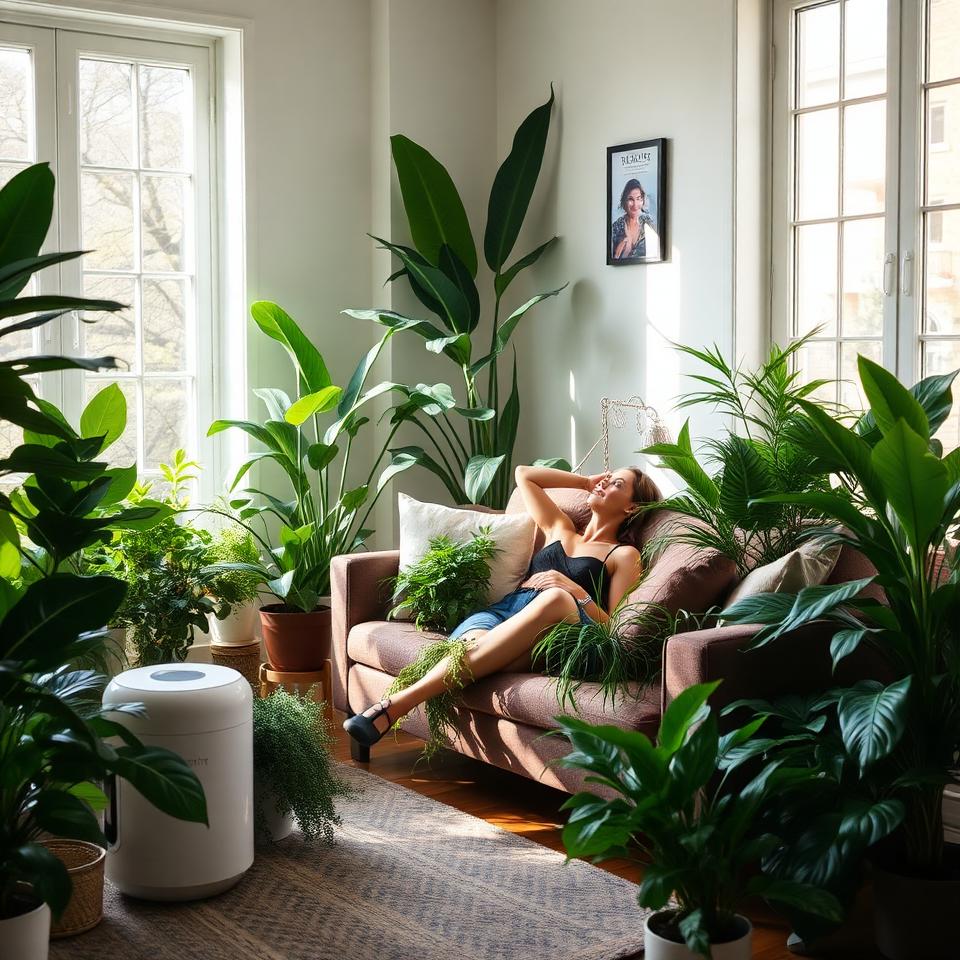
Here are some key benefits:
- Improved Air Quality:
Plants naturally perform photosynthesis, absorbing carbon dioxide and releasing oxygen. Moreover, research, most notably NASA's Clean Air Study (Wolverton et al., 1989), highlighted plants' ability to remove a significant percentage of volatile organic compounds (VOCs) like formaldehyde, benzene, and trichloroethylene from indoor air. While the concentration and number of plants needed for substantial air purification in a typical home environment is debated, they contribute positively to cleaner air.
Wolverton, B. C., Johnson, A., & Bounds, K. (1989). Interior Landscape Plants for Indoor Air Pollution Abatement. NASA. https://ntrs.nasa.gov/citations/19930073077
- Stress Reduction and Mood Enhancement:
Interacting with nature, even indoors, has profound psychological benefits. Studies have shown that the presence of plants can lower stress levels, reduce anxiety, and promote feelings of calmness. Simply observing greenery can improve mood and reduce symptoms of depression. According to a study in the Journal of Physiological Anthropology (Park & Mattson, 2009), active interaction with indoor plants can suppress sympathetic nervous system activity and diastole blood pressure.
Park, S. H., & Mattson, R. H. (2009). The physiological and psychological effects of working with indoor plants. Journal of Physiological Anthropology, 28(5), 297–304. https://www.ncbi.nlm.nih.gov/pmc/articles/PMC2785421/
- Increased Productivity and Focus:
Bringing plants into office spaces or home workspaces has been linked to improved concentration and productivity. A 2014 study published in the Journal of Experimental Psychology: Applied found that employees were 15% more productive when workplaces included just a few houseplants (Nieuwenhuis et al., 2014).
Nieuwenhuis, M., Knight, C., Postmes, T., & Haslam, S. A. (2014). The relative benefits of green versus lean office space: Three field experiments. Journal of Experimental Psychology: Applied, 20(3), 199–214. https://psycnet.apa.org/record/2014-38661-001
- Humidity Regulation:
Plants release water vapor through transpiration, which can naturally increase indoor humidity levels. This is particularly beneficial in dry climates or during winter months when heating systems strip moisture from the air, mitigating issues like dry skin, respiratory problems, and static electricity.
- Noise Reduction:
While not a primary factor, larger, broad-leaved plants can subtly absorb and deflect high-frequency sounds, contributing to a quieter indoor environment, especially in rooms with hard surfaces.
- Enhanced Aesthetic Appeal:
Beyond all the functional benefits, plants simply make spaces more beautiful, inviting, and alive. They add color, texture, and a sense of connection to nature, transforming sterile environments into vibrant sanctuaries.
Through these myriad contributions, houseplants transcend their role as mere decor, becoming active participants in creating healthier, happier, and more productive indoor ecosystems. That's why caring for them is indeed a worthwhile endeavor!
06FAQs About Indoor Plant Care
How often should I water my indoor plants?
The frequency of watering varies greatly depending on the plant type, pot size, soil, and environmental conditions. The best approach is to check the soil moisture—if the top 1-2 inches of soil feel dry, it's generally time to water. Always water thoroughly until water drains from the bottom, then discard any excess.
What type of light do most houseplants prefer?
Most popular houseplants, especially tropical varieties, prefer bright, indirect light. This means a spot that is well-lit but not exposed to direct, harsh sunlight, which can scorch their leaves. An east or west-facing window is often ideal, or a south-facing window with a sheer curtain to diffuse the light.
When should I fertilize my houseplants?
Fertilize your houseplants primarily during their active growing season, which is typically spring and summer. Reduce or cease fertilization during fall and winter months when most plants are dormant. Always dilute liquid fertilizers to half strength to prevent root burn.
How do I know if my plant needs repotting?
Signs your plant needs repotting include roots growing out of the drainage holes, stunted growth despite proper care, soil drying out much faster than usual, or if you can see a dense mass of roots when you gently lift the plant from its pot.
Are houseplants good for air quality?
Yes, houseplants contribute to improved indoor air quality. While the extent varies, studies like NASA's Clean Air Study have shown that plants can absorb common indoor air pollutants like formaldehyde, benzene, and trichloroethylene, and also convert carbon dioxide into oxygen.
What causes yellow leaves on indoor plants?
Yellowing leaves, especially on the lower part of the plant, are most often a sign of overwatering or underwatering. It can also indicate a nutrient deficiency (like nitrogen), a lack of light, or the natural shedding of older leaves. Assess your watering schedule and light conditions first.
How can I increase humidity for my tropical plants?
You can increase humidity for your plants by using a cool-mist humidifier, placing plants on pebble trays filled with water (making sure the pot isn't sitting in water), or grouping plants together to create a microclimate. Misting provides only temporary relief.
What are common signs of pests on houseplants?
Common signs of pests include sticky residue on leaves (honeydew from aphids or mealybugs), small webs (spider mites), tiny flying insects around the soil (fungus gnats), white cottony masses (mealybugs), or distorted and discolored foliage.
Can I use regular garden soil for potted indoor plants?
No, you should not use regular garden soil for indoor plants. Garden soil is too dense, does not drain well in pots, and can introduce pests and diseases into your home. Always use a high-quality, well-draining potting mix specifically formulated for indoor plants.
How do I prevent "leggy" growth in my plants?
Leggy growth, characterized by long, stretched-out stems with sparse leaves, is a common sign of insufficient light. To prevent this, move your plant to a brighter location, closer to a window, or supplement with a grow light. Regular pruning (pinching back tips) can also encourage bushier growth.
Is it okay to move my indoor plants outside for the summer?
Many indoor plants greatly benefit from a summer vacation outdoors, but it must be done carefully. Acclimatize them slowly by moving them to a sheltered, partially shaded spot for a few hours each day over a week before full exposure. Avoid direct, scorching sun for most non-desert plants and ensure pest checks before bringing them back inside.
What's the best way to clean plant leaves?
Regularly dust your plant leaves gently with a soft, damp cloth or sponge. For larger plants, a quick shower with lukewarm water (covering the soil to prevent overwatering) works well. Clean leaves can absorb light more efficiently and help the plant "breathe" better.
07How to Care for Indoor Plants — Essential Tips for Thriving Houseplants: Key Takeaways
Embarking on the journey of indoor plant care is a tremendously rewarding experience that transforms not only your living spaces but also contributes significantly to your well-being. From the foundational principles of light, water, and soil to advanced techniques like propagation and pest management, every aspect plays a crucial role in cultivating a thriving indoor garden.
Remember that attentive observation is your most powerful tool. Regularly inspecting your plants for subtle changes in leaf color, growth patterns, or signs of pests allows for early intervention, preventing minor issues from becoming major problems. Adjust your care routines seasonally, understand the unique needs of each species, and always prioritize good drainage and appropriate lighting.
Ultimately, a successful indoor plant collection is a reflection of patience, consistency, and a willingness to learn. By applying the comprehensive insights shared in this guide, you are well-equipped to nurture a vibrant, healthy, and beautiful indoor oasis for years to come. Here’s to your flourishing green journey!
(Looking for specific plant information? Explore our extensive botanical library: Aloe Vera Guide | Discover the health benefits of spices: Turmeric Benefits)
08Sources & Further Reading on How to Care for Indoor Plants — Essential Tips for Thriving Houseplants
Authoritative sources and related guides:
- Wikipedia — background reference
- PubMed — peer-reviewed studies
- Kew POWO — botanical reference
- NCBI PMC — open-access research
- WHO — global health authority
Related on Flora Medical Global
Reviewed by the Flora Medical Global Botanical Review Panel
Multi-disciplinary editorial group · Botany · Ethnobotany · Herbal-medicine literature
Who reviewed this: This page was checked by the Flora Medical Global Botanical Review Panel — an in-house editorial group of botany graduates, ethnobotany researchers, and horticulture practitioners who collectively maintain our 7,000+ plant encyclopedia. Meet the team.
Our 4-step verification process
1. Taxonomic verification
Scientific names and synonyms cross-checked against Kew POWO, World Flora Online, and The Plant List.
2. Phytochemical & medicinal cross-reference
Active compounds, traditional uses, and reported activities are cross-referenced with PubMed, USDA Dr. Duke's database, and peer-reviewed ethnobotanical literature.
3. Conservation & distribution check
Distribution, ecology, and conservation status confirmed against GBIF occurrence records and the IUCN Red List.
4. Editorial & safety review
Every entry passes an editorial pass for clarity, originality, and safety notices (toxicity, contraindications, dosage caveats) before publication.
Last reviewed:
Important medical disclaimer: This content is for educational and research purposes only. It is not medical advice and is not a substitute for consultation with a licensed healthcare provider. Do not use any herb to self-treat a medical condition without professional guidance.
Explore Our Platforms
Comments (0)
No comments yet. Be the first!