How to Start a Herb Garden at Home: A Step-by-Step Guide for Beginners
 Flora Medical GlobalPublished: 2/25/2026Updated: 6/16/202623 min read
Editorial Disclaimer: This article is for informational and educational purposes only. It is not a substitute for professional medical advice, diagnosis, or treatment. Always consult a qualified healthcare provider or certified herbalist before using any plant for medicinal purposes, especially if you are pregnant, nursing, taking medication, or have a medical condition.
There's something incredibly satisfying about plucking fresh herbs from your own garden to elevate your culinary creations or prepare natural remedies. If you've ever wondered how to start a herb garden, you're in the right place! This comprehensive guide is designed to empower beginners, providing research-grade insights, practical advice, and actionable tips to help you cultivate a thriving herb garden at home, whether it's a sprawling outdoor bed or a cozy indoor herb garden.
From understanding the fundamental principles of plant biology to selecting the best herbs to grow at home, we'll cover every facet of establishing and maintaining your green sanctuary. Get ready to transform your living space and enjoy the vibrant flavors and profound aromas of homegrown herbs!
01Why Start a Herb Garden? The Benefits Extend Far Beyond Flavor and Aroma
The primary motivations for cultivating a herb garden are diverse, encompassing culinary excellence, economic savings, holistic wellness, and therapeutic engagement. Many enthusiasts find profound satisfaction in connecting with nature and the tangible rewards of their labor.
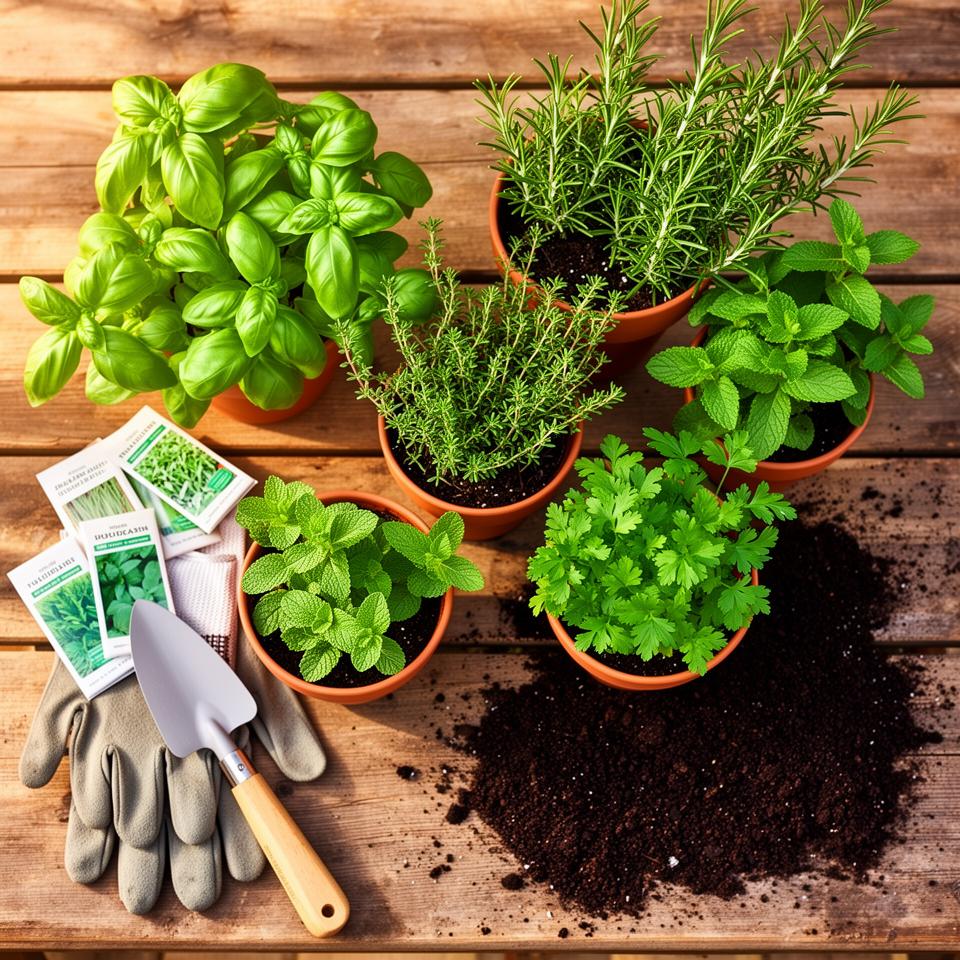
The truth is, fresh herbs offer significantly superior flavor and aromatic profiles compared to their dried counterparts, which often lose volatile oils during processing. Moreover, cultivating your own herbs provides a sustainable and cost-effective alternative to frequent grocery store purchases, which can quickly accumulate.
- Culinary Superiority: Fresh herbs, harvested at their peak, contain higher concentrations of essential oils and flavor compounds than dried or store-bought alternatives. For instance, fresh basil (Ocimum basilicum) can contain up to 0.7% essential oil, while dried basil may retain only 0.1-0.3%. This difference translates directly into more vibrant and nuanced culinary results.
- Economic Advantage: The initial investment in seeds or starter plants is often minimal, especially when compared to the ongoing expense of purchasing fresh herbs, which can range from $2.00 to $5.00 per small bunch. Over a growing season, a home herb garden can yield savings of hundreds of dollars, particularly for frequently used herbs like parsley, cilantro, and basil.
- Health and Wellness Benefits: Many herbs are renowned for their impressive medicinal properties, offering a natural pharmacopoeia at your fingertips. For example, peppermint (Mentha x piperita) is well-documented for its carminative properties, aiding digestion, while chamomile (Matricaria chamomilla) is widely used for its calming and anti-inflammatory effects. A medicinal herb garden can be a cornerstone of a holistic lifestyle.
- Therapeutic Engagement: Gardening, in general, is a well-established stress-reliever. Research published in the Journal of Health Psychology (2010), for example, demonstrated that gardening activities significantly reduced cortisol levels and improved mood more effectively than reading. The act of nurturing plants provides a tangible connection to nature and a profound sense of accomplishment.
- Unparalleled Accessibility: Whether you have a vast backyard or a small apartment balcony, there's a herb garden solution for you. Indoor herb gardens, utilizing grow lights and hydroponic systems, allow year-round cultivation regardless of external climate conditions, bringing fresh flavors literally to your fingertips.
- Environmental Stewardship: Growing your own herbs reduces your carbon footprint associated with transportation, packaging, and refrigeration of commercially grown produce. It also promotes biodiversity and can reduce the need for chemical pesticides if organic practices are followed.
02Choosing the Right Location: Sunlight is the Foundation of a Thriving Herb Garden
The ideal location for your herb garden should primarily prioritize sunlight exposure, as most herbs require a minimum of 6 hours of direct sunlight daily. Answering this fundamental question early ensures your plants receive the energy they need for photosynthesis and robust growth.
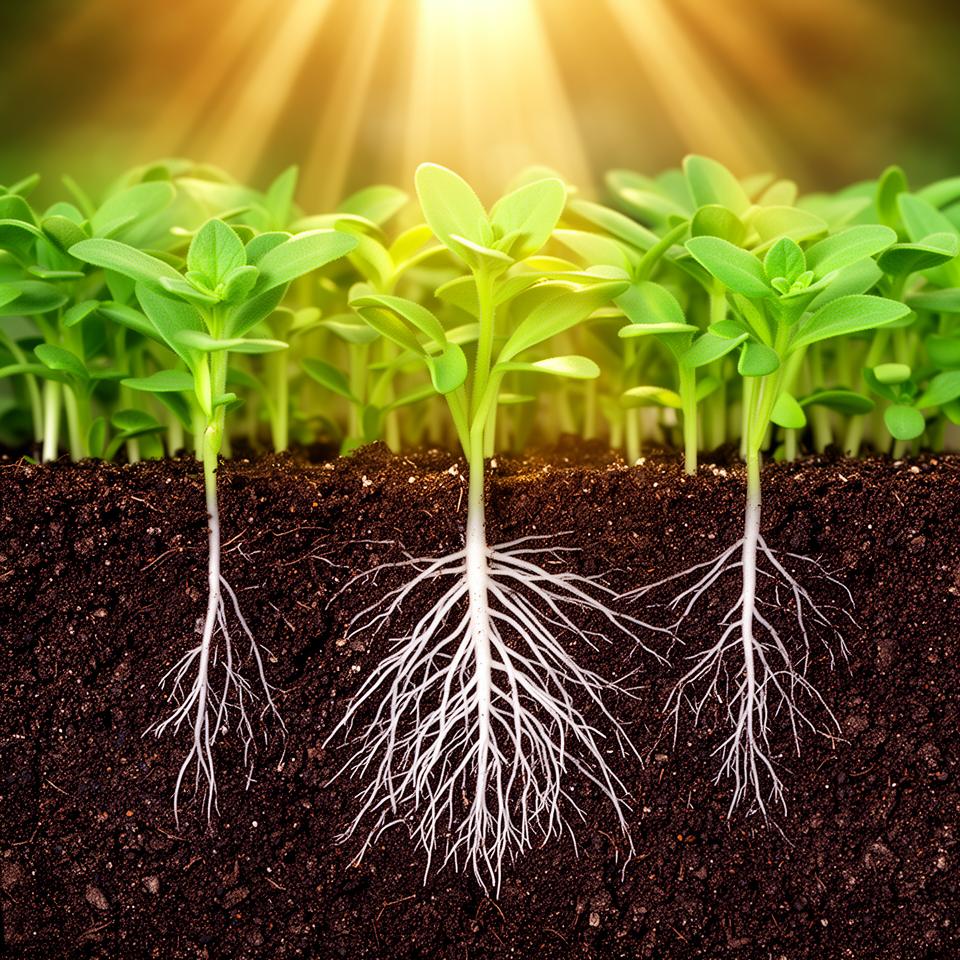
Indeed, sunlight is the most critical factor influencing plant growth and essential oil production in herbs. Insufficient light leads to leggy, weak plants with diminished flavor and potency, while excessive harsh sun can scorch delicate foliage.
Outdoor Herb Garden Considerations: Harnessing Natural Light and Space
For outdoor herb gardens, assess sun exposure throughout the day, considering seasonal changes and potential obstructions. A south-facing location in the Northern Hemisphere (or north-facing in the Southern Hemisphere) typically offers the most consistent and intense sunlight.
Furthermore, consider proximity to your kitchen for ease of access, protection from strong winds, and good drainage. Herbs abhor "wet feet," so well-draining soil is paramount for preventing root rot.
Sunlight Requirements by Herb Type: Tailoring Exposure for Optimal Growth
Different herbs have varying light preferences, reflecting their native habitats. While most culinary herbs thrive in full sun, a few prefer partial shade, especially in very hot climates.
Understanding these distinctions allows you to strategically place your plants, ensuring each species receives its optimal light dose. For example, herbs originating from the Mediterranean region, such as rosemary and thyme, are sun-worshippers, whereas herbs like mint and cilantro can tolerate a bit more shade.
| Herb | Scientific Name | Full Sun (6-8+ hrs) | Partial Shade (3-6 hrs) | Notes |
|---|---|---|---|---|
| Basil | Ocimum basilicum | ✓ | Prefers warmth; protect from harsh afternoon sun in extreme heat (e.g., above 90°F / 32°C). | |
| Rosemary | Salvia rosmarinus | ✓ | Needs excellent drainage; drought tolerant once established. | |
| Thyme | Thymus vulgaris | ✓ | Thrives in lean, well-drained soil; very hardy. | |
| Oregano | Origanum vulgare | ✓ | Mediterranean native; drought-tolerant. | |
| Mint | Mentha spp. | ✓ | ✓ | Can tolerate more shade; highly invasive, best grown in containers. |
| Cilantro | Coriandrum sativum | ✓ | "Bolts" (goes to seed) quickly in heat; appreciates morning sun and afternoon shade. | |
| Parsley | Petroselinum crispum | ✓ | Prefers consistent moisture; can tolerate full sun in cooler climates or with adequate watering. | |
| Dill | Anethum graveolens | ✓ | Prefers cool weather; can also bolt in heat. | |
| Chives | Allium schoenoprasum | ✓ | ✓ | Very forgiving; clump-forming. |
Indoor Herb Garden Considerations: Mastering Artificial Environments
For indoor herb gardens, selecting a south-facing window (Northern Hemisphere) is ideal, but supplemental lighting will often be necessary to compensate for reduced light intensity indoors. Even a bright window typically only provides 2-4 hours of direct sunlight equivalent.
Furthermore, indoor environments require careful management of temperature, humidity, and air circulation. A consistent temperature range of 65-75°F (18-24°C) is generally suitable for most herbs, and good air circulation helps prevent fungal diseases.
Artificial Lighting: The Key to Indoor Success
Artificial grow lights are indispensable for thriving indoor herb gardens, especially during darker months or in areas with insufficient natural light. Not all lights are created equal; full-spectrum LED grow lights are generally the most energy-efficient and effective.
These lights mimic natural sunlight, providing the necessary wavelengths for photosynthesis. A good rule of thumb is to provide 12-16 hours of artificial light daily, positioned 6-12 inches (15-30 cm) above the plant canopy, depending on the light's intensity and the herb's needs.
03Container Selection and Soil: The Right Foundation for Healthy Roots
Proper container selection and the use of well-draining, nutrient-rich potting mix are paramount for healthy herb development, directly impacting root respiration and nutrient uptake. The type of container dictates water retention and root growth, while the soil provides anchorage, moisture, and essential minerals.
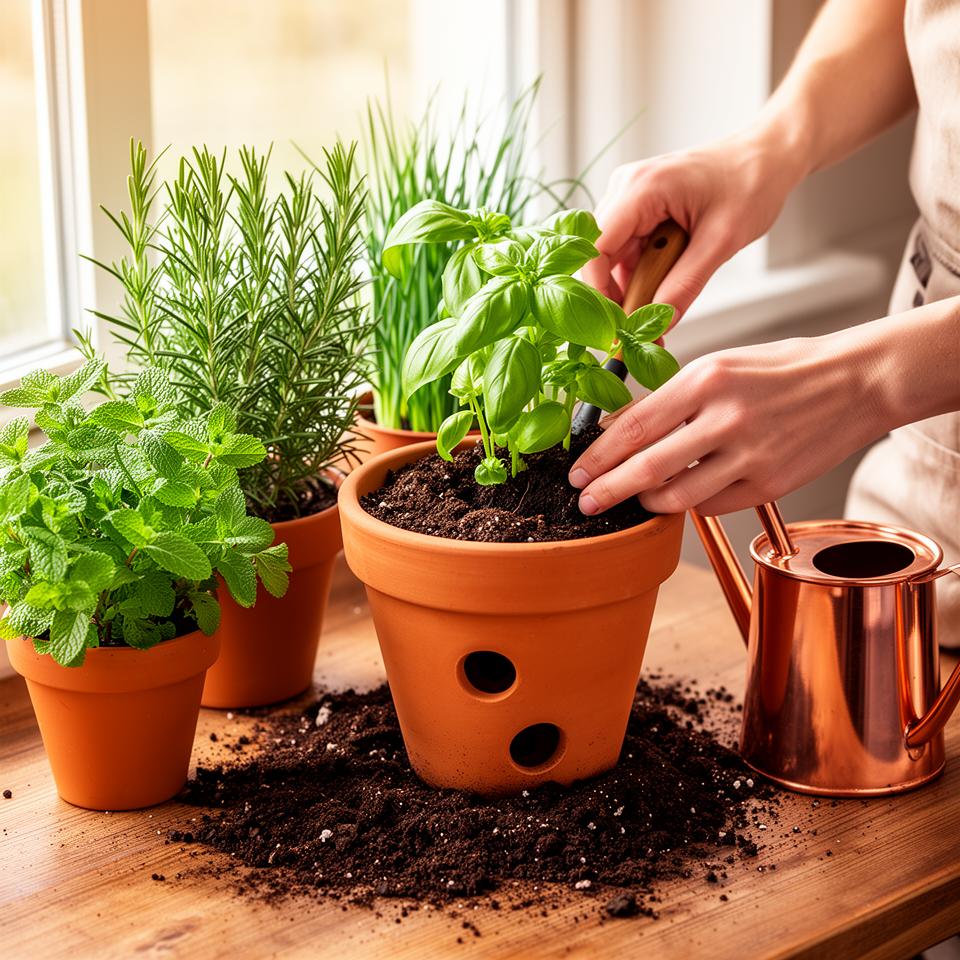
Indeed, the adage "it all starts with the roots" holds true. Herbs are particularly susceptible to root rot in waterlogged conditions, so excellent drainage is non-negotiable. This means choosing containers with drainage holes and using a professional-grade potting mix, not garden soil.
Choosing the Right Containers: Material, Size, and Drainage
The material of your container influences moisture retention, while size must accommodate root growth. Drainage holes are absolutely non-negotiable, preventing water from pooling and suffocating roots.
Terracotta pots are aesthetically pleasing and promote aeration, but they dry out quickly, requiring more frequent watering. Plastic pots retain moisture longer, making them a good choice for water-loving herbs or less frequent watering schedules. Fabric grow bags offer excellent aeration and drainage but can also dry out rapidly.
| Container Type | Pros | Cons | Best For |
|---|---|---|---|
| Terracotta Pots | Excellent aeration, prevents overwatering, natural aesthetic. | Dries out quickly, heavy, can break, salts can build up. | Drought-tolerant herbs (rosemary, thyme, oregano), growers who tend to overwater. |
| Plastic Pots | Retains moisture, lightweight, inexpensive, durable, wide variety of colors/sizes. | Less aeration, can lead to overwatering, can become brittle in sunlight. | Herbs needing consistent moisture (parsley, mint), beginners. |
| Glazed Ceramic Pots | Attractive, good moisture retention (less than plastic), durable. | Heavy, often expensive, less aeration than terracotta, limited drainage holes sometimes. | Decorative arrangements, where aesthetics are important. |
| Fabric Grow Bags | Superior aeration, excellent drainage, prevents root circling (air pruning). | Dries out very quickly, less aesthetically formal, can be unstable when tall. | Fast-growing annuals, temporary setups, maximizing root health. |
| Wooden Planters | Natural look, good insulation for roots, can be custom-made. | Can rot over time, heavy when filled, requires lining for longevity. | Larger herb gardens, raised beds, aesthetic garden features. |
The Ideal Potting Mix: Not Just Any Dirt Will Do
A high-quality potting mix is crucial for container herbs, providing essential aeration, drainage, and a reservoir for nutrients. Garden soil is too dense and can compact, leading to poor drainage and root damage in pots.
Look for sterile, peat-based or coir-based potting mixes with amendments like perlite or vermiculite to improve drainage and aeration. A pH range of 6.0-7.0 (slightly acidic to neutral) is generally suitable for most herbs. Avoid "potting soil" that contains heavy garden topsoil, as it often introduces pests and diseases.
04Selecting Your Herbs: Matching Passion with Practicality
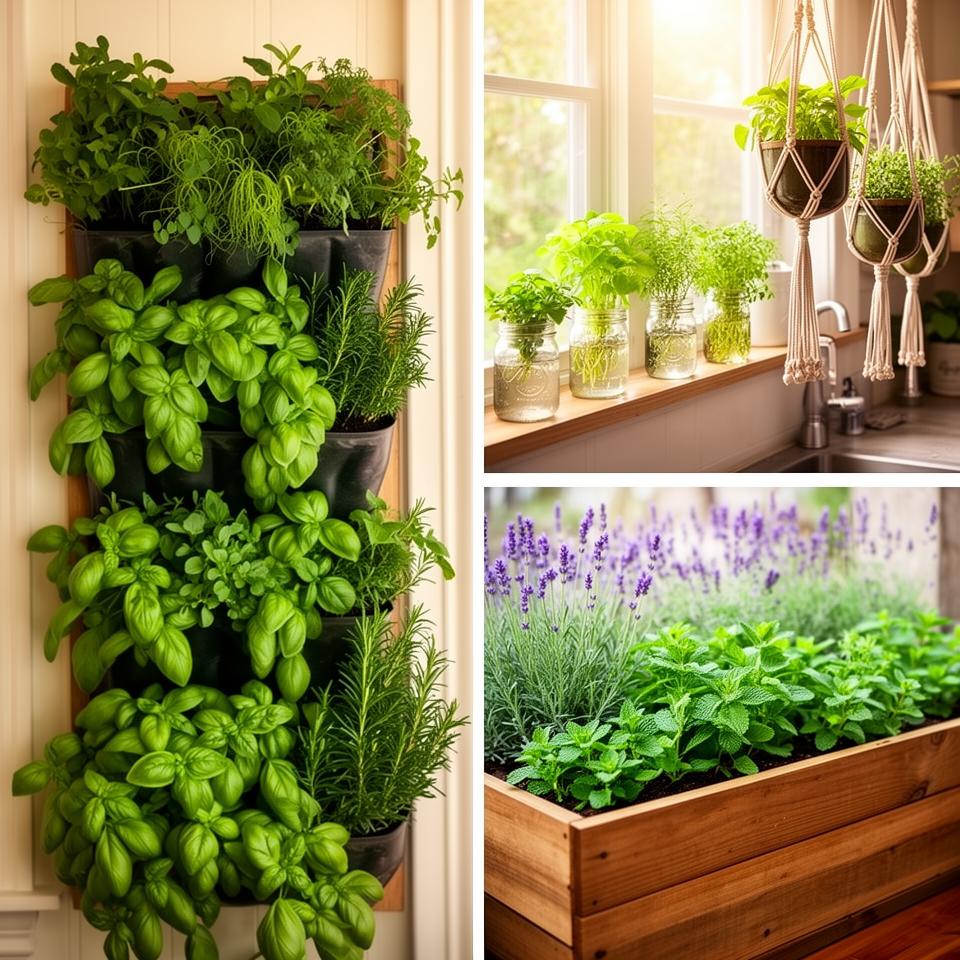
Choosing which herbs to grow should be a thoughtful process, balancing your culinary or medicinal preferences with their specific growth requirements and your available resources. Starting with a manageable selection of easy-to-grow herbs significantly boosts beginner confidence.
Explore Our Platforms
 InfiniCore DataWorks
 Nex-Automata
Indeed, a common pitfall for new gardeners is attempting to grow too many demanding varieties simultaneously. Prioritizing herbs you frequently use and those known for their hardiness ensures a rewarding initial experience.
Beginner-Friendly Herbs: Starting with Success
For newcomers, certain herbs are exceptionally forgiving and robust, providing a high likelihood of success with minimal fuss. These "easy wins" build confidence and foster a love for gardening.
Key characteristics of beginner-friendly herbs include tolerance to varied conditions, resistance to common pests and diseases, and a relatively fast growth rate. Think about the herbs that are staples in your cooking or have easily accessible medicinal uses.
- Basil (Ocimum basilicum): A warmth-loving annual, excellent for Italian and Asian cuisine. Requires consistent moisture and full sun. Pinch off flower buds to encourage bushier growth.
- Mint (Mentha spp.): Extremely hardy and prolific, but also highly invasive. Best grown in its own container to prevent it from taking over your garden. Prefers partial shade and consistent moisture.
- Chives (Allium schoenoprasum): A perennial member of the onion family, easy to grow from seed or division. Tolerates various light conditions and provides delicate onion flavor.
- Parsley (Petroselinum crispum): A biennial typically grown as an annual. Requires rich, moist soil and partial shade in hot climates. Flat-leaf (Italian) parsley is generally preferred for cooking.
- Rosemary (Salvia rosmarinus): A drought-tolerant perennial shrub, perfect for Mediterranean dishes. Needs full sun and excellent drainage. Can be overwintered indoors in colder climates.
- Thyme (Thymus vulgaris): Another hardy perennial, fantastic for savory dishes. Prefers full sun and lean, well-draining soil.
- Oregano (Origanum vulgare): A vigorous perennial, similar to thyme in its requirements. Thrives in full sun and dry conditions.
- Cilantro (Coriandrum sativum): A fast-growing annual known for its distinctive flavor. Tends to bolt (go to seed) in warm weather, so succession planting is recommended. Prefers cooler temperatures and partial shade.
Annuals vs. Perennials: Planning for Longevity
Understanding the difference between annual and perennial herbs informs your planting strategy and long-term garden maintenance. Annuals complete their life cycle in one growing season, while perennials return year after year.
Annuals like basil, cilantro, and dill need to be replanted from seed or starter plants every year. Perennials such as rosemary, thyme, oregano, and mint offer persistent harvests and often grow into larger, more established plants over time, simplifying subsequent growing seasons.
Starting from Seed, Cuttings, or Starter Plants: Pros and Cons
The method of starting your herbs impacts cost, required effort, and initial success rate. Each approach offers distinct advantages and disadvantages.
Starting from seeds is the most economical option and offers the widest variety of choices but requires more patience and specific conditions for germination. Cuttings can propagate existing plants or bring in new varieties at low cost, though success rates vary. Starter plants provide instant gratification and a higher chance of immediate success, albeit at a higher price point.
| Method | Pros | Cons | Best For |
|---|---|---|---|
| Seeds | Most economical, widest variety, allows for organic certification from start. | Requires patience, specific germination conditions, higher failure rate for beginners. | Budget-conscious gardeners, rare varieties, annuals (basil, cilantro). |
| Cuttings | Free if you have a source, clone of parent plant, faster than seeds. | Success rate can vary, requires a healthy parent plant, not all herbs root easily. | Propagating existing plants (rosemary, mint), specific desired traits. |
| Starter Plants | Instant gratification, higher success rate, clearly identified varieties, robust. | Most expensive option, limited variety, potential for introducing pests/diseases from nursery. | Beginners, immediate harvests, perennial herbs. |
05Planting and Initial Care: Giving Your Herbs the Best Start
Successful planting involves careful consideration of spacing, depth, and immediate post-planting care, which together minimize transplant shock and encourage vigorous early growth. These initial steps set the trajectory for your herbs' health and productivity.

Indeed, understanding basic horticultural principles like proper planting depth and initial watering strategies is crucial. Over- or under-watering young plants can be detrimental, as can planting them too closely together, which leads to competition for resources.
Proper Planting Techniques: Depth, Spacing, and Companionship
When planting, ensure seedlings or transplants are placed at the same depth as they were in their original container, taking care not to bury the stem too deep or expose too much root. Adequate spacing is key to air circulation and light penetration, while companion planting can offer natural pest deterrents and growth benefits. For example, planting marigolds near herbs can deter nematodes and other pests, while studies have shown enhanced growth of basil when planted near tomatoes.
For container gardens, ensure at least 6-12 inches (15-30 cm) between plants, depending on their mature size. For ground planting, refer to specific plant guides, but general guidelines often suggest similar spacing for bushier herbs like rosemary or oregano. Consider the mature size of the plant, not just its current seedling size.
Watering Wisely: The Art of Moisture Management
Effective watering involves understanding individual herb needs and the specific drainage characteristics of your chosen containers or garden bed. Overwatering is a common killer of herbs, leading to root rot and fungal diseases, while underwatering causes wilting and stunted growth.
The "finger test" is an excellent method: stick your finger about an inch (2.5 cm) into the soil. If it feels dry, it's time to water. Water thoroughly until it drains from the bottom of the pot, then allow the topsoil to dry out before the next watering cycle. This "wet-dry" cycle promotes strong root development.
Initial Fertilization: Balanced Nutrition for Young Plants
Most herbs are not heavy feeders, but a balanced initial feed can support strong establishment, particularly if your potting mix is not pre-fertilized. Use a diluted, balanced liquid fertilizer at half strength for young plants.
A formula such as 5-5-5 or 10-10-10 (N-P-K) applied every 2-4 weeks during the active growing season is generally sufficient. Avoid over-fertilizing, especially with nitrogen, as this can lead to lush foliage but weak flavor and reduced essential oil production. Organic options like fish emulsion or compost tea are also excellent choices.
06Maintenance and Harvesting: Sustaining Your Herb Garden's Productivity
Consistent maintenance practices, including regular pruning, diligent pest management, and timely harvesting, are crucial for long-term health and maximizing yield from your herb garden. These ongoing efforts ensure your plants remain vigorous and productive throughout the growing season and beyond.

Indeed, a well-cared-for herb garden is a highly rewarding endeavor. Neglecting these aspects can lead to disease, pest infestations, and ultimately, a diminishing return from your plants. Regular interaction with your herbs allows you to spot issues early.
Pruning and Pinching: Encouraging Bushy Growth and Prolonged Harvests
Regular pruning and pinching not only encourage bushier growth but also delay flowering, which can diminish the flavor of many culinary herbs by signaling the plant has reached the end of its vegetative growth cycle. This practice redirects the plant's energy into producing more foliage.
For most herbs like basil, mint, and oregano, pinch off the top set of leaves and the tender stem just above a leaf node, promoting two new shoots to emerge. For shrubby herbs like rosemary and thyme, prune by trimming about 1/3 of the growth, always above a set of leaves or a node, to maintain shape and encourage new growth.
Pest and Disease Management: Organic Solutions for Healthy Herbs
Vigilant inspection is the first line of defense against pests and diseases, allowing for early intervention with organic methods. Healthy plants are inherently more resistant to problems.
Common pests include aphids, spider mites, and whiteflies. For these, a strong spray of water or an application of insecticidal soap (diluted according to package directions) can be effective. Fungal issues like powdery mildew can often be mitigated by ensuring good air circulation and avoiding overhead watering. Always identify the specific pest or disease before applying any treatment.
Harvesting Techniques: Maximizing Yield and Flavor
Correct harvesting techniques not only provide you with fresh herbs but also stimulate further growth, leading to a more abundant and flavorful yield. Timing and method are key to preserving a plant's vitality.
Harvest generally in the morning after the dew has dried but before the sun is intense, as essential oil content is often highest at this time. For most herbs, harvest up to one-third of the plant at a time, always cutting above a leaf node to encourage new growth. For leafy herbs like basil and parsley, regular harvesting prevents bolting and promotes continuous production. For flowering herbs like dill or cilantro, allow some flower heads to go to seed if you desire reseeding or seed harvesting.
07Advanced Techniques & Seasonal Care: Elevating Your Herb Garden
Beyond the basics, advanced techniques like companion planting, succession planting, and thoughtful seasonal care can significantly enhance the productivity, resilience, and longevity of your herb garden. These strategies transition your gardening from reactive to proactive, fostering a more sophisticated approach.

Indeed, a truly thriving herb garden often benefits from understanding the symbiotic relationships between plants, optimizing planting schedules, and adapting to climatic shifts. This not only yields more herbs but also creates a more balanced and sustainable ecosystem.
Companion Planting: Harnessing Nature's Synergy
Companion planting involves strategically placing different plant species near each other to mutual benefit, such as deterring pests, attracting beneficial insects, improving soil health, or enhancing growth and flavor. This ecological approach reduces reliance on artificial interventions.
For instance, planting chives near carrots can deter carrot rust flies, while basil is often planted with tomatoes to enhance tomato flavor and deter hornworms. Marigolds (Tagetes spp.) are widely known for their nematicidal properties when planted near herb beds, acting as a natural pest repellent. Conversely, avoid planting fennel (Foeniculum vulgare) near most herbs, as it can inhibit their growth.
Succession Planting: Continuous Harvests All Season Long
Succession planting involves staggered planting times for short-season annual herbs, ensuring a continuous supply of fresh produce rather than a single, overwhelming harvest. This method maintains peak freshness and availability.
For herbs like cilantro, dill, and basil, which can bolt quickly in warm weather, plant a new batch of seeds every 2-3 weeks. This ensures that as one plant begins to reach the end of its prime, a younger plant is already maturing to take its place, providing an uninterrupted flow of fresh leaves for your culinary needs.
Overwintering Perennials and Protecting Annuals: Extending the Season
For perennial herbs in colder climates, protecting them from harsh winter conditions is essential for their survival and return the following spring. Annuals, while destined to complete their life cycle, can sometimes be extended indoors.
Hardy perennials like thyme, oregano, and chives can often survive outdoors with a protective layer of mulch around their base (pine needles, straw, or leaves) to insulate their roots. Less hardy perennials like rosemary or bay laurel (Laurus nobilis) can be dug up and brought indoors before the first hard frost, or grown in containers that can be easily moved. For annuals, consider bringing small potted plants like basil indoors to a sunny window or under grow lights to extend their life by several weeks or even months.
08Drying and Storing Herbs: Preserving Your Bountiful Harvest
Proper preservation techniques are vital for enjoying your homegrown herbs long after the growing season has ended, maintaining their flavor, aroma, and medicinal properties. Successful drying and storage are simple yet crucial steps in maximizing your herb garden's utility.
Indeed, a prolific herb garden can offer more than fresh sprigs alone. By preserving your harvest, you ensure a continuous supply for cooking, teas, and remedies throughout the year, minimizing waste and extending your efforts.
Air Drying: The Traditional and Simple Method
Air drying is a straightforward and energy-efficient method suitable for herbs with lower moisture content and sturdy leaves, effectively concentrating their flavors and aromas. This method relies on good air circulation and moderate humidity to prevent mold.
Bundle small handfuls of herbs (e.g., rosemary, thyme, oregano, sage) and hang them upside down in a warm, dry, well-ventilated area away from direct sunlight. To protect them from dust and insects, you can lightly cover the bundles with paper bags or cheesecloth. Drying typically takes 1-3 weeks, depending on humidity and herb type. Herbs are fully dry when their leaves are brittle and crumble easily.
Dehydrating: A Faster and More Controlled Approach
Using a food dehydrator offers a faster, more controlled drying environment, especially beneficial for herbs with higher moisture content or in humid climates where air drying might lead to mold. This method ensures even drying and preserves potent properties.
Spread herbs in a single layer on dehydrator trays and set the temperature to a low setting, typically 95-110°F (35-43°C), to retain volatile oils. Drying time can range from 2-12 hours. Check periodically for crispness. The benefit of a dehydrator is precise temperature control, which minimizes the loss of delicate compounds compared to higher heat methods.
Freezing Herbs: Excellent for Retaining Freshness and Flavor
Freezing is an excellent method for preserving the vibrant color and fresh flavor of many delicate herbs that don't dry well, such as basil, parsley, cilantro, and chives. It's particularly effective for culinary purposes where a "fresh" herb flavor is desired.
There are two primary freezing methods:
- Ice Cube Trays: Chop herbs finely, pack them into ice cube trays, cover with water or olive oil, and freeze. Once frozen, pop out the cubes and transfer to freezer bags for long-term storage. Each cube is roughly equivalent to 1-2 tablespoons of fresh herbs.
- Flash Freezing: Spread whole or chopped herbs in a single layer on a baking sheet, freeze until solid (1-2 hours), then transfer to an airtight freezer bag. This prevents clumping and allows you to grab individual portions.
Proper Storage: Protecting Your Preserved Harvest
Once dried or frozen, proper storage is crucial to prevent degradation of flavor, aroma, and potency. Light, air, and moisture are the primary enemies of preserved herbs.
Store dried herbs in airtight containers (glass jars are ideal, such as amber glass to block UV light) in a cool, dark place, away from heat and direct sunlight. Dark cabinets or pantries are perfect. Properly stored dried herbs can maintain their quality for 6-12 months. Frozen herbs should be kept in airtight freezer bags or containers, lasting up to 9-12 months without significant loss of quality. Label all containers with the herb name and date of preservation.
09FAQs: Your Essential Herb Garden Questions Answered
What are the absolute easiest herbs for a beginner to grow?
The easiest herbs for beginners include mint, basil, chives, parsley, and rosemary. These varieties are generally forgiving, adapt well to various conditions, and offer frequent harvests, providing early success and confidence.
How much sun do herbs truly need?
Most culinary herbs thrive with a minimum of 6 hours of direct sunlight per day. Mediterranean herbs like rosemary, thyme, and oregano prefer 8+ hours. Some leafy herbs like parsley and cilantro can tolerate partial shade (3-5 hours direct sun), especially in hot climates.
What type of soil is best for container herbs?
A high-quality, well-draining potting mix is best, ideally peat- or coir-based, enriched with perlite or vermiculite for aeration. Avoid heavy garden soil, which compacts easily and can lead to root rot in containers.
How often should I water my herbs?
Water when the top 1 inch (2.5 cm) of soil feels dry to the touch. The frequency depends on container size, weather, and specific herb needs. Always water thoroughly until water drains from the bottom of the pot, then allow the soil to dry out slightly before the next watering.
Do I need to fertilize my herb plants?
Herbs are not heavy feeders. For container plants, a diluted, balanced liquid fertilizer (e.g., 5-5-5) applied every 2-4 weeks during the growing season is sufficient. In garden beds, amending soil with compost usually provides enough nutrients.
What does "pinching" an herb mean, and why should I do it?
Pinching involves removing the top set of leaves and the tender stem just above a leaf node. This encourages the plant to branch out, resulting in a bushier plant, prolonged vegetative growth, and delayed flowering which can improve flavor.
When is the best time to harvest herbs?
The best time to harvest most herbs for flavor and essential oil content is in the morning, after the dew has evaporated but before the intense midday sun. Aim to harvest up to one-third of the plant at a time.
Can I grow herbs indoors year-round?
Yes, absolutely! With adequate sunlight (natural or supplemental grow lights), proper watering, and consistent indoor temperatures, many herbs can be successfully grown indoors throughout the year, providing a continuous supply of fresh flavor.
My herbs are getting leggy and thin; what's wrong?
Leggy growth is almost always a sign of insufficient light. Move your herbs to a brighter location, or supplement with a full-spectrum grow light, ensuring it's positioned appropriately (e.g., 6-12 inches above the plant canopy for LEDs).
How can I naturally deter pests from my herb garden?
Natural pest deterrence includes encouraging beneficial insects (e.g., ladybugs), planting companion plants (e.g., marigolds, nasturtiums), handpicking pests, and using organic sprays like insecticidal soap or neem oil for serious infestations. Good air circulation also helps prevent disease.
What's the difference between annual and perennial herbs?
Annual herbs complete their entire life cycle (seed to flower to seed) within one growing season and then die (e.g., basil, cilantro). Perennial herbs live for more than two years, often returning year after year from their rootstock (e.g., rosemary, thyme, mint), requiring less frequent replanting.
Can I grow herbs from kitchen scraps?
Yes, some herbs can be regrown from kitchen scraps. For example, chives, scallions, and even some basil stems can sprout new roots in water and then be transplanted into soil. This is a fun and economical way to expand your herb collection, though success rates can vary.
10Final Thoughts on How to Start a Herb Garden at Home
Embarking on the journey of growing your own herb garden is a truly rewarding experience, offering a multitude of benefits from enhancing culinary dishes to promoting holistic well-being and providing a calming, therapeutic hobby. It requires a foundational understanding of plant needs, but the principles are straightforward and accessible to everyone, regardless of prior gardening experience.
Remember these critical takeaways: prioritize sunlight (at least 6 hours daily), ensure excellent drainage in your containers and soil, select beginner-friendly herbs to build confidence, and commit to consistent maintenance through sensible watering, timely pruning, and regular harvesting. By mastering these fundamentals, you can successfully cultivate a thriving herb garden, transforming your kitchen, your health, and your connection to nature. Happy gardening!
11How to Start a Herb Garden at Home: References & Further Reading
Authoritative sources and related guides:
- Wikipedia — background reference
- PubMed — peer-reviewed studies
- Kew POWO — botanical reference
- NCBI PMC — open-access research
- WHO — global health authority
Related on Flora Medical Global
Reviewed by the Flora Medical Global Botanical Review Panel
Multi-disciplinary editorial group · Botany · Ethnobotany · Herbal-medicine literature
Who reviewed this: This page was checked by the Flora Medical Global Botanical Review Panel — an in-house editorial group of botany graduates, ethnobotany researchers, and horticulture practitioners who collectively maintain our 7,000+ plant encyclopedia. Meet the team.
Our 4-step verification process
1. Taxonomic verification
Scientific names and synonyms cross-checked against Kew POWO, World Flora Online, and The Plant List.
2. Phytochemical & medicinal cross-reference
Active compounds, traditional uses, and reported activities are cross-referenced with PubMed, USDA Dr. Duke's database, and peer-reviewed ethnobotanical literature.
3. Conservation & distribution check
Distribution, ecology, and conservation status confirmed against GBIF occurrence records and the IUCN Red List.
4. Editorial & safety review
Every entry passes an editorial pass for clarity, originality, and safety notices (toxicity, contraindications, dosage caveats) before publication.
Last reviewed:
Important medical disclaimer: This content is for educational and research purposes only. It is not medical advice and is not a substitute for consultation with a licensed healthcare provider. Do not use any herb to self-treat a medical condition without professional guidance.
Explore Our Platforms
Comments (0)
No comments yet. Be the first!