
Overview & Introduction
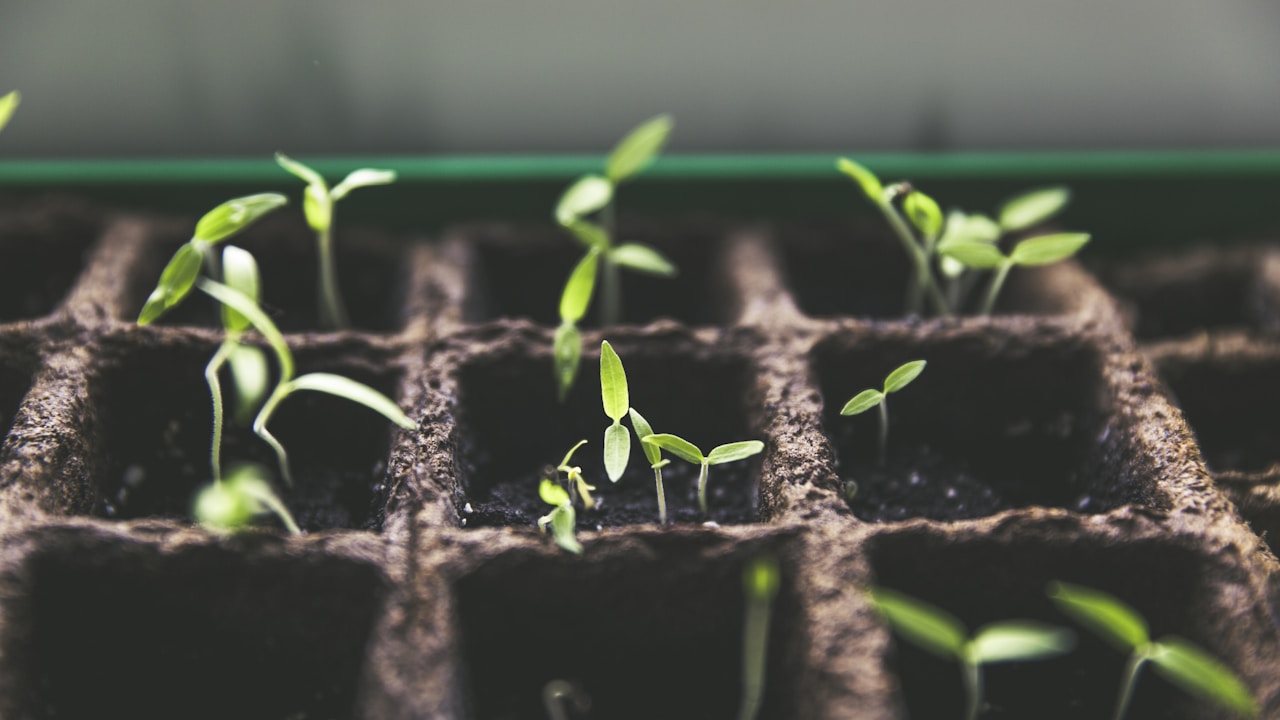
Hoya carnosa 'Krimson Princess', often referred to as the Wax Plant or Porcelainflower, is a highly esteemed ornamental cultivar belonging to the Apocynaceae family, renowned for its captivating variegated foliage and delicate, fragrant blooms.
Most thin plant articles flatten everything into a summary. This guide does the opposite by following Hoya Krimson Princess through identification, care, handling, and the questions that real readers actually ask.
The aim is simple: make the article detailed enough for serious readers while keeping the structure clear enough for fast scanning and confident decision-making.
- Hoya carnosa 'Krimson Princess' is a popular variegated ornamental houseplant.
- Features lush green, white, and pink leaves and fragrant star-shaped flowers.
- Generally considered non-toxic to humans and household pets, making it safe for homes.
- Primarily valued for its aesthetic appeal, air-purifying qualities, and stress-reducing effects.
- Requires bright, indirect light, well-draining soil, and moderate watering.
- Limited scientific research on specific medicinal uses for this particular cultivar.
Botanical Profile & Taxonomy
Hoya Krimson Princess should be anchored to the correct taxonomic identity before any discussion of care, use, or safety begins.
| Common name | Hoya Krimson Princess |
|---|---|
| Scientific name | Hoya carnosa Krimson Princess |
| Family | Apocynaceae |
| Order | Gentiales |
| Genus | Hoya |
| Species epithet | carnosa Krimson Princess |
| Author citation | (L.f.) Korth. |
| Common names | হোয়া ক্রিমসন প্রিন্সেস, ওয়াক্স প্ল্যান্ট, পোরসেলিন ফুল, Hoya Krimson Princess, Wax Plant, Porcelain Flower |
| Origin | East Asia (China, Vietnam, India) |
Using the accepted scientific name Hoya carnosa Krimson Princess helps readers avoid confusion caused by old synonyms, loose common names, or inconsistent plant labels.
Family and order placement also matter because they explain recurring structural traits, likely relatives, and the kinds of mistakes readers often make when they rely on appearance alone.
Correct naming is not a small detail. A plant can collect multiple common names, outdated synonyms, and marketing labels over time, so using Hoya carnosa Krimson Princess consistently reduces the risk of confusion, bad care advice, and even safety mistakes.
Physical Description & Morphology
A practical reading of the plant starts with visible structure: Leaf: Leaves are thick, succulent-like, oval to lanceolate, typically 5-10 cm (2-4 inches) long. The variegation features green margins with creamy white. Stem: Stems are vining, semi-succulent, and can reach several feet in length. They are typically reddish-brown when young, maturing to a light green or. Root: Fibrous root system, designed to absorb moisture and nutrients efficiently while also anchoring the plant. Prefers well-drained conditions to. Flower: Flowers emerge in clusters (umbels) of 10-30 individual star-shaped blooms. Each flower is small, about 1-1.5 cm (0.4-0.6 inches) across, with five. Fruit: Rarely fruits indoors. If pollinated, it produces pod-like follicles containing numerous seeds with silky hairs. Seed: Small, light, and embedded in a plume of silky hairs for wind dispersal. Seldom seen indoors.
Microscopic or internal identification notes deepen the picture, especially for processed material: Trichomes are generally sparse or absent on mature leaves, though young stems or developing inflorescences may occasionally bear non-glandular. Hoya carnosa 'Krimson Princess' exhibits paracytic stomata, characterized by two subsidiary cells arranged parallel to the guard cells, often sunken. Powdered plant material reveals fragments of thick-walled epidermal cells with associated waxy cuticle, occasional paracytic stomata, spiral and.
Natural Habitat & Distribution
The native or historically recorded center of distribution for Hoya Krimson Princess is East Asia (China, Vietnam, India). That origin is more than background trivia; it explains how the plant responds to heat, moisture, shade, and seasonal change.
Environmental notes in the live record add more context: Requires bright, indirect light for best variegation and flowering. Maintain moderate to high humidity (50-70%) which can be achieved with a humidifier, pebble tray, or grouping with other plants. Consistent warm temperatures between 18-29°C (65-85°F) are essential. Good air circulation is important to prevent fungal issues, but avoid strong, constant.
In cultivation terms, the main ecological clues are: Bright Indirect Light; Allow top 2-3 inches of soil to dry completely between waterings, typically every 7-14 days depending on environmental conditions. Well-draining, airy, and slightly acidic to neutral (pH 6.0-7.0) succulent or orchid mix. A good blend includes coco coir, perlite, and orchid bark.
Physiology data reinforce the habitat story: Hoya carnosa 'Krimson Princess' displays notable adaptations to drought stress, including succulence and a reduced stomatal density, allowing it to. Hoya carnosa 'Krimson Princess' primarily utilizes C3 photosynthesis, the most common photosynthetic pathway among vascular plants, adapted to. The plant exhibits a moderate transpiration rate, significantly reduced by its thick, waxy cuticle and succulent leaves, enabling efficient water.
Traditional & Cultural Significance
In Feng Shui, trailing plants like Hoyas can symbolize growth and abundance. Their beautiful flowers and often heart-shaped leaves are associated with love and beauty. Often admired for their exotic beauty, they are popular choices for plant enthusiasts and collectors, symbolizing dedication and patience due to their long cultivation periods before flowering.
Traditional context matters, but it should always be separated from modern certainty. Historical use can guide questions, yet it does not automatically prove present-day clinical effectiveness.
Cultural context gives the article depth that pure care instructions cannot provide. Plants like Hoya Krimson Princess are often remembered through naming traditions, household practice, healing systems, foodways, ornamental use, ritual value, or local ecological knowledge.
At the same time, cultural value should be handled responsibly. Traditional respect for a plant does not automatically prove every modern claim, and a modern study does not erase the meaning the plant has held in communities over time. Both sides belong in a careful guide.
Medicinal Properties & Health Benefits
The main benefit themes associated with the plant include: General Wellness Enhancement — While specific medicinal benefits for Hoya carnosa 'Krimson Princess' are not widely established in scientific literature, its. Potential Antioxidant Support — The Hoya genus, including Hoya carnosa, contains flavonoids like kaempferol and various triterpenoids, which in other plants. Air Purification (Ornamental Benefit) — Hoya carnosa is believed to possess air-purifying qualities, potentially contributing to healthier indoor environments. Aesthetic Contribution to Healing Spaces — The visual appeal and serene presence of Hoya carnosa 'Krimson Princess' can foster a calming atmosphere, which is. Stress Reduction through Engagement — The act of nurturing and caring for plants like the 'Krimson Princess' can serve as a meditative practice, offering a. Non-Toxic Household Plant — Its classification as non-toxic to humans and pets eliminates concerns regarding accidental ingestion, making it a safe addition. Support for Indoor Biota — As a living organism, it contributes to the overall biodiversity and ecological balance within an indoor setting, fostering a more. Humidity Regulation (Minor) — Like many houseplants, it contributes minimally to ambient humidity through transpiration, which can be a subtle benefit in very.
The evidence matrix gives a more careful picture of those claims: General ornamental value and psychological well-being enhancement. Not applicable (observational studies on plant presence). Anecdotal and observational. The presence of houseplants is widely associated with improved mood and stress reduction, though this is a general benefit not specific to Hoya carnosa 'Krimson Princess' medicinal action. Potential for antioxidant activity based on phytochemical profile. Phytochemical screening, in vitro studies (on related species). Inferred from phytochemical analysis and studies on related Hoya species. While the plant contains known antioxidants like kaempferol, specific in vivo or clinical studies on the antioxidant effects of Hoya carnosa 'Krimson Princess' are currently lacking. Contribution to indoor air quality through pollutant removal. Environmental studies (not specific to this cultivar). Anecdotal and extrapolated from general plant studies (e.g., NASA clean air study for certain plants). Hoya carnosa is generally believed to contribute to cleaner indoor air, but robust scientific studies specifically quantifying this effect for 'Krimson Princess' are limited and often generalized from broader plant research. Non-toxicity to humans and pets. Safety assessments, general toxicological databases. Extensive anecdotal evidence and horticultural classifications. Hoya carnosa 'Krimson Princess' is widely regarded as safe for homes with children and pets, with no reports of significant toxicity upon ingestion or contact.
The stored evidence confidence for this profile is traditional. That should shape how strongly any benefit statement is interpreted.
For non-medicinal or mostly ornamental contexts, the safest approach is to keep the claims modest. A plant may still be valuable ecologically, visually, or culturally without being promoted as a treatment.
- General Wellness Enhancement — While specific medicinal benefits for Hoya carnosa 'Krimson Princess' are not widely established in scientific literature, its.
- Potential Antioxidant Support — The Hoya genus, including Hoya carnosa, contains flavonoids like kaempferol and various triterpenoids, which in other plants.
- Air Purification (Ornamental Benefit) — Hoya carnosa is believed to possess air-purifying qualities, potentially contributing to healthier indoor environments.
- Aesthetic Contribution to Healing Spaces — The visual appeal and serene presence of Hoya carnosa 'Krimson Princess' can foster a calming atmosphere, which is.
- Stress Reduction through Engagement — The act of nurturing and caring for plants like the 'Krimson Princess' can serve as a meditative practice, offering a.
- Non-Toxic Household Plant — Its classification as non-toxic to humans and pets eliminates concerns regarding accidental ingestion, making it a safe addition.
- Support for Indoor Biota — As a living organism, it contributes to the overall biodiversity and ecological balance within an indoor setting, fostering a more.
- Humidity Regulation (Minor) — Like many houseplants, it contributes minimally to ambient humidity through transpiration, which can be a subtle benefit in very.
Chemical Constituents & Phytochemistry
The broader constituent profile includes Triterpenoids — These compounds, such as beta-amyrin and alpha-amyrin, are commonly found in the Hoya genus and are. Seco-pregnane Steroids — A unique class of plant steroids present in Hoya species, known for their diverse biological. Cardenolides — These are cardiac glycosides, potent compounds that can affect heart muscle contraction. While their. Flavonoids (e.g., Kaempferol, Quercetin) — Kaempferol and Quercetin are well-known flavonoids with strong antioxidant. Saponins — Often present in various plant species, saponins are glycosides characterized by their foaming properties. Phenolic Acids — These compounds, including derivatives of cinnamic and benzoic acids, are abundant in plants and act. Volatile Organic Compounds — Responsible for the sweet fragrance of the flowers, these compounds can include terpenes. Waxes and Cuticular Lipids — The thick, waxy cuticle on the leaves is composed of various lipids and waxes, crucial.
The detailed phytochemistry file adds these markers: Kaempferol, Flavonoid, Leaves, 0.15% dry weight; Beta-Amyrin, Triterpenoid, Leaves, Stems, 0.08% dry weight; Alpha-Amyrin, Triterpenoid, Leaves, Stems, 0.05% dry weight; Cardenolide glycoside (general), Cardiac glycoside, Whole plant, 0.001% dry weight; Seco-pregnane steroid (general), Steroid, Leaves, 0.005% dry weight; Quercetin, Flavonoid, Leaves, 0.02% dry weight.
Compound profiles also shift with plant part, age, season, processing, and storage. The chemistry of a fresh leaf, dried root, or concentrated extract should never be treated as automatically identical.
How to Use — Preparations & Dosage
Recorded preparation and use methods include Aesthetic Cultivation — Primarily cultivated as an ornamental houseplant to enhance indoor environments, contributing visual appeal with its variegated foliage and sweet-smelling. Air Quality Improvement — Positioned indoors, Hoya carnosa 'Krimson Princess' is believed to contribute to improved indoor air quality by absorbing certain airborne pollutants. Stress Reduction and Mood Enhancement — The presence of this lush plant in living or working areas is associated with reduced stress levels, improved mood, and a heightened sense. Horticultural Display — Utilized in various display methods, including hanging baskets where its vines can trail gracefully, or trained on trellises to showcase its climbing. Passive Aromatherapy — The subtle, sweet fragrance emitted by its flowers, especially during the evening, can offer a natural and pleasant aroma to indoor spaces, contributing to. Educational Specimen — Serves as an excellent botanical specimen for educational purposes, demonstrating unique plant morphology, variegation patterns, and the characteristics of. Home Decor and Styling — Integrated into interior design schemes to add a touch of natural beauty, color, and texture, complementing various decor styles from bohemian to modern.
For indoor readers, “how to use” usually means how the plant is placed, styled, handled, propagated, and maintained within the living space rather than how it is taken internally.
- Identify the exact species and plant part first.
- Match the preparation to the intended use.
- Check safety, interactions, and processing details before routine use or large-scale handling.
Safety Profile, Side Effects & Contraindications
The first safety note is direct: Non-toxic to humans, cats, and dogs. Hoya carnosa 'Krimson Princess' is considered safe for households with pets and children. Ingestion may cause mild digestive upset in sensitive individuals but no severe poisoning.
Specific warnings recorded for this plant include Generally Non-Toxic — Hoya carnosa 'Krimson Princess' is widely recognized as non-toxic to humans and common household pets, making it a safe and suitable. Skin Contact Safety — Direct skin contact with the plant's sap is typically harmless for most individuals, though caution is advised for those with known. Ingestion Safety — Accidental ingestion of small amounts of foliage by children or pets is not expected to cause serious harm, usually resulting in no. Safe for Pregnant/Nursing — Due to the lack of established systemic toxicity and medicinal use, there are no specific contraindications for pregnant or. medicinal ingestion is not advised. Children and Pet Friendly — Considered a safe plant for homes with young children and pets, as it does not contain compounds known to cause severe poisoning. No Known Respiratory Hazards — Under normal indoor conditions, the plant does not release airborne toxins or allergens that would pose a significant. Allergic Reactions — While rare, some highly sensitive individuals may experience mild skin irritation or allergic contact dermatitis upon direct contact with. Mild Gastrointestinal Upset — Although generally considered non-toxic, ingestion of large quantities of plant material by sensitive individuals or pets might. Fragrance Sensitivity — The strong, sweet fragrance of the flowers, especially when abundant in enclosed spaces, could potentially be overwhelming or cause.
Quality-control notes add another warning: The risk of medicinal adulteration is low as it's not a common medicinal plant; however, mislabeling with other Hoya cultivars or species within the ornamental trade is a.
No plant should be described as universally safe. Identity, dose, plant part, preparation style, age, pregnancy status, medication use, allergies, and contamination risk all change the answer.
Growing & Cultivation Guide
The cultivation record emphasizes these practical steps: Light Requirements — Provide bright, indirect light; direct sunlight can scorch the variegated leaves, while insufficient light may hinder flowering and reduce variegation intensity. Soil and Potting — Use a well-draining potting mix, such as an orchid mix or a blend of potting soil, perlite, and peat moss; Hoya carnosa 'Krimson Princess' prefers to be slightly root-bound. Watering Schedule — Water thoroughly when the top 2-3 centimeters of soil feel dry to the touch, ensuring adequate drainage to prevent root rot; reduce watering frequency during the dormant winter months. Temperature and Humidity — Maintain average room temperatures between 15°C and 29°C (60°F-85°F); this plant appreciates high humidity, which can be achieved with a humidifier or a pebble tray.
The broader growth environment is described like this: Requires bright, indirect light for best variegation and flowering. Maintain moderate to high humidity (50-70%) which can be achieved with a humidifier, pebble tray, or grouping with other plants. Consistent warm temperatures between 18-29°C (65-85°F) are essential. Good air circulation is important to prevent fungal issues, but avoid strong, constant.
Planning becomes easier when these traits are kept in view: Moderate; Beginner.
In practice, healthy cultivation comes from systems thinking rather than one-off tricks. Site choice, drainage, timing, spacing, pruning, feeding, and observation all reinforce one another.
Light, Water & Soil Requirements
The most useful care snapshot is this: Light: Bright Indirect Light; Water: Allow top 2-3 inches of soil to dry completely between waterings, typically every 7-14 days depending on environmental conditions. Soil: Well-draining, airy, and slightly acidic to neutral (pH 6.0-7.0) succulent or orchid mix. A good blend includes coco coir, perlite, and orchid bark. Humidity: Medium / High — 50-70%; Temperature: 18-29°C (65-85°F).
Container details matter too: Terracotta or plastic pot with ample drainage holes. A 4-to-6-inch pot is suitable for young plants, gradually increasing size as the plant grows. Larger. Every 2-3 years, or when the plant clearly outgrows its pot. Signs include roots circling the pot, water running straight through without absorption, or.
Indoors, the plant responds to microclimate more than many people expect. Window direction, airflow, heating, and room humidity can change the care rhythm quickly.
| Light | Bright Indirect Light |
|---|---|
| Water | Allow top 2-3 inches of soil to dry completely between waterings, typically every 7-14 days depending on environmental conditions. |
| Soil | Well-draining, airy, and slightly acidic to neutral (pH 6.0-7.0) succulent or orchid mix. A good blend includes coco coir, perlite, and orchid bark. |
| Humidity | Medium / High — 50-70% |
| Temperature | 18-29°C (65-85°F) |
Propagation Methods
Documented propagation routes include **Stem Cuttings**: Take a 4-6 inch stem cutting with at least 2-3 nodes (leaf pairs). Remove the bottom leaves and allow the cutting to callus for a few. **Layering**: Bend a stem down to touch the soil of the mother plant or a separate pot, securing it with a clip or wire. Cover the node with soil while.
Propagation works best when the parent stock is healthy, correctly identified, and handled in the right season. That sounds obvious, but it is exactly where many failures begin.
- **Stem Cuttings**: Take a 4-6 inch stem cutting with at least 2-3 nodes (leaf pairs). Remove the bottom leaves and allow the cutting to callus for a few.
- **Layering**: Bend a stem down to touch the soil of the mother plant or a separate pot, securing it with a clip or wire. Cover the node with soil while.
Propagation works best when the reader matches method to biology. Some plants respond readily to cuttings, some to division, some to seed, and others require more patience or more exact seasonal timing.
Pest & Disease Management
The recorded problem list includes **Yellowing leaves**: Often due to overwatering, leading to root rot. Solution: Reduce watering frequency, ensure good. **Lack of flowers**: Insufficient light is the most common cause. Solution: Move to a brighter location. Also, lack of. **Stunted growth**: Can be due to lack of nutrients. Solution: Fertilize lightly during the growing season. Could also. **Brown, crispy leaf edges**: Indicative of low humidity or too much direct sunlight. Solution: Increase humidity and. **Pests (mealybugs, scale)**: These sapsuckers can appear. Solution: Treat with neem oil, insecticidal soap, or. **Foliage losing variegation**: Not enough light will cause the plant to produce more green to photosynthesize.
Indoor problems usually start quietly: mites, mealybugs, scale, root stress, weak light, or stale soil structure. Routine inspection is what keeps small issues from becoming full infestations.
The smartest response sequence is observation first, environmental correction second, and treatment only after the real pattern is clear.
- **Yellowing leaves**: Often due to overwatering, leading to root rot. Solution: Reduce watering frequency, ensure good.
- **Lack of flowers**: Insufficient light is the most common cause. Solution: Move to a brighter location. Also, lack of.
- **Stunted growth**: Can be due to lack of nutrients. Solution: Fertilize lightly during the growing season. Could also.
- **Brown, crispy leaf edges**: Indicative of low humidity or too much direct sunlight. Solution: Increase humidity and.
- **Pests (mealybugs, scale)**: These sapsuckers can appear. Solution: Treat with neem oil, insecticidal soap, or.
- **Foliage losing variegation**: Not enough light will cause the plant to produce more green to photosynthesize.
Harvesting, Storage & Processing
Storage guidance from the quality-control record reads as follows: For ornamental purposes, maintaining plant vigor requires stable environmental conditions; if dried material were to be prepared, it would necessitate protection from light.
For indoor plants, this section often translates into trimming, leaf cleanup, offset collection, occasional flower removal, and safe handling of spent growth.
Whatever the purpose, the rule is the same: harvest clean material, label it clearly, and store it in a way that preserves identity and condition.
Harvest and storage determine whether a plant's quality is preserved after it leaves the bed, pot, field, or wild source. Clean timing, correct plant part selection, and careful drying or handling all matter more than many readers expect.
For Hoya Krimson Princess, this means the reader should think beyond collection. Material that is poorly labeled, overheated, damp in storage, or mixed with the wrong part of the plant can quickly lose value or create confusion later.
Companion Planting & Garden Design
Useful companions or placement partners include Pothos; Philodendron; Monstera; Prayer Plant; Ferns.
In indoor styling, Hoya Krimson Princess usually works best beside plants that share similar moisture expectations but offer contrast in texture, height, or silhouette.
- Pothos
- Philodendron
- Monstera
- Prayer Plant
- Ferns
Companion planting and design are not only aesthetic decisions. They affect airflow, root competition, moisture sharing, harvest access, visibility, and the general logic of the planting scheme.
With Hoya Krimson Princess, good placement means thinking about mature size, maintenance rhythm, and how neighboring plants change the feel and function of the space. A plant can be healthy on its own and still be poorly placed within the broader composition.
That is why the best design advice combines biology with usability. The planting should look coherent, but it should also make watering, pruning, harvest, and pest observation easier rather than harder.
Scientific Research & Evidence Base
The evidence matrix points to several recurring themes: General ornamental value and psychological well-being enhancement. Not applicable (observational studies on plant presence). Anecdotal and observational. The presence of houseplants is widely associated with improved mood and stress reduction, though this is a general benefit not specific to Hoya carnosa 'Krimson Princess' medicinal action. Potential for antioxidant activity based on phytochemical profile. Phytochemical screening, in vitro studies (on related species). Inferred from phytochemical analysis and studies on related Hoya species. While the plant contains known antioxidants like kaempferol, specific in vivo or clinical studies on the antioxidant effects of Hoya carnosa 'Krimson Princess' are currently lacking. Contribution to indoor air quality through pollutant removal. Environmental studies (not specific to this cultivar). Anecdotal and extrapolated from general plant studies (e.g., NASA clean air study for certain plants). Hoya carnosa is generally believed to contribute to cleaner indoor air, but robust scientific studies specifically quantifying this effect for 'Krimson Princess' are limited and often generalized from broader plant research. Non-toxicity to humans and pets. Safety assessments, general toxicological databases. Extensive anecdotal evidence and horticultural classifications. Hoya carnosa 'Krimson Princess' is widely regarded as safe for homes with children and pets, with no reports of significant toxicity upon ingestion or contact.
Analytical testing notes also strengthen the evidence base: Quality control can involve High-Performance Liquid Chromatography (HPLC) for quantification of marker flavonoids and triterpenoids, Mass Spectrometry (MS) for comprehensive.
A careful evidence section should say what is known, what is plausible, and what remains uncertain. Readers are better served by clear limits than by exaggerated confidence.
Evidence note: this section blends the live plant record, local ethnobotanical activity data, chemistry records, and the linked Flora Medical Global plant profile for Hoya Krimson Princess.
Buying Guide & Expert Tips
Quality markers worth checking include Key marker compounds for Hoya carnosa 'Krimson Princess' include specific triterpenoid profiles, cardenolide glycosides, and the flavonoid kaempferol, used for botanical identity.
Adulteration and substitution risk should not be ignored: The risk of medicinal adulteration is low as it's not a common medicinal plant; however, mislabeling with other Hoya cultivars or species within the ornamental trade is a.
When buying Hoya Krimson Princess, start with verified botanical identity. The label, scientific name, and the source page should agree before you judge price, size, or claimed benefits.
For living plants, inspect roots, stem firmness, foliage health, and early pest signs. For dried or processed material, look for batch clarity, clean aroma, absence of mold, and any sign that the product has been over-processed to disguise poor quality.
Frequently Asked Questions
What is Hoya Krimson Princess best known for?
Hoya carnosa 'Krimson Princess', often referred to as the Wax Plant or Porcelainflower, is a highly esteemed ornamental cultivar belonging to the Apocynaceae family, renowned for its captivating variegated foliage and delicate, fragrant blooms.
Is Hoya Krimson Princess beginner-friendly?
That depends on the growing environment and the intended use. Some plants are easy to grow but not simple to use medicinally, while others are the opposite.
How much light does Hoya Krimson Princess need?
Bright Indirect Light
How often should Hoya Krimson Princess be watered?
Allow top 2-3 inches of soil to dry completely between waterings, typically every 7-14 days depending on environmental conditions.
Can Hoya Krimson Princess be propagated at home?
Yes, but the best method depends on whether the species responds best to seed, cuttings, division, offsets, or other propagation routes.
Does Hoya Krimson Princess have safety concerns?
Non-toxic to humans, cats, and dogs. Hoya carnosa 'Krimson Princess' is considered safe for households with pets and children. Ingestion may cause mild digestive upset in sensitive individuals but no severe poisoning.
What is the biggest mistake people make with Hoya Krimson Princess?
The most common mistake is applying generic advice instead of matching the plant to its real environment, identity, and limits.
Where can I verify more information about Hoya Krimson Princess?
Start with the Flora Medical Global plant profile: https://www.floramedicalglobal.com/indoor-plants/hoya-krimson-princess
Why do sources sometimes disagree about Hoya Krimson Princess?
Different references may use different synonyms, plant parts, cultivation conditions, or evidence standards. That is why taxonomy and source quality both matter.
Trusted Scientific References & Further Reading
Authoritative sources and related guides:
- Wikipedia — background reference
- PubMed — peer-reviewed studies
- Kew POWO — botanical reference
- NCBI PMC — open-access research
- WHO — global health authority