
Overview & Introduction
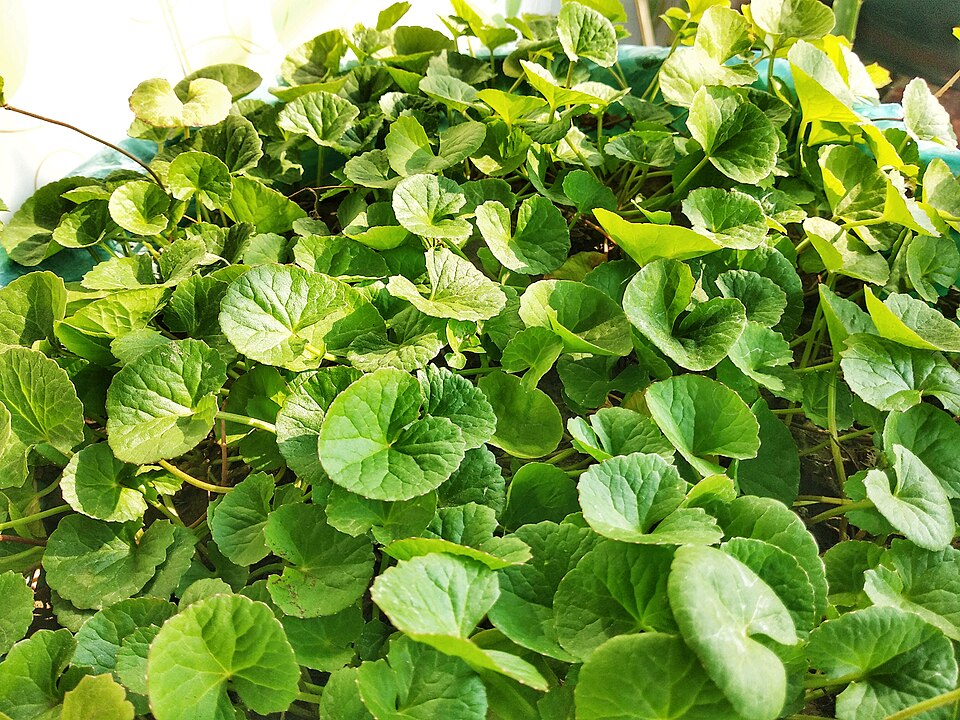
Centella asiatica, widely recognized as Indian Pennywort or Gotu Kola, is a diminutive, perennial herbaceous plant belonging to the Apiaceae family, a diverse group known for many aromatic herbs.
A good article on Pennywort should not stop at one-line claims. Readers need taxonomy, habitat, safety, cultivation, and evidence in the same place so they can make sound decisions.
The aim is simple: make the article detailed enough for serious readers while keeping the structure clear enough for fast scanning and confident decision-making.
- Centella asiatica, or Pennywort, is a revered herb known for enhancing wound healing and collagen production.
- It significantly supports cognitive function, improving memory and reducing anxiety.
- Beneficial for vascular health, particularly in managing chronic venous insufficiency and varicose veins.
- Contains powerful triterpenoids (asiaticoside, madecassoside) responsible for its therapeutic effects.
- Widely used in traditional medicine systems like Ayurveda and TCM for its adaptogenic and neuroprotective properties.
- Available in various forms, including teas, extracts, capsules, and topical creams for diverse applications.
- Requires careful consideration of dosage and potential side effects, especially for liver health and drug interactions.
Botanical Profile & Taxonomy
Pennywort should be anchored to the correct taxonomic identity before any discussion of care, use, or safety begins.
| Common name | Pennywort |
|---|---|
| Scientific name | Centella asiatica (L.) Urb. |
| Family | Apiaceae |
| Order | Apiales |
| Genus | Centella |
| Species epithet | asiatica (L.) Urb. |
| Author citation | (L.) Urb. |
| Basionym | Hydrocotyle asiatica L. |
| Synonyms | Hydrocotyle abyssinica Gand., Centella asiatica f. crispata (Maxim.) H.Hara, Centella asiatica var. asiatica, Centella asiatica subsp. floridana (J.M.Coult. & Rose) J.M.Coult. & Rose, Centella repanda subsp. floridana Small, Chondrocarpus erectus S.Watson, Chondrocarpus asiaticus (L.) Nutt., Centella boninensis Nakai ex Tuyama, Chondrocarpus triflorus (Ruiz & Pav.) Nutt., Centella boninensis Nakai, Glyceria asiatica (L.) Nutt., Centella asiatica var. cristata Makino |
| Common names | আমা, Pennywort, Gotu Kola, Indian Pennywort, Asiatic Pennywort, Brahmi, गोटू कोला, ब्राह्मी |
| Local names | Gotu Cola, Sofini voalavo, Bua bok, Myin-khwa, asiatisches Sumpfpfennigkraut, centella, Cochléaria, Cocaria, Cochléaria du pays, Cochléria., Asiatic pennywort, Phak nok, Hkwa-rwak-ping, asiaskjoldblad, Kiola tuti |
| Origin | Southeast Asia (India, Sri Lanka, Indonesia, Malaysia, Thailand, Vietnam, Philippines) |
| Life cycle | Annual or perennial |
| Growth habit | s | Forb/herb<br>Subshrub | |
Using the accepted scientific name Centella asiatica (L.) Urb. helps readers avoid confusion caused by old synonyms, loose common names, or inconsistent plant labels.
Family and order placement also matter because they explain recurring structural traits, likely relatives, and the kinds of mistakes readers often make when they rely on appearance alone.
Physical Description & Morphology
Microscopic or internal identification notes deepen the picture, especially for processed material: Trichomes are generally absent or very sparse on the leaf surfaces, contributing to the smooth, slightly glossy texture. If present, they are. Anomocytic stomata are commonly observed on both the adaxial (upper) and abaxial (lower) leaf surfaces, though they may be more prevalent on the. Calcium oxalate crystals, particularly rosette aggregates and prismatic crystals, are present in the parenchymatous cells of the leaf and stem.
In overall habit, the plant is described as s | Forb/herb<br>Subshrub | with a mature height around Typically 0.2-1.5 m and spread of Typically 0.2-1 m.
In real-world identification, the most helpful approach is to read the plant as a whole. Habit, size, stem texture, leaf arrangement, flower form, and any distinctive surface detail all matter. For Pennywort, morphology is not only a descriptive topic; it is the foundation of correct recognition.
Natural Habitat & Distribution
The native or historically recorded center of distribution for Pennywort is Southeast Asia (India, Sri Lanka, Indonesia, Malaysia, Thailand, Vietnam, Philippines). That origin is more than background trivia; it explains how the plant responds to heat, moisture, shade, and seasonal change.
The plant is associated with the following countries or range markers: Africa, Australia, China, India, Indonesia, Japan, Malaysia, Sri Lanka.
Environmental notes in the live record add more context: Tropical and subtropical climate zones. Prefers warm, humid environments. Thrives at altitudes up to 700 meters. Requires sufficient rainfall or consistent irrigation, high humidity (70-90%).
In cultivation terms, the main ecological clues are: Partial Shade; Moderate; Well-drained, moist, rich sandy-loam, pH 6.0-7.0; Species-dependent; often grown in warm seasons; Annual or perennial; s | Forb/herb<br>Subshrub |.
Physiology data reinforce the habitat story: Basal respiration rates are typical for an herbaceous perennial, influenced by temperature and metabolic activity, supporting growth and maintenance. Efficient CO2 uptake and O2 release occur primarily through numerous stomata on both leaf surfaces, facilitating robust photosynthetic activity. Responds to endogenous auxins for root development at nodes, and gibberellins for stem elongation, with cytokinins playing a role in cell division.
Traditional & Cultural Significance
Ayurveda (India): Known as 'Brahmi', highly revered for cognitive enhancement, memory, and nerve tonic. Unani (Traditional Greco-Arabic Medicine): Utilized for its anti-inflammatory and wound-healing properties. Traditional Chinese Medicine (TCM): Used for a wide range of ailments including skin conditions, fever, and internal cleansing. Folklore: Believed to promote longevity, enhance spiritual awareness, and.
Ethnobotanical records also show how this plant has been framed across different places: Ethnobotanical, nutritional, or phytochemical activity reported in related taxa in Andaman Is. Angola; Assam; Bangladesh; Benin; Bismarck Archipelago; Borneo; Botswana; Burkina; Burundi; Cabinda; Cambodia; Cameroon; Cape Provinces; Cape Verde; Caprivi Strip; Caroline Is. Central African Republic; Chad; China North-Central; China South-Central; China Southeast; Comoros; Congo; DR Congo (https://api.gbif.org/v1/species/3034128; https://api.gbif.org/v1/species/3034128/vernacularNames?limit=100; https://api.gbif.org/v1/species/3034128/synonyms?limit=100; https://api.gbif.org/v1/species/3034128/distributions?limit=200; AI heuristic estimate from taxonomy/common-name patterns; verify manually.).
Local names help show how different communities notice and classify the plant: Gotu Cola, Sofini voalavo, Bua bok, Myin-khwa, asiatisches Sumpfpfennigkraut, centella, Cochléaria, Cocaria, Cochléaria du pays, Cochléria., Asiatic pennywort, Phak nok, Hkwa-rwak-ping.
Traditional context matters, but it should always be separated from modern certainty. Historical use can guide questions, yet it does not automatically prove present-day clinical effectiveness.
Medicinal Properties & Health Benefits
The main benefit themes associated with the plant include: Enhanced Wound Healing — Centella asiatica is renowned for its ability to accelerate the healing of wounds, burns, and other skin lesions. Its triterpenoid. Improved Cognitive Function — Traditionally used as a brain tonic, Pennywort has demonstrated neuroprotective effects. It may enhance memory, concentration. Support for Venous Insufficiency — The plant's triterpenes strengthen blood vessel walls and improve microcirculation, making it effective in managing chronic. Anti-inflammatory Properties — Centella asiatica contains compounds that exhibit significant anti-inflammatory activity. These compounds can modulate. Antioxidant Activity — Rich in flavonoids and triterpenoids, Centella asiatica acts as a potent antioxidant, scavenging free radicals and protecting cells. Anxiolytic and Antidepressant Effects — Studies suggest that Pennywort can help reduce anxiety and improve mood by modulating neurotransmitter levels in the. Skin Rejuvenation and Anti-aging — Due to its collagen-stimulating and antioxidant properties, Centella asiatica is widely used in dermatology for its ability. Reduction of Scarring and Stretch Marks — The active compounds promote organized collagen production, which is crucial for preventing hypertrophic scars and.
The evidence matrix gives a more careful picture of those claims: Promotes wound healing and reduces scar formation. Human clinical trials, preclinical studies, meta-analyses. Clinical (Level 1-2). Asiaticoside and madecassoside stimulate collagen synthesis and fibroblast proliferation, crucial for skin repair. Numerous studies support its efficacy in various wound types. Enhances cognitive function and memory. Human clinical trials, animal studies, in vitro. Clinical (Level 2-3). Associated with improved memory, attention, and reduced anxiety. Mechanisms include neuroprotection and increased cerebral blood flow. Meyler's Side Effects of Drugs mentions improvement in cognition and mood. Supports venous health and treats chronic venous insufficiency. Human clinical trials, systematic reviews. Clinical (Level 1-2). Strengthens vascular walls and improves microcirculation, reducing symptoms like edema and pain in CVI and varicose veins. Meyler's Side Effects of Drugs references its use for venous insufficiency. Exhibits anti-inflammatory and antioxidant properties. In vitro, animal studies. Preclinical (Level 3-4). Compounds like triterpenoids and flavonoids scavenge free radicals and modulate inflammatory pathways, offering protective effects against oxidative damage and inflammation. Possesses anxiolytic and mild antidepressant effects. Human clinical trials, animal models. Clinical (Level 2-3). Reported to calm the nervous system, reduce anxiety, and improve mood. May interact with neurotransmitter systems to produce these effects.
The stored evidence confidence for this profile is traditional. That should shape how strongly any benefit statement is interpreted.
For medicinal content, the key discipline is to distinguish traditional use, mechanism-based plausibility, and human clinical support. Those are related ideas, but they are not the same thing.
- Enhanced Wound Healing — Centella asiatica is renowned for its ability to accelerate the healing of wounds, burns, and other skin lesions. Its triterpenoid.
- Improved Cognitive Function — Traditionally used as a brain tonic, Pennywort has demonstrated neuroprotective effects. It may enhance memory, concentration.
- Support for Venous Insufficiency — The plant's triterpenes strengthen blood vessel walls and improve microcirculation, making it effective in managing chronic.
- Anti-inflammatory Properties — Centella asiatica contains compounds that exhibit significant anti-inflammatory activity. These compounds can modulate.
- Antioxidant Activity — Rich in flavonoids and triterpenoids, Centella asiatica acts as a potent antioxidant, scavenging free radicals and protecting cells.
- Anxiolytic and Antidepressant Effects — Studies suggest that Pennywort can help reduce anxiety and improve mood by modulating neurotransmitter levels in the.
- Skin Rejuvenation and Anti-aging — Due to its collagen-stimulating and antioxidant properties, Centella asiatica is widely used in dermatology for its ability.
- Reduction of Scarring and Stretch Marks — The active compounds promote organized collagen production, which is crucial for preventing hypertrophic scars and.
- Adrenal Support and Stress Adaptation — In Ayurvedic medicine, it's considered an adaptogen, helping the body manage stress by supporting adrenal function and.
- Gastroprotective Effects — Research indicates that Centella asiatica may protect the gastric lining from ulcers and inflammation. Its antioxidant and.
Chemical Constituents & Phytochemistry
The broader constituent profile includes Triterpenoid Saponins (Centellosides) — The primary active compounds, including asiaticoside, madecassoside, asiatic. Flavonoids — Quercetin, kaempferol, and their glycosides. These compounds contribute to the plant's antioxidant. Volatile Oils — Comprising beta-caryophyllene, trans-beta-farnesene, and germacrene. These contribute to the plant's. Phytosterols — Beta-sitosterol, stigmasterol, and campesterol. These compounds are known for their anti-inflammatory. Tannins — Gallic acid, ellagic acid. These polyphenolic compounds provide astringent properties, contributing to wound. Amino Acids — Including alanine, serine, aspartic acid, glutamic acid, and threonine. These are fundamental building. Fatty Acids — Linoleic acid, oleic acid, palmitic acid, and stearic acid. These essential fatty acids are crucial for. Vitamins — Ascorbic acid (Vitamin C) and B vitamins. These vitamins are vital cofactors for numerous enzymatic. Mineral Salts — Essential minerals such as potassium, calcium, magnesium, and iron. These micronutrients are critical. Phenolic Acids — Caffeic acid, ferulic acid, chlorogenic acid. These compounds are potent antioxidants and contribute.
The detailed phytochemistry file adds these markers: Asiaticoside, Triterpenoid Saponin, Whole plant (leaves, stems, roots), 0.1-1.5% dry weight; Madecassoside, Triterpenoid Saponin, Whole plant (leaves, stems, roots), 0.05-0.8% dry weight; Asiatic Acid, Triterpenoid, Whole plant, 0.03-0.5% dry weight; Madecassic Acid, Triterpenoid, Whole plant, 0.02-0.4% dry weight; Quercetin, Flavonoid, Leaves, 0.01-0.05% dry weight; Kaempferol, Flavonoid, Leaves, 0.005-0.02% dry weight; Beta-sitosterol, Phytosterol, Whole plant, 0.01-0.03% dry weight; Caffeic Acid, Phenolic Acid, Leaves, 0.005-0.015% dry weight.
Compound profiles also shift with plant part, age, season, processing, and storage. The chemistry of a fresh leaf, dried root, or concentrated extract should never be treated as automatically identical.
How to Use — Preparations & Dosage
Recorded preparation and use methods include Herbal Teas/Infusions — Dried or fresh leaves can be steeped in hot water to create a medicinal tea for internal consumption, often taken for cognitive support or general wellness. Tinctures — Alcohol-based extracts of the plant are prepared for concentrated internal use, allowing for precise dosing and extended shelf life. Encapsulated Powders — Dried and powdered Centella asiatica is often encapsulated for convenient ingestion as a dietary supplement. Topical Creams/Ointments — Extracts are incorporated into creams, gels, and ointments for direct application to the skin to aid wound healing, reduce scarring, and improve skin. Poultices — Fresh, crushed leaves can be applied directly to wounds, burns, or skin irritations as a traditional poultice for localized healing. Fresh Leaf Consumption — In some cultures, fresh Pennywort leaves are consumed raw in salads or as a vegetable, particularly for their nutritional and tonic properties. Juices/Smoothies — Fresh leaves can be blended into juices or smoothies to incorporate their health benefits into the diet. Decoctions — For tougher plant parts or for a more potent extract, boiling the plant material in water for a longer duration creates a decoction.
The plant part most closely linked to use is recorded as Leaves, flowers, roots, seeds, or whole herb cited in related taxa.
Edibility and processing notes matter here as well: Varies by species and plant part; verify before use.
Preparation defines the outcome. Tea, decoction, tincture, powder, fresh plant material, cooked food use, and concentrated extract cannot be discussed as if they were interchangeable.
- Identify the exact species and plant part first.
- Match the preparation to the intended use.
- Check safety, interactions, and processing details before routine use or large-scale handling.
Safety Profile, Side Effects & Contraindications
The first safety note is direct: Low toxicity when consumed in recommended doses. Toxic parts: No specific toxic parts; adverse effects typically stem from high doses or individual sensitivities. Symptoms of high dose toxicity: gastrointestinal upset, drowsiness.
Specific warnings recorded for this plant include Pregnancy and Lactation — Not recommended for use during pregnancy or breastfeeding due to insufficient safety data. Liver Disease — Individuals with pre-existing liver conditions or a history of liver damage should avoid Centella asiatica or use it only under strict medical. Drug Interactions — May interact with sedatives (potentiating effects) and drugs metabolized by the liver (potentially altering their efficacy or increasing. Topical Application — Always perform a patch test on a small area of skin before widespread topical application to check for allergic reactions. Dosage and Duration — Adhere to recommended dosages and avoid prolonged, high-dose use without professional guidance to minimize potential side effects. Children — Use in children should be approached with caution and under the guidance of a qualified healthcare practitioner. Surgery — Discontinue use at least two weeks before scheduled surgery due to potential effects on blood clotting or sedation. Consult a Healthcare Professional — Always consult with a doctor or qualified herbalist before starting any new herbal supplement, especially if you have. Photosensitivity Precaution — Individuals experiencing photosensitivity should avoid excessive sun exposure and use sun protection while using Centella. Contact Dermatitis — Topical application of Centella asiatica can cause allergic contact dermatitis, especially in sensitive individuals or when combined with.
Quality-control notes add another warning: Risk of adulteration with other similar-looking species or less potent Centella species. Microscopic and chromatographic methods are essential for identification.
No plant should be described as universally safe. Identity, dose, plant part, preparation style, age, pregnancy status, medication use, allergies, and contamination risk all change the answer.
Growing & Cultivation Guide

The cultivation record emphasizes these practical steps: Climate Preference — Thrives in tropical and subtropical climates with high humidity and temperatures between 20-30°C (68-86°F). Light Requirements — Prefers partial shade to full sun, but excessive direct sunlight can scorch leaves; ideal is bright, indirect light or morning sun. Soil Conditions — Requires consistently moist, well-draining soil rich in organic matter, with a slightly acidic to neutral pH (5.5-7.0). Watering — Needs frequent watering to keep the soil consistently damp, but avoid waterlogging to prevent root rot. Propagation — Easily propagated from stem cuttings with nodes, which root readily in moist soil or water, or by dividing established clumps. Fertilization — Benefits from light feeding with a balanced liquid fertilizer or compost tea every 4-6 weeks during the growing season. Pests and Diseases — Generally robust, but can be susceptible to aphids, slugs, and fungal issues in overly wet or poorly ventilated conditions.
The broader growth environment is described like this: Tropical and subtropical climate zones. Prefers warm, humid environments. Thrives at altitudes up to 700 meters. Requires sufficient rainfall or consistent irrigation, high humidity (70-90%).
Planning becomes easier when these traits are kept in view: s | Forb/herb<br>Subshrub |; Typically 0.2-1.5 m; Typically 0.2-1 m; Intermediate.
In practice, healthy cultivation comes from systems thinking rather than one-off tricks. Site choice, drainage, timing, spacing, pruning, feeding, and observation all reinforce one another.
Light, Water & Soil Requirements
The most useful care snapshot is this: Light: Partial Shade; Water: Moderate; Soil: Well-drained, moist, rich sandy-loam, pH 6.0-7.0; Temperature: 20-35°C; USDA zone: Species-dependent; often grown in warm seasons.
Outdoors, light, water, and soil must be read together. The same watering schedule can be too much in dense clay and too little in a porous sandy bed.
Light, water, and soil should never be treated as separate checkboxes. A plant in stronger light often dries faster, soil texture changes how quickly water moves, and temperature plus humidity influence how stress appears in leaves and roots.
For Pennywort, the safest care approach is to treat Partial Shade, Moderate, and Well-drained, moist, rich sandy-loam, pH 6.0-7.0 as linked decisions rather than isolated tips. If one condition shifts, the other two usually need to be reconsidered as well.
Propagation Methods
Documented propagation routes include Seeds: Sow fresh seeds thinly on moist soil surface, gently press down, do not cover much as light aids germination. Germination can be slow and erratic.
Propagation works best when the parent stock is healthy, correctly identified, and handled in the right season. That sounds obvious, but it is exactly where many failures begin.
Propagation works best when the reader matches method to biology. Some plants respond readily to cuttings, some to division, some to seed, and others require more patience or more exact seasonal timing.
A successful propagation guide therefore starts with healthy parent material and realistic expectations. Weak stock, rushed handling, and poor aftercare can make even a technically correct method fail.
For Pennywort, the real goal is not simply to produce another plant, but to produce a correctly identified, vigorous, well-established plant that continues growing without hidden stress from the first stage.
Pest & Disease Management
The recorded problem list includes Pests: Aphids, spider mites (rare for healthy outdoor plants). Diseases: Fungal leaf spots if humidity is too high.
For medicinal species, pest pressure is not only a horticultural issue. It also affects harvest cleanliness, storage stability, and confidence in the final material.
The smartest response sequence is observation first, environmental correction second, and treatment only after the real pattern is clear.
Pest and disease management is strongest when it begins before visible damage becomes severe. Routine observation, clean handling, sensible spacing, air movement, and balanced watering reduce many problems before treatment is even needed.
When symptoms do appear on Pennywort, the most reliable response is diagnostic rather than reactive. Yellowing, spots, wilt, chewing, and stunting can all have multiple causes, so a rushed treatment can waste time or worsen the problem.
Harvesting, Storage & Processing
The plant part most often associated with harvest or processing is Leaves, flowers, roots, seeds, or whole herb cited in related taxa.
Storage guidance from the quality-control record reads as follows: Dried herb and extracts should be stored in airtight containers, away from light, moisture, and heat to preserve active constituents.
For medicinal plants, harvesting cannot be separated from processing. The right plant part, the right timing, and the right drying conditions all shape quality and safety.
Whatever the purpose, the rule is the same: harvest clean material, label it clearly, and store it in a way that preserves identity and condition.
Harvest and storage determine whether a plant's quality is preserved after it leaves the bed, pot, field, or wild source. Clean timing, correct plant part selection, and careful drying or handling all matter more than many readers expect.
Companion Planting & Garden Design
Useful companions or placement partners include Mint; Lemon Balm; Watercress; Other moisture-loving herbs.
In a home herb garden or medicinal bed, Pennywort should be placed where harvesting is easy, labeling remains clear, and neighboring plants do not create confusion at collection time.
Companion planting and design are not only aesthetic decisions. They affect airflow, root competition, moisture sharing, harvest access, visibility, and the general logic of the planting scheme.
With Pennywort, good placement means thinking about mature size, maintenance rhythm, and how neighboring plants change the feel and function of the space. A plant can be healthy on its own and still be poorly placed within the broader composition.
That is why the best design advice combines biology with usability. The planting should look coherent, but it should also make watering, pruning, harvest, and pest observation easier rather than harder.
Scientific Research & Evidence Base
The evidence matrix points to several recurring themes: Promotes wound healing and reduces scar formation. Human clinical trials, preclinical studies, meta-analyses. Clinical (Level 1-2). Asiaticoside and madecassoside stimulate collagen synthesis and fibroblast proliferation, crucial for skin repair. Numerous studies support its efficacy in various wound types. Enhances cognitive function and memory. Human clinical trials, animal studies, in vitro. Clinical (Level 2-3). Associated with improved memory, attention, and reduced anxiety. Mechanisms include neuroprotection and increased cerebral blood flow. Meyler's Side Effects of Drugs mentions improvement in cognition and mood. Supports venous health and treats chronic venous insufficiency. Human clinical trials, systematic reviews. Clinical (Level 1-2). Strengthens vascular walls and improves microcirculation, reducing symptoms like edema and pain in CVI and varicose veins. Meyler's Side Effects of Drugs references its use for venous insufficiency. Exhibits anti-inflammatory and antioxidant properties. In vitro, animal studies. Preclinical (Level 3-4). Compounds like triterpenoids and flavonoids scavenge free radicals and modulate inflammatory pathways, offering protective effects against oxidative damage and inflammation. Possesses anxiolytic and mild antidepressant effects. Human clinical trials, animal models. Clinical (Level 2-3). Reported to calm the nervous system, reduce anxiety, and improve mood. May interact with neurotransmitter systems to produce these effects.
Ethnobotanical activity records add historical reference trails: Ethnobotanical, nutritional, or phytochemical activity reported in related taxa — Andaman Is. Angola; Assam; Bangladesh; Benin; Bismarck Archipelago; Borneo; Botswana; Burkina; Burundi; Cabinda; Cambodia; Cameroon; Cape Provinces; Cape Verde; Caprivi Strip; Caroline Is. Central African Republic; Chad; China North-Central; China South-Central; China Southeast; Comoros; Congo; DR Congo [https://api.gbif.org/v1/species/3034128; https://api.gbif.org/v1/species/3034128/vernacularNames?limit=100; https://api.gbif.org/v1/species/3034128/synonyms?limit=100; https://api.gbif.org/v1/species/3034128/distributions?limit=200; AI heuristic estimate from taxonomy/common-name patterns; verify manually.].
The compiled source count behind the live profile is 8. That does not guarantee certainty, but it does suggest the record has been cross-checked beyond a single note.
Analytical testing notes also strengthen the evidence base: HPLC (High-Performance Liquid Chromatography) and HPTLC (High-Performance Thin-Layer Chromatography) are standard methods for quantifying active triterpenoids. GC-MS for volatile.
A careful evidence section should say what is known, what is plausible, and what remains uncertain. Readers are better served by clear limits than by exaggerated confidence.
Buying Guide & Expert Tips
Quality markers worth checking include Asiaticoside, Madecassoside, Asiatic acid, and Madecassic acid are the primary marker compounds for quality assessment, typically quantified to ensure therapeutic efficacy.
Adulteration and substitution risk should not be ignored: Risk of adulteration with other similar-looking species or less potent Centella species. Microscopic and chromatographic methods are essential for identification.
When buying Pennywort, start with verified botanical identity. The label, scientific name, and the source page should agree before you judge price, size, or claimed benefits.
For living plants, inspect roots, stem firmness, foliage health, and early pest signs. For dried or processed material, look for batch clarity, clean aroma, absence of mold, and any sign that the product has been over-processed to disguise poor quality.
Frequently Asked Questions
What is Pennywort best known for?
Centella asiatica, widely recognized as Indian Pennywort or Gotu Kola, is a diminutive, perennial herbaceous plant belonging to the Apiaceae family, a diverse group known for many aromatic herbs.
Is Pennywort beginner-friendly?
That depends on the growing environment and the intended use. Some plants are easy to grow but not simple to use medicinally, while others are the opposite.
How much light does Pennywort need?
Partial Shade
How often should Pennywort be watered?
Moderate
Can Pennywort be propagated at home?
Yes, but the best method depends on whether the species responds best to seed, cuttings, division, offsets, or other propagation routes.
Does Pennywort have safety concerns?
Low toxicity when consumed in recommended doses. Toxic parts: No specific toxic parts; adverse effects typically stem from high doses or individual sensitivities. Symptoms of high dose toxicity: gastrointestinal upset, drowsiness.
What is the biggest mistake people make with Pennywort?
The most common mistake is applying generic advice instead of matching the plant to its real environment, identity, and limits.
Where can I verify more information about Pennywort?
Start with the Flora Medical Global plant profile: https://www.floramedicalglobal.com/plant/hydrocotyle-asiatica-indian-pennywort