
Overview & Introduction
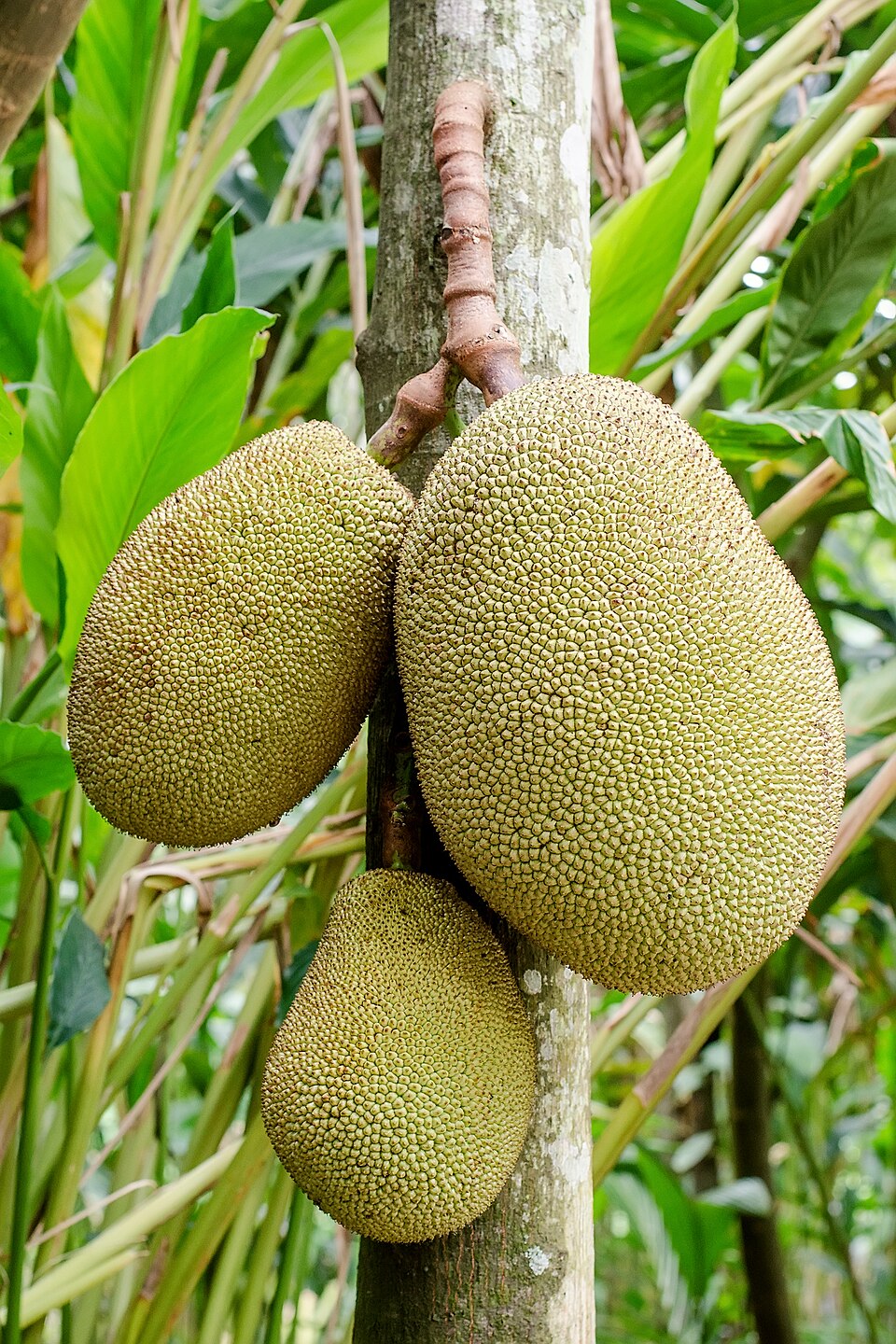
The Jackfruit Tree, scientifically known as Artocarpus heterophyllus, is a majestic evergreen species belonging to the Moraceae family, which also includes mulberries and figs.
A good article on Jackfruit Tree should not stop at one-line claims. Readers need taxonomy, habitat, safety, cultivation, and evidence in the same place so they can make sound decisions.
The aim is simple: make the article detailed enough for serious readers while keeping the structure clear enough for fast scanning and confident decision-making.
- Largest tree-borne fruit, native to South and Southeast Asia.
- Rich in vitamins, minerals, fiber, and antioxidants.
- Supports digestion, immunity, and blood sugar regulation.
- Culinary versatility as a fruit and meat substitute.
- Traditional uses span across various parts of the tree.
- Potential interactions with medications
- Caution advised for allergies.
This guide is designed to help the reader move from scattered facts to practical understanding. Instead of relying on a thin summary, it pulls together the identity, uses, care profile, safety notes, and evidence context around Jackfruit Tree so the article works as a real reference rather than a keyword page.
Botanical Profile & Taxonomy
Jackfruit Tree should be anchored to the correct taxonomic identity before any discussion of care, use, or safety begins.
| Common name | Jackfruit Tree |
|---|---|
| Scientific name | Artocarpus heterophyllus |
| Family | Moraceae |
| Order | Morales |
| Genus | Artocarpus |
| Species epithet | heterophyllus |
| Author citation | Lam. |
| Synonyms | Artocarpus integrifolius, Artocarpus lacucha, Artocarpus chudung, Artocarpus odoratissimus |
| Common names | কাঁঠাল, Jackfruit |
| Local names | Jacquier, jackfruit, Nangka, Mfenesi, jaqueira, Artocarpe à feuilles entières, Jacque, Jacquier, Jaque., jaqueiro, jaca, bo luo mi, jackfrukt, Artocarpe à feuilles entières, Jacquier, Jackfruchtbaum |
| Origin | Asia (India, Southeast Asia) |
| Life cycle | Perennial |
| Growth habit | Tree |
Using the accepted scientific name Artocarpus heterophyllus helps readers avoid confusion caused by old synonyms, loose common names, or inconsistent plant labels.
Family and order placement also matter because they explain recurring structural traits, likely relatives, and the kinds of mistakes readers often make when they rely on appearance alone.
Physical Description & Morphology
A practical reading of the plant starts with visible structure: Leaf: Large, alternate, 10-25 cm long, oblong-obovate, leathery, dark green and glossy above, paler and somewhat hairy beneath, entire margins on mature. Stem: Straight, sturdy trunk with rough, sometimes slightly fissured gray-brown bark. Branches are strong and spreading, forming a dense, rounded crown. Root: Deep taproot system complemented by extensive lateral surface roots, providing strong anchorage and efficient nutrient uptake. Roots can extend. Flower: Monoecious (male and female flowers on the same tree, usually on separate inflorescences). Male flowers are greenish-yellow, smaller, club-shaped or. Fruit: The largest tree-borne fruit, a syncarp (multiple fruit) formed from the fusion of many flowers, 25-90 cm long, 15-50 cm wide, weighing 10-55 kg. Seed: Oval or kidney-shaped, 2-4 cm long, light brown, enclosed within the aril. Contains significant starch and protein. Not typically dispersed by wind.
Microscopic or internal identification notes deepen the picture, especially for processed material: Non-glandular, unicellular or multicellular, unbranched trichomes are observed on both epidermal surfaces, varying in density. Stomata are predominantly anomocytic or paracytic, found mainly on the abaxial (lower) surface of the leaves. Powdered jackfruit material reveals fragments of epidermal cells with stomata, lignified xylem vessels, sclereids, starch grains, and calcium.
In overall habit, the plant is described as Tree with a mature height around 10-20 m and spread of Typically 3-15 m.
Natural Habitat & Distribution
The native or historically recorded center of distribution for Jackfruit Tree is Asia (India, Southeast Asia). That origin is more than background trivia; it explains how the plant responds to heat, moisture, shade, and seasonal change.
The plant is associated with the following countries or range markers: Bangladesh, India.
Environmental notes in the live record add more context: Jackfruit trees thrive in **tropical and subtropical climates** with high humidity. They require: * **Temperature:** Warm temperatures year-round, ideally between 20°C to 30°C (68°F to 86°F). They are sensitive to frost and can be damaged by temperatures below 0°C (32°F). * **Sunlight:** Full sun is essential for healthy growth and abundant fruiting.
In cultivation terms, the main ecological clues are: Full Sun; Weekly; Well-drained sandy loam or alluvial soil, pH 6.0-7.5; 10-11; Perennial; Tree.
Physiology data reinforce the habitat story: Tolerant to a range of soil pH but sensitive to frost and waterlogging, which can cause root rot and leaf necrosis. C3 photosynthesis High transpiration rates in humid tropical environments; sensitive to drought stress impacting fruit yield.
Traditional & Cultural Significance
In Ayurveda, the jackfruit (Panasa) is classified as 'Sheet Virya' (cooling potency) and is considered 'Guru' (heavy to digest) and 'Snigdha' (unctuous). Unripe fruit is 'Grahi' (absorbent) and used for diarrhea, while ripe fruit is 'Brmhana' (nutritive, tissue-building). The seeds are considered aphrodisiac and nourishing. In Bengali culture, jackfruit is revered as the 'national fruit of Bangladesh' and is often.
Ethnobotanical records also show how this plant has been framed across different places: Astringent in Turkey (Steinmetz, E.F. 1957. codex Vegetabilis. Published by the author, Amsterdam.); Caries in India(Santal) (Duke, 1992 *); Demulcent in Turkey (Steinmetz, E.F. 1957. codex Vegetabilis. Published by the author, Amsterdam.); Laxative in Africa (Liogier, Alain Henri. 1974. Diccionario Botanico de Nombres Vulgares de la Espanola. Universidad Nacional Pedro Henriquez Urena, Santo Domingo.); Laxative in Turkey (Steinmetz, E.F. 1957. codex Vegetabilis. Published by the author, Amsterdam.); Leprosy in Africa (Liogier, Alain Henri. 1974. Diccionario Botanico de Nombres Vulgares de la Espanola. Universidad Nacional Pedro Henriquez Urena, Santo Domingo.); Liqueur in Elsewhere (Duke, 1992 *); Puerperium in India(Santal) (Duke, 1992 *).
Local names help show how different communities notice and classify the plant: Jacquier, jackfruit, Nangka, Mfenesi, jaqueira, Artocarpe à feuilles entières, Jacque, Jacquier, Jaque., jaqueiro, jaca, bo luo mi, jackfrukt.
Traditional context matters, but it should always be separated from modern certainty. Historical use can guide questions, yet it does not automatically prove present-day clinical effectiveness.
Medicinal Properties & Health Benefits
The main benefit themes associated with the plant include: Antioxidant Properties — Rich in carotenoids, flavonoids, and vitamin C, jackfruit helps neutralize free radicals, reducing oxidative stress and lowering the. Anti-inflammatory Effects — Compounds like flavonoids and lignans found in jackfruit exhibit anti-inflammatory actions, potentially alleviating symptoms of. Immune System Support — High vitamin C content supports immune cell function, enhancing the body's defense against infections and promoting overall immune. Digestive Health — The significant dietary fiber content in jackfruit promotes healthy bowel movements, prevents constipation, and supports a balanced gut. Blood Sugar Regulation — Jackfruit's moderate glycemic index and fiber content can aid in slower glucose absorption, contributing to better blood sugar. Cardiovascular Health — Potassium, fiber, and antioxidants contribute to maintaining healthy blood pressure, reducing cholesterol levels, and supporting. Skin Health Promotion — Antioxidants and vitamin C in jackfruit contribute to collagen synthesis, protecting skin from damage and promoting a healthy. Bone Health Support — Contains essential minerals like magnesium and calcium, which are crucial for bone density and strength, helping to prevent osteoporosis.
The evidence matrix gives a more careful picture of those claims: Jackfruit aids in blood sugar regulation. In vitro and animal studies, some human observational data. Moderate. Unripe jackfruit's fiber and lower glycemic index contribute to this effect. Jackfruit exhibits antioxidant properties. In vitro assays, phytochemical analysis. Strong. Rich in carotenoids and phenolic compounds that scavenge free radicals. Jackfruit leaves have antimicrobial activity. In vitro studies. Limited. Extracts show activity against certain bacteria and fungi in laboratory settings. Jackfruit supports digestive health. Nutritional analysis, general dietary fiber benefits. Strong. High dietary fiber content promotes regular bowel movements and gut health.
The stored evidence confidence for this profile is ai_generated. That should shape how strongly any benefit statement is interpreted.
For non-medicinal or mostly ornamental contexts, the safest approach is to keep the claims modest. A plant may still be valuable ecologically, visually, or culturally without being promoted as a treatment.
- Antioxidant Properties — Rich in carotenoids, flavonoids, and vitamin C, jackfruit helps neutralize free radicals, reducing oxidative stress and lowering the.
- Anti-inflammatory Effects — Compounds like flavonoids and lignans found in jackfruit exhibit anti-inflammatory actions, potentially alleviating symptoms of.
- Immune System Support — High vitamin C content supports immune cell function, enhancing the body's defense against infections and promoting overall immune.
- Digestive Health — The significant dietary fiber content in jackfruit promotes healthy bowel movements, prevents constipation, and supports a balanced gut.
- Blood Sugar Regulation — Jackfruit's moderate glycemic index and fiber content can aid in slower glucose absorption, contributing to better blood sugar.
- Cardiovascular Health — Potassium, fiber, and antioxidants contribute to maintaining healthy blood pressure, reducing cholesterol levels, and supporting.
- Skin Health Promotion — Antioxidants and vitamin C in jackfruit contribute to collagen synthesis, protecting skin from damage and promoting a healthy.
- Bone Health Support — Contains essential minerals like magnesium and calcium, which are crucial for bone density and strength, helping to prevent osteoporosis.
- Antimicrobial Activity — Extracts from various parts of the jackfruit tree, particularly the leaves, have shown in vitro activity against certain bacteria and.
- Anti-cancer Potential — Lignans, isoflavones, and saponins present in jackfruit have demonstrated anti-proliferative effects against certain cancer cell lines.
Chemical Constituents & Phytochemistry
The broader constituent profile includes Carotenoids — Beta-carotene, lutein, and zeaxanthin are potent antioxidants, contributing to eye health and reducing. Flavonoids — Quercetin, rutin, and kaempferol provide antioxidant, anti-inflammatory, and anti-cancer properties. Phenolic Acids — Gallic acid, caffeic acid, and ferulic acid contribute to the fruit's antioxidant capacity and. Lignans — Secoisolariciresinol and matairesinol are phytoestrogens with potential anti-cancer and cardiovascular. Saponins — Triterpenoid saponins found in leaves and seeds exhibit antimicrobial and cholesterol-lowering activities. Tannins — Present in bark and leaves, tannins possess astringent and antimicrobial properties, traditionally used for. Vitamins — High levels of Vitamin C (ascorbic acid) and B vitamins (B1, B2, B3, B6, folate) support metabolism and. Minerals — Significant amounts of potassium, magnesium, calcium, iron, and phosphorus are crucial for various. Dietary Fiber — Both soluble and insoluble fibers are abundant, aiding digestion and blood sugar regulation. Glycosides — Various glycosides, including cyanogenic glycosides in seeds (requiring cooking), contribute to diverse.
The detailed phytochemistry file adds these markers: Beta-carotene, Carotenoid, Fruit pulp, 200-500µg/100g; Quercetin, Flavonoid, Leaves, fruit pulp, 10-50mg/100g (in leaves); Gallic acid, Phenolic acid, Leaves, bark, 5-30mg/100g (in leaves); Potassium, Mineral, Fruit pulp, 300-500mg/100g; Dietary Fiber, Polysaccharide, Fruit pulp, 3-4g/100g; Vitamin C (Ascorbic Acid), Vitamin, Fruit pulp, 10-20mg/100g.
Local chemistry records also support the profile: ASCORBIC-ACID in Fruit (45.0-435.0 ppm); URSOLIC-ACID in Root (not available-not available ppm); ZINC in Fruit (4.0-16.0 ppm); MAGNESIUM in Fruit (370.0-1380.0 ppm); BETA-CAROTENE in Fruit (0.2-8.0 ppm); NIACIN in Fruit (4.0-15.0 ppm); TANNIN in Bark (not available-33000.0 ppm); THIAMIN in Fruit (0.3-3.0 ppm).
Compound profiles also shift with plant part, age, season, processing, and storage. The chemistry of a fresh leaf, dried root, or concentrated extract should never be treated as automatically identical.
How to Use — Preparations & Dosage
Recorded preparation and use methods include Fresh Fruit Consumption — Ripe jackfruit bulbs can be eaten raw, providing a sweet, tropical flavor for snacks or desserts. Culinary Meat Substitute — Unripe green jackfruit is boiled and shredded, then seasoned and cooked as a versatile vegan alternative to meat in curries, tacos, and stir-fries. Seed Preparation — Jackfruit seeds are edible after cooking; they can be boiled, roasted, or ground into flour, offering a nutty flavor. Leaf Tea — Dried jackfruit leaves are steeped to make a tea traditionally used for blood sugar management and anti-inflammatory purposes. Bark Decoction — Bark is traditionally boiled to create a decoction used for treating various ailments, including skin conditions and digestive issues. Topical Application — The milky latex from the fruit or tree is applied topically to minor cuts, wounds, or skin irritations for its antiseptic properties. Medicinal Extracts — Concentrated extracts from leaves, bark, or roots are used in traditional systems for targeted therapeutic effects.
The plant part most closely linked to use is recorded as Leaves, bark, fruit, or seeds commonly cited in related taxa.
Edibility and processing notes matter here as well: Edible.
For garden-focused readers, this section often overlaps with practical garden use: cut flowers, pollinator support, habitat value, decorative placement, culinary handling, or any carefully documented traditional application.
- Identify the exact species and plant part first.
- Match the preparation to the intended use.
- Check safety, interactions, and processing details before routine use or large-scale handling.
Safety Profile, Side Effects & Contraindications
The first safety note is direct: No known significant toxicity for humans when consuming fruit, seeds, and traditionally prepared leaves or bark extracts. The latex, abundant in unripe fruit and tree parts, can cause skin irritation or allergic reactions in sensitive.
Specific warnings recorded for this plant include Moderation is Key — Consume jackfruit in moderate amounts, especially when using it for medicinal purposes, to avoid adverse effects. Allergy Caution — Individuals with known allergies to latex or birch pollen should exercise caution or avoid jackfruit. Diabetes Management — Diabetics should monitor blood glucose levels closely if consuming jackfruit, especially in medicinal quantities, due to its. Surgical Patients — Discontinue jackfruit consumption at least two weeks before scheduled surgery due to potential blood clotting interference. Pregnancy/Breastfeeding — Limited safety data; pregnant or lactating women should consult a healthcare provider before using medicinal doses. Quality and Purity — Ensure jackfruit and its products are sourced from reputable suppliers to avoid contamination or adulteration. Topical Use — Perform a patch test before extensive topical application of latex or extracts to check for skin sensitivity. Allergic Reactions — Individuals sensitive to birch pollen or latex may experience allergic reactions (oral allergy syndrome). Blood Coagulation — High doses of jackfruit extracts might interfere with blood clotting, potentially problematic for those on anticoagulants.
Quality-control notes add another warning: Low risk for whole fruit; higher for processed products like flours or extracts if not properly identified.
No plant should be described as universally safe. Identity, dose, plant part, preparation style, age, pregnancy status, medication use, allergies, and contamination risk all change the answer.
Growing & Cultivation Guide
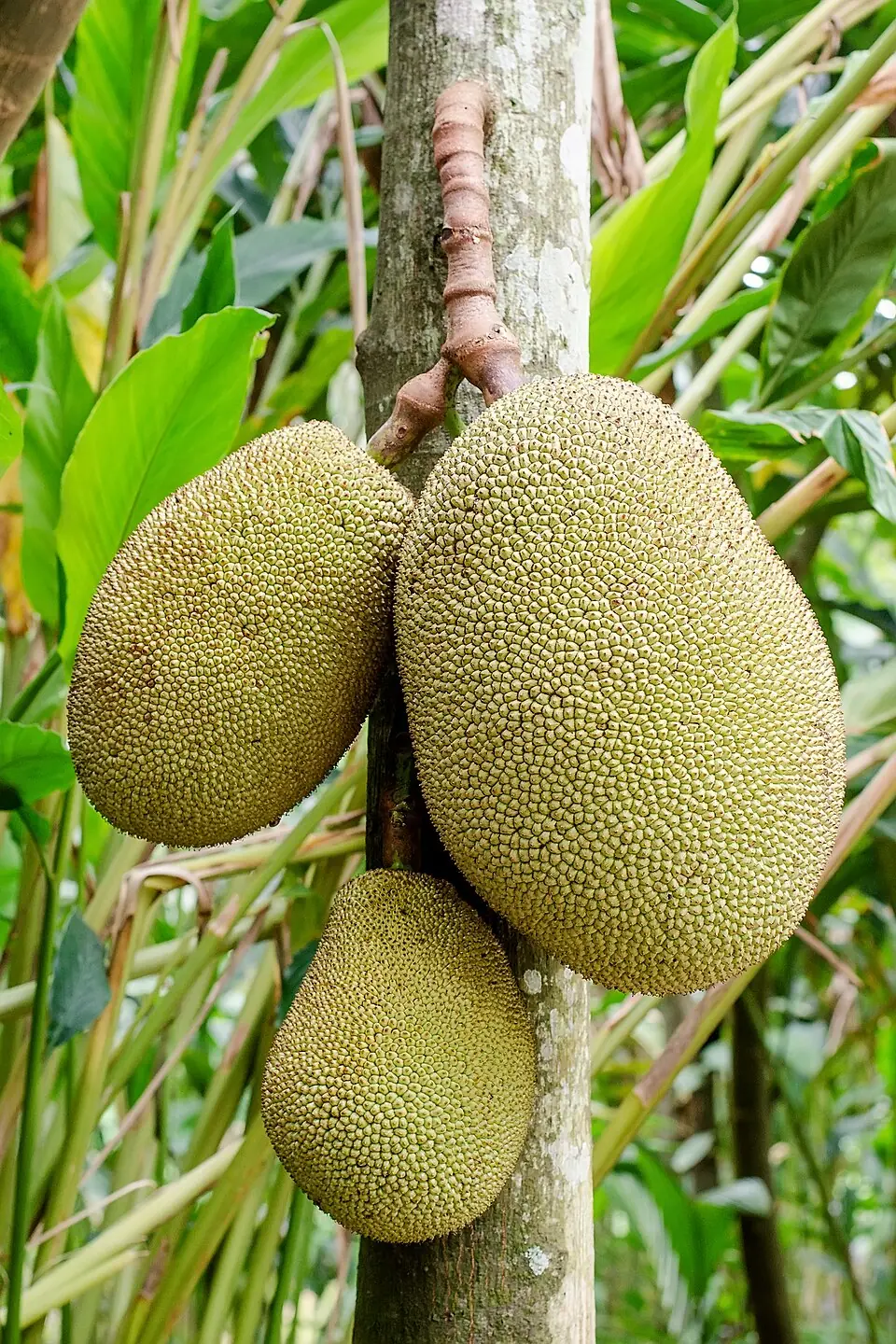
The cultivation record emphasizes these practical steps: Optimal Climate — Thrives in warm, humid tropical conditions (USDA zones 10-12) with temperatures between 70-90°F (21-32°C). Sunlight Requirement — Requires full sun exposure, at least six hours daily, for robust growth and fruit production. Soil Preference — Prefers loamy, moist, well-drained soil with a pH range of 6-7 (slightly acidic to neutral). Watering — Needs consistent moisture, especially during establishment; avoid waterlogging to prevent root rot. Fertilization — Fertilize twice yearly in spring and fall with a slow-release granular fertilizer, supplemented with annual compost. Propagation — Commonly propagated by grafting or fresh seeds; stem cuttings are less successful but possible with rooting hormone.
The broader growth environment is described like this: Jackfruit trees thrive in **tropical and subtropical climates** with high humidity. They require: * **Temperature:** Warm temperatures year-round, ideally between 20°C to 30°C (68°F to 86°F). They are sensitive to frost and can be damaged by temperatures below 0°C (32°F). * **Sunlight:** Full sun is essential for healthy growth and abundant fruiting.
Planning becomes easier when these traits are kept in view: Tree; 10-20 m; Typically 3-15 m; Moderate; Intermediate.
In practice, healthy cultivation comes from systems thinking rather than one-off tricks. Site choice, drainage, timing, spacing, pruning, feeding, and observation all reinforce one another.
Light, Water & Soil Requirements
The most useful care snapshot is this: Light: Full Sun; Water: Weekly; Soil: Well-drained sandy loam or alluvial soil, pH 6.0-7.5; Temperature: 20-35°C; USDA zone: 10-11.
Outdoors, light, water, and soil must be read together. The same watering schedule can be too much in dense clay and too little in a porous sandy bed.
| Light | Full Sun |
|---|---|
| Water | Weekly |
| Soil | Well-drained sandy loam or alluvial soil, pH 6.0-7.5 |
| Temperature | 20-35°C |
| USDA zone | 10-11 |
Light, water, and soil should never be treated as separate checkboxes. A plant in stronger light often dries faster, soil texture changes how quickly water moves, and temperature plus humidity influence how stress appears in leaves and roots.
For Jackfruit Tree, the safest care approach is to treat Full Sun, Weekly, and Well-drained sandy loam or alluvial soil, pH 6.0-7.5 as linked decisions rather than isolated tips. If one condition shifts, the other two usually need to be reconsidered as well.
Microclimate matters too. Indoors, room placement and airflow can matter as much as window exposure. Outdoors, reflected heat, slope, mulch, and nearby plants can change how 20-35°C and humidity that matches the plant type are actually experienced at plant level.
Propagation Methods
Documented propagation routes include ["Seed propagation: Seeds from ripe fruit can be sown immediately or stored for a short period. Germination rates are usually high.", "Grafting: Budding and.
Propagation works best when the parent stock is healthy, correctly identified, and handled in the right season. That sounds obvious, but it is exactly where many failures begin.
- ["Seed propagation: Seeds from ripe fruit can be sown immediately or stored for a short period. Germination rates are usually high.", "Grafting: Budding and.
Propagation works best when the reader matches method to biology. Some plants respond readily to cuttings, some to division, some to seed, and others require more patience or more exact seasonal timing.
A successful propagation guide therefore starts with healthy parent material and realistic expectations. Weak stock, rushed handling, and poor aftercare can make even a technically correct method fail.
Pest & Disease Management
The recorded problem list includes Common pests: Fruit flies (Bactrocera dorsalis) lay eggs in mature fruits, leading to larval infestation. Solutions:.
Garden problems are often ecological rather than mysterious. Crowding, poor airflow, overwatering, wrong siting, and delayed observation create the conditions that pests and disease exploit.
The smartest response sequence is observation first, environmental correction second, and treatment only after the real pattern is clear.
- Common pests: Fruit flies (Bactrocera dorsalis) lay eggs in mature fruits, leading to larval infestation. Solutions:.
Pest and disease management is strongest when it begins before visible damage becomes severe. Routine observation, clean handling, sensible spacing, air movement, and balanced watering reduce many problems before treatment is even needed.
When symptoms do appear on Jackfruit Tree, the most reliable response is diagnostic rather than reactive. Yellowing, spots, wilt, chewing, and stunting can all have multiple causes, so a rushed treatment can waste time or worsen the problem.
Harvesting, Storage & Processing
The plant part most often associated with harvest or processing is Leaves, bark, fruit, or seeds commonly cited in related taxa.
Storage guidance from the quality-control record reads as follows: Fresh fruit has a limited shelf life; processed forms (dried, frozen, extracts) require proper packaging to prevent degradation of active compounds.
For a garden-focused plant, harvesting may mean seed collection, cut stems, flowers, foliage, or propagation material rather than edible or medicinal processing.
Whatever the purpose, the rule is the same: harvest clean material, label it clearly, and store it in a way that preserves identity and condition.
Harvest and storage determine whether a plant's quality is preserved after it leaves the bed, pot, field, or wild source. Clean timing, correct plant part selection, and careful drying or handling all matter more than many readers expect.
For Jackfruit Tree, this means the reader should think beyond collection. Material that is poorly labeled, overheated, damp in storage, or mixed with the wrong part of the plant can quickly lose value or create confusion later.
Companion Planting & Garden Design
Useful companions or placement partners include Mango; Coconut; Papaya; Starfruit; Amla.
In a garden border or planting plan, Jackfruit Tree is easiest to use well when exposure, soil rhythm, and seasonal sequence are matched rather than improvised.
- Mango
- Coconut
- Papaya
- Starfruit
- Amla
Companion planting and design are not only aesthetic decisions. They affect airflow, root competition, moisture sharing, harvest access, visibility, and the general logic of the planting scheme.
With Jackfruit Tree, good placement means thinking about mature size, maintenance rhythm, and how neighboring plants change the feel and function of the space. A plant can be healthy on its own and still be poorly placed within the broader composition.
That is why the best design advice combines biology with usability. The planting should look coherent, but it should also make watering, pruning, harvest, and pest observation easier rather than harder.
Scientific Research & Evidence Base
The evidence matrix points to several recurring themes: Jackfruit aids in blood sugar regulation. In vitro and animal studies, some human observational data. Moderate. Unripe jackfruit's fiber and lower glycemic index contribute to this effect. Jackfruit exhibits antioxidant properties. In vitro assays, phytochemical analysis. Strong. Rich in carotenoids and phenolic compounds that scavenge free radicals. Jackfruit leaves have antimicrobial activity. In vitro studies. Limited. Extracts show activity against certain bacteria and fungi in laboratory settings. Jackfruit supports digestive health. Nutritional analysis, general dietary fiber benefits. Strong. High dietary fiber content promotes regular bowel movements and gut health.
Ethnobotanical activity records add historical reference trails: Astringent — Turkey [Steinmetz, E.F. 1957. codex Vegetabilis. Published by the author, Amsterdam.]; Caries — India(Santal) [Duke, 1992 *]; Demulcent — Turkey [Steinmetz, E.F. 1957. codex Vegetabilis. Published by the author, Amsterdam.]; Laxative — Africa [Liogier, Alain Henri. 1974. Diccionario Botanico de Nombres Vulgares de la Espanola. Universidad Nacional Pedro Henriquez Urena, Santo Domingo.]; Laxative — Turkey [Steinmetz, E.F. 1957. codex Vegetabilis. Published by the author, Amsterdam.]; Leprosy — Africa [Liogier, Alain Henri. 1974. Diccionario Botanico de Nombres Vulgares de la Espanola. Universidad Nacional Pedro Henriquez Urena, Santo Domingo.].
Analytical testing notes also strengthen the evidence base: HPLC-UV for phenolic compounds, spectrophotometry for carotenoids, and microscopy for botanical identification.
A careful evidence section should say what is known, what is plausible, and what remains uncertain. Readers are better served by clear limits than by exaggerated confidence.
Evidence note: this section blends the live plant record, local ethnobotanical activity data, chemistry records, and the linked Flora Medical Global plant profile for Jackfruit Tree.
Buying Guide & Expert Tips
Quality markers worth checking include Beta-carotene, quercetin, and gallic acid can serve as chemical markers for identity and purity.
Adulteration and substitution risk should not be ignored: Low risk for whole fruit; higher for processed products like flours or extracts if not properly identified.
When buying Jackfruit Tree, start with verified botanical identity. The label, scientific name, and the source page should agree before you judge price, size, or claimed benefits.
For living plants, inspect roots, stem firmness, foliage health, and early pest signs. For dried or processed material, look for batch clarity, clean aroma, absence of mold, and any sign that the product has been over-processed to disguise poor quality.
Buying advice should begin with identity. The label, scientific name, visible condition, and seller credibility should agree before price or convenience becomes the deciding factor.
Frequently Asked Questions
What is Jackfruit Tree best known for?
The Jackfruit Tree, scientifically known as Artocarpus heterophyllus, is a majestic evergreen species belonging to the Moraceae family, which also includes mulberries and figs.
Is Jackfruit Tree beginner-friendly?
That depends on the growing environment and the intended use. Some plants are easy to grow but not simple to use medicinally, while others are the opposite.
How much light does Jackfruit Tree need?
Full Sun
How often should Jackfruit Tree be watered?
Weekly
Can Jackfruit Tree be propagated at home?
Yes, but the best method depends on whether the species responds best to seed, cuttings, division, offsets, or other propagation routes.
Does Jackfruit Tree have safety concerns?
No known significant toxicity for humans when consuming fruit, seeds, and traditionally prepared leaves or bark extracts. The latex, abundant in unripe fruit and tree parts, can cause skin irritation or allergic reactions in sensitive.
What is the biggest mistake people make with Jackfruit Tree?
The most common mistake is applying generic advice instead of matching the plant to its real environment, identity, and limits.
Where can I verify more information about Jackfruit Tree?
Start with the Flora Medical Global plant profile: https://www.floramedicalglobal.com/garden-plants/jackfruit-tree
Why do sources sometimes disagree about Jackfruit Tree?
Different references may use different synonyms, plant parts, cultivation conditions, or evidence standards. That is why taxonomy and source quality both matter.
Trusted Scientific References & Further Reading
Authoritative sources and related guides:
- Wikipedia — background reference
- PubMed — peer-reviewed studies
- Kew POWO — botanical reference
- NCBI PMC — open-access research
- WHO — global health authority