
Overview & Introduction
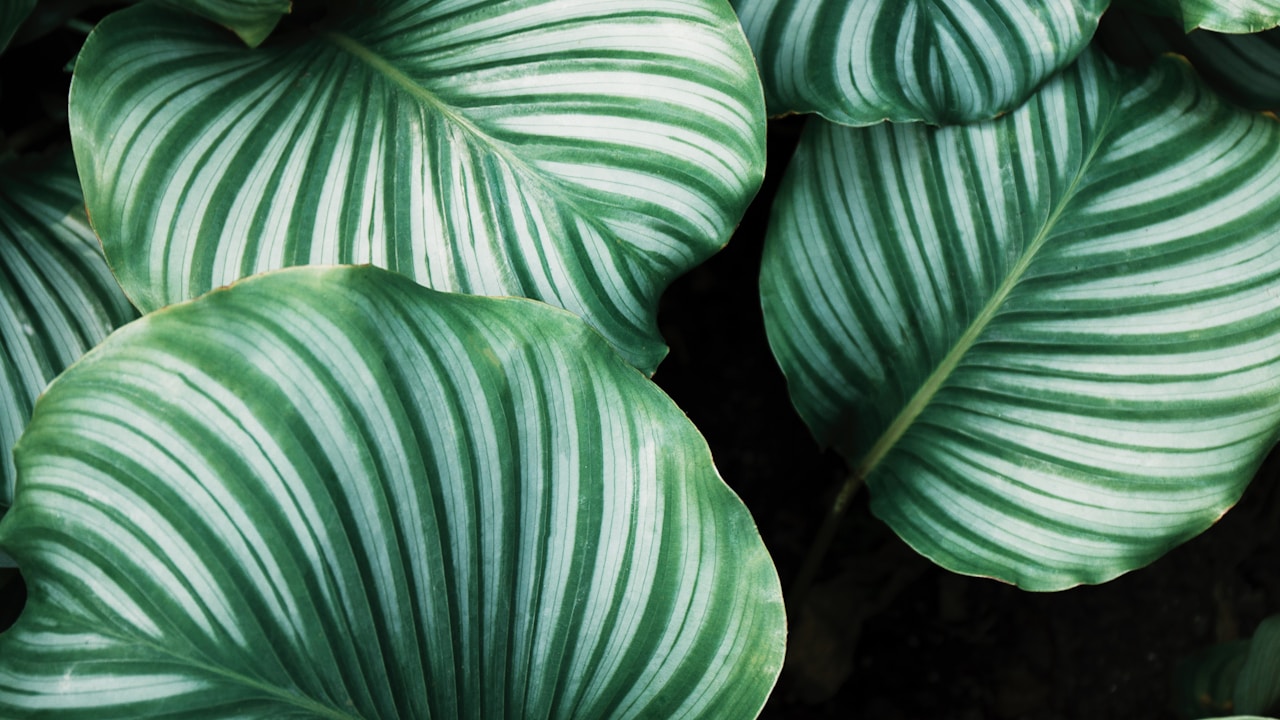
Jamaican Dogwood, scientifically known as Piscidia piscipula, is a medium-sized, deciduous tree belonging to the Fabaceae family, commonly recognized as the pea or legume family.
A good article on Jamaican Dogwood should not stop at one-line claims. Readers need taxonomy, habitat, safety, cultivation, and evidence in the same place so they can make sound decisions.
The aim is simple: make the article detailed enough for serious readers while keeping the structure clear enough for fast scanning and confident decision-making.
- Jamaican Dogwood (Piscidia piscipula) is a potent, traditionally used medicinal plant from the Caribbean.
- Historically valued for its analgesic, sedative, and antispasmodic properties, particularly for pain, insomnia, and nervous tension.
- Contains powerful phytochemicals, including isoflavones and rotenoids, responsible for its actions.
- Critically, it is considered LIKELY UNSAFE when taken orally due to its inherent toxicity.
- Severe side effects include numbness, tremors, excessive salivation, sweating, and dangerous central nervous system depression.
- Strictly contraindicated in pregnancy, breastfeeding, children, the elderly, and prior to surgery.
- Interacts negatively with sedative medications, increasing risks of respiratory depression.
- Modern scientific evidence for safe and effective human use is lacking, making self-medication highly dangerous.
Botanical Profile & Taxonomy
Jamaican Dogwood should be anchored to the correct taxonomic identity before any discussion of care, use, or safety begins.
| Common name | Jamaican Dogwood |
|---|---|
| Scientific name | Piscidia piscipula |
| Family | Fabaceae |
| Order | Fabales |
| Genus | Piscidia |
| Species epithet | piscipula |
| Author citation | Central America |
| Basionym | Erythrina piscipula L. |
| Synonyms | Erythrina piscidioides Sweet(https://www.gbif.org/species/5629868)Erythrina. |
| Common names | জামাইকান ডগউড, পিসিডিয়া পিসিপুলা, Jamaican Dogwood, Fish Poison Tree |
| Origin | North America (Caribbean: Jamaica, Florida) |
| Life cycle | Perennial |
| Growth habit | Tree |
Using the accepted scientific name Piscidia piscipula helps readers avoid confusion caused by old synonyms, loose common names, or inconsistent plant labels.
Family and order placement also matter because they explain recurring structural traits, likely relatives, and the kinds of mistakes readers often make when they rely on appearance alone.
Correct naming is not a small detail. A plant can collect multiple common names, outdated synonyms, and marketing labels over time, so using Piscidia piscipula consistently reduces the risk of confusion, bad care advice, and even safety mistakes.
Physical Description & Morphology
A practical reading of the plant starts with visible structure: Leaf: Leaves are pinnate, measuring 4-10 cm in length, with 5-9 leaflets per leaf; leaflets are lanceolate, 4-6 cm long, green above and pale green. Stem: The stem is cylindrical, with a brownish-grey color and smooth texture; it exhibits a branching pattern that is moderate, developing a rounded canopy. Root: Jamaican Dogwood has a taproot system that extends deeply into the soil; roots can reach depths of over 60 cm, with fibrous lateral roots. Flower: Flowers are small, white to cream-colored, arranged in panicles, appearing in spring; each flower is about 1-2 cm wide, with a tubular shape. Fruit: The fruit is a slender pod, 5-10 cm long, that matures to a light brown with multiple flattened seeds inside; the fruits are not typically consumed. Seed: Seeds are flat and oval, measuring approximately 1 cm in length, with a dark brown color; they are dispersed by wind once the pods dry and split open.
Microscopic or internal identification notes deepen the picture, especially for processed material: Trichomes (hairs) are generally absent on the surface of mature root bark. Any observed epidermal appendages would be remnants from younger tissues. Stomata are absent in the mature root bark, as it is a subterranean or sub-cortical tissue. However, lenticels, which are porous areas in the. Abundant calcium oxalate crystals are present, predominantly as prismatic crystals within idioblastic parenchyma cells, and occasionally as druses.
In overall habit, the plant is described as Tree with a mature height around Typically 5-25 m and spread of Typically 3-15 m.
Natural Habitat & Distribution
The native or historically recorded center of distribution for Jamaican Dogwood is North America (Caribbean: Jamaica, Florida). That origin is more than background trivia; it explains how the plant responds to heat, moisture, shade, and seasonal change.
The plant is associated with the following countries or range markers: the [Greater Antilles](https://en).
Environmental notes in the live record add more context: Jamaican Dogwood is ideally suited for a tropical to subtropical climate, thriving in areas with warm temperatures ranging from 20°C to 32°C (68°F to 90°F). It prefers full sun exposure but can tolerate partial shade, particularly in regions with intense sunlight. Soil-wise, Jamaican Dogwood grows well in sandy or loamy soils with a pH ranging from 5.5 to.
In cultivation terms, the main ecological clues are: Full sun to partial shade; Moderate; Well-drained; Usually 5-10; Perennial; Tree.
Physiology data reinforce the habitat story: Basal respiration rates are moderate, influenced by temperature and metabolic activity, contributing to overall carbon balance and energy production. Typical C3 gas exchange characteristics, with CO2 uptake occurring primarily through stomata, influenced by light intensity, temperature, and. Regulated by endogenous plant hormones such as auxins for apical dominance and root development, gibberellins for stem elongation and flowering, and.
Traditional & Cultural Significance
The cultural significance of Jamaican Dogwood (Piscidia piscipula) is deeply rooted in its historical medicinal applications and the evocative folklore surrounding its name. While not a prominent player in the grand pharmacopoeias of Ayurveda or Traditional Chinese Medicine, its impact is undeniable within the folk medicine traditions of the Caribbean and southern North America. Indigenous peoples and early.
Ethnobotanical records also show how this plant has been framed across different places: Ache(Head) in Bahamas (Duke, 1992 *); Analgesic in Mexico (Martinez, Maximino. 1969. Las Plantas Medinales de Mexico.); Analgesic in Mexico (Standley, Paul C. Trees and shrubs of Mexico. Contributions U.S. National Herbarium, vol. 23. Govt. Printing Office, Washington, D.C.); Anodyne in Elsewhere (Duke, 1992 *); Dysmenorrhea in Mexico (Martinez, Maximino. 1969. Las Plantas Medinales de Mexico.); Gestation in Mexico (Martinez, Maximino. 1969. Las Plantas Medinales de Mexico.); Mange in Mexico (Standley, Paul C. Trees and shrubs of Mexico. Contributions U.S. National Herbarium, vol. 23. Govt. Printing Office, Washington, D.C.); Narcotic in Guatemala (Standley, P.C., and J.A. Steyermark. 1952. Flora of Guatemala. Fieldiana Botany, vol, 24, pt. 3. Museum of Natl. History, Chicago.).
Traditional context matters, but it should always be separated from modern certainty. Historical use can guide questions, yet it does not automatically prove present-day clinical effectiveness.
Medicinal Properties & Health Benefits
The main benefit themes associated with the plant include: Analgesic Properties — Traditionally, Jamaican Dogwood has been revered for its potent pain-relieving effects, believed to act on the central nervous system. Sedative and Hypnotic Effects — The plant has been historically used as a natural sedative to promote relaxation and induce sleep. It is thought to exert a. Anti-spasmodic Action — Jamaican Dogwood is traditionally employed to alleviate muscle spasms and cramps. Its constituents are believed to possess properties. Nerve Pain Relief — Due to its purported analgesic and sedative qualities, Piscidia piscipula has been a traditional remedy for neuralgic pain, including. Migraine Management — In traditional herbalism, the bark of Jamaican Dogwood has been applied to help mitigate the severity and frequency of migraine. Insomnia Aid — For individuals struggling with sleep disturbances, particularly those caused by pain or excessive nervous tension, Jamaican Dogwood has been. Anxiety Reduction — Although not its primary modern therapeutic focus, traditional uses include addressing states of anxiety and nervous agitation. The. Anti-inflammatory Support — Some traditional accounts and preliminary research suggest potential anti-inflammatory properties, which could contribute to its.
The evidence matrix gives a more careful picture of those claims: Analgesic (Pain Relief). In vitro / Animal studies (limited), Traditional Use. Low / Traditional. Historically used for nerve pain, migraines, and general aches. Animal studies suggest potential antinociceptive effects, but human clinical data on efficacy and safety is absent. Sedative / Hypnotic. In vitro / Animal studies (limited), Traditional Use. Low / Traditional. Traditionally used to promote sleep and reduce anxiety. Chemical constituents like piscidin are known CNS depressants, but human safety for this effect is highly problematic. Antispasmodic. In vitro / Animal studies (limited), Traditional Use. Low / Traditional. Used for muscle spasms and cramps. Isoflavones have shown spasmolytic activity in isolated tissue models. No human safety or efficacy data. Anti-inflammatory. In vitro (preliminary), Traditional Use (secondary). Very Low / Speculative. Some general anti-inflammatory potential attributed to flavonoids and tannins, but not a primary or well-documented effect in the context of its traditional use or modern research. Fish Poison / Insecticide. Ethnobotanical observation, Chemical analysis, Laboratory studies. High. Well-established traditional use as a fish stupefying agent due to rotenoids. This highlights its potent toxicity and direct impact on biological systems.
The stored evidence confidence for this profile is traditional. That should shape how strongly any benefit statement is interpreted.
For medicinal content, the key discipline is to distinguish traditional use, mechanism-based plausibility, and human clinical support. Those are related ideas, but they are not the same thing.
- Analgesic Properties — Traditionally, Jamaican Dogwood has been revered for its potent pain-relieving effects, believed to act on the central nervous system.
- Sedative and Hypnotic Effects — The plant has been historically used as a natural sedative to promote relaxation and induce sleep. It is thought to exert a.
- Anti-spasmodic Action — Jamaican Dogwood is traditionally employed to alleviate muscle spasms and cramps. Its constituents are believed to possess properties.
- Nerve Pain Relief — Due to its purported analgesic and sedative qualities, Piscidia piscipula has been a traditional remedy for neuralgic pain, including.
- Migraine Management — In traditional herbalism, the bark of Jamaican Dogwood has been applied to help mitigate the severity and frequency of migraine.
- Insomnia Aid — For individuals struggling with sleep disturbances, particularly those caused by pain or excessive nervous tension, Jamaican Dogwood has been.
- Anxiety Reduction — Although not its primary modern therapeutic focus, traditional uses include addressing states of anxiety and nervous agitation. The.
- Anti-inflammatory Support — Some traditional accounts and preliminary research suggest potential anti-inflammatory properties, which could contribute to its.
- Antitussive (Cough Suppressant) — In some traditional systems, Jamaican Dogwood was used to alleviate coughs, particularly those accompanied by irritation or.
- Local Anesthetic — When applied externally in traditional preparations, the plant was sometimes used for its local numbing effect, particularly for toothaches.
Chemical Constituents & Phytochemistry
The broader constituent profile includes Isoflavones — Key compounds include piscidin, jamaicin, and rotenoids, which are largely responsible for the plant's. Rotenoids — Specifically, rotenone and deguelin are present. These compounds are known for their insecticidal. Tannins — These polyphenolic compounds are found in the bark and contribute to its astringent properties. Tannins can. Resins — The bark contains various resins, which often consist of complex mixtures of terpenes and other organic. Volatile Oils — Trace amounts of volatile oils are present, contributing to the plant's distinctive, somewhat. Saponins — These glycosides are present in the plant and can contribute to foaming properties in aqueous extracts. Flavonoids — Beyond isoflavones, other flavonoid classes may be present, offering antioxidant and free radical. Sterols — Plant sterols such as beta-sitosterol are typically found in plant tissues and can have anti-inflammatory. Coumarins — Certain coumarin derivatives might be present, which can have anticoagulant, anti-inflammatory, and. Alkaloids (Trace) — While not a primary class of active compounds, some trace alkaloids might be present, which could.
The detailed phytochemistry file adds these markers: Piscidin, Isoflavone, Root Bark, 0.5-2.0% (w/w); Rotenone, Rotenoid, Root Bark, 0.05-0.3% (w/w); Jamaicin, Isoflavone, Root Bark, 0.1-0.8% (w/w); Deguelin, Rotenoid, Root Bark, 0.01-0.1% (w/w); Beta-sitosterol, Phytosterol, Root Bark, 0.02-0.05% (w/w); Tannins (total), Polyphenols, Root Bark, 3-8% (w/w).
Local chemistry records also support the profile: BETA-SITOSTEROL in Plant (not available-not available ppm); TANNIN in Plant (not available-not available ppm); CITRIC-ACID in Plant (not available-not available ppm); MALIC-ACID in Plant (not available-not available ppm); ROTENONE in Bark (not available-not available ppm); STEARIC-ACID in Plant (not available-not available ppm); GLUCOSE in Plant (not available-not available ppm); SUCCINIC-ACID in Plant (not available-not available ppm).
Compound profiles also shift with plant part, age, season, processing, and storage. The chemistry of a fresh leaf, dried root, or concentrated extract should never be treated as automatically identical.
How to Use — Preparations & Dosage
Recorded preparation and use methods include Decoction (Traditional) — Historically, the dried root bark was boiled in water to create a strong decoction, primarily used for internal analgesic or sedative purposes, often in. Tincture (Traditional/Herbalist) — An alcoholic extract of the root bark was prepared by some herbalists, allowing for a more concentrated form, again, used with extreme caution. Poultice (External, Traditional) — In some folk traditions, crushed root bark was applied externally as a poultice for localized pain, such as toothaches or minor inflammations. Infusion (Limited) — Less common than decoctions due to the bark's hard nature, an infusion might have been prepared with finely powdered bark, but its efficacy and safety are. Powdered Bark (Limited) — Dried and powdered bark was occasionally mixed into other preparations or encapsulated, though precise dosing and safety remain significant challenges. Smoking (Historical) — There are anecdotal accounts of indigenous populations smoking parts of the plant for its narcotic effects, a practice that is highly dangerous and not. Fish Stupefying Agent — Non-medicinal traditional use involved crushing the bark and roots and releasing them into water to temporarily immobilize fish, showcasing its potent. Herbal Combinations (Cautioned) — Traditional herbalists sometimes combined Jamaican Dogwood with other sedative or analgesic herbs, but this practice significantly increases the.
The plant part most closely linked to use is recorded as Leaves, bark, fruit, or seeds commonly cited in related taxa.
Edibility and processing notes matter here as well: Varies by species and plant part; verify before use.
Preparation defines the outcome. Tea, decoction, tincture, powder, fresh plant material, cooked food use, and concentrated extract cannot be discussed as if they were interchangeable.
- Identify the exact species and plant part first.
- Match the preparation to the intended use.
- Check safety, interactions, and processing details before routine use or large-scale handling.
Safety Profile, Side Effects & Contraindications
The first safety note is direct: Varies by species and plant part; verify before use
Specific warnings recorded for this plant include Pregnancy — Jamaican Dogwood is LIKELY UNSAFE when taken orally during pregnancy. It can stimulate uterine contractions and may lead to miscarriage or other. Breastfeeding — It is LIKELY UNSAFE for use during breastfeeding. The toxic compounds can be passed through breast milk to the infant, posing serious health. Children — Jamaican Dogwood is LIKELY UNSAFE for children. They are particularly sensitive to its toxic chemicals and are at a higher risk of severe side. Elderly Individuals — Elderly people are especially sensitive to the plant's toxic effects, including CNS depression and other adverse reactions. Extreme. Prior to Surgery — Due to its central nervous system depressant effects, Jamaican Dogwood might interact dangerously with anesthesia and other medications. Sedative Medications — Concomitant use with sedative medications (e.g., benzodiazepines, barbiturates, antidepressants, alcohol) can lead to excessive. Driving and Operating Machinery — Due to its potent sedative effects, individuals should avoid driving or operating heavy machinery if they have ingested. Overall Toxicity — The plant is considered toxic when taken by mouth and should not be used without strict medical supervision, if at all. Its narrow. Lack of Scientific Evidence — There is insufficient reliable scientific evidence to support the safe and effective use of Jamaican Dogwood for any human. Numbness — Oral ingestion can cause sensations of numbness, particularly in the extremities or orally.
Quality-control notes add another warning: High risk of adulteration with other tree barks or plant materials due to its similar appearance and lack of specific macroscopic identifiers for untrained eyes. Species.
No plant should be described as universally safe. Identity, dose, plant part, preparation style, age, pregnancy status, medication use, allergies, and contamination risk all change the answer.
Growing & Cultivation Guide
The cultivation record emphasizes these practical steps: Climate — Thrives in tropical and subtropical climates, requiring warm temperatures and high humidity. Sunlight — Prefers full sun exposure for optimal growth, tolerating partial shade but with reduced vigor. Soil — Requires well-drained soil, ideally sandy or loamy, with a pH ranging from slightly acidic to neutral (6.0-7.5). Watering — Needs consistent moisture, especially when young, but established trees are moderately drought-tolerant; avoid waterlogging. Propagation — Can be propagated from seeds, which require scarification, or from semi-hardwood cuttings. Fertilization — Benefits from a balanced slow-release fertilizer during the growing season, particularly in nutrient-poor soils. Pruning — Minimal pruning is required, primarily for shaping, removing dead or diseased branches, or controlling size.
The broader growth environment is described like this: Jamaican Dogwood is ideally suited for a tropical to subtropical climate, thriving in areas with warm temperatures ranging from 20°C to 32°C (68°F to 90°F). It prefers full sun exposure but can tolerate partial shade, particularly in regions with intense sunlight. Soil-wise, Jamaican Dogwood grows well in sandy or loamy soils with a pH ranging from 5.5 to.
Planning becomes easier when these traits are kept in view: Tree; Typically 5-25 m; Typically 3-15 m.
In practice, healthy cultivation comes from systems thinking rather than one-off tricks. Site choice, drainage, timing, spacing, pruning, feeding, and observation all reinforce one another.
Light, Water & Soil Requirements
The most useful care snapshot is this: Light: Full sun to partial shade; Water: Moderate; Soil: Well-drained; USDA zone: Usually 5-10.
Outdoors, light, water, and soil must be read together. The same watering schedule can be too much in dense clay and too little in a porous sandy bed.
| Light | Full sun to partial shade |
|---|---|
| Water | Moderate |
| Soil | Well-drained |
| USDA zone | Usually 5-10 |
Light, water, and soil should never be treated as separate checkboxes. A plant in stronger light often dries faster, soil texture changes how quickly water moves, and temperature plus humidity influence how stress appears in leaves and roots.
For Jamaican Dogwood, the safest care approach is to treat Full sun to partial shade, Moderate, and Well-drained as linked decisions rather than isolated tips. If one condition shifts, the other two usually need to be reconsidered as well.
Microclimate matters too. Indoors, room placement and airflow can matter as much as window exposure. Outdoors, reflected heat, slope, mulch, and nearby plants can change how the temperature rhythm described for the species and humidity that matches the plant type are actually experienced at plant level.
Propagation Methods
Documented propagation routes include Jamaican Dogwood can be propagated through seeds or cuttings. For seed propagation: 1. Collect seeds from mature pods in late summer; 2. Scarify the seeds to enhance germination (soak in hot water for 12 hours); 3. Sow seeds in seed trays with well-draining soil and keep moist; germination typically occurs in 2-4 weeks. For cutting propagation: 1. Take semi-hardwood cuttings of 6-8 inches in length in late spring or early summer; 2. Remove the lower leaves; dip cut ends in rooting hormone; 3. Plant in a pot with a moistened rooting medium; maintain humidity.
Propagation works best when the parent stock is healthy, correctly identified, and handled in the right season. That sounds obvious, but it is exactly where many failures begin.
- Jamaican Dogwood can be propagated through seeds or cuttings. For seed propagation: 1. Collect seeds from mature pods in late summer
- 2. Scarify the seeds to enhance germination (soak in hot water for 12 hours)
- 3. Sow seeds in seed trays with well-draining soil and keep moist
- Germination typically occurs in 2-4 weeks. For cutting propagation: 1. Take semi-hardwood cuttings of 6-8 inches in length in late spring or early summer
- 2. Remove the lower leaves
- Dip cut ends in rooting hormone
- 3. Plant in a pot with a moistened rooting medium
- Maintain humidity
Pest & Disease Management
For medicinal species, pest pressure is not only a horticultural issue. It also affects harvest cleanliness, storage stability, and confidence in the final material.
The smartest response sequence is observation first, environmental correction second, and treatment only after the real pattern is clear.
Pest and disease management is strongest when it begins before visible damage becomes severe. Routine observation, clean handling, sensible spacing, air movement, and balanced watering reduce many problems before treatment is even needed.
When symptoms do appear on Jamaican Dogwood, the most reliable response is diagnostic rather than reactive. Yellowing, spots, wilt, chewing, and stunting can all have multiple causes, so a rushed treatment can waste time or worsen the problem.
Good troubleshooting also includes environmental correction. Pests and disease often reveal a deeper issue such as root stress, poor airflow, inconsistent watering, weak light, or exhausted soil structure.
Harvesting, Storage & Processing
The plant part most often associated with harvest or processing is Leaves, bark, fruit, or seeds commonly cited in related taxa.
Storage guidance from the quality-control record reads as follows: Dried root bark should be stored in airtight containers, away from light, moisture, and heat to prevent degradation of active constituents, particularly the more labile rotenoids.
For medicinal plants, harvesting cannot be separated from processing. The right plant part, the right timing, and the right drying conditions all shape quality and safety.
Whatever the purpose, the rule is the same: harvest clean material, label it clearly, and store it in a way that preserves identity and condition.
Harvest and storage determine whether a plant's quality is preserved after it leaves the bed, pot, field, or wild source. Clean timing, correct plant part selection, and careful drying or handling all matter more than many readers expect.
Companion Planting & Garden Design
In a home herb garden or medicinal bed, Jamaican Dogwood should be placed where harvesting is easy, labeling remains clear, and neighboring plants do not create confusion at collection time.
Companion planting and design are not only aesthetic decisions. They affect airflow, root competition, moisture sharing, harvest access, visibility, and the general logic of the planting scheme.
With Jamaican Dogwood, good placement means thinking about mature size, maintenance rhythm, and how neighboring plants change the feel and function of the space. A plant can be healthy on its own and still be poorly placed within the broader composition.
That is why the best design advice combines biology with usability. The planting should look coherent, but it should also make watering, pruning, harvest, and pest observation easier rather than harder.
Scientific Research & Evidence Base
The evidence matrix points to several recurring themes: Analgesic (Pain Relief). In vitro / Animal studies (limited), Traditional Use. Low / Traditional. Historically used for nerve pain, migraines, and general aches. Animal studies suggest potential antinociceptive effects, but human clinical data on efficacy and safety is absent. Sedative / Hypnotic. In vitro / Animal studies (limited), Traditional Use. Low / Traditional. Traditionally used to promote sleep and reduce anxiety. Chemical constituents like piscidin are known CNS depressants, but human safety for this effect is highly problematic. Antispasmodic. In vitro / Animal studies (limited), Traditional Use. Low / Traditional. Used for muscle spasms and cramps. Isoflavones have shown spasmolytic activity in isolated tissue models. No human safety or efficacy data. Anti-inflammatory. In vitro (preliminary), Traditional Use (secondary). Very Low / Speculative. Some general anti-inflammatory potential attributed to flavonoids and tannins, but not a primary or well-documented effect in the context of its traditional use or modern research. Fish Poison / Insecticide. Ethnobotanical observation, Chemical analysis, Laboratory studies. High. Well-established traditional use as a fish stupefying agent due to rotenoids. This highlights its potent toxicity and direct impact on biological systems.
Ethnobotanical activity records add historical reference trails: Ache(Head) — Bahamas [Duke, 1992 *]; Analgesic — Mexico [Martinez, Maximino. 1969. Las Plantas Medinales de Mexico.]; Analgesic — Mexico [Standley, Paul C. Trees and shrubs of Mexico. Contributions U.S. National Herbarium, vol. 23. Govt. Printing Office, Washington, D.C.]; Anodyne — Elsewhere [Duke, 1992 *]; Dysmenorrhea — Mexico [Martinez, Maximino. 1969. Las Plantas Medinales de Mexico.]; Gestation — Mexico [Martinez, Maximino. 1969. Las Plantas Medinales de Mexico.].
The compiled source count behind the live profile is 8. That does not guarantee certainty, but it does suggest the record has been cross-checked beyond a single note.
Analytical testing notes also strengthen the evidence base: Analytical methods such as High-Performance Liquid Chromatography (HPLC) for quantification of piscidin and rotenone, Gas Chromatography-Mass Spectrometry (GC-MS) for other.
A careful evidence section should say what is known, what is plausible, and what remains uncertain. Readers are better served by clear limits than by exaggerated confidence.
Buying Guide & Expert Tips
Quality markers worth checking include Primary marker compounds for quality control include piscidin (an isoflavone) and rotenone (a rotenoid), which are key active constituents and indicators of potency and potential.
Adulteration and substitution risk should not be ignored: High risk of adulteration with other tree barks or plant materials due to its similar appearance and lack of specific macroscopic identifiers for untrained eyes. Species.
When buying Jamaican Dogwood, start with verified botanical identity. The label, scientific name, and the source page should agree before you judge price, size, or claimed benefits.
Frequently Asked Questions
What is Jamaican Dogwood best known for?
Jamaican Dogwood, scientifically known as Piscidia piscipula, is a medium-sized, deciduous tree belonging to the Fabaceae family, commonly recognized as the pea or legume family.
Is Jamaican Dogwood beginner-friendly?
That depends on the growing environment and the intended use. Some plants are easy to grow but not simple to use medicinally, while others are the opposite.
How much light does Jamaican Dogwood need?
Full sun to partial shade
How often should Jamaican Dogwood be watered?
Moderate
Can Jamaican Dogwood be propagated at home?
Yes, but the best method depends on whether the species responds best to seed, cuttings, division, offsets, or other propagation routes.
Does Jamaican Dogwood have safety concerns?
Varies by species and plant part; verify before use
What is the biggest mistake people make with Jamaican Dogwood?
The most common mistake is applying generic advice instead of matching the plant to its real environment, identity, and limits.
Where can I verify more information about Jamaican Dogwood?
Start with the Flora Medical Global plant profile: https://www.floramedicalglobal.com/plant/jamaican-dogwood