Top 10 Medicinal Plants You Can Grow at Home — A Kitchen Garden…
 Flora Medical GlobalPublished: 2/25/2026Updated: 6/20/202616 min read
Editorial Disclaimer: This article is for informational and educational purposes only. It is not a substitute for professional medical advice, diagnosis, or treatment. Always consult a qualified healthcare provider or certified herbalist before using any plant for medicinal purposes, especially if you are pregnant, nursing, taking medication, or have a medical condition.
Top 10 Medicinal Plants You Can Grow at Home — A Kitchen Garden Pharmacy Guide
Imagine a world where your remedies are not just a trip to the pharmacy away, but a few steps into your garden or even your kitchen windowsill. The concept of a 'home pharmacy' is gaining significant traction, and for good reason. Growing medicinal plants to grow at home offers an empowering, sustainable, and deeply rewarding pathway to wellness. This comprehensive guide from Flora Medical Global, the world's largest bilingual medicinal plant encyclopedia, will walk you through the top 10 essential healing herbs for home garden cultivation, transforming your space into a vibrant source of natural remedies.
For centuries, humanity has relied on the bounty of nature for health and healing. Long before synthetic drugs, our ancestors understood the profound therapeutic properties contained within leaves, flowers, roots, and stems. Today, as interest in natural health and self-sufficiency grows, more and more people are discovering the joy and benefit of cultivating their own medicinal garden. Whether you have a sprawling backyard or a small apartment balcony, there are numerous easy medicinal plants to grow that can provide a range of health benefits, from soothing digestive issues to boosting immunity and calming the mind.
Our goal is to equip you with the knowledge and confidence to embark on your journey to grow your own medicine. We’ll delve into specific plants, their historical uses, scientific backing, and most importantly, practical tips for their cultivation and harvesting. By the end of this guide, you'll have a solid foundation for creating your very own kitchen garden pharmacy, brimming with homegrown herbal remedies.
01Why Grow Medicinal Plants at Home? The Benefits of Your Own Healing Herb Garden
The decision to grow medicinal plants to grow at home extends beyond a hobby; it's a lifestyle choice with numerous advantages:
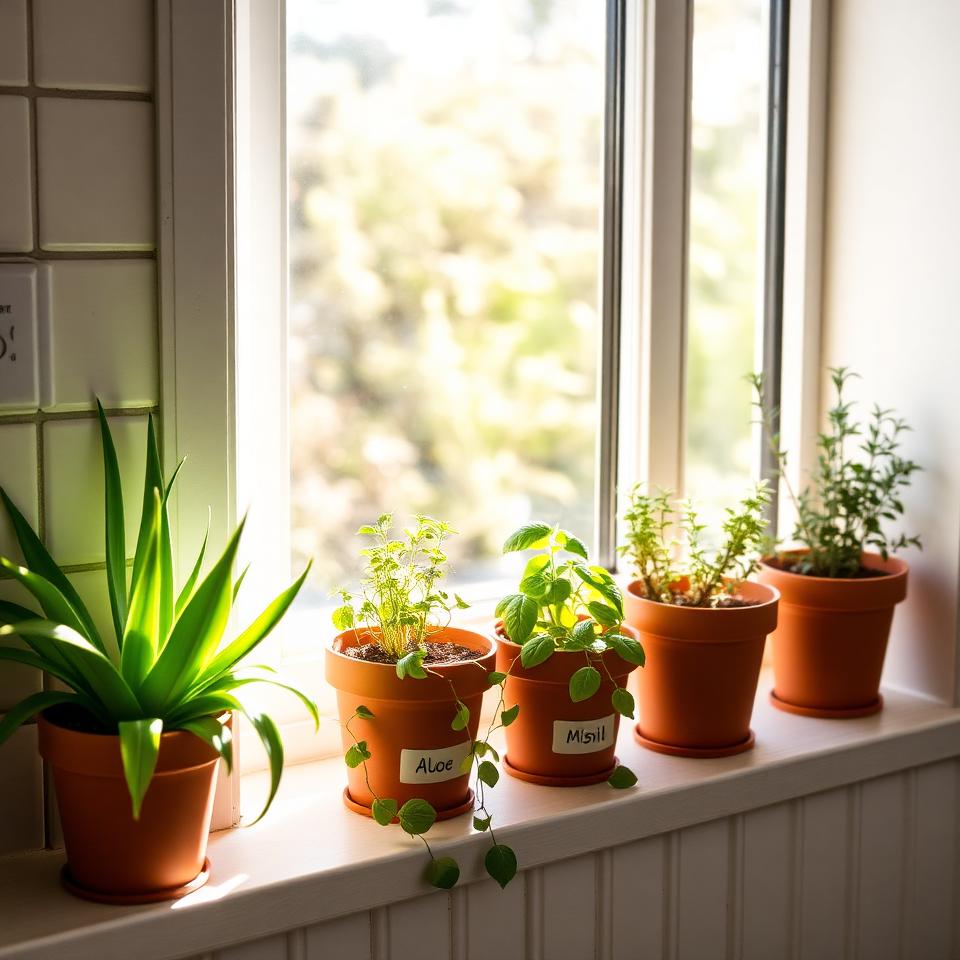
- Accessibility: Fresh herbs are always at your fingertips, ready for immediate use.
- Purity: You control the growing environment, ensuring your plants are free from harmful pesticides and chemicals.
- Sustainability: Reduce your carbon footprint by sourcing remedies locally – right from your home.
- Cost-Effectiveness: Save money on store-bought remedies and supplements over time.
- Educational Value: Learn about botany, natural medicine, and the intricate relationship between plants and human health.
- Therapeutic Hobby: Gardening itself is a proven stress-reducer and a wonderful way to connect with nature.
- Empowerment: Take an active role in your family's health and well-being with your own plants for home pharmacy.
02Essential Considerations for Your Medicinal Herb Garden Ideas
Before we dive into the specific plants, a few general tips for establishing your medicinal herb garden:
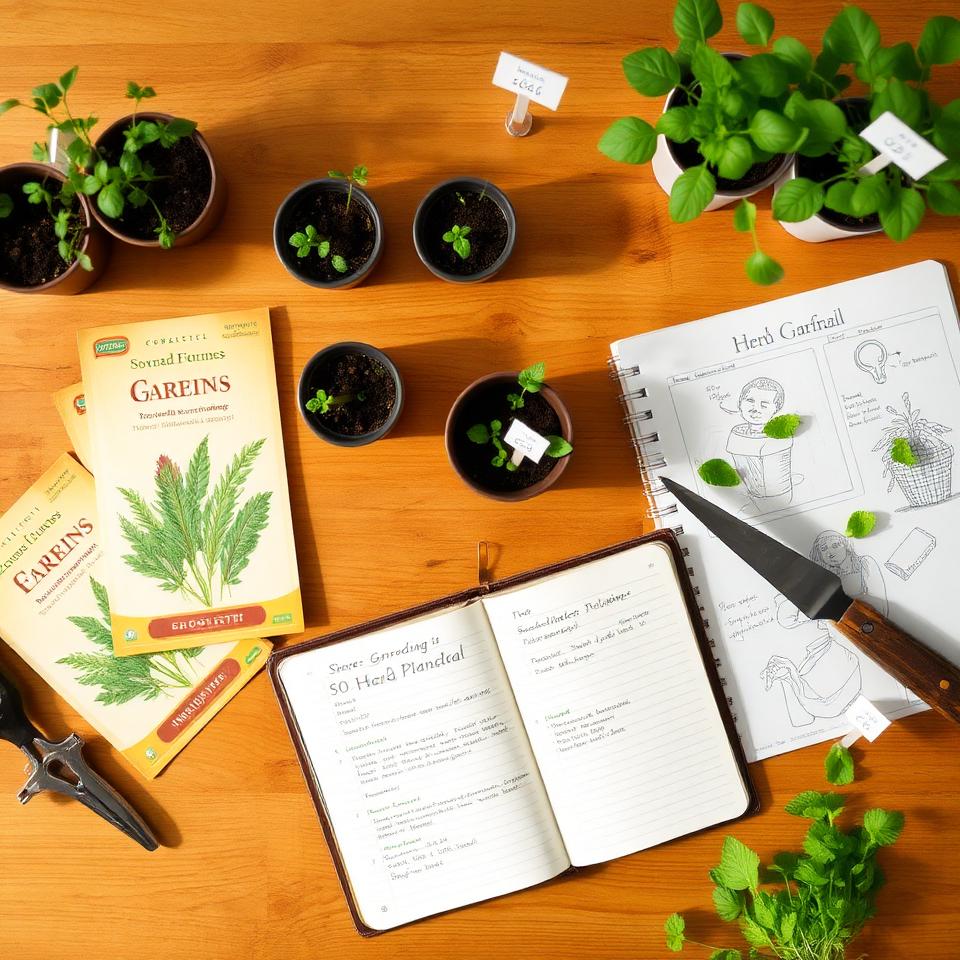
- Location: Most medicinal herbs thrive with at least 6 hours of direct sunlight daily. Choose sunny spots for outdoor gardens or south-facing windows for indoor plants.
- Soil: Well-draining, fertile soil is crucial. For potted plants, use a high-quality organic potting mix.
- Watering: Different plants have different water needs. Generally, keep soil consistently moist but avoid waterlogging.
- Pest Control: Opt for natural pest control methods like neem oil, insecticidal soap, or companion planting.
- Harvesting: Harvest leaves in the morning after dew has dried. Harvest flowers when they are fully open. For roots, harvest in the fall.
- Drying & Storage: Air-dry herbs in a cool, dark, well-ventilated area. Store dried herbs in airtight containers away from direct sunlight.
03Top 10 Medicinal Plants to Grow at Home: Your Kitchen Garden & Home Pharmacy Staples
Let's explore the best medicinal plants to grow at home, detailing their benefits and growing requirements.
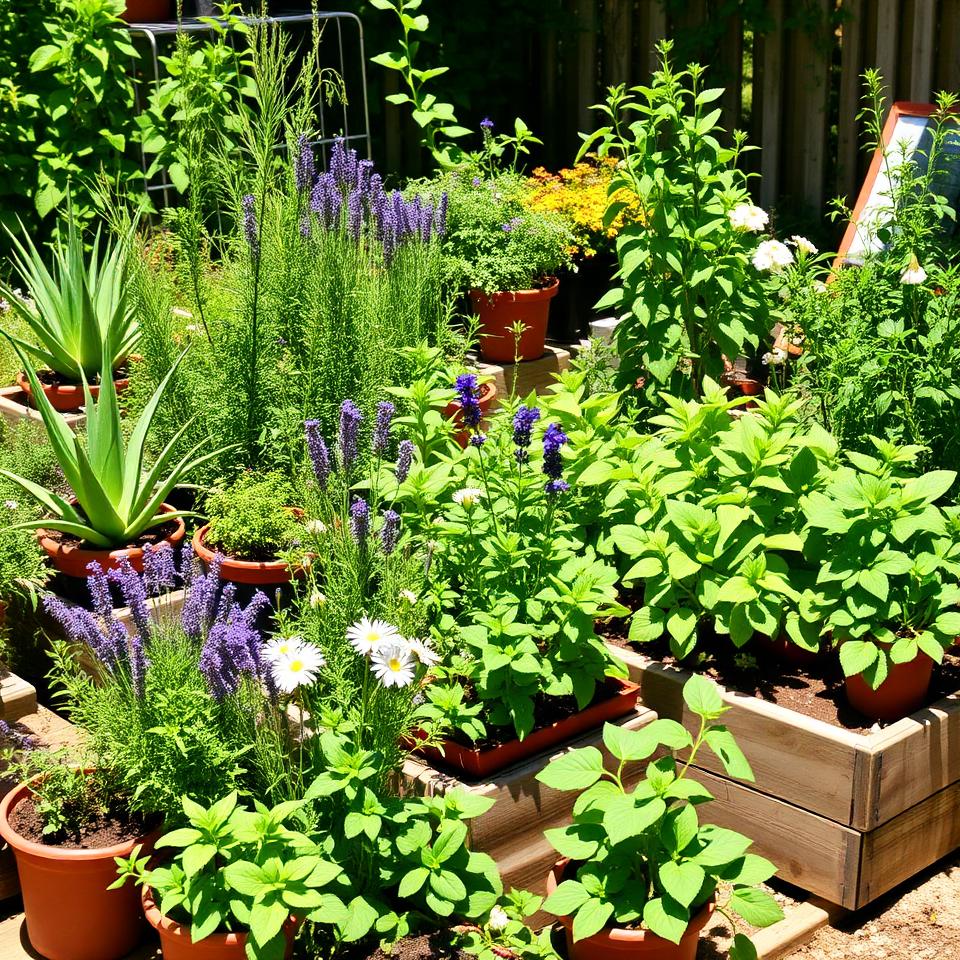
1. Aloe Vera (Aloe barbadensis miller)
Often called the 'plant of immortality' by ancient Egyptians, Aloe Vera is perhaps the most famous and universally recognized medicinal plant. Its thick, succulent leaves contain a clear gel renowned for its incredible healing properties.
Benefits:
- Skin Healing: Soothes burns (sunburns included), cuts, scrapes, insect bites, and skin irritations. It's a fantastic natural moisturizer.
- Anti-inflammatory: Reduces swelling and redness.
- Digestive Aid: The juice (obtained from the inner leaf, used sparingly) can help with constipation and digestive upset, though it's potent and should be used cautiously internally.
Aloe Vera Growing Guide:
Aloe Vera is one of the easiest medicinal plants to grow. It thrives indoors as a houseplant or outdoors in warm climates (zones 8-11).
- Light: Bright, indirect sunlight. A south or west-facing window is ideal indoors.
- Soil: Well-draining cactus or succulent mix.
- Watering: Water deeply but infrequently, allowing the soil to dry out completely between waterings. Overwatering is the most common cause of death.
- Propagation: Produces 'pups' or offsets at its base, which can be gently separated and replanted.
2. Tulsi / Holy Basil (Ocimum sanctum / tenuiflorum)
Revered in Ayurvedic medicine as the 'Queen of Herbs' or 'Elixir of Life,' Tulsi is an adaptogenic herb known for its ability to help the body adapt to stress. Its aromatic leaves are often used in teas.
Tulsi Holy Basil Benefits:
- Stress Reduction: Helps lower cortisol levels and promotes a sense of calm.
- Immune Support: Rich in antioxidants, it boosts the immune system and fights off infections.
- Anti-inflammatory & Antioxidant: Protects cells from damage and reduces inflammation.
- Respiratory Health: Aids in relieving coughs, colds, asthma, and bronchitis.
Growing Tulsi:
Tulsi is an annual in most temperate climates but can be grown as a perennial indoors. It loves warmth and sun.
- Light: Full sun (at least 6 hours daily).
- Soil: Rich, well-draining soil.
- Watering: Keep soil consistently moist but not waterlogged.
- Harvesting: Pinch off leaves regularly to encourage bushier growth. Allow some flowers to go to seed for self-seeding or seed collection.
3. Peppermint (Mentha x piperita)
A hybrid of spearmint and watermint, Peppermint is a vigorous herb with a refreshing aroma and diverse medicinal uses, making it a staple for any kitchen garden herbs collection.
Benefits:
- Digestive Aid: Soothes indigestion, nausea, bloating, and irritable bowel syndrome (IBS).
- Headache Relief: Peppermint tea or essential oil applied to temples can alleviate tension headaches.
- Congestion Relief: Menthol acts as a natural decongestant, great for colds and flu.
- Antimicrobial: Helps combat bacteria and viruses.
Growing Peppermint:
Peppermint is an extremely easy medicinal plant to grow but can be invasive. It’s best grown in containers or with root barriers.
- Light: Partial shade to full sun.
- Soil: Moist, well-draining soil.
- Watering: Keep soil consistently moist.
- Containment: Always grow in a pot to prevent it from taking over your garden.
4. Chamomile (Matricaria chamomilla)
Known for its delicate, daisy-like flowers, Chamomile is a beloved herb cherished for its calming and anti-inflammatory properties. It's an excellent addition to your plants for home pharmacy.
Benefits:
- Sleep Aid & Stress Relief: Promotes relaxation and improves sleep quality.
- Digestive Soother: Eases indigestion, gas, and colic.
- Anti-inflammatory: Reduces inflammation and soothes skin irritations.
- Wound Healing: Mild antiseptic properties for minor cuts and scrapes.
Growing Chamomile:
Both German (annual) and Roman (perennial) Chamomile are easy to grow from seed.
- Light: Full sun to partial shade.
- Soil: Well-draining, average soil.
- Watering: Keep evenly moist, but tolerate some dryness once established.
- Harvesting: Pick flowers when fully open. Dry them for teas.
5. Lavender (Lavandula angustifolia)
Beyond its beautiful purple blooms and enchanting fragrance, Lavender is a powerhouse of therapeutic benefits, making it an ideal choice for medicinal plants to grow at home.
Benefits:
- Anxiety & Stress Relief: Its aroma is scientifically proven to reduce anxiety and promote relaxation.
- Sleep Improvement: Aids in falling asleep and improving sleep quality.
- Pain Relief: Topically, it can help soothe headaches, muscle aches, and insect bites.
- Antiseptic: Mildly antiseptic properties for minor wounds.
Growing Lavender:
Lavender prefers hot, sunny, and dry conditions, mimicking its Mediterranean origins.
- Light: Full sun (at least 6-8 hours daily).
- Soil: Well-draining, sandy, alkaline soil. Avoid rich or heavy clay soils.
- Watering: Once established, it is drought-tolerant. Water sparingly.
- Pruning: Prune after flowering to maintain shape and encourage new growth.
6. Ginger (Zingiber officinale)
A culinary staple and potent medicine, Ginger is lauded for its pungent flavor and extensive health benefits. Growing your own is easier than you think, making it a fantastic addition to your kitchen garden herbs.
Benefits:
- Anti-nausea: Highly effective for motion sickness, morning sickness, and chemotherapy-induced nausea.
- Anti-inflammatory: Reduces pain and inflammation, particularly effective for arthritis.
- Digestive Health: Aids digestion and alleviates gas and bloating.
- Immune Booster: Warms the body and fights off colds and flu.
Growing Ginger:
Ginger thrives in warm, humid conditions. It can be grown from a piece of fresh ginger root bought from the grocery store.
- Light: Partial shade (prefers morning sun and afternoon shade).
- Soil: Rich, loose, well-draining soil.
- Watering: Keep consistently moist, especially during active growth.
- Planting: Plant a 1-2 inch piece of ginger with 'eyes' or 'buds' facing up, about 1-2 inches deep.
7. Thyme (Thymus vulgaris)
More than just a delicious culinary herb, Thyme is a potent antiseptic and expectorant, earning its place among essential healing herbs for home garden use.
Benefits:
- Respiratory Health: Effective for coughs, bronchitis, and sore throats.
- Antimicrobial: Its active compound, thymol, is a powerful antiseptic and antifungal.
- Immune Support: Rich in vitamins C and A, and antioxidants.
- Topical Antiseptic: Can be used for minor cuts and scrapes.
Growing Thyme:
Thyme is a hardy perennial that prefers full sun and well-drained soil.
- Light: Full sun (at least 6 hours).
- Soil: Lean, well-draining, even sandy soil. Tolerant of poor soil.
- Watering: Drought-tolerant once established. Water sparingly.
- Harvesting: Harvest sprigs as needed. Prune after flowering to maintain shape.
8. Rosemary (Salvia rosmarinus, formerly Rosmarinus officinalis)
A fragrant evergreen shrub, Rosemary is a beloved culinary herb with significant therapeutic applications. It's a robust addition to your homegrown herbal remedies collection.
Benefits:
- Memory & Focus: Improves concentration and memory.
- Antioxidant & Anti-inflammatory: Protects brain cells and reduces inflammation.
- Hair Health: Stimulates hair growth and improves scalp health. (Often used as a hair rinse)
- Pain Reliever: Topically for muscle aches and joint pain.
Growing Rosemary:
Rosemary thrives in full sun and well-draining soil, similar to its Mediterranean origins.
- Light: Full sun (6-8 hours daily).
- Soil: Well-draining, sandy or loamy soil.
- Watering: Water deeply but infrequently, allowing soil to dry out.
- Pruning: Prune regularly to maintain shape and encourage bushiness. Can be brought indoors in cold climates.
9. Calendula (Calendula officinalis)
Also known as 'pot marigold,' Calendula is a cheerful, easy-to-grow flower with powerful skin-healing properties, making it an essential among medicinal plants to grow at home.
Benefits:
- Skin Healing: Accelerates wound healing, soothes eczema, dermatitis, and diaper rash.
- Anti-inflammatory: Reduces redness and swelling.
- Antimicrobial: Mild antiseptic and antifungal properties.
- Lymphatic Support: Helps support the lymphatic system.
Growing Calendula:
Calendula is a prolific self-seeder and can be grown easily from seed.
- Light: Full sun.
- Soil: Well-draining, average soil.
- Watering: Keep consistently moist, but not waterlogged.
- Harvesting: Pick flowers regularly ('deadhead') to encourage more blooms. Use fresh or dry for infusions, oils, or salves.
10. Echinacea (Echinacea purpurea)
A striking native North American flower, Echinacea is famous for its immune-boosting properties and is a must-have for any medicinal herb garden ideas.
Benefits:
- Immune System Support: Helps prevent and shorten the duration of colds and flu.
- Anti-inflammatory: Reduces inflammation throughout the body.
- Antimicrobial: Known for its antiviral and antibacterial properties.
- Wound Healing: Can be used topically for minor wounds and skin issues.
Growing Echinacea:
Echinacea is a hardy perennial that's relatively easy to grow from seed or starter plants.
- Light: Full sun to partial shade.
- Soil: Well-draining, average to rich soil.
- Watering: Drought-tolerant once established, but benefits from regular watering.
- Harvesting: Roots are traditionally harvested in the fall after a few years of growth. Leaves and flowers can be harvested during blooming.
04Establishing Your Homegrown Herbal Remedies: Practical Steps & Medicinal Herb Garden Ideas
Now that you know which medicinal plants to grow at home, let's look at how to integrate them into your living space:
Explore Our Platforms
 InfiniCore DataWorks
 Nex-Automata
Indoor Kitchen Garden Herbs:
For those with limited outdoor space, many of these plants thrive indoors:
- Windowsill Gardens: Small pots of Tulsi, Peppermint, Thyme, and Rosemary can flourish on a sunny windowsill.
- Grow Lights: Supplement natural light with LED grow lights for optimal growth, especially during winter months.
- Vertical Gardens: Utilize vertical space with stacked planters or wall-mounted pouches for an abundant indoor display.
- Container Gardening: Virtually all herbs mentioned can be grown in pots and containers, allowing for easy relocation.
Outdoor Medicinal Herb Garden Ideas:
If you have outdoor space, consider these layouts:
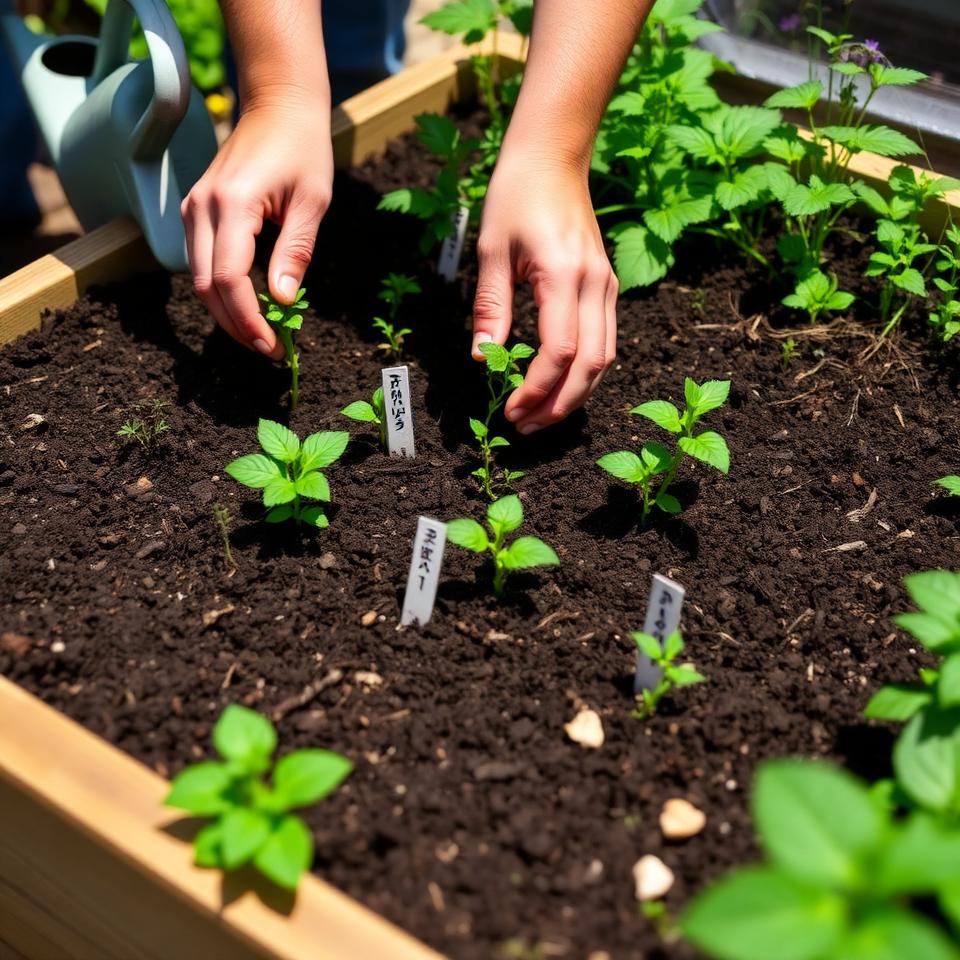
- Dedicated Herb Bed: A raised bed or designated plot solely for your medicinal plants.
- Companion Planting: Integrate herbs throughout your vegetable or flower gardens. Many herbs deter pests and attract beneficial insects.
- Edible Landscaping: Incorporate medicinal plants into your existing landscaping for beauty and utility.
05Harvesting, Processing, and Storing Your Homegrown Medicine
Proper harvesting and preservation are key to maximizing the potency of your homegrown herbal remedies.
Harvesting Tips:
- Leaves: Harvest in the morning after dew dries, before the sun becomes too intense. Pinch off outer leaves to encourage continuous growth.
- Flowers: Harvest when fully open, on a dry day.
- Roots: Typically harvested in the fall after the plant's energy has returned to the roots.
Drying Methods:
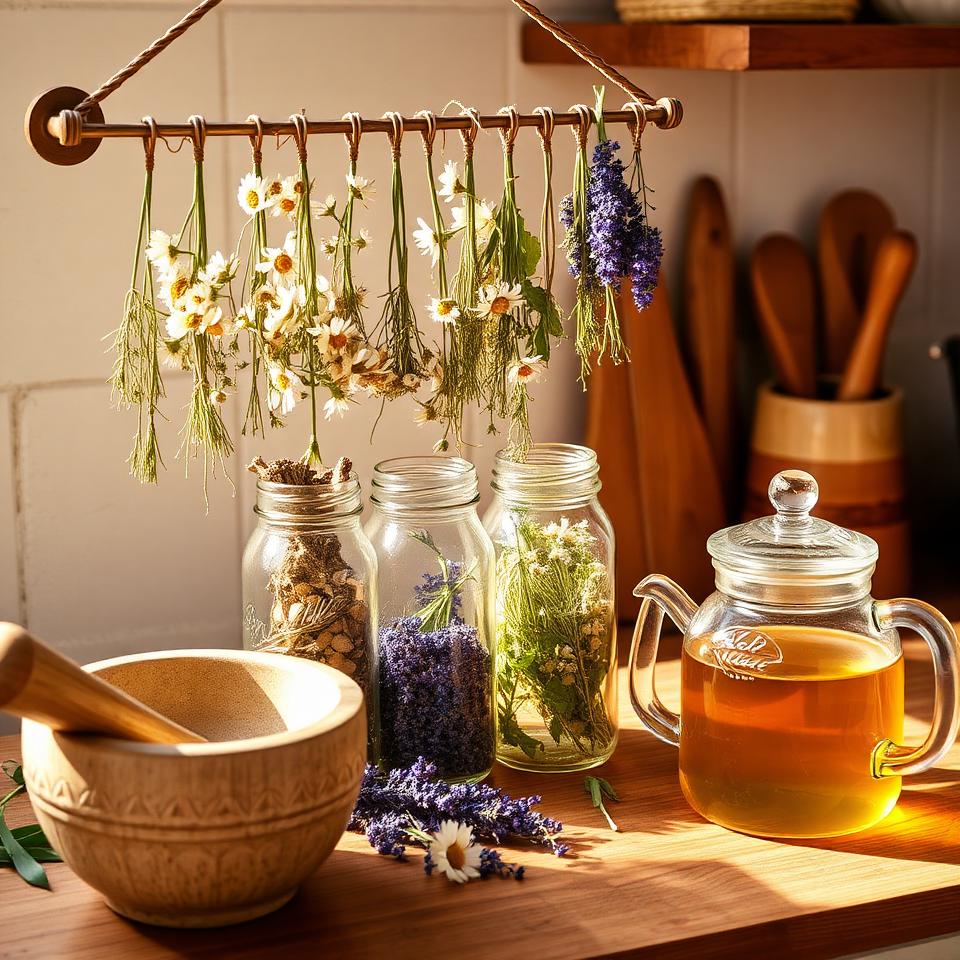
- Air Drying: Bundle small branches together and hang them upside down in a cool, dark, well-ventilated area.
- Drying Racks: Place delicate leaves and flowers on screens or drying racks in a similar environment.
- Dehydrator: A food dehydrator with a low-temperature setting is efficient for many herbs.
Storage:
- Store dried herbs in airtight glass jars, away from direct sunlight, heat, and moisture.
- Label clearly with the herb name and date of harvest.
- Dried herbs generally maintain potency for 6 months to 1 year.
06Conclusion: Your Journey to a Healthier, More Self-Reliant Home
Cultivating medicinal plants to grow at home is more than just gardening; it's an investment in your health, a connection to ancient wisdom, and a step towards a more sustainable and self-reliant lifestyle. By dedicating a corner of your home, whether indoors or out, to a kitchen garden pharmacy, you unlock a world of natural remedies and therapeutic enjoyment.
The ten plants we've discussed – Aloe Vera, Tulsi, Peppermint, Chamomile, Lavender, Ginger, Thyme, Rosemary, Calendula, and Echinacea – represent just a fraction of the incredible botanical wonders available. They are, however, excellent starting points for anyone looking to grow your own medicine and create a vibrant collection of homegrown herbal remedies. Embrace the journey, experiment with different plants, and enjoy the profound benefits of nature's pharmacy, right at your fingertips.
07Frequently Asked Questions
How can I ensure the safe use of homegrown medicinal plants, especially regarding dosage?
Always start with proper identification; misidentification can be dangerous, so double-check your plants. Begin with small, diluted amounts and thoroughly research recommended dosages and preparation methods for each specific plant and its intended use. It's highly advisable to consult with a healthcare professional or a qualified herbalist before incorporating new medicinal plants into your routine, especially if you have underlying health conditions or are taking other medications.
Do I need a large garden to grow medicinal plants, or can I grow them indoors?
No, you don't need a sprawling garden; many medicinal plants thrive beautifully in containers on a sunny windowsill, balcony, or patio. Utilize vertical space or choose compact varieties to maximize smaller areas. For indoor growing, ensure adequate light, potentially supplementing with grow lights, and provide good air circulation to keep plants healthy.
What kind of soil and nutrients do medicinal plants typically need to thrive?
Most medicinal plants prefer well-draining soil rich in organic matter, mimicking their natural habitats. A good quality potting mix amended with compost works exceptionally well for container gardening. Avoid chemical fertilizers, opting instead for organic compost or worm castings to gently nourish your plants and maintain their purity for medicinal use.
When is the best time to harvest medicinal plants, and how should I store them for potency?
Harvest most leaves and flowers in the morning after the dew has dried, when their essential oils are most potent, typically before the plant fully flowers. Roots are best harvested in the fall. Dry herbs in a cool, dark, well-ventilated area, then store them whole or coarsely chopped in airtight glass jars away from direct sunlight and heat to preserve their efficacy for up to a year.
What are the most common ways to prepare homegrown medicinal herbs for use (e.g., teas, tinctures)?
Common preparations include infusions (hot water for leaves/flowers like tea), decoctions (simmering roots/bark), and tinctures (alcohol-based extracts for long-term potency). You can also make poultices for topical application, infused oils, or salves. Each method extracts different compounds and suits specific plant parts and intended uses.
Which medicinal plants are generally recommended for beginners to start with?
For beginners, easy-to-grow and versatile options include Mint (digestive aid), Chamomile (calming), Lavender (relaxing, antiseptic), and Calendula (skin healing). These plants are generally forgiving, have well-documented uses, and can be grown in various conditions, making them ideal starting points for your home pharmacy. They require minimal specialized care to thrive.
Is there scientific evidence supporting the medicinal claims of these plants, or is it mostly traditional knowledge?
There's a growing body of scientific research validating many traditional uses of medicinal plants, identifying active compounds responsible for their therapeutic effects. While some knowledge is deeply rooted in centuries of traditional practice, modern pharmacology continues to study and confirm the efficacy and mechanisms of action for various plant extracts. It's a blend of ancient wisdom and contemporary science.
How can I organically protect my medicinal plants from common pests and diseases?
Employ organic strategies like companion planting (e.g., marigolds deterring nematodes), encouraging beneficial insects, and maintaining healthy soil to boost plant resilience. For active infestations, use organic solutions such as neem oil, insecticidal soap, or hand-picking pests. Ensure good air circulation and proper watering to prevent fungal diseases from taking hold.
What are the general watering and light requirements for most medicinal herbs?
Most medicinal herbs thrive in full sun, requiring at least 6-8 hours of direct sunlight daily for optimal growth and potency. While specific needs vary, generally, they prefer consistent moisture but excellent drainage, meaning deep watering when the top inch of soil feels dry. Avoid allowing them to sit in soggy conditions, as overwatering is a common killer.
Can homegrown medicinal plants interact with medications, and are there any contraindications to be aware of?
Yes, homegrown medicinal plants can absolutely interact with pharmaceutical medications, potentially altering their effects or causing adverse reactions. It's crucial to research specific plant contraindications, especially for pregnant or nursing individuals, children, or those with pre-existing health conditions. Always consult a healthcare professional before combining herbal remedies with prescription drugs to ensure safety.
08Top 10 Medicinal Plants You Can Grow at Home — A Kitchen Garden Pharmacy Guide: Scientific References
Authoritative sources and related guides:
- Wikipedia — background reference
- PubMed — peer-reviewed studies
- Kew POWO — botanical reference
- NCBI PMC — open-access research
- WHO — global health authority
Related on Flora Medical Global
Reviewed by the Flora Medical Global Botanical Review Panel
Multi-disciplinary editorial group · Botany · Ethnobotany · Herbal-medicine literature
Who reviewed this: This page was checked by the Flora Medical Global Botanical Review Panel — an in-house editorial group of botany graduates, ethnobotany researchers, and horticulture practitioners who collectively maintain our 7,000+ plant encyclopedia. Meet the team.
Our 4-step verification process
1. Taxonomic verification
Scientific names and synonyms cross-checked against Kew POWO, World Flora Online, and The Plant List.
2. Phytochemical & medicinal cross-reference
Active compounds, traditional uses, and reported activities are cross-referenced with PubMed, USDA Dr. Duke's database, and peer-reviewed ethnobotanical literature.
3. Conservation & distribution check
Distribution, ecology, and conservation status confirmed against GBIF occurrence records and the IUCN Red List.
4. Editorial & safety review
Every entry passes an editorial pass for clarity, originality, and safety notices (toxicity, contraindications, dosage caveats) before publication.
Last reviewed:
Important medical disclaimer: This content is for educational and research purposes only. It is not medical advice and is not a substitute for consultation with a licensed healthcare provider. Do not use any herb to self-treat a medical condition without professional guidance.
Explore Our Platforms
Comments (0)
No comments yet. Be the first!