Complete Guide to Nassella Tenuissima: Benefits, Uses, Care &…
 Flora Medical GlobalPublished: 4/10/2026Updated: 6/20/202615 min read
Editorial Disclaimer: This article is for informational and educational purposes only. It is not a substitute for professional medical advice, diagnosis, or treatment. Always consult a qualified healthcare provider or certified herbalist before using any plant for medicinal purposes, especially if you are pregnant, nursing, taking medication, or have a medical condition.
01Nassella Tenuissima: An Overview
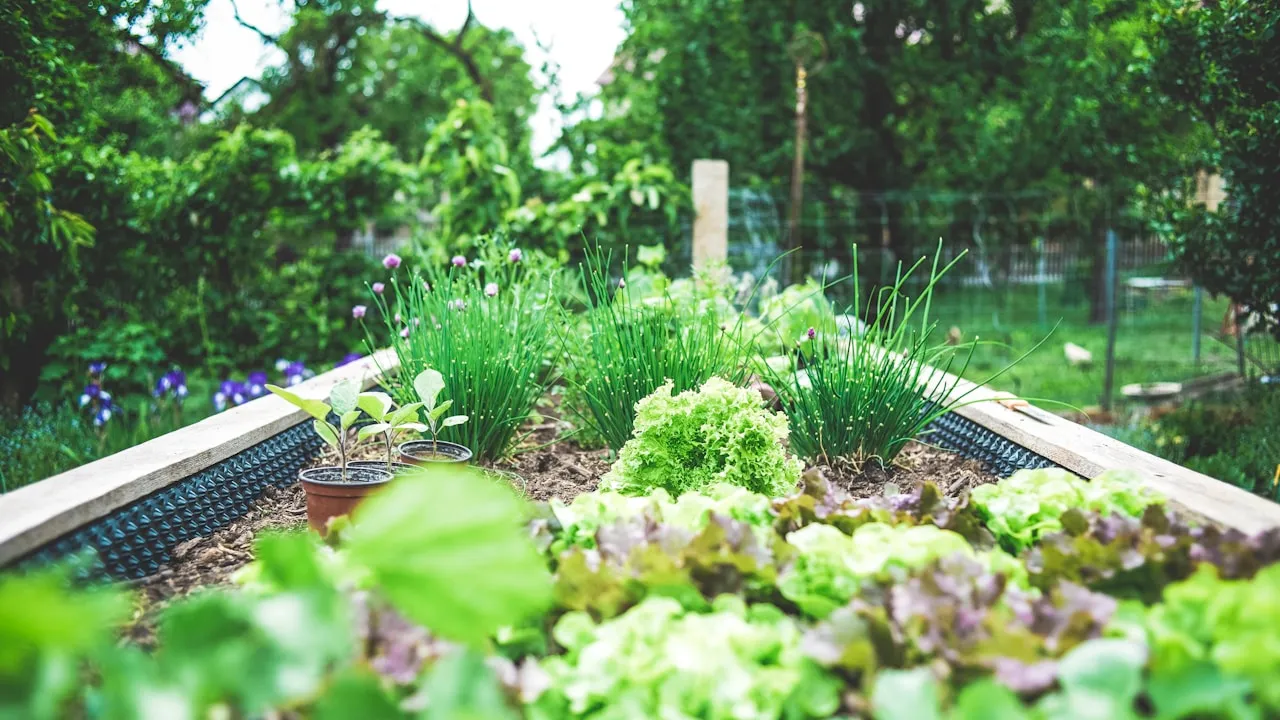
deserves attention because it combines clear botanical identity with practical relevance.
A good article on should not stop at one-line claims. Readers need taxonomy, habitat, safety, cultivation, and evidence in the same place so they can make sound decisions.
The linked plant page remains the main internal reference point for this article, but the goal here is to turn that raw data into a readable, structured, and genuinely useful guide.
This guide is designed to help the reader move from scattered facts to practical understanding. Instead of relying on a thin summary, it pulls together the identity, uses, care profile, safety notes, and evidence context around so the article works as a real reference rather than a keyword page.
That matters because is often approached from more than one angle at the same time. Some readers want taxonomy, some want cultivation, and others want benefits or safety. Putting those pieces together in one long-form guide makes the page easier to trust and easier to use.
When you read the rest of the article, keep one principle in mind: the best plant advice is specific. It depends on the correct scientific name, the right plant part, the actual environment, and the difference between traditional descriptions and well-supported evidence.
02Botanical Identity of Nassella Tenuissima
should be anchored to the correct taxonomic identity before any discussion of care, use, or safety begins.
Using the accepted scientific name helps readers avoid confusion caused by old synonyms, loose common names, or inconsistent plant labels.
Family and order placement also matter because they explain recurring structural traits, likely relatives, and the kinds of mistakes readers often make when they rely on appearance alone.
Correct naming is not a small detail. A plant can collect multiple common names, outdated synonyms, and marketing labels over time, so using consistently reduces the risk of confusion, bad care advice, and even safety mistakes.
Taxonomy also gives the reader a shortcut to pattern recognition. Once you know that belongs with other members of the same broader plant family, it becomes easier to notice recurring traits in structure, growth behavior, chemistry, and common cultivation issues.
If the source page or seller label ever conflicts with another reference, the scientific name should be checked first, then compared with author citation, family placement, and recognized synonyms. That slow, careful approach is much more reliable than guessing from appearance alone.
03Identifying Nassella Tenuissima
In real-world identification, the most helpful approach is to read the plant as a whole. Habit, size, stem texture, leaf arrangement, flower form, and any distinctive surface detail all matter. For , morphology is not only a descriptive topic; it is the foundation of correct recognition.
That is especially important when the plant is sold, dried, trimmed, or processed. Once a specimen is no longer growing naturally in front of the reader, small structural clues become more valuable. Leaf shape, venation, root form, bark character, and reproductive features all help confirm identity.
Good morphology writing should also stay practical. Readers need to know what they are most likely to notice first, how those traits change with age or season, and which look-alikes can create confusion when its normal mature habit is judged too quickly.
04Where Nassella Tenuissima Grows
The habitat section explains why the plant behaves the way it does. Origin in its documented range and growing context usually reflects a deeper environmental story involving rainfall rhythm, heat exposure, drainage, seasonal dormancy, and competition from surrounding vegetation.
Explore Our Platforms
 InfiniCore DataWorks
 Nex-Automata
That background helps turn generic care into species-appropriate care. A plant adapted to filtered woodland light will not respond the same way as a drought-tolerant sun plant, and a species used to humid warmth will react differently from one adapted to strong seasonal cooling.
Readers often search for care tips first, but habitat should come first in the thinking process. Once the natural setting is clear, decisions about light, soil, watering, pot choice, and site selection become much more logical.
05Cultural Significance of Nassella Tenuissima
Even where detailed folklore is limited, still carries cultural value through naming, cultivation, exchange, and the practical roles people assign to it.
Traditional context matters, but it should always be separated from modern certainty. Historical use can guide questions, yet it does not automatically prove present-day clinical effectiveness.
Cultural context gives the article depth that pure care instructions cannot provide. Plants like are often remembered through naming traditions, household practice, healing systems, foodways, ornamental use, ritual value, or local ecological knowledge.
At the same time, cultural value should be handled responsibly. Traditional respect for a plant does not automatically prove every modern claim, and a modern study does not erase the meaning the plant has held in communities over time. Both sides belong in a careful guide.
That balance also helps readers avoid two common mistakes: dismissing traditional knowledge too quickly and accepting it too literally. A useful plant article does neither. It treats old records as meaningful context while still checking modern evidence and safety standards.
06Nassella Tenuissima Health Benefits
For medicinal content, the key discipline is to distinguish traditional use, mechanism-based plausibility, and human clinical support. Those are related ideas, but they are not the same thing.
Benefit sections should always be read with context. A reported effect may depend on the exact plant part, the way it is prepared, the quality of the material, and the level of evidence supporting the claim. That is why strong plant writing explains conditions, not just outcomes.
In the case of , the most responsible interpretation is to connect claimed benefits with practical limits. A traditional use may point to an interesting direction, while a research note may suggest a mechanism, but neither should be inflated into a universal promise.
Readers who want reliable guidance should ask three questions here: what is the claim, what form of the plant was used, and how confident can we be in the supporting evidence? That habit does far more for safe decision-making than dramatic wording ever could.
07Nassella Tenuissima: Chemical Constituents
Specific constituent data are still limited in the available record. That is exactly why responsible plant writing should not inflate biochemical certainty when the chemistry has not been fully mapped.
Compound profiles also shift with plant part, age, season, processing, and storage. The chemistry of a fresh leaf, dried root, or concentrated extract should never be treated as automatically identical.
Phytochemistry matters because the plant's practical effects are shaped by real compounds, not by reputation alone. Even so, a compound list should be understood as part of a larger picture that includes concentration, plant part, harvest timing, processing, and storage conditions.
For that reason, chemistry sections are strongest when they avoid fake certainty. Two samples of may not be chemically identical if they were collected from different climates, different ages, or different stages of drying and processing.
Readers should also remember that constituent presence is not the same as guaranteed human benefit. Chemical data help explain why researchers remain interested in a plant, but efficacy, dosage, and safety still need their own evidence.
08How to Use Nassella Tenuissima
Preparation defines the outcome. Tea, decoction, tincture, powder, fresh plant material, cooked food use, and concentrated extract cannot be discussed as if they were interchangeable.
- Identify the exact species and plant part first.
- Match the preparation to the intended use.
- Check safety, interactions, and processing details before routine use or large-scale handling.
Use and dosage advice is one of the easiest places for weak content to become risky. A trustworthy guide keeps preparation, identity, and user context together. The wrong plant part, an overly concentrated preparation, or poor labeling can change the outcome completely.
Whenever is discussed for practical use, the reader should first confirm the species, then confirm the correctly identified plant part, and only then consider the preparation style. Tea, decoction, powder, fresh material, extract, culinary use, and external application are not interchangeable.
For beginner readers, the safest mindset is to begin with conservative handling, careful labeling, and a willingness to stop if the source, quality, or safety context is unclear. That approach is slower, but it is the one most likely to prevent avoidable mistakes.
09Nassella Tenuissima Side Effects & Safety
No plant should be described as universally safe. Identity, dose, plant part, preparation style, age, pregnancy status, medication use, allergies, and contamination risk all change the answer.
Safety sections exist to slow the reader down in a good way. Even a plant with a long history of use can become problematic when identity is wrong, preparation is inconsistent, contamination is present, or personal factors like age, pregnancy, allergies, or medication use are ignored.
That is why no serious article should present as automatically safe. The right question is always: safe for whom, in what form, at what amount, and under which conditions? Without those details, the word safe becomes too vague to trust.
When the record includes side effects, interaction concerns, or handling warnings, those notes should be treated as part of the main guide rather than as fine print. Readers often make better decisions when the caution is written clearly and early.
10Nassella Tenuissima Cultivation Guide
In practice, healthy cultivation comes from systems thinking rather than one-off tricks. Site choice, drainage, timing, spacing, pruning, feeding, and observation all reinforce one another.
Growing success is rarely caused by one trick. It usually comes from aligning the site, the soil, the watering rhythm, the season, and the observer's routine. That systems approach is especially important for , because healthy growth reflects multiple small decisions working together.
Practical growers also learn to watch patterns rather than isolated symptoms. If a plant suddenly declines, the real cause often began earlier in the root zone, the drainage profile, the light pattern, or the timing of routine care.
The most useful cultivation advice therefore combines planning with follow-up. Establishment, seasonal adjustment, pruning or cleanup, and stress response all matter more than copy-pasted rules that never mention context.
11Nassella Tenuissima Growing Conditions
Outdoors, light, water, and soil must be read together. The same watering schedule can be too much in dense clay and too little in a porous sandy bed.
Light, water, and soil should never be treated as separate checkboxes. A plant in stronger light often dries faster, soil texture changes how quickly water moves, and temperature plus humidity influence how stress appears in leaves and roots.
For , the safest care approach is to treat the light pattern described in the plant profile, watering that responds to season and drainage, and well-matched soil structure and drainage as linked decisions rather than isolated tips. If one condition shifts, the other two usually need to be reconsidered as well.
Microclimate matters too. Indoors, room placement and airflow can matter as much as window exposure. Outdoors, reflected heat, slope, mulch, and nearby plants can change how the temperature rhythm described for the species and humidity that matches the plant type are actually experienced at plant level.
12How to Propagate Nassella Tenuissima
Propagation works best when the parent stock is healthy, correctly identified, and handled in the right season. That sounds obvious, but it is exactly where many failures begin.
Propagation works best when the reader matches method to biology. Some plants respond readily to cuttings, some to division, some to seed, and others require more patience or more exact seasonal timing.
A successful propagation guide therefore starts with healthy parent material and realistic expectations. Weak stock, rushed handling, and poor aftercare can make even a technically correct method fail.
For , the real goal is not simply to produce another plant, but to produce a correctly identified, vigorous, well-established plant that continues growing without hidden stress from the first stage.
13Managing Nassella Tenuissima Problems
For medicinal species, pest pressure is not only a horticultural issue. It also affects harvest cleanliness, storage stability, and confidence in the final material.
The smartest response sequence is observation first, environmental correction second, and treatment only after the real pattern is clear.
Pest and disease management is strongest when it begins before visible damage becomes severe. Routine observation, clean handling, sensible spacing, air movement, and balanced watering reduce many problems before treatment is even needed.
When symptoms do appear on , the most reliable response is diagnostic rather than reactive. Yellowing, spots, wilt, chewing, and stunting can all have multiple causes, so a rushed treatment can waste time or worsen the problem.
Good troubleshooting also includes environmental correction. Pests and disease often reveal a deeper issue such as root stress, poor airflow, inconsistent watering, weak light, or exhausted soil structure.
14How to Harvest Nassella Tenuissima
For medicinal plants, harvesting cannot be separated from processing. The right plant part, the right timing, and the right drying conditions all shape quality and safety.
Whatever the purpose, the rule is the same: harvest clean material, label it clearly, and store it in a way that preserves identity and condition.
Harvest and storage determine whether a plant's quality is preserved after it leaves the bed, pot, field, or wild source. Clean timing, correct plant part selection, and careful drying or handling all matter more than many readers expect.
For , this means the reader should think beyond collection. Material that is poorly labeled, overheated, damp in storage, or mixed with the wrong part of the plant can quickly lose value or create confusion later.
Processing should always serve identification and stability. Proper storage, batch clarity, and simple record-keeping help maintain confidence in the material long after harvest day.
15Companion Plants for Nassella Tenuissima
In a home herb garden or medicinal bed, should be placed where harvesting is easy, labeling remains clear, and neighboring plants do not create confusion at collection time.
Companion planting and design are not only aesthetic decisions. They affect airflow, root competition, moisture sharing, harvest access, visibility, and the general logic of the planting scheme.
With , good placement means thinking about mature size, maintenance rhythm, and how neighboring plants change the feel and function of the space. A plant can be healthy on its own and still be poorly placed within the broader composition.
That is why the best design advice combines biology with usability. The planting should look coherent, but it should also make watering, pruning, harvest, and pest observation easier rather than harder.
16Nassella Tenuissima: Scientific Evidence
A careful evidence section should say what is known, what is plausible, and what remains uncertain. Readers are better served by clear limits than by exaggerated confidence.
Evidence note: this section blends the live plant record, local ethnobotanical activity data, chemistry records, and the linked Flora Medical Global plant profile for .
A strong evidence section should help the reader separate three things: what people have traditionally said, what laboratory or preclinical work suggests, and what stronger human evidence actually supports. Those layers are related, but they are not equal.
For , the most useful research habit is cautious comparison. Look at study type, plant form, extracted compound profile, population, and outcome measure before deciding how much confidence a claim deserves.
That careful reading style is exactly what prevents plant content from sliding into hype. Honest limits, clearly stated uncertainty, and attention to source quality are signs of serious writing, not weak writing. The current evidence confidence marker for this profile is mixed.
17Nassella Tenuissima Buying Guide
When buying , start with verified botanical identity. The label, scientific name, and the source page should agree before you judge price, size, or claimed benefits.
For living plants, inspect roots, stem firmness, foliage health, and early pest signs. For dried or processed material, look for batch clarity, clean aroma, absence of mold, and any sign that the product has been over-processed to disguise poor quality.
Buying advice should begin with identity. The label, scientific name, visible condition, and seller credibility should agree before price or convenience becomes the deciding factor.
When readers buy as a living plant, they should check root health, pest signs, physical damage, and whether the plant's current condition matches the growing claims attached to it. For processed material, smell, cleanliness, labeling, batch detail, and storage condition matter even more.
Expert tips are usually simple rather than flashy: buy from trustworthy sources, compare labels carefully, keep the plant or product correctly identified after purchase, and avoid turning urgency into poor judgment.
18Frequently Asked Questions
What is best known for?
It is best known for the combination of traits described in this guide.
Is beginner-friendly?
That depends on the growing environment and the intended use. Some plants are easy to grow but not simple to use medicinally, while others are the opposite.
How much light does need?
Match the species to the exposure described in the guide rather than using a generic light rule.
How often should be watered?
Water according to soil, drainage, season, and plant response rather than a fixed schedule.
Can be propagated at home?
Yes, but the best method depends on whether the species responds best to seed, cuttings, division, offsets, or other propagation routes.
Does have safety concerns?
Yes. Safety always depends on identity, plant part, handling, and user context.
What is the biggest mistake people make with ?
The most common mistake is applying generic advice instead of matching the plant to its real environment, identity, and limits.
Where can I verify more information about ?
Start with the Flora Medical Global plant profile: https://www.floramedicalglobal.com/plant/nassella-tenuissima-garden
Why do sources sometimes disagree about ?
Different references may use different synonyms, plant parts, cultivation conditions, or evidence standards. That is why taxonomy and source quality both matter.
How should I read a long guide about without getting overwhelmed?
Start with identity, habitat, and safety first. Once those are clear, the care, use, and research sections become much easier to interpret correctly.
What makes a plant article about more trustworthy than a short summary?
A trustworthy guide shows the scientific name, explains limits, separates tradition from evidence, and gives practical care details instead of repeating vague claims.
Why is context so important when discussing ?
Because the plant part, the environment, the preparation style, and the evidence level all change what a statement really means. Context is what turns a plant article into a useful reference.This added note keeps the guide complete for careful readers: confirm the scientific name, compare the plant profile with the growing environment, and keep safety context in view before acting on any single claim or care tip.
19Nassella Tenuissima: References & Further Reading
Authoritative sources and related guides:
- Wikipedia — background reference
- PubMed — peer-reviewed studies
- Kew POWO — botanical reference
- NCBI PMC — open-access research
- WHO — global health authority
Related on Flora Medical Global
Reviewed by the Flora Medical Global Botanical Review Panel
Multi-disciplinary editorial group · Botany · Ethnobotany · Herbal-medicine literature
Who reviewed this: This page was checked by the Flora Medical Global Botanical Review Panel — an in-house editorial group of botany graduates, ethnobotany researchers, and horticulture practitioners who collectively maintain our 7,000+ plant encyclopedia. Meet the team.
Our 4-step verification process
1. Taxonomic verification
Scientific names and synonyms cross-checked against Kew POWO, World Flora Online, and The Plant List.
2. Phytochemical & medicinal cross-reference
Active compounds, traditional uses, and reported activities are cross-referenced with PubMed, USDA Dr. Duke's database, and peer-reviewed ethnobotanical literature.
3. Conservation & distribution check
Distribution, ecology, and conservation status confirmed against GBIF occurrence records and the IUCN Red List.
4. Editorial & safety review
Every entry passes an editorial pass for clarity, originality, and safety notices (toxicity, contraindications, dosage caveats) before publication.
Last reviewed:
Important medical disclaimer: This content is for educational and research purposes only. It is not medical advice and is not a substitute for consultation with a licensed healthcare provider. Do not use any herb to self-treat a medical condition without professional guidance.
Explore Our Platforms
Comments (0)
No comments yet. Be the first!