
Overview & Introduction
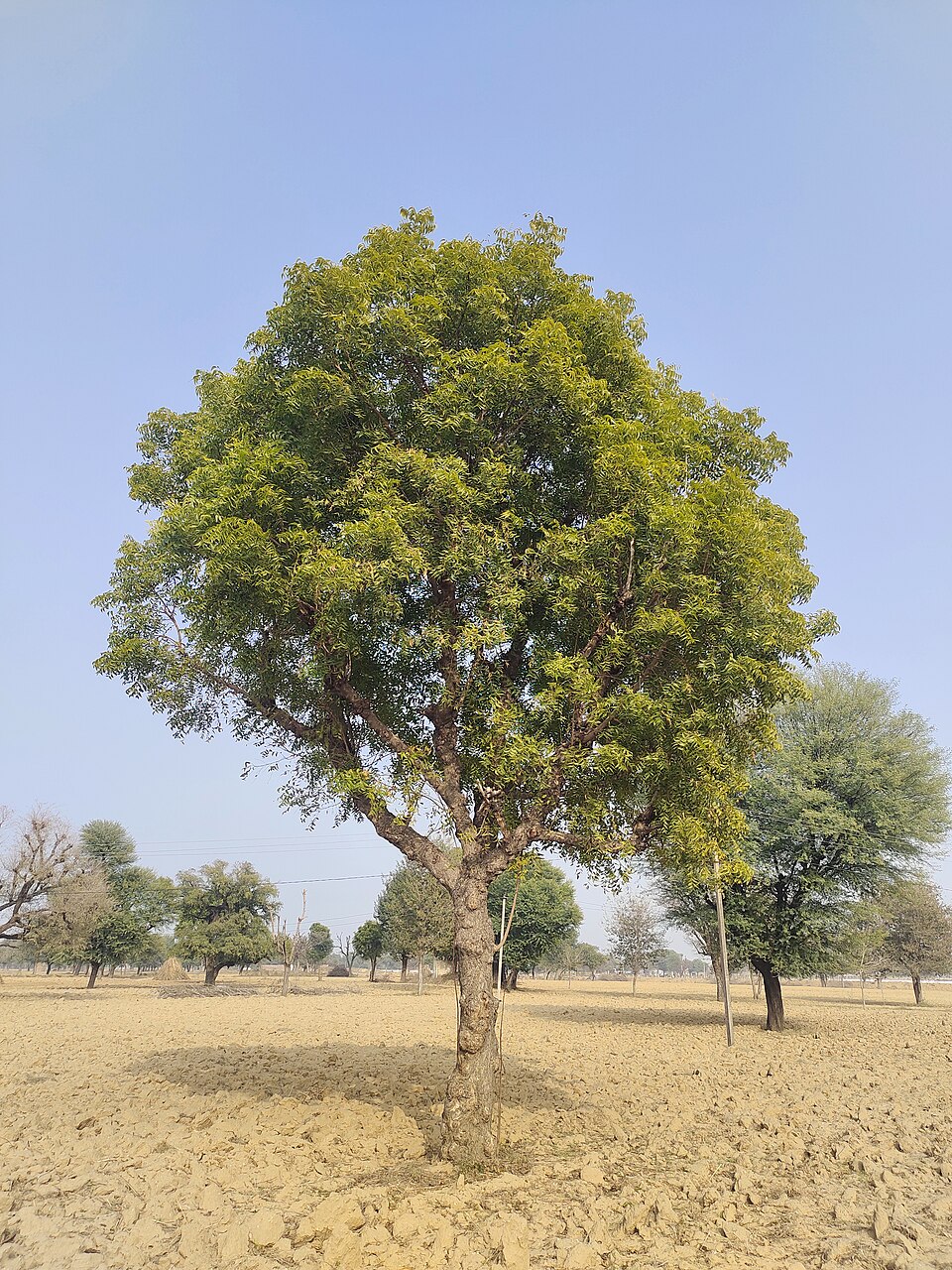
Azadirachta indica, universally known as Neem Berry, is an esteemed evergreen tree that can attain impressive heights of up to 20 meters.
Most thin plant articles flatten everything into a summary. This guide does the opposite by following Neem Berry through identification, care, handling, and the questions that real readers actually ask.
The linked plant page remains the main internal reference point for this article, but the goal here is to turn that raw data into a readable, structured, and genuinely useful guide.
- Azadirachta indica, or Neem Berry, is a versatile tropical tree renowned for its extensive medicinal and ecological benefits.
- It is a cornerstone of traditional medicine systems like Ayurveda, valued for its antimicrobial, anti-inflammatory, and immune-modulating.
- Key active compounds include limonoids like Azadirachtin, nimbin, and nimbidin, responsible for its diverse biological actions.
- Commonly used for oral health, skin conditions, pest control, and internal wellness, often in the form of oils, extracts, and decoctions.
- While beneficial, Neem requires significant caution regarding oral intake, especially in children and pregnant women, and can interact.
- A powerful natural resource, its safe and informed use is paramount.
Botanical Profile & Taxonomy
Neem Berry should be anchored to the correct taxonomic identity before any discussion of care, use, or safety begins.
| Common name | Neem Berry |
|---|---|
| Scientific name | Azadirachta indica A.Juss. |
| Family | Meliaceae |
| Order | Sapindales |
| Genus | Azadirachta |
| Species epithet | indica A.Juss. |
| Author citation | A.Juss. |
| Synonyms | Melia japonica Hassk., Antelaea javanica Gaertn., Melia azadirachta L., Melia indica (A.Juss.) Brandis, Melia hasskarlii K.Koch, Azadirachta indica subsp. vartakii Kothari, Londhe & N.P.Singh, Azedarach deleteria Medik., Melia parviflora Moon, Azedarach fraxinifolia Moench, Antelaea canescens Cels, Melia fraxinifolia Salisb., Melia pinnata Stokes |
| Common names | নিমগাছ, নিমফল, Neem Berry, Neem Tree, Indian Lilac, नीम, नीम का पेड़ |
| Local names | Azédarach d'Inde, Lilas sacré, Lilas, Margosier, Neem, Nimb, Neem, 150 maladies, Nimgach, Aryaveppu, Indian-lilac, Balnimb, Azédarach d'Inde, Limdo, Nim, Kahi-beyu |
| Origin | Indian subcontinent and parts of Southeast Asia |
| Life cycle | Perennial |
| Growth habit | s | Tree | |
Using the accepted scientific name Azadirachta indica A.Juss. helps readers avoid confusion caused by old synonyms, loose common names, or inconsistent plant labels.
Family and order placement also matter because they explain recurring structural traits, likely relatives, and the kinds of mistakes readers often make when they rely on appearance alone.
Physical Description & Morphology
A practical reading of the plant starts with visible structure: Leaf: Pinnate, with 8 to 18 leaflets, each 20-30 cm long, lanceolate, serrated margins, glossy green, emit a characteristic sulfur-like aroma when. Stem: Straight, short, strong trunk up to 1.2 m diameter, covered with rough, furrowed bark. Branches spread out to form a broad, roundish crown. Root: Deep taproot system, highly branched, allowing it to access water from deep soil layers. Flower: Small, white, fragrant, five-petaled, borne in axillary panicles up to 25 cm long. Hermaphrodite and male flowers on the same tree. Fruit: Drupe, oval to roundish, 1-2 cm long, yellowish-green when ripe, with a single seed surrounded by sweetish pulp. Resemble olives. Seed: Oval, brown, found inside the fruit, typically one per fruit. Contains potent bioactive compounds.
Microscopic or internal identification notes deepen the picture, especially for processed material: Non-glandular, unicellular or multicellular, uniseriate trichomes are present on young stems and leaves, offering protective functions. Anomocytic (irregular-celled) stomata are predominantly observed on the abaxial (lower) surface of the leaves, facilitating gas exchange. Powdered material reveals characteristic fragments of epidermal cells with stomata, lignified xylem vessels, abundant calcium oxalate crystals.
In overall habit, the plant is described as s | Tree | with a mature height around Typically 5-25 m and spread of Typically 3-15 m.
Natural Habitat & Distribution
The native or historically recorded center of distribution for Neem Berry is Indian subcontinent and parts of Southeast Asia. That origin is more than background trivia; it explains how the plant responds to heat, moisture, shade, and seasonal change.
The plant is associated with the following countries or range markers: Bangladesh, India, Indonesia, Malaysia, Myanmar, Nepal, Pakistan, Sri Lanka, Thailand.
Environmental notes in the live record add more context: Tropical and sub-tropical regions, thriving in semi-arid to arid climates. Can tolerate a wide range of altitudes from sea level to 1500m. Requires annual rainfall of 400-1200mm. Prefers low to medium humidity.
In cultivation terms, the main ecological clues are: Full Sun; Weekly; Well-drained loamy or sandy-loamy soil, pH 6.2-7.0; Usually 5-10; Perennial; s | Tree |.
Physiology data reinforce the habitat story: Highly resilient to various environmental stresses, including drought, heat, and salinity, by employing mechanisms such as deep root systems. Azadirachta indica employs the C3 photosynthetic pathway, common among temperate and tropical trees, with optimal efficiency under moderate light. Exhibits moderate to high transpiration rates under non-stressed conditions, but possesses strong physiological adaptations, such as stomatal.
Traditional & Cultural Significance
Ayurveda: Known as 'Sarva Roga Nivarini' (curer of all ailments), widely used for skin diseases, fever, and digestive issues. Unani: Used as a blood purifier and anti-inflammatory agent. Traditional Chinese Medicine (TCM): Less prominent, but some components are recognized for anti-inflammatory effects. Folklore: Revered as a sacred tree in India, often planted near homes for its protective qualities. Religious.
Ethnobotanical records also show how this plant has been framed across different places: Polyphenol, tannin, flavonoid, or terpene activity often reported in related taxa in Assam; Bangladesh; Cambodia; Laos; Myanmar; Thailand; Vietnam (https://api.gbif.org/v1/species/3190474; https://api.gbif.org/v1/species/3190474/vernacularNames?limit=100; https://api.gbif.org/v1/species/3190474/synonyms?limit=100; https://api.gbif.org/v1/species/3190474/distributions?limit=200; AI heuristic estimate from taxonomy/common-name patterns; verify manually.).
Local names help show how different communities notice and classify the plant: Azédarach d'Inde, Lilas sacré, Lilas, Margosier, Neem, Nimb, Neem, 150 maladies, Nimgach, Aryaveppu, Indian-lilac, Balnimb, Azédarach d'Inde, Limdo.
Traditional context matters, but it should always be separated from modern certainty. Historical use can guide questions, yet it does not automatically prove present-day clinical effectiveness.
Medicinal Properties & Health Benefits
The main benefit themes associated with the plant include: Immune Support — Neem extracts are believed to modulate the immune system, enhancing both humoral and cell-mediated immunity, which contributes to the body's. Anti-inflammatory Properties — Compounds like nimbin and nimbidin present in Neem exhibit significant anti-inflammatory effects, potentially alleviating. Antimicrobial Action — Azadirachta indica possesses broad-spectrum antimicrobial activity against bacteria, fungi, viruses, and parasites, making it effective. Oral Health Improvement — Neem leaf extract, when used in gels or mouthwashes, has been shown to reduce dental plaque and mitigate the symptoms of gingivitis. Insect Repellent and Pesticidal Effects — Azadirachtin, a potent limonoid, acts as a natural insecticide and antifeedant, repelling insects and disrupting. Blood Sugar Regulation — Traditional uses and some studies suggest that Neem may help in moderating blood sugar levels, making it of interest for supportive. Gastroprotective Effects — Neem bark extract has demonstrated potential in healing ulcers in the digestive tract and protecting the gastric mucosa from damage. Skin Health Promotion — Applied topically, Neem oil and extracts are used for various skin conditions due to their antiseptic, anti-inflammatory, and.
The evidence matrix gives a more careful picture of those claims: Reduces dental plaque and gingivitis. Clinical trials involving topical application of gel/mouthwash. Possibly Effective. Studies show that neem leaf extract gel or mouthwash can decrease plaque accumulation and improve gingival health, comparable to some conventional treatments. Effective treatment for head lice. Clinical trials (shampoo application). Possibly Effective. Applying neem extract shampoo to the scalp has demonstrated efficacy in treating head lice in children after one or two applications. Possesses anti-inflammatory properties. In vitro and animal studies, traditional texts. Preclinical/Traditional use. Compounds like nimbin and nimbidin have shown significant anti-inflammatory activity in laboratory and animal models, supporting its traditional use for inflammatory conditions. Exhibits broad-spectrum antimicrobial activity. In vitro studies against bacteria, fungi, viruses, and parasites. Preclinical/Traditional use. Numerous in vitro studies confirm neem's potent effects against various pathogens, providing a scientific basis for its traditional use in treating infections.
The stored evidence confidence for this profile is traditional. That should shape how strongly any benefit statement is interpreted.
For medicinal content, the key discipline is to distinguish traditional use, mechanism-based plausibility, and human clinical support. Those are related ideas, but they are not the same thing.
- Immune Support — Neem extracts are believed to modulate the immune system, enhancing both humoral and cell-mediated immunity, which contributes to the body's.
- Anti-inflammatory Properties — Compounds like nimbin and nimbidin present in Neem exhibit significant anti-inflammatory effects, potentially alleviating.
- Antimicrobial Action — Azadirachta indica possesses broad-spectrum antimicrobial activity against bacteria, fungi, viruses, and parasites, making it effective.
- Oral Health Improvement — Neem leaf extract, when used in gels or mouthwashes, has been shown to reduce dental plaque and mitigate the symptoms of gingivitis.
- Insect Repellent and Pesticidal Effects — Azadirachtin, a potent limonoid, acts as a natural insecticide and antifeedant, repelling insects and disrupting.
- Blood Sugar Regulation — Traditional uses and some studies suggest that Neem may help in moderating blood sugar levels, making it of interest for supportive.
- Gastroprotective Effects — Neem bark extract has demonstrated potential in healing ulcers in the digestive tract and protecting the gastric mucosa from damage.
- Skin Health Promotion — Applied topically, Neem oil and extracts are used for various skin conditions due to their antiseptic, anti-inflammatory, and.
- Antioxidant Activity — The presence of flavonoids and other phenolic compounds provides potent antioxidant effects, helping to neutralize free radicals and.
- Detoxification Support — Neem is traditionally used to support liver function and aid in the body's natural detoxification processes, contributing to general.
Chemical Constituents & Phytochemistry
The broader constituent profile includes Limonoids — Key compounds include Azadirachtin (A, B, D, G, H), Nimbin, Nimbidin, Nimbolide, Salannin, Gedunin, and. Flavonoids — Compounds like Quercetin, Catechin, Epicatechin, Luteolin, and Kaempferol are present. These contribute. Phenolic Acids — Gallic acid and Ellagic acid are found, providing significant antioxidant and astringent effects. Triterpenes — Beyond limonoids, other triterpenes such as Margosone, Vepacol, and Isogedunin contribute to the plant's. Sterols — Beta-sitosterol and Campesterol are plant sterols known for their anti-inflammatory and cholesterol-lowering. Fatty Acids — Neem seed oil is rich in oleic acid, stearic acid, and palmitic acid, which contribute to its emollient. Sulfurous Compounds — Though less prominent, some sulfur-containing compounds contribute to the characteristic aroma. Carotenoids — Present in leaves and berries, contributing to antioxidant activity and acting as precursors for Vitamin. Polysaccharides — Contribute to the immunomodulatory effects observed with Neem extracts.
The detailed phytochemistry file adds these markers: Azadirachtin A, Limonoid, Seeds, leaves, 0.1-0.5% (w/w in seeds); Nimbin, Limonoid, Bark, leaves, seeds, 0.01-0.05% (w/w in bark); Nimbidin, Limonoid, Bark, leaves, seeds, 0.05-0.1% (w/w in bark); Quercetin, Flavonoid, Leaves, flowers, 0.005-0.01% (w/w in leaves); Gedunin, Limonoid, Seeds, bark, Trace-0.01% (w/w in seeds); Beta-sitosterol, Phytosterol, Leaves, bark, seeds, 0.02-0.08% (w/w in leaves).
Compound profiles also shift with plant part, age, season, processing, and storage. The chemistry of a fresh leaf, dried root, or concentrated extract should never be treated as automatically identical.
How to Use — Preparations & Dosage
Recorded preparation and use methods include Leaf Decoction — Dried or fresh Neem leaves are boiled in water to create a decoction, traditionally consumed for immune support, blood purification, and fever reduction. Neem Oil Extraction — Oil is cold-pressed from Neem seeds, primarily used topically for skin conditions, hair care, and as a natural insect repellent or biopesticide. Bark Powder/Extract — The bark is dried and powdered or extracted to create formulations used for gastric health, dental care, and as an anti-inflammatory agent. Topical Pastes — Crushed fresh Neem leaves or a paste made from Neem powder mixed with water are applied directly to the skin for acne, eczema, and wound healing. Dental Twigs/Mouthwash — Fresh Neem twigs are traditionally chewed for oral hygiene, while diluted Neem leaf extract is used as a natural mouthwash to combat plaque and gingivitis. Herbal Infusions — Neem flowers can be used to make mild infusions, sometimes consumed for their potential digestive and mild sedative properties. Capsule/Tablet Form — Standardized Neem extracts are available in capsule or tablet form for systemic benefits, ensuring consistent dosing of active compounds. Shampoo/Soap Formulations — Neem oil and leaf extracts are incorporated into shampoos and soaps for treating head lice, dandruff, and various skin infections.
The plant part most closely linked to use is recorded as Leaves, bark, fruit, or seeds commonly cited in related taxa.
Edibility and processing notes matter here as well: Varies by species and plant part; verify before use.
Preparation defines the outcome. Tea, decoction, tincture, powder, fresh plant material, cooked food use, and concentrated extract cannot be discussed as if they were interchangeable.
- Identify the exact species and plant part first.
- Match the preparation to the intended use.
- Check safety, interactions, and processing details before routine use or large-scale handling.
Safety Profile, Side Effects & Contraindications
The first safety note is direct: Toxicity Classification: Class II (moderately hazardous) for humans upon ingestion of concentrated products like neem oil or extracts, especially in children. Toxic Parts: Primarily the seeds and seed oil when ingested internally.
Specific warnings recorded for this plant include Pregnancy and Breastfeeding — Neem oil and bark are likely unsafe when taken orally during pregnancy due to the risk of miscarriage; avoid use during breastfeeding due to insufficient reliable information. Infants and Children — Oral consumption of Neem seeds and seed oil is highly unsafe for infants and small children, leading to severe and potentially fatal. topical use of specific shampoos for lice might be safe. Autoimmune Diseases — Individuals with autoimmune conditions (e.g., MS, lupus, RA) should avoid Neem, as it may increase immune system activity and worsen. Organ Transplant Recipients — Neem might interfere with immunosuppressant medications used to prevent organ rejection; therefore, it should not be used by transplant patients. Fertility Concerns — Individuals attempting to conceive should avoid Neem due to its potential to negatively impact sperm health and overall fertility. Surgical Procedures — Discontinue Neem use at least two weeks before any scheduled surgery due to its potential to interfere with blood sugar control. Drug Interactions — Exercise caution when combining Neem with anti-diabetic medications (risk of hypoglycemia), immunosuppressants (reduced efficacy), and.
Quality-control notes add another warning: High risk of adulteration, particularly for powdered bark, leaves, and seed oil, with cheaper plant materials, synthetic pesticides, or inert fillers, necessitating rigorous.
No plant should be described as universally safe. Identity, dose, plant part, preparation style, age, pregnancy status, medication use, allergies, and contamination risk all change the answer.
Growing & Cultivation Guide
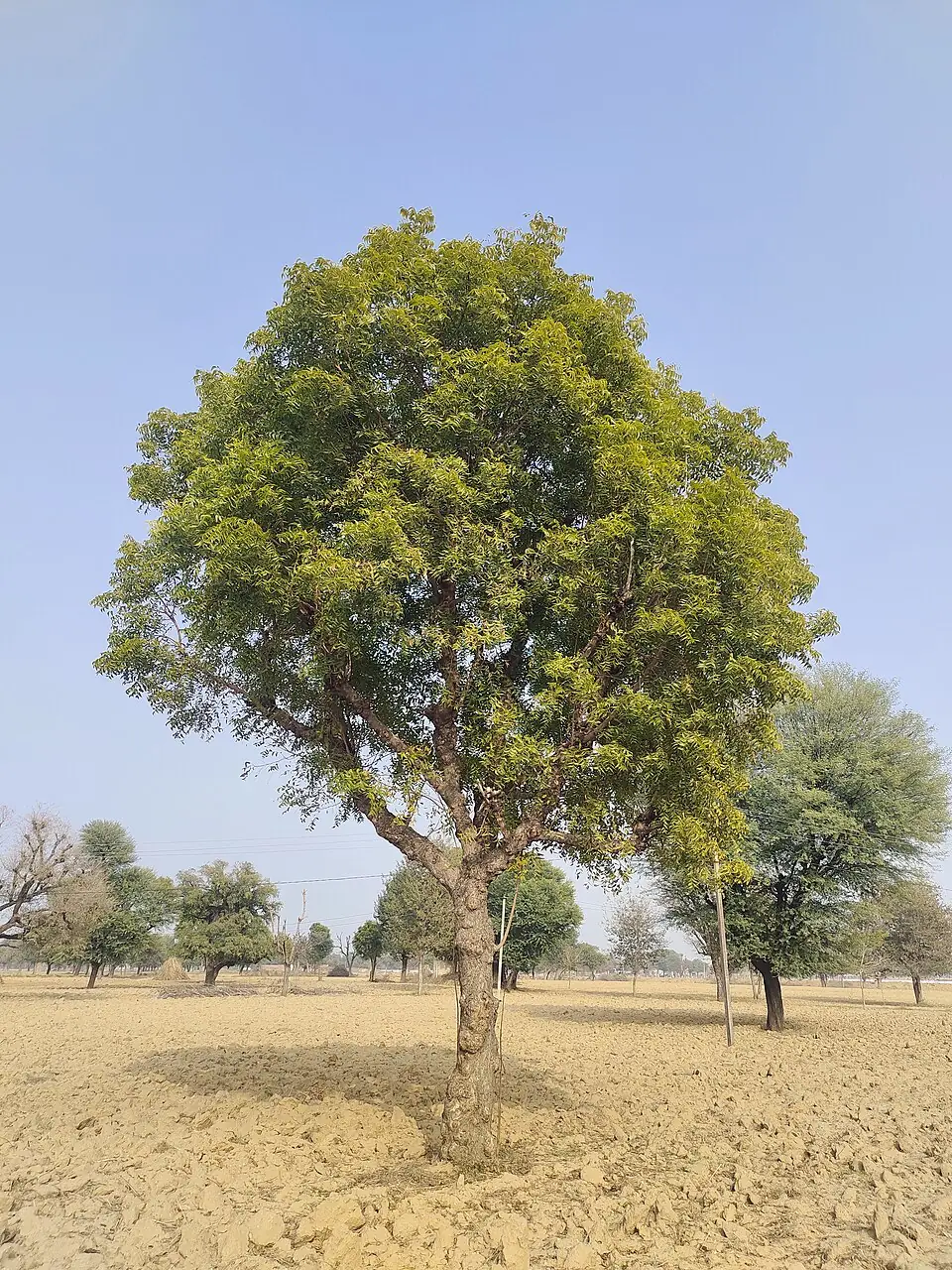
The cultivation record emphasizes these practical steps: Climate Preference — Neem thrives in tropical and subtropical regions, tolerating high temperatures and preferring areas with moderate to low rainfall, making it highly. Soil Requirements — It grows best in well-drained sandy loam or black cotton soils with a pH range of 6.2-7.0, but can adapt to a variety of soil types, including. Propagation — Primarily propagated by seeds, which should be fresh as viability decreases rapidly. Saplings can also be used for planting, ensuring genetic consistency. Planting Density — For optimal growth and canopy development, seeds or saplings should be spaced 10-15 meters apart in an open, sunny location to allow for extensive. Watering — Regular watering is crucial during the establishment phase (first 2-3 years). Mature trees are highly drought-tolerant and require minimal supplementary. Fertilization — While Neem is hardy and can grow in poor soils, applying organic fertilizers like compost or well-rotted manure during the initial growth stages can. Light Exposure — Full sun exposure is essential for healthy growth and optimal production of active compounds. Pest Resistance — Neem trees are naturally resistant to most pests due to their intrinsic chemical compounds, reducing the need for external pesticides in their.
The broader growth environment is described like this: Tropical and sub-tropical regions, thriving in semi-arid to arid climates. Can tolerate a wide range of altitudes from sea level to 1500m. Requires annual rainfall of 400-1200mm. Prefers low to medium humidity.
Planning becomes easier when these traits are kept in view: s | Tree |; Typically 5-25 m; Typically 3-15 m; Moderate; Intermediate.
In practice, healthy cultivation comes from systems thinking rather than one-off tricks. Site choice, drainage, timing, spacing, pruning, feeding, and observation all reinforce one another.
Light, Water & Soil Requirements
The most useful care snapshot is this: Light: Full Sun; Water: Weekly; Soil: Well-drained loamy or sandy-loamy soil, pH 6.2-7.0; Temperature: 20-40°C; USDA zone: Usually 5-10.
Outdoors, light, water, and soil must be read together. The same watering schedule can be too much in dense clay and too little in a porous sandy bed.
| Light | Full Sun |
|---|---|
| Water | Weekly |
| Soil | Well-drained loamy or sandy-loamy soil, pH 6.2-7.0 |
| Temperature | 20-40°C |
| USDA zone | Usually 5-10 |
Light, water, and soil should never be treated as separate checkboxes. A plant in stronger light often dries faster, soil texture changes how quickly water moves, and temperature plus humidity influence how stress appears in leaves and roots.
For Neem Berry, the safest care approach is to treat Full Sun, Weekly, and Well-drained loamy or sandy-loamy soil, pH 6.2-7.0 as linked decisions rather than isolated tips. If one condition shifts, the other two usually need to be reconsidered as well.
Microclimate matters too. Indoors, room placement and airflow can matter as much as window exposure. Outdoors, reflected heat, slope, mulch, and nearby plants can change how 20-40°C and humidity that matches the plant type are actually experienced at plant level.
Propagation Methods
Documented propagation routes include Seeds: Collect fresh, ripe berries, remove pulp, and sow seeds immediately (within 2-3 weeks). Germination takes 2-4 weeks. Cuttings: Take semi-hardwood.
Propagation works best when the parent stock is healthy, correctly identified, and handled in the right season. That sounds obvious, but it is exactly where many failures begin.
- Seeds: Collect fresh, ripe berries, remove pulp, and sow seeds immediately (within 2-3 weeks). Germination takes 2-4 weeks. Cuttings: Take semi-hardwood.
Propagation works best when the reader matches method to biology. Some plants respond readily to cuttings, some to division, some to seed, and others require more patience or more exact seasonal timing.
A successful propagation guide therefore starts with healthy parent material and realistic expectations. Weak stock, rushed handling, and poor aftercare can make even a technically correct method fail.
For Neem Berry, the real goal is not simply to produce another plant, but to produce a correctly identified, vigorous, well-established plant that continues growing without hidden stress from the first stage.
Pest & Disease Management
The recorded problem list includes Pests: Neem is generally pest-resistant, but young plants can be susceptible to scale insects and mealybugs. Diseases:.
For medicinal species, pest pressure is not only a horticultural issue. It also affects harvest cleanliness, storage stability, and confidence in the final material.
The smartest response sequence is observation first, environmental correction second, and treatment only after the real pattern is clear.
- Pests: Neem is generally pest-resistant, but young plants can be susceptible to scale insects and mealybugs. Diseases:.
Pest and disease management is strongest when it begins before visible damage becomes severe. Routine observation, clean handling, sensible spacing, air movement, and balanced watering reduce many problems before treatment is even needed.
When symptoms do appear on Neem Berry, the most reliable response is diagnostic rather than reactive. Yellowing, spots, wilt, chewing, and stunting can all have multiple causes, so a rushed treatment can waste time or worsen the problem.
Harvesting, Storage & Processing
The plant part most often associated with harvest or processing is Leaves, bark, fruit, or seeds commonly cited in related taxa.
Storage guidance from the quality-control record reads as follows: Dried plant material and extracts should be stored in airtight, dark containers in cool, dry conditions to prevent degradation of light- and heat-sensitive limonoids, typically.
For medicinal plants, harvesting cannot be separated from processing. The right plant part, the right timing, and the right drying conditions all shape quality and safety.
Whatever the purpose, the rule is the same: harvest clean material, label it clearly, and store it in a way that preserves identity and condition.
Harvest and storage determine whether a plant's quality is preserved after it leaves the bed, pot, field, or wild source. Clean timing, correct plant part selection, and careful drying or handling all matter more than many readers expect.
Companion Planting & Garden Design
Useful companions or placement partners include Sesame; Cowpea; Finger Millet.
In a home herb garden or medicinal bed, Neem Berry should be placed where harvesting is easy, labeling remains clear, and neighboring plants do not create confusion at collection time.
- Sesame
- Cowpea
- Finger Millet
Companion planting and design are not only aesthetic decisions. They affect airflow, root competition, moisture sharing, harvest access, visibility, and the general logic of the planting scheme.
With Neem Berry, good placement means thinking about mature size, maintenance rhythm, and how neighboring plants change the feel and function of the space. A plant can be healthy on its own and still be poorly placed within the broader composition.
That is why the best design advice combines biology with usability. The planting should look coherent, but it should also make watering, pruning, harvest, and pest observation easier rather than harder.
Scientific Research & Evidence Base
The evidence matrix points to several recurring themes: Reduces dental plaque and gingivitis. Clinical trials involving topical application of gel/mouthwash. Possibly Effective. Studies show that neem leaf extract gel or mouthwash can decrease plaque accumulation and improve gingival health, comparable to some conventional treatments. Effective treatment for head lice. Clinical trials (shampoo application). Possibly Effective. Applying neem extract shampoo to the scalp has demonstrated efficacy in treating head lice in children after one or two applications. Possesses anti-inflammatory properties. In vitro and animal studies, traditional texts. Preclinical/Traditional use. Compounds like nimbin and nimbidin have shown significant anti-inflammatory activity in laboratory and animal models, supporting its traditional use for inflammatory conditions. Exhibits broad-spectrum antimicrobial activity. In vitro studies against bacteria, fungi, viruses, and parasites. Preclinical/Traditional use. Numerous in vitro studies confirm neem's potent effects against various pathogens, providing a scientific basis for its traditional use in treating infections.
Ethnobotanical activity records add historical reference trails: Polyphenol, tannin, flavonoid, or terpene activity often reported in related taxa — Assam; Bangladesh; Cambodia; Laos; Myanmar; Thailand; Vietnam [https://api.gbif.org/v1/species/3190474; https://api.gbif.org/v1/species/3190474/vernacularNames?limit=100; https://api.gbif.org/v1/species/3190474/synonyms?limit=100; https://api.gbif.org/v1/species/3190474/distributions?limit=200; AI heuristic estimate from taxonomy/common-name patterns; verify manually.].
The compiled source count behind the live profile is 8. That does not guarantee certainty, but it does suggest the record has been cross-checked beyond a single note.
Analytical testing notes also strengthen the evidence base: Advanced analytical techniques such as HPLC-UV for quantification of marker compounds, HPTLC for fingerprinting, GC-MS for volatile components, and macroscopic/microscopic.
A careful evidence section should say what is known, what is plausible, and what remains uncertain. Readers are better served by clear limits than by exaggerated confidence.
Evidence note: this section blends the live plant record, local ethnobotanical activity data, chemistry records, and the linked Flora Medical Global plant profile for Neem Berry.
Buying Guide & Expert Tips
Quality markers worth checking include Azadirachtin A, Nimbin, Nimbidin, and Salannin are commonly used as chemical markers for identification and standardization of Azadirachta indica extracts.
Adulteration and substitution risk should not be ignored: High risk of adulteration, particularly for powdered bark, leaves, and seed oil, with cheaper plant materials, synthetic pesticides, or inert fillers, necessitating rigorous.
When buying Neem Berry, start with verified botanical identity. The label, scientific name, and the source page should agree before you judge price, size, or claimed benefits.
For living plants, inspect roots, stem firmness, foliage health, and early pest signs. For dried or processed material, look for batch clarity, clean aroma, absence of mold, and any sign that the product has been over-processed to disguise poor quality.
Buying advice should begin with identity. The label, scientific name, visible condition, and seller credibility should agree before price or convenience becomes the deciding factor.
Frequently Asked Questions
What is Neem Berry best known for?
Azadirachta indica, universally known as Neem Berry, is an esteemed evergreen tree that can attain impressive heights of up to 20 meters.
Is Neem Berry beginner-friendly?
That depends on the growing environment and the intended use. Some plants are easy to grow but not simple to use medicinally, while others are the opposite.
How much light does Neem Berry need?
Full Sun
How often should Neem Berry be watered?
Weekly
Can Neem Berry be propagated at home?
Yes, but the best method depends on whether the species responds best to seed, cuttings, division, offsets, or other propagation routes.
Does Neem Berry have safety concerns?
Toxicity Classification: Class II (moderately hazardous) for humans upon ingestion of concentrated products like neem oil or extracts, especially in children. Toxic Parts: Primarily the seeds and seed oil when ingested internally.
What is the biggest mistake people make with Neem Berry?
The most common mistake is applying generic advice instead of matching the plant to its real environment, identity, and limits.
Where can I verify more information about Neem Berry?
Start with the Flora Medical Global plant profile: https://www.floramedicalglobal.com/plant/neem-berry-fruit-med
Why do sources sometimes disagree about Neem Berry?
Different references may use different synonyms, plant parts, cultivation conditions, or evidence standards. That is why taxonomy and source quality both matter.
Trusted Scientific References & Further Reading
Authoritative sources and related guides:
- Wikipedia — background reference
- PubMed — peer-reviewed studies
- Kew POWO — botanical reference
- NCBI PMC — open-access research
- WHO — global health authority