
Overview & Introduction
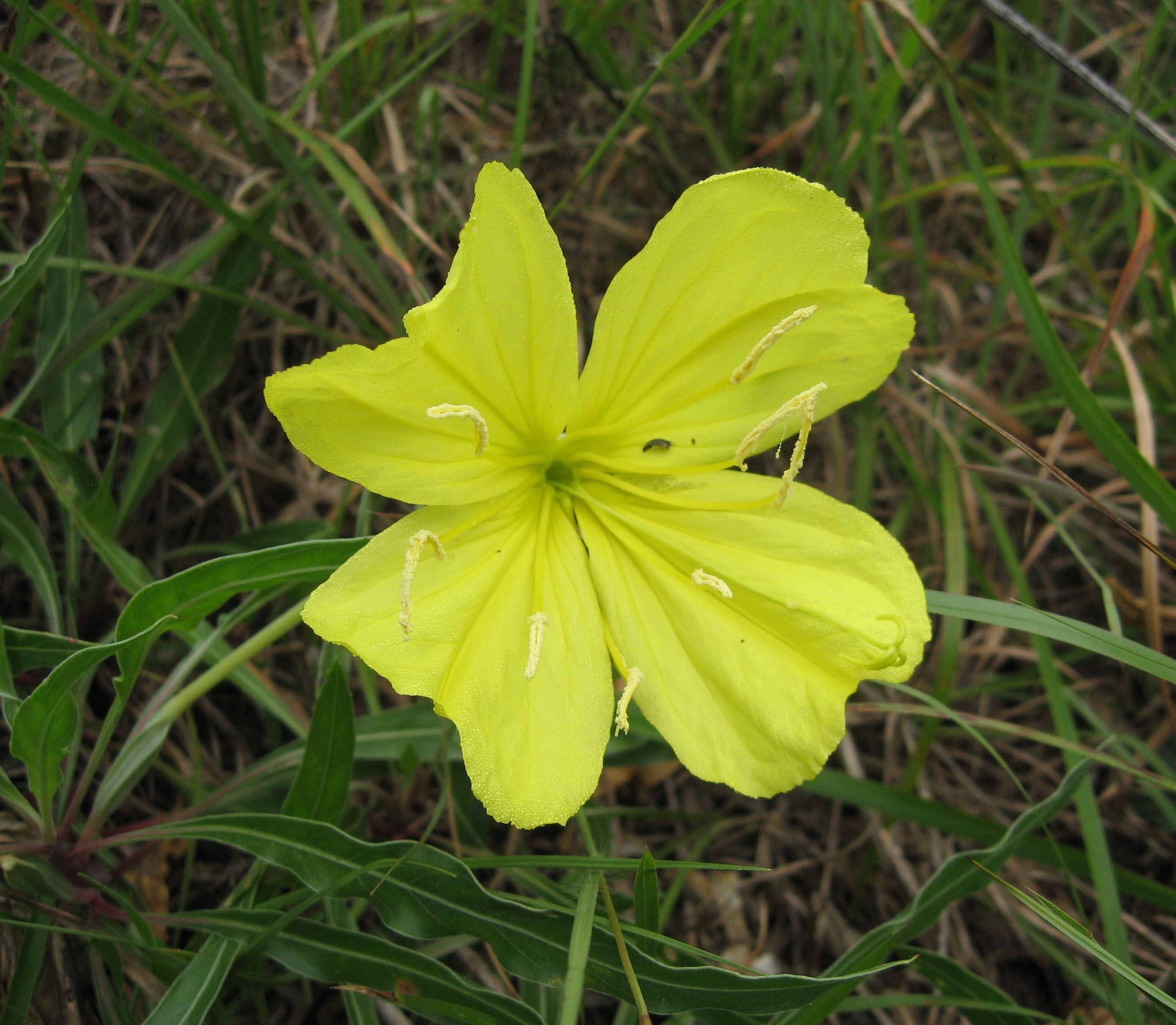
Oenothera macrocarpa, commonly known as the Missouri evening primrose or Bigfruit evening primrose, is a striking North American native perennial belonging to the Onagraceae family.
The interesting part about Oenothera Macrocarpa is that the plant can be discussed from several angles at once: visible form, environmental behavior, traditional context, and modern quality control.
The aim is simple: make the article detailed enough for serious readers while keeping the structure clear enough for fast scanning and confident decision-making.
- Oenothera macrocarpa is a North American native perennial known for large, bright yellow, evening-blooming flowers.
- Primarily an ornamental plant, it is valued for xeriscaping and rock gardens due to its drought tolerance.
- Medicinal benefits are largely associated with related species, specifically Oenothera biennis, which yields Evening Primrose Oil (EPO).
- EPO is rich in Gamma-Linolenic Acid (GLA), used to manage conditions like eczema, PMS, and menopausal symptoms.
- Key chemical constituents include GLA, Linoleic Acid, flavonoids, and triterpenes.
- General side effects of EPO can include mild GI upset and potential interactions with blood-thinning medications.
- Always consult a healthcare professional before using EPO, especially during pregnancy or with existing medical conditions.
Botanical Profile & Taxonomy
Oenothera Macrocarpa should be anchored to the correct taxonomic identity before any discussion of care, use, or safety begins.
| Common name | Oenothera Macrocarpa |
|---|---|
| Scientific name | Oenothera macrocarpa |
| Family | Onagraceae (Evening Primrose family) |
| Order | Myrtales |
| Genus | Oenothera |
| Species epithet | macrocarpa |
| Author citation | Hook. |
| Synonyms | Oenothera biennis var. macrocarpa, Oenothera hexaptera |
| Common names | মিসৌরি সাঁঝবাতি, Missouri evening primrose |
| Origin | Central and Southern United States (primarily Great Plains region, Missouri, Arkansas, Oklahoma, Texas) |
| Life cycle | Perennial |
| Growth habit | Low-growing, sprawling, herbaceous perennial |
Using the accepted scientific name Oenothera macrocarpa helps readers avoid confusion caused by old synonyms, loose common names, or inconsistent plant labels.
Family and order placement also matter because they explain recurring structural traits, likely relatives, and the kinds of mistakes readers often make when they rely on appearance alone.
Physical Description & Morphology
A practical reading of the plant starts with visible structure: Stem: Herbaceous, erect to spreading, often reddish-tinged, can be somewhat woody near the base. Bark: Not well documented
Microscopic or internal identification notes deepen the picture, especially for processed material: Both glandular and non-glandular trichomes are observed. Non-glandular trichomes are often uniseriate and multicellular, while glandular trichomes. Anomocytic stomata are prevalent on both leaf surfaces (amphistomatic), though more abundant on the abaxial side, characterized by irregular cells. Powdered material reveals fragments of epidermal cells with wavy walls, anomocytic stomata, uniseriate non-glandular trichomes, occasional glandular.
In overall habit, the plant is described as Low-growing, sprawling, herbaceous perennial with a mature height around 30-90 cm and spread of variable width depending on site.
In real-world identification, the most helpful approach is to read the plant as a whole. Habit, size, stem texture, leaf arrangement, flower form, and any distinctive surface detail all matter. For Oenothera Macrocarpa, morphology is not only a descriptive topic; it is the foundation of correct recognition.
Natural Habitat & Distribution
The native or historically recorded center of distribution for Oenothera Macrocarpa is Central and Southern United States (primarily Great Plains region, Missouri, Arkansas, Oklahoma, Texas). That origin is more than background trivia; it explains how the plant responds to heat, moisture, shade, and seasonal change.
The plant is associated with the following countries or range markers: United States.
Environmental notes in the live record add more context: Thrives in full sun (at least 6 hours direct sunlight daily) and well-draining soil. Tolerant of heat and humidity once established. Prefers dry to moderately moist conditions. Can withstand poor, rocky soils.
In cultivation terms, the main ecological clues are: Prefers lean, sandy, gravely, or rocky soils with excellent drainage. Avoid heavy clay or constantly wet conditions, as this can lead to root rot. A slightly alkaline to neutral. 5-9; Perennial; Low-growing, sprawling, herbaceous perennial.
Physiology data reinforce the habitat story: Highly tolerant to drought and heat stress, employing strategies like deep root systems, stomatal closure, and accumulation of osmolytes to maintain. C3 photosynthesis, typical for most temperate zone plants, optimizing carbon fixation under moderate light and temperature conditions. Exhibits xerophytic adaptations, including reduced stomatal density and thick cuticles, leading to low to moderate transpiration rates and high.
Traditional & Cultural Significance
Native to the Great Plains of North America, it has been admired for its beauty. While not having deep historical medicinal use like some other Oenothera species, its captivating evening bloom holds symbolic association with evening, dreams, and transformation.
Traditional context matters, but it should always be separated from modern certainty. Historical use can guide questions, yet it does not automatically prove present-day clinical effectiveness.
Cultural context gives the article depth that pure care instructions cannot provide. Plants like Oenothera Macrocarpa are often remembered through naming traditions, household practice, healing systems, foodways, ornamental use, ritual value, or local ecological knowledge.
At the same time, cultural value should be handled responsibly. Traditional respect for a plant does not automatically prove every modern claim, and a modern study does not erase the meaning the plant has held in communities over time. Both sides belong in a careful guide.
Medicinal Properties & Health Benefits
The main benefit themes associated with the plant include: While Oenothera macrocarpa is primarily cultivated for its ornamental beauty, its close botanical relative, Oenothera biennis (common evening primrose), is a. Anti-inflammatory Support — GLA converts into prostaglandins E1, which possess potent anti-inflammatory effects, helping to reduce systemic inflammation. Eczema Relief — EPO has been clinically studied to improve skin barrier function and reduce symptoms of atopic dermatitis (eczema), alleviating itching and. Premenstrual Syndrome (PMS) Management — The hormone-regulating properties of GLA can help mitigate symptoms like breast tenderness, mood swings, and bloating. Menopausal Symptom Reduction — Regular intake of EPO may help lessen the severity of hot flashes and night sweats, offering comfort during menopause. Breast Pain (Mastalgia) Alleviation — GLA's anti-inflammatory action can reduce cyclical breast pain, a common complaint among women. Skin Health Enhancement — Beyond eczema, EPO contributes to overall skin hydration, elasticity, and smoothness, supporting a healthy complexion. Cardiovascular Health — Essential fatty acids like GLA and LA play a role in maintaining healthy cholesterol levels and supporting overall heart function.
The evidence matrix gives a more careful picture of those claims: Evening Primrose Oil (EPO) reduces symptoms of atopic dermatitis (eczema). Meta-analysis of randomized controlled trials (RCTs) for O. biennis. Level 1 (Strong). Multiple clinical trials support the efficacy of EPO in improving skin barrier function and reducing inflammatory markers in eczema patients. EPO alleviates symptoms associated with Premenstrual Syndrome (PMS). Randomized, placebo-controlled trials for O. biennis. Level 2 (Moderate). Studies show EPO can significantly reduce symptoms like breast tenderness, bloating, and mood swings, likely due to GLA's prostaglandin-modulating effects. EPO helps manage menopausal symptoms, particularly hot flashes. Clinical trials and systematic reviews for O. biennis. Level 2 (Moderate). While results vary, several studies indicate a reduction in the frequency and severity of hot flashes with EPO supplementation, though not universally conclusive. Oenothera species have traditional uses for wound healing and skin conditions. Ethnobotanical records and historical texts (general Oenothera species). Level 4 (Traditional Use/Anecdotal). Various Oenothera species were traditionally used topically for bruises, skin irritations, and internal ailments, predating modern EPO research.
The stored evidence confidence for this profile is ai_generated. That should shape how strongly any benefit statement is interpreted.
For non-medicinal or mostly ornamental contexts, the safest approach is to keep the claims modest. A plant may still be valuable ecologically, visually, or culturally without being promoted as a treatment.
- While Oenothera macrocarpa is primarily cultivated for its ornamental beauty, its close botanical relative, Oenothera biennis (common evening primrose), is a.
- Anti-inflammatory Support — GLA converts into prostaglandins E1, which possess potent anti-inflammatory effects, helping to reduce systemic inflammation.
- Eczema Relief — EPO has been clinically studied to improve skin barrier function and reduce symptoms of atopic dermatitis (eczema), alleviating itching and.
- Premenstrual Syndrome (PMS) Management — The hormone-regulating properties of GLA can help mitigate symptoms like breast tenderness, mood swings, and bloating.
- Menopausal Symptom Reduction — Regular intake of EPO may help lessen the severity of hot flashes and night sweats, offering comfort during menopause.
- Breast Pain (Mastalgia) Alleviation — GLA's anti-inflammatory action can reduce cyclical breast pain, a common complaint among women.
- Skin Health Enhancement — Beyond eczema, EPO contributes to overall skin hydration, elasticity, and smoothness, supporting a healthy complexion.
- Cardiovascular Health — Essential fatty acids like GLA and LA play a role in maintaining healthy cholesterol levels and supporting overall heart function.
- Nerve Function Support — GLA is crucial for proper nerve structure and function, potentially aiding in peripheral neuropathy symptoms.
- Bone Density Maintenance — Studies suggest that essential fatty acids may support bone mineral density, especially when combined with calcium and fish oil.
Chemical Constituents & Phytochemistry
The broader constituent profile includes The seeds of Oenothera species, particularly those utilized for medicinal purposes like Oenothera biennis, are. Gamma-Linolenic Acid (GLA) — A crucial omega-6 essential fatty acid (C18:3, n-6) present in significant quantities. Linoleic Acid (LA) — The primary omega-6 essential fatty acid (C18:2, n-6), often comprising 60-80% of the fatty acids. Oleic Acid — A monounsaturated omega-9 fatty acid (C18:1), contributing to the overall lipid profile and stability of. Palmitic Acid — A saturated fatty acid (C16:0) commonly found in plant oils, providing structural components. Stearic Acid — Another saturated fatty acid (C18:0) present in smaller amounts, also a structural component. Flavonoids — Polyphenolic compounds like quercetin, kaempferol, and their glycosides, known for antioxidant. Triterpenes — Compounds such as oleanolic acid and ursolic acid derivatives, contributing to anti-inflammatory and. Phytosterols — Plant sterols like beta-sitosterol, campesterol, and stigmasterol, which can help lower cholesterol. Tocopherols (Vitamin E) — Natural antioxidants that protect the oil from oxidation and contribute to cell membrane.
The detailed phytochemistry file adds these markers: Gamma-Linolenic Acid (GLA), Omega-6 Fatty Acid, Seed Oil (from O. biennis and related species), 7-10% of total fatty acids; Linoleic Acid (LA), Omega-6 Fatty Acid, Seed Oil (from O. biennis and related species), 60-80% of total fatty acids; Quercetin, Flavonoid, Leaves, Flowers (general Oenothera species), 0.1-0.5% dry weight; Kaempferol, Flavonoid, Leaves, Flowers (general Oenothera species), 0.05-0.2% dry weight; Beta-Sitosterol, Phytosterol, Seed Oil (general Oenothera species), 0.5-1.5% of unsaponifiable matter; Gallic Acid, Phenolic Acid, Leaves, Stems (general Oenothera species), 0.01-0.1% dry weight.
Compound profiles also shift with plant part, age, season, processing, and storage. The chemistry of a fresh leaf, dried root, or concentrated extract should never be treated as automatically identical.
How to Use — Preparations & Dosage
Recorded preparation and use methods include For Oenothera macrocarpa, usage is primarily ornamental. However, for the medicinal benefits associated with its genus, particularly from Oenothera biennis (Evening Primrose. Encapsulated Oil — The most common method, consuming standardized Evening Primrose Oil (EPO) capsules orally as a dietary supplement. Topical Application — EPO can be applied directly to the skin to moisturize, soothe irritation, and reduce inflammation, particularly for conditions like eczema. Culinary Use (Limited) — While not common, some culinary oils may incorporate small amounts of evening primrose oil, though its high cost and delicate nature limit widespread use. Tinctures (Rare) — Though less common for Oenothera seed oil, the aerial parts of some Oenothera species have been used to create tinctures for various traditional applications. Infused Oils — Dried flowers or leaves of related Oenothera species could theoretically be infused into carrier oils for topical applications, though not for O. macrocarpa's. Herbal Teas (Leaves/Roots) — Certain Oenothera species leaves and roots have traditional uses as decoctions or infusions, though again, not for O. macrocarpa specifically for. Seed Collection — For O. macrocarpa, seeds are collected for propagation, not typically for medicinal oil extraction due to lower GLA content compared to O. biennis.
Edibility and processing notes matter here as well: Not edible.
For garden-focused readers, this section often overlaps with practical garden use: cut flowers, pollinator support, habitat value, decorative placement, culinary handling, or any carefully documented traditional application.
- Identify the exact species and plant part first.
- Match the preparation to the intended use.
- Check safety, interactions, and processing details before routine use or large-scale handling.
Safety Profile, Side Effects & Contraindications
The first safety note is direct: Generally considered non-toxic to humans and pets. Not known to cause significant irritation or internal harm. However, ingesting any plant material in large quantities is not recommended.
Specific warnings recorded for this plant include The safety of Oenothera macrocarpa for ornamental use is high, but when considering medicinal applications from related Oenothera species like O. biennis. Pregnancy and Lactation — EPO is generally not recommended during pregnancy or breastfeeding due to insufficient safety data, despite traditional uses. Bleeding Disorders — Individuals with bleeding disorders or those taking anticoagulant/antiplatelet medications should avoid EPO due to increased bleeding risk. Surgery — Discontinue EPO at least two weeks before any scheduled surgery to minimize the risk of excessive bleeding. Seizure Disorders — Individuals with epilepsy, especially those taking phenothiazines, should consult a doctor before using EPO due to potential seizure. Allergic Sensitivities — People with known allergies to plants in the Onagraceae family should exercise caution. Children — Consult a healthcare professional before administering EPO to children. Dosage — Adhere strictly to recommended dosages; high doses may increase the likelihood of side effects. While Evening Primrose Oil (EPO) from related Oenothera species is generally well-tolerated, some individuals may experience adverse reactions.
Quality-control notes add another warning: Adulteration can occur with cheaper oils (e.g., sunflower oil) or oils with lower GLA content, necessitating rigorous testing to ensure product authenticity and potency.
No plant should be described as universally safe. Identity, dose, plant part, preparation style, age, pregnancy status, medication use, allergies, and contamination risk all change the answer.
Growing & Cultivation Guide
The cultivation record emphasizes these practical steps: Oenothera macrocarpa is a resilient perennial, relatively easy to cultivate when its specific needs are met. Site Selection — Choose a location with full sun exposure (at least 6-8 hours daily) for optimal flowering and growth. Soil Requirements — Prefers well-drained, lean to moderately fertile soil; it tolerates sandy, rocky, or even clay soils as long as drainage is excellent. Watering — Highly drought-tolerant once established; water sparingly, allowing soil to dry out completely between waterings. Overwatering can lead to root rot. Propagation — Can be propagated by seed (sow in fall or early spring) or by division of established clumps in spring or fall. Spacing — Plant individual specimens 12-18 inches apart to allow for its sprawling growth habit.
The broader growth environment is described like this: Thrives in full sun (at least 6 hours direct sunlight daily) and well-draining soil. Tolerant of heat and humidity once established. Prefers dry to moderately moist conditions. Can withstand poor, rocky soils.
Planning becomes easier when these traits are kept in view: Low-growing, sprawling, herbaceous perennial; 30-90 cm.
In practice, healthy cultivation comes from systems thinking rather than one-off tricks. Site choice, drainage, timing, spacing, pruning, feeding, and observation all reinforce one another.
Light, Water & Soil Requirements
The most useful care snapshot is this: Soil: Prefers lean, sandy, gravely, or rocky soils with excellent drainage. Avoid heavy clay or constantly wet conditions, as this can lead to root rot. A slightly alkaline to neutral. USDA zone: 5-9.
Outdoors, light, water, and soil must be read together. The same watering schedule can be too much in dense clay and too little in a porous sandy bed.
| Soil | Prefers lean, sandy, gravely, or rocky soils with excellent drainage. Avoid heavy clay or constantly wet conditions, as this can lead to root rot. A slightly alkaline to neutral. |
|---|---|
| USDA zone | 5-9 |
Light, water, and soil should never be treated as separate checkboxes. A plant in stronger light often dries faster, soil texture changes how quickly water moves, and temperature plus humidity influence how stress appears in leaves and roots.
For Oenothera Macrocarpa, the safest care approach is to treat the light pattern described in the plant profile, watering that responds to season and drainage, and Prefers lean, sandy, gravely, or rocky soils with excellent drainage. Avoid heavy clay or constantly wet conditions, as this can lead to root rot. A slightly alkaline to neutral. as linked decisions rather than isolated tips. If one condition shifts, the other two usually need to be reconsidered as well.
Propagation Methods
Documented propagation routes include Primarily by seed (sow in fall or early spring). Can also be propagated by division in early spring or by softwood cuttings taken in late spring/early summer.
Propagation works best when the parent stock is healthy, correctly identified, and handled in the right season. That sounds obvious, but it is exactly where many failures begin.
- Primarily by seed (sow in fall or early spring). Can also be propagated by division in early spring or by softwood cuttings taken in late spring/early summer.
Propagation works best when the reader matches method to biology. Some plants respond readily to cuttings, some to division, some to seed, and others require more patience or more exact seasonal timing.
A successful propagation guide therefore starts with healthy parent material and realistic expectations. Weak stock, rushed handling, and poor aftercare can make even a technically correct method fail.
Pest & Disease Management
Garden problems are often ecological rather than mysterious. Crowding, poor airflow, overwatering, wrong siting, and delayed observation create the conditions that pests and disease exploit.
The smartest response sequence is observation first, environmental correction second, and treatment only after the real pattern is clear.
Pest and disease management is strongest when it begins before visible damage becomes severe. Routine observation, clean handling, sensible spacing, air movement, and balanced watering reduce many problems before treatment is even needed.
When symptoms do appear on Oenothera Macrocarpa, the most reliable response is diagnostic rather than reactive. Yellowing, spots, wilt, chewing, and stunting can all have multiple causes, so a rushed treatment can waste time or worsen the problem.
Good troubleshooting also includes environmental correction. Pests and disease often reveal a deeper issue such as root stress, poor airflow, inconsistent watering, weak light, or exhausted soil structure.
Harvesting, Storage & Processing
Storage guidance from the quality-control record reads as follows: EPO is prone to oxidation due to its high polyunsaturated fatty acid content; it should be stored in airtight, dark containers, refrigerated, and often contains antioxidants like.
For a garden-focused plant, harvesting may mean seed collection, cut stems, flowers, foliage, or propagation material rather than edible or medicinal processing.
Whatever the purpose, the rule is the same: harvest clean material, label it clearly, and store it in a way that preserves identity and condition.
Harvest and storage determine whether a plant's quality is preserved after it leaves the bed, pot, field, or wild source. Clean timing, correct plant part selection, and careful drying or handling all matter more than many readers expect.
For Oenothera Macrocarpa, this means the reader should think beyond collection. Material that is poorly labeled, overheated, damp in storage, or mixed with the wrong part of the plant can quickly lose value or create confusion later.
Companion Planting & Garden Design
In a garden border or planting plan, Oenothera Macrocarpa is easiest to use well when exposure, soil rhythm, and seasonal sequence are matched rather than improvised.
Companion planting and design are not only aesthetic decisions. They affect airflow, root competition, moisture sharing, harvest access, visibility, and the general logic of the planting scheme.
With Oenothera Macrocarpa, good placement means thinking about mature size, maintenance rhythm, and how neighboring plants change the feel and function of the space. A plant can be healthy on its own and still be poorly placed within the broader composition.
That is why the best design advice combines biology with usability. The planting should look coherent, but it should also make watering, pruning, harvest, and pest observation easier rather than harder.
Scientific Research & Evidence Base
The evidence matrix points to several recurring themes: Evening Primrose Oil (EPO) reduces symptoms of atopic dermatitis (eczema). Meta-analysis of randomized controlled trials (RCTs) for O. biennis. Level 1 (Strong). Multiple clinical trials support the efficacy of EPO in improving skin barrier function and reducing inflammatory markers in eczema patients. EPO alleviates symptoms associated with Premenstrual Syndrome (PMS). Randomized, placebo-controlled trials for O. biennis. Level 2 (Moderate). Studies show EPO can significantly reduce symptoms like breast tenderness, bloating, and mood swings, likely due to GLA's prostaglandin-modulating effects. EPO helps manage menopausal symptoms, particularly hot flashes. Clinical trials and systematic reviews for O. biennis. Level 2 (Moderate). While results vary, several studies indicate a reduction in the frequency and severity of hot flashes with EPO supplementation, though not universally conclusive. Oenothera species have traditional uses for wound healing and skin conditions. Ethnobotanical records and historical texts (general Oenothera species). Level 4 (Traditional Use/Anecdotal). Various Oenothera species were traditionally used topically for bruises, skin irritations, and internal ailments, predating modern EPO research.
Analytical testing notes also strengthen the evidence base: Gas Chromatography (GC) is the standard method for quantifying fatty acid profiles, while UV-Vis spectroscopy and HPLC are used for flavonoid and phenolic content, and heavy.
A careful evidence section should say what is known, what is plausible, and what remains uncertain. Readers are better served by clear limits than by exaggerated confidence.
Evidence note: this section blends the live plant record, local ethnobotanical activity data, chemistry records, and the linked Flora Medical Global plant profile for Oenothera Macrocarpa.
Buying Guide & Expert Tips
Quality markers worth checking include Gamma-Linolenic Acid (GLA) and Linoleic Acid (LA) are primary marker compounds for the quality assessment of Evening Primrose Oil (EPO) from related Oenothera species.
Adulteration and substitution risk should not be ignored: Adulteration can occur with cheaper oils (e.g., sunflower oil) or oils with lower GLA content, necessitating rigorous testing to ensure product authenticity and potency.
When buying Oenothera Macrocarpa, start with verified botanical identity. The label, scientific name, and the source page should agree before you judge price, size, or claimed benefits.
For living plants, inspect roots, stem firmness, foliage health, and early pest signs. For dried or processed material, look for batch clarity, clean aroma, absence of mold, and any sign that the product has been over-processed to disguise poor quality.
Frequently Asked Questions
What is Oenothera Macrocarpa best known for?
Oenothera macrocarpa, commonly known as the Missouri evening primrose or Bigfruit evening primrose, is a striking North American native perennial belonging to the Onagraceae family.
Is Oenothera Macrocarpa beginner-friendly?
That depends on the growing environment and the intended use. Some plants are easy to grow but not simple to use medicinally, while others are the opposite.
How much light does Oenothera Macrocarpa need?
Match the species to the exposure described in the guide rather than using a generic light rule.
How often should Oenothera Macrocarpa be watered?
Water according to soil, drainage, season, and plant response rather than a fixed schedule.
Can Oenothera Macrocarpa be propagated at home?
Yes, but the best method depends on whether the species responds best to seed, cuttings, division, offsets, or other propagation routes.
Does Oenothera Macrocarpa have safety concerns?
Generally considered non-toxic to humans and pets. Not known to cause significant irritation or internal harm. However, ingesting any plant material in large quantities is not recommended.
What is the biggest mistake people make with Oenothera Macrocarpa?
The most common mistake is applying generic advice instead of matching the plant to its real environment, identity, and limits.
Where can I verify more information about Oenothera Macrocarpa?
Start with the Flora Medical Global plant profile: https://www.floramedicalglobal.com/garden-plants/oenothera-macrocarpa
Why do sources sometimes disagree about Oenothera Macrocarpa?
Different references may use different synonyms, plant parts, cultivation conditions, or evidence standards. That is why taxonomy and source quality both matter.
Trusted Scientific References & Further Reading
Authoritative sources and related guides:
- Wikipedia — background reference
- PubMed — peer-reviewed studies
- Kew POWO — botanical reference
- NCBI PMC — open-access research
- WHO — global health authority