
Overview & Introduction
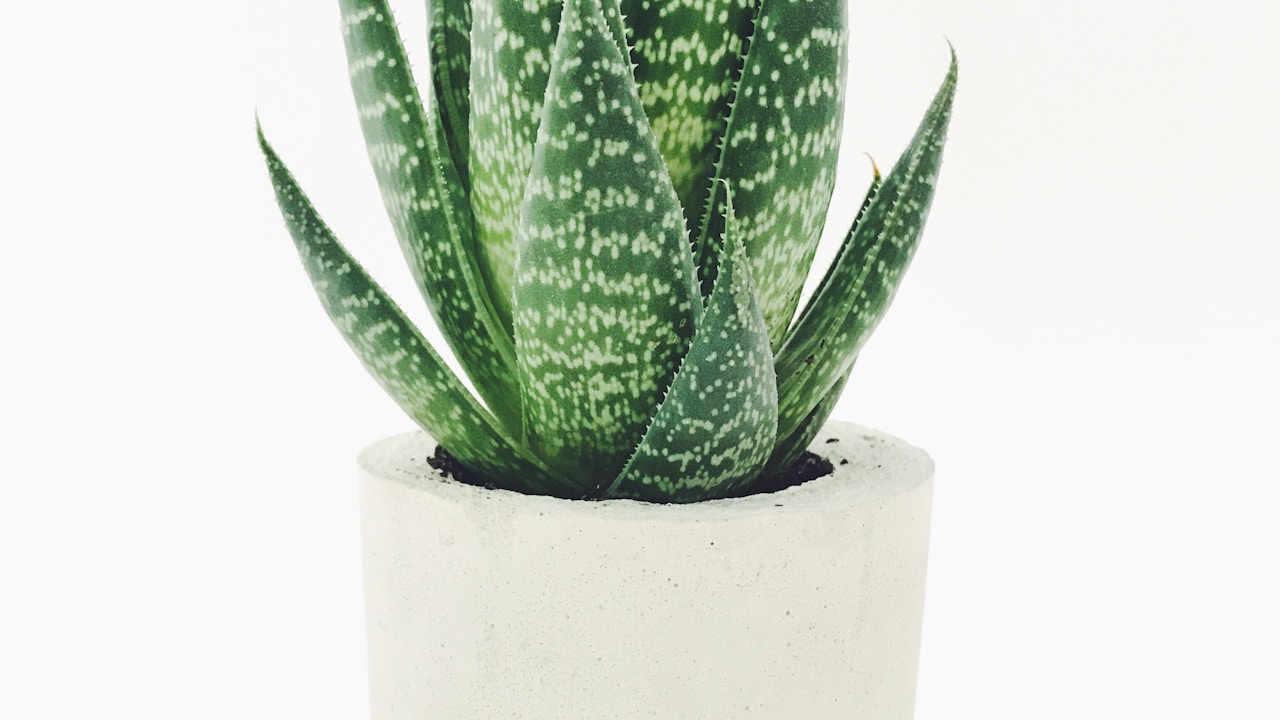
Spanish Broom (Spartium junceum) is an elegant perennial shrub belonging to the diverse Fabaceae family, renowned for its striking appearance and ecological resilience across its native Mediterranean basin.
The interesting part about Spanish Broom is that the plant can be discussed from several angles at once: visible form, environmental behavior, traditional context, and modern quality control.
The aim is simple: make the article detailed enough for serious readers while keeping the structure clear enough for fast scanning and confident decision-making.
- Mediterranean shrub with striking yellow flowers and rush-like stems.
- Traditionally used as a diuretic and laxative, and for general wellness.
- Rich in quinolizidine alkaloids, particularly sparteine, and flavonoids.
- Absolutely contraindicated in pregnancy due to uterotonic effects.
- Requires expert guidance for any medicinal use due to narrow therapeutic window.
- Also valued for fiber production and as a cosmetic fragrance.
This guide is designed to help the reader move from scattered facts to practical understanding. Instead of relying on a thin summary, it pulls together the identity, uses, care profile, safety notes, and evidence context around Spanish Broom so the article works as a real reference rather than a keyword page.
Botanical Profile & Taxonomy
Spanish Broom should be anchored to the correct taxonomic identity before any discussion of care, use, or safety begins.
| Common name | Spanish Broom |
|---|---|
| Scientific name | Spartium junceum |
| Family | Fabaceae |
| Order | Fabales |
| Genus | Spartium |
| Species epithet | junceum |
| Author citation | L. |
| Synonyms | Genista juncea (L.) Scop., Spartium japonicum Miq., Spartium acutifolium Lindl., Genista odorata Moench, Spartianthus junceus Link, Spartianthus americanus Steud., Spartium junceum var. flore-pleno Carrière, Genista americana Spach, Cytisus junceus (L.) Vuk., Spartium junceum f. plenum (Weston) Rehder, Genista hispanica Garsault, Genista acutifolia Spach |
| Common names | স্প্যানিশ ব্রুম, স্পার্টিয়াম জুনসিয়াম, Spanish Broom, Weaver's Broom, French Broom, Weaver's Ginster |
| Local names | Spartier à tiges de jonc, Spaanse brem, Binsenginster, Spartier, Pfriemenginster, Ginestra odorosa, Spartier jonc, Genêt d'Espagne, Spartier à tiges de jonc., Banadl Sbaen, Spaanse besem, Banhadlen Sbaen, Banadl Sbaeneg, Spartier a tiges de jonc |
| Origin | Mediterranean Basin (Spain, Portugal, France, Italy, Greece, North Africa) |
| Life cycle | Perennial |
| Growth habit | Tree |
Using the accepted scientific name Spartium junceum helps readers avoid confusion caused by old synonyms, loose common names, or inconsistent plant labels.
Family and order placement also matter because they explain recurring structural traits, likely relatives, and the kinds of mistakes readers often make when they rely on appearance alone.
Physical Description & Morphology
Microscopic or internal identification notes deepen the picture, especially for processed material: Trichomes are generally absent or very sparse, non-glandular, and unicellular or multicellular, primarily found on young growth or developing pods. Stomata are predominantly paracytic, often sunken, found sparsely on young stems and any ephemeral leaves, contributing to reduced transpiration. Powdered material reveals fragments of thick-walled epidermal cells, lignified xylem vessels with spiral or pitted thickenings, parenchymatous.
In overall habit, the plant is described as Tree with a mature height around 2–4 m and spread of Typically 0.5-3 m.
In real-world identification, the most helpful approach is to read the plant as a whole. Habit, size, stem texture, leaf arrangement, flower form, and any distinctive surface detail all matter. For Spanish Broom, morphology is not only a descriptive topic; it is the foundation of correct recognition.
That is especially important when the plant is sold, dried, trimmed, or processed. Once a specimen is no longer growing naturally in front of the reader, small structural clues become more valuable. Leaf shape, venation, root form, bark character, and reproductive features all help confirm identity.
Natural Habitat & Distribution
The native or historically recorded center of distribution for Spanish Broom is Mediterranean Basin (Spain, Portugal, France, Italy, Greece, North Africa). That origin is more than background trivia; it explains how the plant responds to heat, moisture, shade, and seasonal change.
The plant is associated with the following countries or range markers: the Mediterranean.
Environmental notes in the live record add more context: Ideal for hot, dry, and sunny climates, Spanish Broom prefers temperatures ranging from 20-30°C (68-86°F) and can tolerate drought conditions once established. It thrives in poor, sandy, or rocky soils with good drainage but does not do well in waterlogged areas. The plant is best grown in a Mediterranean climate but can adapt to similar environments.
In cultivation terms, the main ecological clues are: Full sun to partial shade; Moderate; Well-drained; Often 6-10; species-dependent; Perennial; Tree.
Physiology data reinforce the habitat story: Highly adapted to drought and heat stress through morphological features (leafless stems) and physiological responses such as osmotic adjustment and. Spanish Broom utilizes C3 photosynthesis, common among temperate and Mediterranean plant species. Exhibits moderate to low transpiration rates, an adaptation to its arid native habitat, employing mechanisms like reduced leaf surface area to.
Traditional & Cultural Significance
Ethnobotanical records also show how this plant has been framed across different places: Diuretic in Turkey (Steinmetz, E.F. 1957. codex Vegetabilis. Published by the author, Amsterdam.); Diuretic in Elsewhere (ANON. 1978. List of Plants. Kyoto Herbal Garden, Parmacognostic Research Lab., Central Research Division, Takeda Chem. Industries, Ltd., Ichijoji, Sakyoku, Kyoto, Japan.); Dropsy in Turkey (Al-Rawi, Ali. 1964. Medicinal Plants of Iraq. Tech. Bull. No. 15. Ministry of Agriculture, Directorate General of Agricultural Research Projects.); Emetic in Iraq (Al-Rawi, Ali. 1964. Medicinal Plants of Iraq. Tech. Bull. No. 15. Ministry of Agriculture, Directorate General of Agricultural Research Projects.); Laxative in Spain (Font Query, P. 1979. Plantas Medicinales el Dioscorides Renovado. Editorial Labor, S.A. Barcelona. 5th Ed.); Laxative in Turkey (Steinmetz, E.F. 1957. codex Vegetabilis. Published by the author, Amsterdam.); Narcotic in Turkey (Steinmetz, E.F. 1957. codex Vegetabilis. Published by the author, Amsterdam.); Narcotic in Elsewhere (Duke, 1992 *).
Local names help show how different communities notice and classify the plant: Spartier à tiges de jonc, Spaanse brem, Binsenginster, Spartier, Pfriemenginster, Ginestra odorosa, Spartier jonc, Genêt d'Espagne, Spartier à tiges de jonc., Banadl Sbaen, Spaanse besem, Banhadlen Sbaen.
Traditional context matters, but it should always be separated from modern certainty. Historical use can guide questions, yet it does not automatically prove present-day clinical effectiveness.
Medicinal Properties & Health Benefits
The main benefit themes associated with the plant include: Traditional Diuretic — Historically used to promote urine flow, aiding in the management of fluid retention, particularly in cases of dropsy, though requiring. Laxative Properties — In traditional European folk medicine, Spanish Broom has been employed to alleviate constipation, acting as a gentle purgative in. Anti-inflammatory Support — Contains various phytochemicals, including flavonoids, which are traditionally recognized for their potential to mitigate. Antioxidant Protection — Rich in phenolic compounds and flavonoids, Spartium junceum is believed to offer antioxidant benefits, helping to neutralize free. Cardiovascular Toning (Traditional) — Historically, certain compounds within the plant were thought to influence heart function, though modern research. Immune System Modulation — Traditional uses suggest a role in general wellness, potentially supporting the body's natural defense mechanisms through its. Digestive Health Aid — Beyond its laxative effect, it has been traditionally associated with overall digestive comfort and regulation, particularly when used. General Tonic — Considered a general wellness herb in some traditional practices, contributing to vitality and systemic balance, often as part of broader.
The evidence matrix gives a more careful picture of those claims: Traditional use for constipation relief. Ethnobotanical/Historical. Insufficient Evidence. Historical accounts suggest laxative properties, but modern clinical trials are lacking to confirm efficacy and safety. Diuretic properties for fluid retention (dropsy). Ethnobotanical/Historical. Insufficient Evidence. Historically used for dropsy, possibly due to renal irritation at higher doses, necessitating extreme caution. Potential anti-inflammatory and antioxidant effects. Ethnobotanical/Phytochemical Screening. Traditional Use/Preliminary In Vitro. Attributed to various phytochemicals like flavonoids and phenolic acids, requires further targeted in vivo and clinical research. Uterotonic effects (inducing menstruation/miscarriage). Historical/Pharmacological Mechanism. Clinical Observation/Pharmacological Data. The alkaloid sparteine is known to stimulate uterine contractions, forming the basis for its strong contraindication in pregnancy.
The stored evidence confidence for this profile is traditional. That should shape how strongly any benefit statement is interpreted.
For medicinal content, the key discipline is to distinguish traditional use, mechanism-based plausibility, and human clinical support. Those are related ideas, but they are not the same thing.
- Traditional Diuretic — Historically used to promote urine flow, aiding in the management of fluid retention, particularly in cases of dropsy, though requiring.
- Laxative Properties — In traditional European folk medicine, Spanish Broom has been employed to alleviate constipation, acting as a gentle purgative in.
- Anti-inflammatory Support — Contains various phytochemicals, including flavonoids, which are traditionally recognized for their potential to mitigate.
- Antioxidant Protection — Rich in phenolic compounds and flavonoids, Spartium junceum is believed to offer antioxidant benefits, helping to neutralize free.
- Cardiovascular Toning (Traditional) — Historically, certain compounds within the plant were thought to influence heart function, though modern research.
- Immune System Modulation — Traditional uses suggest a role in general wellness, potentially supporting the body's natural defense mechanisms through its.
- Digestive Health Aid — Beyond its laxative effect, it has been traditionally associated with overall digestive comfort and regulation, particularly when used.
- General Tonic — Considered a general wellness herb in some traditional practices, contributing to vitality and systemic balance, often as part of broader.
- Flavoring Agent — Beyond medicinal applications, the flowers of Spanish Broom have been historically utilized as a natural flavoring component in certain.
- Cosmetic Fragrance — Due to its agreeable scent, extracts from Spanish Broom flowers have found traditional applications as a fragrant ingredient in soaps and.
Chemical Constituents & Phytochemistry
The broader constituent profile includes Quinolizidine Alkaloids — Contains significant levels of sparteine, a potent alkaloid known for its cardiotonic. Flavonoids — Abundant in compounds like luteolin, rutin, and genistein, which are recognized for their antioxidant. Phenolic Acids — Includes caffeic acid and ferulic acid, contributing to the plant's overall antioxidant capacity and. Terpenoids — Various monoterpenes and sesquiterpenes are present, which can contribute to the plant's characteristic. Tannins — Found in the bark and stems, these compounds are known for their astringent properties, contributing to. Saponins — Glycosides that can have expectorant, anti-inflammatory, and cholesterol-lowering effects, though their. Coumarins — Simple phenolic compounds that may exhibit anticoagulant, anti-inflammatory, and antimicrobial activities. Carbohydrates — Polysaccharides and simple sugars are present in various plant parts, contributing to the plant's. Fatty Acids — Seeds contain various fatty acids, which are typical storage compounds in legumes and may offer. Sterols — Plant sterols such as beta-sitosterol are present, known for their potential to support cardiovascular health.
The detailed phytochemistry file adds these markers: Sparteine, Quinolizidine Alkaloid, Flowers, seeds, stems, 0.1-1.0% dry weight; Luteolin, Flavonoid, Flowers, leaves, 0.05-0.3mg/g; Rutin, Flavonoid Glycoside, Flowers, 0.02-0.15mg/g; Genistein, Isoflavonoid, Leaves, stems, Tracemg/g; Caffeic Acid, Phenolic Acid, All aerial parts, 0.01-0.08mg/g; Scoparin, Flavonoid, Flowers, Variablemg/g.
Local chemistry records also support the profile: QUERCETIN in Plant (not available-not available ppm); CAFFEIC-ACID in Plant (not available-not available ppm); GENISTEIN in Shoot (not available-not available ppm); CHRYSIN in Plant (not available-not available ppm); CALCIUM in Stem (not available-6500.0 ppm); LINOLEIC-ACID in Seed (68800.0-85312.0 ppm); LUPEOL in Flower (not available-not available ppm); SPARTEINE in Flower (not available-not available ppm).
Compound profiles also shift with plant part, age, season, processing, and storage. The chemistry of a fresh leaf, dried root, or concentrated extract should never be treated as automatically identical.
How to Use — Preparations & Dosage
Recorded preparation and use methods include Herbal Infusion (Tea) — Traditionally, dried flowers can be steeped in hot water to create an infusion for diuretic or mild laxative purposes, always with caution regarding dosage. Decoction — Stems or roots, if used, may be prepared as a decoction by simmering in water to extract less soluble compounds, historically for more potent effects. Tincture — Alcoholic extracts of Spanish Broom flowers or seeds were historically prepared, particularly for conditions like dropsy, allowing for concentrated dosing. Topical Application — Extracts or infused oils may be used externally for their traditional anti-inflammatory or skin-soothing properties, though evidence is limited. Food Flavoring — The aromatic flowers are used in small quantities as a natural flavoring agent in certain culinary traditions. Cosmetic Ingredient — Extracts are incorporated into soaps, perfumes, and other cosmetic products for their pleasant fragrance. Fiber Production — Historically, the tough stems were macerated to extract fibers, used for making ropes, baskets, and coarse textiles. Animal Feed (Caution) — While some parts might be consumed by livestock, its alkaloid content necessitates extreme caution as it can be toxic.
The plant part most closely linked to use is recorded as Leaves, bark, roots, seeds, or berries cited in related taxa.
Edibility and processing notes matter here as well: Varies by species and plant part; verify before use.
Preparation defines the outcome. Tea, decoction, tincture, powder, fresh plant material, cooked food use, and concentrated extract cannot be discussed as if they were interchangeable.
- Identify the exact species and plant part first.
- Match the preparation to the intended use.
- Check safety, interactions, and processing details before routine use or large-scale handling.
Safety Profile, Side Effects & Contraindications
The first safety note is direct: Varies by species and plant part; verify before use
Specific warnings recorded for this plant include Pregnancy Contraindication — Absolutely contraindicated during pregnancy due to the risk of inducing uterine contractions and miscarriage from sparteine. Lactation Caution — Avoid use during breastfeeding as insufficient safety data exists regarding the transfer of active compounds into breast milk. Dosage Sensitivity — The therapeutic window is narrow; even small increases in dose can lead to significant side effects, especially with sparteine. Professional Guidance — Always consult a qualified healthcare professional or medical herbalist before using Spanish Broom for medicinal purposes. Not for Children — Due to potent compounds and potential toxicity, Spanish Broom is not recommended for use in infants, children, or adolescents. Avoid Self-Medication — Given its potent pharmacological effects and toxicity risks, self-medication with Spanish Broom is strongly discouraged. Distinguish from Look-alikes — Crucially, do not confuse Spanish Broom with other similar-looking species like Scotch Broom (*Cytisus scoparius*) or Butcher's. Pregnancy Risk — Contains sparteine, which is uterotonic and can induce menstruation or potentially cause miscarriage, making it UNSAFE for pregnant. Gastrointestinal Distress — Overdoses or sensitive individuals may experience severe vomiting and purging, indicative of its emetic properties.
Quality-control notes add another warning: High risk of adulteration or confusion with other broom species, particularly *Cytisus scoparius* (Scotch Broom) or various *Genista* species, which have different chemical.
No plant should be described as universally safe. Identity, dose, plant part, preparation style, age, pregnancy status, medication use, allergies, and contamination risk all change the answer.
Growing & Cultivation Guide
The cultivation record emphasizes these practical steps: Site Selection — Prefers full sun exposure, requiring at least 6-8 hours of direct sunlight daily for optimal growth and flowering. Soil Requirements — Thrives in well-drained, sandy or gravelly soils; tolerant of poor, infertile conditions, but sensitive to heavy, waterlogged clay soils. Watering Regime — Established plants are highly drought-tolerant, requiring minimal supplemental irrigation once mature, especially in Mediterranean climates. Young. Propagation — Can be propagated by seeds, which benefit from scarification before planting, or by semi-hardwood cuttings taken in late summer or early autumn. Hardiness Zones — Best suited for USDA hardiness zones 7-10, where it can withstand mild frosts but may suffer damage in prolonged freezing temperatures. Pruning — Light pruning after flowering helps maintain shape and promotes bushier growth. Avoid heavy pruning into old wood, as it may not regenerate. Pest and Disease — Generally resistant to most common pests and diseases, due to its robust nature and adaptation to challenging environments.
The broader growth environment is described like this: Ideal for hot, dry, and sunny climates, Spanish Broom prefers temperatures ranging from 20-30°C (68-86°F) and can tolerate drought conditions once established. It thrives in poor, sandy, or rocky soils with good drainage but does not do well in waterlogged areas. The plant is best grown in a Mediterranean climate but can adapt to similar environments.
Planning becomes easier when these traits are kept in view: Tree; 2–4 m; Typically 0.5-3 m.
In practice, healthy cultivation comes from systems thinking rather than one-off tricks. Site choice, drainage, timing, spacing, pruning, feeding, and observation all reinforce one another.
Light, Water & Soil Requirements
The most useful care snapshot is this: Light: Full sun to partial shade; Water: Moderate; Soil: Well-drained; USDA zone: Often 6-10; species-dependent.
Outdoors, light, water, and soil must be read together. The same watering schedule can be too much in dense clay and too little in a porous sandy bed.
| Light | Full sun to partial shade |
|---|---|
| Water | Moderate |
| Soil | Well-drained |
| USDA zone | Often 6-10; species-dependent |
Light, water, and soil should never be treated as separate checkboxes. A plant in stronger light often dries faster, soil texture changes how quickly water moves, and temperature plus humidity influence how stress appears in leaves and roots.
For Spanish Broom, the safest care approach is to treat Full sun to partial shade, Moderate, and Well-drained as linked decisions rather than isolated tips. If one condition shifts, the other two usually need to be reconsidered as well.
Microclimate matters too. Indoors, room placement and airflow can matter as much as window exposure. Outdoors, reflected heat, slope, mulch, and nearby plants can change how the temperature rhythm described for the species and humidity that matches the plant type are actually experienced at plant level.
Propagation Methods
Documented propagation routes include Propagation of Spartium junceum can be achieved through seed sowing or stem cuttings. For seed propagation, stratification is recommended by placing seeds in.
Propagation works best when the parent stock is healthy, correctly identified, and handled in the right season. That sounds obvious, but it is exactly where many failures begin.
- Propagation of Spartium junceum can be achieved through seed sowing or stem cuttings. For seed propagation, stratification is recommended by placing seeds in.
Propagation works best when the reader matches method to biology. Some plants respond readily to cuttings, some to division, some to seed, and others require more patience or more exact seasonal timing.
A successful propagation guide therefore starts with healthy parent material and realistic expectations. Weak stock, rushed handling, and poor aftercare can make even a technically correct method fail.
Pest & Disease Management
For medicinal species, pest pressure is not only a horticultural issue. It also affects harvest cleanliness, storage stability, and confidence in the final material.
The smartest response sequence is observation first, environmental correction second, and treatment only after the real pattern is clear.
Pest and disease management is strongest when it begins before visible damage becomes severe. Routine observation, clean handling, sensible spacing, air movement, and balanced watering reduce many problems before treatment is even needed.
When symptoms do appear on Spanish Broom, the most reliable response is diagnostic rather than reactive. Yellowing, spots, wilt, chewing, and stunting can all have multiple causes, so a rushed treatment can waste time or worsen the problem.
Good troubleshooting also includes environmental correction. Pests and disease often reveal a deeper issue such as root stress, poor airflow, inconsistent watering, weak light, or exhausted soil structure.
Harvesting, Storage & Processing
The plant part most often associated with harvest or processing is Leaves, bark, roots, seeds, or berries cited in related taxa.
Storage guidance from the quality-control record reads as follows: Dried plant material should be stored in airtight containers, protected from light, moisture, and heat, to preserve the integrity of volatile compounds and prevent alkaloid.
For medicinal plants, harvesting cannot be separated from processing. The right plant part, the right timing, and the right drying conditions all shape quality and safety.
Whatever the purpose, the rule is the same: harvest clean material, label it clearly, and store it in a way that preserves identity and condition.
Harvest and storage determine whether a plant's quality is preserved after it leaves the bed, pot, field, or wild source. Clean timing, correct plant part selection, and careful drying or handling all matter more than many readers expect.
Companion Planting & Garden Design
In a home herb garden or medicinal bed, Spanish Broom should be placed where harvesting is easy, labeling remains clear, and neighboring plants do not create confusion at collection time.
Companion planting and design are not only aesthetic decisions. They affect airflow, root competition, moisture sharing, harvest access, visibility, and the general logic of the planting scheme.
With Spanish Broom, good placement means thinking about mature size, maintenance rhythm, and how neighboring plants change the feel and function of the space. A plant can be healthy on its own and still be poorly placed within the broader composition.
That is why the best design advice combines biology with usability. The planting should look coherent, but it should also make watering, pruning, harvest, and pest observation easier rather than harder.
Scientific Research & Evidence Base
The evidence matrix points to several recurring themes: Traditional use for constipation relief. Ethnobotanical/Historical. Insufficient Evidence. Historical accounts suggest laxative properties, but modern clinical trials are lacking to confirm efficacy and safety. Diuretic properties for fluid retention (dropsy). Ethnobotanical/Historical. Insufficient Evidence. Historically used for dropsy, possibly due to renal irritation at higher doses, necessitating extreme caution. Potential anti-inflammatory and antioxidant effects. Ethnobotanical/Phytochemical Screening. Traditional Use/Preliminary In Vitro. Attributed to various phytochemicals like flavonoids and phenolic acids, requires further targeted in vivo and clinical research. Uterotonic effects (inducing menstruation/miscarriage). Historical/Pharmacological Mechanism. Clinical Observation/Pharmacological Data. The alkaloid sparteine is known to stimulate uterine contractions, forming the basis for its strong contraindication in pregnancy.
Ethnobotanical activity records add historical reference trails: Diuretic — Turkey [Steinmetz, E.F. 1957. codex Vegetabilis. Published by the author, Amsterdam.]; Diuretic — Elsewhere [ANON. 1978. List of Plants. Kyoto Herbal Garden, Parmacognostic Research Lab., Central Research Division, Takeda Chem. Industries, Ltd., Ichijoji, Sakyoku, Kyoto, Japan.]; Dropsy — Turkey [Al-Rawi, Ali. 1964. Medicinal Plants of Iraq. Tech. Bull. No. 15. Ministry of Agriculture, Directorate General of Agricultural Research Projects.]; Emetic — Iraq [Al-Rawi, Ali. 1964. Medicinal Plants of Iraq. Tech. Bull. No. 15. Ministry of Agriculture, Directorate General of Agricultural Research Projects.]; Laxative — Spain [Font Query, P. 1979. Plantas Medicinales el Dioscorides Renovado. Editorial Labor, S.A. Barcelona. 5th Ed.]; Laxative — Turkey [Steinmetz, E.F. 1957. codex Vegetabilis. Published by the author, Amsterdam.].
The compiled source count behind the live profile is 8. That does not guarantee certainty, but it does suggest the record has been cross-checked beyond a single note.
Analytical testing notes also strengthen the evidence base: Chromatographic techniques such as HPLC-UV or GC-MS are essential for qualitative and quantitative analysis of alkaloid content, alongside macroscopic and microscopic examination.
A careful evidence section should say what is known, what is plausible, and what remains uncertain. Readers are better served by clear limits than by exaggerated confidence.
Evidence note: this section blends the live plant record, local ethnobotanical activity data, chemistry records, and the linked Flora Medical Global plant profile for Spanish Broom.
Buying Guide & Expert Tips
Quality markers worth checking include Sparteine and other major quinolizidine alkaloids, as well as specific flavonoids like luteolin and rutin, can serve as chemical markers for identification and quantification.
Adulteration and substitution risk should not be ignored: High risk of adulteration or confusion with other broom species, particularly *Cytisus scoparius* (Scotch Broom) or various *Genista* species, which have different chemical.
When buying Spanish Broom, start with verified botanical identity. The label, scientific name, and the source page should agree before you judge price, size, or claimed benefits.
For living plants, inspect roots, stem firmness, foliage health, and early pest signs. For dried or processed material, look for batch clarity, clean aroma, absence of mold, and any sign that the product has been over-processed to disguise poor quality.
Frequently Asked Questions
What is Spanish Broom best known for?
Spanish Broom (Spartium junceum) is an elegant perennial shrub belonging to the diverse Fabaceae family, renowned for its striking appearance and ecological resilience across its native Mediterranean basin.
Is Spanish Broom beginner-friendly?
That depends on the growing environment and the intended use. Some plants are easy to grow but not simple to use medicinally, while others are the opposite.
How much light does Spanish Broom need?
Full sun to partial shade
How often should Spanish Broom be watered?
Moderate
Can Spanish Broom be propagated at home?
Yes, but the best method depends on whether the species responds best to seed, cuttings, division, offsets, or other propagation routes.
Does Spanish Broom have safety concerns?
Varies by species and plant part; verify before use
What is the biggest mistake people make with Spanish Broom?
The most common mistake is applying generic advice instead of matching the plant to its real environment, identity, and limits.
Where can I verify more information about Spanish Broom?
Start with the Flora Medical Global plant profile: https://www.floramedicalglobal.com/plant/spanish-broom
Why do sources sometimes disagree about Spanish Broom?
Different references may use different synonyms, plant parts, cultivation conditions, or evidence standards. That is why taxonomy and source quality both matter.