
Overview & Introduction
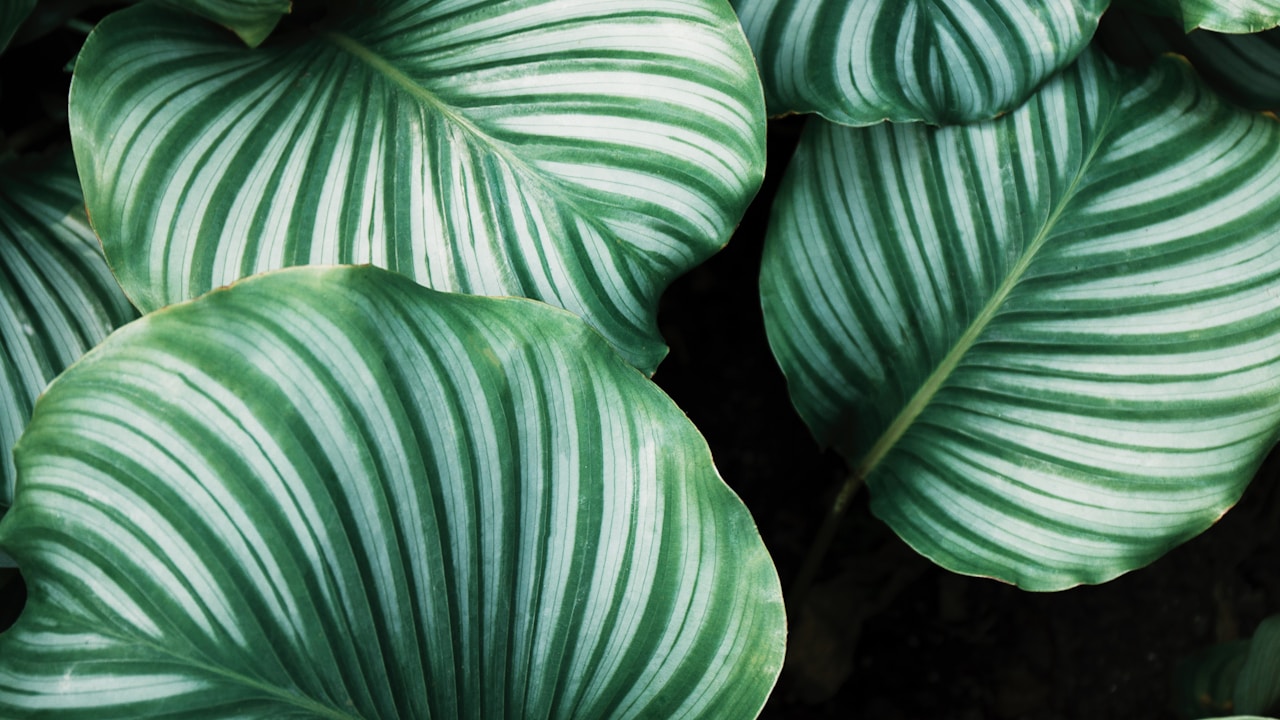
Triphala, meaning 'three fruits,' is a celebrated polyherbal Ayurvedic formulation composed of the dried fruits of three distinct plant species: Terminalia chebula (Haritaki), Terminalia bellirica (Bibhitaki), and Phyllanthus emblica (Amla or Indian Gooseberry).
Most thin plant articles flatten everything into a summary. This guide does the opposite by following Triphala through identification, care, handling, and the questions that real readers actually ask.
Use this guide as a practical reference, then compare it with the detailed plant profile at https://www.floramedicalglobal.com/plant/triphala-ayurvedic-formula whenever you want to confirm the source page itself.
- Ancient Ayurvedic formulation for holistic health.
- Composed of three fruits: Amla, Haritaki, Bibhitaki.
- Renowned for digestive support and detoxification.
- Potent antioxidant and anti-inflammatory properties.
- Balances Vata, Pitta, and Kapha doshas.
- Supports immune function and cellular rejuvenation.
This guide is designed to help the reader move from scattered facts to practical understanding. Instead of relying on a thin summary, it pulls together the identity, uses, care profile, safety notes, and evidence context around Triphala so the article works as a real reference rather than a keyword page.
Botanical Profile & Taxonomy
Triphala should be anchored to the correct taxonomic identity before any discussion of care, use, or safety begins.
| Common name | Triphala |
|---|---|
| Scientific name | Terminalia chebula + Terminalia bellirica + Phyllanthus emblica |
| Family | Multiple |
| Order | Malpighiales |
| Genus | Terminalia |
| Species epithet | chebula + Terminalia bellirica + Phyllanthus emblica |
| Author citation | (Gaertn.) Roxb. |
| Origin | Indian subcontinent and Southeast Asia |
Using the accepted scientific name Terminalia chebula + Terminalia bellirica + Phyllanthus emblica helps readers avoid confusion caused by old synonyms, loose common names, or inconsistent plant labels.
Family and order placement also matter because they explain recurring structural traits, likely relatives, and the kinds of mistakes readers often make when they rely on appearance alone.
Correct naming is not a small detail. A plant can collect multiple common names, outdated synonyms, and marketing labels over time, so using Terminalia chebula + Terminalia bellirica + Phyllanthus emblica consistently reduces the risk of confusion, bad care advice, and even safety mistakes.
Physical Description & Morphology
A practical reading of the plant starts with visible structure: Leaf: Leaves are simple, alternate; oblong-lanceolate shape, measuring 5-15 cm in length and 3-6 cm in width; margins are entire, with parallel venation;. Stem: Stems are woody, cylindrical, and can reach up to 20 cm in diameter; the color is brown to grayish, with a smooth to slightly ridged texture;. Root: The root system is taprooted, with lateral fibrous roots that extend 1-2 meters deep into the soil; it holds significant soil stability in its. Flower: Flowers are small, pale yellow to white; 1-2 cm in size, with a clustered arrangement on axillary racemes; bloom season is typically late spring to. Fruit: Fruits are drupe-like, resembling capsules, measuring 2-3 cm in length, yellow-brown in color; they contain edible seeds with a bitter taste. Seed: Seeds are flat, oval, measuring approximately 1-2 cm in length; brown color, shedding occurs naturally when ripe; seeds are dispersed primarily by.
Microscopic or internal identification notes deepen the picture, especially for processed material: Trichomes are generally absent on the mature fruit pericarp, though some species may exhibit glandular or non-glandular trichomes on young fruits or. Stomata are generally absent or rare on the mature fruit pericarp. When present on young fruit or leaf fragments (not typically part of the Triphala. Powdered Triphala reveals fragments of epicarp and mesocarp, stone cells (brachysclereids, macrosclereids), starch grains (simple and compound).
Natural Habitat & Distribution
The native or historically recorded center of distribution for Triphala is Indian subcontinent and Southeast Asia. That origin is more than background trivia; it explains how the plant responds to heat, moisture, shade, and seasonal change.
Environmental notes in the live record add more context: Triphala's components thrive in subtropical to tropical climates, requiring warm temperatures that range between 20°C to 35°C (68°F to 95°F). They prefer well-drained soils, often acidic to neutral pH levels, allowing for proper root development and nutrient uptake. Full sunlight exposure is essential; a location with at least 6 hours of sun daily ensures.
Physiology data reinforce the habitat story: Exhibit adaptations to cope with tropical stresses such as high temperatures, intense sunlight, and seasonal drought, including mechanisms for. All three constituent plants primarily exhibit C3 photosynthesis, typical for tropical broadleaf trees. Moderate to high transpiration rates are characteristic, reflecting their adaptation to tropical environments where water is generally abundant but.
Traditional & Cultural Significance
Even where detailed folklore is limited, Triphala still carries cultural value through naming, cultivation, exchange, and the practical roles people assign to it.
Traditional context matters, but it should always be separated from modern certainty. Historical use can guide questions, yet it does not automatically prove present-day clinical effectiveness.
Cultural context gives the article depth that pure care instructions cannot provide. Plants like Triphala are often remembered through naming traditions, household practice, healing systems, foodways, ornamental use, ritual value, or local ecological knowledge.
At the same time, cultural value should be handled responsibly. Traditional respect for a plant does not automatically prove every modern claim, and a modern study does not erase the meaning the plant has held in communities over time. Both sides belong in a careful guide.
That balance also helps readers avoid two common mistakes: dismissing traditional knowledge too quickly and accepting it too literally. A useful plant article does neither. It treats old records as meaningful context while still checking modern evidence and safety standards.
Medicinal Properties & Health Benefits
The main benefit themes associated with the plant include: Digestive Health Support — Triphala acts as a gentle laxative, promoting regular bowel movements and alleviating constipation, while also aiding overall. Potent Antioxidant Properties — Rich in polyphenols and Vitamin C, Triphala combats oxidative stress by neutralizing free radicals, protecting cells from. Anti-inflammatory Effects — Its constituent compounds help reduce inflammation throughout the body, offering relief in various inflammatory conditions. Immunomodulatory Actions — Triphala enhances the body's natural defense mechanisms, strengthening the immune system and increasing resistance to infections. Cardioprotective Benefits — Studies suggest Triphala may support cardiovascular health by helping to manage cholesterol levels and improve circulation. Hepatoprotective Activity — It aids in liver detoxification and protects liver cells from damage, contributing to optimal liver function. Antidiabetic Potential — Triphala may help regulate blood sugar levels and improve insulin sensitivity, making it beneficial for diabetes management. Antimicrobial Efficacy — The formulation exhibits broad-spectrum antimicrobial properties against various bacteria and fungi, supporting gut flora balance.
The evidence matrix gives a more careful picture of those claims: Supports gastrointestinal health and acts as a mild laxative. Clinical trials, in vivo, traditional use. High. Widely studied for its efficacy in promoting bowel regularity and improving gut motility without harsh effects. Exhibits significant antioxidant and anti-inflammatory activity. In vitro, in vivo, some human studies. High. Attributed to its rich content of polyphenols, tannins, and Vitamin C, protecting against oxidative damage and modulating inflammatory pathways. Possesses immunomodulatory and antimicrobial properties. In vitro, in vivo studies. Moderate. Enhances immune response and inhibits growth of various pathogenic microorganisms, supporting overall immune system health. Demonstrates potential antidiabetic and cardioprotective effects. In vivo, preliminary human studies. Moderate. May help manage blood glucose levels, improve lipid profiles, and protect cardiovascular tissues, contributing to metabolic health.
The stored evidence confidence for this profile is traditional. That should shape how strongly any benefit statement is interpreted.
For medicinal content, the key discipline is to distinguish traditional use, mechanism-based plausibility, and human clinical support. Those are related ideas, but they are not the same thing.
- Digestive Health Support — Triphala acts as a gentle laxative, promoting regular bowel movements and alleviating constipation, while also aiding overall.
- Potent Antioxidant Properties — Rich in polyphenols and Vitamin C, Triphala combats oxidative stress by neutralizing free radicals, protecting cells from.
- Anti-inflammatory Effects — Its constituent compounds help reduce inflammation throughout the body, offering relief in various inflammatory conditions.
- Immunomodulatory Actions — Triphala enhances the body's natural defense mechanisms, strengthening the immune system and increasing resistance to infections.
- Cardioprotective Benefits — Studies suggest Triphala may support cardiovascular health by helping to manage cholesterol levels and improve circulation.
- Hepatoprotective Activity — It aids in liver detoxification and protects liver cells from damage, contributing to optimal liver function.
- Antidiabetic Potential — Triphala may help regulate blood sugar levels and improve insulin sensitivity, making it beneficial for diabetes management.
- Antimicrobial Efficacy — The formulation exhibits broad-spectrum antimicrobial properties against various bacteria and fungi, supporting gut flora balance.
- Eye Health Support — Traditionally used to promote vision, Triphala's antioxidant properties may help protect ocular tissues from age-related degeneration.
- Detoxification and Rejuvenation — As a Rasayana in Ayurveda, Triphala supports the body's natural detoxification processes and promotes cellular regeneration.
Chemical Constituents & Phytochemistry
The broader constituent profile includes Tannins — Predominantly hydrolysable tannins like gallic acid, chebulagic acid, chebulinic acid, and ellagic acid. Flavonoids — A diverse group of polyphenolic compounds including quercetin, luteolin, and kaempferol, known for their. Phenolic Acids — Beyond tannins, other phenolic acids such as ferulic acid, caffeic acid, and vanillic acid are. Ascorbic Acid (Vitamin C) — Abundant in Phyllanthus emblica (Amla), this vital vitamin is a potent antioxidant. Saponins — These compounds contribute to Triphala's adaptogenic properties and may influence cholesterol metabolism. Gallocatechins — Specific to certain fruits, these catechins offer strong antioxidant and free radical scavenging. Anthraquinones — Present in smaller amounts, they contribute to the mild laxative effect by stimulating intestinal. Fatty Acids — Essential fatty acids found in the fruits contribute to their nutritive value and support cellular health. Resins — Contribute to the overall therapeutic synergy and may have mild antiseptic qualities. Sugars — Natural sugars are present, providing some energy and influencing the taste profile of the raw fruit powders.
The detailed phytochemistry file adds these markers: Gallic acid, Phenolic Acid, Fruit pericarp (all three), Variable%; Chebulagic acid, Hydrolysable Tannin, Terminalia chebula fruit, High%; Ellagic acid, Phenolic Acid (Tannin metabolite), Terminalia bellirica, Phyllanthus emblica fruits, Variable%; Ascorbic acid (Vitamin C), Vitamin, Phyllanthus emblica fruit (Amla), Very Highmg/100g; Flavonoids, Polyphenol, All three fruits, Variable%; Saponins, Glycoside, All three fruits, Low%; Quercetin, Flavonol, All three fruits, Trace to moderate%.
Compound profiles also shift with plant part, age, season, processing, and storage. The chemistry of a fresh leaf, dried root, or concentrated extract should never be treated as automatically identical.
How to Use — Preparations & Dosage
Recorded preparation and use methods include Traditional Powder Form — The most common method involves mixing Triphala powder with warm water, honey, or ghee, often taken before bed or early morning on an empty stomach. Decoction Preparation — For a stronger effect, Triphala powder can be boiled in water to create a decoction, then strained and consumed, particularly for deep cleansing. Capsules or Tablets — For convenience and precise dosing, Triphala is widely available in encapsulated or tablet form, typically taken with water. Triphala Ghrita — An Ayurvedic preparation where Triphala is infused into ghee, often used for eye health or as a general rejuvenating tonic. Topical Applications — A diluted Triphala solution can be used as an eyewash (after straining carefully) or as a gargle for oral hygiene. Dosage Guidance — Standard dosage ranges from 1-2 teaspoons of powder daily, or 500-1000 mg in capsule form, adjusted based on individual needs and health conditions. Long-Term Use — While generally safe for long-term use as a Rasayana, it's often recommended to cycle its use or consult an Ayurvedic practitioner for personalized regimen.
Preparation defines the outcome. Tea, decoction, tincture, powder, fresh plant material, cooked food use, and concentrated extract cannot be discussed as if they were interchangeable.
- Identify the exact species and plant part first.
- Match the preparation to the intended use.
- Check safety, interactions, and processing details before routine use or large-scale handling.
Safety Profile, Side Effects & Contraindications
Specific warnings recorded for this plant include Consult a Healthcare Professional — Always seek advice from a qualified medical herbalist or physician before starting Triphala, especially if you have. Dosage Adherence — Follow recommended dosages carefully; excessive intake can exacerbate side effects like diarrhea and gastrointestinal discomfort. Hydration is Key — Maintain adequate fluid intake, particularly when using Triphala as a laxative, to prevent dehydration. Not for Children or Infants — Triphala is generally not recommended for young children or infants due to its potent effects on the digestive system. Avoid During Pregnancy/Lactation — Pregnant or breastfeeding women should avoid Triphala unless specifically advised and monitored by a healthcare provider. Monitor Drug Interactions — Individuals on prescription medications, especially anticoagulants, antidiabetics, or blood pressure medications, should exercise. Discontinue if Adverse Reactions Occur — If any severe or persistent side effects are experienced, discontinue use immediately and consult a medical. Loose Stools or Diarrhea — Especially at higher doses, Triphala's laxative effect can lead to increased bowel movements, abdominal cramping, or diarrhea. Abdominal Discomfort — Some individuals may experience gas, bloating, or stomach upset, particularly when first introducing Triphala.
Quality-control notes add another warning: Common risks include substitution with inferior fruits, incorrect ratios of the three components, or contamination with other plant materials.
No plant should be described as universally safe. Identity, dose, plant part, preparation style, age, pregnancy status, medication use, allergies, and contamination risk all change the answer.
Growing & Cultivation Guide
The cultivation record emphasizes these practical steps: Seed Propagation — Triphala's constituent trees are primarily propagated from fresh seeds, which require pre-treatment like scarification or soaking to enhance. Climate Requirements — These tropical and subtropical species thrive in warm, humid climates with average temperatures between 20-35°C and annual rainfall of 800-2000 mm. Soil Preferences — Well-drained, fertile soils ranging from sandy loam to clay loam are ideal, with a slightly acidic to neutral pH (6.0-7.5). Sunlight Exposure — All three trees require full sun exposure for optimal growth and fruit production, needing at least 6-8 hours of direct sunlight daily. Watering Regimen — Young plants need regular watering to establish, while mature trees are relatively drought-tolerant but benefit from irrigation during dry spells. Pest and Disease Management — Generally robust, but occasional pests like fruit borers or diseases like powdery mildew may require organic pest control methods. Harvesting — Fruits are typically harvested when mature and partially dried, often between November and March, ensuring they are plump and have achieved their. Growing Triphala involves cultivating its three components in suitable conditions. Terminalia chebula and Terminalia bellirica prefer well-drained sandy or loamy soils.
The broader growth environment is described like this: Triphala's components thrive in subtropical to tropical climates, requiring warm temperatures that range between 20°C to 35°C (68°F to 95°F). They prefer well-drained soils, often acidic to neutral pH levels, allowing for proper root development and nutrient uptake. Full sunlight exposure is essential; a location with at least 6 hours of sun daily ensures.
In practice, healthy cultivation comes from systems thinking rather than one-off tricks. Site choice, drainage, timing, spacing, pruning, feeding, and observation all reinforce one another.
Light, Water & Soil Requirements
Outdoors, light, water, and soil must be read together. The same watering schedule can be too much in dense clay and too little in a porous sandy bed.
Light, water, and soil should never be treated as separate checkboxes. A plant in stronger light often dries faster, soil texture changes how quickly water moves, and temperature plus humidity influence how stress appears in leaves and roots.
For Triphala, the safest care approach is to treat the light pattern described in the plant profile, watering that responds to season and drainage, and well-matched soil structure and drainage as linked decisions rather than isolated tips. If one condition shifts, the other two usually need to be reconsidered as well.
Microclimate matters too. Indoors, room placement and airflow can matter as much as window exposure. Outdoors, reflected heat, slope, mulch, and nearby plants can change how the temperature rhythm described for the species and humidity that matches the plant type are actually experienced at plant level.
Propagation Methods
Documented propagation routes include Propagation of Triphala can be achieved through seeds, which is the most common method for all three species. Collect seeds from mature fruits and soak them.
Propagation works best when the parent stock is healthy, correctly identified, and handled in the right season. That sounds obvious, but it is exactly where many failures begin.
- Propagation of Triphala can be achieved through seeds, which is the most common method for all three species. Collect seeds from mature fruits and soak them.
Propagation works best when the reader matches method to biology. Some plants respond readily to cuttings, some to division, some to seed, and others require more patience or more exact seasonal timing.
A successful propagation guide therefore starts with healthy parent material and realistic expectations. Weak stock, rushed handling, and poor aftercare can make even a technically correct method fail.
Pest & Disease Management
For medicinal species, pest pressure is not only a horticultural issue. It also affects harvest cleanliness, storage stability, and confidence in the final material.
The smartest response sequence is observation first, environmental correction second, and treatment only after the real pattern is clear.
Pest and disease management is strongest when it begins before visible damage becomes severe. Routine observation, clean handling, sensible spacing, air movement, and balanced watering reduce many problems before treatment is even needed.
When symptoms do appear on Triphala, the most reliable response is diagnostic rather than reactive. Yellowing, spots, wilt, chewing, and stunting can all have multiple causes, so a rushed treatment can waste time or worsen the problem.
Good troubleshooting also includes environmental correction. Pests and disease often reveal a deeper issue such as root stress, poor airflow, inconsistent watering, weak light, or exhausted soil structure.
Harvesting, Storage & Processing
Storage guidance from the quality-control record reads as follows: Triphala powder should be stored in airtight containers, away from direct sunlight and moisture, in a cool, dry place to maintain potency for up to 1-2 years.
For medicinal plants, harvesting cannot be separated from processing. The right plant part, the right timing, and the right drying conditions all shape quality and safety.
Whatever the purpose, the rule is the same: harvest clean material, label it clearly, and store it in a way that preserves identity and condition.
Harvest and storage determine whether a plant's quality is preserved after it leaves the bed, pot, field, or wild source. Clean timing, correct plant part selection, and careful drying or handling all matter more than many readers expect.
For Triphala, this means the reader should think beyond collection. Material that is poorly labeled, overheated, damp in storage, or mixed with the wrong part of the plant can quickly lose value or create confusion later.
Companion Planting & Garden Design
In a home herb garden or medicinal bed, Triphala should be placed where harvesting is easy, labeling remains clear, and neighboring plants do not create confusion at collection time.
Companion planting and design are not only aesthetic decisions. They affect airflow, root competition, moisture sharing, harvest access, visibility, and the general logic of the planting scheme.
With Triphala, good placement means thinking about mature size, maintenance rhythm, and how neighboring plants change the feel and function of the space. A plant can be healthy on its own and still be poorly placed within the broader composition.
That is why the best design advice combines biology with usability. The planting should look coherent, but it should also make watering, pruning, harvest, and pest observation easier rather than harder.
Scientific Research & Evidence Base
The evidence matrix points to several recurring themes: Supports gastrointestinal health and acts as a mild laxative. Clinical trials, in vivo, traditional use. High. Widely studied for its efficacy in promoting bowel regularity and improving gut motility without harsh effects. Exhibits significant antioxidant and anti-inflammatory activity. In vitro, in vivo, some human studies. High. Attributed to its rich content of polyphenols, tannins, and Vitamin C, protecting against oxidative damage and modulating inflammatory pathways. Possesses immunomodulatory and antimicrobial properties. In vitro, in vivo studies. Moderate. Enhances immune response and inhibits growth of various pathogenic microorganisms, supporting overall immune system health. Demonstrates potential antidiabetic and cardioprotective effects. In vivo, preliminary human studies. Moderate. May help manage blood glucose levels, improve lipid profiles, and protect cardiovascular tissues, contributing to metabolic health.
The compiled source count behind the live profile is 8. That does not guarantee certainty, but it does suggest the record has been cross-checked beyond a single note.
Analytical testing notes also strengthen the evidence base: Analytical methods like HPLC, HPTLC, and UV-Vis spectroscopy are used to quantify marker compounds; macroscopic and microscopic examination, ash value, and moisture content tests.
A careful evidence section should say what is known, what is plausible, and what remains uncertain. Readers are better served by clear limits than by exaggerated confidence.
Evidence note: this section blends the live plant record, local ethnobotanical activity data, chemistry records, and the linked Flora Medical Global plant profile for Triphala.
Buying Guide & Expert Tips
Quality markers worth checking include Gallic acid, chebulagic acid, chebulinic acid, ellagic acid, and ascorbic acid are key marker compounds for standardization.
Adulteration and substitution risk should not be ignored: Common risks include substitution with inferior fruits, incorrect ratios of the three components, or contamination with other plant materials.
When buying Triphala, start with verified botanical identity. The label, scientific name, and the source page should agree before you judge price, size, or claimed benefits.
For living plants, inspect roots, stem firmness, foliage health, and early pest signs. For dried or processed material, look for batch clarity, clean aroma, absence of mold, and any sign that the product has been over-processed to disguise poor quality.
Buying advice should begin with identity. The label, scientific name, visible condition, and seller credibility should agree before price or convenience becomes the deciding factor.
Frequently Asked Questions
What is Triphala best known for?
Triphala, meaning 'three fruits,' is a celebrated polyherbal Ayurvedic formulation composed of the dried fruits of three distinct plant species: Terminalia chebula (Haritaki), Terminalia bellirica (Bibhitaki), and Phyllanthus emblica (Amla or Indian Gooseberry).
Is Triphala beginner-friendly?
That depends on the growing environment and the intended use. Some plants are easy to grow but not simple to use medicinally, while others are the opposite.
How much light does Triphala need?
Match the species to the exposure described in the guide rather than using a generic light rule.
How often should Triphala be watered?
Water according to soil, drainage, season, and plant response rather than a fixed schedule.
Can Triphala be propagated at home?
Yes, but the best method depends on whether the species responds best to seed, cuttings, division, offsets, or other propagation routes.
Does Triphala have safety concerns?
Yes. Safety always depends on identity, plant part, handling, and user context.
What is the biggest mistake people make with Triphala?
The most common mistake is applying generic advice instead of matching the plant to its real environment, identity, and limits.
Where can I verify more information about Triphala?
Start with the Flora Medical Global plant profile: https://www.floramedicalglobal.com/plant/triphala-ayurvedic-formula
Why do sources sometimes disagree about Triphala?
Different references may use different synonyms, plant parts, cultivation conditions, or evidence standards. That is why taxonomy and source quality both matter.
Trusted Scientific References & Further Reading
Authoritative sources and related guides:
- Wikipedia — background reference
- PubMed — peer-reviewed studies
- Kew POWO — botanical reference
- NCBI PMC — open-access research
- WHO — global health authority