Complete Guide to Turmeric: Care, Uses, Safety & Images
 Flora Medical GlobalPublished: 4/8/2026Updated: 6/20/202614 min read
Editorial Disclaimer: This article is for informational and educational purposes only. It is not a substitute for professional medical advice, diagnosis, or treatment. Always consult a qualified healthcare provider or certified herbalist before using any plant for medicinal purposes, especially if you are pregnant, nursing, taking medication, or have a medical condition.
01What is Turmeric?
Turmeric, scientifically known as Curcuma longa, is a revered rhizomatous herbaceous perennial plant belonging to the ginger family, Zingiberaceae. This economically significant species is indigenous to the tropical and subtropical regions of the Indian subcontinent and Southeast Asia, thriving in environments characterized by warm, humid climates and abundant rainfall, which are crucial for its robust growth.
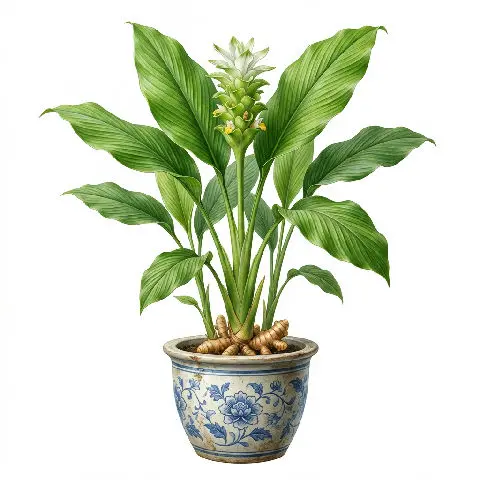
This medicinal guide is best used as an educational reference that starts with accurate identification, then moves into safety, preparation, and practical context.
- Potent Anti-inflammatory & Antioxidant — Primarily due to active curcuminoids. ✓ Rich History in Traditional Medicine — A cornerstone in Ayurveda
- TCM
- And Unani. ✓ Versatile Culinary & Medicinal Plant — Used globally for flavor
- Color
- And health. ✓ Supports Digestive
- Liver & Immune Health — Promotes overall systemic wellness. ✓ Active Compound: Curcumin — The most studied and potent phytochemical. ✓ Exercise Caution with Specific Conditions — Especially blood thinners and gallbladder issues.
02Turmeric Botanical Profile
The preferred scientific name for this page is Curcuma longa.
It belongs to the family Zingiberaceae.
The live plant source links this plant to South Asia (India, Southeast Asia).
- Scientific name: Curcuma longa
- Family: Zingiberaceae
- Origin region: South Asia (India, Southeast Asia)
03Turmeric: Physical Characteristics
Correct identification matters because medicinal plants are often harvested or purchased in dried form, where mistakes are easier to make. When fresh material is available, pay attention to the overall habit, leaf arrangement, stem texture, scent, flower structure, and the way the plant matures across the season.
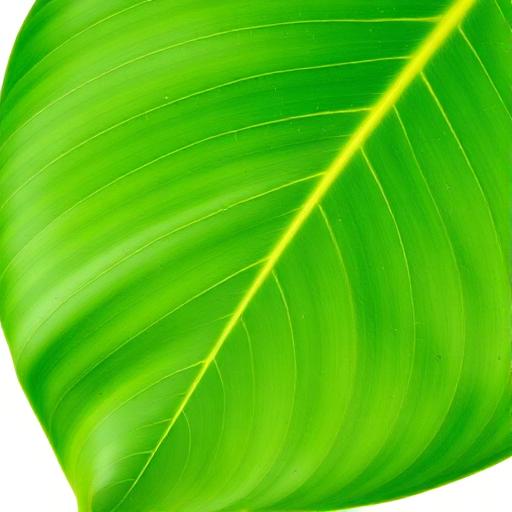
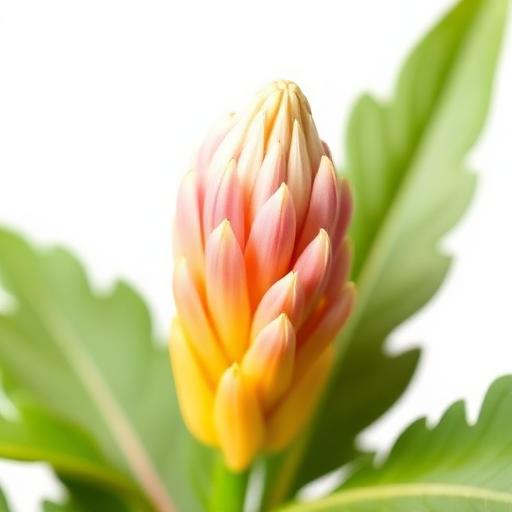
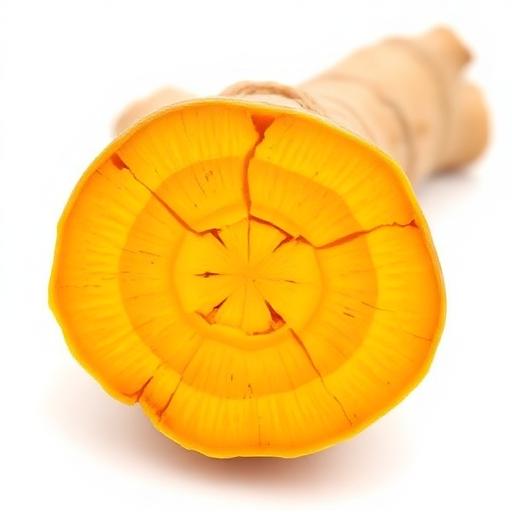
Turmeric is typically described as Herbaceous plant. Mature size is usually reported around Typically 0.2-1.5 m, with a spread that can reach Typically 0.2-1 m. Those numbers shift with climate, pruning, and whether the plant is grown in open ground or a container.
Before harvesting any home-grown material, compare the live plant with a trusted botanical reference and, where possible, the accepted scientific name on the label. That extra check reduces the risk of confusing the plant with a look-alike species that has a different safety profile.
04Turmeric: Habitat & Distribution
The natural range of Turmeric helps explain why it performs better in some climates than others. Recorded native distribution includes India. It has also been reported as introduced or cultivated in Andaman Is. Assam; Bangladesh; Belize; Borneo; Cambodia; Caroline Is. China South-Central; China Southeast; Comoros; Congo; Cook Is. Costa Rica; Cuba; Dominican Republic; East Himalaya; Easter Is. Fiji; Gilbert Is. Guinea-Bissau; Gulf of Guinea Is. Haiti; Hawaii; Ivory Coast; Jawa. Knowing that background helps readers interpret whether the plant prefers heat, seasonal moisture, or sharper drainage.
Medicinal plants that travel widely across regions often build long cultural histories because local communities adapt harvesting and preparation methods to the climate they know best. In practical growing terms, use the habitat as a clue, not an absolute rule, then watch how the plant reacts in your own conditions.
If your site differs sharply from the species' usual range, focus on matching the root-zone conditions first. Light, drainage, and airflow usually matter more than chasing a single generic care instruction from a broad article.
05Turmeric: Traditional Importance
The strongest traditional context for Turmeric comes from how communities actually used it rather than from modern marketing language. Ethnobotanical records associated with this plant mention activities such as Balsamic, Chickenpox, Cold, Colic, Congestion, with examples documented from Chinese, Elsewhere, Java, China, Nepal.
Those records are valuable because they show pattern and continuity, but they should not be read as proof that every traditional use has the same level of modern clinical support. A good pillar article respects the historical record while still separating tradition from evidence.
When writing or publishing content for search, this section should stay careful in tone: phrases like "traditionally used for" and "has a long history in" are more accurate than disease-cure claims. That keeps the article aligned with helpful-content expectations and safer for readers.
- Commonly cited ethnobotanical activities: Balsamic, Chickenpox, Cold, Colic, Congestion, Conjunctivitis, Cosmetic, Dermatosis
- Regions appearing in the local dataset: Chinese, Elsewhere, Java, China, Nepal, Malaya
- Reference trail in the source data: ANON. 1978. List of Plants. Kyoto Herbal Garden, Parmacognostic Research Lab., Central Research Division, Takeda Chem. Industries, Ltd., Ichijoji, Sakyoku, Kyoto, Japan., Uphof, J.C. Th. 1968. Dictionary of economic plants. 2nd ed. Verlag von J. Cramer., Duke, 1992 *, Singh, M.P., et al. 1979. Medicinal plants of Nepal - Retrospects and prospects. Economic Botany 33(2): 185-198.
06Turmeric Health Benefits
From a practical herbal perspective, the likely value of Turmeric depends on the plant part, the preparation method, and how concentrated the finished product becomes. Source data points to parts such as Leaves, flowers, roots, seeds, or whole herb cited in related taxa being used most often. That matters because leaves, roots, bark, seeds, and essential oils can behave very differently.
Traditional activity labels linked to this plant include Balsamic, Chickenpox, Cold, Colic, Congestion, Conjunctivitis. These descriptions help frame interest, but they do not replace diagnosis, medication review, or evidence-based care for serious symptoms.
A strong SEO article does not overpromise here. The better approach is to explain what the plant may support, note where tradition is strongest, and clearly separate that from stronger human evidence when the two are not the same.
- Use conservative phrasing such as 'traditionally used for' or 'may support' instead of guaranteed outcomes.
- Match the claimed benefit to the correct plant part and preparation rather than speaking about the whole plant in overly broad terms.
- If the reader is pregnant, breastfeeding, taking prescription medication, or managing a chronic condition, the safety section should be read before any use is considered.
07Turmeric: Chemical Constituents
Phytochemistry helps explain why Turmeric keeps attracting both traditional and scientific interest. The local chemical dataset tied to this species highlights compounds such as (+)-(S)-Ar-Turmerone, (+)-Alpha-Phellandrene, (+)-Alpha-Phellandrene, (+)-Alpha-Phellandrene, (+)-Ar-Turmerone, (+)-Sabinene. These compounds are reported from plant parts including Rhizome, Rhizome Essent. Oil, Root, Root Essent. Oil, Leaf.
On a content level, compound data is useful because it gives the article specificity that generic AI copy often lacks. Instead of repeating vague phrases like "rich in antioxidants," we can point to named constituents and the plant parts where they are most often recorded.
Readers should still remember that compound presence does not automatically tell them the right dose, safety window, or real-world effect size. Extraction method, freshness, cultivar, drying conditions, and processing all change what ends up in the final preparation.
- Highlighted compounds from the local dataset: (+)-(S)-Ar-Turmerone, (+)-Alpha-Phellandrene, (+)-Alpha-Phellandrene, (+)-Alpha-Phellandrene, (+)-Ar-Turmerone, (+)-Sabinene, (+)-Sabinene, 1,5-Bis-(4-Hydroxy-3-Methoxy-Phenyl)-Penta-Trans-1-Trans-4-Dien-3-One
- Plant parts associated with reported compounds: Rhizome, Rhizome Essent. Oil, Root, Root Essent. Oil, Leaf, Plant
- Typical use categories in the chemistry sheet: Food
08Turmeric Preparations & Dosage
Preparations for Turmeric usually fall into a few familiar categories: teas or infusions for softer plant material, decoctions for tougher parts, powders or capsules for standardized dry intake, tinctures for concentrated extracts, and topical preparations when the plant is used on the skin. The right choice depends on the plant part and the tradition you are following.
Rather than giving one universal dose that may be unsafe across forms, a conservative article should explain the workflow: identify the part, choose an appropriate preparation, review product-specific directions, and start with the lowest practical amount when a qualified professional says the herb is suitable. That is especially important for extracts, essential oils, and strongly bitter plants.
If the user is buying a commercial product, look for the exact botanical name, plant part, extraction ratio if available, lot information, and a clear safety warning. If the product hides the plant part or uses unclear labeling, it is better to skip it than guess.
- Common preparation types: infusion, decoction, tincture, capsule, powder, topical oil, or salve.
- Most suitable starting point: follow the finished product label and any clinician guidance rather than assuming one dose fits all formats.
- Avoid stacking multiple concentrated extracts of the same herb unless a practitioner has planned the formula for you.
09Turmeric: Safety & Side Effects
On medicinal pages, safety deserves more attention than marketing claims. Readers need a clear warning when a plant can be unsuitable for certain conditions, medications, or stages of life.
✓ Pregnancy and Lactation — Pregnant and breastfeeding women should avoid medicinal doses of turmeric, as its effects on uterine contractions or infant safety are not fully established. ✓ Surgery — Due to its potential blood-thinning effects, turmeric supplements should be discontinued at least two weeks before any scheduled surgery.
- Pregnancy and Lactation — Pregnant and breastfeeding women should avoid medicinal doses of turmeric, as its effects on uterine contractions or infant safety are not fully established. ✓ Surgery — Due to its potential blood-thinning effects, turmeric supplements should be discontinued at least two weeks before any scheduled surgery. ✓ Gallbladder Conditions — Individuals with gallstones or bile duct obstruction should consult a healthcare professional before using turmeric due to its choleretic properties. ✓ Bleeding Disorders — People with bleeding disorders or those taking anticoagulant medications should use turmeric with extreme caution or avoid it entirely. ✓ Diabetes Management — Turmeric may lower blood sugar
- Individuals with diabetes should monitor their glucose levels.
10Growing Turmeric Successfully
Growing Turmeric at home strengthens content quality because it lets the final blog speak from cultivation experience rather than from copied summaries. Most growers get the best results by starting with healthy nursery stock or correctly identified seed and placing the plant where its basic climate needs are respected.
Use a site with dependable drainage and enough room for mature spread and remember that medicinal plants perform best when growth is steady, not forced. Propagation is commonly listed as Usually by seed; some species by cuttings or division. Strong drainage, good airflow, and enough light are more important than aggressive feeding.
If the plant is being grown primarily for harvest, plan for clean access, easy observation, and a spray-free maintenance routine. That keeps harvested material cleaner and reduces the need for last-minute troubleshooting just before collection.
11Turmeric Growing Conditions
Light, water, and soil form the core care triangle for Turmeric. Available structured data points to Full sun to partial shade for light and Moderate for water demand. For soil, aim for Well-drained to evenly moist, with pH guidance around Slightly acidic to neutral.
When these three factors are mismatched, readers often misdiagnose the result as a nutrient problem. In reality, most medicinal plants decline first from overwatering, compacted soil, or insufficient light long before fertilizer becomes the main issue.
If your local climate is humid, prioritize airflow and careful watering. In dry climates, protect young plants with mulch and morning irrigation so active compounds are not being produced under constant stress.
- Light note: Full sun to partial shade
- Water note: Moderate
- Soil and drainage: Well-drained to evenly moist
- Hardiness or zone guidance: Species-dependent; often grown in warm seasons
12Propagating Turmeric
Propagation is useful for both gardeners and content strategy because it turns one plant profile into a small cluster of related care topics such as seed starting, cuttings, division, or nursery stock selection. For this species, the source data lists Usually by seed; some species by cuttings or division as a common route. Pick the technique that matches the plant's natural growth habit rather than forcing every species into the same method.
Seeds work best when the species comes true and germination is reliable. Cuttings are practical when you want a faster clone of a proven plant. Division suits clump-forming herbs, while layering helps flexible shrubs and vines. The goal is steady root establishment, not maximum speed.
For blog structure, propagation also creates natural internal links. Readers who enjoy the growing section often want a dedicated propagation article next, which is exactly how a pillar-and-cluster map should expand over time.
13Pests, Diseases & Disorders
Pest and disease pressure can reduce both yield and quality, especially when leaves or flowers are the harvested part. Aphids, mites, fungal spotting, damping off in seedlings, and root trouble from wet soil are common patterns across many medicinal species, even when the exact pest list changes by climate.
The first response should be cultural rather than chemical: improve airflow, thin crowded growth, water at the root zone, remove infected material promptly, and stop overfeeding. Those steps solve a large share of recurring problems without leaving residues on harvestable material.
If intervention is needed, choose the least disruptive option and always observe any harvest interval. A medicinal plant that looks perfect but carries inappropriate residues is not truly a quality crop.
14Harvesting & Storing Turmeric
Harvest quality depends on timing. Leaves are often best collected when growth is clean and vigorous, flowers near full opening, roots after the active season, and seeds once they mature fully. Commonly used parts in the dataset include Leaves, flowers, roots, seeds, or whole herb cited in related taxa. Use clean tools and avoid harvesting diseased or insect-damaged material.
Drying should be gentle, shaded, and airy unless the plant is specifically meant for fresh use. Label each batch with the plant name, part harvested, and date. That sounds simple, but clear labeling is what separates a dependable herbal workflow from a shelf of unlabeled jars.
Processing should preserve traceability. Once the material becomes powder or extract, identification becomes harder, so the documentation taken at harvest becomes much more important.
15Turmeric in Garden Design
Medicinal plants can also function beautifully in a mixed planting scheme. Companion placement should be based on shared moisture, light, and airflow needs rather than on folklore alone. Plants that crowd each other, trap humidity, or invite the same pest load usually create more problems than they solve.
For home gardens, the best design move is to pair Turmeric with neighbors that support access and observation. A medicinal bed works best when you can inspect the crop quickly, harvest cleanly, and spot stress before it becomes a quality issue.
If you want this article to support wider site architecture, link it to related guides in the same family, plants with similar harvest timing, or herbs that share a compatible care routine rather than stuffing in random cross-links.
16Research on Turmeric
A stronger long-form medicinal article should stay specific about the plant's identity, context, and evidence boundaries instead of repeating generic wellness language.
Turmeric, scientifically known as Curcuma longa, is a revered rhizomatous herbaceous perennial plant belonging to the ginger family, Zingiberaceae. This economically significant species is indigenous to the tropical and subtropical regions of the Indian subcontinent and Southeast Asia, thriving in environments characterized by warm, humid climates and abundant rainfall, which are crucial for its robust growth.
- Golden-yellow rhizome — The primary medicinal and culinary part of the plant. ✓ Primary active compound: Curcumin — Responsible for most of its therapeutic benefits. ✓ Member of the Ginger family (Zingiberaceae) — Related to ginger and cardamom. ✓ Native to the Indian subcontinent and Southeast Asia — Thrives in tropical climates. ✓ Widely used in traditional medicine systems — Ayurveda
- TCM
- Unani
- Siddha. ✓ Powerful anti-inflammatory properties — Effective for chronic inflammation. ✓ Strong antioxidant activity — Protects cells from oxidative damage. ✓ Supports liver and digestive health — Enhances bile production and gut function. ✓ Used as a natural dye — For textiles
- Food
- And religious ceremonies. ✓ Enhances cognitive function — Potential neuroprotective effects are being studied.
17Buying Turmeric: Expert Tips
When buying Turmeric, choose the cleanest version for the intended use: a healthy live plant for cultivation, a well-labeled dried herb for tea or decoction, or a finished product that clearly states the plant part and extraction format. Vague labels are a warning sign, especially in the medicinal space.
If the article supports commerce later, the best expert tip is still quality control. Check botanical name, plant part, country of origin when relevant, organic or residue-tested claims if important to your audience, and whether the product looks, smells, and stores the way it should.
From a publishing perspective, this section can also support conversion naturally. A helpful buying checklist earns more trust than a hard sell because it proves the page is trying to guide the reader, not just chase a click.
- Prefer sellers who publish the botanical name, plant part, and basic sourcing details.
- Avoid products that make sweeping cure claims without disclosing form, strength, or cautions.
- Store dried herbs in airtight containers away from heat, strong light, and moisture.
18Frequently Asked Questions
What is Turmeric used for?
Turmeric is most often discussed in terms of traditional use, the specific plant part being prepared, and the way the preparation is taken. A careful answer always separates traditional practice from stronger modern evidence.
Is Turmeric safe for everyone?
No medicinal plant is automatically safe for everyone. Pregnancy, medication use, chronic illness, allergies, and extract strength all affect whether the herb is appropriate.
Which part of Turmeric is usually used?
The usable part depends on the species. For this entry, cited plant parts include Leaves, flowers, roots, seeds, or whole herb cited in related taxa.
Can I grow Turmeric at home?
Usually yes, if your climate and light conditions are suitable. Home growing also makes identification and harvest timing easier to control, which improves quality.
How should Turmeric be stored after harvest?
Dry the correct plant part gently, label it clearly, and store it in a sealed container away from heat, light, and humidity.
Does research support every traditional use of Turmeric?
No. Traditional use, phytochemical interest, and clinical evidence are not the same thing, so the safest content keeps those layers clearly separated.
19Sources & Further Reading on Turmeric
Authoritative sources and related guides:
- Wikipedia — background reference
- PubMed — peer-reviewed studies
- Kew POWO — botanical reference
- NCBI PMC — open-access research
- WHO — global health authority
Related on Flora Medical Global
Reviewed by the Flora Medical Global Botanical Review Panel
Multi-disciplinary editorial group · Botany · Ethnobotany · Herbal-medicine literature
Who reviewed this: This page was checked by the Flora Medical Global Botanical Review Panel — an in-house editorial group of botany graduates, ethnobotany researchers, and horticulture practitioners who collectively maintain our 7,000+ plant encyclopedia. Meet the team.
Our 4-step verification process
1. Taxonomic verification
Scientific names and synonyms cross-checked against Kew POWO, World Flora Online, and The Plant List.
2. Phytochemical & medicinal cross-reference
Active compounds, traditional uses, and reported activities are cross-referenced with PubMed, USDA Dr. Duke's database, and peer-reviewed ethnobotanical literature.
3. Conservation & distribution check
Distribution, ecology, and conservation status confirmed against GBIF occurrence records and the IUCN Red List.
4. Editorial & safety review
Every entry passes an editorial pass for clarity, originality, and safety notices (toxicity, contraindications, dosage caveats) before publication.
Last reviewed:
Important medical disclaimer: This content is for educational and research purposes only. It is not medical advice and is not a substitute for consultation with a licensed healthcare provider. Do not use any herb to self-treat a medical condition without professional guidance.
Explore Our Platforms
 InfiniCore DataWorks
 Nex-Automata
Comments (0)
No comments yet. Be the first!