
Overview & Introduction
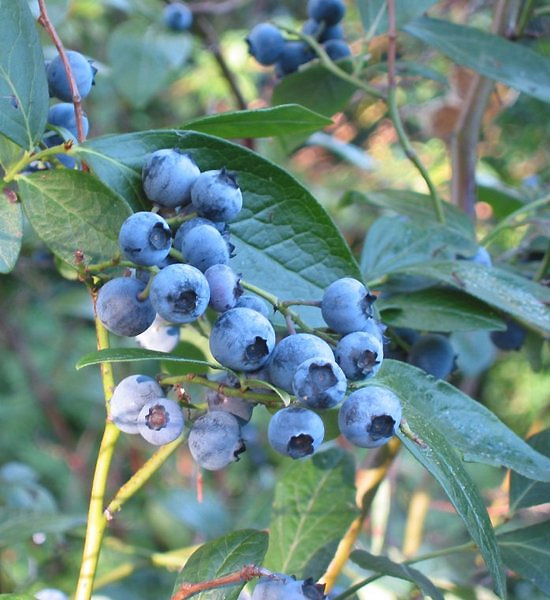
Vaccinium corymbosum, commonly known as the Highbush Blueberry, is a resilient deciduous shrub native to eastern North America, belonging to the Heath family (Ericaceae).
Most thin plant articles flatten everything into a summary. This guide does the opposite by following Vaccinium Corymbosum through identification, care, handling, and the questions that real readers actually ask.
The linked plant page remains the main internal reference point for this article, but the goal here is to turn that raw data into a readable, structured, and genuinely useful guide.
- Highbush blueberry (Vaccinium corymbosum) is a North American native shrub, cherished for its antioxidant-rich, sweet blue berries.
- Exceptionally rich in anthocyanins, flavonoids, and vitamins, it offers significant benefits for heart, brain, and eye health.
- Known for its anti-inflammatory, blood sugar regulating, and urinary tract health properties, supporting overall wellness.
- Requires acidic soil, full sun, and consistent care for optimal growth and abundant fruit production.
- Generally safe for consumption, with minor digestive upset possible from excessive intake and potential drug interactions for specific.
Botanical Profile & Taxonomy
Vaccinium Corymbosum should be anchored to the correct taxonomic identity before any discussion of care, use, or safety begins.
| Common name | Vaccinium Corymbosum |
|---|---|
| Scientific name | Vaccinium corymbosum |
| Family | Ericaceae (Heath family) |
| Order | Ericales |
| Genus | Vaccinium |
| Species epithet | corymbosum |
| Author citation | Aiton |
| Synonyms | Vaccinium corymbosum Aiton, Vaccinium angustifolium Aiton, Vaccinium myrsinites Greene |
| Common names | হাইবুশ ব্লুবেরি, Highbush Blueberry |
| Origin | Eastern and Southern North America |
| Life cycle | Perennial |
| Growth habit | Deciduous shrub |
Using the accepted scientific name Vaccinium corymbosum helps readers avoid confusion caused by old synonyms, loose common names, or inconsistent plant labels.
Family and order placement also matter because they explain recurring structural traits, likely relatives, and the kinds of mistakes readers often make when they rely on appearance alone.
Correct naming is not a small detail. A plant can collect multiple common names, outdated synonyms, and marketing labels over time, so using Vaccinium corymbosum consistently reduces the risk of confusion, bad care advice, and even safety mistakes.
Physical Description & Morphology
A practical reading of the plant starts with visible structure: Leaf: Leaves are alternate, simple, elliptical to ovate, 2-8 cm long, 1-3 cm wide, entire or finely serrated margins, bright green above, paler beneath. Stem: Stems are multi-branched, erect, woody, reddish-brown when young, turning gray-brown with age, often with peeling bark on older wood. Root: Fibrous, shallow root system, extending horizontally rather than deeply, requiring consistent moisture and good aeration. Flower: Bell-shaped or urn-shaped, white to pale pink, 6-10 mm long, clustered in racemes of 5-10 flowers, blooming in mid-spring (April-May). Fruit: Globose to oblate berry, 0.5-1.5 cm in diameter, dark blue to purple-black with a waxy bloom (pruina) when ripe, containing multiple small seeds;. Seed: Tiny, light brown, kidney-shaped, 1-2 mm long, embedded within the fruit flesh. Dispersal primarily by frugivores.
Microscopic or internal identification notes deepen the picture, especially for processed material: Both glandular and non-glandular trichomes may be present on the leaves and young stems, varying in density and morphology depending on the specific. Stomata are predominantly anomocytic or anomocytic-like, irregularly arranged, and primarily located on the abaxial (lower) surface of the leaves. Powdered berry samples reveal fragments of epidermal cells with attached pulp, numerous parenchyma cells containing starch grains, occasional.
In overall habit, the plant is described as Deciduous shrub with a mature height around 1.5-2.5 m and spread of variable width depending on site.
Natural Habitat & Distribution
The native or historically recorded center of distribution for Vaccinium Corymbosum is Eastern and Southern North America. That origin is more than background trivia; it explains how the plant responds to heat, moisture, shade, and seasonal change.
The plant is associated with the following countries or range markers: Canada, United States.
Environmental notes in the live record add more context: Full sun (at least 6-8 hours daily). Acidic, well-drained, organic-rich soil (pH 4.5-5.5). Requires consistent moisture. Hardy in USDA zones 4-7/8, depending on cultivar.
In cultivation terms, the main ecological clues are: Full Sun; Every 2-3 days; Acidic, well-drained loamy or sandy soil rich in organic matter. pH 4.5-5.5. 3-7; Perennial; Deciduous shrub.
Physiology data reinforce the habitat story: Exhibits moderate drought tolerance once established but is sensitive to waterlogging and high soil pH, which can induce nutrient deficiencies and. C3 photosynthesis Moderate to high transpiration rate, necessitating consistent soil moisture due to its relatively shallow and fibrous root system.
Traditional & Cultural Significance
Native to North America, blueberries have been a traditional food source for indigenous peoples for centuries. They are a significant agricultural crop in many regions and a symbol of summer and healthy eating.
Traditional context matters, but it should always be separated from modern certainty. Historical use can guide questions, yet it does not automatically prove present-day clinical effectiveness.
Cultural context gives the article depth that pure care instructions cannot provide. Plants like Vaccinium Corymbosum are often remembered through naming traditions, household practice, healing systems, foodways, ornamental use, ritual value, or local ecological knowledge.
At the same time, cultural value should be handled responsibly. Traditional respect for a plant does not automatically prove every modern claim, and a modern study does not erase the meaning the plant has held in communities over time. Both sides belong in a careful guide.
That balance also helps readers avoid two common mistakes: dismissing traditional knowledge too quickly and accepting it too literally. A useful plant article does neither. It treats old records as meaningful context while still checking modern evidence and safety standards.
Medicinal Properties & Health Benefits
The main benefit themes associated with the plant include: Antioxidant Support — High levels of anthocyanins and other flavonoids scavenge free radicals, protecting cellular structures from oxidative stress and. Cardiovascular Health — The rich content of anthocyanins, fiber, and potassium contributes to improved endothelial function, supports healthy blood pressure. Cognitive Enhancement — Flavonoids like quercetin and myricetin can cross the blood-brain barrier, supporting neuronal signaling, enhancing memory, and. Anti-inflammatory Action — The potent blend of phenolic compounds helps modulate inflammatory pathways throughout the body, reducing systemic inflammation. Blood Sugar Regulation — Dietary fiber and specific polyphenols can slow glucose absorption and improve insulin sensitivity, contributing to better glycemic. Ocular Health Support — Anthocyanins are particularly beneficial for vision, enhancing night vision adaptation, reducing eye fatigue, and protecting retinal. Urinary Tract Wellness — Proanthocyanidins (PACs), similar to those in cranberries, are believed to prevent bacterial adherence to urinary tract walls. Digestive Health — The rich dietary fiber content promotes regular bowel movements, supports a healthy gut microbiome, and aids in overall digestive system.
The evidence matrix gives a more careful picture of those claims: Antioxidant Activity. In vitro, in vivo animal studies, human clinical trials. High. Numerous scientific studies consistently confirm the strong free radical scavenging and oxidative stress reduction capabilities of blueberry anthocyanins and other polyphenols. Cardiovascular Health Support. Human clinical trials, epidemiological studies. Moderate to High. Research indicates that regular blueberry consumption can lead to improved endothelial function, modest reductions in blood pressure, and favorable changes in lipid profiles. Cognitive Function Enhancement. Human intervention studies, animal models. Moderate. Blueberries show promise in improving memory and executive function, particularly in older adults, with benefits linked to their flavonoid content and neuroprotective effects. Urinary Tract Health. In vitro, limited human studies. Moderate. Proanthocyanidins in blueberries are believed to prevent bacterial adhesion to bladder walls, similar to cranberries, suggesting a role in preventing urinary tract infections.
The stored evidence confidence for this profile is ai_generated. That should shape how strongly any benefit statement is interpreted.
For non-medicinal or mostly ornamental contexts, the safest approach is to keep the claims modest. A plant may still be valuable ecologically, visually, or culturally without being promoted as a treatment.
- Antioxidant Support — High levels of anthocyanins and other flavonoids scavenge free radicals, protecting cellular structures from oxidative stress and.
- Cardiovascular Health — The rich content of anthocyanins, fiber, and potassium contributes to improved endothelial function, supports healthy blood pressure.
- Cognitive Enhancement — Flavonoids like quercetin and myricetin can cross the blood-brain barrier, supporting neuronal signaling, enhancing memory, and.
- Anti-inflammatory Action — The potent blend of phenolic compounds helps modulate inflammatory pathways throughout the body, reducing systemic inflammation.
- Blood Sugar Regulation — Dietary fiber and specific polyphenols can slow glucose absorption and improve insulin sensitivity, contributing to better glycemic.
- Ocular Health Support — Anthocyanins are particularly beneficial for vision, enhancing night vision adaptation, reducing eye fatigue, and protecting retinal.
- Urinary Tract Wellness — Proanthocyanidins (PACs), similar to those in cranberries, are believed to prevent bacterial adherence to urinary tract walls.
- Digestive Health — The rich dietary fiber content promotes regular bowel movements, supports a healthy gut microbiome, and aids in overall digestive system.
- Immune System Boost — Vitamin C and various phytochemicals fortify the immune response, helping the body defend against pathogens and potentially reducing the.
- Bone Health Maintenance — Vitamin K plays a crucial role in bone metabolism and calcium regulation, contributing to bone density and reducing the risk of.
Chemical Constituents & Phytochemistry
The broader constituent profile includes Anthocyanins — These vibrant blue pigments, including delphinidin, malvidin, cyanidin, peonidin, and petunidin. Flavonoids — Key compounds like quercetin, myricetin, and kaempferol derivatives are present, exhibiting strong. Phenolic Acids — Chlorogenic acid, gallic acid, ellagic acid, and caffeic acid contribute significantly to blueberry's. Proanthocyanidins (PACs) — Unique condensed tannins, particularly A-type PACs, are recognized for their anti-adhesive. Vitamin C (Ascorbic Acid) — A vital water-soluble antioxidant that supports immune system function, aids in collagen. Vitamin K (Phylloquinone) — Essential for blood clotting processes and plays a critical role in bone metabolism. Dietary Fiber — Both soluble and insoluble fibers are abundant, facilitating healthy digestion, promoting a balanced. Manganese — An essential trace mineral that acts as a cofactor for several enzymes, including superoxide dismutase. Triterpenoids — Compounds such as ursolic acid are found in the waxy cuticular layer of the berries and leaves. Organic Acids — Citric acid, malic acid, and quinic acid contribute to the fruit's characteristic tartness and play.
The detailed phytochemistry file adds these markers: Delphinidin-3-glucoside, Anthocyanin, Fruit (skin and pulp), Variablemg/100g fresh weight; Quercetin-3-galactoside, Flavonol, Fruit, leaves, Variablemg/100g fresh weight; Chlorogenic acid, Phenolic Acid, Fruit, leaves, Variablemg/100g fresh weight; Proanthocyanidins (A-type), Condensed Tannin, Fruit, Variablemg/100g fresh weight; Ascorbic Acid, Vitamin, Fruit, 9.7-17 mgmg/100g fresh weight; Myricetin, Flavonol, Fruit, Variablemg/100g fresh weight.
Local chemistry records also support the profile: QUERCETIN in Plant (not available-not available ppm); ASCORBIC-ACID in Fruit (125.0-878.0 ppm); CAFFEIC-ACID in Plant (not available-not available ppm); URSOLIC-ACID in Plant (not available-not available ppm); RUTIN in Plant (not available-not available ppm); CHLOROGENIC-ACID in Fruit (not available-3000.0 ppm); ZINC in Fruit (1.0-7.0 ppm); EUGENOL in Fruit (not available-0.0 ppm).
Compound profiles also shift with plant part, age, season, processing, and storage. The chemistry of a fresh leaf, dried root, or concentrated extract should never be treated as automatically identical.
How to Use — Preparations & Dosage
Recorded preparation and use methods include Fresh Berries — Consume raw, ripe blueberries directly as a healthy snack or incorporate them into breakfast cereals, yogurts, and fruit salads to maximize nutrient intake. Juices and Smoothies — Blend fresh or frozen blueberries into nutrient-dense juices or smoothies, often combined with other fruits, vegetables, or protein sources, for a. Culinary Applications — Integrate blueberries into various baked goods such as muffins, pancakes, pies, and tarts, or use them in savory dishes, sauces, and dressings to add a. Dried Blueberries — Enjoy dried blueberries as a convenient, portable snack, or add them to trail mixes, granola, and oatmeal for a chewy texture and concentrated sweetness. Extracts and Supplements — Standardized blueberry extracts, often concentrated for their anthocyanin content, are available in capsule or liquid forms for targeted therapeutic. Teas (Leaf) — Though less common than fruit consumption, dried blueberry leaves can be steeped to make a mild herbal tea, traditionally used for its potential diuretic effects. Syrups and Preserves — Prepare homemade blueberry syrups, jams, and preserves, which can be used as toppings for desserts or spreads, retaining some nutritional value despite. Topical Applications — Blueberry extracts or purees are occasionally incorporated into natural skincare products, utilizing their antioxidant properties to help protect the skin.
Edibility and processing notes matter here as well: Edible.
For garden-focused readers, this section often overlaps with practical garden use: cut flowers, pollinator support, habitat value, decorative placement, culinary handling, or any carefully documented traditional application.
- Identify the exact species and plant part first.
- Match the preparation to the intended use.
- Check safety, interactions, and processing details before routine use or large-scale handling.
Safety Profile, Side Effects & Contraindications
The first safety note is direct: Non-toxic. Berries are safe and widely consumed. Leaves are also generally considered safe, though not typically consumed in large quantities.
Specific warnings recorded for this plant include Pregnancy and Lactation — Blueberries are considered generally safe for consumption during pregnancy and lactation as part of a balanced diet; however, concentrated supplements should be used with caution and only under medical supervision. Pediatric Use — Fresh blueberries are safe and highly recommended for children as a nutritious snack, though whole berries should be cut for very young. Drug Interactions — Individuals on anticoagulant medications (e.g., warfarin) should consult a healthcare provider regarding their blueberry intake due to its. Diabetic Patients — While beneficial for blood sugar management, diabetics should consume blueberries as part of a controlled diet and monitor their glucose. Allergy Sufferers — Those with known allergies to other members of the Ericaceae family or other berries should exercise caution and consult a physician. Kidney Stone Risk — Individuals prone to calcium oxalate kidney stones should consume blueberries in moderation and ensure adequate hydration, though the risk. General Consumption — For the vast majority of healthy individuals, blueberries are very safe and highly beneficial when consumed in moderate, dietary. Digestive Upset — Excessive consumption of fresh or dried blueberries, primarily due to their high fiber content, may lead to temporary gastrointestinal. Allergic Reactions — Although uncommon, some individuals may experience allergic symptoms like skin rashes, itching, swelling of the mouth or throat, or.
Quality-control notes add another warning: Potential risks include dilution of extracts with cheaper alternatives, misidentification with other Vaccinium species, or the addition of artificial colorants in processed berry.
No plant should be described as universally safe. Identity, dose, plant part, preparation style, age, pregnancy status, medication use, allergies, and contamination risk all change the answer.
Growing & Cultivation Guide
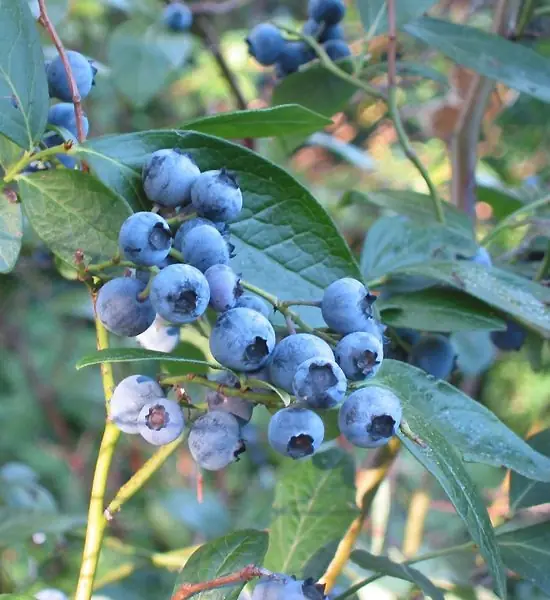
The cultivation record emphasizes these practical steps: Site Selection — Highbush blueberries thrive in full sun to partial shade, requiring at least 6-8 hours of direct sunlight daily, and prefer a location protected from. Soil Preparation — They demand moist, highly acidic soil (pH 4.0-5.2) rich in organic matter and well-drained; amend heavy soils with elemental sulfur to lower pH and incorporate peat moss, pine bark, or well-aged sawdust to improve organic content. Planting Techniques — Plant bare-root or potted bushes in early spring, ensuring roots are soaked for 3-6 hours before planting. Dig wide, shallow holes, spreading. Watering Regimen — Maintain consistent soil moisture, especially crucial during the growing season and fruit development. Provide 1-2 inches of water per week. Fertilization Schedule — Avoid fertilizing in the first year to allow root establishment. From the second year, apply an acid-loving fertilizer like ammonium sulfate or. Pruning Practices — For the first 2-3 years, only remove damaged or rubbing canes and pinch off any fruit buds to encourage vegetative growth. After three years, prune. Weed and Pest Management — Due to shallow roots, control weeds by hand-pulling or with heavy mulching to avoid disturbing the root system. Utilize netting as fruit.
The broader growth environment is described like this: Full sun (at least 6-8 hours daily). Acidic, well-drained, organic-rich soil (pH 4.5-5.5). Requires consistent moisture. Hardy in USDA zones 4-7/8, depending on cultivar.
Planning becomes easier when these traits are kept in view: Deciduous shrub; 1.5-2.5 m; Moderate; Intermediate.
In practice, healthy cultivation comes from systems thinking rather than one-off tricks. Site choice, drainage, timing, spacing, pruning, feeding, and observation all reinforce one another.
Light, Water & Soil Requirements
The most useful care snapshot is this: Light: Full Sun; Water: Every 2-3 days; Soil: Acidic, well-drained loamy or sandy soil rich in organic matter. pH 4.5-5.5. Humidity: Medium; Temperature: -30 to 29°C; USDA zone: 3-7.
Outdoors, light, water, and soil must be read together. The same watering schedule can be too much in dense clay and too little in a porous sandy bed.
| Light | Full Sun |
|---|---|
| Water | Every 2-3 days |
| Soil | Acidic, well-drained loamy or sandy soil rich in organic matter. pH 4.5-5.5. |
| Humidity | Medium |
| Temperature | -30 to 29°C |
| USDA zone | 3-7 |
Light, water, and soil should never be treated as separate checkboxes. A plant in stronger light often dries faster, soil texture changes how quickly water moves, and temperature plus humidity influence how stress appears in leaves and roots.
For Vaccinium Corymbosum, the safest care approach is to treat Full Sun, Every 2-3 days, and Acidic, well-drained loamy or sandy soil rich in organic matter. pH 4.5-5.5. as linked decisions rather than isolated tips. If one condition shifts, the other two usually need to be reconsidered as well.
Propagation Methods
Documented propagation routes include Softwood cuttings, hardwood cuttings, tissue culture. Can also be grown from seed, but this is less common for commercial production and takes longer.
Propagation works best when the parent stock is healthy, correctly identified, and handled in the right season. That sounds obvious, but it is exactly where many failures begin.
- Softwood cuttings, hardwood cuttings, tissue culture. Can also be grown from seed, but this is less common for commercial production and takes longer.
Propagation works best when the reader matches method to biology. Some plants respond readily to cuttings, some to division, some to seed, and others require more patience or more exact seasonal timing.
A successful propagation guide therefore starts with healthy parent material and realistic expectations. Weak stock, rushed handling, and poor aftercare can make even a technically correct method fail.
For Vaccinium Corymbosum, the real goal is not simply to produce another plant, but to produce a correctly identified, vigorous, well-established plant that continues growing without hidden stress from the first stage.
Pest & Disease Management
The recorded problem list includes Common pests: Birds are a major pest, requiring netting. Japanese beetles and blueberry maggot flies (Rhagoletis.).
Garden problems are often ecological rather than mysterious. Crowding, poor airflow, overwatering, wrong siting, and delayed observation create the conditions that pests and disease exploit.
The smartest response sequence is observation first, environmental correction second, and treatment only after the real pattern is clear.
- Common pests: Birds are a major pest, requiring netting. Japanese beetles and blueberry maggot flies (Rhagoletis).
Pest and disease management is strongest when it begins before visible damage becomes severe. Routine observation, clean handling, sensible spacing, air movement, and balanced watering reduce many problems before treatment is even needed.
When symptoms do appear on Vaccinium Corymbosum, the most reliable response is diagnostic rather than reactive. Yellowing, spots, wilt, chewing, and stunting can all have multiple causes, so a rushed treatment can waste time or worsen the problem.
Harvesting, Storage & Processing
Storage guidance from the quality-control record reads as follows: Fresh berries are perishable; however, dried, frozen, or extracted forms maintain stability longer, especially when stored in cool, dark, and airtight conditions to prevent the.
For a garden-focused plant, harvesting may mean seed collection, cut stems, flowers, foliage, or propagation material rather than edible or medicinal processing.
Whatever the purpose, the rule is the same: harvest clean material, label it clearly, and store it in a way that preserves identity and condition.
Harvest and storage determine whether a plant's quality is preserved after it leaves the bed, pot, field, or wild source. Clean timing, correct plant part selection, and careful drying or handling all matter more than many readers expect.
For Vaccinium Corymbosum, this means the reader should think beyond collection. Material that is poorly labeled, overheated, damp in storage, or mixed with the wrong part of the plant can quickly lose value or create confusion later.
Companion Planting & Garden Design
Useful companions or placement partners include Rhododendrons; Azaleas; Hydrangeas; Cranberries; Lingonberries.
In a garden border or planting plan, Vaccinium Corymbosum is easiest to use well when exposure, soil rhythm, and seasonal sequence are matched rather than improvised.
- Rhododendrons
- Azaleas
- Hydrangeas
- Cranberries
- Lingonberries
Companion planting and design are not only aesthetic decisions. They affect airflow, root competition, moisture sharing, harvest access, visibility, and the general logic of the planting scheme.
With Vaccinium Corymbosum, good placement means thinking about mature size, maintenance rhythm, and how neighboring plants change the feel and function of the space. A plant can be healthy on its own and still be poorly placed within the broader composition.
That is why the best design advice combines biology with usability. The planting should look coherent, but it should also make watering, pruning, harvest, and pest observation easier rather than harder.
Scientific Research & Evidence Base
The evidence matrix points to several recurring themes: Antioxidant Activity. In vitro, in vivo animal studies, human clinical trials. High. Numerous scientific studies consistently confirm the strong free radical scavenging and oxidative stress reduction capabilities of blueberry anthocyanins and other polyphenols. Cardiovascular Health Support. Human clinical trials, epidemiological studies. Moderate to High. Research indicates that regular blueberry consumption can lead to improved endothelial function, modest reductions in blood pressure, and favorable changes in lipid profiles. Cognitive Function Enhancement. Human intervention studies, animal models. Moderate. Blueberries show promise in improving memory and executive function, particularly in older adults, with benefits linked to their flavonoid content and neuroprotective effects. Urinary Tract Health. In vitro, limited human studies. Moderate. Proanthocyanidins in blueberries are believed to prevent bacterial adhesion to bladder walls, similar to cranberries, suggesting a role in preventing urinary tract infections.
Analytical testing notes also strengthen the evidence base: Analytical methods include High-Performance Liquid Chromatography (HPLC-DAD) for precise quantification of individual anthocyanins and phenolic acids, spectrophotometry for total.
A careful evidence section should say what is known, what is plausible, and what remains uncertain. Readers are better served by clear limits than by exaggerated confidence.
Evidence note: this section blends the live plant record, local ethnobotanical activity data, chemistry records, and the linked Flora Medical Global plant profile for Vaccinium Corymbosum.
Buying Guide & Expert Tips
Quality markers worth checking include Key marker compounds include various anthocyanins (e.g., delphinidin-3-glucoside, malvidin-3-glucoside), chlorogenic acid, and quercetin glycosides for standardization.
Adulteration and substitution risk should not be ignored: Potential risks include dilution of extracts with cheaper alternatives, misidentification with other Vaccinium species, or the addition of artificial colorants in processed berry.
When buying Vaccinium Corymbosum, start with verified botanical identity. The label, scientific name, and the source page should agree before you judge price, size, or claimed benefits.
For living plants, inspect roots, stem firmness, foliage health, and early pest signs. For dried or processed material, look for batch clarity, clean aroma, absence of mold, and any sign that the product has been over-processed to disguise poor quality.
Frequently Asked Questions
What is Vaccinium Corymbosum best known for?
Vaccinium corymbosum, commonly known as the Highbush Blueberry, is a resilient deciduous shrub native to eastern North America, belonging to the Heath family (Ericaceae).
Is Vaccinium Corymbosum beginner-friendly?
That depends on the growing environment and the intended use. Some plants are easy to grow but not simple to use medicinally, while others are the opposite.
How much light does Vaccinium Corymbosum need?
Full Sun
How often should Vaccinium Corymbosum be watered?
Every 2-3 days
Can Vaccinium Corymbosum be propagated at home?
Yes, but the best method depends on whether the species responds best to seed, cuttings, division, offsets, or other propagation routes.
Does Vaccinium Corymbosum have safety concerns?
Non-toxic. Berries are safe and widely consumed. Leaves are also generally considered safe, though not typically consumed in large quantities.
What is the biggest mistake people make with Vaccinium Corymbosum?
The most common mistake is applying generic advice instead of matching the plant to its real environment, identity, and limits.
Where can I verify more information about Vaccinium Corymbosum?
Start with the Flora Medical Global plant profile: https://www.floramedicalglobal.com/garden-plants/vaccinium-corymbosum
Why do sources sometimes disagree about Vaccinium Corymbosum?
Different references may use different synonyms, plant parts, cultivation conditions, or evidence standards. That is why taxonomy and source quality both matter.
Trusted Scientific References & Further Reading
Authoritative sources and related guides:
- Wikipedia — background reference
- PubMed — peer-reviewed studies
- Kew POWO — botanical reference
- NCBI PMC — open-access research
- WHO — global health authority