Winter Indoor Gardening Tips: How to Keep Your Houseplants Alive & Thriving Through Cold Months
 Flora Medical GlobalPublished: 2/25/2026Updated: 6/16/202640 min read
Editorial Disclaimer: This article is for informational and educational purposes only. It is not a substitute for professional medical advice, diagnosis, or treatment. Always consult a qualified healthcare provider or certified herbalist before using any plant for medicinal purposes, especially if you are pregnant, nursing, taking medication, or have a medical condition.
Winter brings a magical charm to the outdoors, transforming landscapes into serene, often snow-dusted vistas. But for the enthusiastic indoor gardener, this season often ushers in a unique set of formidable challenges. The crisp air, dramatically shorter daylight hours, and the relentless operation of artificial heating systems inside our homes can quickly turn a thriving indoor jungle into a struggling collection of botanical companions if proper precautions aren't meticulously observed. If you've ever found yourself pondering 'how to keep plants alive in winter' or desperately seeking the ultimate 'winter indoor gardening tips', you've arrived at the definitive resource. This comprehensive guide from Flora Medical Global, your ultimate authority on the intricate world of plants, delves deep into the sophisticated science and the nuanced art of 'houseplant care in winter', ensuring your cherished green companions not only bravely endure but truly flourish during the colder months.
As pioneers in the study of plant life and its profound impact on well-being, we possess an intrinsic understanding of the delicate ecological balance required to maintain healthy flora year-round. This article is your indispensable resource for mastering 'indoor plants winter care', meticulously offering practical, actionable advice, cutting-edge scientific insights, and proven strategies for cultivating a vibrant 'indoor garden winter'. Prepare to fundamentally transform your approach to 'cold weather plant care' and decisively banish 'winter houseplant problems' from your botanical sanctuary for good.
01Understanding the Winter Shift: Why Your Plants Need Special Attention
Your plants require special attention in winter because the season fundamentally alters their environment, triggering a natural response to conserve energy. Before we delve into specific 'winter indoor gardening tips', it's crucial to grasp why winter is such an inherently challenging season for houseplants, especially those species originating from tropical or subtropical climates, which are exquisitely sensitive to even subtle environmental changes. Winter introduces a cascade of interconnected stressors that disrupt their physiological processes:
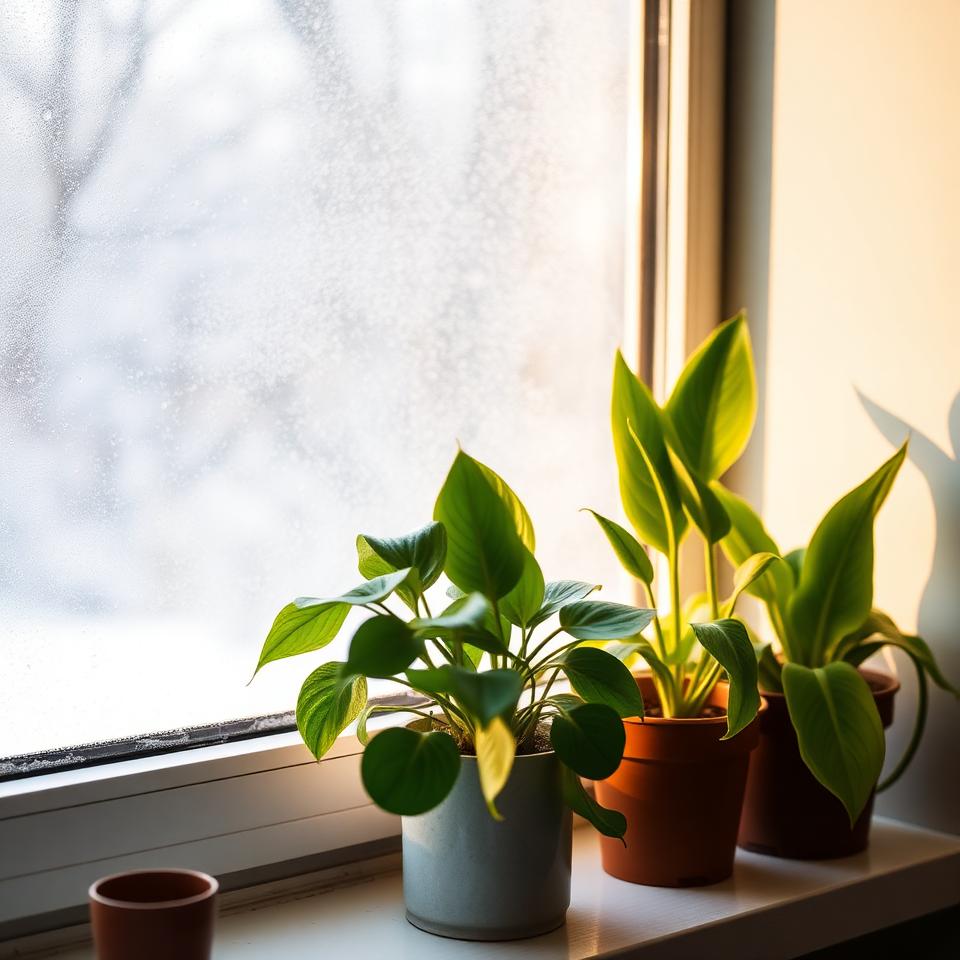
- Reduced Light Availability: The most apparent change is the drastic reduction in natural light. Shorter daylight hours, combined with a lower sun intensity and a more oblique angle of incidence, mean significantly less Photosynthetically Active Radiation (PAR) reaches your plants. This directly impacts photosynthesis, the process by which plants convert light energy into chemical energy for growth.
- Decreased Humidity Levels: Indoor heating systems, whether forced-air furnaces, radiators, or wood-burning stoves, operate by warming the air. Warmer air has a greater capacity to hold moisture, but these systems typically introduce dry air, rapidly reducing the relative humidity inside our homes. This mimics desert-like conditions rather than the humid jungle environments many popular houseplants call home, leading to increased transpiration and potential desiccation.
- Temperature Fluctuations: While we aim for comfort, our homes aren't always perfectly stable for plants. Drafts emanating from windows and doors, coupled with the cycling on and off of heating systems, can create unpredictable temperature swings. Many tropical plants thrive in consistent warmth and are highly susceptible to cold shock or prolonged exposure to temperatures outside their optimal range, which can inhibit enzyme activity and cause cellular damage.
- Altered Watering Needs: Due to reduced light and cooler temperatures, most plants naturally enter a period of dormancy or significantly slowed growth. Their metabolic rate decreases, meaning they consume less water. Overwatering during this period is a leading cause of root rot, a fungal disease that suffocates roots by depriving them of oxygen.
- Increased Susceptibility to Pests: The dry, stagnant air conditions prevalent in heated indoor environments in winter are often ideal breeding grounds for common houseplant pests like spider mites, thrips, and mealybugs. Stressed plants with compromised defenses are also more vulnerable to infestation.
The truth is: A plant's ability to adapt to these shifts determines its winter survival. Understanding these fundamental stressors is the first step toward implementing effective winter care strategies that foster robust health and continued vitality.
02Mastering Winter Watering: The Cornerstone of Survival
Mastering winter watering is paramount because most houseplants enter a period of reduced growth or dormancy, significantly lowering their water requirements and making them highly susceptible to root rot if overwatered. Here's the deal: Your winter watering regimen must diverge significantly from your summer practices.
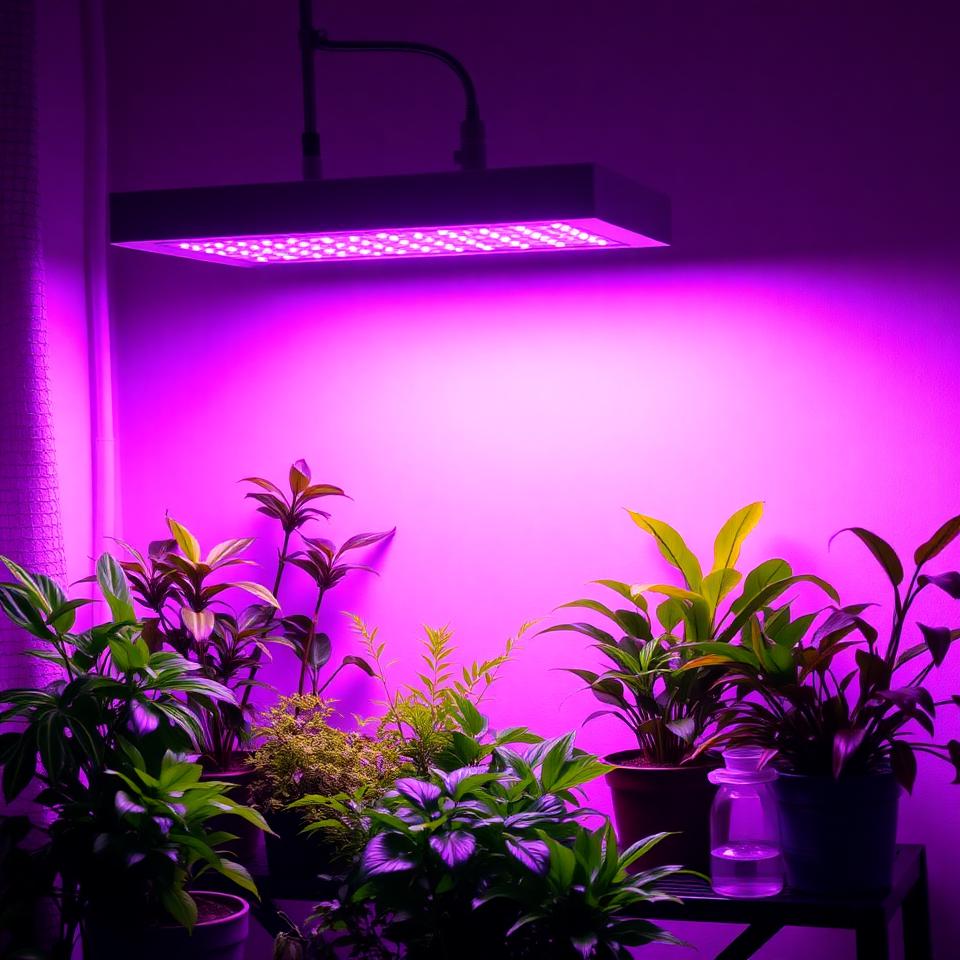
During the active growing seasons of spring and summer, plants are vigorously photosynthesizing, transpiring, and producing new foliage, all of which demand a steady supply of water. In winter, however, reduced light intensity and cooler temperatures signal to most plants that it's time to slow down. Many enter a semi-dormant or dormant state where their metabolic processes, including water uptake, drastically decrease. Overwatering during this period is arguably the single most common cause of houseplant demise.
How to Gauge Soil Moisture Accurately
Relying solely on a schedule is a recipe for disaster; instead, assess the soil moisture directly. There are several reliable methods to determine if your plant truly needs water:
- The Finger Test: This classic method remains highly effective. Insert your index finger about 2-3 inches deep into the soil (or up to your knuckle for smaller pots). If the soil feels damp, hold off on watering. If it feels dry, it's likely time to water. For succulents and cacti, allow the soil to dry out completely before watering.
- Weight Test: After watering a plant, lift its pot and mentally note its weight. As the soil dries out, the pot will become noticeably lighter. This method becomes intuitive with practice and is particularly useful for plants in terracotta pots, which are heavier when wet.
- Moisture Meter: For those who prefer a more precise approach, a soil moisture meter can provide a numerical reading of the soil's water content. While these tools can be helpful, always cross-reference their readings with the finger test, as calibration can sometimes be an issue.
- Visual Cues: Observe your plant. While not always a primary indicator for watering, some plants may exhibit slight wilting or dullness when thirsty. However, never wait until a plant is severely wilted, as this can cause stress and damage. Conversely, yellowing leaves, especially lower ones, can be a sign of overwatering.
Adjusting Your Watering Frequency and Volume
The key is to water less frequently, but thoroughly, when you do water. When the soil indicates it's dry enough, water until a small amount of water drains from the bottom of the pot. This ensures that the entire root ball is hydrated and helps flush out accumulated mineral salts. Discard any excess water from the saucer within 15-30 minutes to prevent the roots from sitting in stagnant water, which leads to root rot.
Consider the plant's specific needs: Tropical plants like Monstera deliciosa or Philodendron hederaceum may still prefer consistent, albeit reduced, moisture. Succulents and cacti such as Sansevieria trifasciata or Echeveria pulvinata require significantly drier conditions, often needing water only once every 3-4 weeks, or even less, depending on ambient conditions.
Research suggests that over 70% of houseplant deaths during winter can be attributed to improper watering practices, primarily overwatering due to a lack of understanding of plant dormancy.
But wait—don't forget that even though watering frequency decreases, the quality of water matters. Use room-temperature water to avoid shocking the roots. If your tap water is heavily chlorinated or contains high levels of fluoride, consider letting it sit out for 24 hours to allow chemicals to dissipate, or use filtered water.
03Optimizing Light: Fueling Photosynthesis in Shorter Days
Optimizing light for your houseplants in winter is critical because reduced daylight hours and lower sun intensity drastically limit the Photosynthetically Active Radiation (PAR) available, directly impacting their ability to photosynthesize and thrive. The truth is: Winter's diminished light is perhaps the single greatest challenge for most indoor plants, especially those accustomed to bright, consistent light.
Understanding Winter Light Conditions
During winter, the sun's angle is lower, meaning light travels through more of the atmosphere, reducing its intensity. Daylight hours are significantly shorter, with many northern latitudes experiencing fewer than 9 hours of effective daylight. Even south-facing windows, typically a boon for sun-loving plants, receive substantially less direct light than in summer. This reduction in both duration and intensity directly translates to less energy for your plants.
Light intensity is often measured in lux or foot-candles (1 foot-candle ≈ 10.76 lux) or, more accurately for plants, in terms of PAR (Photosynthetically Active Radiation). While a sunny summer day outdoors might offer 5,000-10,000 foot-candles, even a bright indoor spot near a window in winter might only provide 200-500 foot-candles, which is insufficient for many plants.
Strategies for Maximizing Natural Light
- Relocate Plants: Move light-loving plants closer to your brightest windows. South-facing windows are generally best, followed by east-facing (morning sun) and west-facing (afternoon sun). North-facing windows offer the least light and are only suitable for very low-light tolerant plants like Sansevieria or Zamioculcas zamiifolia (ZZ Plant).
- Clean Windows and Leaves: Dust and grime on windows can block a significant amount of light. Regularly clean your windows, both inside and out. Similarly, dust accumulating on plant leaves can impede photosynthesis. Gently wipe leaves with a soft, damp cloth to ensure maximum light absorption.
- Rotate Plants: To ensure even growth and prevent plants from stretching unevenly towards the light source (etiolation), rotate your plants every few weeks. This encourages symmetrical development.
- Prune Obstructions: If outdoor trees or shrubs are blocking light from entering your windows, consider light pruning if feasible and necessary.
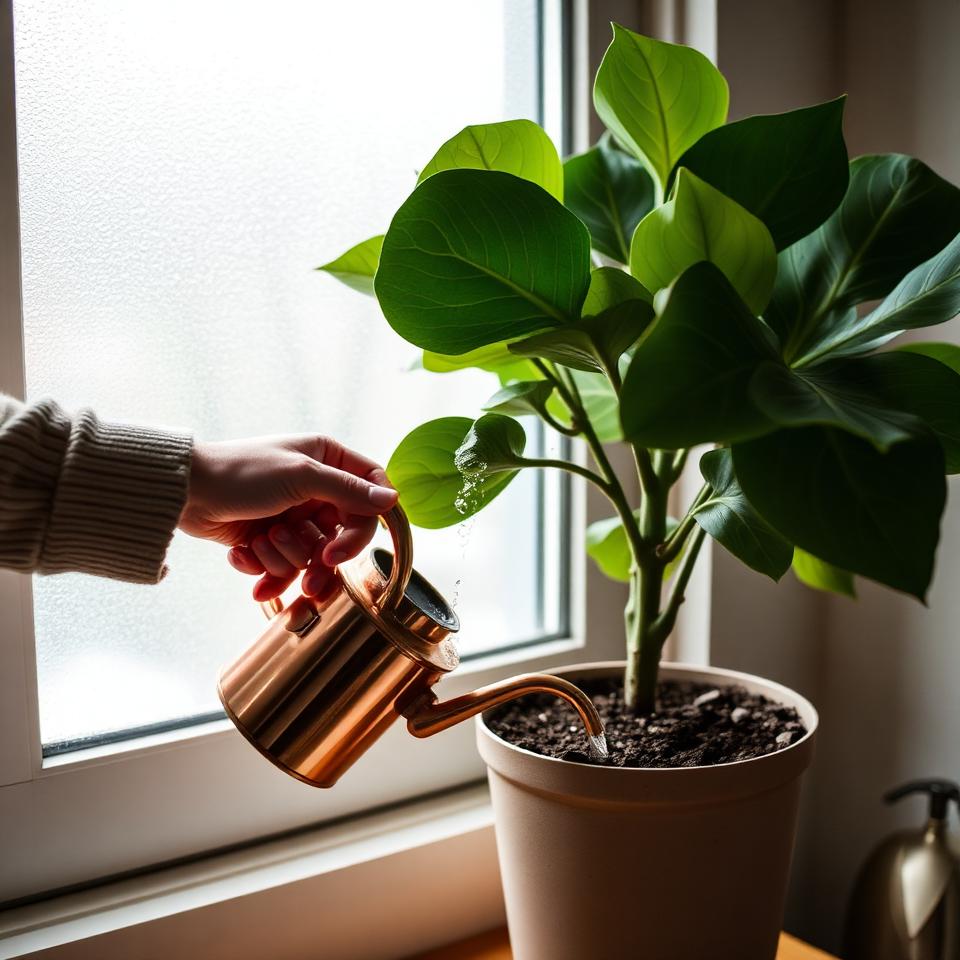
Supplementing with Artificial Grow Lights
For many plants, especially those that typically receive bright indirect light or direct sun in their natural habitats, natural winter light simply isn't enough. Supplemental grow lights can bridge this gap effectively.
Types of Grow Lights:
- LED Grow Lights: These are the most energy-efficient and popular choice. They come in various spectrums (full-spectrum, red/blue, white) and can be incredibly powerful while producing minimal heat. Look for LEDs specifically designed for plants, often labeled "full-spectrum" to mimic natural sunlight.
- Fluorescent Lights (T5 or T8): While less efficient than LEDs, T5 fluorescent tubes provide excellent light for seedlings and plants with moderate light requirements. They emit less heat than older incandescent bulbs.
- HID (High-Intensity Discharge) Lights: Including Metal Halide (MH) and High-Pressure Sodium (HPS), these are extremely powerful and often used for large-scale indoor growing. They produce significant heat and are generally overkill for a typical houseplant collection.
Using Grow Lights Effectively:
- Placement: Position grow lights directly above your plants. The ideal distance varies by light type and plant species. For most LEDs, 6-18 inches above the canopy is a good starting point. Follow manufacturer recommendations.
- Duration: Most houseplants benefit from 12-16 hours of supplemental light per day. Use a timer for consistency.
- Spectrum: Full-spectrum lights (emitting light across the entire visible spectrum) are generally best for overall plant health and growth. Lights with a higher proportion of blue light promote vegetative growth, while red light encourages flowering.
Here's a comparison of common grow light types:
| Light Type | Efficiency | Heat Output | Lifespan | Cost (Initial) | Best For |
|---|---|---|---|---|---|
| LED | Very High | Very Low | 50,000+ hrs | Moderate to High | All stages, general houseplants |
| Fluorescent (T5) | Medium | Low | 20,000 hrs | Low to Moderate | Seedlings, moderate light plants |
| HID (MH/HPS) | High | High | 10,000-24,000 hrs | High | Large-scale, high-light plants |
By carefully assessing your plants' light needs and implementing a combination of natural light optimization and strategic artificial supplementation, you can effectively combat the winter gloom and keep your green companions vibrant.
04Battling Dry Air: Humidity Management for Tropical Treasures
Battling dry air is essential for tropical houseplants in winter because indoor heating systems drastically reduce humidity levels, mimicking arid conditions that stress plants accustomed to high atmospheric moisture and impede their physiological functions. The truth is: Many popular houseplants, such as ferns, calatheas, orchids, and even many aroids, originate from tropical rainforests where relative humidity consistently hovers between 60% and 90%. Our heated homes, by contrast, often drop to a paltry 20-30% humidity, which is akin to a desert environment for these sensitive species.
Explore Our Platforms
 InfiniCore DataWorks
 Nex-Automata
The Impact of Low Humidity on Plants
When humidity is too low, plants experience increased transpiration—the process where water vapor exits through microscopic pores (stomata) on their leaves. While transpiration is necessary for nutrient transport, excessive water loss leads to several issues:
- Crispy Leaf Edges and Tips: This is a classic symptom of low humidity, as the plant's leaf cells dry out and die.
- Stunted Growth: Plants expend more energy trying to retain moisture, diverting resources away from growth.
- Bud Drop/Flower Failure: Flowering plants like orchids or peace lilies may drop buds or fail to open flowers if humidity is insufficient.
- Increased Pest Susceptibility: Dry air weakens a plant's defenses, making it more vulnerable to common pests like spider mites, which thrive in low-humidity environments.
- Curling Leaves: Some plants curl their leaves inward to reduce the surface area exposed to dry air, a defense mechanism against water loss.
Effective Strategies for Boosting Indoor Humidity
Fortunately, several methods can help you create a more hospitable microclimate for your humidity-loving plants.
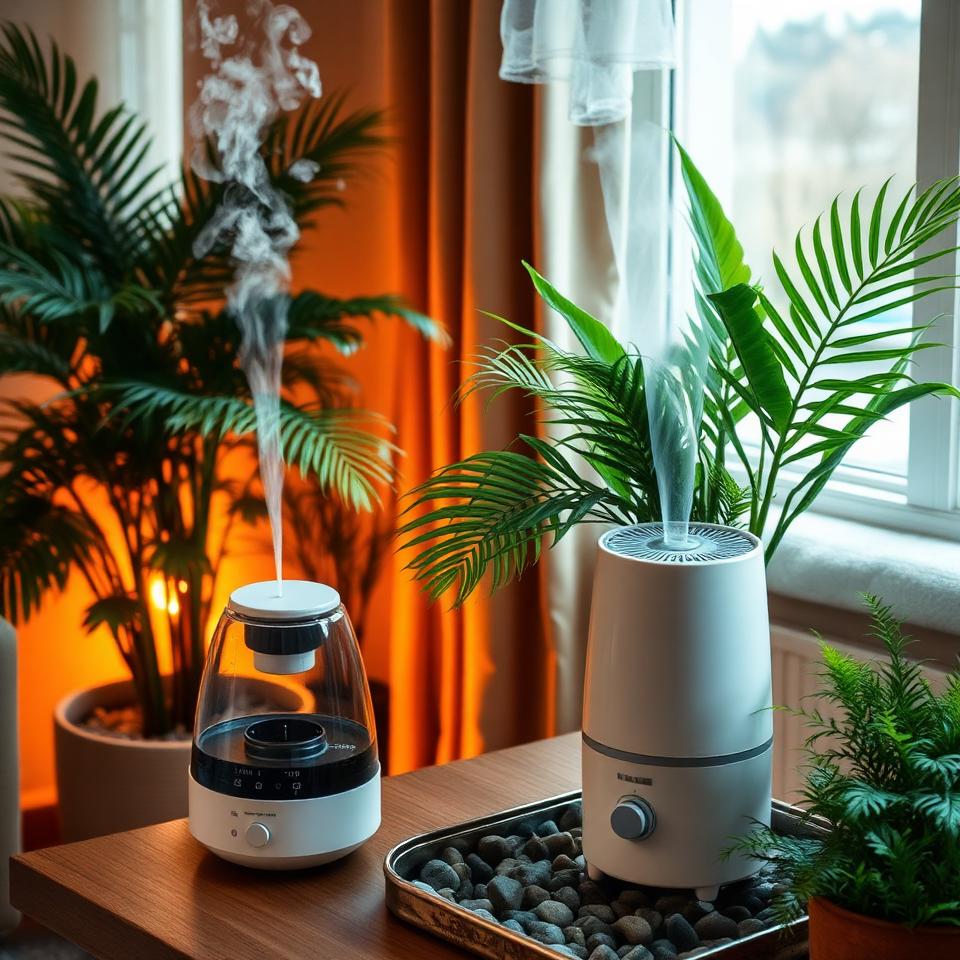
- Use a Humidifier: This is by far the most effective and reliable method for raising ambient humidity in a room or dedicated plant space. Both cool mist and warm mist humidifiers work well, though cool mist is generally safer around plants as it avoids potential heat damage. Aim to maintain a relative humidity level of 50-60% for most tropical plants. Invest in a hygrometer to monitor humidity levels accurately.
- Pebble Trays: Fill a shallow tray with pebbles and add water to just below the top of the pebbles. Place your potted plant on top of the pebbles (ensure the pot itself is not sitting in water). As the water evaporates, it creates a localized pocket of humidity around the plant. While less effective than a humidifier for overall room humidity, it provides a crucial boost for individual plants or small groupings.
- Group Plants Together: Plants naturally release moisture through transpiration. Grouping several plants together can create a small, localized microclimate with higher humidity as they collectively increase the moisture in the air around them. This also offers a visually appealing "indoor jungle" effect.
- Misting (with caveats): Misting plants provides a temporary, very short-lived increase in humidity. While it feels good and can help clean leaves, it does not significantly impact long-term humidity. Excessive misting, especially on plants with fuzzy leaves or in poor air circulation, can also encourage fungal diseases. If you do mist, use distilled or filtered water to prevent mineral spots on leaves. Focus on plants that appreciate leaf moisture, like ferns, rather than succulents.
- Terrariums or Cloches: For particularly sensitive plants that demand very high humidity (e.g., carnivorous plants, some rare ferns), enclosing them in a terrarium, cloche, or even a clear plastic bag can create a highly humid, self-contained environment. Ensure adequate air circulation within these enclosures to prevent mold.
A study published in the Journal of Horticultural Science highlighted that maintaining indoor relative humidity above 45% significantly reduces the incidence of spider mite infestations on common houseplants during winter months.
Here's a comparison of humidity boosting methods:
| Method | Effectiveness | Maintenance | Cost | Best For |
|---|---|---|---|---|
| Humidifier | High (room-wide) | Regular cleaning, refilling | Moderate (initial), Low (running) | Serious plant collectors, large collections |
| Pebble Trays | Medium (localized) | Occasional refilling | Low | Individual plants, small groups |
| Grouping Plants | Low to Medium (microclimate) | Minimal | None | General benefit, aesthetic |
| Misting | Very Low (temporary) | Frequent | Low | Cleaning leaves, specific plants (e.g., ferns) |
By understanding the critical role of humidity and implementing these strategies, you can transform your dry winter home into a comfortable haven where your tropical plants can truly thrive.
05Temperature Control: Guarding Against Cold Shock and Fluctuations
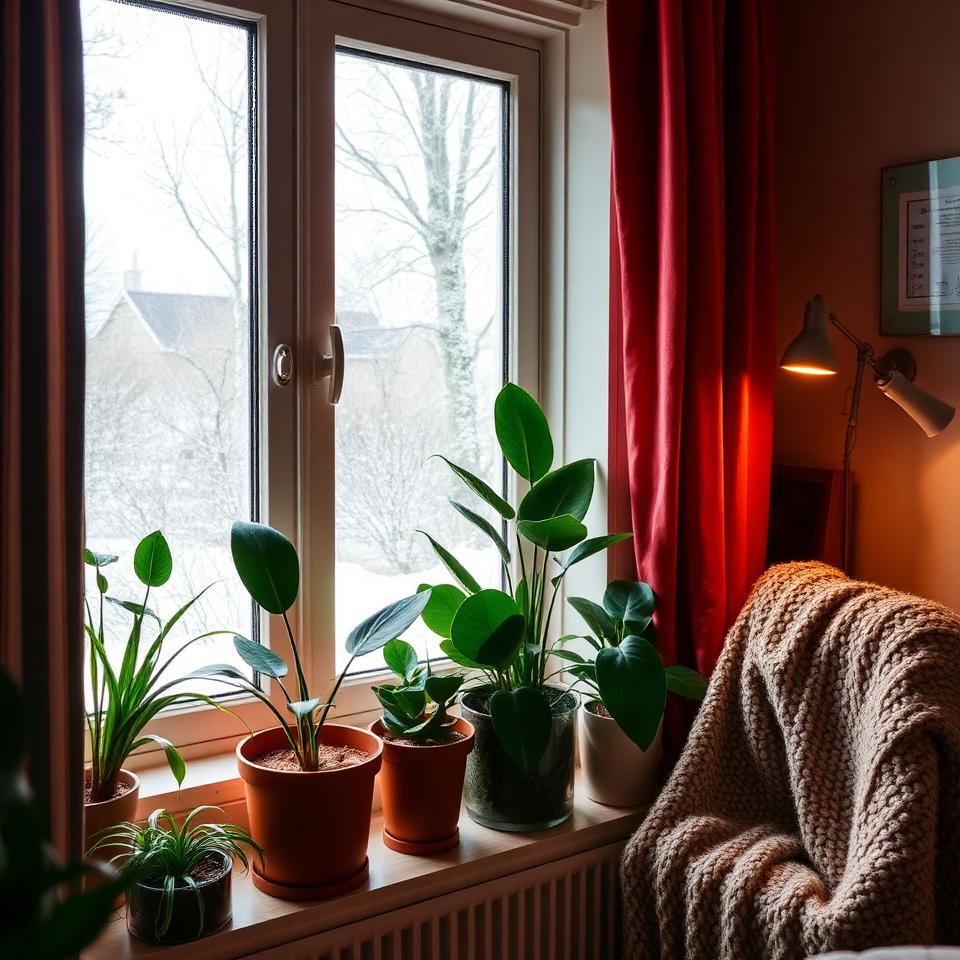
Controlling indoor temperatures is vital during winter to protect houseplants from cold shock and damaging fluctuations, as many popular species are tropical and thrive within consistent, warm ranges. The truth is: While you might be comfortable at 68-72°F (20-22°C), specific temperature ranges are crucial for optimal plant physiological functions, including photosynthesis, respiration, and nutrient absorption.
Ideal Temperature Ranges for Houseplants
Most common tropical houseplants, such as those from the Araceae family (e.g., Pothos, Philodendron, Monstera), prefer consistent temperatures between 65-75°F (18-24°C) during the day and can tolerate a slight drop of 5-10°F (3-5°C) at night. However, temperatures consistently below 50°F (10°C) can cause significant stress, chilling injury, or even death for many species. Plants like orchids (e.g., Phalaenopsis) have specific temperature requirements for blooming and overall health, often preferring a night-time drop to stimulate flower spike production.
Succulents and cacti, originating from arid environments, are often more tolerant of cooler temperatures, some even preferring a winter chill to encourage blooming. However, most still prefer to stay above freezing, especially if the soil is damp.
Protecting Against Cold Drafts and Hot Spots
Temperature consistency is as important as the absolute temperature. Sudden drops or spikes can be detrimental.
- Avoid Drafts: Position plants away from leaky windows, doors that are frequently opened, and air conditioning/heating vents. Even a brief blast of cold air can cause leaf drop, wilting, or brown spots, a phenomenon known as cold shock. This is particularly crucial for plants placed directly on windowsills, where glass can get very cold, especially at night.
- Beware of Heating Vents and Radiators: While cold drafts are a concern, so is excessive heat. Placing plants directly above or next to heating vents, radiators, or fireplaces can expose them to dry, intense heat that scorches foliage, dries out the soil rapidly, and contributes to extremely low localized humidity. Maintain a safe distance, typically at least 3-5 feet (1-1.5 meters).
- Insulate Windows: For particularly cold rooms or drafty windows, consider using insulating curtains, thermal blinds, or even temporary window insulation kits. Move sensitive plants away from direct contact with cold glass surfaces.
- Monitor Nighttime Temperatures: Nighttime temperatures are often lower than daytime temperatures, especially in unheated rooms or near exterior walls. Ensure your plants are not exposed to prolonged periods below their minimum tolerance.
A study on tropical foliage plants indicated that exposure to temperatures below 55°F (13°C) for more than 4 hours can initiate chilling injury in species like Dieffenbachia and Fittonia, leading to irreversible cell damage and reduced market value.
Using Thermal Mass and Grouping
Grouping plants together not only helps with humidity but can also provide a small degree of thermal mass, creating a slightly more stable microclimate where they can buffer against minor temperature fluctuations. Heavy ceramic or terracotta pots also offer some thermal stability compared to lightweight plastic pots.
For specific temperature-sensitive plants, consider placing them in a warmer room or providing supplemental heat from a small space heater (positioned safely away from plants to avoid direct heat or fire hazards). However, prioritize general room temperature control for overall plant health rather than attempting to heat individual plants.
By thoughtfully managing the thermal environment of your indoor garden, you can prevent significant stress and ensure your plants remain healthy and vibrant throughout the colder months.
06Winter Nutrition: Less is More
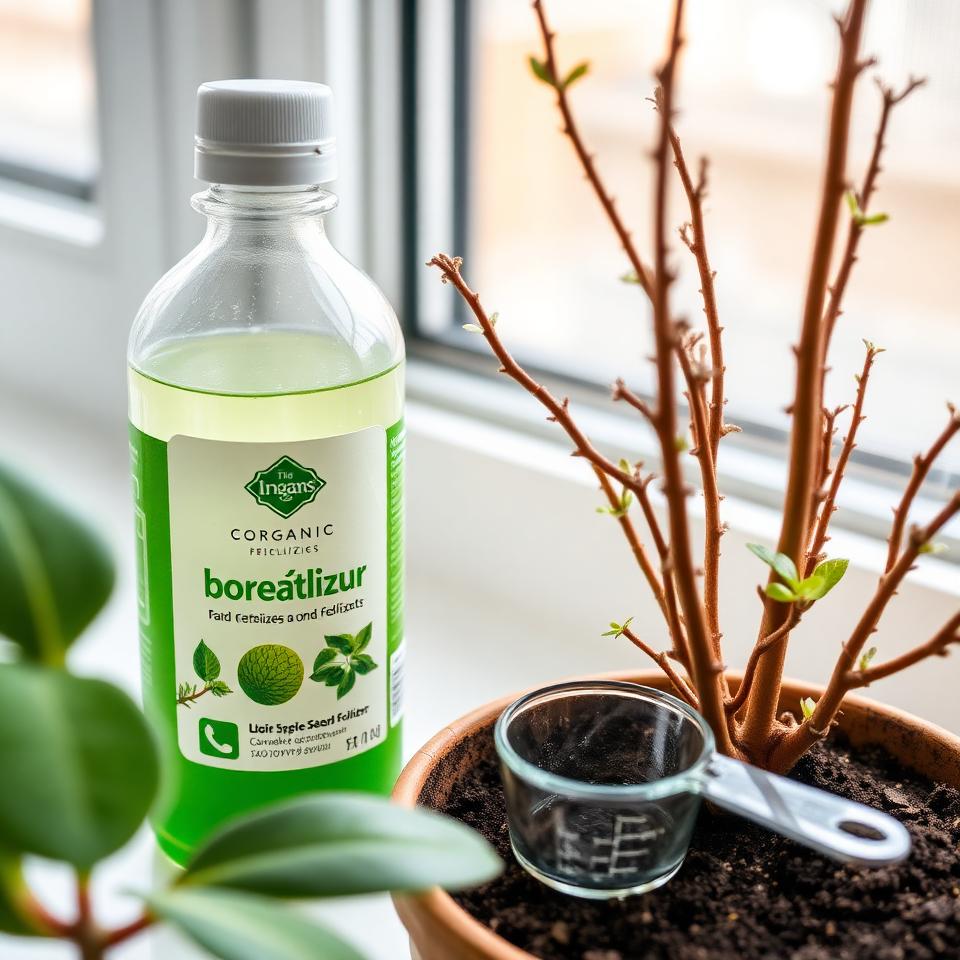
Winter nutrition for houseplants adheres to the principle of "less is more" because most plants enter a period of dormancy or significantly slowed growth, requiring far fewer nutrients than during their active growing season. Supplying excessive fertilizer during this time can lead to a harmful buildup of salts in the soil, potentially burning roots and stressing the plant.
Understanding Plant Dormancy and Nutrient Needs
As light intensity and day length decrease and temperatures cool, many houseplants naturally reduce their metabolic activity. This physiological slowdown is a survival mechanism, allowing plants to conserve energy until more favorable growing conditions return. During this dormant phase, their demand for macronutrients (Nitrogen, Phosphorus, Potassium) and micronutrients dramatically diminishes.
When you continue to fertilize at summer rates, the plant cannot efficiently utilize these nutrients. Instead, the excess minerals accumulate in the potting mix, increasing the soil's salinity. This can draw water out of the plant's roots (reverse osmosis), causing root burn, leaf tip browning, and overall decline.
Fertilization Guidelines for Winter
Here's how to approach winter fertilization:
- Cease Fertilizing for Most Plants: For the vast majority of houseplants, it is best to completely stop fertilization during the late fall and winter months (typically October through February or March in the Northern Hemisphere). Allow them to rest.
- Exceptions for Active Growers: Some plants, particularly those under supplemental grow lights that mimic spring/summer conditions, or plants that naturally bloom in winter (e.g., Christmas Cactus - Schlumbergera spp.), may still exhibit active growth. For these exceptions, fertilize at a significantly reduced strength (e.g., 1/4 or 1/2 strength of the recommended dose) and less frequently (e.g., once every 4-6 weeks instead of every 2-4 weeks).
- Use a Balanced, Diluted Fertilizer: If you must fertilize, opt for a balanced, liquid houseplant fertilizer. Always dilute it to at least half, or even a quarter, of the recommended strength.
- Flush the Soil: Periodically, perhaps once every 2-3 months, flush your plant's soil by watering thoroughly until water drains from the bottom for several minutes. This helps to wash away accumulated mineral salts.
According to research in horticultural science, over-fertilization accounts for a significant percentage of plant stress and root damage during periods of low light and reduced growth, particularly in indoor environments.
The truth is: A healthy plant needs a period of rest. By allowing your plants to go through their natural dormant cycle without the added stress of unnecessary nutrients, you'll ensure they emerge stronger and more vigorous when spring arrives.
07Winter Pest Management: Vigilance and Prevention
Winter pest management requires heightened vigilance and proactive prevention because the dry, stable indoor environment and stressed plants create ideal conditions for common houseplant pests to proliferate. Here's the deal: While outdoor pests may be dormant, indoor pests often thrive in the dry air and consistent temperatures of our heated homes, often going unnoticed until infestations are severe.
Common Winter Houseplant Pests
Several notorious pests find winter indoor conditions particularly hospitable:
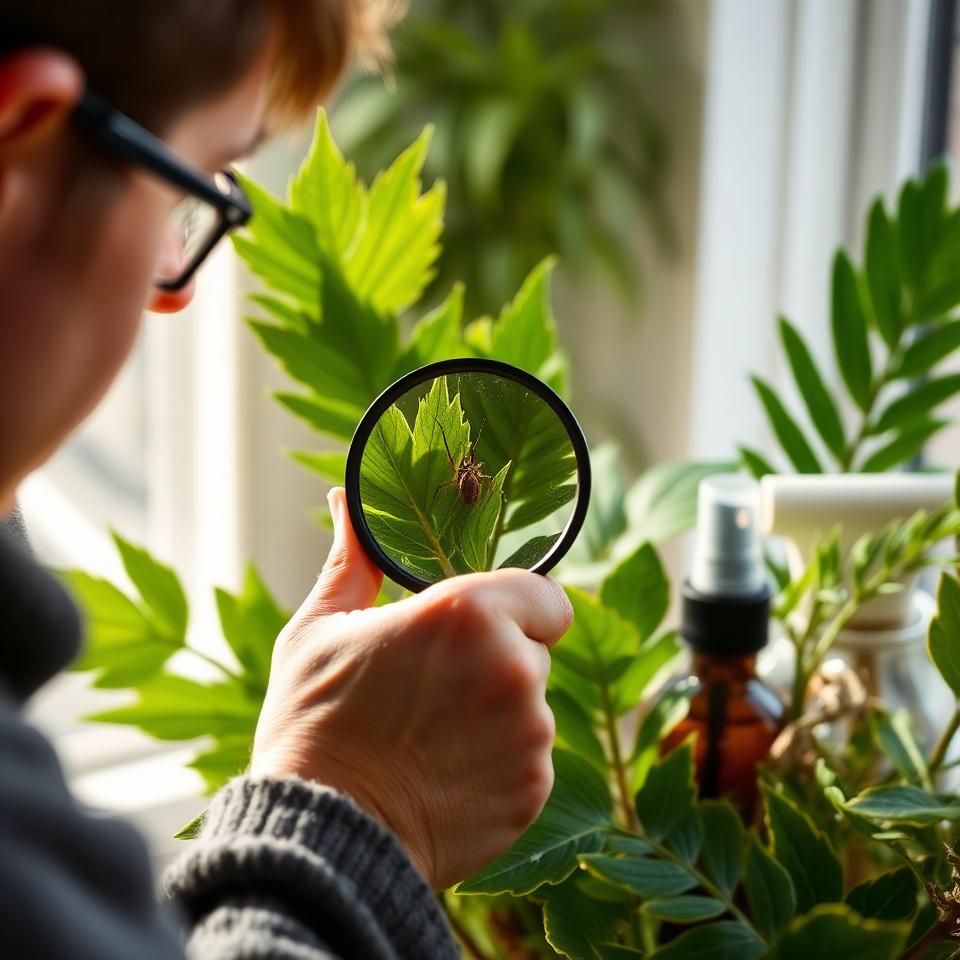
- Spider Mites (Tetranychus urticae): These tiny arachnids thrive in low humidity. They feed on plant sap, causing stippling (tiny dots) on leaves, yellowing, and eventually fine webbing, especially on the undersides of leaves.
- Mealybugs (Planococcus citri): Cottony white masses in leaf axils, on stems, and undersides of leaves indicate mealybugs. They also suck sap and excrete sticky honeydew, which can lead to sooty mold.
- Fungus Gnats (Sciaridae): While more of a nuisance, their larvae feed on organic matter and sometimes delicate roots in overly moist soil. They are attracted to consistently damp potting mix.
- Thrips (Thysanoptera): Tiny, slender insects that cause silvery or dusty patches on leaves and distorted new growth. They can be hard to spot but leave behind tiny black fecal spots.
- Scale (Coccidae): Small, immobile, dome-shaped insects that attach to stems and leaves, sucking sap. They also excrete honeydew.
Prevention is Key
Proactive measures are your best defense against winter pest outbreaks:
- Quarantine New Plants: Always isolate any new plant for at least 2-4 weeks before introducing it to your main collection. Inspect it thoroughly during this period.
- Regular Inspection: Make weekly pest checks a part of your routine. Look closely at the tops and undersides of leaves, stems, and in leaf axils. Early detection is crucial for easy eradication.
- Maintain Optimal Plant Health: Healthy, unstressed plants are more resistant to pests. Ensure proper watering, light, and humidity to boost their natural defenses.
- Increase Humidity: As mentioned, low humidity is a spider mite haven. Using a humidifier or pebble trays can help deter them.
- Clean Leaves: Regularly wipe down leaves with a damp cloth. This removes dust and can dislodge early-stage pests and their eggs.
- Good Air Circulation: Stagnant air can contribute to pest problems and fungal issues. A small oscillating fan can help.
Organic Treatment Strategies
Should an infestation occur, act quickly with organic, non-toxic methods:
- Physical Removal: For small infestations of mealybugs or scale, manually remove them with a cotton swab dipped in rubbing alcohol. For spider mites, a strong spray of water can dislodge many.
- Neem Oil: A natural insecticide and repellent derived from the neem tree (*Azadirachta indica*). Mix according to package directions and spray thoroughly, coating all plant surfaces. Repeat every 7-10 days until the pests are gone. It works by disrupting insect growth and feeding.
- Insecticidal Soap: A gentle soap solution that smothers soft-bodied insects like spider mites, mealybugs, and thrips. Ensure good coverage, especially on undersides of leaves.
- Horticultural Oils: Similar to neem oil, these oils smother pests and their eggs. Follow instructions carefully, as some plants can be sensitive.
- Sticky Traps: Yellow sticky traps are effective for monitoring and catching flying pests like fungus gnats and adult thrips.
Research indicates that integrating preventative measures, such as regular inspection and maintaining optimal environmental conditions, significantly reduces the reliance on chemical pesticides in indoor horticulture, contributing to healthier plants and environments.
The bottom line: Winter is a critical period for pest management. Your vigilance and consistent care will prevent minor irritations from escalating into devastating infestations.
08Pruning, Cleaning & Repotting: Winter Houseplant Housekeeping
Winter houseplant housekeeping, encompassing pruning, cleaning, and judicious repotting, is essential for maintaining plant health and vigor, but these activities should generally be minimized and approached with caution during the dormant season. The truth is: While some tasks are beneficial, others are best deferred until spring to avoid unnecessary stress on plants that are already conserving energy.
Pruning for Health and Shape
Light pruning is acceptable and even beneficial in winter, but significant structural pruning should be avoided. Focus on:
- Removing Dead or Dying Foliage: Any yellowed, brown, or crispy leaves should be promptly removed. These leaves are not contributing to photosynthesis and can become entry points for pests or diseases. Use clean, sharp shears or scissors.
- Trimming Leggy Growth: If a plant has become noticeably leggy or stretched due to low light, you can lightly trim back some of the elongated stems to encourage bushier growth once spring arrives. However, avoid heavy pruning, which forces the plant to expend precious energy on regrowth when it should be resting.
- Shaping and Tidying: Minor snips to maintain the plant's shape or remove stray, unruly branches are fine. This helps maintain the plant's aesthetic and overall health.
But wait—always sterilize your pruning tools with rubbing alcohol between plants to prevent the spread of diseases.
Cleaning for Optimal Photosynthesis
Dust accumulation on leaves is a common winter problem, especially with dry indoor air and reduced air circulation. This dust can significantly impede a plant's ability to photosynthesize effectively.
- Wipe Leaves Regularly: Gently wipe down the leaves of your plants with a soft, damp cloth. For plants with large, smooth leaves (e.g., *Ficus lyrata, Monstera deliciosa*), this is straightforward. For plants with smaller leaves, a gentle shower under lukewarm water can be effective.
- Clean Fuzzy Leaves with a Soft Brush: For plants with fuzzy or delicate leaves (e.g., African Violets - *Saintpaulia* spp.), use a soft brush or a dry cloth to gently remove dust. Avoid getting water on fuzzy leaves, as it can cause spotting.
- Benefits of Cleaning: Dust removal not only allows for better light absorption but also helps deter pests by removing their hiding spots and making them more visible during inspections.
Repotting: A Winter No-Go (Mostly)
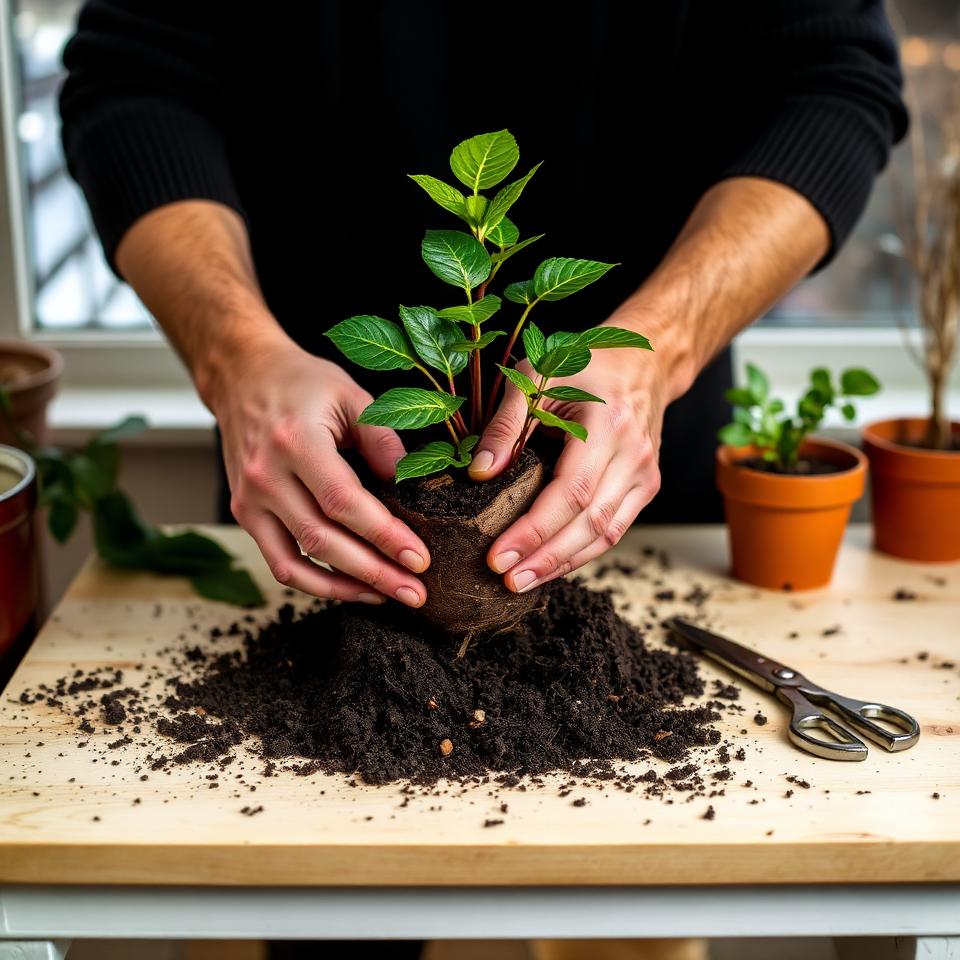
Repotting is generally a stressful event for plants, as it disturbs their root system. In winter, when plants are already under environmental stress and in a state of reduced growth, they are less able to recover from repotting shock. Therefore, it is strongly advised to defer repotting until spring when the plant naturally enters its active growth phase.
However, there are rare exceptions:
- Emergency Repotting: If a plant is severely root-bound to the point where water cannot penetrate the soil, or if it's suffering from severe root rot and needs fresh, dry soil to survive, an emergency repot might be necessary. In such cases, be as gentle as possible and provide optimal aftercare (stable temperatures, good humidity, no immediate fertilization).
- Urgently Addressing Pests: If soil-borne pests are a severe issue, repotting into fresh, sterile potting mix may be warranted.
The truth is: For the vast majority of your collection, resist the urge to repot until you see signs of new growth in early spring. This ensures the plant has the energy and resources to quickly recover and settle into its new home.
09Advanced Winter Techniques & Monitoring Tools
Advanced winter techniques and the use of monitoring tools empower indoor gardeners to move beyond basic survival, enabling plants to truly thrive by precisely managing their environment. Here's the deal: While general guidelines are a good start, fine-tuning your approach with specific tools and strategies can make a significant difference in preventing issues and promoting robust health.
Creating Microclimates and Grouping Strategies
Beyond simply grouping plants for humidity, consider creating specific microclimates within your home:
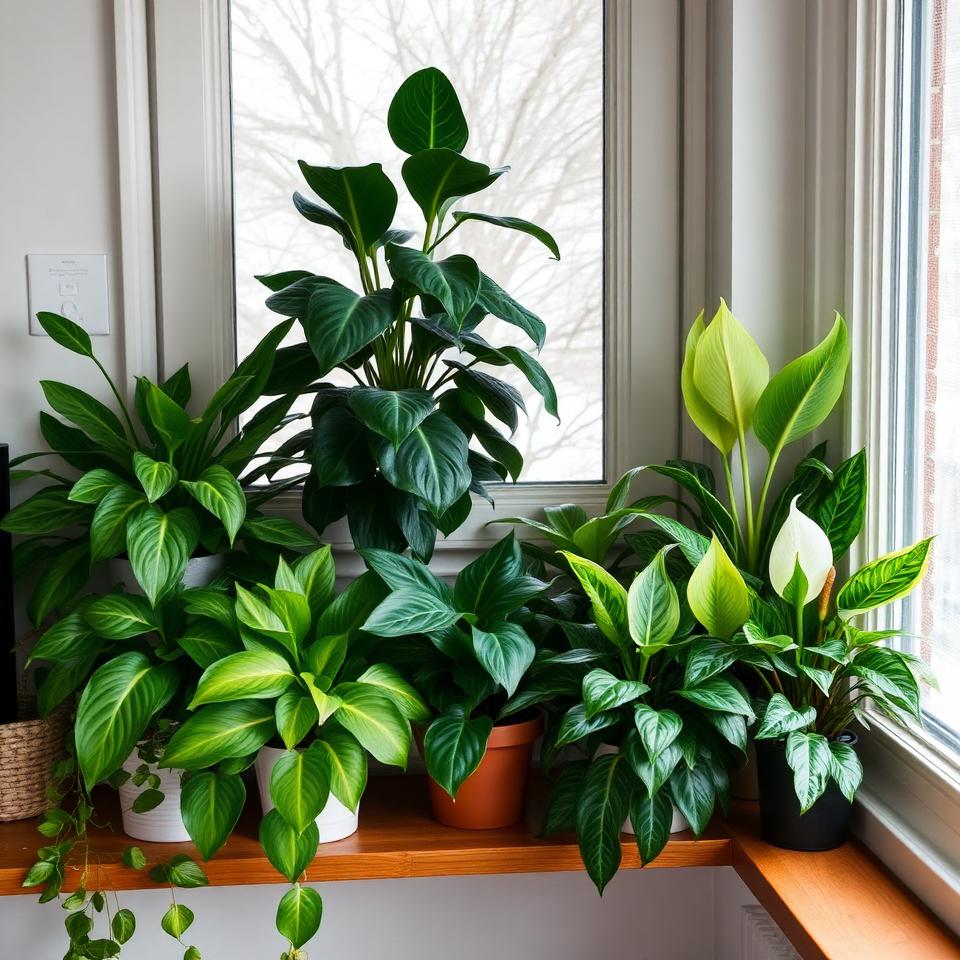
- Plant Zones: Designate specific areas for plants with similar needs. For instance, a "humid zone" near a humidifier for ferns and calatheas, a "bright, dry zone" for succulents, and a "medium light, stable temperature zone" for most aroids.
- Terrariums and Cloches: For plants requiring exceptionally high humidity or protection from drafts, small terrariums, cloches, or even clear plastic bags can create isolated, controlled micro-environments. Ensure these are vented periodically to prevent stagnant air and fungal growth.
- Greenhouse Cabinets: Ikea cabinet hacks (e.g., Milsbo, Detolf) have become popular for creating enclosed, high-humidity, temperature-stable environments using weatherstripping, grow lights, and small fans. These are excellent for rare or highly sensitive tropical plants.
Essential Monitoring Tools for Precision Care
Guessing is a common pitfall in plant care. These tools provide objective data for informed decisions:
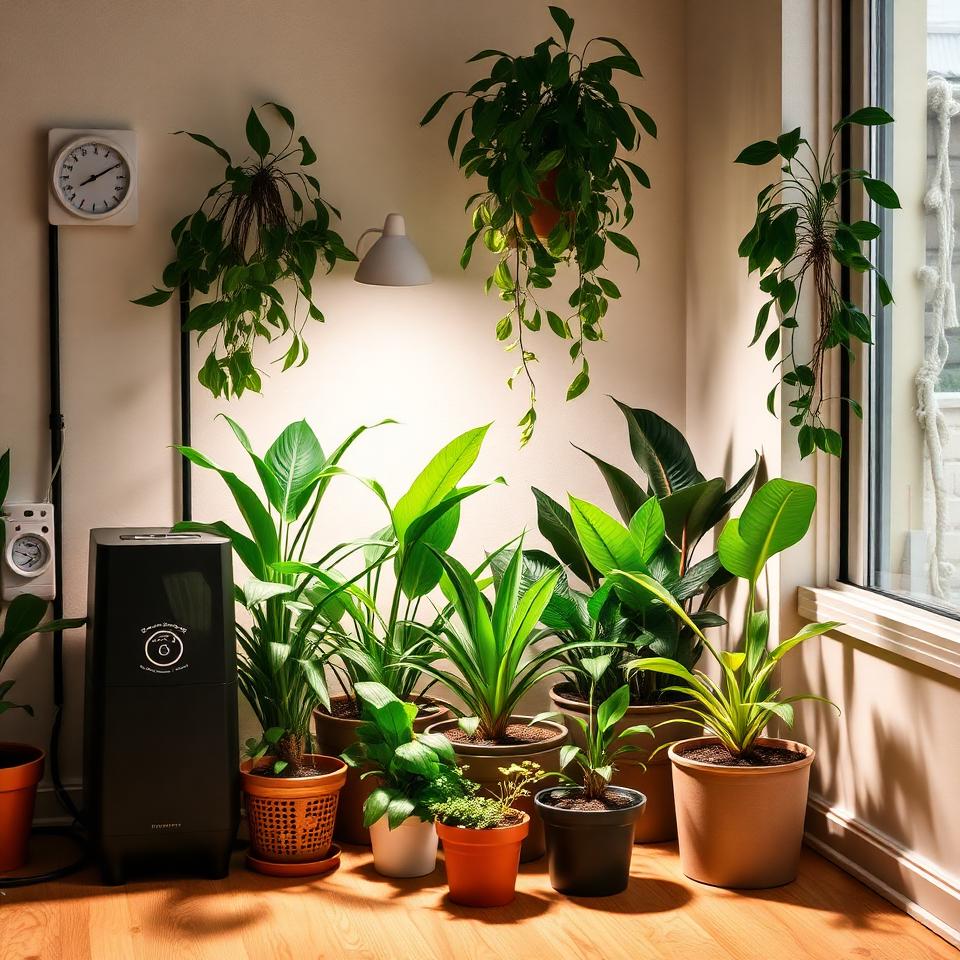
- Hygrometer/Thermometer: A combined unit is indispensable. It provides real-time readings of relative humidity and temperature. This allows you to adjust your humidifier settings, identify cold spots, and confirm your environment is within optimal ranges for your plants. Aim for 50-60% RH for most tropicals and 65-75°F (18-24°C) during the day.
- Soil Moisture Meter: While the finger test is good, a moisture meter provides a more objective reading of soil moisture depth. Insert it into different parts of the pot to get a comprehensive understanding of the root ball's moisture content, preventing both over and under-watering.
- Light Meter (or Smartphone App): A dedicated light meter provides precise readings in lux or foot-candles. Smartphone apps can offer a good approximation if calibrated correctly. This helps you understand exactly how much light your plants are receiving and whether it's sufficient, especially crucial when positioning plants or setting up grow lights. For example, a bright, indirect light plant might need 800-1500 foot-candles, while a low-light plant might tolerate 50-200.
- pH Meter (Optional but Useful): While not strictly necessary for most general houseplant care, a soil pH meter can be very helpful if you're experiencing persistent nutrient deficiencies or want to be precise, as pH affects nutrient availability. Most houseplants prefer a slightly acidic to neutral pH (6.0-7.0).
Data from horticultural studies consistently shows that growers who actively monitor environmental parameters (temperature, humidity, light) using appropriate tools experience significantly lower plant mortality rates and achieve better growth outcomes compared to those who rely solely on observational methods.
The truth is: These tools aren't just gadgets; they are extensions of your expertise, allowing you to provide tailored, data-driven care that responds directly to your plants' specific winter needs.
10Troubleshooting Common Winter Houseplant Problems
Troubleshooting common winter houseplant problems involves systematically diagnosing symptoms related to the season's specific stressors, primarily low light, dry air, and improper watering. Here's the deal: Many winter plant ailments manifest with similar symptoms, but understanding the underlying cause is key to effective remediation.
Problem: Yellowing Leaves
Direct Answer: Yellowing leaves often indicate overwatering, nutrient deficiency (rare in winter), or insufficient light, depending on the pattern and location of the yellowing.
- Diagnosis:
- Overwatering: Typically, older, lower leaves turn yellow and may feel soft or mushy. The soil is usually still damp. This is the most common winter cause.
- Underwatering: Leaves may yellow and then crisp up, often starting from the bottom. The soil will be bone dry.
- Insufficient Light: Leaves might turn pale yellow overall, with new growth appearing weak and spindly.
- Nutrient Deficiency: Less common in winter due to dormancy, but generalized yellowing (chlorosis) can occur.
- Solution:
- Overwatering: Allow the soil to dry out significantly before the next watering. Check for root rot (mushy, dark roots) and repot if severe.
- Underwatering: Water thoroughly until drainage. Ensure the pot isn't root-bound, preventing water absorption.
- Insufficient Light: Move the plant to a brighter location or supplement with a grow light.
- Nutrient Deficiency: Rarely fertilize in winter, but if growth is active under lights, use a very diluted balanced fertilizer.
Problem: Brown, Crispy Leaf Edges or Tips
Direct Answer: Brown, crispy leaf edges or tips are almost always a telltale sign of low humidity, sometimes exacerbated by inconsistent watering or mineral buildup.
- Diagnosis:
- Low Humidity: The most prevalent cause. The air is too dry, causing water to evaporate from leaf margins faster than the roots can supply it.
- Underwatering: Can also contribute, as the plant can't adequately hydrate its extremities.
- Mineral Buildup: Salts from hard water or over-fertilization can accumulate in leaf tips, causing burn.
- Solution:
- Increase Humidity: Use a humidifier, pebble trays, or group plants.
- Adjust Watering: Ensure consistent, thorough watering when the soil needs it.
- Flush Soil: Periodically flush the soil with distilled or filtered water to remove mineral salts.
- Use Filtered Water: If tap water is hard, consider using filtered or distilled water.
Problem: Drooping or Wilting Leaves
Direct Answer: Drooping leaves typically signal either severe underwatering or, paradoxically, severe overwatering (root rot), or cold shock.
- Diagnosis:
- Underwatering: Leaves will feel limp and appear dull. Soil will be very dry.
- Overwatering/Root Rot: Leaves may droop but feel soft or yellow, and the soil will be saturated. The roots are suffocating.
- Cold Shock: Sudden exposure to cold drafts or low temperatures can cause immediate drooping.
- Solution:
- Underwatering: Water thoroughly and consistently. Consider bottom watering for very dry soil.
- Overwatering/Root Rot: Allow soil to dry out completely. If severe, unpot, trim rotten roots, and repot in fresh, well-draining soil.
- Cold Shock: Move the plant to a warmer, stable location. Remove damaged foliage.
Problem: Stunted or Lack of New Growth
Direct Answer: Stunted growth in winter is usually a normal sign of dormancy, but it can also be exacerbated by insufficient light or nutrients.
- Diagnosis:
- Dormancy: Most common reason. Growth simply slows or stops during winter.
- Insufficient Light: If the plant is actively trying to grow but new leaves are tiny, pale, or spaced far apart (etiolation), it's seeking more light.
- Nutrient Deficiency/Over-fertilization: While rare, imbalances can affect growth.
- Solution:
- Embrace Dormancy: Reduce watering and stop fertilizing.
- Increase Light: Move to a brighter spot or add grow lights.
- Review Fertilization: If you've been fertilizing, flush the soil. If growth is truly active under lights, consider very diluted fertilizer.
Problem: Presence of Pests (Spider Mites, Mealybugs, Fungus Gnats)
Direct Answer: Pests are common in winter due to dry air and stressed plants, requiring immediate identification and treatment to prevent widespread infestation.
- Diagnosis:
- Spider Mites: Tiny red/brown dots, fine webbing, stippling on leaves. Thrives in dry air.
- Mealybugs: Cottony white masses on stems and leaf undersides, sticky residue (honeydew).
- Fungus Gnats: Small, black flying insects near soil surface, larvae in damp soil.
- Solution:
- Spider Mites: Increase humidity, spray with insecticidal soap or neem oil.
- Mealybugs: Dab with alcohol-soaked cotton swabs, spray with insecticidal soap or neem oil.
- Fungus Gnats: Allow soil to dry out more between waterings, use sticky traps, or beneficial nematodes.
- General: Isolate infested plants, inspect surrounding plants.
The truth is: Consistent observation and a systematic approach to problem-solving will help you keep your houseplants resilient and vibrant throughout the colder months.
11Winterizing Specific Plant Groups (Briefly)
Winterizing specific plant groups involves tailoring general care principles to their unique physiological needs, ensuring dormant plants rest and active growers receive appropriate support. While this guide focuses on general care, recognizing broad plant categories can refine your approach.
Succulents and Cacti: Embracing Dormancy and Dryness
Direct Answer: Succulents and cacti generally require significantly less water and cooler temperatures in winter, often entering a dormant period that can even encourage spring blooms.
These desert dwellers thrive on neglect during colder months. Reduce watering drastically; for many, watering once a month or even less is sufficient, allowing the soil to dry out completely between waterings. Cooler temperatures (around 50-60°F or 10-15°C) and bright light, even direct sun, are ideal. Avoid humid conditions, which can lead to rot. Many cacti require a cool, dry winter rest to produce flowers in spring.
Tropical Foliage Plants (e.g., Aroids, Ferns, Calatheas): Warmth and Humidity are Key
Direct Answer: Tropical foliage plants demand consistent warmth, high humidity, and protection from drafts to mimic their native environments, while still requiring reduced winter watering.
This vast group, including popular *Monstera, Philodendron, Pothos, Calathea*, and most ferns, are the most susceptible to winter's dry, cold conditions. Maintain temperatures between 65-75°F (18-24°C) and humidity levels of 50-60% or higher. Protect them from all drafts and heating vents. Reduce watering frequency, but ensure thorough watering when the top few inches of soil are dry. Provide bright, indirect light, supplementing with grow lights if natural light is insufficient.
Internal Link Suggestion: Caring for Tropical Aroids Indoors
Flowering Plants (e.g., Orchids, African Violets, Christmas Cactus): Specific Bloom Requirements
Direct Answer: Winter-flowering plants have specific light, temperature, and sometimes humidity requirements to initiate and sustain blooms, while others may require a dormant period to flower later.
- Christmas Cactus (Schlumbergera spp.): Requires cooler temperatures (around 50-55°F or 10-13°C) and 12-14 hours of uninterrupted darkness in early fall to set buds for winter blooms. Keep soil slightly moist during budding and flowering.
- Orchids (Phalaenopsis spp.): Often benefit from a slight temperature drop (e.g., 5-10°F or 3-5°C cooler at night) in fall to trigger new flower spikes. Maintain high humidity and bright, indirect light. Water when bark/media is dry, typically every 7-10 days.
- African Violets (Saintpaulia spp.): Prefer consistent temperatures (65-75°F or 18-24°C) and high humidity (50-60%). Provide bright, indirect light (often preferring grow lights in winter) to encourage continuous blooming. Water from the bottom with room-temperature water.
The truth is: While general principles apply, a plant's specific origins and growth cycle dictate subtle but crucial adjustments to ensure its winter well-being.
12Preparing for Winter: Proactive Steps Before the Cold Hits
Preparing for winter involves taking proactive steps in late autumn to acclimate your houseplants and bolster their resilience against the inevitable environmental shifts. Here's the deal: Prevention is always better than cure, and a little forethought can save your plants from significant stress and potential decline during the colder months.
Strategic Relocation
Direct Answer: Move plants that have been outdoors or are sensitive to cold to their chosen indoor winter locations gradually and strategically before temperatures drop below 50°F (10°C).
- Bring Outdoors In: If you moved houseplants outdoors for summer, bring them back inside before nighttime temperatures consistently dip below 50-55°F (10-13°C). Transition them gradually over a week or two, moving them to shadier spots outdoors before bringing them indoors. This helps them adjust to lower light levels.
- Pest Check: Before bringing any plant indoors, thoroughly inspect it for pests. Rinse foliage, spray with insecticidal soap or neem oil if necessary, and consider a preventative treatment to avoid introducing unwelcome guests to your indoor collection.
- Optimal Placement: Decide on their winter homes based on their light and temperature requirements. Position light-hungry plants in the brightest windows, and sensitive plants away from drafts.
Pre-Winter Maintenance
Direct Answer: Conduct a thorough cleaning, light pruning, and pest treatment session in late fall to ensure plants are in peak condition before winter stressors begin.
- Clean and Prune: Remove any dead or yellowing leaves. Give plants a good shower to wash off dust and potential pests. Lightly prune any leggy or overgrown sections to conserve energy.
- Pest Scan and Treatment: This is the last line of defense before winter sets in. Inspect every leaf and stem. Treat any signs of pests with appropriate organic solutions (neem oil, insecticidal soap).
- Soil Check: Ensure plants are in well-draining soil. If a plant is severely root-bound or has very compacted soil, an emergency repot might be considered, but it's risky this late in the season. Otherwise, defer repotting until spring.
Environmental Setup
Direct Answer: Install humidifiers, grow lights, and thermometers/hygrometers in late fall to establish controlled environmental conditions before winter's dry air and short days become problematic.
- Set Up Humidifiers: Start running your humidifiers as soon as you turn on your heating system, or even slightly before, to preemptively combat dry air.
- Install Grow Lights: Position grow lights and set timers for plants that will need supplemental light. This proactive approach prevents light deficiency from becoming an issue.
- Monitor Temperatures and Humidity: Place hygrometers/thermometers in key plant areas to establish baseline readings and identify any problematic cold spots or excessively dry zones early on.
Internal Link Suggestion: Seasonal Plant Care Guide
The truth is: A well-executed pre-winter routine dramatically enhances your houseplants' chances of not just surviving but thriving through the harshest months, allowing them to emerge vibrant and ready for spring's growth spurt.
13Winter Indoor Gardening Tips: Frequently Asked Questions
What is the most common mistake people make with houseplants in winter?
The most common mistake by far is overwatering. During winter, plants enter a period of reduced growth or dormancy due to lower light and cooler temperatures, meaning they require significantly less water. Continuing a summer watering schedule leads to waterlogged soil, suffocating roots, and causing root rot, which is a leading cause of houseplant demise.
How often should I water my houseplants in winter?
There's no fixed schedule; it depends entirely on the plant species, pot size, soil type, and your home's environmental conditions. The general rule is to check the soil moisture regularly using the "finger test" (insert your finger 2-3 inches deep). Water only when the soil feels dry to the touch for most plants, and completely dry for succulents and cacti. This might mean watering every 2-4 weeks for some plants, or even less for others.
Do I need to fertilize my plants during winter?
For most houseplants, it's best to cease fertilization entirely during the winter months (roughly October to February/March in the Northern Hemisphere). Plants are dormant or growing very slowly and cannot efficiently use the nutrients. Over-fertilizing can lead to a buildup of salts in the soil, which can burn roots and cause damage. Exceptions are plants actively growing under supplemental grow lights or those that naturally bloom in winter, for which you can use a very diluted fertilizer (1/4 to 1/2 strength) sparingly.
What is the ideal temperature range for houseplants in winter?
Most common tropical houseplants prefer consistent temperatures between 65-75°F (18-24°C) during the day. They can tolerate a slight drop of 5-10°F (3-5°C) at night, but temperatures consistently below 50°F (10°C) can cause chilling injury or cold shock. Avoid extreme temperature fluctuations caused by drafts or proximity to heating vents.
How can I increase humidity for my plants in a dry winter home?
The most effective method is using a humidifier, aiming for 50-60% relative humidity for tropical plants. Other helpful methods include placing plants on pebble trays filled with water (ensuring the pot doesn't sit in water), grouping plants together to create microclimates, and occasionally misting (though misting provides only a temporary boost). Avoid relying solely on misting for significant humidity increase.
Are grow lights necessary for houseplants in winter?
While not strictly necessary for all plants, grow lights are highly beneficial for most, especially those that typically thrive in bright indirect light or direct sun. Winter's reduced daylight hours and lower sun intensity mean many plants don't receive enough Photosynthetically Active Radiation (PAR) to photosynthesize efficiently. Grow lights can supplement natural light, prevent leggy growth, and help plants maintain vigor. Full-spectrum LED grow lights are a popular, energy-efficient choice.
Why are my plant's leaves turning brown and crispy at the edges?
Brown, crispy leaf edges or tips are a classic symptom of low humidity, which is very common in heated winter homes. The plant is losing water from its leaves faster than its roots can supply it. It can also be exacerbated by inconsistent watering or mineral buildup from tap water/over-fertilization. Increase humidity, ensure consistent watering, and consider flushing the soil or using filtered water.
Should I repot my plants in winter?
Generally, no. Repotting is a stressful event for plants, and in winter, when they are already under environmental stress and in a state of reduced growth, they are less able to recover from repotting shock. It's best to defer repotting until spring when the plant naturally enters its active growth phase. Only perform emergency repotting if the plant is severely root-bound, suffering from extensive root rot, or if soil-borne pests are a major issue.
How do I protect my plants from pests during winter?
Winter's dry, warm indoor conditions are ideal for pests like spider mites and mealybugs. Prevention is key: quarantine new plants, regularly inspect all plant surfaces, clean leaves to remove dust and early pests, and maintain optimal humidity (which deters spider mites). If pests appear, treat immediately with organic solutions like neem oil, insecticidal soap, or by physical removal with alcohol-soaked swabs.
What is plant dormancy and how does it affect winter care?
Plant dormancy is a natural period of reduced metabolic activity and growth, triggered by environmental cues like shorter days, lower light intensity, and cooler temperatures. During dormancy, plants conserve energy. This means they require significantly less water, no fertilizer (for most), and generally prefer stable, slightly cooler temperatures. Understanding and respecting this dormancy period is crucial for preventing stress and allowing plants to rest effectively, ensuring vigorous growth when spring returns.
My plant is looking leggy and stretched. What does that mean in winter?
Leggy and stretched growth, characterized by long stems with widely spaced, often smaller, leaves, is known as etiolation. It's a clear sign that your plant is not receiving enough light. In winter, this is very common due to reduced natural light. To fix this, move the plant to a brighter location, closer to a window, or supplement with a grow light. You can lightly prune back the leggy growth to encourage bushier development once light conditions improve.
Is it okay to move plants around a lot in winter?
While you might need to move plants to brighter spots, avoid constant relocation. Plants prefer stability. Once you've found an optimal winter location for a plant, try to keep it there. Frequent changes in light, temperature, and humidity can cause stress and leaf drop. Occasional rotation (e.g., once every 2-3 weeks) to ensure even growth is beneficial, but avoid drastic changes in environment. Internal Link Suggestion: Winter Plant Propagation Techniques
14Winter Indoor Gardening Tips: Key Takeaways
Navigating the unique challenges of winter indoor gardening requires a blend of scientific understanding, keen observation, and proactive care. By recognizing that winter signals a natural shift in your plants' needs—primarily a period of rest or significantly slowed growth—you can adjust your care routine to ensure their resilience and vitality. Remember, the goal isn't just to keep your plants alive, but to help them thrive, patiently awaiting the return of spring's abundant light and warmth.
The key takeaways for successful winter houseplant care are: water less frequently, allowing the soil to dry out; optimize light through strategic placement and supplemental grow lights; boost humidity to combat dry indoor air; control temperatures to avoid drafts and cold shock; and cease or drastically reduce fertilization. Vigilant pest management and minimal pruning or repotting also play crucial roles.
At Flora Medical Global, we believe in empowering every gardener with the knowledge to cultivate a flourishing indoor sanctuary, regardless of the season. By implementing these expert strategies, you're not just caring for plants; you're fostering a healthier, more vibrant living space and connecting more deeply with the natural world, even when winter winds howl outside. Embrace the dormancy, adapt your care, and watch your green companions emerge stronger and more magnificent than ever when spring finally arrives.
15Winter Indoor Gardening Tips: References & Further Reading
Authoritative sources and related guides:
- Wikipedia — background reference
- PubMed — peer-reviewed studies
- Kew POWO — botanical reference
- NCBI PMC — open-access research
- WHO — global health authority
Related on Flora Medical Global
Reviewed by the Flora Medical Global Botanical Review Panel
Multi-disciplinary editorial group · Botany · Ethnobotany · Herbal-medicine literature
Who reviewed this: This page was checked by the Flora Medical Global Botanical Review Panel — an in-house editorial group of botany graduates, ethnobotany researchers, and horticulture practitioners who collectively maintain our 7,000+ plant encyclopedia. Meet the team.
Our 4-step verification process
1. Taxonomic verification
Scientific names and synonyms cross-checked against Kew POWO, World Flora Online, and The Plant List.
2. Phytochemical & medicinal cross-reference
Active compounds, traditional uses, and reported activities are cross-referenced with PubMed, USDA Dr. Duke's database, and peer-reviewed ethnobotanical literature.
3. Conservation & distribution check
Distribution, ecology, and conservation status confirmed against GBIF occurrence records and the IUCN Red List.
4. Editorial & safety review
Every entry passes an editorial pass for clarity, originality, and safety notices (toxicity, contraindications, dosage caveats) before publication.
Last reviewed:
Explore Our Platforms
Comments (0)
No comments yet. Be the first!