
Overview & Introduction
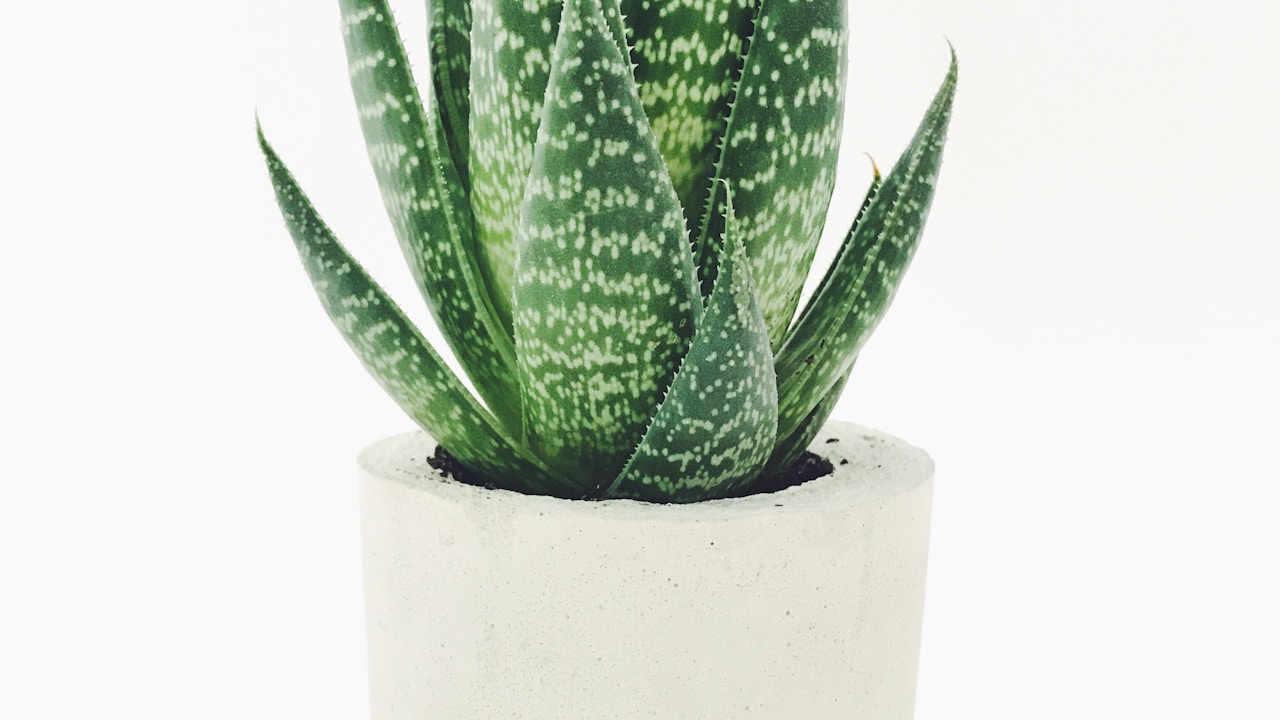
Yellow dock, scientifically known as Rumex crispus, is a resilient perennial herb belonging to the Polygonaceae family, which also includes culinary staples like buckwheat and sorrel.
A good article on Yellow Dock should not stop at one-line claims. Readers need taxonomy, habitat, safety, cultivation, and evidence in the same place so they can make sound decisions.
The aim is simple: make the article detailed enough for serious readers while keeping the structure clear enough for fast scanning and confident decision-making.
- Yellow dock (Rumex crispus) is a common perennial herb with a deep taproot, valued in herbal medicine.
- Renowned for its mild laxative action, liver-supporting, and blood-purifying properties.
- Traditionally used to aid digestion, support iron absorption, and address skin conditions.
- Rich in anthraquinones, tannins, and oxalates, which contribute to its therapeutic effects and safety considerations.
- Requires careful preparation and dosage, with raw consumption being potentially toxic.
- Contraindicated for pregnancy, kidney issues, and certain GI or cardiac conditions.
Botanical Profile & Taxonomy
Yellow Dock should be anchored to the correct taxonomic identity before any discussion of care, use, or safety begins.
| Common name | Yellow Dock |
|---|---|
| Scientific name | Rumex crispus |
| Family | Polygonaceae |
| Order | Caryophyllales |
| Genus | Rumex |
| Species epithet | crispus |
| Author citation | Columbia |
| Synonyms | Lapathum crispum (L.) Moench(https://www.gbif.org/species/12121391)Lapathum. |
| Common names | ইয়েলো ডক, রুমেক্স ক্রিসপাস, Yellow Dock, Curly Dock, पीला डॉक, घुंघरालू डॉक |
| Local names | Patience crépue, Oseille crépue, Parelle crépue, Rumex crépu, Rumex crépu, Romice crespo, Tafol Crychion, Rumex crepu, Krauser Ampfer, Tafol Crych, Patience crépue, Herbe patience, Oseille, Krussyra, Krulzuring, Tafolen Grech, Kruset skræppe |
| Origin | Eurasia (Europe, North Africa, Western Asia) |
| Life cycle | Perennial |
| Growth habit | Tree |
Using the accepted scientific name Rumex crispus helps readers avoid confusion caused by old synonyms, loose common names, or inconsistent plant labels.
Family and order placement also matter because they explain recurring structural traits, likely relatives, and the kinds of mistakes readers often make when they rely on appearance alone.
Physical Description & Morphology
A practical reading of the plant starts with visible structure: Leaf: The leaves of Rumex crispus are lanceolate to ovate, measuring 10-30 cm in length and 5-10 cm in width with a wavy margin. They are arranged in a. Stem: The stem is upright, erect, and can reach a height of 30-120 cm. It is robust with a reddish to green coloration and smooth texture, often branched. Root: The root system is taproot-like, penetrating deep into the soil, typically extending 30-60 cm deep. The roots are thick, fleshy, and have a. Flower: The flowers are small and greenish-yellow, arranged in elongated clusters or racemes. They typically bloom from late spring to early fall, often. Fruit: The fruit is a small achene, measuring about 3-5 mm in size, and is brownish when mature. The fruit is not commonly consumed but is known to be. Seed: Seeds are small, approximately 2-3 mm in size, oval-shaped, and have a dark brown color with a smooth texture, dispersed via wind and water.
Microscopic or internal identification notes deepen the picture, especially for processed material: Trichomes are generally absent or very sparse on the aerial parts, particularly the leaves, giving them a smooth, glabrous appearance. Stomata are commonly anomocytic, meaning they are surrounded by an irregular number of cells that do not differ in size or shape from the epidermal. Powdered root material reveals fragments of parenchyma cells, spiral and scalariform vessels, numerous calcium oxalate crystals (often druses and).
In overall habit, the plant is described as Tree with a mature height around Typically 0.2-10 m depending on species and spread of Typically 0.2-5 m depending on species.
Natural Habitat & Distribution
The native or historically recorded center of distribution for Yellow Dock is Eurasia (Europe, North Africa, Western Asia). That origin is more than background trivia; it explains how the plant responds to heat, moisture, shade, and seasonal change.
The plant is associated with the following countries or range markers: [Europe](https://en).
Environmental notes in the live record add more context: Yellow dock flourishes in temperate climates and prefers well-drained soils that are rich in organic matter, often found in disturbed areas or along roadsides. Ideal growing conditions involve full sun to partial shade, where the plant can receive at least 4 to 6 hours of sunlight daily. It thrives in moist environments, making it well-suited for areas.
In cultivation terms, the main ecological clues are: Usually full sun to partial shade; Moderate; Generally well-drained preferred; Species-dependent; Perennial; Tree.
Physiology data reinforce the habitat story: The plant demonstrates significant stress tolerance, particularly to soil disturbance, varying moisture levels, and even some heavy metal. Rumex crispus utilizes the C3 photosynthetic pathway, common among temperate plants, optimizing carbon fixation under moderate light and temperature. Yellow dock has moderate to high transpiration rates, especially in moist, fertile soils, effectively moving water and nutrients throughout the.
Traditional & Cultural Significance
Ethnobotanical records also show how this plant has been framed across different places: Alterative in Europe (Uphof, J.C. Th. 1968. Dictionary of economic plants. 2nd ed. Verlag von J. Cramer.); Antiseptic in Elsewhere (Lost Crops of the Incas.); Astringent in Turkey (Steinmetz, E.F. 1957. codex Vegetabilis. Published by the author, Amsterdam.); Astringent in Elsewhere (Duke, 1992 *); Astringent in Haiti (Liogier, Alain Henri. 1974. Diccionario Botanico de Nombres Vulgares de la Espanola. Universidad Nacional Pedro Henriquez Urena, Santo Domingo.); Boil in US (Krochmal, Arnold and Connie. 1973. A guide to the medicinal plants of the United States. Quadrangle/The N.Y. Times Book Co.); Cancer in US (Hartwell, J.L. 1967-71. Plants used against cancer. A survey. Lloydia 30-34.); Cancer in Chile (Hartwell, J.L. 1967-71. Plants used against cancer. A survey. Lloydia 30-34.).
Local names help show how different communities notice and classify the plant: Patience crépue, Oseille crépue, Parelle crépue, Rumex crépu, Rumex crépu, Romice crespo, Tafol Crychion, Rumex crepu, Krauser Ampfer, Tafol Crych, Patience crépue, Herbe patience, Oseille, Krussyra, Krulzuring.
Traditional context matters, but it should always be separated from modern certainty. Historical use can guide questions, yet it does not automatically prove present-day clinical effectiveness.
Medicinal Properties & Health Benefits
The main benefit themes associated with the plant include: Digestive Stimulant — Yellow dock acts as a mild stimulant laxative due to its anthraquinone glycosides, promoting bowel regularity and alleviating occasional. Liver and Gallbladder Support — Traditionally used as a liver tonic, Rumex crispus stimulates bile production and flow, aiding in the detoxification processes. Iron Absorption Enhancement — While not a direct source of highly bioavailable iron, yellow dock is traditionally believed to improve the body's ability to. Blood Purifier — In traditional herbalism, yellow dock is highly regarded as an alterative or 'blood purifier,' believed to gently cleanse the system by. Skin Condition Relief — Its detoxifying actions, especially on the liver and bowels, are thought to benefit various chronic skin conditions like eczema. Anti-inflammatory Properties — Preliminary research and traditional use suggest that yellow dock possesses anti-inflammatory effects, potentially reducing. Antimicrobial Activity — Extracts of Rumex crispus have demonstrated antimicrobial properties against certain bacteria, fungi, and parasites, supporting its. Antioxidant Support — The plant contains a range of polyphenolic compounds, including flavonoids and tannins, which contribute to its antioxidant capacity.
The evidence matrix gives a more careful picture of those claims: Laxative and Bowel Regularity. Traditional use, phytochemical analysis, observational studies. Traditional use, phytochemical evidence, some human observational data. Anthraquinone glycosides present in the root stimulate intestinal peristalsis and fluid secretion, supporting its long-standing use for constipation. Antioxidant Activity. Phytochemical analysis, in vitro antioxidant assays. In vitro studies, phytochemical analysis. Extracts of Rumex crispus, particularly from fruits, have demonstrated significant antioxidant capacity attributed to its rich content of polyphenolic compounds. Anti-inflammatory Properties. Traditional use, animal models (e.g., adhesion models). Traditional use, some animal model studies. Rumex crispus has shown potential to reduce inflammation in experimental models, aligning with its traditional application for various inflammatory conditions. Iron Absorption Support. Traditional practice, anecdotal reports. Traditional use, anecdotal evidence. While commonly used to aid iron absorption, direct clinical trials specifically proving this mechanism in humans are limited, and it's primarily supported by traditional knowledge.
The stored evidence confidence for this profile is traditional. That should shape how strongly any benefit statement is interpreted.
For medicinal content, the key discipline is to distinguish traditional use, mechanism-based plausibility, and human clinical support. Those are related ideas, but they are not the same thing.
- Digestive Stimulant — Yellow dock acts as a mild stimulant laxative due to its anthraquinone glycosides, promoting bowel regularity and alleviating occasional.
- Liver and Gallbladder Support — Traditionally used as a liver tonic, Rumex crispus stimulates bile production and flow, aiding in the detoxification processes.
- Iron Absorption Enhancement — While not a direct source of highly bioavailable iron, yellow dock is traditionally believed to improve the body's ability to.
- Blood Purifier — In traditional herbalism, yellow dock is highly regarded as an alterative or 'blood purifier,' believed to gently cleanse the system by.
- Skin Condition Relief — Its detoxifying actions, especially on the liver and bowels, are thought to benefit various chronic skin conditions like eczema.
- Anti-inflammatory Properties — Preliminary research and traditional use suggest that yellow dock possesses anti-inflammatory effects, potentially reducing.
- Antimicrobial Activity — Extracts of Rumex crispus have demonstrated antimicrobial properties against certain bacteria, fungi, and parasites, supporting its.
- Antioxidant Support — The plant contains a range of polyphenolic compounds, including flavonoids and tannins, which contribute to its antioxidant capacity.
- Lymphatic System Support — Yellow dock is traditionally considered a lymphatic herb, assisting in the movement and drainage of lymphatic fluid, which is.
- Nutrient Source — Young leaves are a source of vitamins and minerals, although consumption should be moderate due to oxalate content, contributing to overall.
Chemical Constituents & Phytochemistry
The broader constituent profile includes Anthraquinone Glycosides — Key compounds like emodin, chrysophanol, and physcion are responsible for yellow dock's. Tannins — Astringent polyphenolic compounds, including procyanidins, are present, contributing to its toning effect on. Oxalates — Oxalic acid and its salts are found in varying concentrations, particularly in the leaves, and can bind. Flavonoids — Compounds such as quercetin glycosides contribute to the plant's antioxidant and anti-inflammatory. Naphthoquinones — Nepodin is a notable naphthoquinone identified in yellow dock, which has been investigated for its. Minerals — Yellow dock contains various essential minerals, including iron, potassium, and calcium, although the. Volatile Oils — Present in small quantities, contributing to the plant's characteristic aroma and potentially offering. Glycosides — Beyond anthraquinones, other glycosidic compounds are present, which may contribute to various. Polysaccharides — Complex carbohydrates that can offer demulcent properties, soothing irritated tissues, particularly.
The detailed phytochemistry file adds these markers: Emodin, Anthraquinone, Root, Variable% dry weight; Chrysophanol, Anthraquinone, Root, Variable% dry weight; Procyanidins, Tannins (Polyphenols), Root, leaves, Variable% dry weight; Oxalic acid, Organic Acid, Leaves, root, Moderate% fresh weight; Quercetin glycosides, Flavonoids, Leaves, root, Variable% dry weight; Nepodin, Naphthoquinone, Root, Lowmg/g.
Local chemistry records also support the profile: QUERCETIN in Leaf (not available-not available ppm); ASCORBIC-ACID in Leaf (300.0-4054.0 ppm); ASCORBIC-ACID in Root (1042.0-4054.0 ppm); RUTIN in Leaf (not available-not available ppm); ZINC in Root (not available-not available ppm); MAGNESIUM in Root (822.0-3200.0 ppm); SELENIUM in Root (0.6-2.5 ppm); EMODIN in Rhizome (not available-not available ppm).
Compound profiles also shift with plant part, age, season, processing, and storage. The chemistry of a fresh leaf, dried root, or concentrated extract should never be treated as automatically identical.
How to Use — Preparations & Dosage
Recorded preparation and use methods include Decoction (Root) — Prepare by simmering dried, chopped yellow dock root in water for 15-20 minutes, then straining. This method extracts the more resilient compounds like. Tincture (Root) — Create an alcohol extract by macerating fresh or dried yellow dock root in a high-proof alcohol for several weeks, then straining. This is a potent and. Infusion (Leaves) — Young yellow dock leaves can be steeped in hot water for a short period to make a milder tea, though this is less common for medicinal purposes than root. Culinary Use (Young Leaves) — Tender young leaves can be added sparingly to salads or cooked like spinach, providing a nutrient boost. Blanching can help reduce oxalate content. Powdered Root — Dried yellow dock root can be ground into a fine powder and encapsulated for convenient internal dosing or mixed into smoothies and other foods. Poultice (Root) — A paste made from fresh or dried powdered root mixed with water can be applied topically to skin irritations, swellings, or minor wounds for its astringent and. Syrups — Yellow dock root can be incorporated into herbal syrups, often combined with other herbs, for a palatable way to administer its benefits, particularly for children or.
The plant part most closely linked to use is recorded as Leaves, roots, bark, seeds, flowers, or whole plant cited in related taxa.
Edibility and processing notes matter here as well: Species- and plant-part-dependent; verify before use.
Preparation defines the outcome. Tea, decoction, tincture, powder, fresh plant material, cooked food use, and concentrated extract cannot be discussed as if they were interchangeable.
- Identify the exact species and plant part first.
- Match the preparation to the intended use.
- Check safety, interactions, and processing details before routine use or large-scale handling.
Safety Profile, Side Effects & Contraindications
The first safety note is direct: Species- and plant-part-dependent; verify before use
Specific warnings recorded for this plant include Pregnancy and Breastfeeding — Yellow dock is considered possibly unsafe during pregnancy and breastfeeding due to its laxative effects and the potential. Kidney Conditions — Contraindicated for individuals with a history of kidney stones, kidney disease, or other renal impairments due to its oxalate content. Gastrointestinal Disorders — Avoid use in cases of inflammatory bowel diseases (Crohn's disease, ulcerative colitis), appendicitis, or unexplained abdominal. Blood Clotting Disorders — Use with caution by individuals with bleeding disorders or those taking anticoagulant/antiplatelet medications, as it may influence. Cardiac Conditions — Patients with heart conditions, especially those on digoxin, should avoid yellow dock due to the risk of potassium depletion, which can. Allergies — Individuals with known allergies to plants in the Polygonaceae family or ragweed should exercise caution due to potential cross-reactivity. Children — Not recommended for use in young children without professional medical guidance due to its potent laxative effects and potential for electrolyte. Raw Consumption — Raw or uncooked yellow dock is possibly unsafe and should be avoided, as it can cause severe adverse effects including vomiting and heart. Gastrointestinal Upset — High doses or prolonged use can cause abdominal cramping, nausea, vomiting, and diarrhea due to its strong laxative action. Electrolyte Imbalance — Chronic use of yellow dock, particularly as a laxative, can lead to potassium depletion and other electrolyte disturbances.
Quality-control notes add another warning: Adulteration risk includes substitution with other Rumex species, particularly R. obtusifolius, or other stimulant laxative herbs. Visual identification and chemical profiling.
No plant should be described as universally safe. Identity, dose, plant part, preparation style, age, pregnancy status, medication use, allergies, and contamination risk all change the answer.
Growing & Cultivation Guide
The cultivation record emphasizes these practical steps: Soil Preference — Yellow dock thrives in moist, well-drained loamy soils but is remarkably adaptable to various soil types, including disturbed and compacted grounds. Light Requirements — Prefers full sun to partial shade, with more vigorous growth and flowering occurring in sunnier locations. Propagation — Primarily propagated by seed, which can be sown directly in spring or fall. It can also spread vigorously from its deep taproot if sections are left in. Watering — Requires consistent moisture, especially during dry periods, but avoids waterlogging, which can lead to root rot. Fertilization — Generally not required as it often thrives in nutrient-poor soils, but a balanced organic fertilizer can support more robust growth. Pests and Diseases — Relatively resistant to most pests and diseases, though aphids or leaf spot fungi can occasionally occur. Good air circulation helps prevent fungal. Harvesting — Roots are best harvested in late fall after the aerial parts have died back, or in early spring before significant new growth, when the concentration of. Management — Due to its prolific seeding and deep taproot, yellow dock can become invasive. Regular weeding and preventing seed set are crucial for control.
The broader growth environment is described like this: Yellow dock flourishes in temperate climates and prefers well-drained soils that are rich in organic matter, often found in disturbed areas or along roadsides. Ideal growing conditions involve full sun to partial shade, where the plant can receive at least 4 to 6 hours of sunlight daily. It thrives in moist environments, making it well-suited for areas.
Planning becomes easier when these traits are kept in view: Tree; Typically 0.2-10 m depending on species; Typically 0.2-5 m depending on species.
In practice, healthy cultivation comes from systems thinking rather than one-off tricks. Site choice, drainage, timing, spacing, pruning, feeding, and observation all reinforce one another.
Light, Water & Soil Requirements
The most useful care snapshot is this: Light: Usually full sun to partial shade; Water: Moderate; Soil: Generally well-drained preferred; USDA zone: Species-dependent.
Outdoors, light, water, and soil must be read together. The same watering schedule can be too much in dense clay and too little in a porous sandy bed.
| Light | Usually full sun to partial shade |
|---|---|
| Water | Moderate |
| Soil | Generally well-drained preferred |
| USDA zone | Species-dependent |
Light, water, and soil should never be treated as separate checkboxes. A plant in stronger light often dries faster, soil texture changes how quickly water moves, and temperature plus humidity influence how stress appears in leaves and roots.
For Yellow Dock, the safest care approach is to treat Usually full sun to partial shade, Moderate, and Generally well-drained preferred as linked decisions rather than isolated tips. If one condition shifts, the other two usually need to be reconsidered as well.
Microclimate matters too. Indoors, room placement and airflow can matter as much as window exposure. Outdoors, reflected heat, slope, mulch, and nearby plants can change how the temperature rhythm described for the species and humidity that matches the plant type are actually experienced at plant level.
Propagation Methods
Documented propagation routes include Yellow dock can be propagated by seed or division. For seed propagation, sow seeds in spring approximately 1/4 inch deep and keep the soil consistently moist; expect germination within 2-4 weeks. A success rate of around 70% can be anticipated with proper care. For division, mature plants can be separated in early.
Propagation works best when the parent stock is healthy, correctly identified, and handled in the right season. That sounds obvious, but it is exactly where many failures begin.
- Yellow dock can be propagated by seed or division. For seed propagation, sow seeds in spring approximately 1/4 inch deep and keep the soil consistently moist
- Expect germination within 2-4 weeks. A success rate of around 70% can be anticipated with proper care. For division, mature plants can be separated in early.
Propagation works best when the reader matches method to biology. Some plants respond readily to cuttings, some to division, some to seed, and others require more patience or more exact seasonal timing.
Pest & Disease Management
For medicinal species, pest pressure is not only a horticultural issue. It also affects harvest cleanliness, storage stability, and confidence in the final material.
The smartest response sequence is observation first, environmental correction second, and treatment only after the real pattern is clear.
Pest and disease management is strongest when it begins before visible damage becomes severe. Routine observation, clean handling, sensible spacing, air movement, and balanced watering reduce many problems before treatment is even needed.
When symptoms do appear on Yellow Dock, the most reliable response is diagnostic rather than reactive. Yellowing, spots, wilt, chewing, and stunting can all have multiple causes, so a rushed treatment can waste time or worsen the problem.
Good troubleshooting also includes environmental correction. Pests and disease often reveal a deeper issue such as root stress, poor airflow, inconsistent watering, weak light, or exhausted soil structure.
Harvesting, Storage & Processing
The plant part most often associated with harvest or processing is Leaves, roots, bark, seeds, flowers, or whole plant cited in related taxa.
Storage guidance from the quality-control record reads as follows: Dried yellow dock root should be stored in airtight containers, away from light and moisture, in a cool, dark place to preserve the stability of its active anthraquinone and.
For medicinal plants, harvesting cannot be separated from processing. The right plant part, the right timing, and the right drying conditions all shape quality and safety.
Whatever the purpose, the rule is the same: harvest clean material, label it clearly, and store it in a way that preserves identity and condition.
Harvest and storage determine whether a plant's quality is preserved after it leaves the bed, pot, field, or wild source. Clean timing, correct plant part selection, and careful drying or handling all matter more than many readers expect.
Companion Planting & Garden Design
In a home herb garden or medicinal bed, Yellow Dock should be placed where harvesting is easy, labeling remains clear, and neighboring plants do not create confusion at collection time.
Companion planting and design are not only aesthetic decisions. They affect airflow, root competition, moisture sharing, harvest access, visibility, and the general logic of the planting scheme.
With Yellow Dock, good placement means thinking about mature size, maintenance rhythm, and how neighboring plants change the feel and function of the space. A plant can be healthy on its own and still be poorly placed within the broader composition.
That is why the best design advice combines biology with usability. The planting should look coherent, but it should also make watering, pruning, harvest, and pest observation easier rather than harder.
Scientific Research & Evidence Base
The evidence matrix points to several recurring themes: Laxative and Bowel Regularity. Traditional use, phytochemical analysis, observational studies. Traditional use, phytochemical evidence, some human observational data. Anthraquinone glycosides present in the root stimulate intestinal peristalsis and fluid secretion, supporting its long-standing use for constipation. Antioxidant Activity. Phytochemical analysis, in vitro antioxidant assays. In vitro studies, phytochemical analysis. Extracts of Rumex crispus, particularly from fruits, have demonstrated significant antioxidant capacity attributed to its rich content of polyphenolic compounds. Anti-inflammatory Properties. Traditional use, animal models (e.g., adhesion models). Traditional use, some animal model studies. Rumex crispus has shown potential to reduce inflammation in experimental models, aligning with its traditional application for various inflammatory conditions. Iron Absorption Support. Traditional practice, anecdotal reports. Traditional use, anecdotal evidence. While commonly used to aid iron absorption, direct clinical trials specifically proving this mechanism in humans are limited, and it's primarily supported by traditional knowledge.
Ethnobotanical activity records add historical reference trails: Alterative — Europe [Uphof, J.C. Th. 1968. Dictionary of economic plants. 2nd ed. Verlag von J. Cramer.]; Antiseptic — Elsewhere [Lost Crops of the Incas.]; Astringent — Turkey [Steinmetz, E.F. 1957. codex Vegetabilis. Published by the author, Amsterdam.]; Astringent — Elsewhere [Duke, 1992 *]; Astringent — Haiti [Liogier, Alain Henri. 1974. Diccionario Botanico de Nombres Vulgares de la Espanola. Universidad Nacional Pedro Henriquez Urena, Santo Domingo.]; Boil — US [Krochmal, Arnold and Connie. 1973. A guide to the medicinal plants of the United States. Quadrangle/The N.Y. Times Book Co.].
The compiled source count behind the live profile is 6. That does not guarantee certainty, but it does suggest the record has been cross-checked beyond a single note.
Analytical testing notes also strengthen the evidence base: Quality control involves macroscopic and microscopic identification, Thin Layer Chromatography (TLC) or High-Performance Liquid Chromatography (HPLC) for anthraquinone content.
A careful evidence section should say what is known, what is plausible, and what remains uncertain. Readers are better served by clear limits than by exaggerated confidence.
Evidence note: this section blends the live plant record, local ethnobotanical activity data, chemistry records, and the linked Flora Medical Global plant profile for Yellow Dock.
Buying Guide & Expert Tips
Quality markers worth checking include Anthraquinone glycosides, particularly emodin and chrysophanol, are typically used as marker compounds for identification and standardization of Rumex crispus root extracts.
Adulteration and substitution risk should not be ignored: Adulteration risk includes substitution with other Rumex species, particularly R. obtusifolius, or other stimulant laxative herbs. Visual identification and chemical profiling.
When buying Yellow Dock, start with verified botanical identity. The label, scientific name, and the source page should agree before you judge price, size, or claimed benefits.
For living plants, inspect roots, stem firmness, foliage health, and early pest signs. For dried or processed material, look for batch clarity, clean aroma, absence of mold, and any sign that the product has been over-processed to disguise poor quality.
Frequently Asked Questions
What is Yellow Dock best known for?
Yellow dock, scientifically known as Rumex crispus, is a resilient perennial herb belonging to the Polygonaceae family, which also includes culinary staples like buckwheat and sorrel.
Is Yellow Dock beginner-friendly?
That depends on the growing environment and the intended use. Some plants are easy to grow but not simple to use medicinally, while others are the opposite.
How much light does Yellow Dock need?
Usually full sun to partial shade
How often should Yellow Dock be watered?
Moderate
Can Yellow Dock be propagated at home?
Yes, but the best method depends on whether the species responds best to seed, cuttings, division, offsets, or other propagation routes.
Does Yellow Dock have safety concerns?
Species- and plant-part-dependent; verify before use
What is the biggest mistake people make with Yellow Dock?
The most common mistake is applying generic advice instead of matching the plant to its real environment, identity, and limits.
Where can I verify more information about Yellow Dock?
Start with the Flora Medical Global plant profile: https://www.floramedicalglobal.com/plant/yellow-dock-rumex
Why do sources sometimes disagree about Yellow Dock?
Different references may use different synonyms, plant parts, cultivation conditions, or evidence standards. That is why taxonomy and source quality both matter.