Flora Medical Global logo

Abelia (Abelia x grandiflora)

Scientific name: Abelia x grandiflora

Bengali name: গ্লসি আবেলিয়া

Family: Caprifoliaceae

Genus: Abelia

Origin: East Asia (China, Japan)

Quick Summary

✓ Abelia x grandiflora, or Glossy Abelia, is a widely cultivated ornamental hybrid shrub. ✓ Renowned for its glossy foliage, extended blooming period, and fragrant, pollinator-attracting flowers. ✓ Highly adaptable, drought-tolerant, and low-maintenance, making it ideal for sustainable landscaping. ✓ Primarily valued for its aesthetic appeal and ecological benefits in gardens and urban environments. ✓ Direct medicinal uses for the hybrid are not established; however, its parent species exhibit phytochemical potential. ✓ Generally safe for external ornamental use, but internal consumption is not advised without rigorous research.

Key Features

✓ Horticultural Hybrid — A cross between Abelia chinensis and Abelia uniflora, showcasing desirable traits from both. ✓ Semi-Evergreen Foliage — Features glossy, dark green leaves that often display attractive bronze or purple tints in cooler seasons. ✓ Extended Flowering Season — Produces abundant, funnel-shaped white to pale pink flowers from late spring through autumn. ✓ Pollinator Friendly — Flowers are highly attractive to bees, butterflies, and hummingbirds, supporting garden biodiversity. ✓ High Environmental Adaptability — Tolerates various soil types, full sun to partial shade, and urban pollution. ✓ Drought Tolerant — Exhibits good drought resistance once established, reducing water requirements. ✓ Low Maintenance — Requires minimal care, pruning, and is generally resistant to pests and diseases. ✓ Ornamental Value — Widely used in landscape design for its graceful form, long-lasting blooms, and year-round interest. ✓ Fragrant Blooms — Emits a subtle, pleasant aroma, enhancing the sensory experience of a garden. ✓ Multi-stemmed Growth Habit — Forms a dense, rounded shrub ideal for hedges, borders, or mass plantings.

Description

Abelia x grandiflora, commonly known as Glossy Abelia, is a distinguished horticultural hybrid shrub belonging to the Caprifoliaceae family. This resilient plant is a result of a cross between Abelia chinensis and Abelia uniflora, first cultivated in Italy around 1886. It has since become a global landscape favorite due to its exceptional hardiness and ornamental appeal. This semi-evergreen to deciduous shrub typically reaches a height of 3 to 6 feet with a similar spread, forming a compact, multi-stemmed structure with an elegant, rounded habit. Its leaves are a defining feature: glossy, dark green, and ovate, often taking on attractive bronze or purple hues in cooler temperatures, providing year-round visual interest. The bark is smooth, developing a subtly exfoliating quality as the plant matures, adding to its aesthetic charm. Abelia x grandiflora produces abundant, funnel-shaped flowers ranging from pristine white to delicate pale pink. These fragrant blooms appear profusely from late spring through autumn, borne in clusters that are highly attractive to essential pollinators such as bees, butterflies, and hummingbirds, thereby supporting local biodiversity. The plant demonstrates remarkable adaptability to various well-drained soil types, including loam, clay, and sandy soils, and thrives in conditions from full sun to partial shade, though optimal flowering occurs in full sun. Its hybrid origin has led to the development of numerous cultivars, each presenting unique characteristics. Beyond its beauty, Glossy Abelia's ability to withstand urban pollution and drought makes it an invaluable choice for sustainable landscaping, enhancing ecological diversity in diverse settings.

Trusted Scientific References

Authoritative external sources for Abelia x grandiflora:

Medicinal Benefits

While Abelia x grandiflora is primarily cultivated as an ornamental garden shrub, traditional and ethnomedicinal uses, particularly in some Asian cultures, suggest potential therapeutic properties. Historically, various species within the Abelia genus have been employed for their anti-inflammatory and analgesic effects. The leaves and flowers have been traditionally used to treat conditions like rheumatism, arthritis, and general bodily aches and pains. Furthermore, Abelia has been associated with wound healing properties. Extracts have been applied topically to promote the closure of wounds and to reduce inflammation associated with skin injuries. Some traditional practices also indicate its use as an expectorant, aiding in the relief of coughs and respiratory congestion. There are also anecdotal reports suggesting its use in managing mild gastrointestinal discomfort. However, it is crucial to emphasize that scientific research validating these traditional claims for Abelia x grandiflora specifically is limited. Most of the documented ethnomedicinal uses pertain to other species within the Abelia genus, and direct pharmacological studies on Abelia x grandiflora are scarce. Therefore, while it holds historical significance in folk medicine, its modern medicinal application requires rigorous scientific investigation and clinical trials to confirm efficacy and safety.

Benefits

Environmental: Attracts pollinators (bees, butterflies) with its abundant flowers, supporting local ecosystems. Ecological: Provides shelter for small birds and wildlife. Aesthetic: Long-lasting bloom, attractive semi-evergreen foliage, suitable for hedges, mass plantings, and specimen planting, enhancing garden beauty. Economic: Used extensively in landscape design and horticulture for its adaptability and low maintenance.

Advantages of Growing

Diseases & Conditions Treated

Chemical Constituents

The phytochemical profile of Abelia x grandiflora is not extensively documented in scientific literature. However, based on studies of related Abelia species, it is likely to contain flavonoids, phenolic acids, and possibly iridoid glycosides. Flavonoids, such as quercetin and kaempferol, are known for their antioxidant and anti-inflammatory properties. Phenolic acids, like caffeic acid and chlorogenic acid, also contribute antioxidant activity. Iridoid glycosides, if present, could be responsible for some of the traditional anti-inflammatory and analgesic effects observed in other Abelia species. Further research is needed to precisely identify and quantify these compounds in Abelia x grandiflora.

Usage Method

✓ Ornamental Landscaping — Primarily cultivated for its aesthetic appeal, used extensively as a hedge, border plant, mass planting, or as a specimen shrub in gardens and public spaces. ✓ Pollinator Attraction — Planted to create a biodiverse garden, its nectar-rich flowers are a significant draw for bees, butterflies, and hummingbirds. ✓ Erosion Control — Due to its dense, fibrous root system, it can be utilized in mass plantings on slopes to help stabilize soil and prevent erosion. ✓ Herbal Infusions (Exploratory) — If future research validates medicinal properties for the hybrid, infusions from leaves or flowers might be prepared for potential antioxidant or anti-inflammatory benefits. ✓ Tinctures (Investigational) — For a more concentrated extraction of phytochemicals, tinctures using alcohol-based solvents could be explored in a research context to study specific compounds. ✓ Topical Applications (Hypothetical) — Should extracts demonstrate anti-inflammatory or skin-soothing properties, they could theoretically be incorporated into creams or poultices for external research applications. ✓ Aromatic Enhancement — The delicate fragrance of the flowers, though subtle, could be considered for natural aromatic applications or as a component in floral arrangements. ✓ Wildlife Habitat — Provides shelter and food for various small wildlife, enhancing ecological value in garden settings.

Cultivation Method

✓ Site Selection — Choose a location with full sun exposure for abundant flowering, though Abelia x grandiflora tolerates partial shade. ✓ Soil Requirements — Adaptable to a wide range of well-drained soil types, including sandy, loamy, or clay soils; ensure good drainage to prevent root rot. ✓ Watering — Water regularly during the establishment phase; once mature, it becomes drought-tolerant, requiring less frequent watering. ✓ Pruning — Prune in late winter or early spring to shape the plant, remove dead or damaged branches, and encourage new growth, as it flowers on new wood. ✓ Fertilization — Generally low-maintenance, an annual application of a balanced, slow-release granular fertilizer in early spring can promote vigorous growth and flowering. ✓ Hardiness Zones — Thrives in USDA Hardiness Zones 6-11; in colder zones (6-7), it may experience some winter dieback but typically recovers from the roots. ✓ Pest and Disease Management — Highly resistant to most common pests and diseases; occasional issues with aphids can be managed with insecticidal soap. ✓ Environmental Adaptability — Tolerates urban pollution and thrives in various exposures, making it suitable for diverse landscape applications.

Environment & Growth

Abelia x grandiflora is a versatile hybrid thriving in USDA hardiness zones 6 through 9. It is not native to any single country but is widely cultivated globally. It adapts to various altitudes, typically grown in low to mid-elevation temperate climates. It tolerates an annual rainfall range of 750 mm to 1500 mm but is quite drought-tolerant once established, requiring supplemental irrigation mainly during prolonged dry spells.

Care Tips

Propagation Methods

Cuttings: Softwood cuttings can be taken in late spring/early summer, semi-hardwood cuttings in late summer/early autumn. Dip 10-15 cm cuttings in rooting hormone and plant in a well-drained, sandy propagating mix. Maintain high humidity. Seeds: Propagation by seed is not typical for this hybrid as it often doesn't come true to type and viable seeds are often scarce. Layering: Simple layering can be done in spring by bending a low-hanging branch to the ground, burying a section, and allowing it to root before detaching.

Common Problems

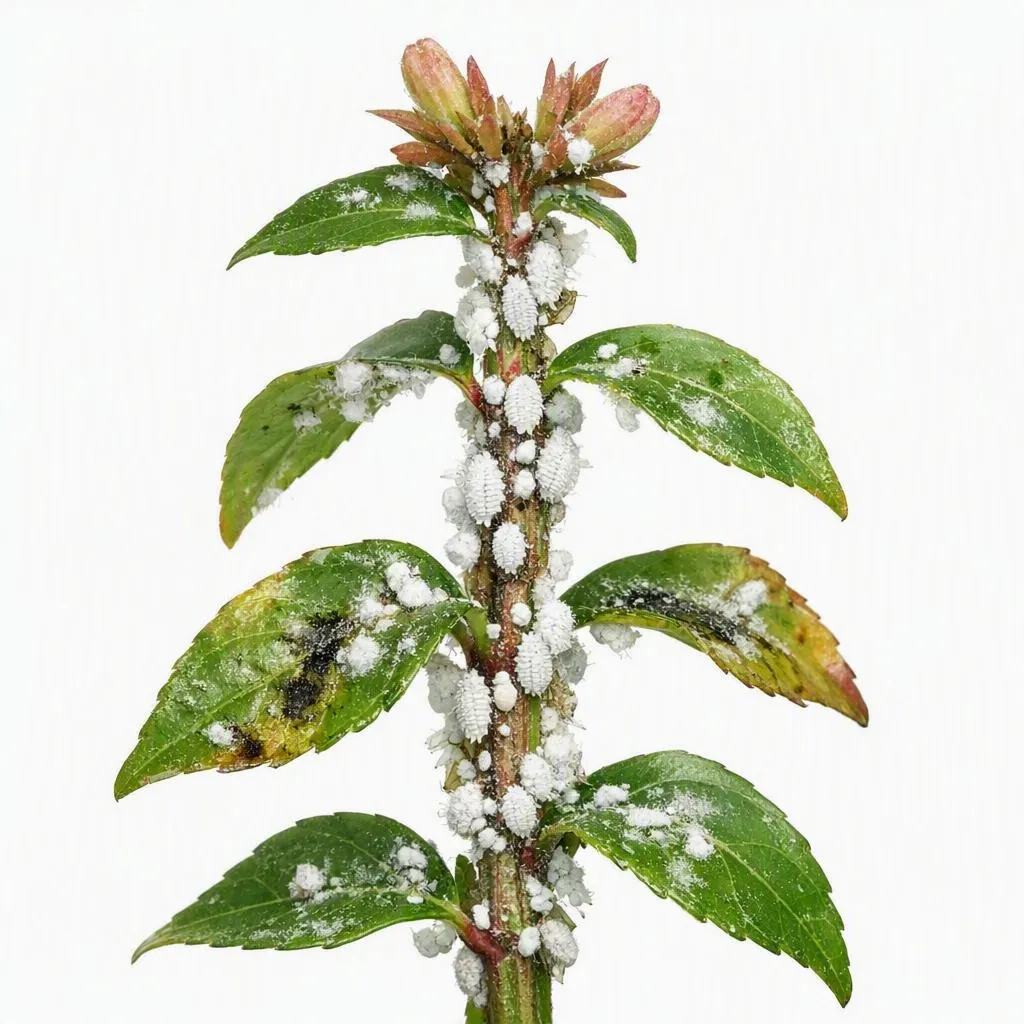
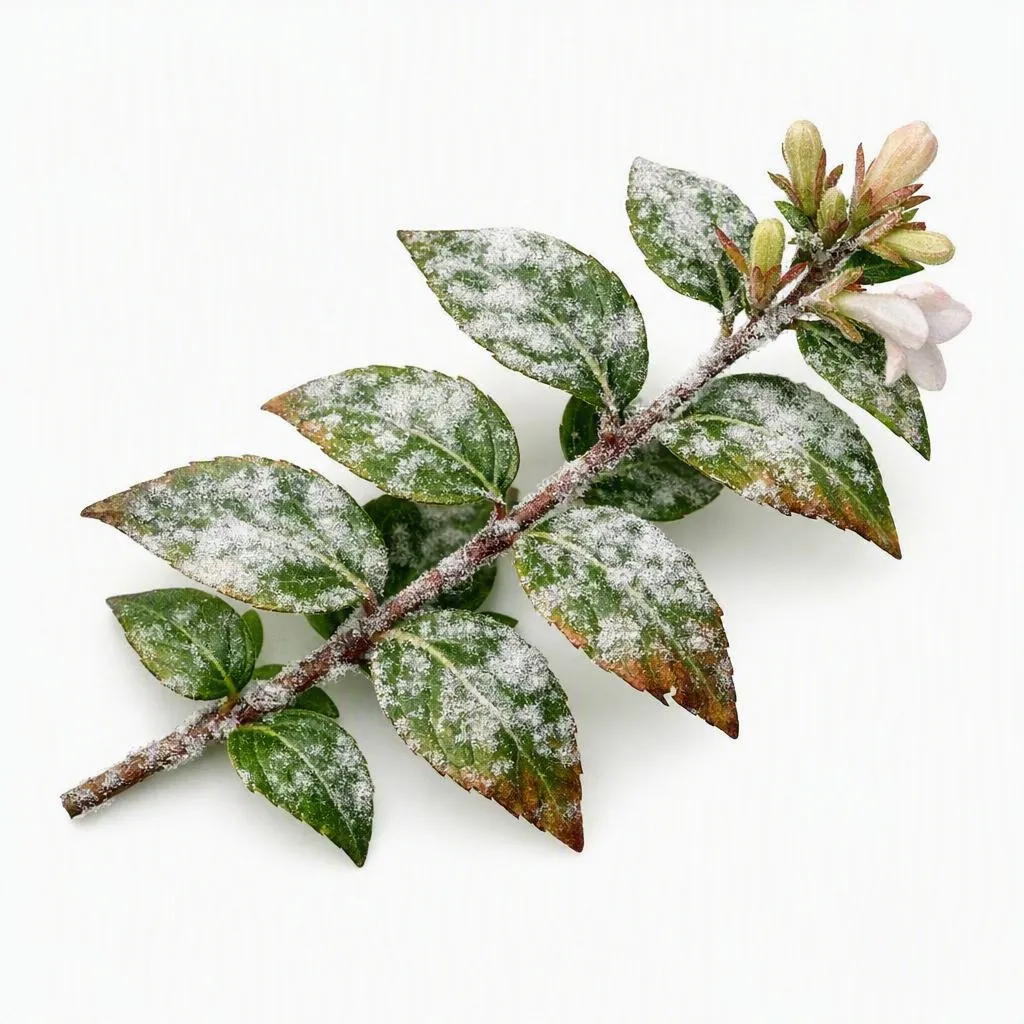
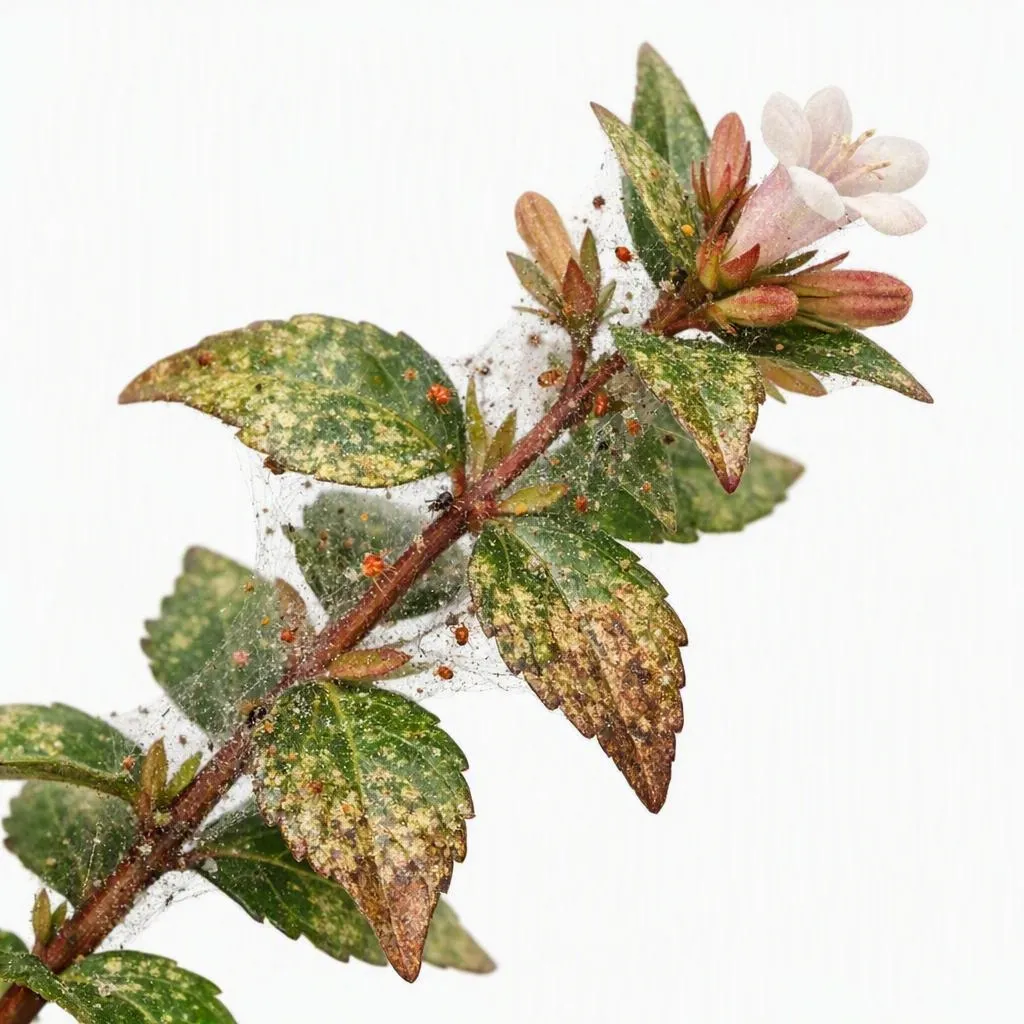
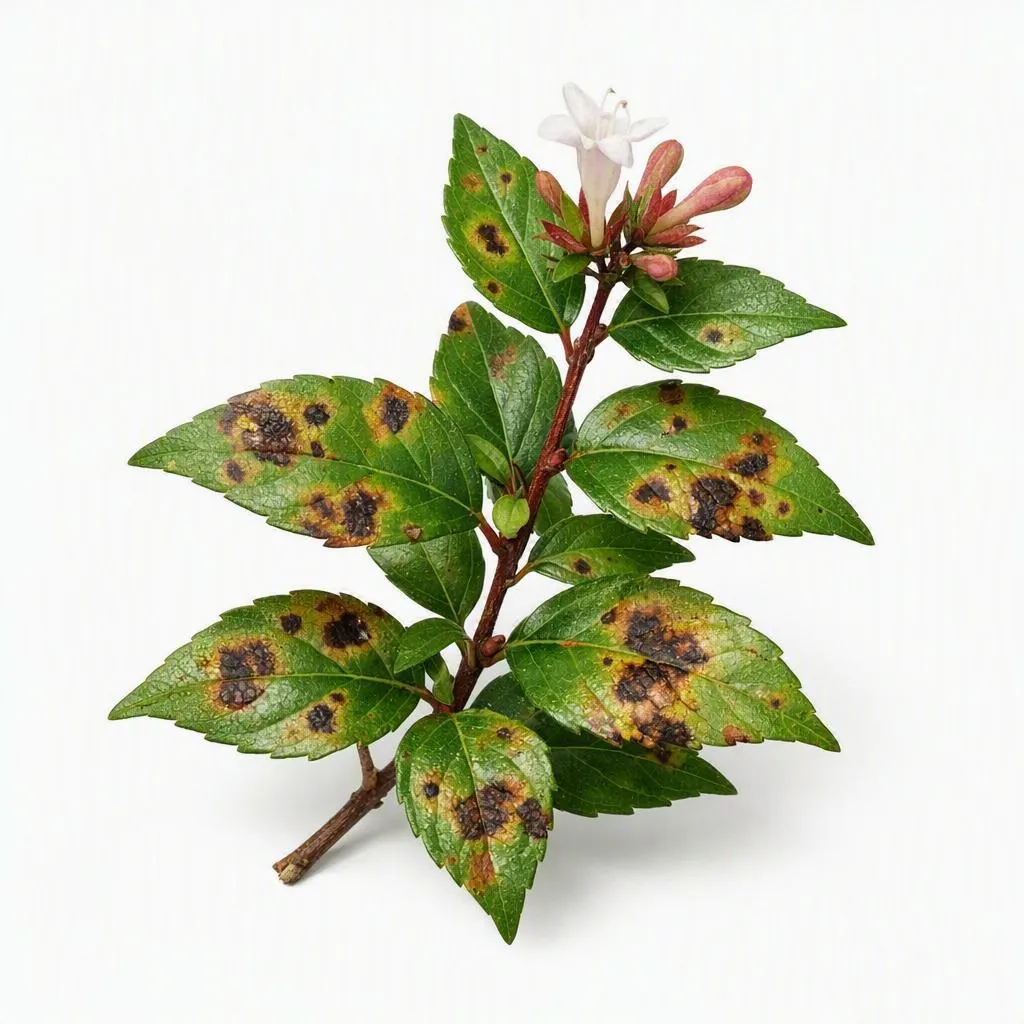
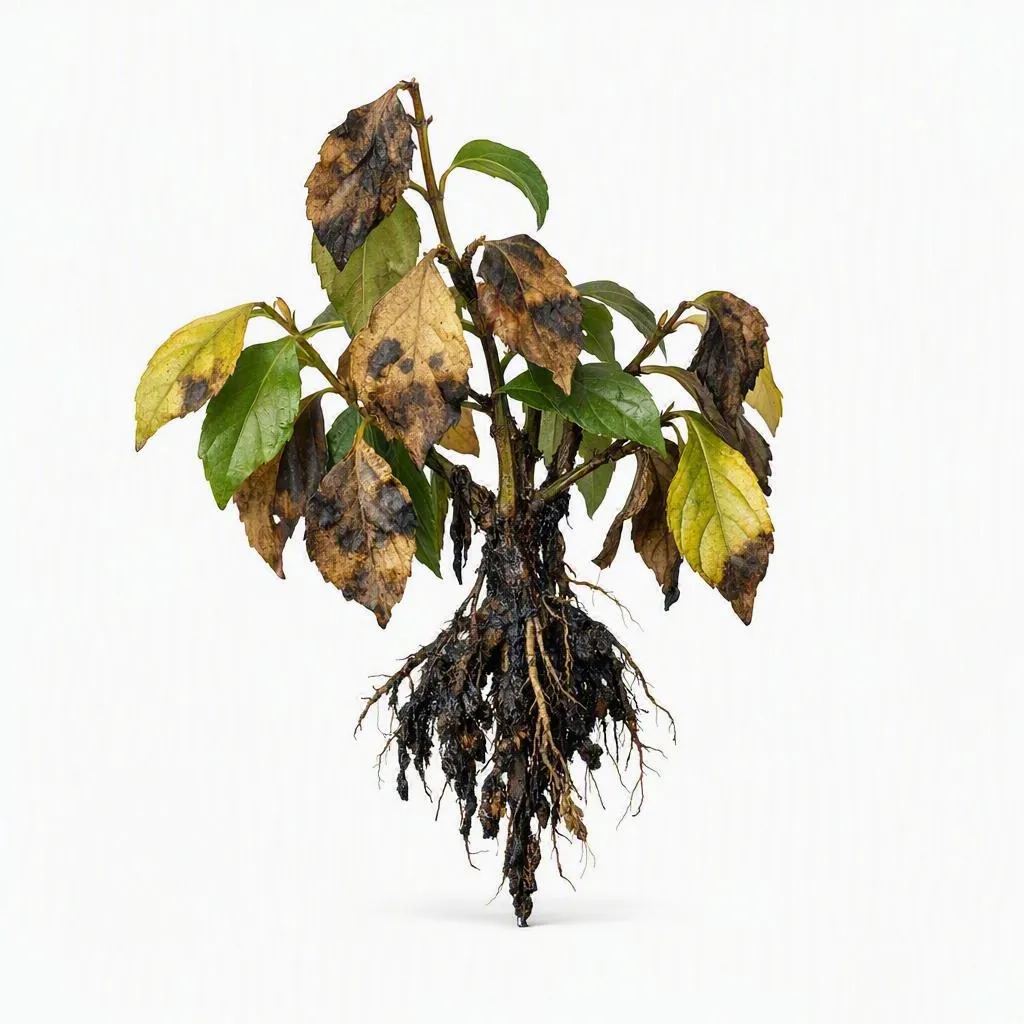
Common pests include aphids, which can be dislodged with a strong spray of water or treated with insecticidal soap. Fungal diseases like powdery mildew can occur in humid conditions or poor air circulation; improve air flow and consider organic fungicides like neem oil. Nutrient deficiencies are rare in well-drained, fertile soil, but yellowing leaves might indicate iron deficiency in alkaline soils, correct with chelated iron. Organic solutions include companion planting for pest control and ensuring proper site selection for disease prevention.

Toxicity & Safety

Abelia x grandiflora is generally considered non-toxic to humans and pets (dogs, cats, horses). No specific toxic parts are identified, and symptoms of overdose from ingestion are not reported as it is not consumed. No first aid measures are typically required beyond standard allergic reaction protocols for pollen sensitivity in rare cases.

Safety Profile

Abelia x grandiflora is generally considered safe for ornamental gardening purposes. There is no established safety profile for internal medicinal use due to the scarcity of research and traditional applications specifically for this species. Its non-toxic nature in horticultural settings suggests a low risk of acute toxicity. However, without robust scientific data, its safety for therapeutic purposes, including dosage, long-term effects, and potential interactions with medications, remains unknown. It is strongly advised not to self-medicate with Abelia x grandiflora and to rely on scientifically validated treatments for any health concerns.

Side Effects

There is a significant lack of documented scientific research on the side effects and contraindications of Abelia x grandiflora. Due to its primary use as an ornamental plant and the limited ethnomedicinal applications specifically attributed to this species, no adverse effects have been widely reported. However, as with any plant material, potential allergic reactions cannot be entirely ruled out, especially in individuals with known sensitivities to plants in the Caprifoliaceae family. Pregnant and breastfeeding women, as well as individuals with pre-existing medical conditions, should exercise caution and consult a healthcare professional before considering any internal use, even if based on traditional practices.

Cultural Significance

Abelia x grandiflora, being a 19th-century hybrid, does not possess ancient cultural significance or documented use in traditional medicinal systems like Ayurveda, TCM, or Unani. Its cultural role is primarily modern, appreciated globally as a landscape plant for its aesthetic qualities, resilience, and extended flowering period, symbolizing enduring beauty and a welcoming garden environment.

Quick Facts

Categorygarden
FamilyCaprifoliaceae
GenusAbelia
Species epithetgrandiflora
Life cyclePerennial
Growth habitShrub
Mature height1-3 m
Sun requirementFull Sun
Water needMedium
Soil pH6.0-7.0
USDA zone6-9
Toxicity levelNon-toxic
EdibilityNot edible
Conservation statusNE