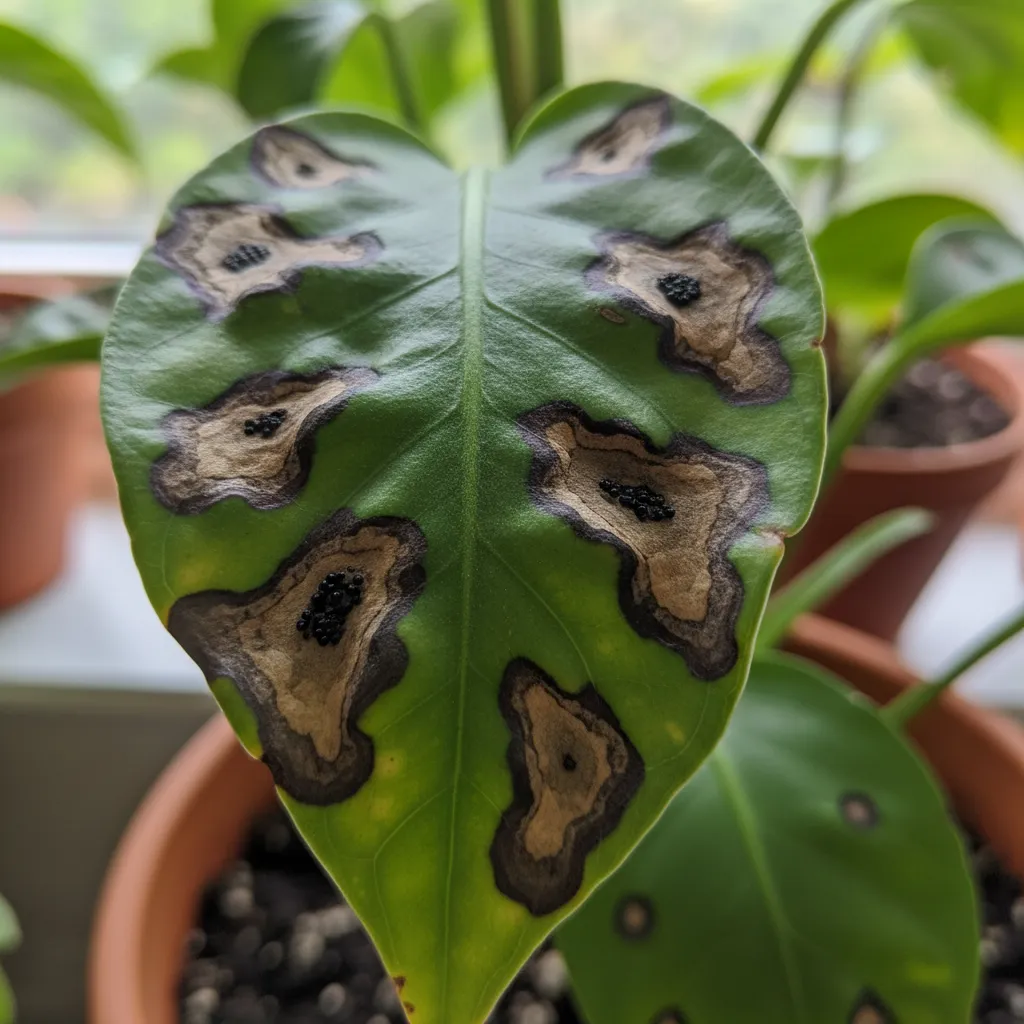
Scientific name: Agave americana garden
Bengali name: শতবর্ষী উদ্ভিদ
Family: Asparagaceae
Genus: Agave
Origin: Native to Mexico, particularly the central and northern regions.
Quick Summary
✓ Agave americana 'Garden' is a resilient, monocarpic succulent known as the century plant. ✓ It is the source of agave nectar (a low-glycemic sweetener) and agave inulin (a prebiotic fiber). ✓ Contains beneficial compounds including antioxidants (flavonoids, tannins), saponins, and B vitamins. ✓ Offers health benefits such as improved gut health, blood sugar stabilization, and antioxidant support. ✓ High fructose content in nectar necessitates moderate consumption to avoid adverse health effects. ✓ Traditionally used for food, beverages like pulque, and its strong fibers.
Key Features
✓ Majestic Monocarpic Succulent ✓ Forms a Large Rosette of Grey-Green Leaves ✓ Features Sharp Marginal Teeth and Terminal Spines ✓ Produces a Towering Flower Stalk (Scape) ✓ Highly Drought-Tolerant and Adapted to Arid Climates ✓ Source of Agave Nectar (Low Glycemic Sweetener) ✓ Rich in Agave Inulin (Prebiotic Dietary Fiber) ✓ Contains Beneficial Antioxidants and B Vitamins ✓ Native to Mexico and Southwestern United States ✓ Widely Cultivated Globally as an Ornamental Plant
Description
Agave americana 'Garden', widely recognized as the century plant or maguey, is a magnificent succulent perennial within the Asparagaceae family. While its native range spans the arid and semi-arid landscapes of Mexico and the Southwestern United States, particularly Texas and Arizona, the 'Garden' designation signifies its widespread cultivation as a striking ornamental specimen in xeriscapes globally. This impressive plant forms a dense rosette of thick, fleshy, lanceolate leaves, typically a grey-green hue and reaching lengths of 1-2 meters. Each formidable leaf is armed with sharp marginal teeth and culminates in a robust, needle-like terminal spine, necessitating careful handling. The species name 'americana' accurately reflects its origins, though the 'century plant' moniker is a botanical misnomer; it generally flowers after one to three decades (10-30 years), not a hundred. Agave americana is monocarpic, meaning it flowers only once before senescing and dying, a process often accelerated by the immense energy expenditure required to produce its monumental inflorescence. Its fibrous, shallow, yet extensive root system efficiently captures surface moisture, an essential adaptation for arid environments, also aiding in soil stabilization. The dramatic flowering event involves a towering, woody scape, often soaring 8-10 meters high, adorned with numerous yellow-green, tubular flowers arranged in a candelabra-like panicle. These flowers are primarily pollinated by bats, moths, and other nocturnal creatures in their natural habitat.Trusted Scientific References
Authoritative external sources for Agave americana garden:
Medicinal Benefits
✓ Antioxidant Support — Agave contains beneficial compounds like flavanones, flavones, and tannins, which act as antioxidants to help reduce cellular damage and lower the risk of chronic diseases. ✓ Cardiovascular Health — Saponins found in agave may contribute to lowering cholesterol levels and blood pressure by relaxing blood vessels, potentially reducing the risk of heart disease and strokes. ✓ Blood Glucose Regulation — Agave nectar has a lower glycemic index than table sugar, making it a suitable alternative for managing blood sugar levels, while agave inulin helps stabilize them. ✓ Gut Microbiome Enhancement — Agave inulin acts as a prebiotic fiber, fostering the growth of beneficial bacteria in the gut and improving overall digestive health and function. ✓ Digestive Regularity — The high fiber content of agave inulin aids in preventing constipation and promoting regular bowel movements, contributing to a healthy digestive system. ✓ Satiety and Weight Management — Inulin fiber helps to increase feelings of fullness, which can reduce overall food intake and assist in weight management efforts. ✓ Immune System Support — Agave provides small amounts of B vitamins, including Riboflavin (B2), Pyridoxine (B6), and Folate (B9), which are crucial for various immune functions and energy metabolism. ✓ Bone Health — While not explicitly a primary benefit, trace minerals and compounds in agave may indirectly support bone density and overall skeletal health. ✓ Kidney Stone Risk Reduction — Saponins may play a role in reducing the risk of kidney stone formation, although more research is needed to confirm this mechanism. ✓ Mental Well-being — The presence of Vitamin K and Folate in agave has been linked to potential mental health benefits, including a lower risk of depression symptoms.
Benefits
Environmental: Excellent for xeriscaping, promoting water conservation in arid regions. Its deep roots help with soil stabilization and erosion control. Ecological: Provides nectar for pollinators (bats, hummingbirds, insects) when flowering, although this is infrequent for any single plant. Economic: Source of fibers (sisal, pita), culinary sweetener (agave nectar), and traditional alcoholic beverages (pulque, mezcal, tequila). Aesthetic: Highly valued as an ornamental plant for its bold, architectural form, creating a dramatic focal point in gardens and landscapes. Its grey-green leaves provide excellent contrast and texture.
Advantages of Growing
- Extremely drought-tolerant requiring minimal water once established.
- Distinctive architectural form provides strong visual interest in landscaping.
- Low maintenance, resistant to most pests and diseases.
- Important source of traditional food, fiber, and alcoholic beverages.
Diseases & Conditions Treated
- Constipation
- High Cholesterol
- High Blood Pressure
- Cellular Damage (oxidative stress)
- Type 2 Diabetes (blood sugar management)
- Kidney Stones (risk reduction)
- Heart Disease (risk reduction)
- Gut Dysbiosis
- Obesity (weight management support)
- Inflammation
- Depression (symptom relief)
- Insulin Resistance
Chemical Constituents
✓ Fructans (Inulin) — A complex polysaccharide primarily found in the plant's core, known for its prebiotic effects and role in gut health and blood sugar regulation. ✓ Fructose — The predominant simple sugar in agave nectar, responsible for its sweetness, with a lower glycemic impact compared to glucose. ✓ Saponins — Steroidal glycosides, such as hecogenin, present in the leaves and sap, recognized for potential anti-inflammatory, cholesterol-lowering, and antimicrobial properties. ✓ Flavanones — A class of flavonoids acting as antioxidants, contributing to cellular protection against oxidative stress. ✓ Flavones — Another group of antioxidant flavonoids that help scavenge free radicals and support overall cellular health. ✓ Tannins — Polyphenolic compounds with astringent properties, contributing to the plant's defense mechanisms and offering antioxidant benefits. ✓ Riboflavin (Vitamin B2) — A water-soluble vitamin essential for energy production, cellular growth, and the metabolism of fats, drugs, and steroids. ✓ Pyridoxine (Vitamin B6) — Crucial for amino acid metabolism, red blood cell formation, and neurotransmitter synthesis, supporting nervous system function. ✓ Folate (Vitamin B9) — Vital for DNA synthesis and repair, cell division, and the production of red blood cells, important during pregnancy and for mental health. ✓ Vitamin K — A fat-soluble vitamin necessary for blood clotting and bone metabolism, also linked to potential cognitive and mental health benefits. ✓ Phenolic Acids — Various phenolic compounds contributing to the plant's antioxidant capacity and protective effects against environmental stressors. ✓ Trace Minerals — Including calcium, magnesium, and iron, which are present in small amounts and contribute to overall nutritional value and bodily functions.
Usage Method
✓ Agave Nectar Sweetener — Used as a natural alternative to sugar in beverages, baking, and as a topping for pancakes or waffles, dissolving easily in cold liquids. ✓ Agave Inulin Powder Supplement — Incorporated into smoothies, yogurts, or baked goods to boost dietary fiber intake, or taken in capsule form. ✓ Traditional Fermented Beverage (Pulque) — Historically, the sap (aguamiel) from the core of the Agave americana plant is fermented to produce pulque, a traditional alcoholic drink. ✓ Roasted Agave Hearts (Quiotes) — The hearts of the plant (quiotes) are traditionally roasted and consumed as a food source, offering a sweet, fibrous meal. ✓ Infused Agave Syrups — Agave nectar can be infused with herbs, spices like ginger or cinnamon, or fruit to create flavored syrups for culinary use. ✓ Fiber for Textiles and Crafts — The strong fibers extracted from the leaves have been used for centuries to make ropes, textiles, and other utilitarian items. ✓ Ingredient in Health Bars and Snacks — Agave inulin is often added to processed health foods like protein bars or cereals for its fiber content and mild sweetness.
Cultivation Method
✓ Sunlight — Requires full sun exposure for optimal growth, thriving in bright, direct light conditions typical of arid environments. ✓ Soil — Prefers well-draining, sandy, or gritty soil mixtures to prevent root rot, which is common in waterlogged conditions. ✓ Watering — Highly drought-tolerant; water sparingly, allowing the soil to dry out completely between waterings, especially during cooler months. ✓ Temperature — Hardy in USDA zones 8-11; protect from hard freezes, as prolonged cold can damage the succulent leaves. ✓ Propagation — Primarily propagated by offsets (pups) that emerge from the base of the mother plant, or occasionally by seeds after flowering. ✓ Fertilization — Generally low-maintenance; a light feeding with a balanced, slow-release fertilizer once a year in spring is sufficient. ✓ Pest and Disease Control — Relatively pest-free, but watch for agave snout weevils and mealybugs; ensure good air circulation to prevent fungal issues. ✓ Space Requirements — Allow ample space for its large rosette and eventual towering flower stalk, as it can reach significant dimensions.
Environment & Growth
Agave americana 'Garden' thrives in arid to semi-arid deserts, grasslands, and rocky slopes. It is naturally found in USDA hardiness zones 8-11. It prefers climates with hot, dry summers and mild winters, intolerant of prolonged freezing temperatures. Altitude range is typically from sea level up to 2,000 meters (6,500 feet). Annual rainfall needs are low, generally ranging from 250-750 mm (10-30 inches), as it stores water efficiently in its leaves.
Care Tips
- Ensure excellent drainage; never let it sit in soggy soil.
- Protect from hard freezes by covering or bringing indoors in colder climates.
- Handle with extreme caution due to sharp marginal teeth and terminal spine; wear thick gloves and eye protection.
- Remove 'pups' (offsets) periodically if you want to maintain a single plant form, or allow them to grow to create a cluster.
Propagation Methods
Agave americana 'Garden' primarily propagates through offsets (pups) and seeds, though seeds are less common in garden settings due to the monocarpic nature and long growth period to flowering. For offsets: Carefully dig around the base of the main plant to expose the roots of the pups. Use a clean, sharp knife or spade to sever the pup from the mother plant, ensuring it has some roots attached. Allow the pup to callus for several days in a dry, shaded area before planting in well-draining soil. For seeds: Sow seeds in a well-draining, sandy cactus mix, lightly covering them. Keep moist and warm (20-25°C / 68-77°F). Germination can be erratic, taking weeks to months. Seedlings grow slowly and require careful attention to watering and light.
Common Problems
Common pests include Agave snout weevils (Scyphophorus acupunctatus), which can cause catastrophic damage by boring into the core of the plant, leading to rot and collapse. Mealybugs and scale insects can sometimes infest leaves, especially in protected areas. Fungal diseases, primarily root rot (Fusarium, Phytophthora spp.), are common in poorly draining soils or overwatering. Nutrient deficiencies are rare given its adaptability to poor soils, but yellowing leaves might indicate slight nitrogen deficiency or more likely, overwatering. Organic solutions for Agave snout weevil involve regular inspection, drenching with beneficial nematodes (Heterorhabditis bacteriophora) or systemic organic insecticides as a last resort. For mealybugs/scale, use neem oil or horticultural oil sprays. For root rot, improve drainage, cease watering, and remove affected tissue; prevention is key. Ensure proper drainage to avoid all water-related issues.
Toxicity & Safety
Agave americana 'Garden' is considered mildly to moderately toxic upon contact or ingestion of raw parts due to the presence of calcium oxalate crystals and saponins. The sap causes severe skin irritation (dermatitis), redness, itching, burning, and blistering upon contact, known as 'agave rash'. Ingestion of raw leaves can cause irritation of the mouth and throat, nausea, vomiting, and diarrhea. First aid for skin contact involves thoroughly washing the affected area with soap and water; medical attention may be required for severe reactions. For ingestion, induce vomiting if advised by poison control, and seek medical attention. Keep out of reach of children and pets. Always wear protective gloves and eye protection when handling the plant.
Safety Profile
✓ Moderation is Key — Due to its high fructose content, agave nectar should be consumed in moderation, adhering to recommended daily sugar intake guidelines. ✓ Diabetes Management — Individuals with diabetes should consult a healthcare professional before incorporating agave nectar or inulin into their diet, despite its lower GI. ✓ Infant Contraindication — Agave syrup should not be given to infants, similar to honey, due to the risk of botulism spores or other contaminants. ✓ Pregnancy and Lactation — Pregnant or nursing individuals should exercise caution and consult a doctor before using agave medicinally or in large quantities. ✓ Plant Handling Caution — The sharp marginal teeth and terminal spine of the Agave americana plant require protective gloves and careful handling to prevent injury. ✓ Processed Forms Only — Only processed forms of agave (nectar, inulin) should be consumed; raw sap is toxic and requires heating or fermentation to be safe. ✓ Gastrointestinal Sensitivity — Start with small doses of agave inulin and gradually increase to assess tolerance and minimize digestive side effects.
Side Effects
✓ High Fructose Intake Risks — Excessive consumption of agave nectar can lead to increased risk of type 2 diabetes, insulin resistance, and nonalcoholic fatty liver disease. ✓ Metabolic Syndrome Risk — Large amounts of fructose may contribute to metabolic syndrome, characterized by high blood pressure, high blood sugar, and elevated cholesterol. ✓ Digestive Upset from Inulin — High doses of agave inulin can cause gastrointestinal discomfort such as bloating, gas, stomach pain, and increased bowel movements. ✓ Dental Caries — Like other sweeteners, frequent consumption of agave nectar can contribute to tooth decay if oral hygiene is not maintained. ✓ Raw Sap Toxicity — The raw sap directly from the agave plant is toxic and should not be consumed without proper processing. ✓ Not for Infants — Agave syrup is not recommended for infants due to potential contaminants and their undeveloped digestive systems. ✓ Allergic Reactions — Although rare, individuals may experience allergic reactions to agave products, presenting as skin rashes or digestive issues.
Cultural Significance
In Mesoamerican cultures, particularly Aztec and Mayan, Agave americana was revered as a sacred plant, often associated with fertility and deities like Mayahuel, the Aztec goddess of maguey. It was considered the 'tree of wonders' due to its myriad uses for food, drink, clothing, and construction. The fibers were used for papyrus-like scrolls, and its thorn was used for ritual bloodletting. Although not traditionally classified in Ayurveda, TCM, or Unani, its significance in its native cultural context is profound, deeply interwoven with daily life and spiritual practices. References to its extensive utility appear in ancient codices and historical accounts of Spanish colonization, highlighting its vital role in the civilizations of indigenous Mexico.
Quick Facts
| Category | garden |
|---|---|
| Family | Asparagaceae |
| Genus | Agave |
| Species epithet | americana |
| Life cycle | Perennial |
| Growth habit | Succulent |
| Mature height | 1.5-2.4 m |
| Sun requirement | Full Sun |
| Water need | Low |
| Soil pH | 6.0-7.5 |
| USDA zone | 9-11 |
| Toxicity level | Mild |
| Edibility | Not edible |
| Conservation status | NE |