Flora Medical Global logo

Basil Sweet (Ocimum basilicum)

Scientific name: Ocimum basilicum

Bengali name: মিষ্টি তুলসী

Family: Lamiaceae

Genus: Ocimum

Origin: Mediterranean Basin and Southeast Asia (Italy, Greece, India)

Quick Summary

✓ Sweet Basil (Ocimum basilicum) is a versatile aromatic herb from the mint family. ✓ Historically valued in traditional medicine for its adaptogenic, anti-inflammatory, and antimicrobial properties. ✓ Modern research supports its antioxidant, antiviral, and neuroprotective benefits, driven by compounds like eugenol and linalool. ✓ Widely used in culinary applications and as a source of essential oil for aromatherapy and topical use. ✓ Requires careful consideration regarding dosage and potential interactions, especially in concentrated forms or for specific health conditions. ✓ A potent natural resource for both flavor enhancement and holistic well-being.

Key Features

✓ Distinctive Sweet-Peppery Aroma — Renowned for its unique, rich, and inviting fragrance. ✓ Member of Lamiaceae Family — Shares characteristics with other mints, including square stems and opposite leaves. ✓ Rich Phytochemical Profile — Contains a diverse array of essential oils, flavonoids, and phenolic acids. ✓ Extensive Traditional Medicine History — Utilized for millennia in Ayurveda, Unani, and TCM. ✓ Versatile Culinary Herb — A staple in Mediterranean, Asian, and other global cuisines. ✓ Potent Anti-inflammatory Properties — Helps alleviate pain and swelling through natural compounds. ✓ Significant Antimicrobial Activity — Effective against various bacteria, fungi, and some viruses. ✓ Powerful Antioxidant Source — Protects cells from damage caused by free radicals. ✓ Adaptogenic Potential — Supports the body's ability to cope with stress and maintain balance. ✓ Easy to Cultivate Annual Herb — Popular among home gardeners for its straightforward growing requirements.

Description

Ocimum basilicum, universally recognized as Sweet Basil, is a cherished aromatic annual herb indigenous to the Lamiaceae, or mint, family. Its native range spans the tropical belts from Central Africa all the way to Southeast Asia, with its historical cultivation tracing back over five millennia, firmly rooted in ancient India. The very name 'basil' is thought to originate from the Greek 'basileus,' signifying 'king,' a fitting tribute to its noble fragrance and its esteemed role in royal medicinal preparations and luxurious perfumes throughout history. This vibrant plant typically presents as a bushy specimen, commonly attaining heights of 30 to 60 centimeters. It is easily identified by its lush, bright green leaves, which are characteristically ovate to broadly ovate in shape, often displaying smooth or subtly toothed margins. These leaves are the source of its signature sweet, slightly peppery, and intensely fragrant aroma. Sweet Basil produces small, delicate, bilabiate flowers, ranging in color from pristine white to soft pale pink, which are elegantly arranged in terminal spikes atop the plant's stems. Its adaptability has led to widespread cultivation globally, making it a staple in diverse culinary traditions and a significant herb in various traditional healing systems.

Trusted Scientific References

Authoritative external sources for Ocimum basilicum:

Medicinal Benefits

✓ Adaptogenic Properties — Sweet Basil helps the body adapt to stress, promoting overall balance and resilience against various physical and mental stressors. ✓ Anti-inflammatory Action — Rich in compounds like eugenol, it significantly reduces inflammation by modulating key inflammatory pathways, easing discomfort from conditions like arthritis. ✓ Antimicrobial Effects — Its essential oils exhibit potent antibacterial and antifungal activities against a wide spectrum of pathogens, aiding in preventing and treating infections. ✓ Antioxidant Support — Packed with flavonoids and phenolic compounds, Sweet Basil combats oxidative stress by neutralizing free radicals, protecting cells from damage and supporting cellular health. ✓ Digestive Aid — Traditionally used as a carminative, it helps alleviate indigestion, bloating, and gas by promoting healthy digestion and soothing the gastrointestinal tract. ✓ Respiratory Health — It acts as an expectorant, helping to clear congestion and soothe coughs, making it beneficial for respiratory conditions like colds and flu. ✓ Antiviral Activity — Research indicates its efficacy against certain DNA and RNA viruses, suggesting a role in supporting the immune system during viral infections. ✓ Neuroprotective Qualities — Constituents in Sweet Basil may help protect brain cells from damage and support cognitive function, contributing to neurological well-being. ✓ Blood Sugar Regulation — Some studies suggest its potential in managing blood glucose levels, offering benefits for individuals with or at risk of type 2 diabetes. ✓ Pain Relief — Its analgesic properties, partly due to eugenol, can help alleviate various types of pain, including headaches and muscular discomfort.

Benefits

**Environmental:** Attracts beneficial pollinators such as bees and butterflies, contributing to garden biodiversity. Can act as a natural pest deterrent for some insects when intercropped with other plants. **Ecological:** Contributes to soil stability through its root system and can improve soil structure when incorporated as green manure. Provides food and habitat for specific insects. **Economic:** High market demand as a culinary herb, both fresh and dried, supporting agricultural economies. Source of essential oils used in food, fragrance, and cosmetic industries. **Aesthetic:** Its lush green foliage and pleasant aroma enhance garden aesthetics. Can be used in ornamental garden designs, borders, or container gardening.

Advantages of Growing

Diseases & Conditions Treated

Chemical Constituents

✓ Phenylpropanoids — Key compounds include Eugenol (C10H12O2), Methyl Chavicol (Estragole, C10H12O), and Methyl Cinnamate. These contribute significantly to the herb's distinct aroma, flavor, and pharmacological effects, notably anti-inflammatory and antioxidant activities. ✓ Monoterpenes — Linalool (C10H18O) is a prominent monoterpene alcohol known for its sedative, anxiolytic, and antimicrobial properties. Other monoterpenes like Limonene (C10H16) and 1,8-Cineole (Eucalyptol, C10H18O) also contribute to its scent and therapeutic actions. ✓ Flavonoids — Compounds such as Apigenin, Luteolin, and Quercetin are present, offering potent antioxidant, anti-inflammatory, and anticarcinogenic effects, protecting cells from oxidative damage. ✓ Phenolic Acids — Rosmarinic acid and Caffeic acid are notable phenolic compounds that contribute to the plant's strong antioxidant and anti-inflammatory capabilities, particularly beneficial for cellular protection. ✓ Sesquiterpenes — Beta-caryophyllene is one such compound found in Sweet Basil, contributing to its aroma and exhibiting anti-inflammatory and analgesic properties. ✓ Tannins — These astringent compounds contribute to the plant's antimicrobial and antioxidant activity, and may support digestive health by toning mucous membranes. ✓ Saponins — Natural detergents found in the plant, saponins may contribute to its adaptogenic and immunomodulatory effects, though in minor concentrations. ✓ Vitamins and Minerals — Contains essential vitamins like Vitamin K, Vitamin A, and Vitamin C, along with minerals such as iron, calcium, and manganese, supporting general nutritional health.

Usage Method

✓ Fresh Culinary Use — Incorporate fresh Sweet Basil leaves into salads, pasta dishes, sauces like pesto, and as a garnish for various cuisines. ✓ Herbal Infusion (Tea) — Steep 1-2 teaspoons of fresh or dried basil leaves in hot water for 5-10 minutes to create a soothing herbal tea for digestion or relaxation. ✓ Tinctures and Extracts — Prepare alcohol-based tinctures from fresh leaves to concentrate the beneficial compounds for long-term medicinal use. ✓ Essential Oil — Use diffused basil essential oil for aromatherapy to reduce stress or apply topically (diluted) for muscle aches or insect bites. ✓ Poultices and Compresses — Crush fresh basil leaves to create a poultice applied directly to skin irritations, minor wounds, or insect stings. ✓ Herbal Syrups — Combine basil infusion with honey or other sweeteners to create a cough syrup for respiratory support. ✓ Infused Oils and Vinegars — Infuse basil leaves in olive oil or vinegar for culinary purposes, adding a distinctive flavor and preserving some volatile compounds. ✓ Traditional Decoctions — In some traditional systems, dried basil is boiled in water to create a more potent decoction for specific internal ailments.

Cultivation Method

✓ Seed Sowing — Sow Sweet Basil seeds indoors 6-8 weeks before the last frost or directly outdoors after all danger of frost has passed. ✓ Sunlight Requirement — Ensure plants receive at least 6-8 hours of direct sunlight daily for optimal growth and essential oil production. ✓ Soil Preference — Plant in well-draining, fertile soil with a pH between 6.0 and 7.0, enriched with organic matter. ✓ Watering Regimen — Keep the soil consistently moist but not waterlogged; water deeply when the top inch of soil feels dry. ✓ Pruning and Pinching — Pinch off the central stem once the plant has 6-8 true leaves to encourage bushier growth and prevent premature flowering. ✓ Pest Management — Monitor for common pests like aphids and spider mites; use organic insecticidal soap or neem oil if necessary. ✓ Harvesting Technique — Harvest leaves regularly by pinching off the top sets of leaves to encourage continuous production throughout the growing season. ✓ Climate Consideration — Thrives in warm temperatures; protect from cold drafts and bring indoors or cover if temperatures drop below 10°C (50°F).

Environment & Growth

Ocimum basilicum is indigenous to tropical and subtropical regions, primarily found across Central Africa, India, and Southeast Asia. It thrives in warm, humid climates and is extremely sensitive to frost. It prefers consistent temperatures between 20-30°C (68-86°F). Sweet Basil typically grows at altitudes ranging from sea level up to approximately 1,500 meters (5,000 feet). It requires an annual rainfall of at least 700-1500 mm, ideally well-distributed throughout its growing season. It performs best in conditions with high light intensity, requiring at least 6-8 hours of direct sunlight daily.

Care Tips

Propagation Methods

**Seeds:** Sow seeds indoors 6-8 weeks before the last frost or directly outdoors after all danger of frost has passed. Plant seeds 0.6 cm (1/4 inch) deep and 2.5-5 cm (1-2 inches) apart in prepared soil. Germination usually occurs within 5-10 days at 20-25°C (68-77°F). Thin seedlings to 15-30 cm (6-12 inches) apart once they have a few true leaves. **Cuttings:** Take 10-15 cm (4-6 inch) cuttings from healthy, non-flowering stems. Remove leaves from the bottom 5 cm (2 inches) and place cuttings in a glass of water, ensuring at least one node is submerged. Roots typically form within 7-14 days. Once roots are 2.5-5 cm (1-2 inches) long, transplant into potting mix. Propagation by division and layering is not typically practiced for annual Ocimum basilicum.

Common Problems

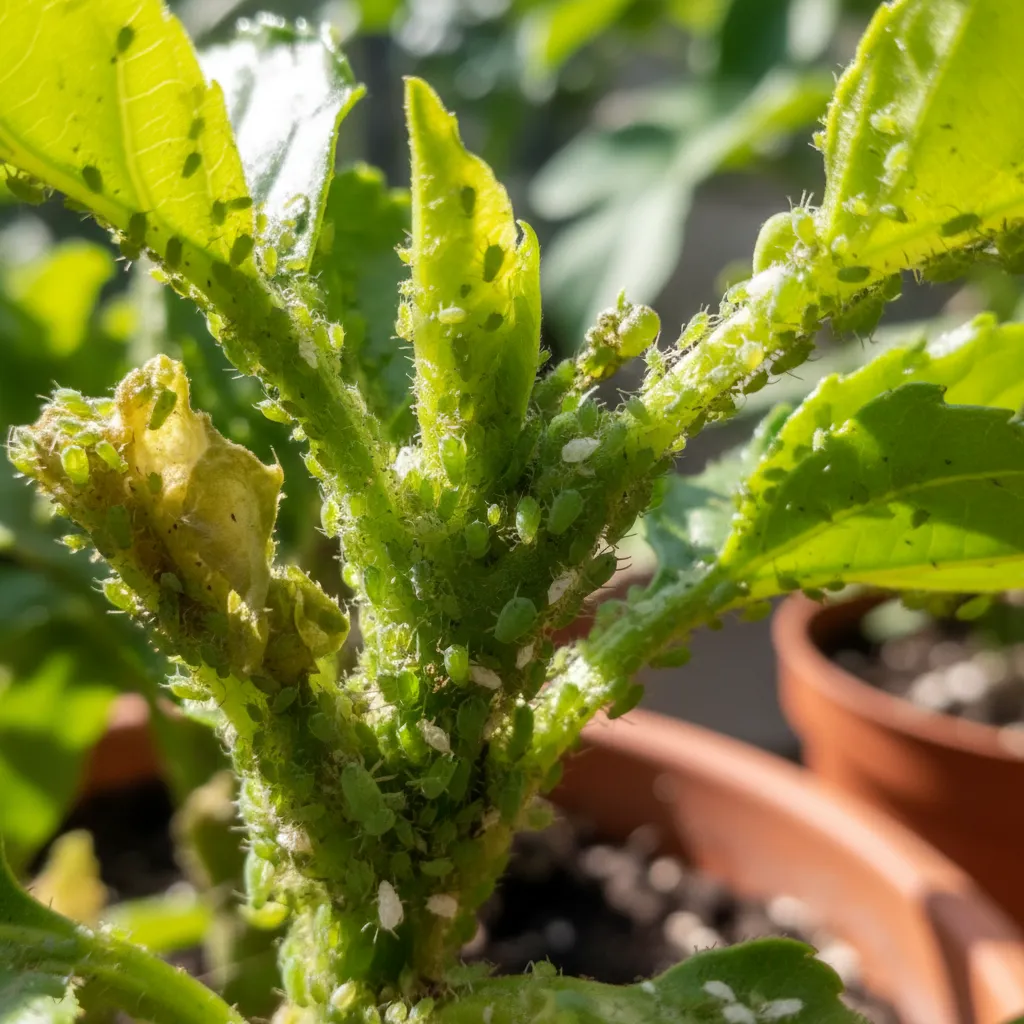
**Pests:** Aphids (suck sap, cause stunted growth), Spider mites (webbing, yellowing leaves in dry conditions), Japanese beetles (skeletonize leaves), Slugs and Snails (chew holes in leaves, especially young plants). Organic solutions: Introduce ladybugs for aphids, use neem oil spray diluted, handpick larger pests, use diatomaceous earth or beer traps for slugs/snails. **Fungal Diseases:** Fusarium wilt (yellowing, wilting, sudden death, especially in warm, moist soil) – often soil-borne, prevent by planting resistant varieties, ensuring good drainage, and crop rotation. Downy mildew (yellow patches on upper leaf surface, grey fuzzy spores underneath) – improve air circulation, avoid overhead watering, remove affected leaves. **Nutrient Deficiencies:** Nitrogen deficiency (overall yellowing of older leaves) – amend with compost or balanced organic liquid fertilizer. Phosphorus deficiency (purplish tint to leaves, stunted growth) – use bone meal or rock phosphate. Potassium deficiency (yellowing or browning leaf margins) – add wood ash or kelp meal.

Toxicity & Safety

Sweet Basil is generally considered safe for culinary consumption. However, concentrated essential oil or large medicinal doses may pose risks. The constituent methyl chavicol (estragole) is a potential hepatocarcinogen in very high doses, although dietary exposure from typical culinary use is far below worrying thresholds. There is no specific toxicity classification for culinary basil. Toxic parts: No specific parts are classified as toxic, but consumption of extremely large quantities of seeds over prolonged periods may cause gastrointestinal discomfort. Symptoms of overdose (from essential oil or highly concentrated extracts): Nausea, vomiting, diarrhea, dizziness, and potential liver stress. First aid measures: In case of accidental ingestion of large quantities or concentrated extracts, induce vomiting only if advised by poison control. Otherwise, seek immediate medical attention. For skin irritation from essential oil, wash with soap and water.

Safety Profile

✓ Culinary Use Safety — Sweet Basil is generally recognized as safe (GRAS) for culinary purposes when consumed in typical food amounts. ✓ Essential Oil Dilution — Basil essential oil must always be properly diluted with a carrier oil before topical application to prevent skin irritation. ✓ Pregnancy and Lactation — Pregnant or breastfeeding individuals should exercise caution and consult a healthcare professional before using concentrated forms of basil, including essential oil. ✓ Pre-Surgical Discontinuation — Discontinue use of high-dose basil supplements at least two weeks before any scheduled surgery due to potential blood-thinning effects. ✓ Diabetes Management — Individuals with diabetes should monitor blood glucose closely if using basil therapeutically, as it may affect blood sugar levels. ✓ Children and Sensitive Individuals — Use with caution in young children or those with known allergies to mint family plants. ✓ Liver Health Monitoring — For long-term or high-dose use of estragole-rich basil varieties, monitoring liver function may be advisable.

Side Effects

✓ Allergic Reactions — Individuals sensitive to the Lamiaceae family may experience skin irritation, rash, or respiratory symptoms upon contact or ingestion. ✓ Blood Thinning — Due to its eugenol content, Sweet Basil may have anticoagulant effects, increasing the risk of bleeding, especially when combined with blood-thinning medications. ✓ Hypoglycemic Effects — May lower blood sugar levels, requiring caution for individuals with diabetes or those on hypoglycemic medications. ✓ Estragole Concerns — High doses of certain basil chemotypes rich in estragole may raise concerns about potential liver toxicity or carcinogenicity, especially with prolonged, concentrated use. ✓ Uterine Stimulation — Concentrated forms, particularly essential oil, may stimulate uterine contractions, posing a risk during pregnancy. ✓ Gastric Upset — Excessive consumption, especially of essential oil, can lead to nausea, vomiting, or stomach discomfort in sensitive individuals. ✓ Drug Interactions — Can interact with sedatives, blood thinners, antidiabetic drugs, and other medications, altering their effects.

Cultural Significance

Sweet Basil holds profound cultural significance across various traditions. In Ayurveda, although distinct from Holy Basil (Tulasi), it shares some revered qualities and is sometimes referred to as 'Surasa' meaning 'good juice' or 'fragrant'. It was historically used in sacred rituals and offerings, considered purifying and enhancing spiritual clarity. In ancient Egypt and Rome, basil was associated with royalty and sacred ceremonies, with some accounts suggesting its use in embalming. In Unani medicine, it is referenced for its warm and dry nature, employed for centuries in remedies relating to digestion and fever, often appearing in classical texts as 'Reyhan'. Traditional Chinese Medicine (TCM) considers it to have pungent and warm properties, influencing the Lung, Spleen, and Stomach meridians, used to move Qi and blood, relieve pain, and expel cold. In European folklore, basil held contradictory meanings, symbolizing both love and hatred, sometimes used as a love token or believed to ward off evil. In modern Italy, basil is a symbol of love, with a pot of basil on a balcony being an invitation for love. In some Hindu traditions, though Tulasi (Holy Basil) is paramount, Sweet Basil is also considered sacred and used in offerings and ceremonies for various deities, particularly Vishnu and Lakshmi, symbolizing devotion and purity. Its aroma is believed to invoke a sense of peace and wellbeing.

Quick Facts

Categorygarden
FamilyLamiaceae
GenusOcimum
Species epithetbasilicum
Life cycleAnnual
Growth habitHerb
Mature height0.5-1 m
Sun requirementFull Sun
Water needMedium
Soil pH6.0-7.0
USDA zone9-11
Toxicity levelNon-toxic
EdibilityEdible
Conservation statusNE