Scientific name: Borago Officinalis
Bengali name: বোরাগো োফফিকিনালিস
Family: Various
Genus: Hortensia
Origin: Mediterranean Basin (Algeria, Cyprus, France, Greece, Italy, Malta, Morocco, Spain, Tunisia)
Quick Summary
✓ Borage (Borago officinalis) is an annual herb known for its star-shaped blue flowers and bristly leaves. ✓ Rich in Gamma-Linolenic Acid (GLA) and rosmarinic acid, offering significant anti-inflammatory and antioxidant benefits. ✓ Traditionally used for digestive, respiratory, and skin health, and to alleviate hormonal symptoms. ✓ Contains pyrrolizidine alkaloids (PAs) which necessitate caution regarding liver toxicity, especially with prolonged use of the herb. ✓ Highly attractive to pollinators, making it valuable for ecological gardens. ✓ Versatile in culinary applications, from fresh salads to cooked greens and infused beverages.
Key Features
✓ Star-shaped blue flowers — Distinctive, vibrant blue, star-shaped blossoms that are highly ornamental and attract pollinators. ✓ Bristly foliage — Leaves and stems are covered with coarse, stiff hairs, giving the plant a unique texture. ✓ Rich in GLA — Seeds are a primary botanical source of Gamma-Linolenic Acid, a valuable omega-6 fatty acid. ✓ Antioxidant powerhouse — Contains high levels of rosmarinic acid and flavonoids, offering strong antioxidant protection. ✓ Mediterranean origin — Native to the Mediterranean region, adapted to warm climates and well-drained soils. ✓ Self-seeding annual — Easily grown from seed and often self-propagates, returning year after year in suitable conditions. ✓ Culinary versatility — Young leaves and flowers are edible, used in salads, drinks, and cooked dishes for a mild cucumber flavor. ✓ Traditional medicinal uses — Long history of use in herbal medicine for inflammation, respiratory issues, and mood support. ✓ Pollinator magnet — Highly attractive to bees and other beneficial insects, enhancing garden biodiversity. ✓ Hormonal support — Utilized for supporting women's health, particularly for PMS and menopausal symptoms.
Description
Borago officinalis, commonly known as Borage or Starflower, is a captivating annual herbaceous plant belonging to the Boraginaceae family, native to the Mediterranean region but widely naturalized across various temperate climates. It typically grows to a height of 60 to 90 cm (24 to 36 inches), characterized by its robust, hollow stems covered with stiff, bristly hairs. The leaves are ovate to lanceolate, also densely covered with coarse hairs, giving them a rough texture. They grow alternately along the stem, often forming a basal rosette before the stem elongates. The most striking feature of Borago officinalis is its star-shaped flowers, which emerge in loose cymes. These vibrant blossoms display a unique color transformation, often starting pink and maturing into a brilliant sky-blue, though white and purple varieties also exist. Each flower features five pointed petals and prominent black anthers forming a cone in the center, which is highly attractive to pollinators, especially bees, due to its abundant nectar production. Borago officinalis thrives in well-drained, moderately fertile soil and prefers full sun to partial shade. Its adaptability allows it to flourish in diverse habitats, from cultivated gardens and herb patches to roadsides and disturbed ground, making it a resilient and widespread species.Trusted Scientific References
Authoritative external sources for Borago Officinalis:
Medicinal Benefits
✓ Anti-inflammatory Support — Borage contains gamma-linolenic acid (GLA) and various phenolic compounds that contribute to its anti-inflammatory properties, potentially aiding conditions like rheumatoid arthritis. ✓ Antioxidant Protection — Rich in flavonoids and rosmarinic acid, Borago officinalis exhibits strong antioxidant activity, helping to neutralize free radicals and protect cellular integrity. ✓ Digestive Aid — Traditionally, Borage has been used to promote healthy digestion, acting as a mild laxative and soothing the gastrointestinal tract due to its mucilage content. ✓ Respiratory Health — Its demulcent properties from mucilage can help soothe irritated mucous membranes, making it beneficial for alleviating coughs, colds, flu, and bronchitis. ✓ Immune System Modulation — Certain compounds in Borage are believed to support and modulate immune responses, contributing to overall health and resilience against pathogens. ✓ Menstrual and Menopause Symptom Relief — The plant is utilized in naturopathic practices to regulate metabolism and hormonal balance, offering relief for premenstrual syndrome (PMS) and menopausal symptoms like hot flashes. ✓ Skin Health — Borage oil, particularly rich in GLA, is known to support skin barrier function, reduce inflammation, and improve hydration, beneficial for conditions like eczema and dermatitis. ✓ Diuretic Properties — Borago officinalis has traditional use as a diuretic, assisting the body in expelling excess fluids and supporting kidney function, as noted in traditional Iranian medicine for kidney inflammation. ✓ Antigenotoxic Effects — Research indicates that extracts of Borago officinalis, particularly its phenolic components like rosmarinic acid, possess antigenotoxic activity, helping to protect DNA from damage. ✓ Anticarcinogenic Potential — Studies suggest that Borago officinalis and its active compounds may exhibit anticarcinogenic effects, contributing to cancer prevention by inhibiting abnormal cell growth. ✓ Mild Analgesic Qualities — Traditionally, Borage has been employed for its mild pain-relieving effects, which may be linked to its anti-inflammatory actions. ✓ Mood and Stress Support — Historically known as 'herb of gladness,' Borago officinalis has been associated with uplifting spirits and reducing feelings of melancholy, potentially through its adaptogenic properties.
Benefits
• Attractive flowering plant ideal for garden landscaping • Attracts pollinators like bees and butterflies • Provides medicinal properties beneficial for digestion and respiratory health • Enhances aesthetic value in outdoor spaces • Supports soil health by providing ground cover. • Easy to cultivate and maintain with regular care.
Advantages of Growing
✓ Attractive flowering plant ideal for garden landscaping. ✓ Attracts pollinators like bees and butterflies. ✓ Enhances aesthetic value in outdoor spaces. ✓ Supports soil health by providing ground cover. ✓ Easy to cultivate and maintain with regular care. ✓ Borago Officinalis adds ornamental value through its foliage, flowers, or overall plant form. ✓ Borago Officinalis can improve seasonal interest in borders, beds, or mixed landscape planting. ✓ Borago Officinalis may support biodiversity by contributing shelter, structure, or resources for beneficial insects. ✓ Borago Officinalis can strengthen planting design by adding contrast in color, texture, or habit. ✓ Borago Officinalis can support pollinators by offering nectar, pollen, or habitat value.
Diseases & Conditions Treated
- Inflammation
- Rheumatoid Arthritis
- Eczema
- Dermatitis
- PMS Symptoms
- Menopausal Hot Flashes
- Colds and Flu
- Bronchitis
- Digestive Issues
- Constipation
- Oxidative Stress
- Minor Skin Irritations
- Kidney Inflammation (traditional)
- Melancholy (traditional)
- Anemia (traditional)
Chemical Constituents
✓ Gamma-Linolenic Acid (GLA) — A crucial omega-6 fatty acid found predominantly in Borage seeds, GLA (all cis-6,9,12 octadecatrienoic acid) is a precursor to prostaglandins, particularly prostaglandin E1, vital for anti-inflammatory processes, immune function, and skin health. ✓ Rosmarinic Acid — A potent phenolic compound and ester of caffeic acid and 3,4-dihydroxyphenyl lactic acid, rosmarinic acid is a significant antioxidant and anti-inflammatory agent, contributing to the plant's protective effects against oxidative stress and DNA damage. ✓ Flavonoids — A diverse group of polyphenolic compounds such as quercetin, kaempferol, and rutin, responsible for much of Borage's antioxidant capacity and contributing to its anti-inflammatory and potential anticarcinogenic activities. ✓ Mucilage — Composed of polysaccharides, mucilage provides demulcent properties, offering soothing effects on mucous membranes in the digestive and respiratory tracts, and aiding in its traditional use as a laxative. ✓ Pyrrolizidine Alkaloids (PAs) — Naturally occurring compounds like amabiline and lycopsamine, present in the leaves and flowers of Borage. While some PAs are hepatotoxic, cultivated varieties and borage seed oil typically contain negligible or no unsaturated PAs, which are the main concern for liver health. ✓ Tannins — Astringent compounds that contribute to Borage's traditional use in wound healing and as a mild anti-diarrheal, by precipitating proteins and forming a protective layer on tissues. ✓ Saponins — Glycosides that can have expectorant and diuretic properties, contributing to the plant's traditional uses for respiratory and urinary tract support. ✓ Essential Oils — Present in small quantities, these volatile compounds contribute to the plant's characteristic aroma and may possess mild antimicrobial and therapeutic properties.
Usage Method
✓ Herbal Tea Preparation — Steep 1-2 teaspoons of dried Borage leaves and flowers in hot water for 5-10 minutes to create a soothing herbal tea, traditionally used for respiratory issues or as a general tonic. ✓ Culinary Use of Fresh Leaves — Young, tender Borage leaves can be consumed fresh in salads, offering a mild cucumber-like flavor. Older leaves can be cooked like spinach. ✓ Infused Oil for Skin — Borage seed oil is commonly pressed and used topically for skin conditions such as eczema, applied directly to affected areas, or incorporated into cosmetic formulations. ✓ Tincture Extraction — A tincture can be prepared by macerating fresh or dried Borage leaves and flowers in alcohol, providing a concentrated extract for internal use, typically dosed in drops. ✓ Poultice Application — Fresh, crushed Borage leaves can be applied as a poultice directly to skin irritations, minor burns, or insect bites to leverage its anti-inflammatory and soothing properties. ✓ Infused Vinegar or Wine — Borage flowers can be infused into vinegar or wine, adding a unique flavor profile and potentially extracting some of the plant's beneficial compounds. ✓ Dried Herb for Seasoning — Dried Borage leaves can be used as a seasoning in various dishes, though its flavor is more pronounced when fresh. It pairs well with fish, poultry, and vegetable dishes. ✓ Capsules and Supplements — Standardized Borage seed oil supplements, rich in GLA, are available in capsule form for convenient internal administration, particularly for inflammatory conditions.
Cultivation Method
✓ Soil Preference — Borago officinalis thrives in well-drained, loamy soil with a pH range of 6.0 to 7.5, which mimics its native Mediterranean environment. ✓ Sun Exposure — Requires full sun to partial shade for optimal growth, with full sun encouraging more prolific flowering and denser foliage. ✓ Watering Regime — Needs regular watering, especially during dry spells, but it is crucial to avoid overwatering to prevent root rot, as the plant prefers consistently moist, not waterlogged, conditions. ✓ Fertilization — Benefits from a balanced, organic fertilizer applied every few months during the growing season to support its vigorous growth and flower production. ✓ Pruning and Deadheading — Pruning dead or wilted flowers (deadheading) encourages continuous blooming and helps maintain plant vigor, extending the harvest period for leaves and flowers. ✓ Propagation — Easily propagated from seed, which can be directly sown outdoors after the last frost, or started indoors for an earlier harvest. Borago often self-seeds readily. ✓ Pest and Disease Management — Generally robust, Borago is relatively pest-resistant. Ensure good air circulation to prevent fungal issues in humid conditions. ✓ Companion Planting — Excellent companion for tomatoes, strawberries, and cabbage, attracting beneficial pollinators and deterring pests.
Environment & Growth
Planta hortensis var. 249 thrives in warm climates with a temperature range of 15-30°C (59-86°F). It prefers well-drained loamy to sandy soils enriched with organic matter. Ideally, growing locations should receive full sun exposure, but the plant can adapt to partial shade. Regular moisture is essential, especially in drier months, but over-watering should be avoided to maintain healthy root systems.
Care Tips
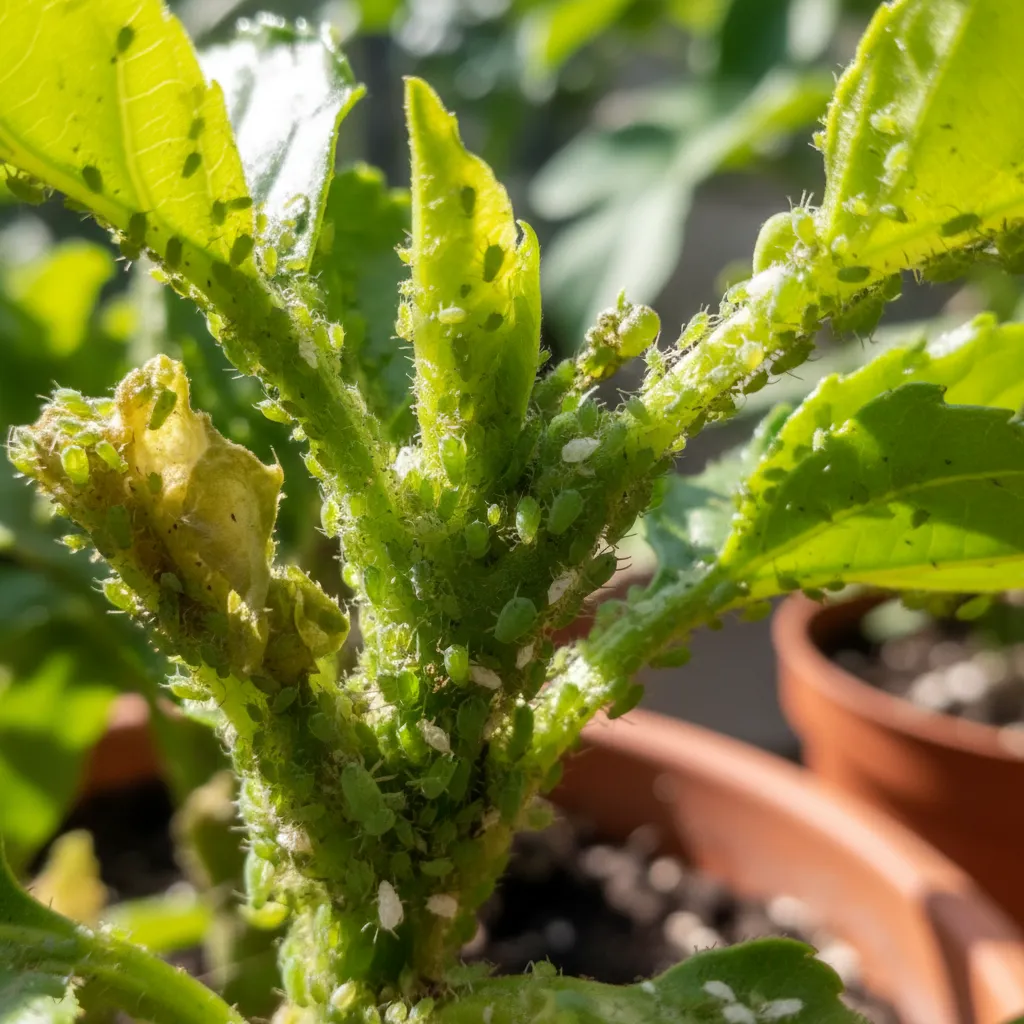
Water the plant regularly, allowing the soil to dry out slightly between watering to avoid root rot. A layer of mulch can help retain moisture and suppress weeds. Deadhead spent flowers to promote further blooming and trim back any overgrown areas to maintain its shape. Monitor for pests such as aphids and treat early with organic insecticidal soap if needed.
Safety Profile
✓ Pregnancy and Lactation — Contraindicated during pregnancy due to potential uterine stimulant effects of PAs; avoid during lactation as safety for infants is not established. ✓ Liver Disease — Individuals with pre-existing liver conditions should strictly avoid Borage due to the presence of hepatotoxic pyrrolizidine alkaloids (PAs). ✓ Pyrrolizidine Alkaloid Content — Ensure any Borage product used, especially Borage seed oil, is certified free of unsaturated PAs to mitigate the risk of liver damage. ✓ Anticoagulant Medications — Use with caution by individuals taking blood-thinning medications (e.g., warfarin, aspirin) due to potential for increased bleeding risk. ✓ Surgery — Discontinue Borage use at least two weeks prior to any scheduled surgery due to its potential to affect blood clotting. ✓ Children — Generally not recommended for internal use in children without expert medical advice, due to sensitivity to PAs and lack of safety data. ✓ Long-Term Use — Avoid prolonged internal use of Borage herb due to the cumulative effect of PAs on the liver. Borage seed oil, if certified PA-free, is generally safer for long-term use.
Side Effects
✓ Liver Toxicity — Borage contains pyrrolizidine alkaloids (PAs) which can be hepatotoxic, especially with long-term or high-dose consumption of the herb, potentially leading to liver damage. ✓ Allergic Reactions — Some individuals may experience allergic reactions, including skin rashes or gastrointestinal upset, when consuming or topically applying Borage. ✓ Gastrointestinal Distress — Excessive consumption of Borage may lead to stomach upset, nausea, vomiting, or diarrhea in sensitive individuals. ✓ Increased Bleeding Risk — Due to its potential anti-platelet effects, Borage might increase the risk of bleeding, especially in individuals on anticoagulant medications. ✓ Uterine Contractions — The presence of certain alkaloids in Borage may stimulate uterine contractions, making it contraindicated during pregnancy. ✓ Drug Interactions — Borage may interact with certain medications, including blood thinners, immunosuppressants, and drugs metabolized by the liver, potentially altering their efficacy or increasing side effects.
Cultural Significance
Borago officinalis, commonly known as Borage, holds a rich tapestry of cultural significance woven through centuries of human interaction. Its origins in the Mediterranean Basin, encompassing regions from North Africa to Southern Europe, have shaped its historical trajectory. Ancient Romans recognized its medicinal properties, with Pliny the Elder documenting its use to invigorate the spirit and banish melancholy, a belief that echoed through medieval European folk medicine. It was widely incorporated into humoral theory, believed to balance the humors and promote courage. In traditional European herbalism, borage was a common remedy for fevers, respiratory ailments, and skin conditions, often prepared as teas, poultices, or infusions. While not as prominent in Ayurvedic or Traditional Chinese Medicine as some other herbs, its presence in European folk traditions highlights a widespread appreciation for its perceived therapeutic qualities. Beyond its medicinal applications, borage has been imbued with symbolic meaning. Its star-shaped, vibrant blue flowers were often associated with good luck, protection, and even love. In some European traditions, it was a popular addition to wedding bouquets and was believed to bring joy and fidelity to the couple. The genus name, *Borago*, is thought to derive from the Arabic word "abu-boraj," meaning "father of the beard," possibly referring to its hairy nature, or from the Latin "borra," meaning "rough garment," again alluding to its bristly texture. Legends abound, with one tale suggesting that borage flowers, when steeped in wine, would bring about a cheerful disposition and drive away sadness. Economically, borage has played a modest but consistent role. Historically, it was cultivated in monastic gardens and apothecaries across Europe, not only for medicinal use but also for its culinary appeal. Its leaves, with a cucumber-like flavor, were a welcome addition to salads and cooked dishes, particularly in Mediterranean and later English cuisine. The seeds, rich in gamma-linolenic acid (GLA), have gained significant commercial importance in the modern wellness industry, with borage oil being widely marketed for its anti-inflammatory properties and benefits for skin health. This modern commercialization has revitalized interest in borage, leading to its increased cultivation in gardens worldwide, where its striking blue flowers continue to attract pollinators and gardeners alike, bridging its ancient medicinal and culinary heritage with contemporary applications.
Quick Facts
| Category | garden |
|---|---|
| Family | Various |
| Genus | Hortensia |
| Species epithet | var. 249 |
| Life cycle | Perennial |
| Growth habit | Herb |
| Mature height | 60-90 cm |
| Sun requirement | Full Sun |
| Water need | Medium |
| Soil pH | 6.0-7.5 |
| USDA zone | 9-11 |
| Toxicity level | Non-toxic |
| Edibility | Edible parts |
| Conservation status | NE |