Flora Medical Global logo

Calendula (Calendula officinalis)

Scientific name: Calendula officinalis

Bengali name: ক্যালেন্ডুলা

Family: Asteraceae

Genus: Calendula

Origin: Mediterranean region, from the Canary Islands and Portugal east to Iran and north to central Europe

Quick Summary

✓ Calendula officinalis, or Pot Marigold, is an annual herb from the Asteraceae family. ✓ Renowned for its vibrant orange-yellow flowers, primarily used in herbal medicine. ✓ Potent anti-inflammatory, wound-healing, and antimicrobial properties. ✓ Rich in triterpenoids, flavonoids, and carotenoids, offering antioxidant benefits. ✓ Widely applied topically for skin conditions, burns, and wounds. ✓ Traditionally used for digestive issues and immune support; internal use requires caution.

Key Features

✓ Vibrant orange-yellow daisy-like flower heads (capitula). ✓ Long blooming period, often throughout the year in suitable climates. ✓ Glandular, slightly sticky leaves and stems. ✓ Distinctive curved or boat-shaped achene fruits. ✓ Historically valued in ancient Roman, Greek, Arab, and Indian medicine. ✓ Member of the Asteraceae (daisy) family. ✓ Easy to cultivate as a garden ornamental and medicinal herb. ✓ Primary medicinal part is the flower head. ✓ Latin name 'Calendula officinalis' signifies its medicinal history. ✓ Naturalized globally across temperate and subtropical regions.

Description

Calendula officinalis, commonly known as Pot Marigold, is a cherished annual herbaceous plant belonging to the Asteraceae family. Its botanical lineage traces back through centuries, with ancient Roman, Greek, Arab, and Indian cultures recognizing its value in both culinary and medicinal realms. The genus name 'Calendula' derives from the Latin 'calendae,' meaning 'little calendar' or 'first day of the month,' aptly describing its characteristic prolonged blooming cycle throughout the year in favorable climates. The specific epithet 'officinalis' further reinforces its long-established use in traditional medicine. Native to southwestern Asia, western Europe, Macaronesia, and the Mediterranean basin, Calendula has successfully naturalized across diverse temperate and subtropical regions globally, evolving into a beloved garden ornamental and a powerful medicinal herb. Morphologically, Calendula typically grows to a height of 30-60 cm, presenting an erect, multi-branching stem often covered with fine, glandular hairs that give it a slightly sticky feel. Its alternate leaves are oblong-lanceolate, exhibiting a pale green hue, and can be either entire-margined or subtly toothed. The plant's most striking features are its vibrant, daisy-like flower heads, scientifically termed capitula, which display a spectrum of colors ranging from bright yellow to deep orange. These showy inflorescences are composed of numerous strap-shaped ray florets encircling a central disc of smaller, tubular florets. Blooming profusely from late spring through autumn, and continuously in warmer locales, these flower heads are the primary part utilized in herbal medicine. Following successful pollination, the plant produces distinctive curved or boat-shaped achenes, with surface textures varying based on their position within the capitulum, aiding in their dispersal.

Trusted Scientific References

Authoritative external sources for Calendula officinalis:

Medicinal Benefits

✓ Wound Healing — Calendula significantly accelerates the healing of cuts, scrapes, minor burns, and ulcers by stimulating tissue regeneration, promoting granulation, and supporting robust collagen synthesis. ✓ Anti-inflammatory Action — The triterpenoids and flavonoids present in Calendula effectively reduce local and systemic inflammation, easing pain and swelling associated with various conditions. ✓ Antimicrobial Properties — Calendula extracts exhibit antibacterial, antiviral, and antifungal activities, helping to prevent infections in wounds and supporting overall immune defense against pathogens. ✓ Antioxidant Support — Rich in carotenoids and flavonoids, Calendula scavenges free radicals, protecting cells from oxidative damage and contributing to anti-aging effects and disease prevention. ✓ Skin Health Enhancement — Applied topically, Calendula soothes irritated skin, reduces redness, and promotes healthy skin barrier function, making it beneficial for conditions like eczema, dermatitis, and diaper rash. ✓ Digestive Aid — Internally, Calendula can help soothe inflammation of the gastrointestinal tract, potentially easing symptoms of gastritis, stomach ulcers, and inflammatory bowel conditions. ✓ Immunomodulatory Effects — Certain polysaccharides in Calendula are believed to stimulate immune cell activity, enhancing the body's natural defense mechanisms against illness. ✓ Lymphatic Support — Calendula is traditionally used as a lymphatic mover, assisting the lymphatic system in detoxification and reducing swelling in lymph nodes. ✓ Antispasmodic Relief — The plant's compounds can help relax smooth muscles, offering relief from muscle cramps and menstrual discomfort. ✓ Oral Health Improvement — As a mouthwash, Calendula can reduce gum inflammation and promote healing of mouth sores, contributing to overall oral hygiene.

Benefits

Environmental: Attracts pollinators (bees, butterflies) to gardens, promoting biodiversity. Ecological: Can be used as a companion plant to deter pests like nematodes and root-knot nematodes. Economic: Cultivated for a global market in herbal medicine, cosmetics, essential oils, and as ornamental cut flowers. Aesthetic: Adds vibrant color and cheer to gardens, borders, and containers, brightening landscapes.

Advantages of Growing

Diseases & Conditions Treated

Chemical Constituents

✓ Triterpenoid Saponins — Including oleanolic acid glycosides like calendulosides A-F, which are largely responsible for the plant's anti-inflammatory and immunomodulatory effects. ✓ Flavonoids — Such as quercetin, rutin, and isorhamnetin, providing significant antioxidant, anti-inflammatory, and vasoprotective properties. ✓ Carotenoids — Predominantly lutein, zeaxanthin, lycopene, and beta-carotene, which impart the characteristic orange-yellow color and act as potent antioxidants and provitamin A sources. ✓ Polysaccharides — Particularly mucilage and glucans, contributing to the plant's immunomodulatory, demulcent, and wound-healing properties. ✓ Volatile Oils — Comprising monoterpenes and sesquiterpenes, though in small amounts, they contribute to the plant's aroma and possess mild antimicrobial activity. ✓ Phenolic Acids — Including caffeic acid, chlorogenic acid, and p-coumaric acid, which offer additional antioxidant and anti-inflammatory benefits. ✓ Sterols — Such as beta-sitosterol, known for its anti-inflammatory and cholesterol-lowering potential. ✓ Coumarins — Like scopoletin, which may contribute to the plant's anti-inflammatory and antispasmodic actions. ✓ Glycosides — Various other glycosidic compounds contribute to the plant's overall therapeutic profile, enhancing solubility and bioavailability of active components. ✓ Fatty Acids — Linoleic and oleic acids are found in the seeds, contributing to nourishing and emollient properties, especially in topical preparations.

Usage Method

✓ Infusion (Tea) — Steep 1-2 teaspoons of dried Calendula flowers in hot water for 10-15 minutes. Used internally for digestive issues or as a gargle. ✓ Tincture — Prepare by macerating fresh or dried flowers in alcohol (typically 40-60%) for several weeks. Used internally or topically. ✓ Oil Infusion — Gently heat dried Calendula flowers in a carrier oil (e.g., olive, almond) for several hours or infuse cold for weeks. Base for salves and balms. ✓ Salve or Balm — Combine Calendula-infused oil with beeswax and other ingredients to create a topical ointment for skin conditions and wounds. ✓ Poultice — Crush fresh Calendula flowers or moisten dried ones and apply directly to wounds, stings, or inflamed areas for localized relief. ✓ Compress — Soak a cloth in a strong Calendula infusion and apply to skin irritations, bruises, or swollen areas. ✓ Culinary Use — Fresh petals can be added to salads, soups, or rice for color and a mild peppery flavor; historically used as a saffron substitute. ✓ Mouthwash/Gargle — Use a cooled Calendula infusion to soothe gum inflammation, mouth sores, or sore throats.

Cultivation Method

✓ Soil Preparation — Calendula thrives in well-draining soil, preferably sandy loam, with a pH between 6.0 and 7.0. Amend with compost for fertility. ✓ Sunlight Requirements — Plant in full sun (at least 6 hours direct sunlight daily) for optimal flowering and medicinal potency. ✓ Watering Schedule — Water regularly to keep the soil consistently moist, especially during dry periods, but avoid waterlogging. ✓ Propagation Techniques — Easily propagated from seeds sown directly in the garden in spring after the last frost or in late summer for fall blooms. ✓ Fertilization Needs — Generally low-maintenance; a balanced organic fertilizer can be applied lightly once or twice during the growing season. ✓ Harvesting — Harvest flower heads when fully open, preferably in the morning after dew has dried. Deadhead regularly to encourage continuous blooming. ✓ Pest and Disease Management — Generally resistant, but watch for aphids or powdery mildew; treat with organic insecticidal soap or neem oil if necessary. ✓ Climate Adaptation — Best suited for temperate climates; can be grown as an annual in most regions or a short-lived perennial in warmer zones.

Environment & Growth

Natural habitat: Mediterranean region, Southwestern Asia, Western Europe. Climate zones: USDA Hardiness Zones 2-11 (often grown as annual). Altitude range: Up to 1500 meters, typically found in low to mid-altitudes. Annual rainfall needs: Prefers moderate rainfall, tolerating periods of drought but thriving with 500-1000 mm distributed throughout the growing season.

Care Tips

Propagation Methods

Seeds: Most common method. Sow seeds directly outdoors after the last frost or indoors 6-8 weeks before the last frost. Seeds germinate in 7-14 days at 18-21°C. Cuttings: Can be propagated from soft stem cuttings in late spring or early summer, though less common than seed propagation. Take 10-15 cm cuttings, remove lower leaves, dip in rooting hormone, and plant in moist cutting mix. Division: Not typically propagated by division as it is an annual. Layering: Not applicable for Calendula.

Common Problems

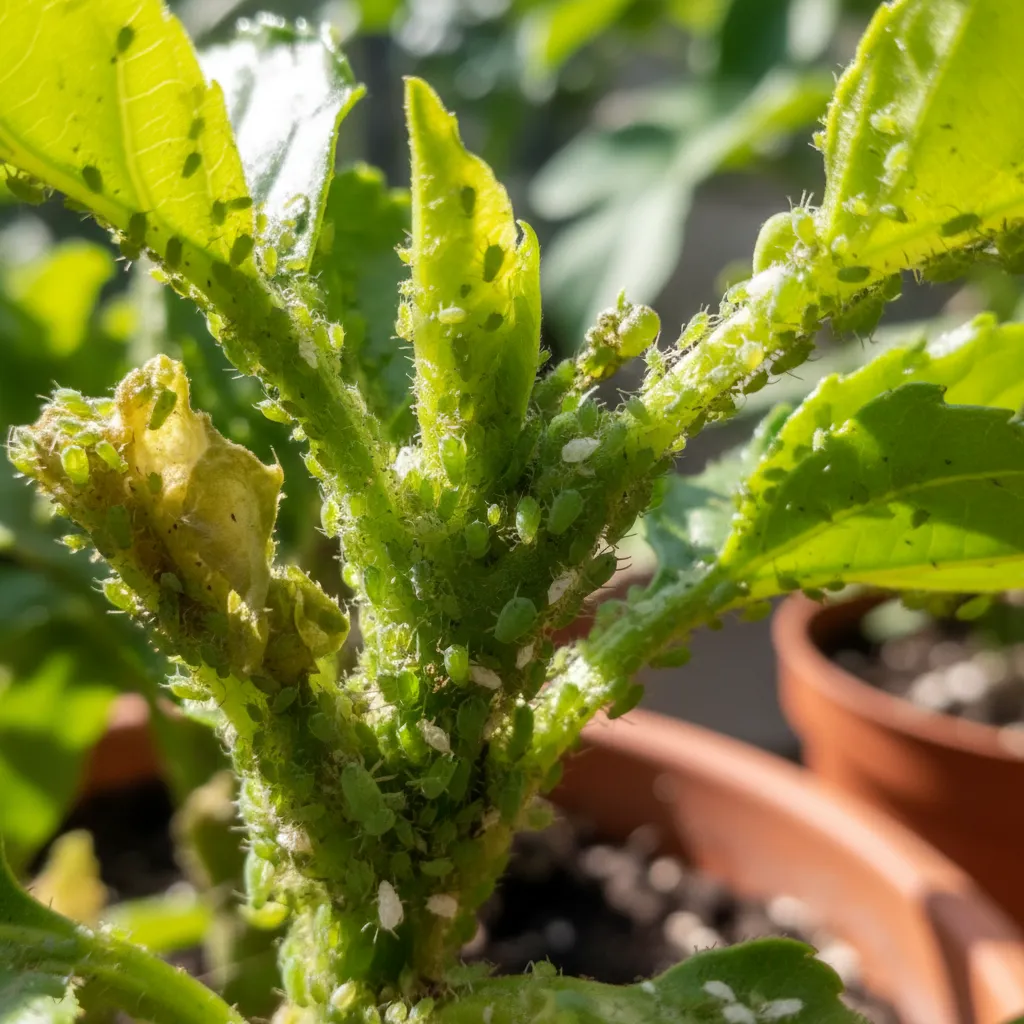
Pests: Aphids, whiteflies, spider mites. Organic solutions: Introduce beneficial insects (ladybugs for aphids), spray with neem oil solution or insecticidal soap. Fungal diseases: Powdery mildew, leaf spot. Organic solutions: Ensure good air circulation, avoid overhead watering, remove affected leaves, use organic fungicides like horticultural oil or copper-based sprays. Nutrient deficiencies: Yellowing leaves (nitrogen deficiency), stunted growth (general nutrient deficiency). Organic solutions: Amend soil with compost, use balanced organic fertilizers. Powdery mildew can be an issue in humid conditions.

Toxicity & Safety

Generally considered non-toxic. Toxicity classification: Class 1 (safest class) by the American Herbal Products Association (AHPA) for external human use. No known toxic parts in typical usage. Symptoms of overdose are highly unlikely given its low toxicity; very large oral doses might cause mild gastrointestinal upset. First aid measures: In case of allergic reaction, discontinue use and wash affected area; consult a medical professional if symptoms persist or worsen. Ingesting large quantities and experiencing gastric distress, consume water and rest.

Safety Profile

✓ Pregnancy and Lactation — Avoid internal use during pregnancy and lactation due to insufficient safety data and potential emmenagogue effects. ✓ Allergies — Contraindicated for individuals with known allergies to the Asteraceae/Compositae family plants. ✓ Surgery — Discontinue use at least two weeks prior to scheduled surgery due to potential interactions with anesthesia or blood thinners. ✓ Children — Generally considered safe for topical use in children, but consult a healthcare professional for internal use, especially in infants. ✓ Internal vs. External Use — While topical use is widely accepted, internal use should be guided by a qualified healthcare practitioner. ✓ Open Wounds — Ensure Calendula preparations for open wounds are sterile to prevent secondary infections. ✓ Drug Interactions — Exercise caution if taking sedatives or anticoagulants; consult a doctor.

Side Effects

✓ Allergic Reactions — Individuals sensitive to plants in the Asteraceae family (e.g., ragweed, daisies, chrysanthemums) may experience allergic contact dermatitis. ✓ Skin Irritation — Rarely, topical application can cause mild skin irritation, redness, or itching in very sensitive individuals. ✓ Drowsiness — Extremely rare, but high internal doses might theoretically interact with sedative medications or cause mild drowsiness. ✓ Photosensitivity — While uncommon, some individuals might experience increased skin sensitivity to sunlight, especially with internal use. ✓ Drug Interactions — May theoretically interact with sedative medications or blood-thinning drugs, though robust clinical evidence is limited. ✓ Gastrointestinal Upset — Very high oral doses might cause mild stomach upset in sensitive individuals.

Cultural Significance

Calendula has a rich cultural history. In ancient Rome, it was used to color butter, cheeses, and broths, and as a natural dye for fabrics. Unani medicine utilizes Calendula (often referred to by local names) for its 'warm and dry' (Har Yabis) mizaj, applying it for conditions of the liver, digestive tract, and skin, consistent with its blood-purifying and wound-healing properties. While not a classic Ayurvedic herb from the Indian subcontinent, its medicinal properties (especially anti-inflammatory and wound-healing) align with Ayurvedic principles of rasa (bitter, pungent, astringent), virya (cooling), and vipaka (pungent), making it useful for pacifying Pitta imbalances, particularly in skin conditions. Folklore often associates Calendula with sunshine, cheerfulness, and protection; gardeners in medieval Europe would plant it around their homes to ward off evil spirits. Its petals were strewn at weddings for good luck and used in love divinations. In Christianity, it's sometimes called 'Mary's Gold' and associated with the Virgin Mary.

Quick Facts

Categorygarden
FamilyAsteraceae
GenusCalendula
Species epithetofficinalis
Life cycleAnnual
Growth habitHerb
Mature height0.3-0.6 m
Sun requirementFull Sun
Water needMedium
Soil pH6.0-7.0
USDA zone3-10
Toxicity levelNon-toxic
EdibilityEdible
Conservation statusNE