
Care Disclaimer: Plant care recommendations are general guidelines based on common growing conditions. Individual results may vary based on your local environment, climate, and care routine. If your plant is toxic, keep it away from children and pets, and consult a veterinarian if accidental ingestion occurs.
1.Canna Lily — Overview
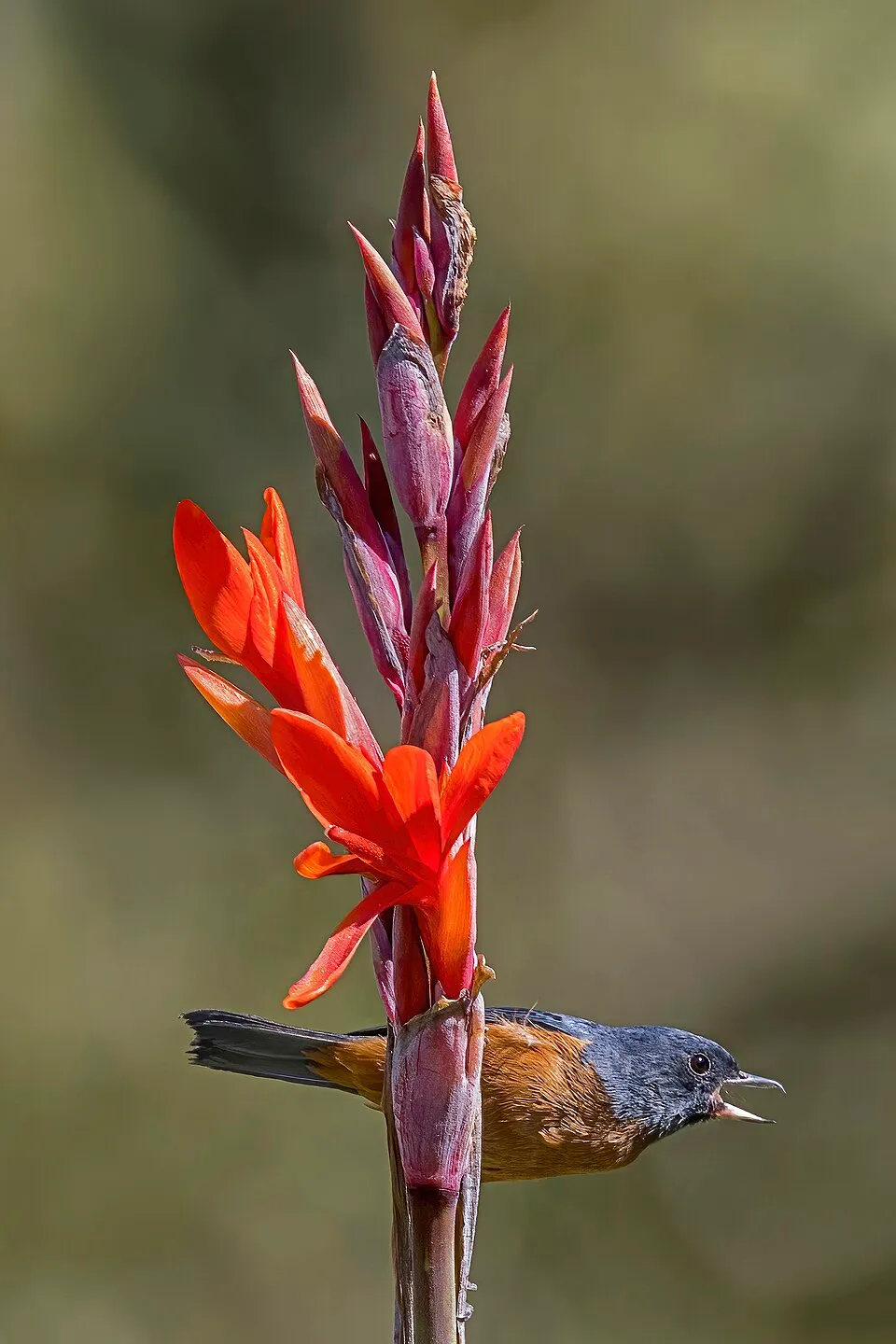
Canna indica, widely recognized as the Canna Lily or Indian Shot, is a robust, ornamental perennial herb belonging to the Cannaceae family. Despite its common moniker, it is not a true lily but rather a monocotyledonous plant more closely allied with the Zingiberales order, which includes bananas and gingers. Native to the tropical and subtropical Americas, specifically the West Indies and parts of South America, its natural habitat spans marshy areas, riverbanks, and open fields, thriving in warm, humid climates.
This striking plant is characterized by its large, paddle-shaped leaves, which can vary in color from lush green to deep bronze or vibrant variegations, providing a dramatic visual appeal. Tall, erect stalks emerge from its thick, starchy rhizomes, bearing vibrant, asymmetrical flowers that typically display hues of red, orange, or yellow, often adorned with speckles or streaks. These showy blooms, somewhat resembling irises or orchids, attract pollinators such as hummingbirds and butterflies.
The plant's historical cultivation dates back millennia, with archaeological evidence from Peru indicating its starchy rhizomes were a significant dietary staple over 4,500 years ago. Following the Columbian exchange, Canna indica diffused globally, establishing itself in warm regions across Asia, Africa, and Europe, where it seamlessly integrated into local ecosystems, culinary traditions, and traditional medicine systems like Ayurveda and Unani. While primarily valued for its aesthetic qualities in contemporary horticulture, its deep roots in indigenous and traditional medicinal practices underscore its broader significance.
Trusted Scientific References
1. Authoritative external sources for Canna indica
1.1 Wikipedia — Canna indica
1.2 Kew POWO (Plants of the World Online)
1.3 PubMed — peer-reviewed research
1.4 NCBI Taxonomy Browser
1.5 GBIF — Global Biodiversity
1.6Canna Lily should be interpreted through verified botanical identity, practical care, and responsible safety language. This recovery note adds the missing context needed for a complete profile: match light to the plant's habit, use well-drained soil, water according to season, and avoid unsupported medicinal or edible claims. For publishing, the plant can be presented as a source-backed garden plant with clear care guidance, common problem diagnosis, and conservative safety wording.
1.1.Canna Lily — Key Features
- ✓ <strong>Striking ornamental plant</strong> — Striking ornamental plant with vibrant flowers and large leaves.
- ✓ <strong>Edible starchy rhizomes,</strong> — Edible starchy rhizomes, historically a significant food source.
- ✓ <strong>Traditional medicine uses</strong> — Traditional medicine uses in Ayurveda, Unani, and indigenous systems.
- ✓ <strong>Rich in phytochemicals</strong> — Rich in phytochemicals including flavonoids, phenolics, and alkaloids.
- ✓ <strong>Known for its cooling, diuretic, anti</strong> — inflammatory, and antioxidant actions.
- ✓ <strong>Adaptable to warm</strong> — Adaptable to warm climates, naturalized in many tropical regions.
- ✓ <strong>Attracts pollinators like</strong> — Attracts pollinators like hummingbirds and butterflies.
- ✓ <strong>Relatively easy to</strong> — Relatively easy to cultivate in appropriate conditions.
- ✓ <strong>Not a true</strong> — Not a true lily, but related to gingers and bananas.
- ✓ <strong>Used topically for</strong> — Used topically for wound healing and skin conditions.
1.2.Canna Lily — Quick Summary
- ✓ Canna indica is a versatile plant known as Canna Lily or Indian Shot.
- ✓ Native to the Americas, it's cultivated globally for ornamental and medicinal uses.
- ✓ Rhizomes are a traditional food source, rich in starch, and used medicinally.
- ✓ Exhibits anti-inflammatory, antioxidant, diuretic, and antipyretic properties.
- ✓ Contains beneficial compounds like flavonoids, phenolics, and alkaloids.
- ✓ Requires proper preparation for safe consumption, especially the rhizomes.
2.Canna Lily — Scientific Identity
3.Canna Lily — Quick Facts
4.Canna Lily — Appearance & Identification
5.Canna Lily — Native Habitat
6.Canna Lily — Water Requirements
- ✓ Climate and Temperature — Canna indica thrives in tropical to subtropical climates, preferring warm temperatures (20-30°C) and high humidity. It is sensitive to frost.
- ✓ Soil Requirements — It prefers rich, well-draining soil with ample organic matter. A slightly acidic to neutral pH (6.0-7.0) is ideal for optimal growth.
- ✓ Light Exposure — Full sun (at least 6 hours direct sunlight daily) is essential for vigorous growth and abundant flowering, though it can tolerate partial shade.
- ✓ Watering — Requires consistent moisture, especially during the growing season. Soil should remain damp but not waterlogged. Reduce watering in cooler months.
- ✓ Propagation — Primarily propagated by dividing rhizomes in spring, ensuring each section has at least one 'eye' or bud. Seeds can also be used but have slower germination.
- ✓ Fertilization — Feed regularly during the growing season with a balanced, slow-release fertilizer or liquid feed high in potassium to encourage flowering.
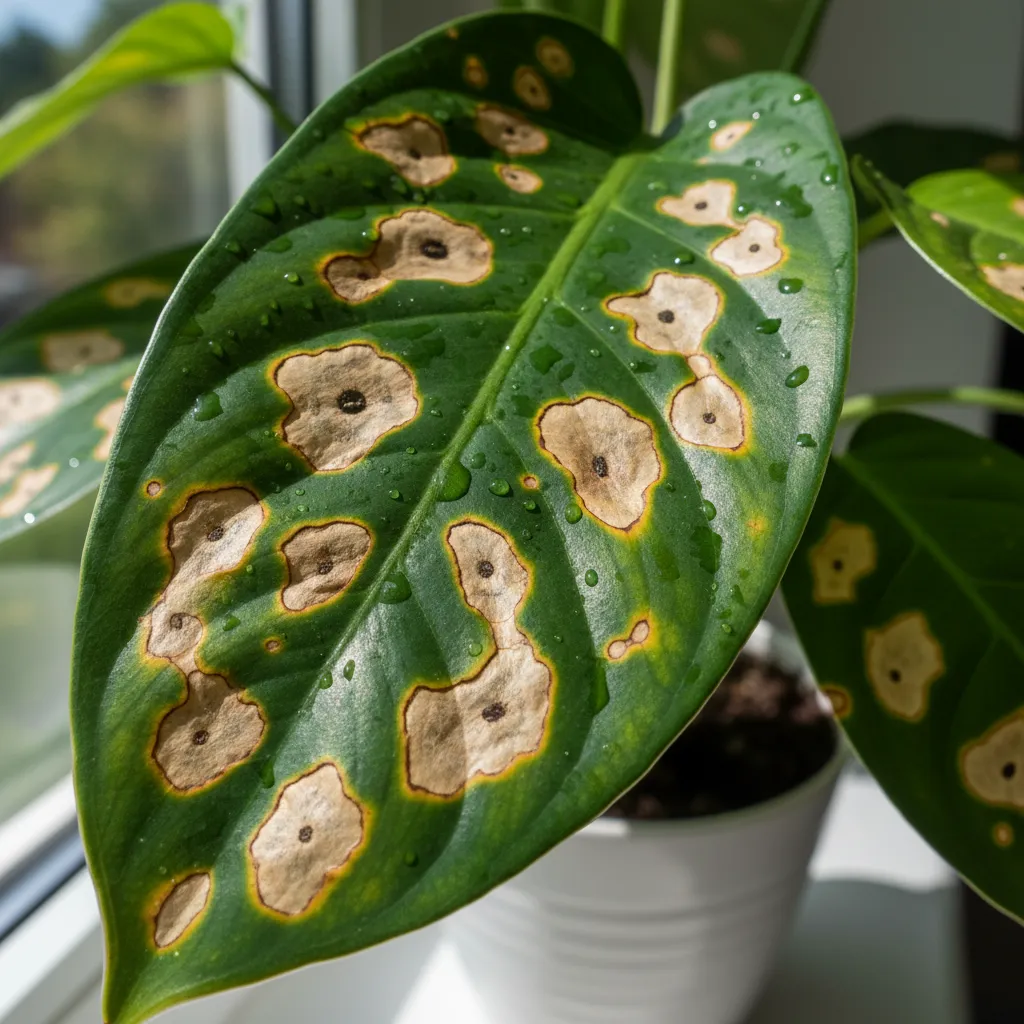
- ✓ Pest and Disease Management — Generally robust, but watch for common pests like spider mites or slugs. Ensure good air circulation to prevent fungal issues.
- ✓ Overwintering — In colder climates, rhizomes should be dug up before the first frost, dried, and stored in a cool, dark, frost-free location until spring.
Reviewed by the Flora Medical Global Botanical Review Panel
Multi-disciplinary editorial group · Botany · Ethnobotany · Herbal-medicine literature
Who reviewed this: This page was checked by the Flora Medical Global Botanical Review Panel — an in-house editorial group of botany graduates, ethnobotany researchers, and horticulture practitioners who collectively maintain our 7,000+ plant encyclopedia. Meet the team.
Our 4-step verification process
1. Taxonomic verification
Scientific names and synonyms cross-checked against Kew POWO, World Flora Online, and The Plant List.
2. Phytochemical & medicinal cross-reference
Active compounds, traditional uses, and reported activities are cross-referenced with PubMed, USDA Dr. Duke's database, and peer-reviewed ethnobotanical literature.
3. Conservation & distribution check
Distribution, ecology, and conservation status confirmed against GBIF occurrence records and the IUCN Red List.
4. Editorial & safety review
Every entry passes an editorial pass for clarity, originality, and safety notices (toxicity, contraindications, dosage caveats) before publication.
Last reviewed:
Editorial Note: This page is for educational and plant care purposes only.
Written by: Flora Medical Global Editorial Team
Reviewed by: Flora Medical Global Botanical Review Panel
Last Updated: June 16, 2026







Canna Lily — Comments & Community Reviews
Rate this plant