


Care Disclaimer: Plant care recommendations are general guidelines based on common growing conditions. Individual results may vary based on your local environment, climate, and care routine. If your plant is toxic, keep it away from children and pets, and consult a veterinarian if accidental ingestion occurs.
1.Catharanthus Roseus — Overview

Catharanthus roseus, commonly known as Madagascar Periwinkle, Nayantara, or Sadabahar, is an evergreen herbaceous perennial belonging to the Apocynaceae family. Native to Madagascar, it has successfully naturalized across tropical and subtropical regions worldwide, including parts of Asia, Africa, the Americas, and Southern Europe. This robust plant typically grows between 30 to 90 cm in height, featuring erect, quadrangular stems that often branch extensively. Its glossy, dark green leaves are broadly ovate to lanceolate, arranged oppositely along the stem, and generally glabrous, measuring 2.5 to 9 cm in length and 1 to 3.5 cm in width.
The plant's aesthetic appeal is enhanced by its vibrant flowers, which bloom profusely throughout warmer months. These flowers are tubular with five petal-like lobes, ranging in color from pristine white to various shades of pink and deep rose, often with a contrasting red or yellow 'eye' at the center. Each flower typically spans 2 to 5 cm in diameter with a basal tube of 2.5 to 3 cm. After flowering, it produces characteristic fruits consisting of two follicles, each measuring 1.5 to 2.5 cm in length.
Catharanthus roseus thrives in well-drained, fertile soil rich in organic matter and prefers locations with full sun to partial shade. Its remarkable drought resistance makes it a versatile and popular ornamental plant, frequently found in gardens, open habitats, and along stream banks.
Trusted Scientific References
Authoritative external sources for Catharanthus Roseus:
Catharanthus Roseus should be interpreted through verified botanical identity, practical care, and responsible safety language. This recovery note adds the missing context needed for a complete profile: match light to the plant's habit, use well-drained soil, water according to season, and avoid unsupported medicinal or edible claims. For publishing, the plant can be presented as a source-backed garden plant with clear care guidance, common problem diagnosis, and conservative safety wording.
1.1.Catharanthus Roseus — Key Features
- Apocynaceae Family Member — Belongs to the dogbane family, characterized by milky sap and often potent alkaloids.
- Evergreen Herbaceous Perennial — Retains its foliage year-round in suitable warm climates, offering continuous ornamental value.
- Distinctive Five — Lobed Flowers — Produces attractive flowers in shades of white, pink, or red, often with a contrasting central eye.
- Rich Source of Indole Alkaloids — Renowned for producing over 130 indole alkaloids, including the clinically important vinblastine and vincristine.
- Traditional Medicine Staple — Utilized for centuries in Ayurvedic, TCM, and various folk medicine systems for a wide array of ailments.
- Ornamental Garden Plant — Widely cultivated worldwide for its continuous, vibrant blooms and ease of care.
- Drought Tolerant — Exhibits good resistance to dry conditions once established, making it adaptable to various landscapes.
- Phytoremediation Capabilities — Demonstrated potential to absorb and accumulate certain heavy metals and radioactive isotopes from contaminated soil.
- Research — Intensive Plant — Continues to be a subject of significant scientific investigation for its diverse phytochemicals and pharmacological activities.
- Bioactive Compound Diversity — Contains not only alkaloids but also flavonoids, phenolic acids, and terpenoids, contributing to its broad medicinal profile.
1.2.Catharanthus Roseus — Quick Summary
- Potent Medicinal Plant — Catharanthus roseus is globally recognized for its powerful indole alkaloids, including the life-saving anticancer drugs Vinblastine and Vincristine.
- Diverse Therapeutic Potential — Beyond cancer, it offers traditional and researched benefits for diabetes, wounds, infections, and as an antioxidant.
- Global Ornamental & Medicinal Herb — Valued both as a beautiful garden plant and a significant source of bioactive compounds across various traditional medicine systems.
- High Toxicity Profile — Despite its therapeutic efficacy, the plant contains highly toxic compounds, necessitating extreme caution and professional guidance for any use.
- Subject of Ongoing Research — Continues to be a focus in pharmaceutical research for novel drug discovery and understanding its complex mechanisms of action.
2.Catharanthus Roseus — Scientific Identity
3.Catharanthus Roseus — Categories & Tags
4.Catharanthus Roseus — Appearance & Identification
5.Catharanthus Roseus — Water Requirements
- Climate — Thrives in warm, tropical, and subtropical climates, ideally with temperatures between 20-35°C, and is sensitive to frost.
- Sunlight — Requires full sun exposure for optimal growth and flowering, though it can tolerate partial shade, which may reduce bloom intensity.
- Soil — Prefers well-drained, fertile soil rich in organic matter, with an ideal pH range of 6.0 to 7.0.
- Watering — Needs moderate and consistent watering, especially during dry periods, but allow the topsoil to dry out between waterings to prevent root rot. It is drought-resistant once established.
- Propagation — Readily propagated from seeds, which germinate best at 20-25°C, or via stem cuttings for faster establishment and genetic consistency.
- Fertilization — Benefits from a balanced liquid fertilizer applied every 2-4 weeks during its active growing and flowering seasons to support robust health.
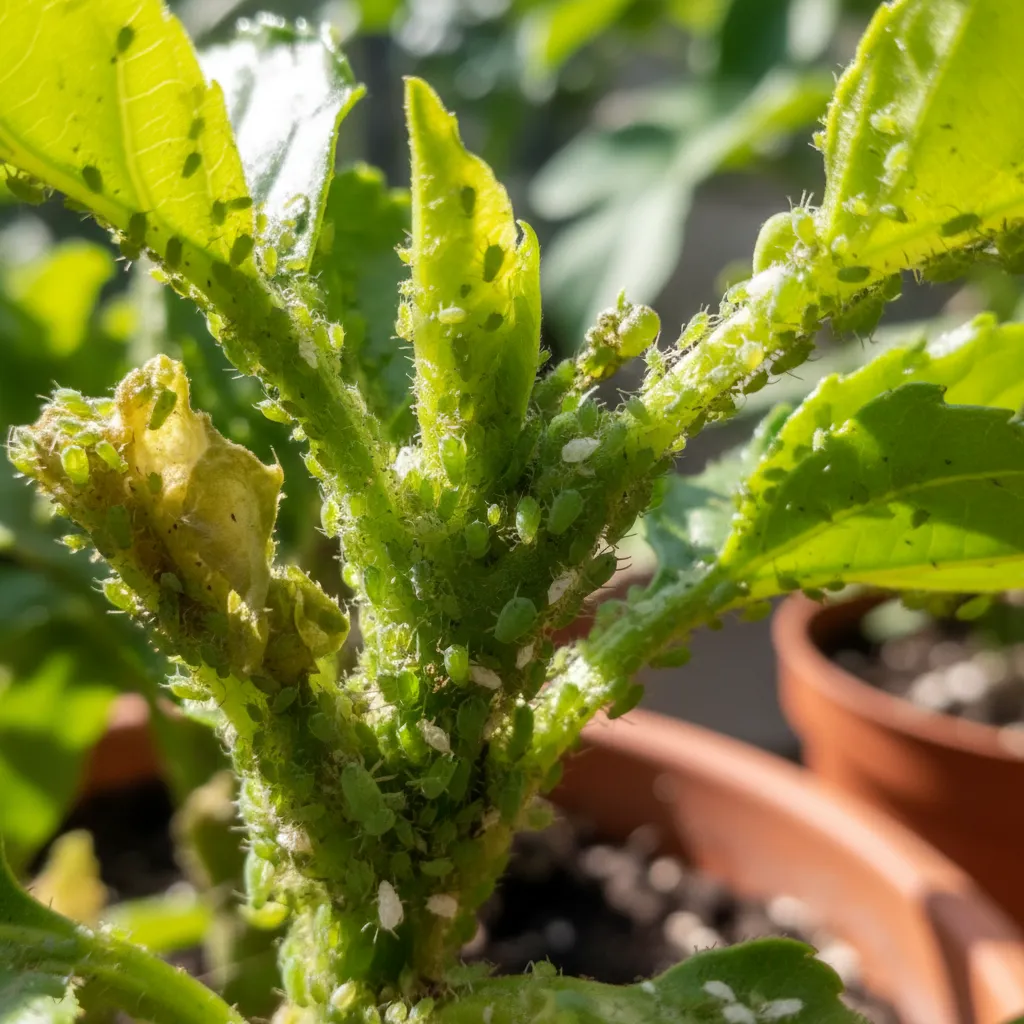
- Pests & Diseases — Generally hardy, but can be susceptible to aphids, spider mites, and fungal diseases like root rot in overly wet conditions.
- Pruning — Light pruning helps maintain a bushy shape, encourages more prolific flowering, and removes spent blooms or leggy growth.
Reviewed by the Flora Medical Global Botanical Review Panel
Multi-disciplinary editorial group · Botany · Ethnobotany · Herbal-medicine literature
Who reviewed this: This page was checked by the Flora Medical Global Botanical Review Panel — an in-house editorial group of botany graduates, ethnobotany researchers, and horticulture practitioners who collectively maintain our 7,000+ plant encyclopedia. Meet the team.
Our 4-step verification process
1. Taxonomic verification
Scientific names and synonyms cross-checked against Kew POWO, World Flora Online, and The Plant List.
2. Phytochemical & medicinal cross-reference
Active compounds, traditional uses, and reported activities are cross-referenced with PubMed, USDA Dr. Duke's database, and peer-reviewed ethnobotanical literature.
3. Conservation & distribution check
Distribution, ecology, and conservation status confirmed against GBIF occurrence records and the IUCN Red List.
4. Editorial & safety review
Every entry passes an editorial pass for clarity, originality, and safety notices (toxicity, contraindications, dosage caveats) before publication.
Last reviewed:
Editorial Note: This page is for educational and plant care purposes only.
Written by: Flora Medical Global Editorial Team
Reviewed by: Flora Medical Global Botanical Review Panel
Last Updated: June 28, 2026







Catharanthus Roseus — Comments & Community Reviews
Rate this plant
No reviews yet. Be the first!