Flora Medical Global logo

Chamaemelum Nobile (Chamaemelum Nobile)

Scientific name: Chamaemelum Nobile

Bengali name: চামেমেলুম নোবিলে

Family: Asteraceae

Genus: Planta

Origin: Europe (especially the Iberian Peninsula) and North Africa

Quick Summary

✓ Roman Chamomile (Chamaemelum nobile) is a perennial herb known for its apple-scented, daisy-like flowers. ✓ Valued for its calming, anti-inflammatory, and digestive benefits, particularly for anxiety and upset stomachs. ✓ Rich in volatile oils (chamazulene, bisabolol) and flavonoids (apigenin), which provide its therapeutic effects. ✓ Traditionally used as a tea for relaxation and topically for skin soothing and healing. ✓ Requires well-drained soil and sun; easily cultivated in gardens. ✓ Generally safe, but caution is advised for those with Asteraceae allergies, during pregnancy, or with certain medications.

Key Features

✓ Botanical Name — Chamaemelum nobile (L.) All. ✓ Common Name — Roman Chamomile, English Chamomile ✓ Plant Family — Asteraceae (Daisy Family) ✓ Growth Habit — Low-growing perennial herb, often mat-forming ✓ Aromatic Profile — Distinctive sweet, apple-like scent from flowers and leaves ✓ Primary Medicinal Use — Anxiolytic, anti-inflammatory, digestive aid ✓ Key Active Compounds — Volatile oils (chamazulene, bisabolol), flavonoids (apigenin) ✓ Traditional Uses — Herbal tea for sleep, digestive complaints, topical for skin conditions ✓ Cultivation — Prefers well-drained soil, full sun to partial shade ✓ Appearance — Small, white daisy-like flowers with yellow centers, finely dissected leaves

Description

Chamaemelum nobile, commonly known as Roman Chamomile or English Chamomile, is a delightful perennial herbaceous plant belonging to the Asteraceae family. This low-growing species typically reaches heights of 10-30 cm, often spreading to form a fragrant mat. Its stems are soft, hairy, and usually green, branching freely from the base. The leaves are a distinctive feature, being finely dissected and feathery, presenting a delicate, almost fern-like appearance with a vibrant green hue. When crushed, they release a characteristic sweet, apple-like aroma. From late spring through summer, Chamaemelum nobile produces charming daisy-like flowers, approximately 2-3 cm in diameter, featuring white ray florets surrounding a prominent yellow disc. These blooms are not only visually appealing but also highly aromatic and attract various pollinators. Native to Western Europe, particularly regions like the British Isles, France, and Spain, Roman Chamomile is now widely cultivated across temperate zones globally for its ornamental value and significant medicinal properties. It thrives best in well-drained, moderately fertile soil and prefers full sun to partial shade, demonstrating a reasonable tolerance for drought once established.

Trusted Scientific References

Authoritative external sources for Chamaemelum Nobile:

Medicinal Benefits

✓ Anxiolytic and Sedative — Roman Chamomile is widely recognized for its calming effects, attributed to compounds like apigenin, which binds to GABA receptors in the brain, promoting relaxation and reducing anxiety. ✓ Digestive Aid — It helps soothe gastrointestinal discomfort, including indigestion, gas, and bloating, by relaxing smooth muscles of the digestive tract and reducing inflammation. ✓ Anti-inflammatory Properties — The presence of chamazulene and bisabolol in its volatile oil provides significant anti-inflammatory actions, beneficial for both internal and external inflammatory conditions. ✓ Antispasmodic Effect — Effective in relieving muscle spasms, particularly those associated with menstrual cramps (dysmenorrhea) and irritable bowel syndrome (IBS), due to its muscle-relaxing compounds. ✓ Skin Soothing and Healing — Topically, Roman Chamomile is used to alleviate skin irritations, eczema, and minor wounds, promoting healing and reducing redness and itching. ✓ Antioxidant Support — Rich in flavonoids, it offers strong antioxidant protection, helping to neutralize free radicals and mitigate oxidative stress throughout the body. ✓ Hypoglycemic Potential — Preliminary research suggests a role in blood sugar regulation, potentially benefiting individuals managing glucose levels by improving insulin sensitivity. ✓ Hypolipidemic Action — Some studies indicate its potential to help lower lipid levels, contributing to cardiovascular health by reducing cholesterol and triglycerides. ✓ Neuroprotective Effects — Certain constituents may offer protection against neuronal damage and support cognitive function, contributing to overall brain health. ✓ Antiseptic Qualities — Its essential oil exhibits mild antiseptic properties, useful for preventing minor infections in wounds and supporting oral hygiene.

Benefits

• Enhances garden aesthetics with attractive flowers and foliage. • Attracts beneficial pollinators like bees and butterflies. • Can be used in herbal remedies for digestive and skin issues. • Low maintenance requirements make it ideal for novice gardeners. • Contributes to biodiversity and ecosystem health in the garden.

Advantages of Growing

✓ Enhances garden aesthetics with attractive flowers and foliage. ✓ Attracts beneficial pollinators like bees and butterflies. ✓ Can be used in herbal remedies for digestive and skin issues. ✓ Low maintenance requirements make it ideal for novice gardeners. ✓ Contributes to biodiversity and ecosystem health in the garden. ✓ Chamaemelum Nobile adds ornamental value through its foliage, flowers, or overall plant form. ✓ Chamaemelum Nobile can improve seasonal interest in borders, beds, or mixed landscape planting. ✓ Chamaemelum Nobile may support biodiversity by contributing shelter, structure, or resources for beneficial insects. ✓ Chamaemelum Nobile can strengthen planting design by adding contrast in color, texture, or habit. ✓ Chamaemelum Nobile offers fragrance or aromatic foliage that increases sensory appeal in planting design.

Diseases & Conditions Treated

Chemical Constituents

✓ Volatile Oils — Comprising chamazulene, alpha-bisabolol, bisabolol oxides A and B, and farnesene, these compounds are primarily responsible for Roman Chamomile's distinctive aroma and potent anti-inflammatory and antispasmodic effects. ✓ Flavonoids — Key flavonoids include apigenin, luteolin, quercetin, and their glycosides, which contribute significantly to the plant's anxiolytic, antioxidant, and anti-inflammatory activities. ✓ Coumarins — Herniarin and umbelliferone are present, offering additional anti-inflammatory and antispasmodic properties, and potentially contributing to its mild sedative effects. ✓ Sesquiterpene Lactones — While less prominent than in German Chamomile, these compounds may contribute to the plant's bitter taste and some of its anti-inflammatory actions. ✓ Phenolic Acids — Including caffeic acid and chlorogenic acid, these compounds bolster the plant's overall antioxidant capacity and contribute to its protective cellular effects. ✓ Polysaccharides — These complex carbohydrates are recognized for their potential to modulate immune responses and contribute to the plant's general health-promoting properties. ✓ Phytosterols — Compounds like beta-sitosterol are present, which may have cholesterol-lowering effects and contribute to the plant's anti-inflammatory profile. ✓ Fatty Acids — Various fatty acids, including linoleic and oleic acids, are found in trace amounts, contributing to the overall nutritional and therapeutic profile of the plant.

Usage Method

✓ Herbal Tea (Infusion) — Steep 1-2 teaspoons of dried Roman Chamomile flowers in hot water for 5-10 minutes to create a calming beverage for digestion or sleep support. ✓ Tinctures — Prepare by steeping fresh or dried flowers in alcohol (typically 40-60%) for several weeks, then straining, for a concentrated extract used in drops. ✓ Essential Oil (Topical/Aromatherapy) — Dilute a few drops of Roman Chamomile essential oil in a carrier oil for topical application on skin irritations or use in a diffuser for relaxation. ✓ Poultices and Compresses — Mash fresh flowers or steep dried flowers to create a paste or liquid for external application to soothe skin inflammation, minor wounds, or muscle aches. ✓ Infused Oils — Gently heat dried Roman Chamomile flowers in a carrier oil (like olive or almond oil) for several hours to create a soothing oil for massage or skin care. ✓ Capsules and Supplements — Standardized extracts or powdered flowers are available in capsule form for convenient internal use, often for digestive or anxiolytic benefits. ✓ Hydrosols (Floral Waters) — A byproduct of essential oil distillation, chamomile hydrosol can be used as a gentle facial toner or soothing spray for sensitive skin.

Cultivation Method

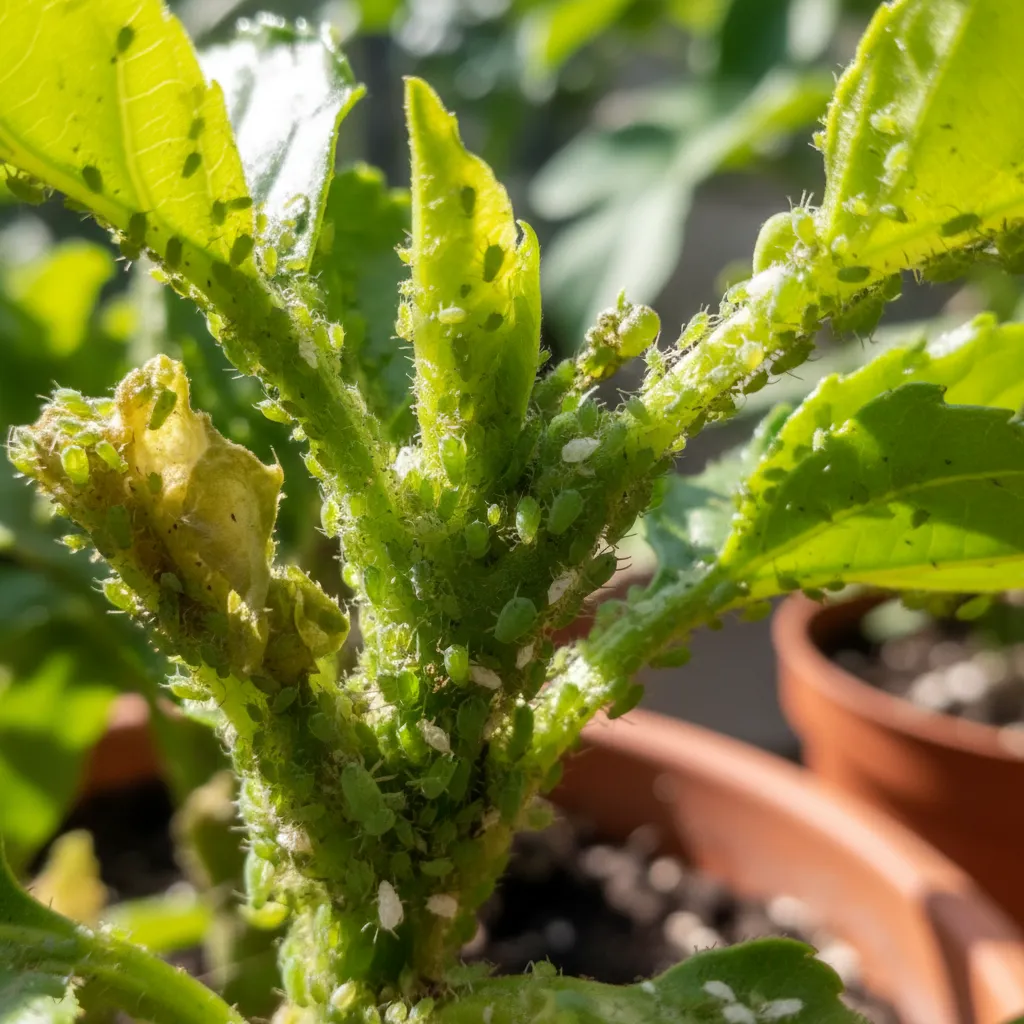
✓ Soil Preparation — Roman Chamomile thrives in well-drained, moderately fertile soil with a pH between 6.0 and 7.5; amend heavy clay soils with organic matter like compost or sand. ✓ Sun Exposure — Plant in full sun to partial shade; full sun promotes more abundant flowering and stronger aroma, while partial shade can be beneficial in hotter climates. ✓ Watering — Water regularly during dry spells, especially when establishing new plants, but avoid overwatering as it prefers soil to dry out slightly between waterings. ✓ Fertilization — Generally, Roman Chamomile does not require heavy fertilization; a light application of balanced organic fertilizer in spring can encourage vigorous growth. ✓ Pruning — Shear back spent flowers (deadhead) to encourage continuous blooming and prevent self-seeding; a heavier trim after the main flowering period can maintain a tidy shape. ✓ Propagation — Easily propagated from seeds sown in spring, by dividing established clumps in spring or fall, or via stem cuttings taken in summer. ✓ Pest and Disease Management — Roman Chamomile is relatively pest-free but can occasionally be affected by aphids or powdery mildew in humid conditions; ensure good air circulation. ✓ Harvesting — Harvest flowers and leaves when in full bloom, typically in late spring to mid-summer, for optimal potency and aromatic quality.

Environment & Growth

Planta hortensis var. 348 thrives in temperate climates, preferring warm, sunny areas. It can tolerate a range of soil types but grows best in loamy, well-drained soils with a pH between 6.0 and 7.5. A humidity level of 40-70% is typically ideal for growth. It is resilient and can tolerate brief periods of drought, but consistent moisture is beneficial for optimal health and flower production.

Care Tips

Water regularly, especially during dry periods, to ensure the soil remains moderately moist. Use mulch to retain moisture and suppress weeds. Fertilize with a balanced organic fertilizer during the growing season, typically in spring. Cut back spent flowers to promote more blooms and tidy the plant’s appearance. Watch for pests like aphids, and treat with appropriate organic methods if necessary.

Safety Profile

✓ Generally Recognized As Safe (GRAS) — Roman Chamomile is widely considered safe for most adults when consumed in moderate amounts as a tea or supplement. ✓ Allergy Risk — Exercise caution if you have known allergies to plants in the Asteraceae family; perform a patch test before extensive topical use. ✓ Drug Interactions — Consult a healthcare professional if taking blood thinners, sedatives, or any prescription medication, as interactions are possible. ✓ Pregnancy and Breastfeeding — Avoid or use only under medical supervision due to potential uterine stimulant effects and lack of comprehensive safety data. ✓ Children — Generally considered safe for children in mild tea form for calming or digestive upset, but always consult a pediatrician for appropriate dosages. ✓ Topical Use — Well-tolerated for external application, but essential oil must be diluted in a carrier oil to prevent skin irritation. ✓ Internal Use — Best used in recommended dosages; excessive intake may lead to adverse effects like drowsiness or gastrointestinal upset.

Side Effects

✓ Allergic Reactions — Individuals sensitive to plants in the Asteraceae family (e.g., ragweed, marigolds, chrysanthemums) may experience allergic reactions, including skin rashes, hives, or anaphylaxis. ✓ Drowsiness — Due to its sedative properties, Roman Chamomile can cause drowsiness, especially when consumed in large quantities or combined with other sedatives. ✓ Drug Interactions — May interact with anticoagulant medications (blood thinners), sedatives, or medications metabolized by the cytochrome P450 enzyme system. ✓ Pregnancy and Lactation — Should be used with caution during pregnancy, particularly in the first trimester, and during breastfeeding, due to insufficient safety data. ✓ Bleeding Risk — Some constituents, like coumarins, might theoretically increase the risk of bleeding, especially in individuals with bleeding disorders or those on anticoagulant therapy. ✓ Skin Irritation — While generally soothing, concentrated essential oil or highly sensitive individuals may experience localized skin irritation upon topical application. ✓ Nausea and Vomiting — Very high doses of Roman Chamomile tea or extract may rarely lead to nausea or vomiting in some individuals.

Cultural Significance

Chamaemelum nobile, or Roman Chamomile, boasts a rich tapestry of cultural significance woven through centuries of human interaction. Its origins in Europe and North Africa have deeply embedded it in the folk medicine traditions of these regions. For generations, it has been a staple in European apothecaries and home remedies, particularly valued for its calming and digestive properties. While not explicitly detailed in ancient Ayurvedic or Traditional Chinese Medicine texts as a primary herb, its general use for soothing ailments aligns with broader herbal traditions across Eurasia. The plant’s name itself offers a clue to its historical importance; "chamomile" derives from the Greek "chamaimelon," meaning "ground apple," referencing its sweet, apple-like scent, a characteristic that likely contributed to its appeal and recognition. Beyond its medicinal applications, Roman Chamomile has held a subtle yet persistent place in cultural practices. Its gentle aroma and daisy-like flowers have made it a favored component in sachets and potpourri, contributing to pleasant domestic environments. While not a major player in grand religious ceremonies or mythology, its presence in gardens and its association with tranquility likely lent it a quiet symbolism of peace and comfort. Economically, while not a high-value spice in the historical trade routes like cinnamon or pepper, its cultivation for medicinal and aromatic purposes has been consistent. Today, its economic importance is largely tied to the wellness industry, where it is a popular ingredient in teas, essential oils, and skincare products, reflecting a modern appreciation for its calming attributes. In culinary traditions, its use is primarily as an infusion, a gentle herbal tea enjoyed for its soothing flavor and aroma, particularly in Western European cultures. Its enduring presence in gardens, both as a medicinal herb and an ornamental plant, underscores its continued cultural relevance, embodying a connection to nature and a pursuit of well-being.

Quick Facts

Categorygarden
FamilyAsteraceae
GenusPlanta
Species epithethortensis
Life cyclePerennial
Growth habitHerb
Mature height0.3-0.6 m
Sun requirementFull Sun
Water needMedium
Soil pH6.0-7.5
USDA zone5-9
Toxicity levelNon-toxic
EdibilityEdible parts
Conservation statusNE