Flora Medical Global logo

Daucus Carota (Daucus Carota)

Scientific name: Daucus Carota

Bengali name: ডঅকুস কারোটা

Family: Apiaceae

Genus: Planta

Origin: Daucus Carota is believed to have originated in the region of modern-day Afghanistan and surrounding areas in Central Asia.

Quick Summary

✓ Daucus carota, encompassing wild and cultivated forms, is a biennial plant of the Apiaceae family. ✓ Renowned for its rich carotenoid content, particularly beta-carotene, offering significant antioxidant benefits. ✓ Traditionally utilized for digestive support, diuretic action, and anti-inflammatory properties. ✓ Possesses a broad spectrum of phytochemicals including terpenes, flavonoids, and polyacetylenes. ✓ Important safety considerations include potential photosensitivity and careful identification to avoid poisonous look-alikes. ✓ Research indicates potential for anticancer, antimicrobial, and hepato/gastroprotective effects.

Key Features

✓ Botanical Identity — Biennial herbaceous plant from the Apiaceae family, with distinct wild (D. carota ssp. carota) and cultivated (D. carota ssp. sativus) forms. ✓ Distinctive Inflorescence — Characterized by its iconic flat-topped white umbels, often with a solitary dark central floret, resembling Queen Anne's Lace. ✓ Nutritional Powerhouse — Cultivated roots are exceptionally rich in beta-carotene (pro-vitamin A), vital for vision and immune function. ✓ Phytochemical Diversity — Contains a wide array of bioactive compounds, including carotenoids, polyacetylenes (falcarinol), terpenes, and flavonoids. ✓ Traditional Medicinal Uses — Historically used across various cultures for digestive, urinary, anti-inflammatory, and antimicrobial purposes. ✓ Global Distribution — Native to Eurasia and North Africa, now naturalized worldwide, thriving in disturbed and open habitats. ✓ Culinary Versatility — Root is a staple vegetable, while leaves can be used as a culinary herb. ✓ Seed Essential Oil — Valued in aromatherapy and perfumery for its earthy, sweet aroma and skin-benefiting properties. ✓ Adaptability — Highly resilient plant, capable of growing in diverse soil conditions and climates. ✓ Folkloric Significance — Known by its common name, Queen Anne's Lace, linked to historical narratives and its intricate floral pattern.

Description

Daucus carota, commonly known as Wild Carrot or Queen Anne's Lace, is a biennial herbaceous plant belonging to the Apiaceae family, which also includes parsley, celery, and fennel. While its cultivated form, Daucus carota ssp. sativus, is widely recognized as the common garden carrot, the wild subspecies (Daucus carota ssp. carota) is distinguished by its tougher, white taproot and delicate white flower clusters. The plant typically grows an erect, branching stem, reaching heights of 30 to 150 centimeters, often covered in fine hairs. Its leaves are bipinnate or tripinnate, finely divided, and fern-like, giving the plant a delicate, airy appearance. The most striking feature is its inflorescence—a flat-topped compound umbel of small, white flowers, frequently with a single dark purple or red floret at its center, said to resemble a droplet of blood. This central floret is thought to attract pollinators. After flowering, the umbel often curls inward, forming a 'bird's nest' shape as seeds mature. Daucus carota is native to temperate regions of Europe, Asia, and North Africa, but has naturalized globally, thriving in disturbed soils, meadows, roadsides, and agricultural margins. It prefers well-drained, loamy soils with a neutral to slightly alkaline pH, and flourishes in full sun, though it can tolerate partial shade. Its adaptability allows it to establish readily in various ecosystems, often considered a common weed in many parts of the world.

Trusted Scientific References

Authoritative external sources for Daucus Carota:

Medicinal Benefits

✓ Antioxidant Support — Daucus carota is rich in carotenoids and phenolic compounds, which act as potent antioxidants, neutralizing free radicals and protecting cellular integrity against oxidative stress. ✓ Anti-inflammatory Properties — Compounds like flavonoids and polyacetylenes contribute to its anti-inflammatory effects, helping to alleviate pain and swelling associated with various conditions. ✓ Digestive Aid — Traditionally used to enhance appetite, reduce bloating, and soothe digestive discomfort, possibly due to carminative properties and effects on gut motility. ✓ Diuretic Action — The plant exhibits mild diuretic properties, assisting in the elimination of excess fluids and promoting urinary tract health, useful in conditions like cystitis. ✓ Antilithic Potential — Research suggests its use in preventing and treating urinary calculi (kidney stones) by inhibiting crystal formation and promoting their expulsion. ✓ Antimicrobial Activity — Essential oils and other constituents demonstrate antibacterial and antifungal properties, making it beneficial for treating topical infections and certain respiratory ailments. ✓ Hepatoprotective Effects — Constituents in Daucus carota have shown potential to protect liver cells from damage and support overall liver function. ✓ Gastroprotective Qualities — It may help protect the gastric lining from damage, potentially reducing the risk of ulcers and promoting healing. ✓ Analgesic Relief — Its mild analgesic properties can help reduce pain, complementing its anti-inflammatory actions. ✓ Hypolipidemic Action — Studies indicate a potential role in lowering lipid levels, contributing to cardiovascular health by managing cholesterol and triglycerides. ✓ Antipyretic Effects — Traditional uses include reducing fever, suggesting a natural antipyretic action through modulation of inflammatory pathways. ✓ Anticancer Research — Preliminary in vitro and in vivo studies highlight the presence of compounds with antiproliferative effects against various cancer cell lines, warranting further investigation.

Benefits

• Enhances garden aesthetics with its lush green foliage and colorful flowers. • Attracts pollinators, supporting local biodiversity. • Provides culinary uses, with leaves utilized in cooking and as a spice. • Potential medicinal uses contribute to personal health, aiding in digestive and respiratory conditions. • Acts as a ground cover, preventing soil erosion in garden beds. • Tolerant of partial shade, making it versatile in diverse landscapes. • Improves soil quality when grown with other plants, enhancing nutrient uptake. • Encourages mental wellness and relaxation when cultivated in garden spaces.

Advantages of Growing

✓ Enhances garden aesthetics with its lush green foliage and colorful flowers. ✓ Attracts pollinators, supporting local biodiversity. ✓ Provides culinary uses, with leaves utilized in cooking and as a spice. ✓ Acts as a ground cover, preventing soil erosion in garden beds. ✓ Tolerant of partial shade, making it versatile in diverse landscapes. ✓ Improves soil quality when grown with other plants, enhancing nutrient uptake. ✓ Encourages mental wellness and relaxation when cultivated in garden spaces. ✓ Daucus Carota adds ornamental value through its foliage, flowers, or overall plant form. ✓ Daucus Carota can improve seasonal interest in borders, beds, or mixed landscape planting. ✓ Daucus Carota may support biodiversity by contributing shelter, structure, or resources for beneficial insects.

Diseases & Conditions Treated

Chemical Constituents

✓ Carotenoids — Primarily beta-carotene (pro-vitamin A), alpha-carotene, and lutein, responsible for the vibrant color in cultivated varieties and potent antioxidant activity, crucial for vision and immune health. ✓ Polyacetylenes — Falcarinol and falcarindiol are notable examples, known for their potential anticancer, antifungal, and anti-inflammatory properties. ✓ Terpenoids — A diverse group including monoterpenes (e.g., alpha-pinene, limonene) and sesquiterpenes (e.g., caryophyllene), found in essential oils, contributing to aroma and antimicrobial effects. ✓ Flavonoids — Quercetin, kaempferol, and anthocyanins (in some varieties) provide antioxidant benefits and contribute to anti-inflammatory and cardiovascular health. ✓ Phenolic Acids — Caffeic acid, chlorogenic acid, and ferulic acid are present, offering significant antioxidant and anti-inflammatory activities. ✓ Coumarins — Furanocoumarins like psoralen and bergapten, found in leaves and stems, can contribute to photosensitivity but also have some medicinal properties. ✓ Alkaloids — Present in smaller amounts, these nitrogen-containing compounds can exert various pharmacological effects. ✓ Saponins — Glycosides that can have foam-forming properties, contributing to potential anti-inflammatory and cholesterol-lowering effects. ✓ Essential Oils — Derived from seeds and roots, containing a complex mixture of terpenes, sesquiterpenes, and other volatile compounds, responsible for carminative, antiseptic, and diuretic actions. ✓ Vitamins and Minerals — Rich in Vitamin K, Vitamin C, potassium, and dietary fiber, supporting overall nutritional health.

Usage Method

✓ Culinary Use (Root) — The cultivated root (carrot) is widely consumed raw, cooked, juiced, or added to various dishes like soups, stews, and salads. ✓ Culinary Use (Leaves) — Young, tender leaves of both wild and cultivated varieties can be used in salads, pestos, or as a garnish, offering a parsley-like flavor. ✓ Herbal Infusion (Leaves/Seeds) — Dried leaves or crushed seeds can be steeped in hot water to create a tea, traditionally used for digestive issues or as a mild diuretic. ✓ Tincture (Root/Seeds) — Alcoholic extracts of the root or seeds can be prepared for concentrated medicinal use, often for their carminative or antilithic properties. ✓ Poultice (Leaves) — Crushed fresh leaves can be applied topically as a poultice to soothe skin irritations, minor wounds, or reduce localized inflammation. ✓ Essential Oil (Seeds) — Carrot seed essential oil is distilled from the seeds and used in aromatherapy for skin health, detoxification, and its earthy aroma (use with caution). ✓ Juice — Freshly extracted juice from the cultivated root is a popular health drink, prized for its high vitamin A content and antioxidant benefits. ✓ Seed Oil — Cold-pressed oil from the seeds can be used as a carrier oil in cosmetics or for its nutritional properties.

Cultivation Method

✓ Soil Preparation — Thrives best in deep, loose, well-drained, loamy soils with a pH range of 6.0 to 7.0 to allow for proper root development. ✓ Sowing Seeds — Sow seeds directly into the garden bed in early spring or late summer, about 0.5 cm deep and 2-3 cm apart in rows. ✓ Light Requirements — Prefers full sun exposure (at least 6-8 hours daily) but can tolerate partial shade, though root development may be less robust. ✓ Watering — Requires moderate, consistent watering, especially during dry periods, to ensure even moisture and prevent roots from becoming tough or splitting. ✓ Thinning — Once seedlings emerge and reach a few centimeters tall, thin them to 5-10 cm apart to provide ample space for root growth. ✓ Fertilization — Incorporate organic matter like compost before planting; avoid excessive nitrogen, which can promote leafy growth at the expense of root development. ✓ Pest and Disease Management — Monitor for common pests like carrot rust flies and diseases such as powdery mildew; practice crop rotation to minimize issues. ✓ Harvesting — Roots are typically ready for harvest in 60-80 days, depending on the variety, when they reach desired size and color.

Environment & Growth

Planta hortensis prefers a warm, temperate climate with average temperatures ranging from 20 to 30 degrees Celsius. It thrives in loamy to sandy soils and requires a humidity range of 50-70%. Full sun exposure is essential for its optimal growth, though partial shade will suffice if necessary. The plant is moderately drought-resistant but performs best with consistent watering and nutrient-rich soils. During winter months, it can tolerate light frost but should be protected from extreme cold to ensure survival and continued growth in subsequent seasons.

Care Tips

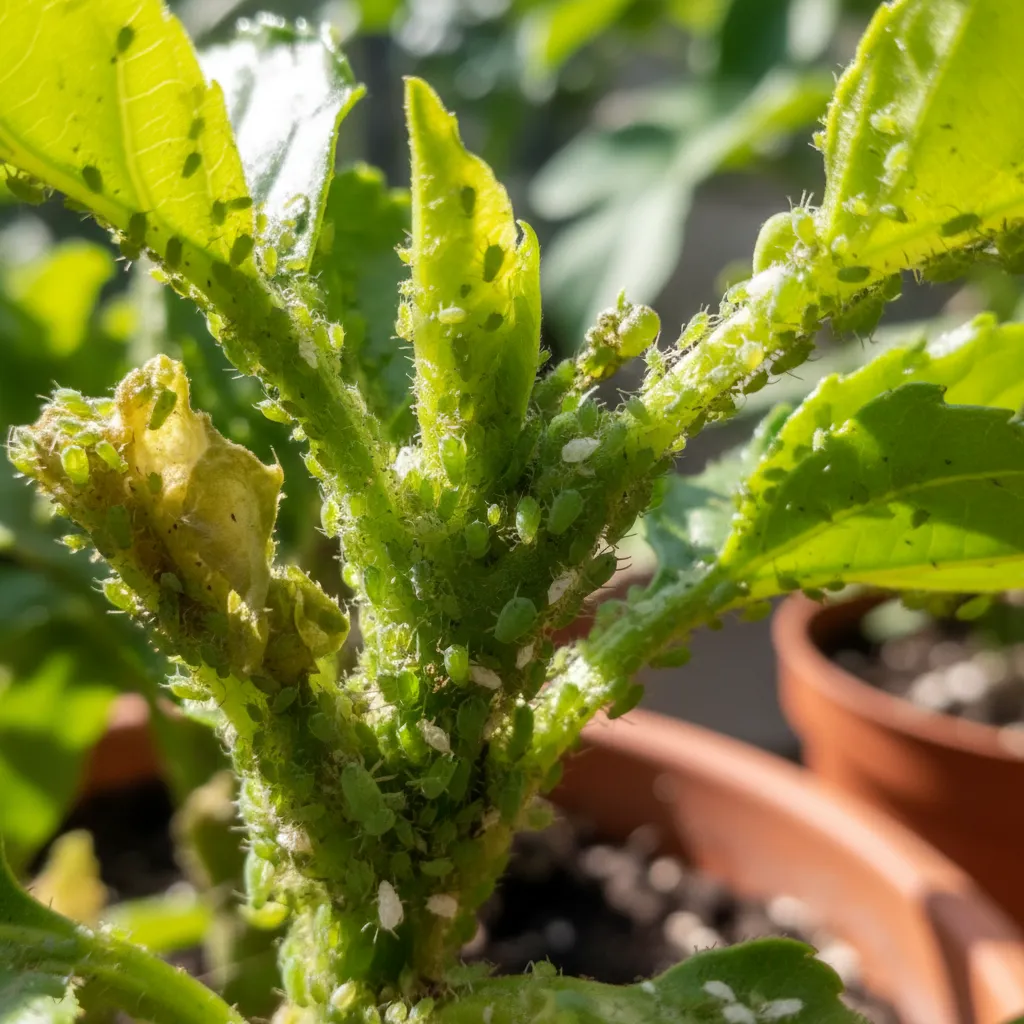
Water regularly to maintain consistent soil moisture, avoiding overwatering. Prune stems after flowering to promote bushier growth and prevent legginess. Fertilize with an organic compost solution every 4-6 weeks during the growing season to achieve optimal growth. Watch for common garden pests, such as aphids and spider mites, and manage them with insecticidal soap or natural remedies. Mulching can help retain soil moisture and suppress weeds. Monitor for signs of disease, particularly in humid conditions, and ensure good air circulation around the plants.

Safety Profile

✓ Pregnancy and Lactation — While culinary carrot consumption is safe, the use of concentrated extracts, essential oils, or large medicinal doses of wild carrot should be avoided or used with extreme caution during pregnancy and breastfeeding, due to potential emmenagogue effects or lack of sufficient safety data. ✓ Children — Carrots are generally safe for children in food amounts; however, medicinal preparations should be administered under professional guidance. ✓ Drug Interactions — Individuals on anticoagulant medications should consume carrots consistently, as fluctuating high intake of vitamin K can alter medication efficacy. Consult a healthcare provider. ✓ Allergic Individuals — Those with known allergies to plants in the Apiaceae family (e.g., celery, parsley, dill) should exercise caution due to potential cross-reactivity. ✓ Photosensitivity Risk — Direct contact with wild carrot leaves and stems, especially when exposed to strong sunlight, can cause skin irritation; wear gloves when handling. ✓ Identification — Crucially, ensure correct identification of wild Daucus carota. Its resemblance to highly poisonous plants like hemlock necessitates expert knowledge for foraging. ✓ Quality and Purity — When using supplements or essential oils, source from reputable suppliers to ensure product purity and absence of contaminants.

Side Effects

✓ Carotenemia — Excessive consumption of carrots can lead to a harmless yellowish-orange discoloration of the skin, particularly in palms and soles, due to high beta-carotene intake. ✓ Allergic Reactions — Some individuals may experience allergic reactions, including skin rashes, itching, or oral allergy syndrome symptoms, especially if sensitive to other Apiaceae plants. ✓ Photosensitivity — Handling wild carrot foliage, particularly in bright sunlight, can cause phytophotodermatitis (skin irritation and blistering) due to furanocoumarins. ✓ Gastrointestinal Upset — Large quantities of raw carrots may cause bloating, gas, or stomach cramps in sensitive individuals due to their fiber content. ✓ Blood Sugar Impact — While generally low glycemic, very high intake of carrot juice might slightly affect blood sugar levels, especially for diabetics. ✓ Drug Interactions — High vitamin K content in carrots could potentially interfere with anticoagulant medications (blood thinners) if consumed in very large, inconsistent amounts. ✓ Wild Plant Toxicity — Misidentification of wild Daucus carota with poisonous look-alikes like water hemlock (Cicuta maculata) or poison hemlock (Conium maculatum) can be lethal.

Cultural Significance

The wild carrot, *Daucus carota*, boasts a rich tapestry of cultural significance woven through millennia of human interaction. Its origins in Central Asia, specifically the region around modern-day Afghanistan, mark it as an ancient staple. While the cultivated carrot (*Daucus carota ssp. sativus*) is celebrated globally for its culinary versatility and nutritional value, the wild form, often recognized as Queen Anne's Lace, carries its own distinct cultural weight. Historically, various parts of *Daucus carota* have been employed in traditional medicine systems. In Ayurvedic medicine, the seeds were valued for their diuretic and carminative properties, used to treat kidney ailments and digestive issues. Similarly, in traditional Chinese medicine, the root and seeds were utilized for their ability to promote urination and clear heat. Across European folk medicine, the plant was a common remedy, with poultices of the leaves applied to wounds and infusions of the root taken for a range of ailments, from coughs to menstrual irregularities. The striking appearance of Queen Anne's Lace, with its delicate white umbels often featuring a single dark floret at the center, has inspired a wealth of folklore and symbolism. This central dark floret is frequently interpreted as a drop of blood, leading to legends that the plant was named in honor of Queen Anne of Great Britain, who was said to have pricked her finger while embroidering and bled upon the flower. Alternatively, some traditions associate this dark spot with the eye of God or a protective charm. In some cultures, the entire plant was believed to possess aphrodisiac qualities, while others saw it as a symbol of sanctuary or a marker for fairy gatherings. Economically, while the wild carrot itself was not a primary trade commodity in the same way as its cultivated descendant, its presence signaled fertile ground and potential resources for foraging communities. The development of the domesticated carrot from its wild ancestor represents a profound economic and culinary shift, transforming a tough, bitter root into a globally cherished foodstuff. Today, *Daucus carota* continues to hold relevance in modern culture, not only as a beloved wildflower gracing meadows and gardens, inspiring artists and nature enthusiasts, but also through its inclusion in the wellness industry, where its essential oil is appreciated for its purported skin-regenerating properties.

Quick Facts

Categorygarden
FamilyApiaceae
GenusPlanta
Species epithethortensis
Life cyclePerennial
Growth habitHerb
Mature height30-60 cm
Sun requirementFull Sun
Water needMedium
Soil pH6.0-7.0
USDA zone9-11
Toxicity levelNon-toxic
EdibilityEdible parts
Conservation statusNE