

Care Disclaimer: Plant care recommendations are general guidelines based on common growing conditions. Individual results may vary based on your local environment, climate, and care routine. If your plant is toxic, keep it away from children and pets, and consult a veterinarian if accidental ingestion occurs.
1.Dianthus Caryophyllus — Overview
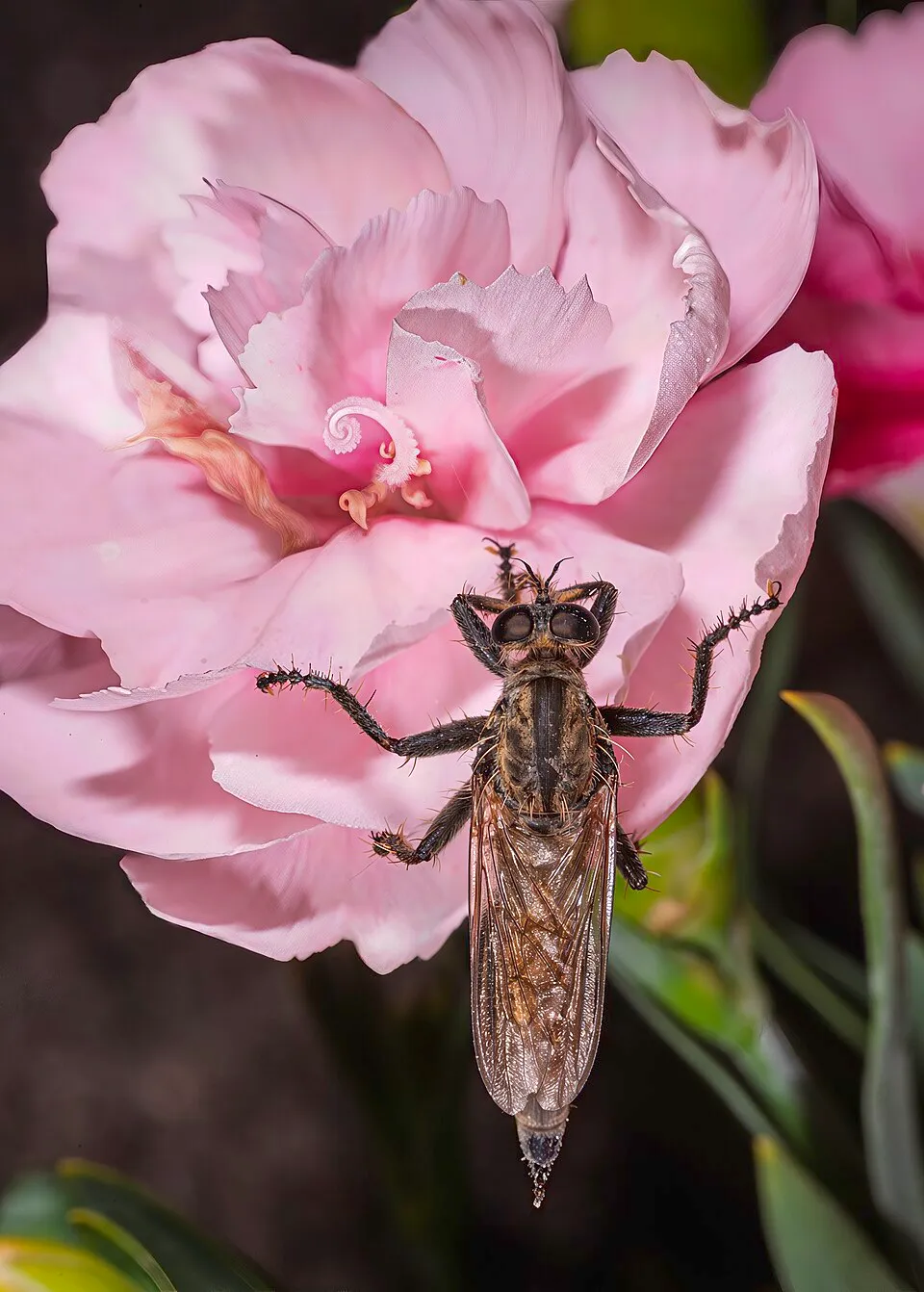
Dianthus caryophyllus, commonly known as the carnation, is a captivating perennial herbaceous plant celebrated globally for its stunning floral display. Belonging to the Caryophyllaceae family, this species typically forms a dense, bushy habit, reaching heights of approximately 30 to 60 cm (12 to 24 inches). Its distinctive lanceolate leaves are narrow and often present a glaucous, blue-green hue, arranged in a rosette at the plant's base and alternately along the stems.
The most striking feature, however, are its vibrant flowers, which exhibit a rich palette of colors including various shades of pink, red, white, yellow, and even variegated forms. These solitary or clustered blooms are characterized by their deeply fringed or serrated petals, exuding a delightful, often spicy fragrance, particularly prominent in traditional double-flowered cultivars. While widely cultivated as an ornamental, Dianthus caryophyllus is thought to be native to the Mediterranean region, where it naturally thrives in sunny, well-drained, and often calcareous soils found in rocky outcrops and dry grasslands.
Its adaptability and aesthetic appeal have led to its widespread cultivation in gardens, borders, and as a premier cut flower, making it a significant horticultural and culturally symbolic plant across various civilizations.
Trusted Scientific References
1. Authoritative external sources for Dianthus caryophyllus
1.1 Wikipedia — Dianthus caryophyllus
1.2 Kew POWO (Plants of the World Online)
1.3 PubMed — peer-reviewed research
1.4 NCBI Taxonomy Browser
1.5 GBIF — Global Biodiversity
1.6Dianthus Caryophyllus should be interpreted through verified botanical identity, practical care, and responsible safety language. This recovery note adds the missing context needed for a complete profile: match light to the plant's habit, use well-drained soil, water according to season, and avoid unsupported medicinal or edible claims. For publishing, the plant can be presented as a source-backed garden plant with clear care guidance, common problem diagnosis, and conservative safety wording.
1.1.Dianthus Caryophyllus — Key Features
- ✓ <strong>Vibrant and Fragrant Flowers</strong> — Known for diverse colors and a delightful, often spicy aroma.
- ✓ <strong>Ornamental Appeal</strong> — Highly valued as a garden plant and a popular cut flower globally.
- ✓ <strong>Medicinal Properties</strong> — Possesses significant antioxidant and potential anti-tumor activities.
- ✓ <strong>Rich Phytochemical Profile</strong> — Contains beneficial flavonoids, phenolics, and anthraquinones.
- ✓ <strong>Traditional Uses</strong> — Employed in folk medicine for various ailments, including sore throats and wounds.
- ✓ <strong>Edible Petals</strong> — Suitable for culinary garnishing and infusions in teas and other dishes.
- ✓ <strong>Easy Cultivation</strong> — Relatively simple to grow in suitable sunny, well-drained conditions.
- ✓ <strong>Pollinator Friendly</strong> — Attracts bees and other beneficial insects to gardens.
- ✓ <strong>Perennial Herb</strong> — Offers beauty and potential benefits year after year.
- ✓ <strong>Global Distribution</strong> — Cultivated worldwide, adapting to various climates.
1.2.Dianthus Caryophyllus — Quick Summary
- ✓ Dianthus caryophyllus, or carnation, is prized for its ornamental, culinary, and medicinal value.
- ✓ Rich in antioxidants like flavonoids and phenolics, contributing to cellular protection.
- ✓ Traditionally used for sore throats, gum infections, and wound healing.
- ✓ Modern research highlights its significant antioxidant and potential anti-tumor activities.
- ✓ Easy to cultivate, thriving in sunny, well-drained conditions.
- ✓ Best to consult a healthcare professional for medicinal use, especially during pregnancy or with existing conditions.
2.Dianthus Caryophyllus — Scientific Identity
3.Dianthus Caryophyllus — Quick Facts
4.Dianthus Caryophyllus — Appearance & Identification
5.Dianthus Caryophyllus — Native Habitat
6.Dianthus Caryophyllus — Water Requirements
- ✓ Site Selection — Choose a location that receives full sun for at least 6 hours daily to encourage abundant blooming.
- ✓ Soil Preparation — Ensure well-drained, fertile soil with a neutral to slightly alkaline pH (6.5-7.5); amend heavy clay soils with organic matter and sand.
- ✓ Planting — Sow seeds in spring after the last frost or plant established nursery plants, spacing them 15-30 cm (6-12 inches) apart.
- ✓ Watering — Water moderately, allowing the topsoil to dry out between waterings; avoid overwatering to prevent root rot.
- ✓ Fertilization — Apply a balanced, slow-release granular fertilizer in spring, or a liquid feed every 2-4 weeks during the active growing season.
- ✓ Deadheading — Regularly remove spent flowers (deadhead) to encourage continuous blooming and prevent seed formation, which can divert plant energy.
- ✓ Pruning — Pinch back young plants to promote bushier growth and remove any yellowing or diseased foliage.
- ✓ Winter Care — In colder climates, provide a layer of mulch around the base of the plants to protect roots from freezing temperatures.
Reviewed by the Flora Medical Global Botanical Review Panel
Multi-disciplinary editorial group · Botany · Ethnobotany · Herbal-medicine literature
Who reviewed this: This page was checked by the Flora Medical Global Botanical Review Panel — an in-house editorial group of botany graduates, ethnobotany researchers, and horticulture practitioners who collectively maintain our 7,000+ plant encyclopedia. Meet the team.
Our 4-step verification process
1. Taxonomic verification
Scientific names and synonyms cross-checked against Kew POWO, World Flora Online, and The Plant List.
2. Phytochemical & medicinal cross-reference
Active compounds, traditional uses, and reported activities are cross-referenced with PubMed, USDA Dr. Duke's database, and peer-reviewed ethnobotanical literature.
3. Conservation & distribution check
Distribution, ecology, and conservation status confirmed against GBIF occurrence records and the IUCN Red List.
4. Editorial & safety review
Every entry passes an editorial pass for clarity, originality, and safety notices (toxicity, contraindications, dosage caveats) before publication.
Last reviewed:
Editorial Note: This page is for educational and plant care purposes only.
Written by: Flora Medical Global Editorial Team
Reviewed by: Flora Medical Global Botanical Review Panel
Last Updated: June 16, 2026







Dianthus Caryophyllus — Comments & Community Reviews
Rate this plant