

Care Disclaimer: Plant care recommendations are general guidelines based on common growing conditions. Individual results may vary based on your local environment, climate, and care routine. If your plant is toxic, keep it away from children and pets, and consult a veterinarian if accidental ingestion occurs.
1.Erigeron — Overview
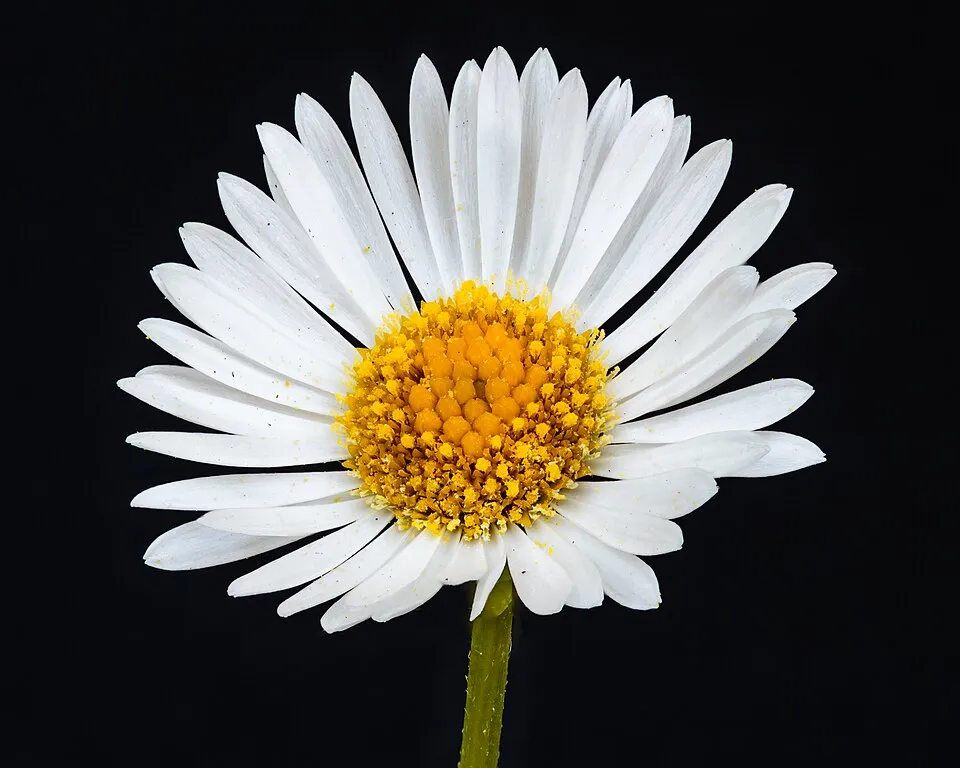
Erigeron karvinskianus, widely recognized as Mexican fleabane or Mexican daisy, is a resilient perennial herb belonging to the diverse Asteraceae family, which includes many daisy-like plants. This species is celebrated for its delicate yet profuse small, daisy-like capitula that transition from white to pink as they mature, typically showcasing bright yellow centers. Its growth habit is characteristically spreading and mat-forming, reaching a modest height of approximately 30 cm with a similar lateral spread, creating a verdant, flowering carpet.
The foliage consists of narrow, lanceolate to linear leaves, typically 5-10 cm in length, often covered with fine, soft hairs that impart a slightly woolly texture. Native to the warm and often arid regions of Mexico and Central America, Erigeron karvinskianus has naturalized across many tropical and subtropical zones globally, thriving in well-drained soils and warm climates. It demonstrates remarkable adaptability, colonizing diverse habitats from rocky outcrops and urban roadsides to cultivated gardens.
Its extended flowering period from spring through fall makes it an excellent pollinator attractant, drawing bees, butterflies, and other beneficial insects. Its vigorous growth and aesthetic appeal have also made it a popular choice for ground cover and ornamental landscaping, valued for its low maintenance and drought tolerance.
Trusted Scientific References
1. Authoritative external sources for Erigeron karvinskianus
1.1 Wikipedia — Erigeron karvinskianus
1.2 Kew POWO (Plants of the World Online)
1.3 PubMed — peer-reviewed research
1.4 NCBI Taxonomy Browser
1.5 GBIF — Global Biodiversity
1.6Erigeron should be interpreted through verified botanical identity, practical care, and responsible safety language. This recovery note adds the missing context needed for a complete profile: match light to the plant's habit, use well-drained soil, water according to season, and avoid unsupported medicinal or edible claims. For publishing, the plant can be presented as a source-backed garden plant with clear care guidance, common problem diagnosis, and conservative safety wording.
1.1.Erigeron — Key Features
- ✓ <strong>Botanical Name</strong> — Erigeron karvinskianus, also known as Mexican fleabane or Mexican daisy.
- ✓ <strong>Family Affiliation</strong> — Member of the Asteraceae (daisy) family.
- ✓ <strong>Growth Habit</strong> — Spreading, mat-forming perennial, reaching about 30 cm in height.
- ✓ <strong>Floral Characteristics</strong> — Small, daisy-like flowers, typically white to pink with yellow centers.
- ✓ <strong>Native Range</strong> — Indigenous to Mexico and Central America, widely naturalized.
- ✓ <strong>Medicinal Uses</strong> — Traditionally used for anti-inflammatory, analgesic, and respiratory benefits.
- ✓ <strong>Key Phytochemicals</strong> — Contains flavonoids, sesquiterpene lactones, essential oils, and phenolic compounds.
- ✓ <strong>Ornamental Value</strong> — Popular as ground cover and in rock gardens due to its prolific blooming and resilience.
- ✓ <strong>Pollinator Attractor</strong> — Attracts bees and butterflies, supporting local ecosystems.
- ✓ <strong>Drought Tolerance</strong> — Highly adaptable and resilient, thriving in dry conditions once established.
1.2.Erigeron — Quick Summary
- ✓ Mexican fleabane is a low-maintenance, ornamental perennial with traditional medicinal uses.
- ✓ Valued for anti-inflammatory, analgesic, and respiratory support properties.
- ✓ Rich in flavonoids, sesquiterpene lactones, essential oils, and phenolic compounds.
- ✓ Easy to cultivate, drought-tolerant, and attracts pollinators.
- ✓ Primarily used in infusions, decoctions, or topical applications.
- ✓ Caution advised for pregnant/nursing individuals and those with Asteraceae allergies.
2.Erigeron — Scientific Identity
3.Erigeron — Quick Facts
4.Erigeron — Appearance & Identification
5.Erigeron — Native Habitat
6.Erigeron — Water Requirements
- ✓ Soil Preference — Thrives in well-drained, moderately fertile soils, ideally with a neutral to slightly alkaline pH (6.0-7.5).
- ✓ Light Requirements — Prefers full sun to partial shade; best flowering occurs in full sun conditions.
- ✓ Watering — Drought-tolerant once established, but benefits from moderate watering during prolonged dry periods, especially in containers.
- ✓ Propagation — Easily propagated from seeds, cuttings, or by division of established clumps in spring or early autumn.
- ✓ Planting — Space plants approximately 30-45 cm apart to allow for its spreading habit; plant in spring after the last frost or in early fall.
- ✓ Maintenance — Requires minimal maintenance; deadhead spent flowers to encourage continuous blooming and prevent excessive self-seeding.
- ✓ Pest and Disease — Generally resistant to most common pests and diseases, though occasional aphid infestations may occur.
- ✓ Fertilization — Light fertilization with a balanced, slow-release granular fertilizer in spring can promote vigorous growth and flowering.
Reviewed by the Flora Medical Global Botanical Review Panel
Multi-disciplinary editorial group · Botany · Ethnobotany · Herbal-medicine literature
Who reviewed this: This page was checked by the Flora Medical Global Botanical Review Panel — an in-house editorial group of botany graduates, ethnobotany researchers, and horticulture practitioners who collectively maintain our 7,000+ plant encyclopedia. Meet the team.
Our 4-step verification process
1. Taxonomic verification
Scientific names and synonyms cross-checked against Kew POWO, World Flora Online, and The Plant List.
2. Phytochemical & medicinal cross-reference
Active compounds, traditional uses, and reported activities are cross-referenced with PubMed, USDA Dr. Duke's database, and peer-reviewed ethnobotanical literature.
3. Conservation & distribution check
Distribution, ecology, and conservation status confirmed against GBIF occurrence records and the IUCN Red List.
4. Editorial & safety review
Every entry passes an editorial pass for clarity, originality, and safety notices (toxicity, contraindications, dosage caveats) before publication.
Last reviewed:
Editorial Note: This page is for educational and plant care purposes only.
Written by: Flora Medical Global Editorial Team
Reviewed by: Flora Medical Global Botanical Review Panel
Last Updated: June 16, 2026







Erigeron — Comments & Community Reviews
Rate this plant